Tuesday, August 17, 2021

Silk Launches Vegan Greek Yogurt

From vegoutmag.com

Finally, a vegan option for Greek yogurt!

If you’re like us, chances are you’ve been scouring the shelves and tabloids, just waiting for someone to finally come out with a vegan Greek yogurt that holds up and passes the thickness test. Well, good news! Silk just launched a Greek Style Coconutmilk Yogurt Alternative that will blow. your. mind.

Vegan Greek Yogurt

With the launch of its Greek Style Coconutmilk Yogurt Alternative, Silk is filling a hole in the market that many brands are still scrambling to figure out. Aside from traditionally being more protein-dense, Greek yogurt is also much thicker than regular yogurt, and this consistency is something that vegan brands have struggled to replicate. But after working on this recipe for several years, Silk has finally perfected it. Made with a coconut milk base, live and active cultures, and packed with 10g of protein per serving, this vegan Greek yogurt is blissfully thick (seriously, grab a spoonful and flip the spoon over … it won’t budge!). This launch includes four flavours—vanilla, strawberry, lemon, and blueberry—and they’ll all have your taste buds rejoicing.


Where to Find Silk’s New Vegan Greek Yogurt

This launch brings all four flavours to select retailers nationwide, including Albertsons, Publix, Stop n’ Shop, and Raley’s. The yogurts retail at $1.99 per 5.3 oz cup. Use Silk’s store locator to find out where you can find the vegan Greek yogurt alternative near you.

Silk: It Does a Body (And Planet) Good

Silk is no stranger to the world of vegan dairy alternatives, with products ranging from acai almond milk traditional yogurt, vanilla oat milk coffee creamer, and chocolate almond & cashew milk. Their entire plant-based line of products is certified non-GMO, they have several organic options, and the company is fiercely dedicated to water conservation and restoration. In fact, 100% of the water used to make the new Greek yogurt alternative is restored back to nature. How’s that for taking care of our planet?

https://vegoutmag.com/news/silk-launches-vegan-greek-yogurt/

Looking for healthy vegan meat substitutes? Here are some alternatives you can try

From timesnownews.com

Absolute elimination of certain food groups from the diet may be a choice, however, it may also lead to neglect of some essential nutrients

Vegan meat alternatives
Vegan meat alternatives | Photo Credit: Pixabay  

Key Highlights

  • Vegan diet prohibits the incorporation of animal-based products in the diet
  • Animal-based products are an important source of protein, vitamin B12, and omega-3 fatty acids
  • Compensating for lost nutrients with healthy food substitutes is important to ensure a healthy and balanced diet

New Delhi: One diet plan can change a person's perspective on food as it can contribute greatly to an individual's eating habits and lifestyle. In the current time, veganism is not just a diet, it's a way of life. This kind of diet includes consumption of only plant-based foods and eliminates every food or ingredient that is animal-based. This may include meat, seafood, and dairy. Absolute elimination of certain food groups from the diet may be a choice, however, it may also lead to neglect of some essential nutrients. A way to fulfil the requirements for the lost nutrients is to find an equally healthy alternative as a substitute. 

Vegan meat alternatives

Here are some healthy vegan meat alternatives that you must include in your diet:

  1. Seitan: A popular vegan substitute for meat that has been gaining prominence lately is seitan. Preparation of vegan food involves removing starch by adding water to wheat flour. The result is a delicious and dense dish with meat-like texture and consistency which can be consumed after adding some seasoning. 
  2. Tofu: A popular part of Asian cuisine, tofu meat is an excellent substitute for conventional meat. Depending on the method of preparation, a chewy meaty texture can be achieved making it a popular food among vegans. Tofu is a rich source of calcium, iron, and vitamin B12 and 113 g contain about 60 calories.
  3. Jackfruit: Have you heard of jackfruit meat? A popular vegan preparation of jackfruit, also known as kathal, jackfruit meat emerged as a popular vegan-friendly meat alternative that is being loved and acknowledged across the world. This fruit is popular in parts of southeast Asia and is a rich source of protein. 
  4. Soy protein: If you're looking for a protein-rich meat alternative for your vegan diet, you cannot and must not leave soy protein out of your plate. Also known as textured soy protein or texturized vegetable protein, this incredible food is made from soy flour and is available in form of chunks and nuggets.
  5. Mushrooms: Bite into the chewy goodness of mushrooms and you'll realize how brilliant vegetarian food can be. Mushrooms are beautiful, fleshy, and fibre rich fungus that can be added as a healthy vegan diet option. You can choose among the varieties available, just make sure that it's not poisonous. 

Vegan Food Reduces Risk Of Heart Disease, Two New Studies Find

From plantbasednews.org

Two new longitudinal studies have found that a diet rich in whole, plant-based foods can reduce the risk of heart disease. The findings emerge alongside reports of the positive impact a vegan diet can have on the planet.  

Young adults, diet, and CVD

One of the recent studies looked at the link between diet and risk of cardiovascular disease (CVD) during young to middle adulthood. Researchers studied nearly 5,000 people for 32 years. 

Each participant was aged between 18 and 30 years when the study began, and all were free of CVD.

Doctors assessed each participant’s health over the study period and kept records of their diet. They also rated each person’s diet quality. Higher scores represented higher consumption of nutritionally rich plant foods, and lower intake of high-fat meat products and less healthy plant foods.

By the end of the study, 289 people had developed CVD.

Researchers concluded that those with a long-term ‘plant-centred, high-quality diet’ were 52 percent less likely to develop incident CVD.

This was even after researchers adjusted for factors like race and sex.

Additionally, increasing plant-centred diet quality in young adulthood was associated with a 61 percent lower risk of incident CVD throughout middle age, regardless of earlier diet quality. 

Nutritionist Kristin Kirkpatrich spoke with Medical News Today about the study.

“The data presented in this study is consistent with previous studies on plant-based diets and longevity and metabolic health,” she said.

“I’m not surprised at the findings, and perhaps the takeaway here is it’s never too late or too early to start a plant-based diet.”

Postmenopausal women, diet, and CVD

A separate study also examined the connection between plant-based foods and the risk of CVD. However, in this case researchers focused on postmenopausal women.

The participants were between 50 and 79 years old when the study began in 1993 – it carried on until 2017.

Researchers assessed how closely the participants adhered to the Portfolio diet. The Portfolio diet is a form of a vegan diet and is intended to lower LDL cholesterol. It excludes animal products and focuses on soy protein, plant sterols, soluble fiber, and tree nuts. 

Experts found that those who followed a Portfolio diet the most closely were 17 percent less likely to suffer from heart failure. They were also 14 percent and 11 percent less likely to develop coronary heart disease and CVD respectively. 

“We also found a dose response in our study, meaning that you can start small, adding one component of the Portfolio diet at a time, and gain more heart health benefits as you add more components,” lead author Andrea J. Glenn told Medical News Today.

Diet and environmental impact

Plant-based diets have been making headlines in other fields, too. 

Last week, The Guardian reported that behavioural changes – including dietary ones – will be essential to ‘avoid climate breakdown'. The statement was based on a leaked draft of a UN report.

“A shift to diets with a higher share of plant-based protein in regions with excess consumption of calories and animal-source food can lead to substantial reductions in emissions, while also providing health benefits,” the report reads. 

“Plant-based diets can reduce emissions by up to 50 percent compared to the average emission intensive western diet.”

It’s not the first time researchers have come to this conclusion.

In 2019, researchers from Oxford University conducted the most comprehensive analysis to date of the impact of farming on the planet.

Oxford University’s Joseph Poore, who led the study, stated: “A vegan diet is probably the single biggest way to reduce your impact on planet Earth, not just greenhouse gases, but global acidification, eutrophication, land use, and water use.”

https://plantbasednews.org/lifestyle/health/vegan-food-heart-disease/

Costco Does It Again: Bulk Violife Vegan Cheese Shreds And Slices Are Coming

From vegnews.com

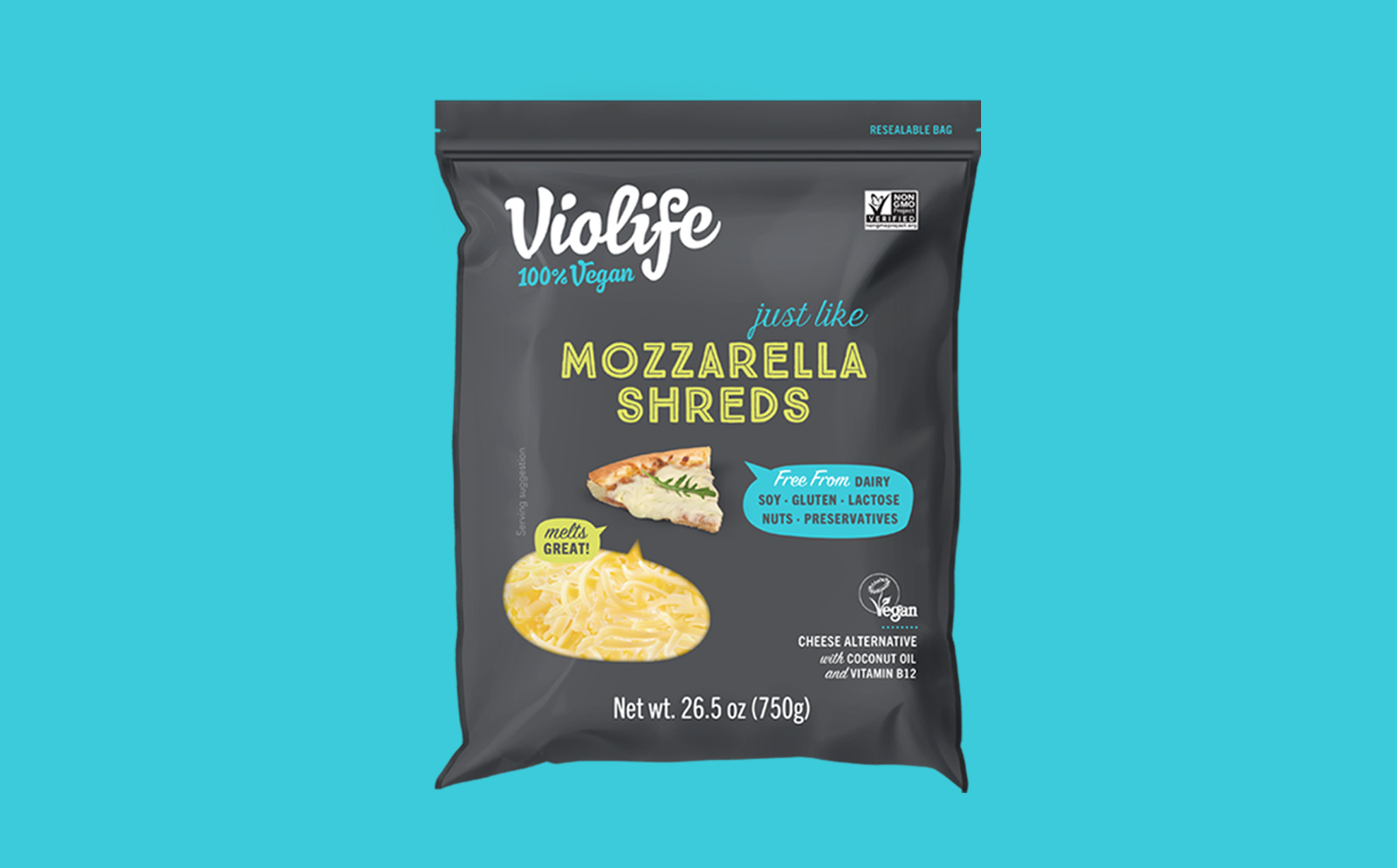
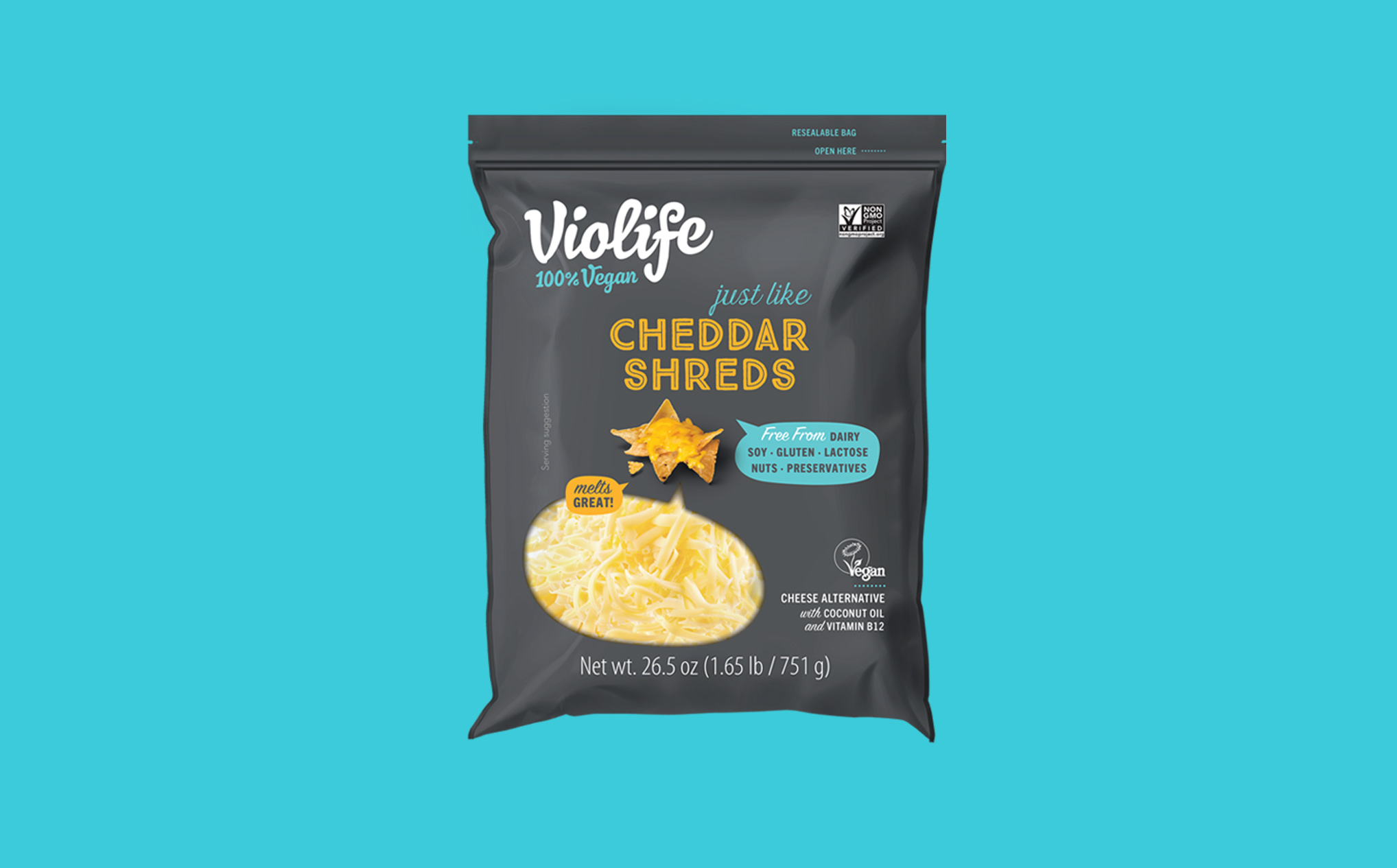
Violife mozzarella, cheddar, and colby jack shreds and slices are coming to Costco locations in the Northwest, Midwest, California, and Hawaii regions for a limited time

Starting this month, vegan brand Violife will offer bulk packs of vegan cheese in select locations of wholesale retailer Costco. For a limited time, Violife mozzarella shreds will be available at 30 locations in the Northwest region (which includes Idaho, Washington, Oregon, Montana, and Wyoming) and will come in 1.65-pound packages for $8.99. The brand’s Epic Mature cheddar slices will be available in 30 locations in the Los Angeles area and Hawaii and will come in two, 15-slice re-closable packs for $9.49. Violife cheddar shreds will be available in 93 locations in the Midwest region (which includes Michigan, Illinois, Ohio, Indian, Kansas, Missouri, Minnesota, Iowa, Nebraska, Wisconsin, Kentucky, South Dakota, and North Dakota). Later this fall, Costco locations in the Midwest will also offer Violife Colby Jack shreds. 

“We’re very excited to continue expanding our plant-based cheese offerings in Costco stores,” Violife General Manager Andy Reichgut told VegNews. “Violife is the fastest growing and leading vegan cheese brand in the US because our delicious vegan cheeses melt, cook, and taste like dairy cheese. By partnering with Costco, we are able to introduce Violife products to more consumers whether they are vegan or just looking to add more plant-based foods into their favourite recipes or diet.”

VegNews.ViolifeVeganCheese2

Based in Thessalonica, Greece since the 1990s, Violife’s products are now available in more than 50 countries around the world. In 2018, the brand became widely available in the United States through Whole Foods Market. Violife has focused mainly on vegan cheese, offering products such as cheese blocks, slices, spreads, and wedges in various flavours from cheddar to feta. The brand has also offered a seasonal EPIC Christmas Platter featuring three Cheddar-flavoured blocks (mature, smoked, and garlic & chili). Earlier this month, Violife launched its first vegan butter, Vioblock, at Asda stores across the United Kingdom. Vioblock is a new direction for the vegan company as it looks to expand its product offerings further within the dairy alternatives category. 

Vegan products at Costco

In recent years, Costco has expanded its selection of plant-based products, particularly in the vegan meat and cheese categories. Select locations of the chain offer bulk packs of Beyond Burgers, Beyond Sausages, and Beyond Meatballs; Ripple pea-based milk; Daiya cheese shreds and frozen dessert bars; and JUST Egg vegan liquid egg replacer. 

VegNews.ViolifeVeganCheese3

Earlier this year, Costco rolled out new vegan breakfast sandwiches in the frozen aisle at locations in Los Angeles, San Francisco Bay Area, and the Southeast region (which includes stores in Georgia, Tennessee, Mississippi, South Carolina, North Carolina, Alabama, Florida, and Puerto Rico). Made by vegan brand Alpha Foods, the Meatless Sausage, Plant Egg & Cheeze sandwich features vegan cheese by Greek brand Violife. In 2020, the brand also launched its Plant-Protein Crispy Chik’n Patties at Costco locations in the Southeast region, Los Angeles, Hawaii, and Texas.

Last month, Costco increased its vegan chicken offerings with new bulk packs of Field Roast Plant-Based Nuggets at more than 50 locations in the Los Angeles area. The wholesale retailer also expanded a take-and-bake vegan mac and cheese to nearly 100 locations in the Southeastern region of the country. The 32-ounce trays of vegan chef Ayinde Howell’s Original Mac & Yease are currently available in the prepared food section of stores in Alabama, Florida, Georgia, Louisiana, Mississippi, North Carolina, Oklahoma, South Carolina, Tennessee, Texas, and Puerto Rico. 

https://vegnews.com/2021/8/costco-violife-vegan-cheese

Monday, August 16, 2021

Montana, USA: The Science of Vegan Cooking

From flatheadbeacon.com

Dan d’Lion, a vegan restaurant, opened in Hungry Horse, Montana in June and delivers “crave-able” plant-based dishes

After spending 25 years in the catering industry with her business Earth Angel Organics, serving everyone from raft guide companies to wedding guests to private chef events, Meg Blakney noticed an increasing number of requests from customers with food restrictions.

Between the high demand for plant-based food and the pandemic, which decimated catering events last year, Meg and her husband Tom decided to retire from catering and open Dan d’Lion, a vegan restaurant in Hungry Horse.

“We decided to be a little off-the-beaten path and we decided to be all vegan, gluten-free and 95% organic,” Blakney said.

Although the location might not be obvious for a plant-based restaurant, Meg says she often sees cars making U-turns on the highway, and the eatery is popular among both tourists and locals.

“We were just shocked,” Blakney said. “We thought we knew the demographic of who would be attracted to this kind of food. We were so far off.”

The Blakneys expected younger customers in their 20s and 30s, but they often serve retired people, athletes and many professionals in both the traditional and non-traditional medical fields.

Even though their catering business wasn’t vegan, the Blakneys wanted to create food that was safe for everyone and make it easier to avoid contamination the an all-vegan restaurant.

Founders of the Dan d’Lion vegan restaurant Tom and Meg Blakney in Hungry Horse on August 6, 2021. JP Edge | Flathead Beacon

With a vision to create “crave-able” vegan dishes, Blakney calls every new recipe a science fair project, and says it takes a lot of experimentation and unique spice blends and ingredients to make mouth-watering vegan recipes.

Throughout college, Blakney worked for Campbell’s Soup doing lab testing for V8 Juice and did internships in the labs of Experimental Foods, where she worked on projects like texture palatability and volume of angel food cakes.

“You just tweak one ingredient at a time,” Blakney said. “Sometimes it’s introducing a new ingredient and sometimes it’s extracting an ingredient, and that’s come in very helpful making cheese here because it’s a whole different world.”

Through Blakney’s experiments, she’s discovered that a combination of hazelnut and coconut base, along with additional ingredients like tapioca, starch and different seasonings, creates the best vegan cheese for her pizzas.

Documenting everything throughout the process, Blakney takes elaborate notes and conducts blind tastings with her employees who rate each recipe.

Blakney has perfected the popular Montana Sapphire Pizza, which is a vegan version of a Greek pizza with roasted garlic, peppers, tomatoes, olives and tofu feta cheese.

Many of the vegetables come from their half-acre garden where they grow produce, including heirloom tomatoes, lettuce, collards, beets and edible flowers, typically planning the menu around what was recently harvested.

Using a unique blend of spices, Blakney says the flavours shock many of her customers. In the Lebanese garden hash, she adds potatoes and vegetables seasoned with cumin, cinnamon, coriander and turmeric.

The Dan d’Lion vegan restaurant in Hungry Horse on August 6, 2021.
JP Edge | Flathead Beacon

“We just like to pizzazz everything with lots of flavours,” she said.

Many of her sauces are also made with a wide variety of ingredients and can be used on both savoury and sweet dishes, like the Glacier Dew sauce made from local Glacier Distilling Company whiskey and the rhubarb ginger sauce, which she originally used on salmon and pork and is now used on tarts.

“It has a real nice zing to it,” Blakney said.

One of Dan d’Lion’s most popular desserts is the huckleberry shake, which uses a hazelnut butter, coconut milk and date base. Those are the same ingredients for Blakney’s coffee creamer, which she’s working on selling to retailers.

Blakney has been taking classes over the past decade to get her manufacturing license through the state, and she plans to package items like coffee creamers, buns and other recipes to sell to other restaurants and grocery stores.

Dan d’Lion is open Wednesday through Sunday from 11 a.m. to 7 p.m. Hours will be reduced in the winter months.

For more information, visit www.earthangelorganicsmt.com

https://flatheadbeacon.com/2021/08/15/the-science-of-vegan-cooking/


Recipe: Easy Vegan Tofu Egg Salad 

From vegnews.com

This super-simple eggy salad comes together with less than nine ingredients and is primed for layering into deli-style sandwiches, scooping onto leafy green salads, or simply enjoying with crackers

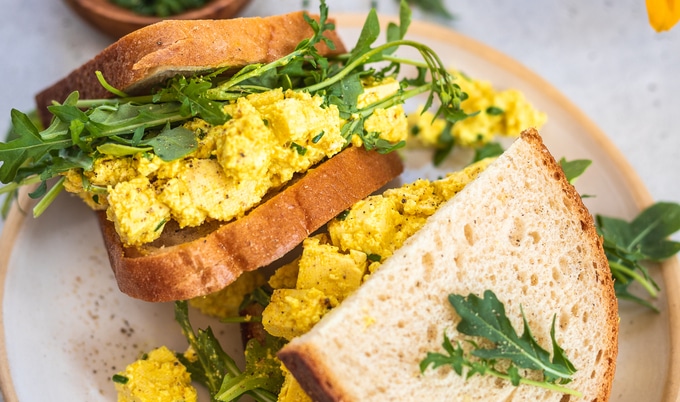
Black salt adds the signature eggy flavour to this plant-based take on egg salad from Two Spoons food blogger Hannah Sunderani. Add crunchy pickles, thinly sliced celery, or capers for added crunch and texture. 

Easy Vegan Tofu Egg Salad 

Photo credit: Hannah Sunderani

What you need:

⅓ cup vegan mayonnaise
1 tablespoon nutritional yeast
2 teaspoons Dijon mustard 
½ teaspoon black salt (kala namak)
¼ teaspoon ground turmeric
1½ cups extra-firm tofu, cut into ½-inch cubes
1½ tablespoons freshly chopped chives
½ teaspoon salt
¼ teaspoon black pepper 

What you do:

  1. In a small mixing bowl, whisk mayonnaise, nutritional yeast, Dijon mustard, black salt, and turmeric.
  2. Add tofu to bowl and mash with a fork to combine until an egg salad consistency is reached. Sprinkle with chopped chives, salt, and pepper and gently fold together. 

Climate crisis: Can going vegan save the world?

From independent.co.uk

As concern about environmental catastrophe deepens, Harry Cockburn tries to digest exactly how our diets may be making things worse and what action must be taken

The great project of our species has been agriculture. Since the end of the last ice age, around 11,000 years ago, humans have been hell-bent on farming our way to prosperity. And after a slow start, we seem to have become incredibly good at it.

Over the millennia, gradual improvements to our farming techniques created access to abundant food, thereby laying down the bedrock required for our first civilisations and societies to be founded and grow.

This progress was supercharged by the industrial revolution, and over the last two centuries, farming techniques have rapidly advanced, ultimately precipitating a whole new relationship between humans, livestock, food, the global economy, and the environment. 

But just at the same moment when the food choices available to the average western consumer have never been broader, nor the comparative costs of eating so low, the dark, swelling underbelly of much of the food we eat – the toll it is taking on our planet – has become increasingly exposed, and it is not pretty.

Deforestation, lethal pesticide use, overfishing, monoculture farms devoid of wildlife, contagious animal diseases which pose risks to humans, soil degradation, and the endless invisible greenhouse gases released by livestock, are all among the issues consumers can grapple with if they have the inclination.

So in the decades of the late 20th and early 21st century, many people are increasingly developing new sets of behaviour around food.

A 2019 Ipsos Mori survey, commissioned for The Vegan Society, found that the number of vegans in Great Britain quadrupled between 2014 and 2019.

In 2019 there were around 600,000 vegans, or 1.16 per cent of the population. While this figure is low, it represents a rise from 150,000 vegans (0.25 per cent of the population) in 2014.

This year, 500,000 people around the world signed up for the Veganuary campaign, double the 2019 figure.

Meanwhile, people who describe themselves as vegetarian make up almost 15 per cent of the UK population, and pescatarians – who don’t eat meat, but do eat fish – made up 6 per cent, while those who said they eat everything accounted for 61 per cent of the population, according to the latest figures from  Statista.

There are various factors at play, and attitudes and ability to how we approach our diets can be heavily influenced by forces such as wealth, habit, tradition, education, class, current affairs and political leaning.

While animal welfare has long been a serious issue for many people in food production, there are now new worries over the broader impacts on the environment and the global climate crisis due to the ways our food is produced, transported, packaged and sold.

Images of animals suffering in slaughterhouses have been part of campaigns against meat eating for many decades, but it is only relatively recently that concerns about the environment have also begun to lead people to the same conclusion.

An analysis by the UN’s Food and Agricultural Organisation found meat and dairy account for 14.5 per cent of the world’s greenhouse gas emissions – the same as all cars, HGVs, aircraft, and shipping combined.

Why is this? Well, the world-changing impact of surging demand for meat and dairy is hard to overstate.

Of all the mammals on Earth, 96 per cent of them are now livestock. Meanwhile, since the dawn of humanity, our species has caused the loss of 83 per cent of wild animals, and around half of plants.

Meat production uses around 82 per cent of the world’s farmland and produces 60 per cent of agriculture’s greenhouse gas emissions.

In total, around 30 per cent of all land in the world which is ice-free is used to grow grains, fruits and vegetables that are directly fed to the chickens, pigs and cattle that we eventually eat.

On rugged terrains, such as the UK’s uplands, millions of sheep not only produce methane, but also eat the shoots of plants which prevent forests regenerating, and biodiversity returning. In other areas, deer have the same landscape-stripping effect.

Scientists have said avoiding meat and dairy products from your diet is the single best way an individual can cut down their own impact on the environment and help tackle the climate and biodiversity crisis.

Landmark research by academics at Oxford University in 2018 found that cutting meat and dairy products from your diet could reduce an individual’s carbon footprint from food by up to 73 per cent.

If everyone stopped eating these foods overnight, then global farmland use could be reduced by 75 per cent – an area equivalent to the size of the US, China, Australia and the EU combined.

Not only would this result in a significant drop in greenhouse gas emissions, it would also free up wild land lost to agriculture, one of the primary causes for mass wildlife extinction.

But in a country where over 90 per cent of people eat animal products, a mass overnight transition to veganism is hardly realistic. Short of turning vegan, scientists are urging people to begin by reducing their meat and dairy consumption.

Jonathan Wells, professor of anthropology and paediatric nutrition, told The Independent: “Shifting to a much greater proportion of global dietary intake from plant foods is a key way to mitigate climate change and ecological degradation. Plant foods are more efficient per unit of land, and that would allow more land to be left wild.

“From my perspective, promoting an overall shift to plant-based diets at the population, and global, level is more important than whether individuals become fully vegan, or vegetarian, or simply stay an omnivore but consuming less animal-source foods.”

Transitioning away from meat and dairy is ultimately unavoidable, if the world is to meet climate targets, according to Dr Mike Clark, from Oxford University’s Nuffield Department of Population Health, an expert on environmental, economic, and health impacts of food systems.

He said: “At a global scale, there is an abundance of evidence that suggests that consumption and production of meat and dairy need to reduce in order to promote health and meet environmental targets. This is particularly true in high-income economies like the UK, USA, Australia, EU with histories of high meat and dairy consumption.”

Dr Keren Papier, a Nutritional Epidemiologist also of Oxford’s Nuffield Department of Population Health, also highlighted the role wealthy nations must play in overturning existing dietary habits to reduce the burden on the environment.

She told The Independent: “Current levels of meat and dairy consumption in high income countries are a major source of greenhouse gas emissions and also put massive pressure on the environment and biodiversity through [for example] land use change and water pollution.

“Therefore substantial reduction of consumption in high income countries is essential for meeting global environmental and biodiversity targets.”

As well as the direct environmental benefits, cutting meat and dairy in the countries which have the highest consumption rates of these products would likely bring widespread health benefits.

Dr Clark said: “There’s lots of evidence that suggests that transitioning towards more plant-based diets would likely reduce rates of diet-related diseases such as heart disease, diabetes, stroke, and certain cancers. This is particularly true in high meat-consuming regions such as the UK.

He added: “The main exception to this general trend is in lower-income and food insecure regions, where evidence suggests that increasing consumption of meat, dairy, and eggs would improve health outcomes.”

Professor Wells, whose book, The Metabolic Ghetto, discusses the numerous benefits of growing more of our own food, also spoke about what human diets may look like towards the end of the 21st century.

He said: “I hope future human diets will be more organic, more locally-produced, more plant-based. I would expect animal foods to be still part of the human diet, but I hope they would contribute a much smaller part of the overall intake, especially in high-income countries, and I hope their intake would occur much more equally among the world’s population, for those not fully vegan.”

While diet is, to an extent, about individual choice, governments and companies play decisive roles in shaping the production of foods, and perhaps here is where fundamental change is most urgently required.

The creation of policies to promote responsible, sustainable food production methods do not lie with consumers, but with governments, which have the power to do things on a grand scale over a short timeframe.

In 2019, scientists writing in the Lancet Planetary Health journal called for governments to implement a vast restoration of natural vegetation on land currently used for meat production. This, they said, was the “best option” for removing CO2 from the Earth’s atmosphere.

They said high-income and middle-income countries wishing to meet the terms of the 2015 Paris climate deal must enact policies including declaring a timeframe for peak livestock; identifying the largest livestock emissions sources and setting reduction targets; measures to diversify food production, replacing livestock with sustainable foods that maximise public health benefits – mainly pulses (including beans, peas, and lentils), grains, fruits, vegetables, nuts, and seeds.

https://www.independent.co.uk/climate-change/news/veganism-meat-environmental-impact-diet-b1901628.html