Showing posts with label butter. Show all posts

Wednesday, July 8, 2026

Coconut-Based Butter Alternatives

From trendhunter.com

Vegan-Friendly Better Than Butter is Crafted from 96% Coconut 

Millions of people love to cook, bake and spread butter, but are actively looking for alternatives, whether to reduce cholesterol, avoid trans fats, or align with ethical or lifestyle choices, and at the Summer Fancy Food Show 2026, Brown Sugar 1st. introduced Better Than Butter, a plant-based spread crafted from coconut. This rich spread is made with an organic coconut oil base, plus coconut milk powder and a handful of other clean ingredients like water, sea salt, sunflower lecithin, natural flavour, citric acid and annatto (a natural colour derived from the achiote tree.)

This dairy-free, gluten-free, vegan-approved spread, made with 96% coconut-based ingredients, is creamy, naturally contains MCTs, and is praised for its clean flavour, as well as its versatility and performance in professional bakery and cafe kitchens.


Coconut-based Spreads
Coconut-rich formulations are creating new space for dairy-free butter alternatives that deliver creamy texture, clean flavour and functional fats for everyday cooking and baking.
Clean-label Vegan Fats
Minimal ingredient plant-based spreads point to premium opportunities in products that combine ethical positioning with recognizable inputs and professional kitchen performance.
Bakery-ready Dairy Alternatives
Foodservice-grade vegan butter substitutes are reshaping bakery and cafe menus by offering allergen-conscious, cholesterol-free options that perform across spreading, baking and finishing applications.

Who This Affects Most

Plant-based Foods
The plant-based foods sector is expanding beyond meat analogs into high-utility staples where coconut ingredients can replace dairy without sacrificing indulgence or versatility.
Specialty Grocery
Premium grocery channels benefit from differentiated butter alternatives that align with vegan, gluten-free and clean-label shopping behaviours while supporting higher-margin specialty positioning.
Foodservice and Hospitality
Professional kitchens are gaining access to dairy-free spreadable fats that simplify menu adaptation for vegan, wellness-focused and allergy-aware consumers.

https://www.trendhunter.com/trends/better-than-butter

Sunday, June 28, 2026

Inside Miyoko Schinner’s Famous Cultured Vegan Butter Recipe

From plantbasednews.org

Three ingredients and a fermentation trick make this butter taste just like the real deal 

For many home cooks, whether they’re dairy-free, plant-curious, or simply love experimenting in the kitchen, butter is one of the hardest staples to rethink. That’s exactly why Miyoko Schinner’s recent video is a must-watch. Known for changing how people think about dairy-free alternatives, Schinner shows that homemade vegan butter can be rich, tangy, and versatile enough for everything from toast to baking.

In her YouTube video, Schinner, who is widely regarded as a pioneer of modern vegan cheese and butter, walks viewers through the process to recreate her iconic cultured spread at home, using just three core ingredients. Schinner founded Miyoko’s Creamery and helped push plant-based dairy into the mainstream long before it became trendy.

Here’s how to make this healthy, additive-free homemade vegan butter in your own kitchen, using the techniques that Schinner is famous for.

This butter only needs three ingredients

Schinner uses annatto seeds to give her vegan butter the classic yellow colour of traditional butter - Media Credit: YouTube/The Vegan Good Life With Miyoko

“Over time, I’ve been evolving the recipe,” she explains, noting that earlier versions appeared in her cookbook The Homemade Vegan Pantry before being refined further in The Vegan Creamery. The current method strips everything back.

The butter relies on two oils and one plant milk. “It’s made with only three ingredients plus salt,” Schinner says, adding that the salt is optional. There are no emulsifiers involved. “No emulsifier, no lecithin of any kind,” she explains.

One oil needs to be saturated, which is why she uses refined coconut oil. The second oil must be liquid and neutral in flavour, such as avocado or sunflower oil. And the third ingredient is plant milk. While soy, oat, or cashew milk can work, Schinner is clear that almond milk is not ideal. “Almond milk doesn’t really work so well. It’s too watery,” she says.

The role of cultured cashew milk

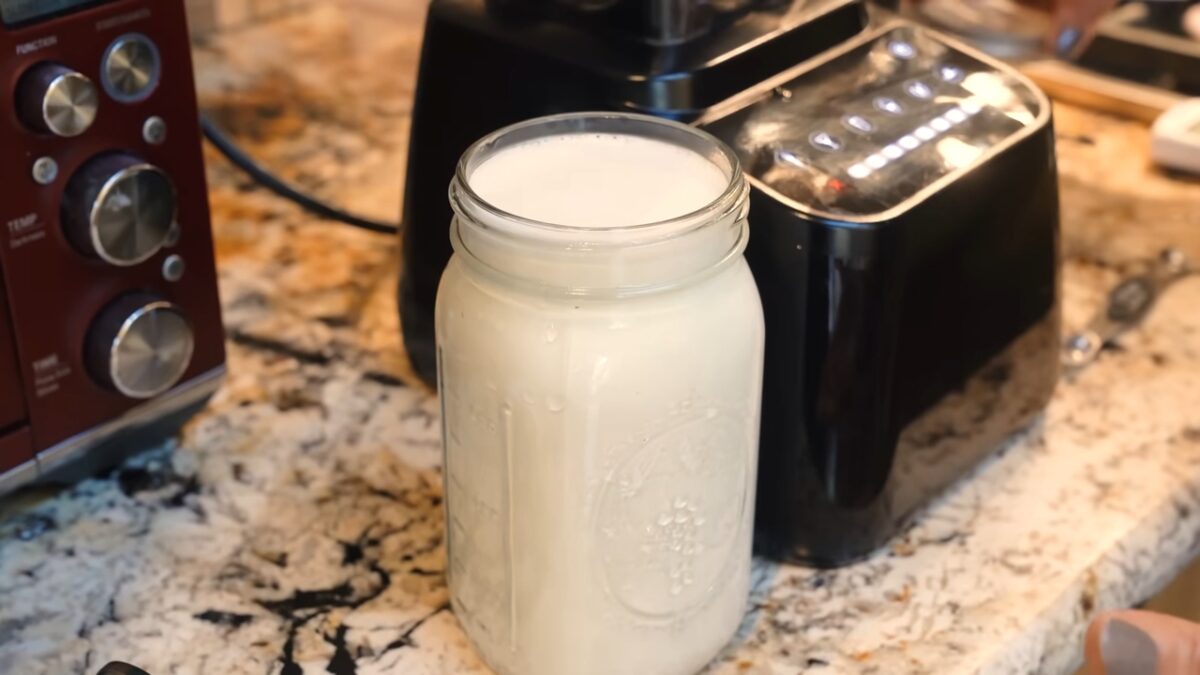
The cultured cashew milk in this sterilized jar is a key ingredient in Miyoko Schinner’s homemade vegan butter.
YouTube/The Vegan Good Life With MiyokoThe secret behind Schinner’s creamy vegan butter lies in fermenting the cashew milk with lactic acid bacteria
According to Schinner, the difference between an average vegan butter and a standout one is culturing. “The real key to making a superior butter, adding that cultured flavour, is to culture your milk,” she says.
She focuses on cashew milk because of both flavour and functionality. Cashews add body, subtle sweetness, and enough starch to help the butter brown during cooking. “Cashews add this really wonderful flavour and the right amount of starch,” she explains.
Before culturing, cleanliness matters. Schinner stresses sanitizing all equipment to avoid unwanted bacteria. “When you culture something, it means you’re adding a lactic acid bacteria to it,” she says. Everything from the blender jar to the fermentation container is sterilized with boiling water.
The cashew milk itself is simple, but handled carefully. Raw cashews are blended with water, and if their pasteurization status is unclear, they are briefly boiled first. “Boil them just for a minute or two just to kill whatever surface bacteria might be on those cashews,” Schinner advises.
Once blended, she adds a vegan culture. “I’m using a vegan culture from the cheesemaker.com,” she says, explaining that mesophilic cultures help create buttery notes. The milk is then kept warm for 12 to 20 hours to lower the pH. “It will get tangier in flavour,” she says, adding that tasting works just as well as using a pH meter. “You can just taste it and say that tastes like buttermilk.”
Temperature is everything when making the butter
Once the cultured milk is ready, the butter comes together quickly, as long as temperatures are right. Schinner melts refined coconut oil gently, warning against overheating. “You don’t want it hot,” she says. “The temperature of the oils and the milk is very, very important.”
Liquid oil, by contrast, should be cold. “The key is to have it chilled,” she explains, noting that this makes the butter come together more easily. First, the oils are blended together, with salt added if desired, before the cultured milk is slowly incorporated.
If the temperatures are off, the butter may not emulsify right away. Schinner shows this happening in real time. “This is one of those butters that didn’t turn into a spreadable butter immediately,” she says, explaining that chilling and re-blending can fix it.
When everything aligns, the transformation is obvious. “It looks like mayonnaise,” she says, describing the moment the butter churns properly.
Colour, texture, and how it performs in the kitchen
For those who want a classic buttery colour, Schinner suggests annatto. “If you want sort of that yellow buttery colour, you can use annatto seeds,” she says, cautioning against overdoing it.
Once set, the butter firms up in the refrigerator but stays spreadable. Schinner emphasizes that it’s not just for toast. “This butter works in every culinary application,” she says. “You can bake with it…cook with it. You can brown it.”
That browning ability comes from the cultured plant milk itself. “It has the sugars in the soy milk or the cashew milk for it to actually brown,” she explains.
For more of Schinner’s healthy plant-based recipes, check out her YouTube channel.
https://plantbasednews.org/lifestyle/food/miyoko-schinners-famous-vegan-butter-recipe/

Saturday, November 29, 2025

The Chef Behind Miyoko’s Creamery Shared Her 3-Ingredient Vegan Butter Recipe

From eatingwell.com

This 30-second recipe might be the easiest thing you make all week 

KEY POINTS

  • Miyoko Schinner’s vegan butter uses just three ingredients and takes 30 seconds to make.
  • The recipe is fully customizable and can be made allergen-friendly.
  • Homemade vegan butter can save money and reduce reliance on store-bought options.

Vegan chef Miyoko Schinner is the namesake and creator behind Miyoko’s Creamery, a tasty source for non-dairy products. Though Schinner and the brand have parted ways—she recently tried to buy the brand back, but was unsuccessful—she’s still making vegan magic in the kitchen. She recently came out with a new cookbook, The Vegan Creamery, which teaches you how to make your own plant based cheese, ice cream and other “dairy” products.

The book includes a recipe for vegan butter that only has three ingredients: refined coconut oil, liquid oil such as avocado or sunflower oil and plant milk such as soy or oat milk. If you need to whip up something for your vegan guests (or anyone who can’t have dairy) this holiday season, you’ll need this recipe handy. Plus, the recipe takes a whole 30 seconds, so you don’t need to prepare for hours ahead of time, like you might if you were churning your own dairy-based butter. 

On her Instagram, Schinner talks viewers through the process of making the “real” Miyoko’s vegan butter. She specifies that the coconut oil should be melted but not hot and that the other liquid oil should be chilled in the fridge. She says it should be “very, very cold.” Salt is an optional ingredient.

                                                                                            Credit:  Getty Images. EatingWell Design.

Here’s what Schinner recommends: Using ¾ cup coconut oil and 1 cup liquid oil, blend the oils together first, then pour in ½ to 1 cup of cold plant-based milk. She says to “process” it until it looks like mayonnaise. She uses an immersion blender to mix up her vegan butter. If you want it salted, add a big pinch at the end and blend again. The video ends with Schinner enjoying her butter on a piece of crusty bread. 

You can use vegan butter as a one-to-one swap for dairy butter. Since vegan butter usually costs a bit more than dairy butter at the store—at least in my experience—it can be cost-effective to save by making your own vegan butter yourself.

Depending on what vegan butter you buy at the store, it may have allergens that you or your vegan friends need to avoid. With Miyoko’s recipe, you can swap around the liquid oil and the plant-based milk to avoid whatever ingredients aren’t safe for you. Plus, this recipe could be a great one to keep on hand if you or a loved one are sensitive to dairy, too.

Because the ingredients of vegan butter might liquify easier, and vegan butter can be softer in general, follow directions closely when baking with it or try to keep it at the consistency of regular butter when baking and using “creamed” butter. You may need to chill it and keep a close eye on it as you go. 

Consider swapping this butter into our recipes for delicious compound butters that are perfect for the holidays. For instance, our Apple Pie Butter is perfect for morning toast at Christmas, while this Cranberry Butter is a vivid, glamorous condiment for your dinner party rolls. And if you need something really stunning for weekend brunch, consider a stack of pancakes with Pecan Pie Butter on the side. Whatever you use this butter for, making your own butter at home is sure to have you feeling like an industrious chef all day long.

https://www.eatingwell.com/miyokos-vegan-butter-recipe-11858077

Tuesday, October 14, 2025

Vegan Butter Explained: What It’s Made Of, How Healthy It Is, and When to Use It

From marthastewart.com

KEY POINTS

  • Vegan butter is made from plant-based oils, nuts, and seeds. It can replace dairy butter 1:1 in most recipes.
  • While vegan butter lacks the flavour and firmness of dairy butter, high-fat stick styles perform well in baking and pastries.
  • Plant-based butters are dairy-free and cholesterol-free but can be high in sodium or saturated tropical oils, so it's important to read the label.

Whether whisked into mashed potatoes or spread liberally onto your English muffin, there's no substitute for fresh butter—or is there? These days, you're likely to find plenty of plant-based butter options wedged next to squares of cream cheese and sticks of Irish butter in the dairy case at your grocery store. So, what is vegan butter—and is it worth exploring? We asked a registered dietitian and a vegan baking expert author to enlighten us about which ingredients to look for (or pass over) and how to use them.

What Is Vegan Butter?

                                                                                               Credit: 

Qwart / Getty Images


Vegan butter is a plant-based product, meaning it's not made from cow's milk, like more conventional (and familiar) types of butter (or from goat's milk, a tangy alternative). "Plant-based butters can be made from various combinations of ingredients, including plant-based oils, like soybean, avocado, olive, palm, or coconut, and may include some nuts or seeds," explains Connie Elick, MS, RD, and instructor of Health-Centered Culinary Arts at the Institute of Culinary Education's LA campus. Some brands, such as Miyoko's Creamery, also incorporate plant milks, like oat milk or cashew milk, into their products.

Sticks and Tubs

The ingredients vary widely, and so do the formats and styles. Similar to dairy butter counterparts, many brands package vegan butter in sticks and tubs and offer salted, unsalted, and European-style cultured butter options. Some are called "buttery" spreads, others are labelled plant-based or vegan butter, depending on the manufacturer.

How to Use It

"You can use plant-based butter much like dairy butter in most situations," says Saloni Mehti, pastry chef, food blogger behind the site, Pastry by Saloni. "For everyday use, like cookies, cakes, toast, or cooking, these butters work beautifully; they melt and spread well, and you can usually swap them 1:1 for dairy butter."

But that's not all. She also uses vegan butters in recipes where butter is the star, and top-notch quality is paramount. "I've even used them in laminated doughs, from croissant loaves to mille-feuille, and with the right technique (mainly keeping everything cool, they hold up surprisingly well."

Dairy vs. Vegan Butter

That said, there are some small differences, she notes. Working with vegan butters can be an adjustment, so it may take some time and patience to navigate the ins and outs. 

Flavour and Texture

"Vegan butter lacks milk solids, so you won't get the same browned butter flavour," Mehta explains. It can be a bit softer, too, so it may melt faster in high-heat recipes or need more chill time for pastries. "But overall, when you know how to handle it, vegan butter can deliver excellent results even in advanced bakes," she says.

She seeks out brands that lend her baked goods a clean flavour, hold structure well, and don't overload on additives. Both Country Crock and Earth Balance check those boxes, Mehta says.

TIP

"I always look for stick-style vegan butters designed for baking, not just soft tub spreads," Mehta says. "I prefer options with a higher fat content and minimal water, which helps mimic the texture and performance of traditional butter,” she says.

Pros of Vegan Butters

In addition to its cooking and baking applications, there are plenty of pluses working in this product's favour.

Dairy-Free Products

These plant-based butters are an alternative option for vegans and vegetarians since they're not made from animal products, Elick says. "It is also a good alternative for those who have lactose intolerance or allergies to dairy," she says.

Good Fats

Another upside: "Plant-based butters are cholesterol-free and contain monounsaturated and polyunsaturated fats, which are 'good' fats that are beneficial for the heart and overall health and considered healthier than saturated fat and trans fat," Elick says.

Cons of Vegan Butters

Still, there may be some drawbacks to vegan butter. As noted, many of the products contain a mix of oils, some deemed healthy, others, perhaps not. And there are additional factors that can tip the scales in the wrong direction.

High Sodium

Some products have higher sodium content than unsalted butter. Too much sodium in the diet can contribute to high blood pressure, Elick explains.

Highly Processed

"Plant-based butters may be highly processed, have artificial colouring or other additives, and may contain common potential allergens," she points out.

Saturated Fat

Mehta steers clear of products packed with emulsifiers, artificial flavours, or very high amounts of saturated tropical oils like palm or coconut. "One may want to avoid plant-based butters that contain coconut oil or palm oil, which both contain high amounts of saturated fat," Elick notes.

Diets that contain high amounts of saturated fat can contribute to the development of cardiovascular disease, she explains. "Too much saturated fat can lead to clogged arteries which increases risk of heart attack, stroke, and peripheral artery disease."

Palm oil may also raise red flags because of its role in contributing to deforestation and the loss of biodiversity of species. However, some plant-based butters contain sustainably made palm oil, Elick says. "Check the label for certifications on the product label, such as 'Fair Trade' or 'Rainforest Alliance' to help make a sustainable choice," she suggests.

https://www.marthastewart.com/what-is-vegan-butter-and-how-to-use-it-11826608

Saturday, October 4, 2025

9 vegan swaps that work so well, you'll forget the original existed

From vegoutmag.com

By Maya Flores

Forget “almost as good”—these vegan alternatives steal the spotlight from the originals 

My mother-in-law served her famous spinach artichoke dip at Christmas last year. Everyone demanded the recipe. She forgot to mention she'd been using cashew cream instead of dairy for three years—not for ethical reasons, but because Costco's cashews were on sale once and she never went back. This is how the best swaps work: they become the default not through ideology but through being genuinely better at their job.


1. Aquafaba for egg whites in meringues and cocktails

The liquid from a can of chickpeas whips into stiff peaks exactly like egg whites—it just takes 10-15 minutes instead of 3-5. My bartender friend started using it for whiskey sours not because vegan customers asked, but because it's shelf-stable, costs nothing, and never risks salmonella. She goes through twelve cans a week now. The chickpeas become hummus for bar snacks. Save the liquid from any can of chickpeas, add a pinch of cream of tartar for stability, and whip with an electric mixer until peaks form. No special technique required—just patience.

Why it wins: No waste, always available, literally free if you're already using chickpeas, safer than raw eggs.

2. Miyoko's butter for actual butter in baking

Most vegan butters taste like salted oil. Miyoko's cultured butter behaves remarkably like European butter—it creams properly for cookies, creates genuine flaky layers in pie crusts, and browns into something nutty and complex. My neighbour, who sells wedding cakes from her home kitchen, switched completely after discovering it extends her products' shelf life by two days. She charges the same prices. Nobody has noticed. At $7-8 per pound, it's pricier than regular butter, but the consistency pays off.

Why it wins: Better shelf stability, same baking chemistry, close enough to butter that professionals use it.

3. Oat milk in lattes (but only barista editions)

Oatly Barista Edition, Minor Figures, and Califia Farms Barista Blend all foam like whole milk and add subtle sweetness that makes sugar unnecessary. The coffee shop on my corner switched entirely after their wholesale dairy prices spiked. They kept the switch even when prices dropped. Not because of values—because drink returns noticeably decreased. Turns out oat milk is harder to mess up and stays stable longer in steam pitchers.

Why it wins: Naturally sweet, foams consistently, doesn't compete with coffee flavour, more forgiving for new baristas.

4. Kala namak (black salt) for egg flavour

This sulfuric salt from India makes anything taste mysteriously eggy. Sprinkled on smashed avocado toast or stirred into scrambled tofu, it creates that specific savoury note people miss. My cousin discovered it trying to recreate her grandmother's egg salad. She uses it on chickpea salad now. Her grandmother, still alive and opinionated, prefers the chickpea version. Find it at Indian grocery stores, Whole Foods, or Amazon for about $5 per jar.

Why it wins: One ingredient transforms anything into "egg" flavour, lasts forever in your pantry, widely available.

5. Refined coconut oil for butter in pastry

Unlike virgin coconut oil, refined has zero coconut flavour. When kept cold and cut into flour like butter, it creates the same tender crumb in biscuits, same flakiness in pie crust. Stays solid longer than butter in warm kitchens. The French bakery near me uses it for their afternoon batches in summer. They started for practical reasons—butter was melting too fast during lamination. They never switched back.

6. Nutritional yeast or MSG for different umami needs

Nutritional yeast (deactivated yeast) brings cheesy, nutty umami to popcorn and pasta—it's not MSG but delivers savoury depth. Pure MSG (monosodium glutamate, a sodium salt of glutamic acid) provides clean umami without the cheese notes. My Italian uncle keeps both by his stove. The MSG goes in broths and stir-fries, the nutritional yeast on anything that needs parmesan vibes. Different tools, both essential.

Why it wins: Nutritional yeast adds B vitamins and cheesy flavour; MSG is pure umami with less sodium than salt.

7. Tahini for cream in soups and sauces

Tahini turns into cream when whisked with hot liquid—start with 2 tablespoons tahini to 1 cup liquid and adjust from there. No cashew soaking, no coconut milk sweetness. Just sesame paste and whatever liquid you're using. Creates the same richness in tomato soup, same body in pasta sauce. The Mediterranean restaurant I worked at used it in everything—their "cream" of mushroom soup won awards. Nobody questioned why a Lebanese place made great cream soup.

Why it wins: Pantry stable, one ingredient, adds depth instead of diluting flavour, naturally emulsifies.

8. Mashed banana for egg in pancakes and quick breads

One mashed banana replaces one egg in any batter that can handle subtle banana flavour (which actually complements most breakfast foods). Creates better moisture retention than eggs. Extends shelf life. The diner by campus started doing this when egg prices spiked. Their chocolate chip pancakes became accidentally famous. They're still using bananas. The sign says "classic recipe since 2019."

Why it wins: Adds moisture and natural sweetness, cheaper than eggs, reduces food waste.

9. Soy sauce + liquid smoke for bacon flavour

One drop of liquid smoke in a tablespoon of regular soy sauce (or tamari for gluten-free) creates instant bacon essence. Brush it on mushrooms, tempeh, or coconut flakes before roasting. The breakfast place that opened last year advertises "bacon" brussels sprouts. They're roasted mushrooms with this mixture. The one-star Yelp reviews complain about portion sizes, never about the missing bacon.

Why it wins: Two pantry ingredients, works on anything, more consistent than actual bacon flavour.

The pattern nobody talks about

These swaps didn't win because someone needed vegan options. They won because they work better for specific technical reasons—stability, cost, consistency, shelf life. My mother-in-law still doesn't call her dip vegan. She calls it "the good recipe."

The best replacements aren't trying to be replacements. They're just ingredients that happen to work better for the job at hand. When the coffee shop owner tells me oat milk is "easier to train new baristas on," or when the baker mentions coconut oil "holds up better in delivery boxes," they're not making ethical arguments. They're just describing what works.

That's how change actually happens—not through convincing people to sacrifice, but through quietly providing better tools for what they're already trying to do.

https://vegoutmag.com/recipes/s-9-vegan-swaps-that-work-so-well-youll-forget-the-original-existed/