Showing posts with label vegetarian menu. Show all posts

Sunday, December 28, 2025

Vegan vs vegetarian: the real differences people always mix up

From vegoutmag.com

By Avery White

Most people think it's just about meat, but the distinction between vegan and vegetarian runs deeper than your dinner plate 

When I first told my parents I was going vegetarian at 35, my mom immediately started planning egg-based brunches and cheese boards for family gatherings.

Six months later, when I transitioned to veganism, she looked genuinely confused. "But I thought you already gave up meat?" she said. I realized then how blurry these lines are for most people.

The confusion makes sense. Both lifestyles involve giving up certain animal products, and from the outside, they can look pretty similar.

But the distinctions matter, not just philosophically but practically, especially when you're navigating restaurants, reading labels, or trying to explain your choices to well-meaning relatives.

1. The basic dietary split

Here's the foundation: vegetarians don't eat meat, poultry, or fish. That's the line they draw.

But they do consume animal by-products like eggs, dairy, and honey. So that morning omelette? Fine for a vegetarian. The grilled cheese sandwich? Absolutely.

Vegans take it further. No meat, obviously, but also no eggs, no dairy, no honey, nothing that comes from an animal. When I made this shift, I was surprised by how much dairy had quietly infiltrated my diet. Butter in restaurant vegetables. Whey powder in crackers. Casein in fake meat products marketed to vegetarians.

Have you ever really looked at how many foods contain milk derivatives? It's everywhere once you start paying attention.

2. Beyond the plate

This is where things get interesting, and where I see the most confusion. Vegetarianism is primarily a dietary choice. It's about what you eat. Veganism extends into a broader lifestyle philosophy that considers all forms of animal exploitation.

A vegetarian might wear leather shoes or a wool sweater without contradiction. They might use cosmetics tested on animals.

Vegans typically avoid these things too, seeking out plant-based fabrics, cruelty-free beauty products, and even checking whether their wine was filtered using animal products (yes, that's a thing).

When I transitioned, this was the learning curve I didn't anticipate. It wasn't just about changing my grocery list.

3. The motivation spectrum

In my finance days, I learned that understanding someone's underlying motivation explains their decisions better than the decisions themselves. The same applies here.

Many vegetarians I know made the switch for health reasons, environmental concerns, or simple preference. They don't love the idea of eating animals, but they're comfortable with using animal products that don't require killing. The ethical line feels clear to them.

Vegans often come from an animal rights perspective that views any animal exploitation as problematic. For them, the issue isn't just about death but about use.

Dairy cows and egg-laying hens still suffer, still live constrained lives. What drives your choices says a lot about where you'll land on this spectrum.

4. The nutritional nuances

Here's where my analytical brain kicks in. Nutritionally, these paths diverge in meaningful ways.

Vegetarians who consume eggs and dairy have easier access to complete proteins, vitamin B12, calcium, and vitamin D. Their nutritional safety net is wider.

Vegans need to be more intentional. I take a B12 supplement now. I think about protein combining. I make sure I'm getting enough omega-3s from flax and walnuts rather than fish oil. It's not harder, exactly, but it requires more awareness.

The reward? My bloodwork has never looked better, and I feel lighter in ways that aren't just physical. But I won't pretend the transition didn't require research and adjustment.

5. The social reality

Let me be honest about something: being vegetarian is socially easier than being vegan. Restaurants almost always have vegetarian options now. Family gatherings can accommodate you without too much fuss. People generally get it.

Veganism still raises eyebrows. I've watched dinner hosts panic, unsure what to serve me. I've been at work events where literally nothing was vegan-friendly. Marcus jokes that I've become an expert at eating beforehand and ordering side salads.

But here's what surprised me: the vegan community I found online and locally has been incredible. There's a solidarity in the challenge.

And watching restaurants and food companies expand their offerings has been genuinely exciting. The landscape is shifting faster than I expected.

6. The transition path

Most vegans I know, myself included, were vegetarian first. It's a natural stepping stone. You get comfortable eliminating meat, you learn new cooking techniques, you discover that you don't actually miss it as much as you thought you would.

Then maybe you watch a documentary about the dairy industry, or you read something that shifts your perspective, and suddenly that next step feels necessary. For me, it was learning about the connection between dairy and veal production. I couldn't unknow it.

Some people go straight to veganism, but there's no shame in the gradual path. Any reduction in animal product consumption matters. Where are you in your own journey, and what feels authentic to you right now?

Final thoughts

The real difference between vegan and vegetarian isn't just about what's on your plate, though that's the most visible part. It's about how far you extend your concern for animals and where you draw your personal ethical lines.

Neither choice is inherently superior. I know vegetarians doing incredible environmental work and vegans who still drive gas-guzzling cars. We're all making trade-offs, trying to align our actions with our values in an imperfect world.

What matters is understanding the distinctions clearly enough to make informed choices for yourself. And maybe, just maybe, helping your mom understand why you can't eat that cheese board she lovingly prepared.

https://vegoutmag.com/lifestyle/s-bt-vegan-vs-vegetarian-the-real-differences-people-always-mix-up/ 

Tuesday, March 18, 2025

The Climate Cost of What’s on Your Plate: Choosing the Most Sustainable Diet

From youthincmag.com

By 
 Urmila Udhalikar 

The Nobel Prize-winning novel of year 2024 The Vegetarian by Han Kang is a haunting meditation on self-determination, free will, societal conformity, and the visceral weight of our dietary choices. The main character, Yeong-hye, makes a drastic decision to stop eating meat, which isolates her from those around her. She describes a haunting dream: “I had a dream… I was standing in a dense forest. Sunlight filtered down through the leaves, but the trees were dripping with blood.” Her story feels both intensely personal and universally relevant. As we face a climate crisis, her struggle forces us to ask: what does it truly mean to consume? Can we eat in a way that nurtures rather than harms?

Unlike Yeong-hye’s lonely descent, today’s discourse on ethical eating is a cacophony of voices and labels: vegetarian, vegan, flexitarian, pescetarian. Each offers a roadmap toward a more sustainable planet, but which one truly leads us there? Or are we all just wandering through the supermarket aisles of moral ambiguity?

Think about the rising popularity of documentaries like Cowspiracy and Seaspiracy. These films expose the environmental impact of animal agriculture and fishing, influencing public perception and driving dietary shifts. This shows that the media plays a large role in dietary changes.

                                                                                           Image Credit: Pinterest

Veganism

Veganism is the most uncompromising stance against animal agriculture. It eliminates all animal products—meat, dairy, eggs, even honey—erasing the environmental footprint of livestock from one’s plate. And the numbers are striking. A vegan diet generates only 2.9 kilograms of CO₂ per day, compared to 7.2 kilograms for a standard meat-eater. If everyone switched to a vegan diet, we could free up an enormous amount of land—about 75% of all farmland—giving nature the space to recover. Water use would also drop drastically, since producing just one kilogram of beef requires a staggering 15,000 litres of water. In comparison, growing plant-based foods like beans, grains, and vegetables uses far less water and resources. It does not end there they also stop using all animal based products like silk, leather and a lot more.

But veganism, for all its ecological virtues, is not without its critics. The dietary shift requires careful planning to avoid nutritional deficiencies, and global accessibility remains a challenge. Moreover, plant-based substitutes— almond milk, coconut oil—have their own environmental drawbacks, from deforestation to excessive water use.

Consider the rise of plant-based meat alternatives. Companies like Beyond Meat and Impossible Foods are investing heavily in research and development, creating products that mimic the taste and texture of meat. This innovation could make veganism more accessible and appealing to a wider audience.

Vegetarianism

If giving up cheese and eggs completely feels too difficult, vegetarianism offers a balanced alternative. It cuts out meat but still includes dairy and eggs, which have their own environmental impact. On average, a vegetarian diet produces 3.8 kilograms of CO₂ per day—much less than a meat-heavy diet but still more than veganism. However, by choosing sustainably sourced dairy and eggs, vegetarians can still make a meaningful difference for the planet.

Flexitarianism

For many people, strict diets can feel overwhelming. That’s where the flexitarian approach comes in—it’s mostly plant-based but allows for some meat occasionally. This way of eating is becoming popular because it’s both practical and sustainable. Research shows that even cutting meat consumption in half could reduce farming-related emissions by nearly 30%. If widely adopted, flexitarianism could lower food-related emissions by up to 52% by 2050. It strikes a balance between what’s good for the planet and what’s realistic for individuals.

Think about the “Meatless Monday” movement, which encourages people to skip meat one day a week. It’s a simple, actionable way to reduce meat consumption and raise awareness about sustainable eating.

Pescetarianism

Pescetarians avoid meat from land animals but still eat fish and seafood. While this reduces the environmental impact of livestock farming, it comes with other challenges, like overfishing, damage to ocean habitats, and declining marine life. Large-scale fishing methods, such as bottom trawling, harm ecosystems, and even fish farming can contribute to pollution. For pescetarianism to be truly sustainable, it’s important to choose responsibly sourced seafood and explore plant-based alternatives.

Consider the concept of “regenerative ocean farming,” which focuses on growing seaweed and shellfish in a way that restores ecosystems. This approach offers a more sustainable way to obtain seafood.

But sustainability isn’t just about what we eat—it’s about how our food is produced, sourced, and wasted. Locally grown, seasonal produce has a far lower carbon footprint than out-of-season avocados shipped across the globe. A staggering one-third of all food ends up being wasted—not only is this unethical, but it’s also a major environmental problem. In fact, reducing food waste would cut emissions more than getting rid of all cars on the planet. Sustainable farming practices like crop rotation, composting, and increasing biodiversity can help heal the environment. Supporting these methods is just as important as eating more plant-based foods.

Individual choices matter, but systemic transformation is non-negotiable. To build a truly sustainable food system, we must reform agricultural subsidies to favor plant-based and sustainable farming over industrial meat production. We should also push for policy changes that incentivize sustainable diets through taxation on high-emission foods or incentives for plant-based consumption. It is also necessary to address food insecurity by ensuring equitable access to nutritious, sustainable food worldwide. A global dietary shift—even a partial one—could free up land, slow deforestation, and preserve biodiversity in ways individual actions alone cannot achieve.

In The Vegetarian, Yeong-hye’s transformation is unsettling because it forces those around her to confront their own consumption. Her refusal to eat meat is not merely a personal choice but a disruption—a challenge to societal norms. In the real world, dietary change feels just as radical. We live in a world that glorifies abundance, yet that abundance is choking the planet.

So, is there one perfect diet for the planet? Perhaps not. But there is a clear directive: eat less meat, eat more plants, waste less food, and demand systemic change. Whether through veganism, vegetarianism, or flexitarianism, the goal is not dietary purity but progress.

Let us move beyond labels and embrace a conscious, compassionate approach to eating. Let us ask ourselves not just what we consume, but what our consumption says about us. For in the end, our choices, like Yeong-hye’s, will define not just our own lives, but the future of our planet. Will we choose to nourish or to destroy?

https://youthincmag.com/the-climate-cost-of-whats-on-your-plate-choosing-the-most-sustainable-diet

Wednesday, December 18, 2024

The best and worst supermarket veggie mains for Christmas

From telegraph.co.uk/food-and-drink

By Xanthe Clay

Our expert reveals the best vegetarian centrepieces on supermarket shelves and the ones to steer clear of 

Got a vegan coming for Christmas? While on any other day you might get away with giving everyone a nice Ottolenghi roast vegetable tumble with a clever take on hummus, that’s just not going to cut it on The Day When Everyone Expects Turkey. Equally, neither is expecting non meat-eaters to be grateful to be offered just the veg everyone else is eating.

My son’s girlfriend has been vegetarian since childhood and her mum’s Christmas nut roast is world class. I roped her in to try these dishes, along with my husband, my daughter and son to give a range of palates. But what would the veggie make of the ready-made offerings?

Firstly, the whole table agreed that it needs to feel festive. We all enjoyed the flavour of the Asda Hasselback Halloumi Roast, and it was deemed good enough to be a small-plates restaurant dish. But for Christmas dinner, it got the thumbs down. “Just not enough of a centrepiece”. As for some of the others, especially the less successful “fake meat”, the veggie rolled her eyes, muttering gloomily, “the kind of thing where everyone round the table points at the vegan and laughs, ‘you loser.’”

There’s another issue with “fake meat” too: weird ingredients. Many of the products on offer are full of the kind of additions that you wouldn’t be easily able to buy – modified starch, bamboo fibre, emulsifiers and the like – which mark them out as ultra processed. Not that festive, even if occasional indulging is unlikely to cause any harm.

To be fair, some of them are good. We tasted without knowing the ingredients, and one of our winners (including a meatless sausage) was so good that everyone, meat eaters included, dived in for second helpings. Which is another important point: the chances are that all the family will be curious about what the vegan’s eating, so do make extra – especially of the vegetable-based dishes, like the mushroom tart which comes in a pack of two. Bake both even if only one veggie is coming, and cut up the second to share around.

Don’t feel guilty about buying in: what’s important is that it’s served up with good grace. As food writer Nicola Miller told me on the social media site BlueSky (Twitter/X is so 2015), “a feast should never make people feel a nuisance” The cook’s role is to make everyone – vegans and vegetarians included – feel spoiled.

How we tested

We tasted the dishes over two evenings, cooking each according to the packet directions. Each one was marked with a letter and a short description so we knew what it was but not which retailer it came from.

https://www.telegraph.co.uk/food-and-drink/features/vegetarian-christmas-dinner-taste-test/

Wednesday, December 28, 2022

What’s the Definition of Vegan? Is It a Diet or a Lifestyle?

From vegnews.com

Eating more plant-based or vegan? What is the definition of vegan, anyway? Is it a diet or a lifestyle? Let’s break it down

ow many vegans, according to the joke, does it take to change a lightbulb? Two: one to change it and one to check for animal ingredients. It’s funny because it contains a kernel of truth. Everyone evidently knows that vegans seem obsessed with reading ingredient labels. But less well known is the definition of vegan in its entirety and whether it constitutes a lifestyle or merely a diet. 

What is the definition of a vegan? 

Vegans—people who do not consume anything that comes from an animal—have been around for thousands of years. The Therapeutae, for instance, were an ancient Jewish sect that abstained from all animal foods, and the philosopher and poet Abū al-ʿAlāʾ al-Maʿarrī (973–1057) avoided animal products and wrote “do not desire as food the flesh of slaughtered animals / Or the white milk of mothers who intended its pure draught / for their young, not noble ladies.”

But the word vegan was not created until 1944, when six members of The Vegan Society gathered in England and coined it from the first and last letters of vegetarian. According to The Vegan Society, “The group felt a new word was required to describe them; something more concise than ‘non-dairy vegetarians.’ Rejected words included ‘dairyban,’ ‘vitan,’ and ‘benevore.’”
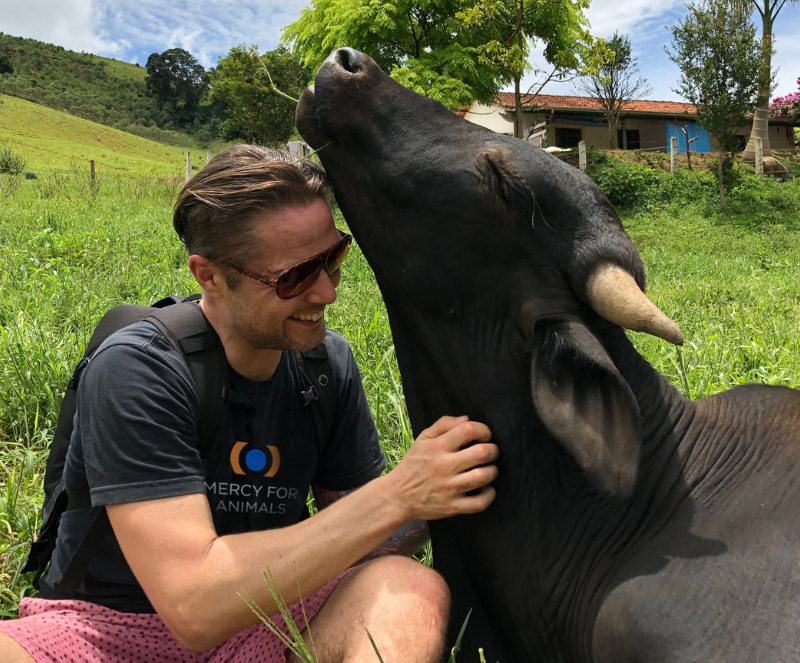
vegnews.MercyForAnimals

Mercy for Animals

The Vegan Society’s definition of a vegan describes it as “a philosophy and way of living which seeks to exclude—as far as is possible and practicable—all forms of exploitation of, and cruelty to, animals for food, clothing or any other purpose; and by extension, promotes the development and use of animal-free alternatives for the benefit of animals, humans and the environment. In dietary terms, it denotes the practice of dispensing with all products derived wholly or partly from animals.”

As that definition implies, veganism is not just a diet; indeed, for ethical vegans, it means not supporting any product or enterprise that exploits animals, from drugs that are tested on animals to zoos and aquariums that keep them in captivity. With such an ethic in mind, many vegans regard it as their obligation to speak out for animals by sharing with friends, family, and the public information regarding how animals suffer for food, fashion, experiments, entertainment, and more.

With the increasing popularity of veganism, however, has come an even more holistic and compassionate approach to defining what a vegan is. There is a growing movement that believes that the unity of suffering connects species, races, genders, classes, and religions in a very tangible way—that the exploitation of animals is intrinsically linked to the oppression of humans in its many forms (such as racism, sexism, ableism, and sizeism). For those within this movement, being vegan means advocating for and amplifying the voices of marginalized people as well as animals. 

What is the difference between vegan and vegetarian?

The main difference between vegan and vegetarian is that vegetarians do not eat meat and vegans do not eat anything that comes from an animal: meat, dairy, eggs, and honey. Vegans also do not wear or use other animal products, including leather, wool, silk, feathers and down, and beeswax, and they avoid products tested on animals, such as cosmetics and drugs (although the consensus is you’re still vegan if you take necessary medications, whether they’re vegan or not, including the COVID vaccines).   

VegNews.VeganGuide.Canva(1)

Canva

Some vegetarians consume animal products: lacto-vegetarians exclude all meat and eggs in their diet but include dairy products, ovo-vegetarians exclude all meat and dairy but include eggs, and lacto-ovo vegetarians exclude all meat but include dairy and eggs. 

Clearly, veganism is a stricter lifestyle choice than vegetarianism, and the vegan movement has given rise to several subsets that go beyond the baseline of avoiding animal products. 

  • Fruitarianism. Obviously, the bulk of this diet, which excludes all animal products, is fruit. Raw vegetables are occasionally consumed.
  • Raw veganism. Raw vegans eat fruits, vegetables, nuts, and seeds that have not been heated above 118 degrees Fahrenheit, in the belief that consuming foods in their natural state provides nutrients that are otherwise destroyed when cooked. 
  • Whole foods, plant-based diet. Also known as WFPB, adherents to this diet exclude all animal products, but they also focus on whole vegetables, fruits, grains, nuts, and legumes and avoid refined and processed foods—even oils. 

What is the difference between plant-based and vegan?

More and more, “plant-based” is being used as a synonym for “vegan,” especially in food marketing. Are they really the same? No. A plant-based diet consists primarily of plant foods, but a vegan diet completely excludes anything that comes from an animal. So, while “plant-based” might include ingredients like eggs, dairy, honey, or even a little meat, “vegan” means the food is entirely free of animal products. Moreover, veganism is a lifestyle, and vegans are likely to extend this to other aspects of their lives, including not wearing anything that comes from an animal or using products tested on them.
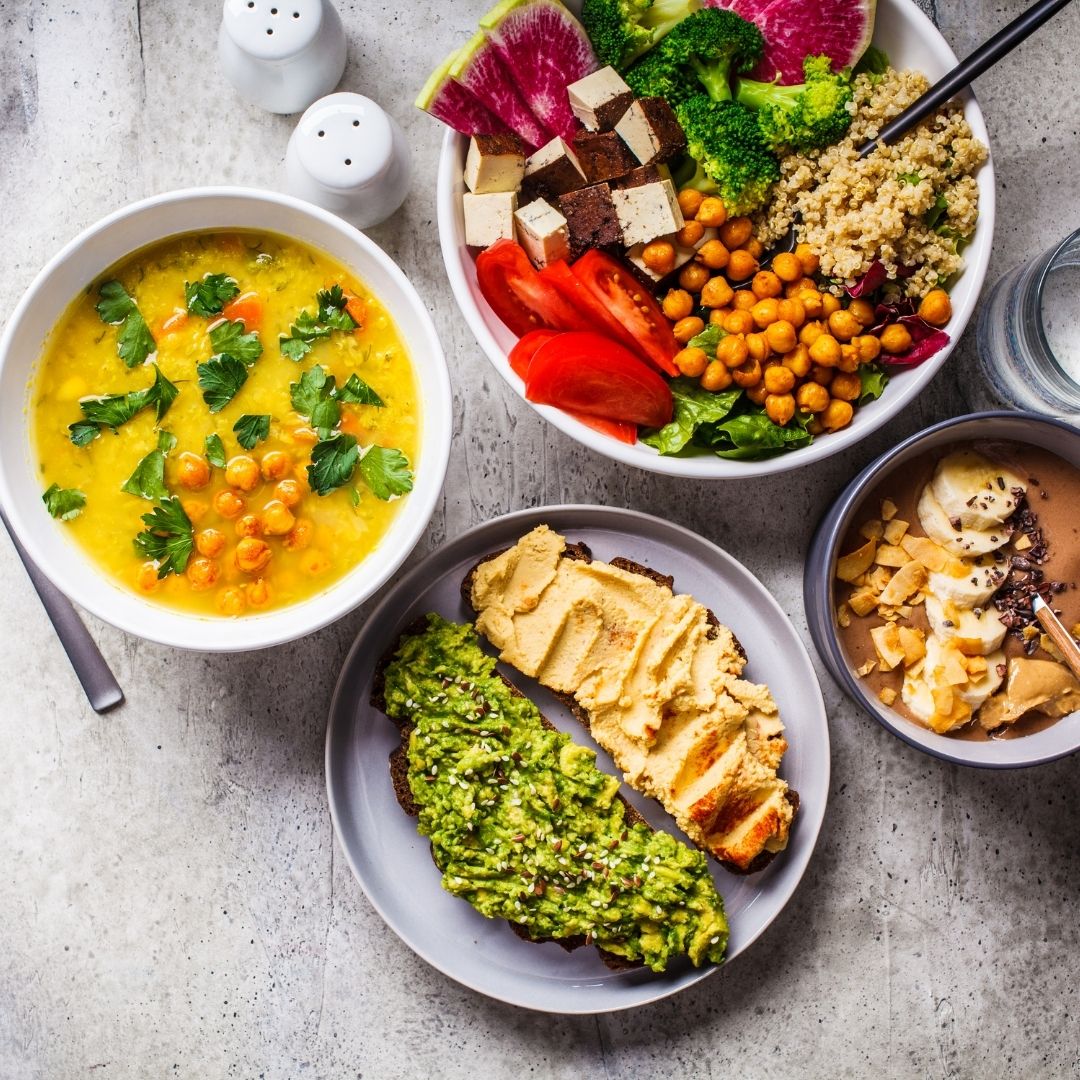
VegNews.VeganGuide.Canva

Canva

What are the health benefits of being vegan?

Many people today say they went vegan for their health. Indeed, both the American Academy of Nutrition and Dietetics and the British Dietetic Association acknowledge that a well-planned vegan diet is suitable for every age and stage of life. More specifically, a vegan diet rich in whole foods provides the following benefits.

1Good for your heart 

According to research published in the Journal of the American Heart Association, diets that focus on nutritionally rich plant foods can give young adults a healthier heart, lowering their risk of cardiovascular disease by 52 percent. The 32-year study found that even participants who shifted to a plant-based diet as they aged gained heart-protective benefits, regardless of the quality of their original diet. The nutrients found in plant foods have been shown to reduce oxidation, lower inflammation, decrease low-density lipoprotein cholesterol levels, and improve other health outcomes associated with lower heart disease risk.

VegNews.DoctorPatient.NationalCancerInstitute.UnsplashUnsplash

2Linked to lower cancer rates

study by researchers at Oxford University showed that vegans have a much lower risk of getting some forms of the disease. The 15-year-long study followed 61,647 British adults, of which 18,298 were vegetarian and 2,246 were vegan. They found that overall cancer incidence—compared to meat-eaters—was 11-percent lower in vegetarians and 19-percent lower in vegans. These findings correspond with numerous other studies looking at how diet affects cancer risk, including another one from Oxford University that analysed data on more than 470,000 Britons and found that people who don’t eat meat have a 14-percent lower cancer risk.

3Associated with a lower risk of developing Type 2 diabetes

It seems that every day new research touts some health benefit of eating vegan. Among the latest good news is that a healthy, whole foods, plant-based diet is linked to a lower risk of developing Type 2 diabetes, which currently affects 450 million people worldwide. The study, carried out by the Harvard T.H. Chan School of Public Health, involved 10,684 participants and sought to identify the benefits of different plant-based diets and explore possible connections between this and the risk of developing Type 2 diabetes, the most common form of the disease. Lead author of the study Professor Frank Hu said that “consumption of polyphenol-rich plant foods like fruits, vegetables, coffee, and legumes are all closely linked to a healthy plant-based diet and lower risk of diabetes.”

4Good for your blood pressure

recent review of studies on the link between diet and hypertension found that compared to people who eat meat, a vegetarian diet lowered the systolic blood pressure by an average of 2.66 mmHg and diastolic blood pressure by 1.69 mmHg. Those eating a vegan diet showed an even greater reduction of 3.12 mmHg systolic and 1.92 mmHg diastolic blood pressure. (Interestingly, subjects eating a lacto-ovo-vegetarian diet, which allows dairy products and eggs, showed no changes in diastolic blood pressure reduction.)
VegNews.SeniorHealth.UnsplashUnsplash

5Linked to dementia prevention

Studies show that following a diet rich in plant-based foods during midlife is associated with a significantly lower risk of cognitive impairment—including Alzheimer’s disease—later in life. Research on plant-derived antioxidants, for instance, finds they reduce the damage caused by oxidative stress to central nervous system integrity, thereby protecting cognitive ability. Meanwhile, the phytochemicals present in fruits, vegetables, grains, beans, and other plants have been found to reduce the neuroinflammation that can contribute to dementia. 

6Beneficial for arthritis sufferers

A low-fat vegan diet improves joint pain in patients with rheumatoid arthritis, according to a study conducted by researchers at the Physicians Committee for Responsible Medicine. Rheumatoid arthritis is a common autoimmune and inflammatory disease that causes joint pain, swelling, and eventually permanent joint damage. Certain foods, such as red meat and dairy, cause inflammation, which may make arthritis symptoms worse. A diet based on plants, however, can reduce or even eliminate arthritis pain.

What are the environmental benefits of being vegan?

Going vegan is not only good for the animals and your health—it’s good for the planet. “A vegan diet is probably the single biggest way to reduce your impact on planet Earth, not just greenhouse gases, but global acidification, eutrophication, land use, and water use,” says Joseph Poore of the University of Oxford and lead researcher on a 2018 report on food production. “It is far bigger than cutting down on your flights or buying an electric car,” he said, because these only cut greenhouse gas (GHG) emissions.
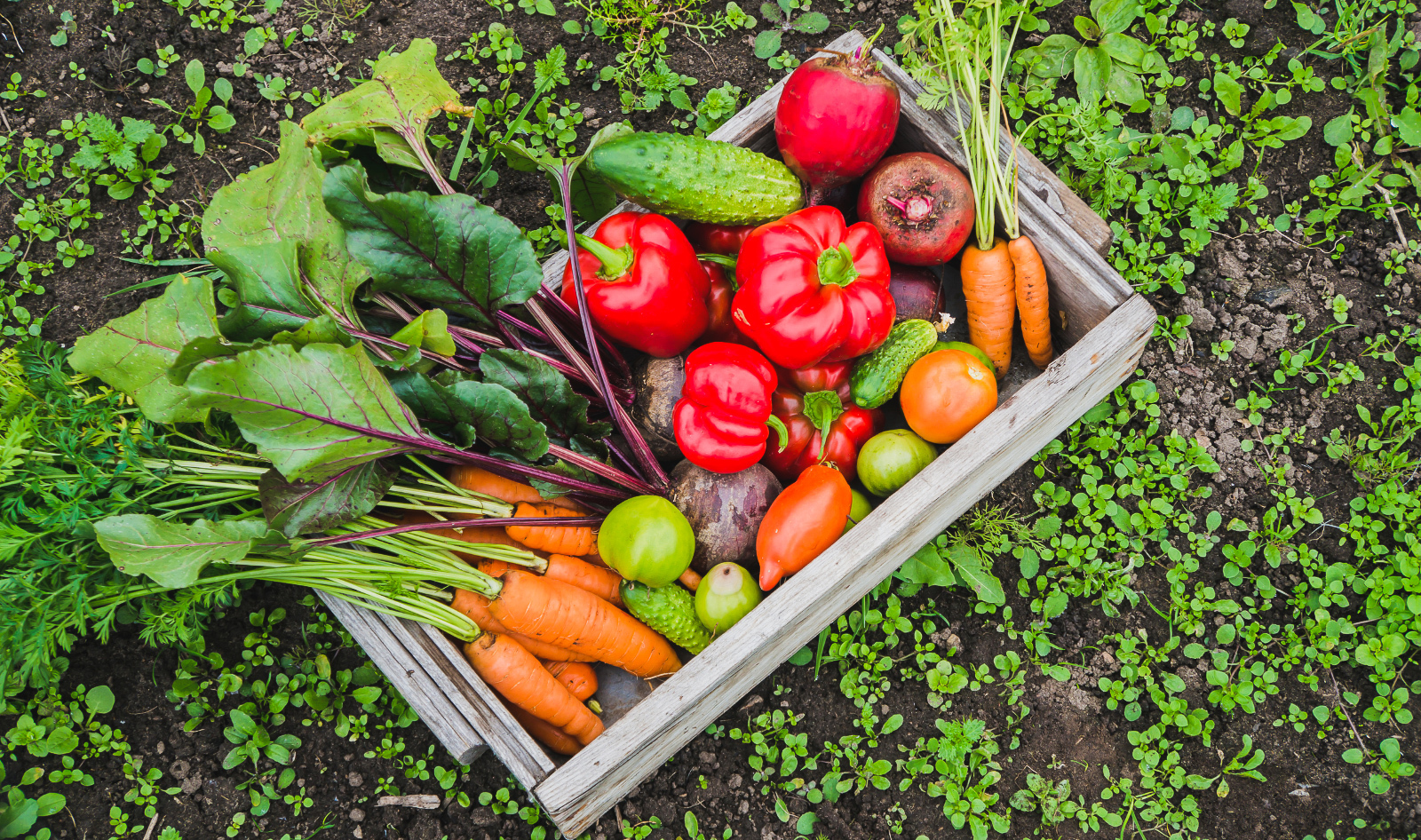
VegNews.VeganDietEnvironment.Canva

Canva

A growing list of experts agree that adopting a plant-based diet is crucial in the fight against climate change. According to a report from the United Nations’ Intergovernmental Panel on Climate Change, a global shift toward plant-based diets rich in pulses, nuts, fruits, and vegetables could lead to a substantial reduction of GHG emissions as compared to current dietary patterns in most industrialized countries. Another report found that 57 percent of global GHG emissions from food production come from meat and dairy products—twice those of plant foods. 

Clearly, switching to a vegan diet may be the most important step humanity can take to ensure the future of our planet. 

Resources for going vegan

Books

For additional resources, check out all of VegNews’ recipes and our guides to vegan beer, milk, cheese, and much more.

https://vegnews.com/vegan-guides/nutrition/definition-of-vegan