Showing posts with label omega-3. Show all posts

Monday, May 4, 2026

Doctor explains who really needs to take Omega-3 supplement

From ladbible.com

Eating oily fish is best, but if not, you might want to invest in some Omega-3 supplements

Unsure whether or not you need to add Omega-3 supplements to your diet? Here is a useful guide from a doctor.

Commonly referred to as fish oil, Omega-3 tablets are among the most popular supplements in the world and are taken by millions daily.

But how do you know whether or not you need it?

                                       Vegetarians and vegans are more likely to need Omega-3 supplements (Getty Stock Images)

What is Omega-3?

Omega-3 fatty acids are considered a critical nutrient for the body, as they are crucial for the production of brain cells, supporting heart health and reducing inflammation.

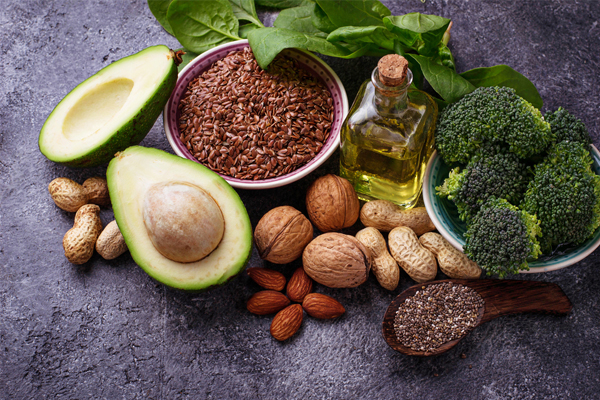
The body cannot produce these acids naturally; however it can be found in fish, such as salmon, mackerel and herring, as well as algae and plant sources such as flaxseeds, chia seeds and walnuts.

                                                                                                                 Getty Stock Images

Who needs to take Omega-3 supplements?


Unlike Vitamin D and Iron, there is no set limit on how much Omega-3 a person needs as part of their daily intake, however the NHS does recommend two portions of oily fish each week.

But if you're not a big fan of seafood, then it may be time to head out to your nearest health food shop or supermarket and pick up some Omega-3.


"Getting your Omega-3s from your diet is best," explained Dr Karan Rajan in a recent post on the topic.

"But unless you're eating at least you're eating at least two servings of oily fish per week, it's highly unlikely you're getting enough."


When it comes to purchasing Omega-3, he recommends the following groups of people should consider adding it to their diet:

  • Vegans and vegetarians: Flaxseed Oil can be used as a plant-based alternative to fish oil
  • People who eat little to no portions of oily fish
  • People with high triglyceride (excess fat in the blood) levels

Dr Rajan also shares advice on which Omega-3 supplements are the most beneficial to purchase, explaining that you want to buy capsules which are 'third-party tested' and have the specific dosage of acids EPA and DHA in them.


"Try and aim for 250 to 500mg of DHA and EPA combined," he added. "And make sure it doesn't just say 'fish oil' without the doses."


Are there any side effects to taking Omega-3?

Like most things in the world, there are potential side effects of Omega-3 which you need to be aware of when taking the supplement.


Research published by the BMJ in 2024 revealed an association between healthy adults taking fish oils and an increased risk of atrial fibrillation (irregular heartbeat), heart attack, stroke, and heart failure.

However, the study did note that all participants involved in the study had pre-existing heart conditions, meaning they were already at a higher risk of complications.


The patients also had a 15 percent lower risk of progressing from atrial fibrillation to a heart attack, and a nine percent lower risk of progressing from heart failure to death when compared to those who did not take a supplement.


Responding to the research, the British Heart Foundation pointed out that while the study does indeed show a link between fish oil and an increased risk of heart conditions in otherwise healthy people, it did not prove cause and effect.


So if you have any doubts, it's best to consult your doctor before giving up your Omega-3.


https://www.ladbible.com/lifestyle/omega-3-supplements-who-needs-them-vegan-vegetarian-022012-20260503

Saturday, April 4, 2026

Are you meeting your nutrition values on a vegan diet?

From veganfirst.com

By Akansha Jhalani

As we all know, there is no theory backing up the logic that non-vegetarians or ovo-lacto-vegetarians are healthier than vegans, even though many will tell you otherwise. But the good news is that vegans can get sufficient nutrition provided they carefully plan their meals considering all the food groups.

The nutrients which are of optimum importance on a wholly vegan diet are vitamin B12, protein, long-chain omega-3 fatty acids, riboflavin, vitamin D, calcium, iron, iodine, zinc, and selenium.  But with proper planning, one can get sufficient doses of the above-mentioned nutrients  from a plant based diet. Additionally, a well-planned vegan diet can be very beneficial for the body as it can help lower the risk of heart disease, type 2 diabetes and certain types of cancer.

Listed below are the different nutrients you need and the ways to intake them on a vegan diet:

Protein from plants

For a vegan, it is recommended that they take 0.9 gms of protein per kilogram of their body weight.

One should consume an adequate quantity of varied sources to ensure that they get their required dosage of protein. Seeds, nuts, legumes, whole grains and soy are excellent sources of protein. Other great sources of proteins are tofu, lentils, chickpeas, quinoa, orange, broccoli and plant based protein powder.

Omega 3

Take a vegan DHA capsules which contain algae-derived omega 3 fatty acids.

Omega 3 fatty acids are highly beneficial for the heart, brain, joint health and skin. Flax seeds, walnuts and canola oil are excellent sources of vegan omega 3 fatty acids. Consuming these on regular basis would nurture one with the required dosage minus the cholesterol and toxins found in fish.

Vitamin B12 for vegans

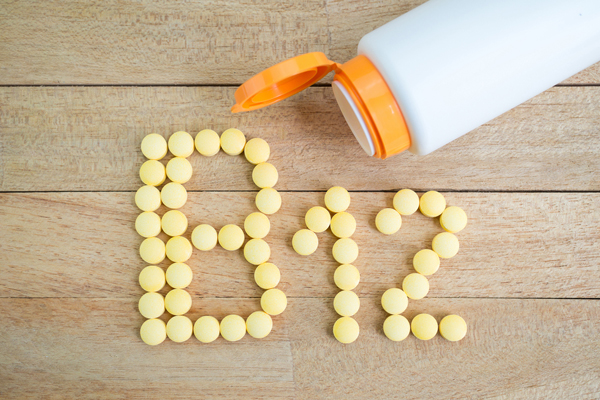
2.4 mcg of Vitamin B12 is required on an average per day.

Vitamin B12 is made by bacteria and fungi. Sterilization and cleaning of various vegan sources of food destroys their natural B12 content. Vegans all over the world are advised to take supplements for their vitamin B12 requirement. Some brands of fortified cereals, nutritional yeast, soy and rice milks also contain Vitamin B12.

Calcium

Men and women aged 19-50 should take 1000 mg of calcium every day.

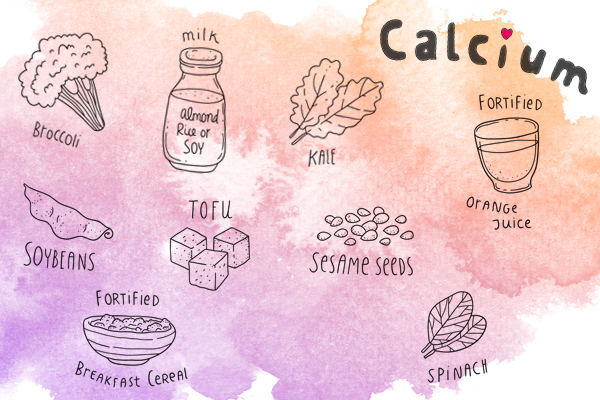
Calcium is found in abundance in greens, kale, broccoli, almonds, beans and sesame seeds. There are many calcium-fortified foods available like fortified soy, cereals, tofu and juices. As a vegan, one should take supplements or such fortified foods to ensure the proper intake of calcium rich vegan foods.

Vitamin D

800IU is the recommended daily intake of vitamin D.

Vitamin D is necessary for the absorption of calcium in the body. Sunshine is the best source of vitamin D. It is also found in fortified orange juices, tofu and mushrooms. Vegans find it very difficult to fulfil their Vitamin D requirement in winters when the sun is low.


Iron

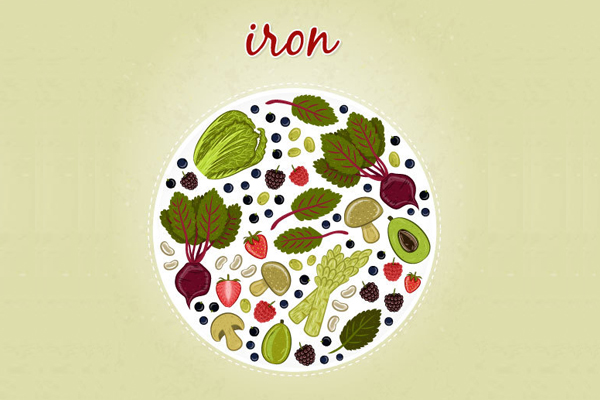
Sunflower seeds, spinach, dried fruits, nuts, lentils, molasses, grains and millet contain iron.

As vitamin C helps to increase the iron absorption in the body, either eat foods with a combination of iron and vitamin C or eat dark-leafy vegetables which have sufficient doses of both iron and calcium.


Carry backup food

Getting vegan options everywhere might be a problem, though more and more restaurants have started offering vegan options these days. It’s a good idea to carry your meal while travelling so that one need not skip meals. Vegan bars are a good option to carry while travelling.

Cooking your vegan meal

Invest in a few good vegan cookbooks and you would be surprised at a number of options vegans have. Vegan food need not be boring and restrictive. Food cookbooks explore and experiment with a wide range of vegan options making food delicious for you.

Proper doses and proper food combinations can ensure that a vegan diet can be as healthy and nourishing, just like any other dietary option!

https://www.veganfirst.com/article/are-you-meeting-your-nutrition-values-on-a-vegan-diet-

Saturday, February 28, 2026

Everything You Want to Know About the Vegan Mediterranean Diet

From peta.org

Unless you’ve been living in a cave, you’ve likely heard physicians, healthcare organizations, and nutritionists urging everyone to follow the plant-focused Mediterranean Diet. (And if you have been living in a cave, then you likely know that the actual “caveman diet” was also primarily vegan.) We’ll let you in on a secret: They’re practically quoting what PETA has been saying for decades. The Mediterranean Diet is almost entirely vegan. And making one swap to make it vegan has a wealth of benefits.

What do you eat on the vegan Mediterranean Diet?

Unsurprisingly, this nutrient-packed plan focuses on the foods we’ve long known to have significant health benefits: fruits, vegetables, whole grains, beans, lentils, nuts, and healthy fats like those found in avocados, tofu, edamame, coconuts, olives, nut butters, and seeds. High in fibre, antioxidants, and key vitamins and minerals, these foods work together to promote whole-body health. Experts recommend building a meal plan around as many of these health heroes as possible every week:

While some people mistakenly associate the Mediterranean Diet with consuming large amounts of “seafood,” the actual guidelines don’t require eating fish. And there are a multitude of reasons not to. For starters, much of the fat in fish bodies is saturated—one of the main harmful substances the Mediterranean Diet seeks to avoid. Add to that high levels of cholesterol, mercury, antibiotics, chemical pollutants, and microplastics. That dead scaly body may even come with a side of parasitic worms or flesh-eating bacteria.

And fish are just as clever, sensitive, and family-oriented as animals who make their homes on land. They can count, use tools, and demonstrate observational learning. Some caress one another, causing their stress levels to decrease. They form rich social networks and strive to maintain a good reputation. Salmon find their way back to the exact stream where they were born in order to mate after years in the ocean. Rainbowfish’s long-term memories are comparable to a human recalling a lesson learned 40 years prior. Some catfish fathers go without food for a month, protecting their developing eggs in their mouths. And, just like all animals, fish feel pain.

What about omega-3s?

The Environmental Working Group found that people who commonly ate fish were ingesting dangerous amounts of mercury while getting relatively small amounts of omega-3s. Better sources of omega-3 fatty acids include walnuts, flaxseed, chia seeds, hemp seeds, edamame, seaweed, and algae. Other green leafy vegetables and beans also contain small amounts. Algal oil, a great source of DHA and EPA omega-3s, is often an ingredient in 


So, what can a vegan Mediterranean Diet do for you?

According to the Cleveland Clinic, following these plant-powered nutrition guidelines has numerous benefits, including:

  • lowering the risk of heart disease;
  • supporting a healthy body weight;
  • lowering blood sugar, blood pressure, and cholesterol;
  • decreasing the risk of metabolic syndrome;
  • supporting a healthy gut;
  • reducing the risk of certain types of cancer;
  • slowing the decline of brain function due to aging;
  • and increasing life expectancy.

Many people also report increased energy levels, improved sleep quality, achievement of health and fitness goals, and better mental health due to ending their association with foods linked to animal suffering.

What if I want a cheeseburger?

Eat one! Just enjoy a cheeseburger made from plants. With vegan upgrades of all types of meat, dairy, and eggs, there’s no reason to harm our health or animals.

Where do I start?

PETA offers dozens of Mediterranean Diet-friendly recipes like Vegetable and Tofu KebabsRice, Bean and Kale Bowl, and Creamy Red Lentil Salad, plus hundreds of other free, healthy recipes. You can also order a free vegan starter magazine for even more helpful health info, product tips, and recipes.   

https://www.peta.org/lifestyle/food/vegan-mediterranean-diet/ 

Friday, February 13, 2026

The nutrient 75% of the world lacks and the 59p-a-day way to get it

From birminghammail.co.uk

More than three-quarters of the global population are not getting enough of this nutrient with one vegan supplement now attracting praise from shoppers

Omega-3 is a nutrient that many people believe they're getting enough of, but research suggests the opposite. A recent study published in November 2025 reveals that over three-quarters of the global population aren't consuming sufficient omega-3, despite its crucial role in joint health, inflammation management and daily mobility.

This deficiency often goes unnoticed, primarily because it can be challenging to get enough omega-3 through a modern diet alone. One supplement that's gaining traction in addressing this issue is Dr Vegan's Omega 3.

For a single purchase, one pouch costs £21.99. However, the best value is found with the subscription option, where customers can receive three pouches every 90 days for £53.09, reduced from £65.97, equating to roughly 59p per day.

Additionally, the brand is currently offering an extra 15% off with the code 'VOM3', bringing the single purchase down to £18.70 and the 90-day subscription option to £45.13. Unlike conventional fish oil supplements, the brand claims that Vegan Omega 3 is derived from algae, which is a fundamental source of omega-3 in the food chain.

This provides a plant-based alternative that sidesteps the environmental impact of industrial fishing, reports the Express. Fish don't actually produce omega-3 themselves; they acquire it from the algae they eat.

By obtaining omega-3 straight from algae, supplements such as this one sidestep trawling and seabed destruction whilst offering a cleaner, more refined oil. Dr Vegan's formulation contains 1,000mg of algae oil per dose, providing an ideal ratio of 300mg DHA and 150mg EPA, the two fatty acids most strongly associated with joint comfort, brain health, heart function and vision, according to the brand.

As it's algae-based, there's no fishy odour or lingering taste, and it steers clear of the contaminants and toxins that can sometimes be present in fish oils. It's also naturally lower in saturated fats when compared to animal-derived omega-3 sources, which matters because higher saturated fat consumption is linked with elevated cholesterol levels.

According to Dr Vegan, omega-3 is required in every cell of the body and contributes to skin health, hormone balance, cognitive function and inflammation management. Dr Vegan's Omega 3 has earned recognition from BBC Good Food as a 'Highly Recommended' supplement and holds an 'Excellent' rating on Trustpilot, with over 6,000 customer reviews.

An alternative, though, is the Essential Omega-3 for £17.99, reduced from £23.49, from MyProtein for 250 soft gels. This offers a variety of benefits, such as being an essential fatty acid, and is described as cost effective and convenient.

Another option is the Solgar Triple Strength Omega-3 100 Softgel Capsules from Holland and Barrett, priced at £62.48. This product is touted as a 'concentrated omega3 supplement providing Solgar's Triple Strength combination of EPA and DHA to support heart health'.

On Trustpilot, customers have given high ratings to the Dr Vegan supplements. One user, Mike Harrison, commented: "It's good for my brain health. The subscription service means I don't run out. Price is competitive. One teensy moan is that the capsules are slightly tacky, and tend to stick to my pill case. But if you don't use a pill case, that won't bother you!"

Mandy Stewart chimed in: "Really helps me and my joints, as I love to regularly work out at the gym. At 54 I've really noticed the difference since taking them."

One customer deducted a star and stated: "High quality supplements, one of the few sellers that offer different types of omega-3s together and produced from clean, tank-grown algae. I didn't know there was a hierarchy of omega-3 supplements, but once I learned better, I found that this product offered the best quality/price ratio. Knocked off one star for communication - if a supplement sells out, it's unclear when the stock will be replenished."

https://www.birminghammail.co.uk/whats-on/shopping/54-year-old-woman-says-33419664


Saturday, January 31, 2026

Going vegan: Here’s what to think about before you start

From atvtoday.co.uk

Here are the key factors experts say are worth considering before making the switch


Adopting a vegan diet during the early part of a new year can feel like a positive reset – whether it’s for health, sustainability or simply trying something new.

But if you’re eating less overall, particularly if appetite is reduced through weight-loss medication, careful planning becomes essential to avoid fatigue, low energy and nutrient gaps.

Appetite changes can raise the stakes

Reduced appetite means smaller portions – and that makes every meal nutritionally important. Plant-based diets can be very healthy, but they are also more restrictive, so thoughtful food choices are crucial to ensure energy, protein and micronutrient needs are still being met.

Without this, people may experience tiredness, stalled weight loss or poor recovery, especially during the early weeks of dietary change.

Beware ultra-processed vegan foods

Not all plant-based products are created equal. Many ultra-processed alternatives are high in refined carbohydrates and low in protein and key nutrients.

Instead, nutritionists recommend focusing on foods that are naturally vegan – such as lentils, beans, tofu, vegetables and wholegrains – which offer greater nutritional value and support satiety without relying on heavy processing.

Protein matters more than you think

Protein is essential during weight loss, helping to preserve muscle mass and keep you feeling full. Guidelines suggest aiming for around 0.8g–1.8g of protein per kilogram of body weight, depending on individual needs.

On a vegan diet, this means intentionally including plant-based protein sources like tofu, tempeh, lentils, chickpeas, beans and soy products at every meal.

Dr Crystal Wyllie from ZAVA explains:

“It’s a common misconception that protein only matters if you work out regularly. Protein supports immunity, recovery and overall wellbeing – particularly when appetite is reduced or weight-loss medication is involved. Including protein at every meal can help maintain strength and energy.”

Keep comfort foods on your side

Sticking to Veganuary doesn’t mean reinventing your entire kitchen. Many familiar flavours are already vegan, including standard gravy granules, yeast extracts, English mustard and brown sauce – all of which add depth without compromise.

Iron is one nutrient worth watching closely, as plant-based iron is absorbed less efficiently. Pairing iron-rich foods like lentils, spinach and beans with vitamin C-rich ingredients – such as citrus fruits or peppers – helps improve absorption and supports energy levels.

Great iron-boosting snacks include hummus with red pepper sticks, nuts, seeds and dried fruit.

Choosing the right milk matters

Iodine plays a vital role in thyroid function and metabolism, but intake can be low on vegan diets. Fortified plant milks are one of the easiest ways to help bridge that gap.

Oat milk is a popular choice for tea and coffee thanks to its creaminess and stability – barista versions are often closer to dairy in taste and texture. Iodised salt, seaweed and fortified breads can also support iodine intake.

Experts recommend speaking to a healthcare professional before using supplements to ensure the right balance for individual needs.

Don’t overcomplicate meals

You don’t need a whole new cookbook – just swap the protein. Lentils, chickpeas or crumbled tofu work well in classics like spaghetti bolognese, while minimally processed plant-based sausages can replace meat at breakfast.

Fibre-rich foods such as oats, quinoa, brown rice, beans and vegetables help maintain steady energy levels and keep hunger at bay throughout the day.

Managing expectations around cheese

Vegan cheese can be hit-and-miss. Nutritional yeast is often a more satisfying alternative, offering a savoury, cheesy flavour without texture issues – and many brands are fortified with vitamin B12.

Vitamin B12 supports the nervous system and healthy red blood cells, but it isn’t naturally present in plant foods. Fortified products or supplements are essential for anyone following a vegan diet, particularly alongside weight-loss medication.

Don’t forget omega-3s

Omega-3 fatty acids support heart health, brain function and inflammation control, yet can be harder to obtain on a vegan diet. Foods like chia seeds, flaxseeds, walnuts, hemp seeds and algae-based supplements can help meet daily needs.

As with other nutrients, consistency matters more than perfection – small, regular inclusions add up.


With a few smart swaps, attention to key nutrients and a focus on whole foods, a vegan diet can feel satisfying, balanced and sustainable – even when appetite is reduced.

As Dr Wyllie notes, regular monitoring and spreading nutrient intake throughout the day can help maintain energy, protect wellbeing and support long-term success.

https://www.atvtoday.co.uk/277506-food/