Showing posts with label skincare. Show all posts

Saturday, January 3, 2026

Vegan beauty products to try this Veganuary

From amp.rte.ie

Vegan beauty is arguably at its best phase yet. Once associated with bland packaging and hit-or-miss formulas, vegan products today rival – and often outperform – their traditional counterparts.

The definition of vegan is a product that has "no animal ingredients and no animal-derived products, [which is] also cruelty free – so no animal testing," explains the Vegan Society’s Karen Spinner, head of sales and marketing at the Vegan Trademark.

But Spinner says just because a product is cruelty-free doesn’t mean it’s vegan. In fact, lots of animal derivatives are used in the beauty industry.
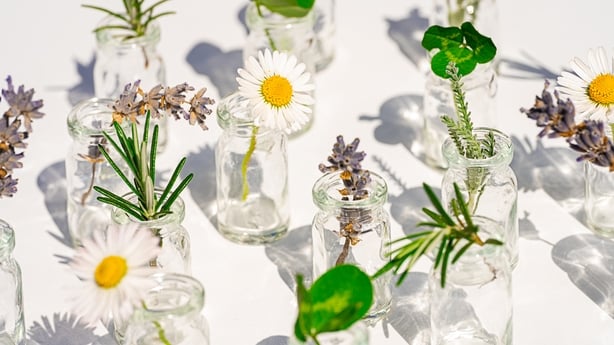
Natural ingredients for cosmetic products for the care of skin and hair. Concept with Bottles with natural plants. Bottles with herbs for natural essential oils and organic cosmetics , medicine on the white background. Concept of an eco, supplement, cosmetics. Front view. Defocused. Copy space. Clos

Common ingredients that can catch people out include "squalene - that’s an extract of shark’s liver, you’ll often find in deodorants, lip balms and moisturisers.

"Ambergris, which comes from fat of the intestine of the sperm whale – that’s used in the perfume industry," Spinner explains.

"And something doing the rounds on TikTok [is] vanilla perfumes. It’s very trendy at the moment, and lots of vanilla perfumes have an animal by-product called castoreum, which is secreted from the castor sacs of beavers.

"Then obviously you’ve got cochineal, which is for pigment, created by crushing insects – you find that in lots of lipsticks, blushes and nail polishes."

If you’re planning on dipping your toe into veganism this Veganuary, the best vegan products are those you wouldn’t even realise are fully plant-based and cruelty-free.

So, here are the vegan beauty staples worth making room for in 2026.

Best vegan skincare

Good skin underpins beauty today, with some of the biggest trends like ‘glass skin’ and ‘hazy cheeks’ relying on the health and vibrance of bare skin.

And luckily, some of the most effective formulas on the market are entirely vegan.

Aesop is often associated with luxurious self-care, but many consumers don’t realise that it's also vegan, Leaping Bunny-approved and certified B Corp.

The Parsley Seed Facial Cleanser is one of the brand’s most enduring formulas, designed with urban living in mind.

The gel-based cleanser removes makeup, SPF and daily pollution without stripping the skin barrier – something that’s particularly important for combination or city-stressed complexions.

Rich in antioxidant botanicals, it leaves skin feeling balanced – not tight – making it a reliable everyday option for those who want effective plant-based cleansing without overcomplicating their routine.
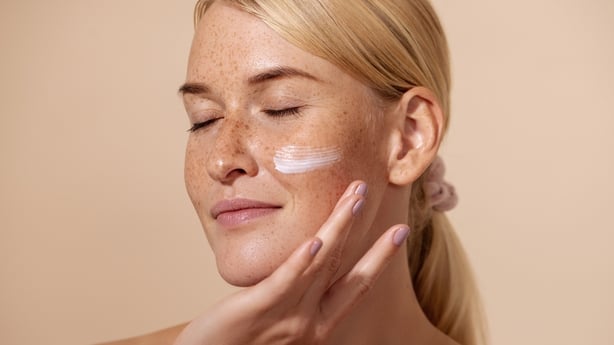
Medik8 is a science-led skincare brand trusted by beauty lovers and dermatologists alike – and many users may not even realise its formulas are vegan.

Certified vegan by the Vegan Society, Medik8 is a science-based skincare brand, and one of its bestsellers is the daily moisturiser.

It’s non-comedogenic, meaning it doesn’t clog pores, and is suitable for both dry and oily skin types thanks to its perfected combination of prebiotic peptides, ceramides and lipids for ultimate hydration without excess grease.

Best vegan bases

Base make-up has historically been the hardest category for vegan beauty to get right. But more recently, vegan formulas are being perfected due to consumer demand.

"The vegan society’s own research carried out in 2021 found that 40% of the women in the UK who always buy vegan beauty aren’t actually vegan," Spinner says, showing the growth in conscious consumerism.

Not all Ultrasun products are vegan, as many of their lip products contain beeswax, however, their Ultrasun Face Fluid Tinted SPF50+ is vegan and the perfect base all year round.

A rare hybrid that delivers broad-spectrum sun protection alongside sheer, skin-evening coverage. Lightweight and non-greasy, it works well for everyday wear and is especially useful if you prefer minimal makeup with maximum protection.

Merit has built its reputation around pared-back, skin-first make-up that prioritises ease and wearability. The Minimalist Complexion Stick reflects that ethos perfectly, sitting somewhere between a concealer and a foundation.

The creamy vegan formula blends effortlessly with fingers or a brush, offering buildable coverage that still looks like skin. Ideal for evening out redness, dark circles or blemishes, it still has a natural pay-off looking light and unfussy.

Best vegan eye make-up

Vegan formulas no longer compromise on pigment or longevity, and some of 2025’s best eye products were, in fact, vegan.

Certified as vegan and cruelty-free by PETA, the influencer-slash-YouTuber founded beauty brand, Vieve has made waves this year.

Launched in 2020 by Jamie Genevieve, Vieve has created viral products, including its balmy foundation hybrid and its eye products.
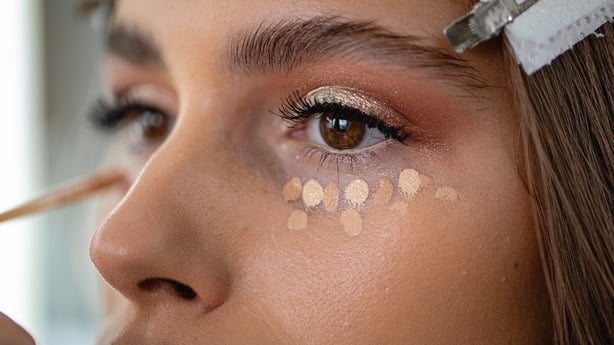
The Vieve mascara is a standout; it delivers volume and definition without flaking or stiffness. The formula builds well, making it suitable for both natural daytime looks and fuller evening lashes, without drying out over time.

E.l.f Cosmetics is an old-school vegan brand, which is double-certified cruelty-free by both PETA and Leaping Bunny.

Its cream eyeshadow is a practical, long-wearing shadow that delivers colour in one swipe. It sets quickly without creasing, making it reliable for fast routines or long days when you don’t want to think about touch-ups.

Best vegan body care

Made and manufactured in the south of England, Grove England is a hidden gem for luxury vegan body care. However, it’s important to note that while they claim vegan status, they don’t prominently display a third-party certification logo (like Vegan Society or Leaping Bunny), so it is still important to check the ingredients list and manufacturing information of their products.

This neroli and cedarwood scented body wash, however, is vegan according to its ingredients, and contains antioxidants, vitamin B5 and amino acids, which leaves skin nourished and radiant.

Young Asian woman following her skin care routine, she is applying the cream after a shower.

Aromatica is a K-beauty brand that has boomed in popularity this year. All their ingredients are ECOCERT certified, vegan-friendly and are not tested on animals.

This body lotion is one of their hero products; it leaves the body hydrated thanks to its pure shea butter, while the vegan formula means it absorbs well – even on damp skin – without leaving a sticky or greasy residue.

The man moisturizes his skin while the woman skillfully blow-dries her hair

Why vegan beauty feels different now

Recent years have seen a rise in demand for vegan beauty products, mainly due to rising ethical concerns, health consciousness (as people are becoming more aware of how processed animal products react with the skin) and environmental awareness.

"Over 52% of [the Vegan Society’s] market is cosmetics and beauty," says Spinner, "people always think food when they think vegan, but actually cosmetics, beauty and personal care is the biggest market for us."

It seems that now is as good a time as any to test out some vegan beauty products, starting with easy swaps such as a beeswax lip balm with a candelilla wax balm.

Swaps don’t have to be a compromise, and in many cases, they can actually be an upgrade.

https://amp.rte.ie/amp/1550911/

Saturday, August 23, 2025

Drink your skincare: 7 vegan juices that make your skin glow from the inside out

From vegoutmag.com

By Avery White

Glowing skin doesn’t have to be bottled—it can be blended, juiced, and poured 

Serums help—no question. But the cells that build collagen, calm redness, and repair damage run on what we eat and drink.

The nutrients that travel through your bloodstream reach places creams can’t: they nourish skin cells from the inside out.

That’s why dermatologists and dietitians increasingly point to diet as a cornerstone of skin health. Plant-derived antioxidants and vitamins don’t just protect against sun and pollution damage—they measurably improve hydration, elasticity, and barrier function over time.

So if your routine stops at the bathroom mirror, you’re only getting half the picture. Juicing plants that are rich in skin-supporting compounds gives you a concentrated, tasty way to work beauty from within.

Here are seven vegan blends that deliver flavour, science-backed benefits, and practical tips you can fold into everyday life.


1. Carrot-orange-turmeric for a vitamin A glow

Carrots are famous for their beta-carotene, a precursor to vitamin A that your body converts into retinol. Oranges supply vitamin C, which helps collagen strands stay firm, while turmeric provides curcumin, one of the most researched natural anti-inflammatories.

Why it works: Vitamin A supports cell turnover—think fresher, smoother-looking skin. Vitamin C builds resilience against UV damage and keeps collagen intact. Turmeric’s curcumin reduces inflammatory pathways that can worsen redness or breakouts. A 2025 study in Frontiers in Pharmacology linked curcumin to improved wound healing and reduced oxidative stress in skin.

How to make it: Juice 4 medium carrots, 2 peeled oranges, and a thumb-sized knob of turmeric root. If you only have turmeric powder, stir in ½ teaspoon afterward. Add a pinch of black pepper—it helps your body absorb curcumin more effectively.

Extra tip: This juice keeps its bright orange pigment because of carotenoids. Store it in a glass jar, not plastic, to avoid staining.

2. Cucumber-mint-lime for hydration and calm

Cucumbers are 96% water, but the real star is silica, a trace mineral linked to collagen production. Mint soothes digestion, and lime adds vitamin C with a refreshing tang.

Why it works: Hydration plumps skin cells in a way moisturizers alone can’t. Meanwhile, vitamin C is a crucial cofactor for repairing micro-damage from sun exposure and keeping collagen production on track. Together, this combo supports both skin smoothness and overall calm.

How to make it: Juice 1 large cucumber with a handful of fresh mint and the juice of ½ lime. Chill before drinking for that spa-water upgrade.

Extra tip: If you want more body, blend instead of juicing. The fibre slows down absorption and keeps you fuller longer.

3. Beet-apple-ginger for circulation and detox support

Beets are rich in dietary nitrates that convert to nitric oxide, a compound that widens blood vessels and improves circulation. Apples bring quercetin, a flavonoid that reduces oxidative stress, while ginger adds anti-inflammatory zing.

Why it works: Research shows that beet juice significantly improves blood flow and reduced oxidative stress markers. Increased circulation means more oxygen and nutrients reach your skin cells, giving that natural post-exercise flush without the treadmill. Quercetin helps reduce UV-related skin stress, while gingerol compounds lower markers of systemic inflammation. 

How to make it: Juice 1 medium beet, 2 crisp apples, and a thumb-sized piece of fresh ginger. If the beet flavour is too earthy, add a squeeze of lemon to brighten it.

Extra tip: Beets stain everything. Rinse your juicer parts right away, or you’ll be scrubbing pink streaks for days.

4. Kale-pineapple-lemon for collagen and clarity

Dark leafy greens like kale offer lutein and vitamin K, both linked to healthier skin tone and reduced oxidative stress. Pineapple supplies bromelain, an enzyme with gentle exfoliating properties, while lemon adds more vitamin C.

Why it works: Lutein has been shown in controlled trials to increase skin’s resistance to UV-induced damage. Vitamin K helps reduce the appearance of dark under-eye circles by supporting capillary strength. Bromelain may help calm puffiness and mild inflammation. 

How to make it: Juice 2 cups chopped kale, 1 cup pineapple chunks, and ½ peeled lemon. For a milder flavour, add half a cucumber.

Extra tip: Roll your kale leaves before juicing to release more juice and fewer bitter notes.

5. Pomegranate-blueberry for anti-aging antioxidants

Pomegranates and blueberries are loaded with polyphenols. These compounds neutralize free radicals—the unstable molecules that accelerate wrinkles and sagging. They also contain ellagic acid and anthocyanins, which protect collagen and help reduce hyperpigmentation.

Why it works: Research from UCLA found that pomegranate extract reduce resistance to sun damage. Anthocyanins in blueberries also strengthen tiny blood vessels, which supports even skin tone and reduces visible redness.

How to make it: Blend (not juice) 1 cup pomegranate arils, 1 cup blueberries, and ½ cup water. Strain if you prefer a smoother texture, but keeping the fibre helps regulate blood sugar and digestion.

Extra tip: Frozen blueberries work as well as fresh here—and they’re often picked at peak ripeness, preserving antioxidants.

6. Celery-pear-parsley for clarity and balance

Celery has become trendy for a reason: its mineral salts may support hydration balance and reduce puffiness. Pears provide gentle fibre, easing digestion, while parsley adds chlorophyll, which supports liver detox pathways.

Why it works: Many skin issues are tied to digestion. A healthier gut translates to clearer, calmer skin. Chlorophyll has been studied for its antioxidant capacity, reducing markers of oxidative stress in animal and human models. Pairing it with celery’s natural electrolytes makes this juice a great morning reset.

How to make it: Juice 3 celery stalks, 1 ripe pear, and a small handful of parsley. Drink in the morning to start the day with a mineral-rich boost.

Extra tip: Use the whole pear with skin—it’s where much of the antioxidant power lives.

7. Watermelon-strawberry-basil for hydration and repair

Watermelon is rich in lycopene, an antioxidant that accumulates in the skin and helps protect against sun damage. Strawberries are vitamin C superstars, while basil brings antibacterial and calming properties.

Why it works: Lycopene has been shown in multiple studies, including a 2024 Journal of Nutrition and Metabolism study, to reduce UV-induced redness and oxidative stress. Vitamin C powers collagen synthesis. Together, this combo is tailor-made for summer when sun exposure is unavoidable.

How to make it: Blend 2 cups watermelon, 1 cup strawberries, and 4–5 basil leaves until smooth. Serve cold over ice.

Extra tip: Watermelon juice separates quickly—give it a stir before sipping.

How to make juice work for you

Juicing doesn’t have to mean buying $12 green bottles at a boutique cafĂ©. With a little strategy, it can become a sustainable, affordable habit.

  • No juicer? No problem. Use a blender and strain through a nut milk bag or fine sieve.

  • Drink fresh. Nutrients degrade quickly. Ideally, consume juice within 20 minutes, or store in an airtight glass jar for up to 24 hours.

  • Balance sugars. Too much fruit can spike blood sugar. Pair sweeter juices with greens or cucumber.

  • Consistency counts. Just like topical skincare, results show with regular use—2–3 times a week is plenty.

  • Think of it as synergy. Juices complement, not replace, a plant-forward diet rich in whole foods.

Why this matters

This isn’t just about glowing skin. Choosing plant-powered juices aligns with bigger goals: climate resilience, sustainable agriculture, and community health. Each glass reduces reliance on animal-based products and packaged, single-use plastics tied to the conventional beauty industry.

By leaning on carrots instead of collagen powders, or parsley instead of pills, you’re supporting local farmers, cutting environmental costs, and proving that wellness doesn’t have to come in a jar shipped halfway around the world.

Skin health, climate health, and community health are inseparable. Every time you juice beets, blend berries, or stir turmeric into a glass, you’re investing in your own resilience and the planet’s. That’s beauty with benefits.

https://vegoutmag.com/fashion-and-beauty/r-drink-your-skincare-7-vegan-juices-that-make-your-skin-glow-from-the-inside-out/

Thursday, July 31, 2025

This simple Chinese dessert is 100% vegan—and secretly amazing for your skin

From vegoutmag.com

By Avery White 

A centuries-old Chinese dessert might just be the skin-boosting ritual your beauty routine’s been missing—without a single drop of dairy

I’ll admit it: I used to breeze past anything labelled “red bean” on menus.

It sounded more like something you’d find in a hearty stew than a dessert. But one afternoon at a friend’s house in San Francisco’s Sunset District—where the fog rolls in like a cosy blanket over rows of Chinese bakeries and herbal apothecaries—I had my mind changed by a humble little bowl of red bean soup.

Sweet, warm, delicately flavoured. Comforting in a way that felt both nostalgic and new.

And the kicker? It’s completely vegan. No dairy, no gelatine, no processed nonsense.

Even more surprising? It's packed with skin-loving benefits that rival any pricey serum sitting on your bathroom shelf.

Let’s break it down.

What’s actually in red bean soup?

Traditional Chinese red bean soup (called hong dou tang in Mandarin) is made with just a few ingredients: adzuki beans, water, and some form of natural sweetener like rock sugar or dates. Sometimes, recipes include dried tangerine peel or lotus seeds for added flavour or texture.

That’s it.

It’s usually served warm, but you can also chill it for a summer-friendly version. It’s gluten-free, oil-free, and plant-based by design—not as a workaround.

And despite its simplicity, this unassuming little dessert carries a surprising amount of beauty-boosting potential.

So... how does it help your skin?


Let’s start with the adzuki bean, the star of the show.

These tiny red beans have been used in East Asian medicine for centuries. They're rich in antioxidants, especially polyphenols, which help protect your skin from environmental stress and premature aging. Think UV exposure, pollution, that too-long stare at your phone in bed. All of it.

As noted by dermatologist Dr. Whitney Bowe, “Antioxidants help neutralize free radicals—unstable molecules that damage collagen and lead to wrinkles.” In other words, adzuki beans don’t just taste good—they’re fighting your skin’s battles from the inside out.

But it’s not just about antioxidants.

Adzuki beans are also a fantastic source of zinc, a mineral that's crucial for skin repair and inflammation reduction. Zinc deficiency has been linked to acne and dull complexion, so getting more of it through whole foods like adzuki beans is a quiet act of skincare that doesn’t require a 10-step regimen.

Then there’s fibre. A cup of cooked adzuki beans packs around 17 grams of it. Why does that matter? Because gut health and skin health are deeply connected. When your digestion is off, it often shows up on your face: breakouts, redness, irritation.

As Dr. Nigma Talib has said, “Skin issues often begin in the gut.” And fibre—especially from legumes—helps balance gut bacteria, supports detoxification, and keeps things moving (you know what I mean). That glow people talk about? It’s often just a reflection of what’s working well inside.

The subtle magic of simplicity

There’s something oddly refreshing about a dessert that’s not trying to outshine itself with sprinkles or edible gold dust.

In a world of overcomplicated food trends (looking at you, charcoal-infused smoothie bowls), red bean soup offers a kind of stillness.

It doesn’t spike your blood sugar like cakes or cookies. It doesn’t come with the emotional crash that follows ultra-processed snacks. It nourishes, quietly.

And that calm shows up in your skin.

Blood sugar spikes are often overlooked in skincare conversations, but they’re key. High glycaemic foods can trigger inflammation and oil production—major contributors to acne and accelerated aging. Adzuki beans, with their low glycaemic index and high fibre, help regulate that balance.

I started eating red bean soup once or twice a week during the colder months. Not religiously, not as some “miracle” fix. Just as a small act of care.

A few weeks in, I noticed my skin looked... calmer. More even-toned. I wasn't breaking out around my jawline the way I sometimes do after sugar-heavy desserts. Coincidence? Maybe. But when something this simple checks so many boxes, I don’t need a double-blind study to keep a spoon in my hand.

More than a dessert: a quiet ritual

Making red bean soup doesn’t require any culinary degree or special tools. But it does take time.

The beans need to be soaked, then simmered low and slow until they’re tender. It’s the kind of kitchen task that pairs well with a good podcast or that audiobook you’ve been meaning to finish.

And I’ll say this: there’s something undeniably grounding about cooking a recipe that generations have made before you, especially one that asks nothing more than your presence and patience.

Maybe that’s part of the skin benefits too—lowering stress, slowing down, returning to nourishment that doesn’t scream for attention.

Because we all know stress wreaks havoc on our skin. Cortisol, the body’s stress hormone, can increase oil production and inflammation. By simply creating a quiet food ritual—something nourishing and repetitive—you’re reducing that internal noise.

How to make it (without overthinking it)

There are dozens of variations, but here’s the version I stick with:

  • 1 cup dried adzuki beans (soaked overnight)

  • 6 cups water

  • 1–2 tablespoons of coconut sugar or maple syrup (or a few chopped dates)

  • Optional: a sliver of dried tangerine peel or a pinch of sea salt

Simmer everything on low heat for about an hour, stirring occasionally. The beans should be soft but not mushy.

You can leave it thin and broth-like, or blend a portion for a creamier texture. Serve warm in the winter or chilled in summer with a splash of almond milk.

If you’re not into sweets, leave out the sugar entirely and enjoy it savoury-style with a bit of miso or tamari. It works both ways.

Why this matters more than it seems

When I was working corporate, I used to think of self-care as something I had to schedule. Like a calendar invite. 3 p.m., meditate. 6 p.m., gym. 8 p.m., sheet mask.

Now, I see it differently.

Sometimes, self-care is just eating something that makes you feel good afterward—physically, emotionally, and even aesthetically.

Sometimes, it’s rediscovering ancient food wisdom that doesn’t come in a bottle or tube. And sometimes, it’s about remembering that beauty isn’t about adding more. It’s about stripping back to what actually supports you.

Red bean soup reminds me of that every time.

No trends. No magic. Just quiet, nutrient-rich nourishment that shows up on your face a few days later.

I’d say that’s worth simmering for.

https://vegoutmag.com/food-and-drink/z-this-simple-chinese-dessert-is-100-vegan-and-secretly-amazing-for-your-skin/

Thursday, January 2, 2025

What you need to know about vegan beauty products

From independent.co.uk 

If you’re dipping your toe into Veganuary, you might want to change your beauty regime too

With many of us kicking off the new year with health-focused resolutions or perhaps embracing Veganuary, there’s never been a better time to try some plant-based beauty.

While demand for plant-based foods is growing quickly, with the number of vegans in the UK rising by over a million last year according to Finder, navigating the skincare aisle for vegan beauty products remains a tricky task.

We hear from skincare and beauty experts who reveal the crucial info you need before buying vegan beauty.

What is vegan beauty?

Just like a vegan diet, vegan beauty includes products that avoid anything that has been tested on animals or contains animal-derived ingredients such as beeswax, gelatine, honey or squalene.

“[Vegan] products are often created with cruelty-free principles, supporting ethical practices in the beauty industry,” explains co-founder of Odylique, Abi Weeds.

Vegan skincare works for all skin types [and] is packed with natural moisturisers, such as aloe vera and shea butter for hydration, alongside calming ingredients like tea tree oil and chamomile which reduce inflammation,” explains BEAUTY BAY‘s beauty expert Grace Ferns.

“Mature skin also benefits from antioxidant-rich formulas found in vegan products, which also help to combat ageing,” she claims.

                                                      Vegan beauty swaps are easy to make (Alamy)

How to tell if a product is vegan

Identifying whether your beauty product is vegan or not is quick and easy.

The Vegan Society suggest looking out for a logo certification, such as the vegan trademark, which guarantees the product is free from animal ingredients and has not been tested on animals.

These trademarks can look different, whether they come from Vegan Action, Cruelty Free International, PETA or Choose Cruelty Free. Familiarising yourself with these logos will help your determine which products are vegan and non-vegan.

Is vegan skincare a good substitute for mainstream products?

When it comes to swapping more mainstream products for vegan beauty, some claim the benefits outweigh the cons.

According to Weeds: “Vegan beauty products often contain fewer synthetic chemicals and harsh irritants, resulting in kinder formulations for the skin.”

“Vegan skincare products are usually rich in antioxidants, botanicals and vitamins. They’re better for animals and the planet, and are also less likely to irritate the skin,” maintains skincare expert and founder of Update Aesthetics Clinics, Nina Prisk.

“This is because some of the popular skincare ingredients that are animal-derived can be heavier and more likely to clog pores.”

Easiest vegan swaps to make in your beauty routine

If you feel that you ought to try and make some vegan beauty swaps but don’t know where to start, the experts have given their top recommendations for products they believe work better than animal-derived products.

“I’d recommend swapping out everyday products such as moisturisers, cleansers and make-up removers,” suggests says skin therapist and co-founder of Ella & Jo, Niamh Ryan, “as these can often include harsh chemicals which we end up subjecting our skin to every day.”

Bubble Skincare Deep Dive AHA + PHA Exfoliating Mask, £14.40, BEAUTY BAY

“For exfoliation, the Bubble Skincare Deep Dive AHA + PHA Exfoliating Mask gently unclogs pores and reveals smoother, more even-toned skin without irritation,” says Ferns.

BYROE New York Oat Yogurt Moisture Barrier Cream (50ml), £106, Counter Culture

“This nourishing moisture barrier cream is enriched with upcycled vegan soy yogurt complex, upcycled oats, essential lipids, and an oat eco ceramide that provides deep hydration while supporting the skin moisture barrier,” says Amy Roe, founder of Korean-inspired skincare brand BYROE.

Dr Leah Foaming Cleanser, 200ml, £25 (was £50)

“This foaming cleanser is a thick micro-foam that removes impurities while deeply cleansing, removing any oil build-up, make-up and environmental impurities,” explains Dr Leah Totton. “The dermatologically tested formula brightens and rejuvenates the skin for a refreshed, clean and youthful appearance while being totally vegan-friendly.”

Odylique Superfruit Concentrate, £29.70 (was £34)

“This organic but potent serum is a great vegan-friendly alternative to traditional moisturisers and is packed with antioxidants and omega fatty acids,” says Weeds.

https://www.independent.co.uk/life-style/fashion/veganuary-vegan-peta-new-york-vegan-society-b2672797.html

Wednesday, October 23, 2024

Why you should opt for vegan skincare

From indiatoday.in

With cruelty-free certifications and products not tested on animals, vegan skincare resonates with consumers who care for the ecology and are mindful of what is put on their skin


It’s more than a trend now. Vegan is the new way to go—a full-fledged global movement centred on sustainable, holistic living, and fuelled by growing concerns for animal welfare, environmental sustainability and individual well-being. And it’s big in the increasingly popular sphere of ethical skincare and beauty solutions, where ‘conscious consumerism’ is more than a buzzword. The demand for vegan skincare is led by beauty aficionados across the world who opt more and more for cruelty-free products that feature gentle and plant-based ingredients. As more and more consumers seek transparency in sourcing and production, veganism continues to gain traction, redefining our daily choices, shaping a thoughtful future for all.

Vegan skincare is different from organic and natural skincare primarily because of its commitment to avoiding all animal-derived ingredients or byproducts tested on animals. “In contrast, organic skincare focuses on ingredients grown without synthetic pesticides or fertilisers, and natural skincare emphasises minimally processed products derived from natural sources,” says Rica Jain, co-founder, Kimirica, a luxury lifestyle brand.


Formulated with products devoid of any animal-based ingredients and without any testing on animals, there’s a certain thought process behind the vegan skincare movement. It infuses plant-based extracts and safe-synthetic alternatives that are potent yet gentle on the skin. Key examples often include botanical ingredients such as aloe vera, green tea and coconut oil, which offer intense hydration and soothing properties.


“The science behind vegan skincare highlights the effectiveness of these ingredients, often rich in vitamins, minerals and antioxidants, while also promoting the safety of use and sustainable practices,” explains Jain. By combining ethical responsibility, environmental awareness and effective skincare solutions, the beauty products provide a safer option for consumers who are conscious of what they put on their skin.


WHY EMBRACE THE MOVEMENT


The ongoing trends in vegan skincare are making a significant impact in the beauty industry, garnering attention for all the right reasons. Plant-derived ingredients along with cruelty-free certifications and innovative formulations give the products an edge. Extracts such as aloe vera and green tea along with ayurvedic actives such as ashwagandha, manjishtha and turmeric are rich in antioxidants, vitamins and minerals, offering a natural solution for healthy, glowing skin.


Most vegan beauty brands focus on formulating plant-powered products, says Jain, and these strive to deliver transformative results by blending age-old plants with cutting-edge science for a balanced skincare. Brands, at the same time, have become more thoughtful towards their process of ingredient sourcing and selection, to ensure utmost purity and potency. “With thorough research, each ingredient is monitored on various levels such as its origin, cultivation practices and extraction methods to ensure that it meets stringent quality standards,” adds Jain.


Considering a paradigm shift to veganism in the skincare landscape, beauty brands have started to believe in the power of informed choices. From botanical extracts to scientific compounds, they ensure 100 per cent transparency of ingredients.


Embracing a vegan skincare regimen offers significant long-term benefits such as enhanced hydration, improved elasticity and a glowing complexion. “These formulations tend to be gentler, avoiding harsh chemicals that can irritate sensitive skin, thereby curbing the risk of allergic reactions,” says Jain.


Shifting to vegan skincare, therefore, not only aligns with a more ethical and eco-conscious lifestyle but also encourages mindfulness about the ingredients applied to your skin. While vegan skincare champions a conscientious approach to clean beauty, it’s essential to thoughtfully consider individual skin needs and the effectiveness of available options.


https://www.indiatoday.in/india-today-insight/story/why-you-should-opt-for-vegan-skincare-2621268-2024-10-22

Saturday, March 23, 2024

Beyond face value - understanding vegan skincare

From madeinbritain.org

It’s 2024 and clued-up consumers are asking for more transparency in the beauty industry. They want to know how their products are made, which ingredients are in them, and what values their favourite brands stand for.  
 
At Hera Beauty, we believe this is a great step forward. Increased transparency can only be a good thing. It paves the path for skin care manufacturers in the UK to reach higher standards and for customers to understand exactly what they’re getting.  
 
As consumers become more conscious about the products they use, the demand for ethical and sustainable skincare continues to grow. One element that can’t be overlooked is opting for vegan ingredients. But there’s more to this than first meets the eye.  
 
Let’s delve deeper into the principles, practices, and ethics of vegan skincare. 
 
What is vegan skincare? 
 
Put simply, vegan advocates placing botanical extracts and plant-based ingredients centre-stage. These products are made with the exclusion of any animal-derived substances. By adhering to this standard, brands demonstrate their commitment to animal welfare, environmental sustainability, and ingredient transparency.  
 
So, here’s a quick rundown of just some non-vegan ingredients: 
 
- Carmine - a red pigment derived from insects 
- Lanolin - a wax produced from sheep’s wool 
- Beeswax - a natural wax produced by honey bees 
- Gelatin - a thickening agent derived from animal ligaments and bones 
- Collagen - a protein from animal tissue (although Hera Beauty has sourced a vegetable-derived version, made from corn, wheat and soybeans) 
- Guanine - found in crushed fish scales 
- Squalene - made from shark liver oils (although a plant-derived substitute is available too)  
- Ambergris - produced in the digestive system of sperm whales  
 
However, it’s not as simple as that. For personal care products to be classed as vegan it also means ensuring that no animal derivatives are used in the harvesting, processing, filtering, refining or preserving processes. This can be more complicated to prove.  
 
There are also some added complications. Unless crops are mechanically extracted, producers may use animals within harvesting processes. For example, monkeys have traditionally been used to harvest coconuts in South-East Asia. And did you know that, in Morocco, goats can be part of the harvesting process for argan oil? These nimble creatures climb the trees, eat the fleshy outer fruit, and pass the hard nut kernels ready for collection. 
 
Answering these tricky questions is one of the reasons why it’s important to work with a trusted private label manufacturer, who can source and verify vegan ingredients along the supply chain on your behalf. 
 
What about cruelty-free? 
 
Choosing vegan beauty products means ethically sourcing ingredients and minimising environmental impact. However, when it comes to ‘cruelty-free’, this can be complicated to certify too. Unfortunately, some products can be mislabelled as vegan but still be tested on animals.  
 
Put plainly, vegan beauty means that absolutely no animal ingredients are used and cruelty-free means that no tests are carried out on animals. Instead, alternative methods of testing are used to ensure product safety; such as in vitro tests, computer modelling, and human volunteer trials. 
 
Since 1998, there has been a UK ban against testing beauty products and cosmetics on animals. Whilst the UK was a forerunner in banning animal-tested cosmetics this legislation is now part of EU Cosmetic Products Regulation 1223/2009. However, in other countries - including China and the USA - animals can still be used to test cosmetics ingredients.    

Ultimately, it’s up to manufacturers and beauty brands to educate consumers on the benefits of choosing cruelty-free and vegan products.  

https://www.madeinbritain.org/news/beyond-face-value-understanding-vegan-skincare-mar-24 

Sunday, May 21, 2023

9 Vegan Foods For Healthy, Beautiful Skin

From vegnews.com

These plant-based staples will clear your complexion, fight wrinkles, and protect your skin from burns and dryness

Summer is just around the corner, which means you may be venturing outdoors to socialize and soak up some sun. With your jackets and sweaters in winter storage, you’ll surely be showing some skin at your next backyard barbecue or beach outing. For a truly radiant glow, indulge in these nine nutrient-filled foods. 

Is a plant-based diet good for your skin?

First up, let’s be clear, the very best thing you can do for your skin while you’re out and about during warm, sunny weather is to wear SPF. Sunscreen helps protect against the sun’s harmful rays, which can cause burning, premature aging, and skin cancer. (Find our guide here for the best vegan sunscreens.)

But another great way to support your skin’s health is through diet. Plant-based foods are particularly beneficial for skin because they contain plenty of vitamins and minerals, and boast antioxidant and anti-inflammatory properties. Want to learn more about which ones are best? Find our list below!

Vegan foods for healthy beautiful skin

VegNews.TomatoBaconEstella Schweizer

1Tomatoes

Slice them, dice them, put them on a sandwich, or include them in your next kale salad. Tomatoes are packed with the antioxidant lycopene, which helps protect your skin from age-inducing free radicals. This Heirloom Tomato Salad is a tasty way to load up on tomatoes during your lunch break.

VegNews.BlueberryBarsLaura Theodore

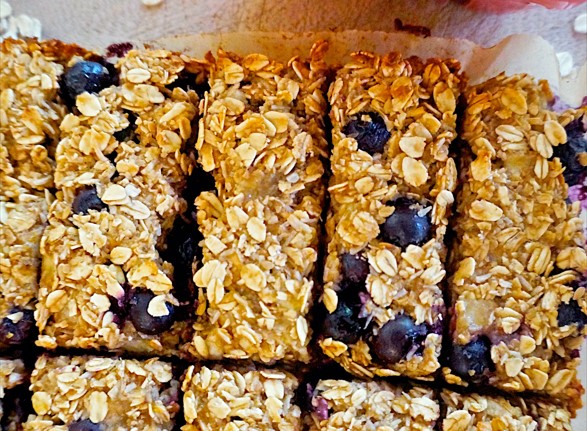
2Flaxseeds

Flaxseeds are rich in omega-3 fatty acids and help keep the skin hydrated, making them one of your greatest allies in the battle against wrinkles. Flax also keeps your heart strong by lowering triglyceride levels and reducing inflammation; you can get your flax fix with these vegan blueberry-coconut oat bars

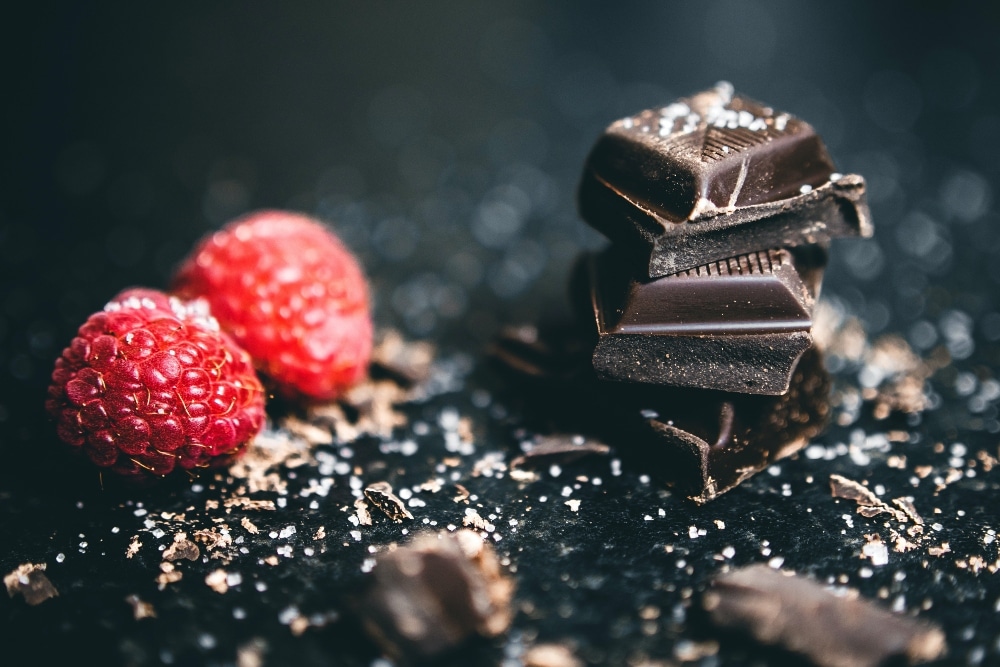
VegNews.veganfoodskinbenefitsdarkchocolate.pexelsPexels

3Dark chocolate

Keeping a clear complexion can be pretty sweet—the cocoa powder in dark chocolate is filled with anti-aging antioxidants known as flavonoids. To satiate your sweet tooth and maintain your healthy glow, we recommend keeping some dark chocolate cups on hand for mid-morning or afternoon snacking.

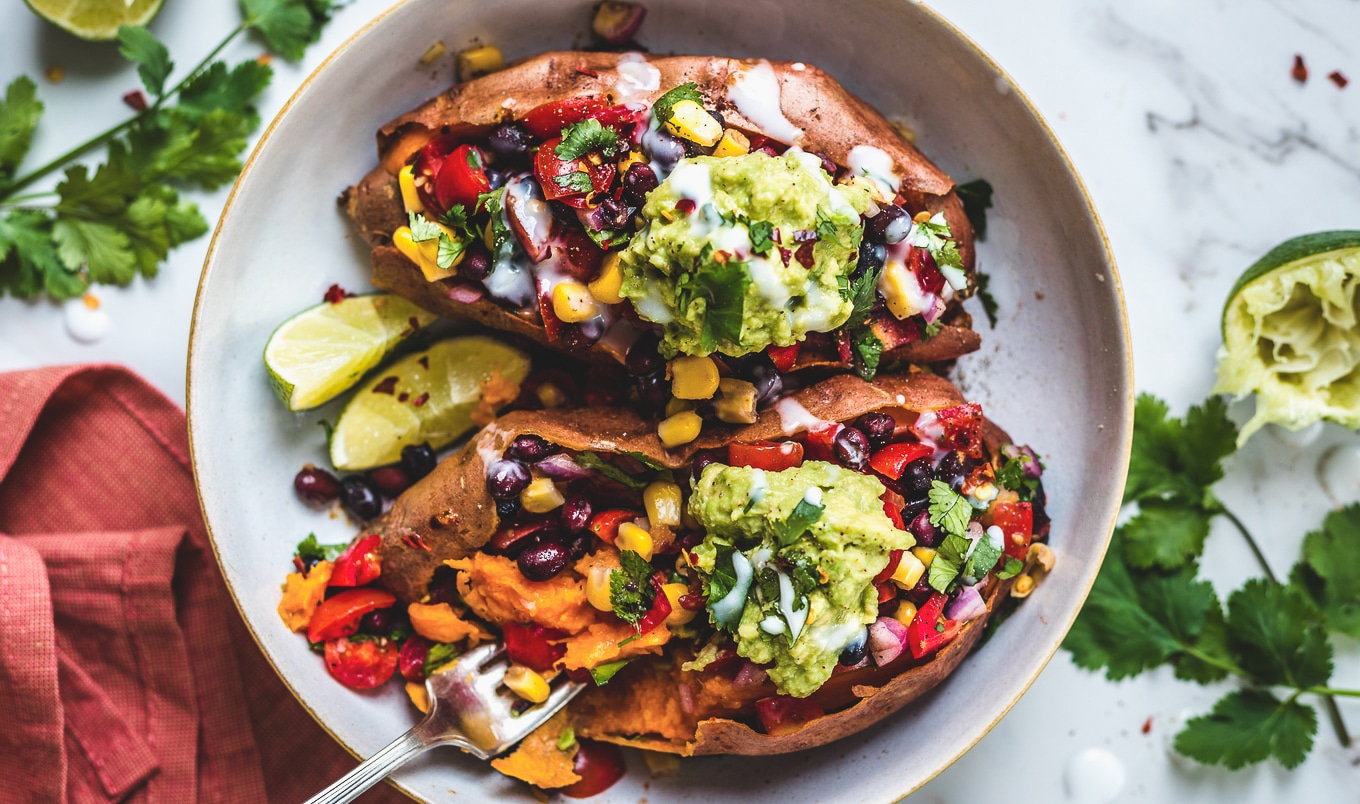
VegNews.BlackBeanStuffedSweetPotatoesHannah Sunderani

4Sweet potatoes

Sweet potatoes are packed with vitamin C, a nutrient that may help reduce the appearance of wrinkles by bolstering collagen in the skin. For a full serving of this youth-boosting veggie, try our stuffed sweet potatoes, or these tasty smoky vegan sweet potato tacos.

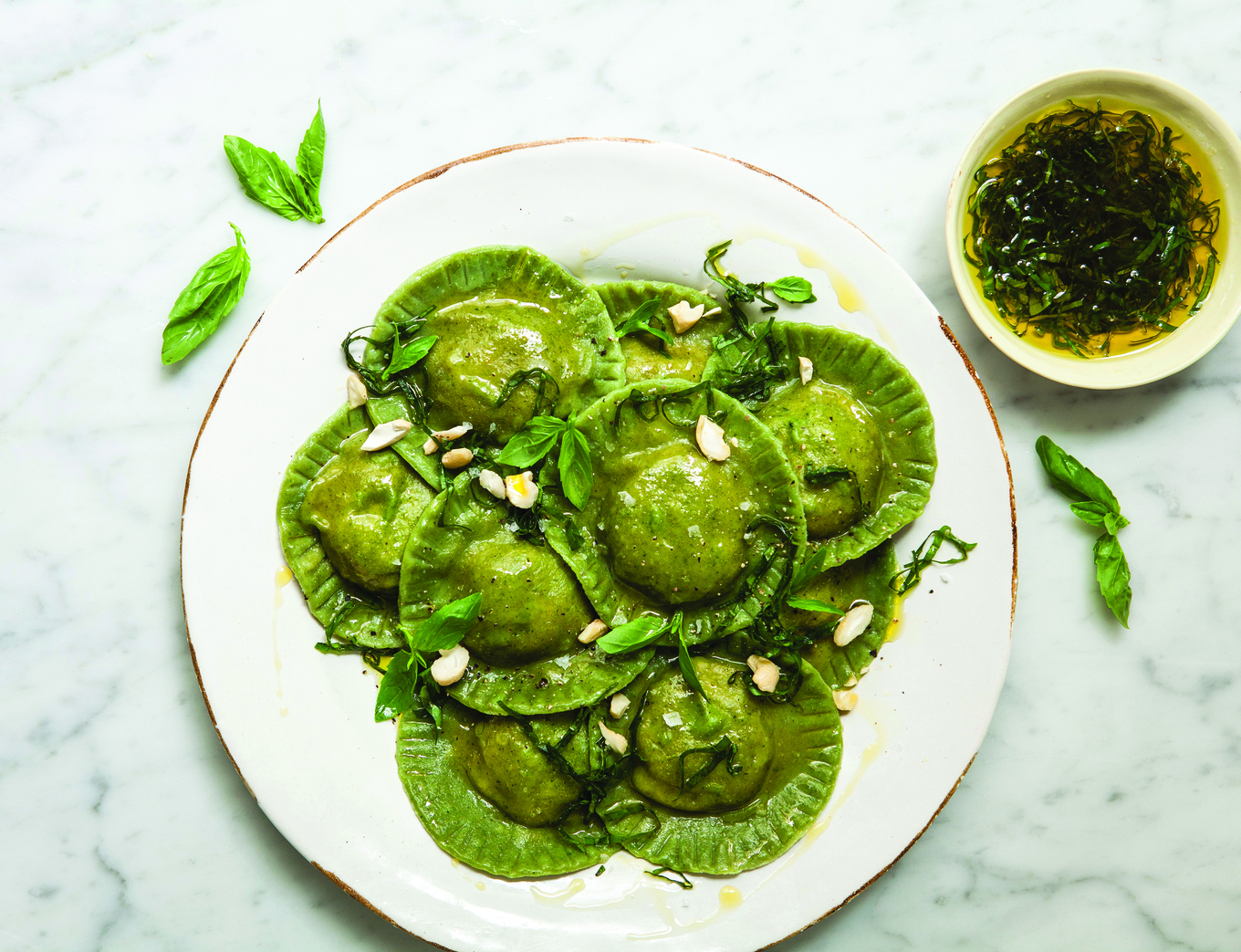
VegNews.SpinachRavioliSo Vegan

5Spinach

Spinach is packed with nutrients like vitamin A and vitamin C, both of which are associated with maintaining good skin health. Vitamin C, in particular, is key for collagen production, which is the protein responsible for strengthening skin and helping to keep it looking firm and supple. To get more spinach into your diet, try making this delicious creamy vegan spinach ravioli. 

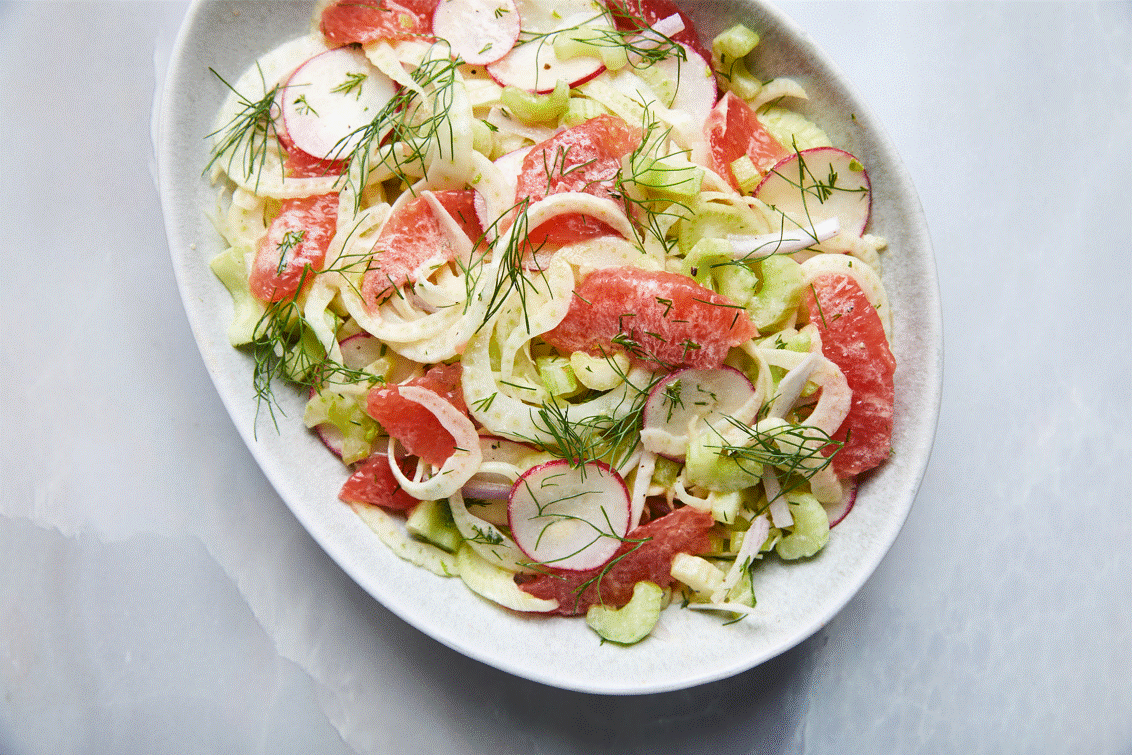
VegNews.FennelSaladAlejandra Schrader

6Citrus fruit

Citrus fruits pack a powerful punch of vitamins and nutrients that help keep your skin smooth and silky. Under their thick skin, oranges, grapefruits, lemons, and limes present a plethora of flavonoids and a huge helping of vitamin C. Citrus fruits have also been linked with lower blood pressure and cholesterol. Eat them solo, incorporate them in your favorite poolside drinks, or enjoy them in this grapefruit and fennel salad.

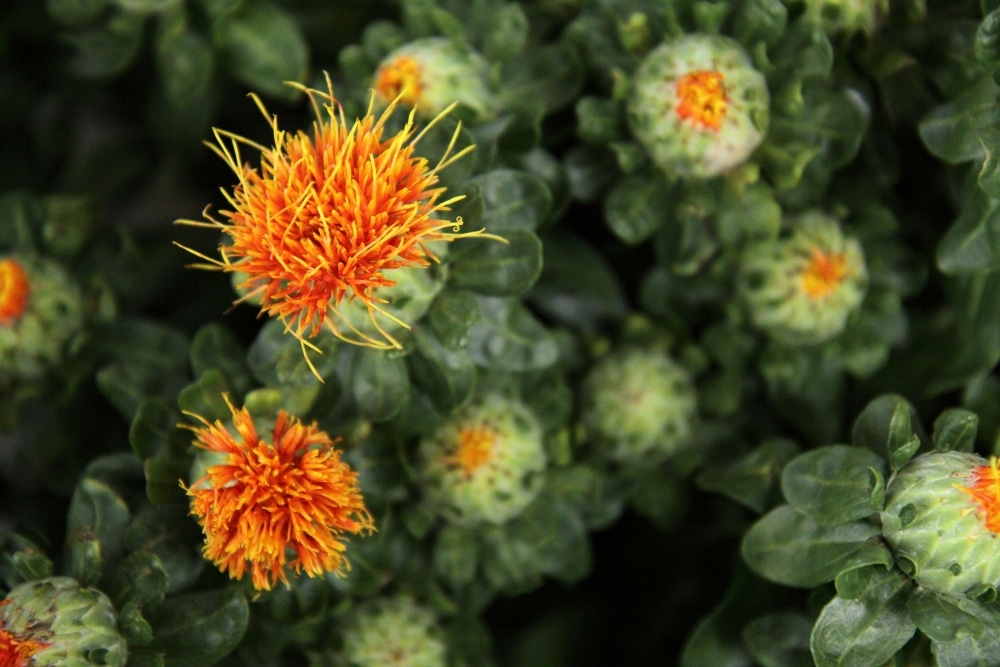
VegNews.veganfoodskinsafflower.PixabayPixabay

7Safflower oil

While safflower oil may come in handy in preparing tofu scrambles or crisping your favourite vegan bacon, it also helps to protect and moisturize skin when applied topically. Besides external use, incorporating safflower, which has anti-inflammatory properties, in your cooking also promotes dermatological health, and may be useful in treating skin conditions such as eczema, acne, and psoriasis. 

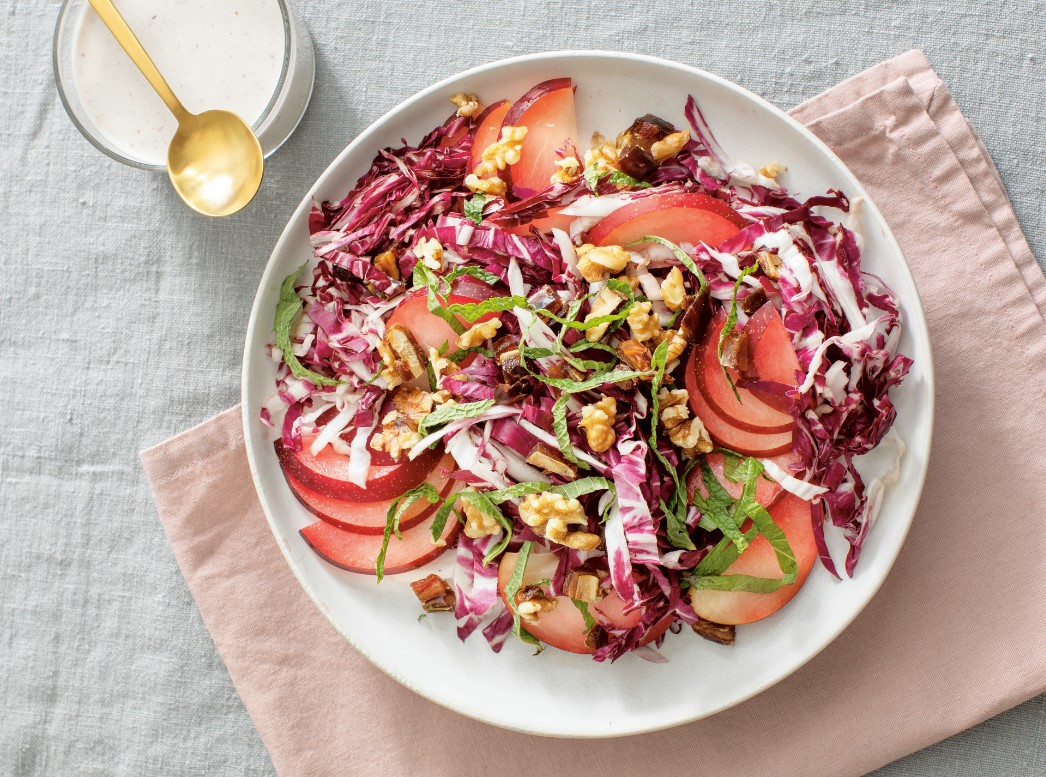
VegNews.RadicchioSaladDesiree Nielsen

8Walnuts

Walnuts are another superfood laden with omega-3 fatty acids. They will also help you feel as young as you look, as they are linked with good heart health and low cholesterol. Serve walnuts as an entrĂ©e in this plum and radicchio salad or incorporate them into your dessert menu with this no-bake, stewed berry coconut cake.

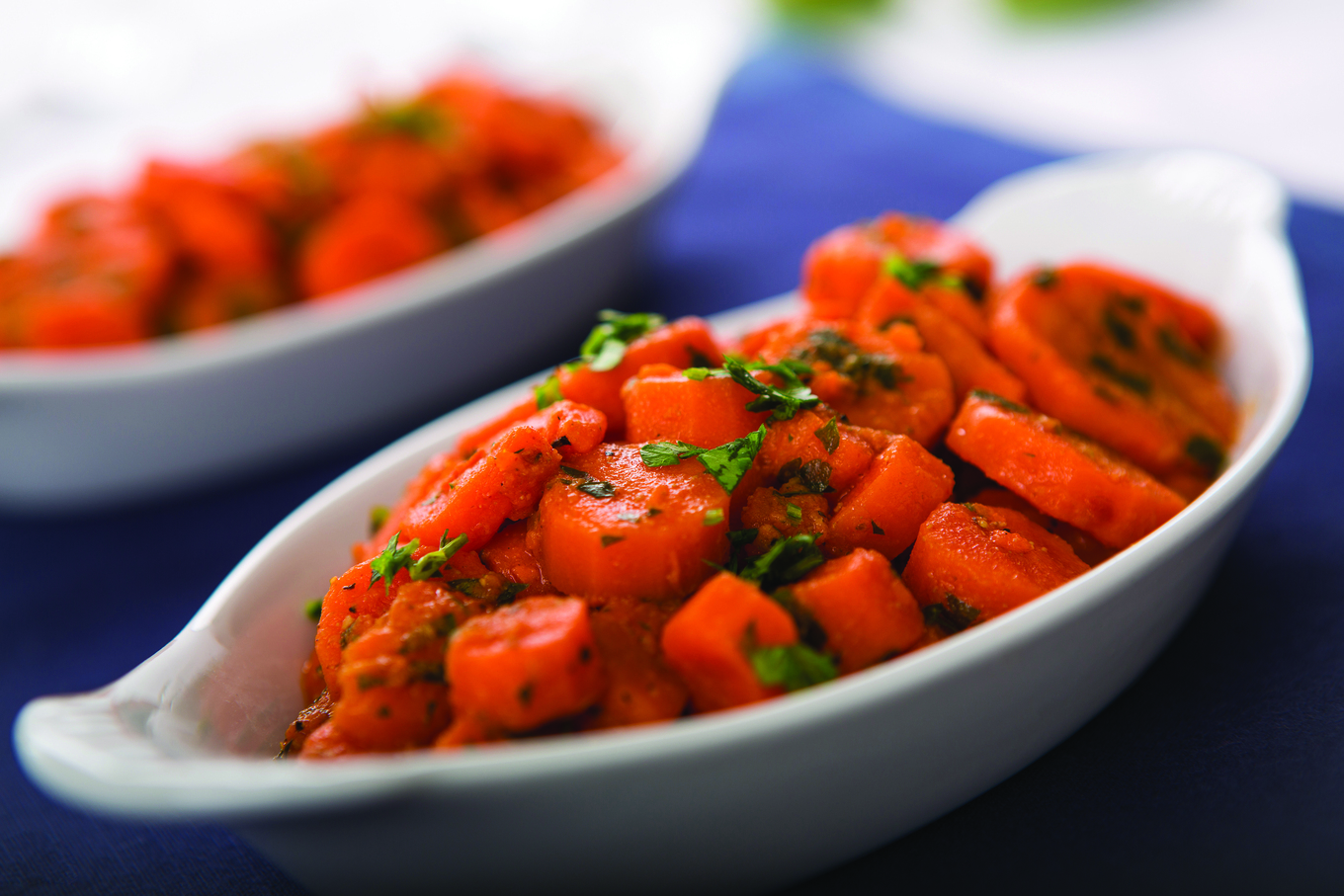
VegNews.CarrotsRuth Barnes

9Carrots

Carrots’ high levels of beta-carotene will provide you with vitamin A and antioxidants that are crucial for healthy skin. Go simple and pair some carrot sticks with your favourite brand of hummus, or infuse a Moroccan influence into your evening meals with this spicy carrot salad

While these foods will make you shine, shimmer, and glow, remember that healthy skin is an extension of your overall well-being. The better you treat yourself, the better your complexion and appearance will reflect it. So, hit the beach (don’t forget the all-important SPF!), pack some carrots, citrus fruits, and treat yourself.

https://vegnews.com/vegan-fashion-beauty/bodycare/vegan-foods-healthy-beautiful-skin