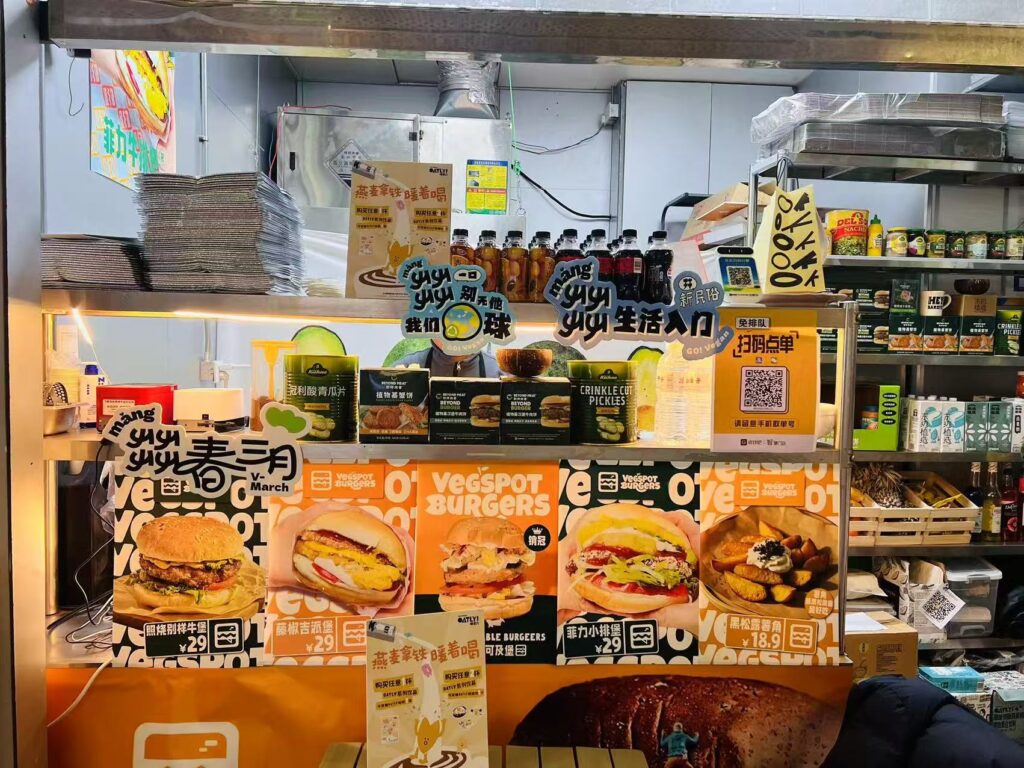
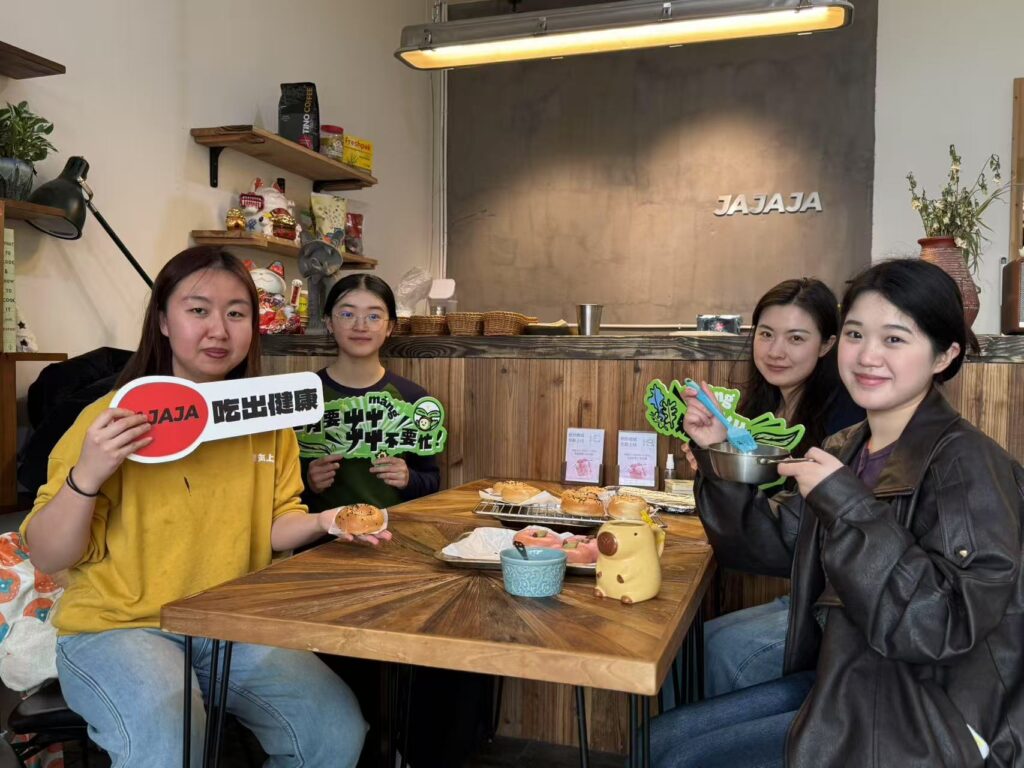
Some of your favourite Chinese takeout staples are already plant-based—and more addictive than you might realise
Chinese takeout is one of those universal comfort foods. Whether it’s a late-night order after work or a Saturday family splurge, the flavours are bold, the portions are generous, and the leftovers always taste just as good the next day.
But here’s the kicker—some of the dishes we’ve all been ordering for years are already vegan, or can be made vegan with the simplest tweak. No fake meats required, no obscure ingredients—just the classics you probably grew up eating.
Let’s get into the seven Chinese takeout meals that are secretly vegan and, in my experience, totally addictive.
1. Vegetable chow mein
Chow mein is one of the most reliable vegan-friendly takeout staples. Think stir-fried noodles tossed with crunchy bean sprouts, cabbage, carrots, and scallions.
The key is making sure the noodles aren’t made with egg—most American Chinese spots use egg-free versions, but it’s worth a quick ask. Order it without oyster sauce, and you’ve got a fully plant-based dish that’s salty, savoury, and comforting.
I can’t tell you how many times I’ve grabbed this as a “side” and ended up finishing the entire container before the main dish.
2. Mapo tofu (without pork)
If you’ve ever had real Sichuan-style mapo tofu, you know it’s fiery, numbing, and silky all at once. Traditionally, it’s made with ground pork—but the dish doesn’t actually need it.
Most restaurants will happily leave the pork out, leaving behind the tofu, chili bean paste, garlic, and peppercorns. The result? A spicy, plant-based powerhouse that goes perfectly over rice.
3. Steamed vegetable dumplings
Everyone loves dumplings. The good news? Vegetable dumplings—usually filled with cabbage, mushrooms, carrots, and chives—are almost always vegan.
Just watch out for dipping sauces that contain fish sauce, and ask for a simple soy-vinegar mix instead.
On one trip to New York’s Chinatown, I remember buying a bag of steamed veggie dumplings from a tiny hole-in-the-wall shop. The owner handed me chili oil on the side, and that combination has been my gold standard ever since.
4. Buddha’s delight
Buddha’s delight (or luóhàn zhāi) has roots in Buddhist vegetarian cooking. Traditionally, it’s a medley of vegetables, tofu, mushrooms, and sometimes vermicelli noodles—all cooked in a light soy-based sauce.
It’s already designed to be meat-free. If you’re lucky, your local spot might even add bamboo shoots, lotus root, or snow peas for extra texture.
Eating a dish with deep cultural roots always makes it more satisfying. You’re not just eating—you’re tapping into a tradition of mindful cooking.
5. Eggplant in garlic sauce
Don’t let the word “eggplant” fool you—this dish is as rich and satisfying as anything meat-based. The eggplant is usually stir-fried until it’s silky and then coated in a sweet-savoury garlic sauce.
Here’s the important part: ask if the sauce has oyster sauce. Most places can swap it for soy sauce without hesitation.
I’ve made a version of this at home, and it’s one of those meals where the leftovers never last. The sauce seeps into rice, making it addictive in the best way.
6. Sesame tofu
You’ve probably seen sesame chicken on menus, but sesame tofu is the vegan-friendly twin. Crispy tofu cubes tossed in a sticky, sesame-studded glaze—sweet, savoury, and just a little tangy.
Some restaurants already have it listed as an option, while others will happily swap tofu in. If you’re new to tofu, this is one of the easiest entry points—it soaks up that sauce like a sponge.
As noted by Dr. Michael Greger, soy foods have been shown to help protect bones and may reduce fracture risk, while also being linked to better heart health. So you’re not just indulging—you’re doing your body a favour.
7. Scallion pancakes
Technically more of a snack than a meal, but let’s be honest—you could demolish a plate of scallion pancakes and call it dinner.
Made with flour, water, oil, and scallions, they’re crispy, chewy, and salty all at once. Totally vegan by default. Dip them in soy sauce or chili oil, and you’ll understand why people fight over the last piece.
I once brought scallion pancakes to a potluck, and the meat eaters wiped them out faster than anything else on the table. That’s the secret power of simple, carb-heavy comfort food.
The bottom line
Chinese takeout doesn’t have to mean defaulting to meat or mystery sauces. From classics like chow mein and dumplings to gems like Buddha’s delight and sesame tofu, there are plenty of dishes that are secretly vegan—and honestly better for it.
The beauty is, you don’t need to reinvent the wheel. Just a few swaps, a quick question about sauces, and you’re set with a plant-based feast that hits all the same cravings.
Next time you’re scrolling through the menu, try one of these seven. You might just find your new go-to order.
A centuries-old Chinese dessert might just be the skin-boosting ritual your beauty routine’s been missing—without a single drop of dairy
I’ll admit it: I used to breeze past anything labelled “red bean” on menus.
It sounded more like something you’d find in a hearty stew than a dessert. But one afternoon at a friend’s house in San Francisco’s Sunset District—where the fog rolls in like a cosy blanket over rows of Chinese bakeries and herbal apothecaries—I had my mind changed by a humble little bowl of red bean soup.
Sweet, warm, delicately flavoured. Comforting in a way that felt both nostalgic and new.
And the kicker? It’s completely vegan. No dairy, no gelatine, no processed nonsense.
Even more surprising? It's packed with skin-loving benefits that rival any pricey serum sitting on your bathroom shelf.
Let’s break it down.
What’s actually in red bean soup?
Traditional Chinese red bean soup (called hong dou tang in Mandarin) is made with just a few ingredients: adzuki beans, water, and some form of natural sweetener like rock sugar or dates. Sometimes, recipes include dried tangerine peel or lotus seeds for added flavour or texture.
That’s it.
It’s usually served warm, but you can also chill it for a summer-friendly version. It’s gluten-free, oil-free, and plant-based by design—not as a workaround.
And despite its simplicity, this unassuming little dessert carries a surprising amount of beauty-boosting potential.
So... how does it help your skin?
Let’s start with the adzuki bean, the star of the show.
These tiny red beans have been used in East Asian medicine for centuries. They're rich in antioxidants, especially polyphenols, which help protect your skin from environmental stress and premature aging. Think UV exposure, pollution, that too-long stare at your phone in bed. All of it.
As noted by dermatologist Dr. Whitney Bowe, “Antioxidants help neutralize free radicals—unstable molecules that damage collagen and lead to wrinkles.” In other words, adzuki beans don’t just taste good—they’re fighting your skin’s battles from the inside out.
But it’s not just about antioxidants.
Adzuki beans are also a fantastic source of zinc, a mineral that's crucial for skin repair and inflammation reduction. Zinc deficiency has been linked to acne and dull complexion, so getting more of it through whole foods like adzuki beans is a quiet act of skincare that doesn’t require a 10-step regimen.
Then there’s fibre. A cup of cooked adzuki beans packs around 17 grams of it. Why does that matter? Because gut health and skin health are deeply connected. When your digestion is off, it often shows up on your face: breakouts, redness, irritation.
As Dr. Nigma Talib has said, “Skin issues often begin in the gut.” And fibre—especially from legumes—helps balance gut bacteria, supports detoxification, and keeps things moving (you know what I mean). That glow people talk about? It’s often just a reflection of what’s working well inside.
The subtle magic of simplicity
There’s something oddly refreshing about a dessert that’s not trying to outshine itself with sprinkles or edible gold dust.
In a world of overcomplicated food trends (looking at you, charcoal-infused smoothie bowls), red bean soup offers a kind of stillness.
It doesn’t spike your blood sugar like cakes or cookies. It doesn’t come with the emotional crash that follows ultra-processed snacks. It nourishes, quietly.
And that calm shows up in your skin.
Blood sugar spikes are often overlooked in skincare conversations, but they’re key. High glycaemic foods can trigger inflammation and oil production—major contributors to acne and accelerated aging. Adzuki beans, with their low glycaemic index and high fibre, help regulate that balance.
I started eating red bean soup once or twice a week during the colder months. Not religiously, not as some “miracle” fix. Just as a small act of care.
A few weeks in, I noticed my skin looked... calmer. More even-toned. I wasn't breaking out around my jawline the way I sometimes do after sugar-heavy desserts. Coincidence? Maybe. But when something this simple checks so many boxes, I don’t need a double-blind study to keep a spoon in my hand.
More than a dessert: a quiet ritual
Making red bean soup doesn’t require any culinary degree or special tools. But it does take time.
The beans need to be soaked, then simmered low and slow until they’re tender. It’s the kind of kitchen task that pairs well with a good podcast or that audiobook you’ve been meaning to finish.
And I’ll say this: there’s something undeniably grounding about cooking a recipe that generations have made before you, especially one that asks nothing more than your presence and patience.
Maybe that’s part of the skin benefits too—lowering stress, slowing down, returning to nourishment that doesn’t scream for attention.
Because we all know stress wreaks havoc on our skin. Cortisol, the body’s stress hormone, can increase oil production and inflammation. By simply creating a quiet food ritual—something nourishing and repetitive—you’re reducing that internal noise.
How to make it (without overthinking it)
There are dozens of variations, but here’s the version I stick with:
1 cup dried adzuki beans (soaked overnight)
6 cups water
1–2 tablespoons of coconut sugar or maple syrup (or a few chopped dates)
Optional: a sliver of dried tangerine peel or a pinch of sea salt
Simmer everything on low heat for about an hour, stirring occasionally. The beans should be soft but not mushy.
You can leave it thin and broth-like, or blend a portion for a creamier texture. Serve warm in the winter or chilled in summer with a splash of almond milk.
If you’re not into sweets, leave out the sugar entirely and enjoy it savoury-style with a bit of miso or tamari. It works both ways.
Why this matters more than it seems
When I was working corporate, I used to think of self-care as something I had to schedule. Like a calendar invite. 3 p.m., meditate. 6 p.m., gym. 8 p.m., sheet mask.
Now, I see it differently.
Sometimes, self-care is just eating something that makes you feel good afterward—physically, emotionally, and even aesthetically.
Sometimes, it’s rediscovering ancient food wisdom that doesn’t come in a bottle or tube. And sometimes, it’s about remembering that beauty isn’t about adding more. It’s about stripping back to what actually supports you.
Red bean soup reminds me of that every time.
No trends. No magic. Just quiet, nutrient-rich nourishment that shows up on your face a few days later.
When it comes to plant-based diets, the V-March campaign says Chinese consumers are motivated primarily by health and food trends
Courtesy: China Vegan Society
With China’s protein consumption surpassing that of the US, and a majority of it coming from plants, the potential for a Veganuary-style campaign has never been riper. With its inaugural drive done in March of this year, the China Vegan Society talks to Green Queen about the potential for a plant-based diet shift in its home country.
It’s what spurred the folks at China Vegan Society (CVS) to launch Mangchun Sanyue (Vegan Spring March, or V-March), a 31-day challenge to get people to eat exclusively plant-based. The initiative chose March because the Lunar New Year falls between late January and early February, making it an unsuitable period to ask people to initiate lifestyle changes.
Over 70 restaurants and brands participated, including Oatly, Island Resorts Hotel, and Impact Hub Chongqing. It reached seven million people on social media, with over 70,000 engaging with related content and hundreds joining its official chat groups.
A small survey by the organisation found that a majority of the participants (77%) were women, and 58% maintained their diet throughout the month. Over half said they intend to stay vegan after V-March, while 22% planned to reduce their intake of animal products.
At the end of the month, CVS collaborated with plant-based organisation Veg Planet to announce the annual China Vegan Day, which will be inaugurated in 2026 and take place on the Spring Equinox each year (usually sometime during March).
“V-March attracted participants from across the country who were motivated to shift towards a plant-based diet for health, ethical, and environmental reasons,” Jian Yi, founder and CEO of CVS, tells Green Queen. “Overall, within our V-March participant groups, we saw people joining and completing the challenge with a very positive attitude.”
We spoke to him about the motivations behind the campaign, the plant-based landscape in China, and what’s next for V-March.
This interview has been edited for clarity and concision.
Green Queen: Why did you decide to launch V-March, and how was it received?
Jian Yi: While there is a successful Veganuary campaign in the west, we noticed a lack of large-scale public initiatives in Mainland China to help people transition to a vegan lifestyle. There was no campaign that offered practical guidance, education, simple recipes, or community support – all of which are crucial for making sustainable lifestyle changes.
That’s exactly why we launched V-March – a campaign inspired by Veganuary and designed to motivate and support people in shifting to a plant-based diet and learning more about veganism. The aim is not only to raise awareness but also to help participants implement vegan principles in their everyday lives.
In its very first year, V-March reached approximately seven million people across China, sparking widespread awareness of conscious food choices and inspiring action toward a more sustainable lifestyle.
Out of those seven million people exposed to V-March content, more than 70,000 actively engaged through comments, shares, and online discussions – expressing interest, support, and enthusiasm for the month-long vegan challenge.
During the campaign, 330 participants joined the official V-March WeChat and RedNote groups, engaging in daily conversations and sharing their meals, personal reflections, and victories in adopting a plant-based lifestyle. In addition, 287 users checked in daily using the China Vegan Society WeChat Mini Program to document their journey.
Courtesy: China Vegan Society
GQ: What is the word for vegan in Chinese? Who chose it?
JY: Like many other languages, the Chinese language did not have a native word to match the English words ‘vegan’ or ‘veganism’. In Chinese, the term most commonly used for ‘plant-based’ is 素 (sù), but it is traditionally limited to food and doesn’t fully reflect the broader vegan lifestyle. It can also refer to vegetarianism or other plant-forward diets, and sometimes carries connotations of blandness or dullness.
To avoid these stereotypes and create a more inclusive and meaningful identity, the Good Food Fund, a Chinese food systems transformation non-profit I founded, launched a national contest inviting people to recommend one native Chinese character to represent ‘vegan’ or ‘veganism’.
More than 10,000 people participated in the contest, and the winning entry was the obsolete traditional character 茻 (mǎng). This character, made up of four grass radicals, symbolises lush growth, thriving nature, and abundance of life, perfectly aligning with the values of a vegan, sustainable lifestyle.
When CVS was founded in 2021, we used 茻 in our official name and started to promote its use nationally. We also conducted a survey, which showed that the top associations with 茻 were sustainable lifestyle, healthy living, and plant-based diet.
GQ: How big is the awareness around vegan diets in China? Do most people know the term?
JY: Awareness of vegan diets in China is growing, especially in first- and second-tier cities and among younger generations. However, it remains relatively niche compared to Western countries.
The terms 纯植物饮食 (plant-based diet) or 严格素食 (strictly vegetarian) are not widely recognized by the general public. Most people are more familiar with 素食 (sùshí), often linked with Buddhism and vegetarianism.
In cities like Shanghai, Beijing and Shenzhen, awareness is increasing rapidly thanks to influencers promoting the plant-based lifestyle, the rise of plant-based restaurants and cafés, international trends entering the Chinese market, and health and environmental concerns among Gen Z and millennials.
China’s 2016 dietary guidelines recommending a 50% reduction in meat consumption helped spark national conversations. However, challenges remain, such as limited vegan labelling, a lack of understanding about what veganism entails, and confusion in restaurants.
In summary, while veganism is still a niche movement in China, it’s growing steadily in urban, educated, and youth-driven communities.
Courtesy: China Vegan Society
GQ: How many vegans are there in China, and how many vegetarians? Has there been any change in the last few years?
JY: Precise data on vegans is scarce, but a Statista report suggests that about 4% of the population follows a vegetarian diet. That translates to approximately 56 to 70 million people in China.
While it’s unclear how many are strictly vegan, there’s a clear upward trend when it comes to interest in plant-based eating, particularly among urban consumers.
GQ: What are the demographics of vegans in China?
JY: According to the first China vegan lifestyle market survey by CVS, 55% are female and 45% are male. Of these, 41% are from first-tier cities, 41% from second-tier, and 18% from third-tier cities.
People living in first and second-tier cities tend to have better access to plant-based options, higher education, and more awareness about health and environmental issues.
Among V-March participants, 77% were female, 19% male, 2% non-binary, and 2% preferred not to disclose their gender. Plus, 77% had a Bachelor’s degree, 15% a college diploma, and 9% a Master’s degree.
GQ: What are the most popular vegan brands and products in China?
JY: China has a long-standing tradition of plant-based eating. Products like tofu, soy milk, and mock meats are widely consumed, even if not explicitly labelled as vegan.
Popular vegan brands include Oatly, a top advocate for vegan lifestyles, widely available and enjoyed by both vegans and non-vegans; Vitasoy, a familiar plant milk brand; and local vegan restaurants like QingChun Perma, Vege Tiger, and Su Man Xiang, known for affordable and delicious plant-based meals.
However, many packaged snacks or imported foods aren’t recognised as vegan due to a lack of clear labelling or consumer awareness.
GQ: It seems like plant-based meat startups have not been very successful in China. Can you share your thoughts on this?
JY: There are several reasons [why this is the case].
Health concerns: Traditional Chinese mock meats and tofu are made from simple ingredients like soy, without the added oils or salt often found in western-style plant meats. Many consumers prefer these cleaner, more natural options.
Pricing: Tofu and traditional alternatives are cheap, widely available, and sold in bulk. Plant-based meats are often significantly more expensive.
Cultural fit and marketing: Plant-based meats are usually presented in Western formats (for example, patties and meatballs), which don’t align with Chinese cooking habits. Meanwhile, traditional alternatives integrate seamlessly into local cuisine.
Surveys suggest that most Chinese consumers choose plant-based diets for health reasons, but many perceive plant-based meats as less healthy than animal products or traditional tofu-based alternatives. Plant-based meat brands need better cultural adaptation, pricing strategies, and public education.
GQ: What are people’s biggest motivators towards reducing animal proteins/eating more plant-based?
JY: Our market survey shows that 36% of consumers chose plant-based diets for health reasons, 22% were influenced by trendiness, and 21% followed religious beliefs.
The V-March survey, meanwhile, found that 23.5% participated for health reasons, 18% for ethical reasons, and 17% for environmental reasons.
Courtesy: China Vegan Society
GQ: Is there strong awareness about reducing meat consumption to reduce greenhouse gas emissions?
JY: While specific data is limited, there’s a visible rise in environmental awareness, especially among the younger generation. We’re seeing more content on social media about sustainable living, often including plant-based themes.
In our V-March campaign survey, 17% of participants said they tried plant-based eating for the environment, and 13% said they learned more about food’s environmental impact during the campaign.
GQ: How is Veganuary involved (if at all)? Are you working with any other organisations too?
JY: Veganuary was a major inspiration for V-March. The Veganuary team generously shared resources with us, including starter tips and recipes, and promoted our campaign launch on their Instagram page, helping us gain international exposure.
We didn’t collaborate with international organisations this time, but we worked with several local brands and groups, who supported us by sponsoring gifts for participants.
GQ: What celebrities and influencers are linked to vegan diets in China? Are you working with any of them?
JY: For this year’s V-March, we invited actor Huang Junpeng, who kindly shared our poster and quote on his platform.
Other known vegan celebrities in China include actress Zhang Jingchu, actress Pan Shiqi, actress Tian Yuan, and singer Long Kuan. We hope to collaborate with more public figures in future campaigns.
Courtesy: China Vegan Society
GQ: What is your hope for next year’s campaign?
JY: We aim to professionalise the campaign further, offering participants an even better experience with more practical tips, easy recipes, and accessible guidance.
We also want to simplify the process of joining the challenge by making it sound less intimidating, while still encouraging commitment and rewarding progress.
Most importantly, we want to reach more people, grow our impact, and help make V-March a new post-CNY tradition in China. It’s the perfect time for people to try a lighter diet, explore the benefits of plant-based living, and connect with a like-minded community. We hope to create a strong, supportive movement rooted in compassion, health, and sustainability.
Working with Local First Arizona's Community Kitchen, a Chinese Australian chef is blending heritage with culinary innovation
Chef Andrew Wong's nickname "Huhu" is inspired by his niece who had trouble pronouncing shūshu ( 叔叔 ) or uncle in Mandarin. “Huhu” stuck. Wong's sister would tell her daughter stories of Huhu’s life growing up in Australia, where he worked in his mom's Chinese restaurant.
"His niece is creative," says Whitney Meilan Yang, who works for Wong. In the tales, everything "in Australia was upside down and the foods were magical."
Wong is a first-generation Chinese Australian who grew up in Melbourne. His childhood memories include fishing with his dad and working at his mom's Chinatown restaurant. As an adult, Wong spent years traveling Asia and Europe. He started as an industrial designer and entrepreneur. Through eating and experimenting, Wong cracked the code for gluten-free cooking. Thus, the idea for HuHu's House of Dumplings was born.
The plant-based frozen food brand is set to launch in November. Wong is working with Local First Arizona's Community Kitchen to make dumplings in small batches. So far, "folks who have tried them — including kids — can't believe that they are plant-based," Yang says.
HuHu's House of Dumplings currently has one flavour and the team is hoping to expand in the future. For the handmade King Oyster Mushroom Dumplings, "the mushrooms go through a three-step process that creates our unique texture and scrumptious taste," Yang says.
At HuHu's, the handmade dumplings are vegan and gluten-free.
HuHu's House of Dumplings
We had the opportunity to try the dumplings before they hit the market, and were impressed by the textures. The wrappers are gluten-free, but are every bit as chewy and satisfying as their wheat-filled counterparts. The oyster mushrooms have a crumbly, ground texture very similar to traditional pork-based dumpling fillings. HuHu's main goal is to share Chinese flavours that are fresh, healthy and available to all. Many traditional Chinese dishes aren't an option to those who are vegan or gluten-free. HuHu's is looking to change that through a blend of heritage and modern innovation.
"We believe that everyone should be able to enjoy authentic Chinese flavours that are fresh, healthy and amenable to all types of dietary restrictions," Yang says. "Huhu's dumplings are magic, just like the bedtime stories, because they are for people who can't always access Chinese food... as well as people who simply enjoy knowing that their dumplings are made with nutritious ingredients."
HuHu's House of Dumplings plans to start selling frozen dumplings around Arizona within the year and the company will soft launch at Phoenix's Local First Arizona Fall Fest on Nov. 9. The free festival will take place at Margaret T. Hance Park in downtown Phoenix. For Wong and Yang, it's an exciting time because "it's our first time officially presenting them to the public," Wong says.