Showing posts with label heart disease. Show all posts

Saturday, October 18, 2025

Arnold Schwarzenegger Talks Go-To Vegan Meals And Cutting Back On Protein Shakes

From plantbasednews.org/news

Schwarzenegger recently highlighted simple, nutritious dishes like vegetable soup and salads as his go-to dinners 

Arnold Schwarzenegger recently spoke about some of his favourite vegan meals and cutting back on protein shakes.

The actor, former Governor of California, and bodybuilder explained that he has never been strict about being vegan, but prioritizes nutritious meals like oatmeal, vegetable soup, and cucumber salad served with pumpkin seed oil on his roughly 70 percent plant-based diet.

Speaking to Business Insider, Schwarzenegger highlighted the role of moderation in his current diet and his workout routine. At 78 years old, he still exercises most days, but for an hour and a half instead of the five-hour bodybuilding sessions that made him Mr Universe five times and Mr Olympia seven.

“I used to drink, for instance, protein drinks, but I don’t do that that much,” Schwarzenegger said. “I just think that I eat really well and I stay healthy this way.”

                    Schwarzenegger famously cut back on animal products for his health - Media Credit: Sipa US / Alamy Stock

Speaking to Business Insider, Schwarzenegger highlighted the role of moderation in his current diet and his workout routine. At 78 years old, he still exercises most days, but for an hour and a half instead of the five-hour bodybuilding sessions that made him Mr Universe five times and Mr Olympia seven.

“I used to drink, for instance, protein drinks, but I don’t do that that much,” Schwarzenegger said. “I just think that I eat really well and I stay healthy this way.”

Arnold Schwarzenegger, plant-based diets, and heart health
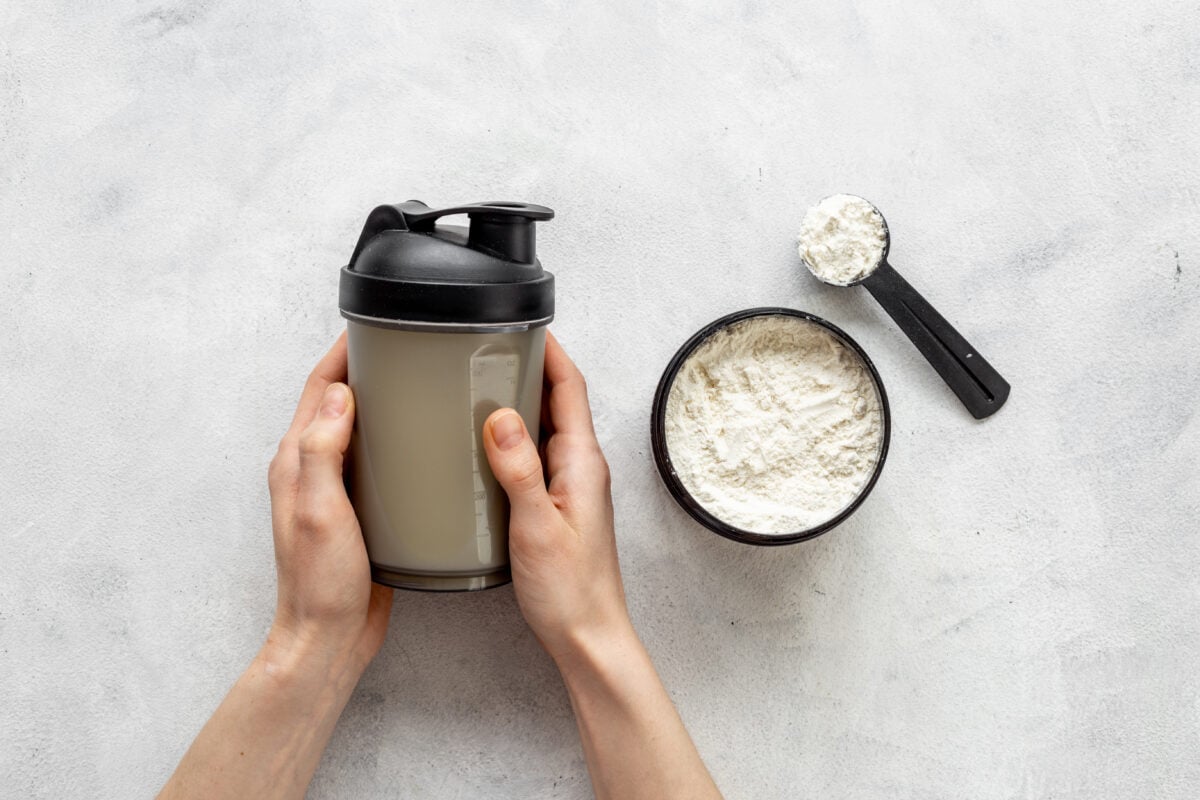
Photo shows someone's hands as they hold a protein shaker next to a tub and scoop of protein powder
Adobe StockEmphasizing plant proteins instead of meat and dairy can promote heart health

Schwarzenegger is the Chief Movement Officer at medical technology company Zimmer Biomet, and is currently promoting the “You’ll Be Back” campaign about targeting joint pain. He noted to Business Insider that he has had to “work around injuries” himself after 60 years of exercising, and that maintaining a heart-healthy diet is a key part of that.

Studies suggest that eating healthy plant-based foods can reduce the overall risk of death from cardiometabolic disorders, and that emphasizing plant proteins instead of animal ones can support heart health. As previously noted by Schwarzenegger, eating more vegan food can also reduce cholesterol, which in turn lowers the risk of developing heart disease.

https://plantbasednews.org/news/celebrities/arnold-schwarzenegger-go-to-vegan-meals/

Saturday, July 12, 2025

Burn belly fat, boost your immunity and cut your chances of heart disease AND type-2 diabetes with this one simple diet change

From countryfile.com

A recent study reveals that an alkaline-friendly vegan diet is the fast-track way to lose weight… 

Several studies have shown that eating a vegan diet cuts the chances of cardiovascular disease and type-2 diabetes, while boosting the immune system and health in general, writes James Witts.

Well, to that you can now add it’s a potent fat-burner, with a recent study revealing it banished 13 pounds compared to subjects who followed a Mediterranean diet, who didn’t lose an ounce. Why, say the authors, is down to the low-acid nature of vegan foods dampening inflammation and stimulating weight-loss to banish belly fat.

“Eating acid-producing foods like meat, eggs and dairy can increase the dietary acid load, or the amount of acid consumed, causing inflammation linked to weight gain,” said lead author, Hana Kahleova, director of clinical research at the Physicians Committee for Responsible Medicine in the USA. “Replacing animal products with alkaline plant-based foods like leafy greens, berries and legumes can help promote weight loss.”

Sixty-two overweight individuals were included in the trial and randomly assigned to follow a Mediterranean or a low-fat vegan diet for 16 weeks, followed by a four-week washout period (where they eat normally) before switching to the other diet.

As many Countryfile readers will know, a Mediterranean diet comprises fruits, vegetables, legumes, nuts, seeds, fish and, in this case, white meat over red meat. For the purposes of this study, 50g of olive oil was used daily. The low-fat vegan diet comprised vegetables, grains, legumes and fruits.


Each of the 62 subjects were told to keep dietary records to calculate dietary acid load. This, the study said, is commonly associated by two scores: Potential Renal Acid Load (PRAL) and Net Endogenous Acid Production (NEAP). A higher score suggests a higher acidic load.

The researchers calculated that both the PRAL and NEAP scores dropped markedly when on the low-fat vegan diet with no significant change with the more acidic Mediterranean diet. This drop in acidic load was associated with less inflammation and improved metabolism, so that the body processed the foods more proficiently. Even after adjusting for differences in energy intake, the authors showed a loss of 13.2lbs or nearly one stone.

If you’re looking to banish a little belly fat in search of your beach body,  the authors cited a list of alkalising foods that include: vegetables, particularly leafy greens, broccoli, beets, asparagus, garlic, carrots and cabbage; fruits, such as berries, apples, cherries and apricots; legumes, like lentils, chickpeas, peas, beans and soy; and grains, such as quinoa and millet.

https://www.countryfile.com/health/vegan-diet-burns-fat

Saturday, February 1, 2025

Study: Replacing Meat With Plant-Based Alternatives Can Reduce Cholesterol & Body Weight Within Weeks

From vegconomist.com

meta-analysis published in the American Journal of Clinical Nutrition has found that replacing meat with plant-based alternatives has a significant impact on cardiometabolic health.

Eight previous investigations were analysed, featuring data from seven randomized clinical trials. The studies saw participants replace meat with plant-based protein products derived from fungi, vegetables, or legumes. In total, 369 adults took part, all free of cardiovascular disease. 

On average, study participants saw their total cholesterol fall by 6%, while LDL (sometimes referred to as “bad cholesterol”) dropped by 12%. Additionally, body weight fell by 1%. These changes all took place in eight weeks or less, and in some cases, changes were seen within a week.

The study is claimed to be the first systematic review and meta-analysis determining the impact of replacing meat with plant-based alternatives on cardiovascular health.

Cargill to compete with plant-based companies

© Cargill


Plant-based diets and heart health

The researchers note that the effects could be even more significant in people with higher cholesterol levels or a poor cardio-metabolic health profile. They also highlight the role of meat alternatives in helping people transition towards a healthier, more plant-based diet. The study suggests that more research is needed to evaluate different health parameters and meat alternatives, along with their environmental impact.

Numerous studies have now emphasised the cardiovascular benefits of plant-based foods; Harvard research published in December found that consuming more plant-based than animal-based proteins is associated with a lower risk of cardiovascular diseases and coronary heart disease. Previously, a Stanford Medicine study from 2023 took several pairs of identical twins, placing one from each pair on a vegan diet and the other on an omnivorous one. The vegan twins saw considerably greater cardiovascular improvements than the omnivores.

“This study shows that replacing meat with plant-based alternatives has a positive effect on some cardiometabolic parameters such as LDL cholesterol, even in short periods of a week,” said RubĂ©n Fernández RodrĂ­guez, who led the new meta-analysis. “The market for plant-based products is booming and it will be necessary to explore how these alternatives can impact on long-term cardiometabolic health, and even on other fundamental aspects such as mental health and the microbiota.”


https://vegconomist.com/health/study-replacing-meat-plant-based-alternatives-reduce-cholesterol/

Tuesday, October 22, 2024

Eating More Fruits and Vegetables Really Can Lower Your Heart Disease Risk

From everydayhealth.com

Plant-forward eating reduces the threat of high blood pressure, cholesterol, and obesity, according to a large new research analysis 

Key Takeaways

  • Following a vegetarian or vegan diet can have a major positive impact on heart health, a new research analysis finds.
  • Results showed that a vegan diet in particular reduced risks such as high blood pressure, high cholesterol, and obesity.
  • Some vegetarian foods are healthier than others. Avoid ultra-processed options and stick with a variety of fruits, vegetables, beans, legumes, nuts, and other whole foods.
In the United States, heart disease (also known as cardiovascular disease) continues to be the No. 1 cause of death, taking the life of one person every 33 seconds.
Dietary changes, however, may play a major role reducing this risk.
A new analysis of 21 systematic scientific reviews found that people who followed a vegetarian or vegan diet over a nonvegetarian diet significantly lowered heart disease risk factors (such high blood pressurecholesterol, and body mass index), and reduced the chances of dying from heart disease–related issues.

“Vegetarian, including vegan diets, were associated with a 15 percent lower risk of cardiovascular disease in vegetarians compared to nonvegetarians,” says study author Reed Mangels, PhD, RDN, a registered dietitian-nutritionist and adjunct associate professor at the University of Massachusetts in Amherst. “Diet is something you can take control of that can really make a difference. It can be challenging to adopt a plant-based diet, but it can be empowering.”


                                             Vegetables are full of vitamins, minerals, and antioxidants that contribute to good health

                                                                                             Anna Puzatykh/iStock

Cutting Major Heart Disease Risks

The research highlights that vegan diets (which exclude any food from animals) in particular have a positive impact on cardiovascular disease risk factors such as blood pressure, LDL cholesterol (“bad” cholesterol), triglycerides, C-reactive protein (a marker for heart disease), and BMI (body mass index, an indication of obesity) when compared with nonvegetarian dietary patterns.

On average, a vegan diet was associated with significantly lower measures of: 

  • Systolic blood pressure: 2.56 millimetres of mercury (mm/Hg) lower
  • LDL cholesterol: nearly 19 milligrams per decilitre (mg/dL) lower
  • BMI: 1.7 kilograms per meter squared (kg/m2) lower

“That type of BMI reduction could be enough to move someone from the obese to overweight category, or from overweight to normal. It could move you into a different category and reduce your risk,” says Dr. Mangels.

Quality of Vegetarian Diet Can Make a Difference

This research analysis has certain limitations. Mangels notes that the participant numbers differed according to the specific studies. For example, there were 50,000 subjects in studies analysing cholesterol and blood pressure in vegans, but more than 600,000 individuals in studies evaluating heart disease risk in vegetarians.

She adds that this investigation did not get into details about the types of vegetarian diets being followed, so results may have been even better if they only looked at research involving confirmed healthy vegetarian diets.

“The certainty of evidence was relatively low due to not being able to accurately track what people ate over a given amount of time,” says Christine Ryan, RDN, a registered dietitian-nutritionist in Seattle. “The research does not account for exercise, mindfulness, and other lifestyle behaviours, such as limited alcohol intake and not smoking.”

Ryan stresses, however, that the study backs up previous findings linking natural and unprocessed, plant-based whole foods to lower cardiovascular disease risks.

“Ultra-processed foods can contain isolated [synthetic] nutrients, added sugars, and salts that are not as healthy as whole food plant-based items,” says Ryan, who was not involved in the research. “Whole plant-based foods contain a variety of antioxidants, vitamins, and minerals that work together to allow our bodies to perform more efficiently.”

More fibre and lower saturated fats in a vegetarian diet can also contribute to cutting heart disease risk factors.

Getting More Plant-Based Foods in Your Life

For some people, adhering to a diet that is largely plant-based can be tough. Ryan advises that variety is key, and offers these suggestions:

  • Try to eat as many fruits and vegetables that are in season.
  • Eat the “rainbow” to ensure a range of antioxidants, vitamins, and minerals are consumed.
  • Make sure to include some sort of protein and healthy fat with each meal. Beans and nuts are excellent sources of protein. Try avocados and olives for healthy fats.
  • Nuts and seeds are wonderful snacks when on the go.

Wednesday, September 11, 2024

Eating more raw vegetables may help weight loss and reduce heart disease risk

From medicalnewstoday.com

  • Researchers have found a link between plant-based diets and better long-term health outcomes, particularly related to obesity.
  • The study indicated that a plant-based diet may be effective for controlling weight and improving diet quality to prevent and manage metabolic disorders.
  • The study, in particular, demonstrates that eating more raw vegetables can have a significant impact on health.

Researchers from Qilu Hospital of Shandong University conducted a review that shows a link between plant-based diets and better long-term health outcomes, particularly related to obesity.

The research highlights that a plant-based diet offers an effective approach to weight control and enhancing diet quality to prevent and manage metabolic disorders.

While full veganism may not be necessary, the study demonstrates that simply eating more vegetables can have a significant impact on health outcomes.

Their analysis, published in Frontiers in Nutrition, adds to the evidence linking plant-based diets to improved long-term health, related to weight loss and heart disease prevention.

Research consistently shows that vegetarian and vegan diets are associated with better cholesterol levels, heart and brain health, digestive function, immune system strength, and overall longevity.

This doesn’t mean everyone should immediately eliminate meat from their diet, but it suggests that reducing meat consumption where possible can significantly impact health.

The research team reviewed 24 studies on plant-based diets and weight loss, analysing data from 2,223 individuals aged 18 to 82, with diet durations ranging from two to 96 weeks, and found that the benefits of plant-based diets tend to increase over time.

While participants following strictly vegan diets experienced the greatest weight loss, it wasn’t much higher than those who still consumed dairy and eggs.

However, studies involving higher consumption of raw vegetables showed the strongest connection to reduced risks of obesity and heart disease.

Although randomized controlled trials can’t definitively prove that eating raw vegetables directly leads to better health, the researchers conducted a second analysis using Mendelian randomization, a method better suited to identifying cause-and-effect relationships in health.

The team identified genetic variants linked to factors like plant-based diets and vegetable consumption by analysing genetic data from a public database.

This analysis suggested that eating more raw vegetables was more likely responsible for the weight loss observed, rather than genetic predisposition.

The researchers note that raw vegetables contain compounds like phytosterols and unsaturated fats that help reduce blood cholesterol levels.

They also highlight substances such as tocopherols, ascorbate, carotenoids, saponins and flavonoids, which have anti-inflammatory and antioxidant effects.

While increasing raw vegetable intake can improve health, avoiding taking a fully raw plant-based approach too far is important, as this can result in nutrient deficiencies.

Therefore, the researchers’ key message from these studies is to focus on incorporating more vegetables into the diet, rather than adopting a strictly vegan lifestyle.

Two experts who were not involved in this research spoke to Medical News Today.

Haley Bishoff, RDN, LD, plant-based registered dietitian and owner of RĹ«tsu Nutrition in Las Vegas, said, “It’s promising that the discussion around plant-based eating is getting more popular.”

“In this research article, nothing was considered ‘causal’; however, a potential or correlative relationship between plant-based eating and positive health outcomes should be convincing enough,” Bishoff explained.

“Plant-based diets tend to be naturally lower in calories, higher in fiber and lower in saturated fats, which makes sense why a plant-based diet has shown to reduce the risk of high cholesterol, type 2 diabetes, hypertension, and obesity. If you’re looking to incorporate plant-based eating, it’s important to do so under the guidance of a registered dietitian to make sure that there are no nutrient gaps and individual health concerns are being considered.”
— Haley Bishoff

Courtney Pelitera, MS, RD, CNSC, registered dietitian specializing in sports nutrition and wellness nutrition, said, “this study is very interesting in that it is a Mendelian randomization study, which considers the genetic variants as exposure to help consider the outcomes.”

“It looked specifically at randomized control trials that compared plant-based diets to animal-based diets and weight loss. Studies were excluded if they included physical activity. This is definitely a topic that needs further research to be definitive on the outcomes of plant-based diets when associated with weight and ASCVD,” she said.

The inconsistencies appear to have been the biggest setback in this study due to differences in the evaluated papers,” Pelitera pointed out.

Bishoff added that “people can greatly benefit from learning about the benefits of eating more plant-based. Plus, it can be an incredibly easy change to make.”

Is going vegan necessary?

“Remember that being plant-based doesn’t mean you have to be a strict vegan. Many people get turned away by the thought of that. Even a heart healthy, Mediterranean diet can be considered plant-based because a majority of the foods come from plant sources. The goal is really just to consume a majority of your foods from fruits, vegetables, legumes, whole grains, nuts, and seeds.”
— Haley Bishoff

“If you’re not sure how to put this into action, aim to eat 50% of your meals and snacks in produce form. Just by increasing fiber consumption alone, you can help fight inflammation, rid your body of waste, improve blood lipid levels and so much more,” Bishoff added.

Pelitera agreed, adding that “calorie restriction in diets results in overall weight loss (fasted or non-fasted).”

“Plant based diets will help with a reduction in body weight, likely due to increased filling fiber with increased vegetable intake and a reduction in overall energy intake. Increased raw vegetable consumption was also associated with lower BMI and risk of obesity. A plant based diet is shown to reduce and even reverse the risk of ASCVD mortality. It has positive effects on blood lipid levels, lowers blood pressure, and reduced the risk for type 2 diabetes.”
— Courtney Pelitera

“In short, we want to recommend increased vegetable intake in our patients in order to reduce body weight and reduce the risk of ASCVD,” Pelitera explained.

“If a patient is willing and interested in a plant-based diet, this should be discussed with the patient as an excellent option. The patient ideally would be coached through implementing the plant-based diet with a registered dietitian, especially if this is a major change in their life. This will help ensure all nutrient needs are being met while maintaining the diet,” she added.

https://www.medicalnewstoday.com/articles/eating-more-raw-vegetables-may-help-weight-loss-reduce-heart-disease-risk#Benefits-of-plant-based-diets-tend-to-increase-over-time 

Friday, July 12, 2024

Vegan diets: Helpful or harmful for heart health?

From happiful.com

After new findings discovered ultra-processed vegan food can increase risk of heart death, what dietary changes need to be made to improve heart health?

As more of us are learning about the impact meat-eating has on our planet and more restaurants increase their plant-based options, we’ve seen a rise in people becoming vegan in the UK. There are a number of reasons someone may choose to become vegan outside of planetary implications, including animal rights and pure preference. Some people may even go vegan because they see it as a healthier diet.

When vegan diets are balanced and full of variety, including lots of fruits, vegetables, nuts, wholegrains, seeds and beans, they can be incredibly beneficial for our health. Just like non-vegan diets though, when they’re unbalanced and contain too much ‘ultra-processed’ foods, they can be harmful to health.

“While it's true that a balanced vegan diet can have many health benefits, an unbalanced one can have the opposite effect and leave the body unnourished and deprived of many nutrients.” - Lucia Stansbie, Registered Nutritional Therapist, Dip CNM, mBANT, mCNHC

New research published in Lancet Regional Health assessed the diets of adults aged 40 to 69 and their hospital data for nearly a decade. The results found that every 10% increase in plant-based foods was associated with a 20% reduction in heart-disease-related death if the food was not ultra-processed. When the increase came from ultra-processed plant-based foods, however, it was linked to a 12% increase in heart-disease-related deaths.

The term ‘ultra-processed’ is used when foods go through a high degree of processing and additional components like additives are included. Typically when we hear this, we think of items like hot dogs, pastries, fizzy drinks and ready-to-eat items.


Ultra-processed vegan foods can often be promoted as being ‘healthy’ because they’re vegan, even when they’re not.

Dr Eszter Vamos, co-author for the study, from Imperial College London’s School of Public Health, said: “Fresh plant-based foods such as fruits and vegetables, wholegrains and legumes are known to have important health and environmental benefits.

“While ultra-processed foods are often marketed as healthy foods, this large study suggests that plant-based ultra-processed foods do not seem to have protective health effects and are linked to poor health outcomes.”

This study has helped to highlight issues around some meat-replacement food items like vegan burgers and sausages that can be promoted as healthier alternatives. Interestingly though, around half of ultra-processed foods from vegan diets in the study were items like cakes, biscuits and pastries. 

“It is important to emphasise that just because a food or drink is technically plant-based, it does not mean it is healthy,” Dr Duane Mellor, Dietitian and Spokesperson for the British Dietetic Association explains to the Telegraph.

“What we need to try to do is eat a diet that is mainly vegetables, fruits, legumes, nuts and seeds with wholegrain.”

Heart-healthy vegan diets

Whether you’re vegan or not, it seems a big step towards heart-health involves reducing ultra-processed foods. This means upping our intake of wholefoods, enjoying a good variety of fruits and vegetables and keeping an eye on pre-packaged foods.

The label vegan does not necessarily mean healthy, so look out for saturated fat, salt and sugar levels to help you make an informed choice. Where possible, try making your favourites at home so you aware of the ingredients involved (we love this recipe for home-made sweet potato, cavolo nero and black bean vegan burgers!).

If you’re worried your vegan diet isn’t giving you the nutrients you need or simply want some guidance around dietary changes for heart-health, it can help to work with a nutrition professional. They can take your personal circumstances into account and find a way of eating that works for you. 

https://happiful.com/vegan-diets-helpful-or-harmful-for-heart-health