Showing posts with label cost. Show all posts

Wednesday, May 6, 2026

Plant-based now 33% cheaper than meat as soaring prices end its ‘luxury’ status

From veganfoodandliving.com

Got beef with food prices? New data shows it's now 33% cheaper to opt for plant-based meat in your Tesco shop


Plant-based food prices have widely been considered high, leading to the concept of the ‘vegan tax’, by which vegan products often appear subject to ‘price hikes’ compared to their non-vegan counterparts.

But now, that seems set to change as recent data has shown that plant-based meat prices have dropped below animal meat prices, and the gap is widening.

Recent fluctuations in global supply chains have put immense pressure on traditional livestock farming, leading to a noticeable spike in the cost of beef, lamb, and pork. Amidst this volatility, new research from the Good Food Institute (GFI) Europe has found that plant-based mince and meatballs at Tesco are now, on average, 33 per cent less expensive than their conventional counterparts.

                                                                                                        © Adriana/Adobe Stock

Are plant-based food prices dropping?

Sadly, the widening price gap isn’t due to discounted vegan products. Instead, it’s largely a result of soaring inflation within the meat sector.

According to the GFI Europe analysis, which tracked prices throughout the first quarter of 2026, plant-based mince is now 29 per cent cheaper than the animal-based equivalent. The difference is even more pronounced in the freezer and chilled aisles for meatballs, where meat-free versions are a staggering 41 per cent less expensive.

This shift comes at a time when traditional meat production is becoming increasingly costly. Data from the Agriculture and Horticulture Development Board indicates that beef prices rose by over 10 per cent in late April compared to the previous year, with lean beef mince specifically jumping by nearly 23 per cent.

These hikes are attributed to a ‘perfect storm’ of environmental and geopolitical factors, including last year’s droughts, which stifled grass growth and forced farmers to rely on expensive, cereal-based feed.

Changing demand for plant-based options

While mince and meatballs are leading the charge for affordability, the GFI report noted that the trend hasn’t reached every corner of the supermarket just yet. Beef burgers, for instance, remain 9 per cent cheaper than plant-based patties. However, with chicken prices expected to climb further due to the rising costs of fertiliser and energy for heating sheds the overall outlook for meat-free affordability remains strong.

Linus Pardoe, senior UK programme manager at GFI Europe, suggested that the government should take note of these shifting market dynamics. In a statement, he noted:

“The Middle East crisis is beginning to stretch household budgets, with people searching for ways to keep the cost of food shopping down… As supply chains become increasingly volatile, the government should put plant-based options at the heart of its new food strategy.”

Tesco has already noted a 25 per cent increase in demand for plant-based mince over the last year, suggesting that for many Brits, the ‘meat-free’ label is increasingly becoming synonymous with ‘budget-friendly.’

https://www.veganfoodandliving.com/news/plant-based-prices-cheaper-beef/ 

Friday, May 1, 2026

Plant-Based Proteins Now Cheaper in Germany As ‘Climateflation’ Drives Up Meat Prices

From greenqueen.com.hk

By Anay Mridul

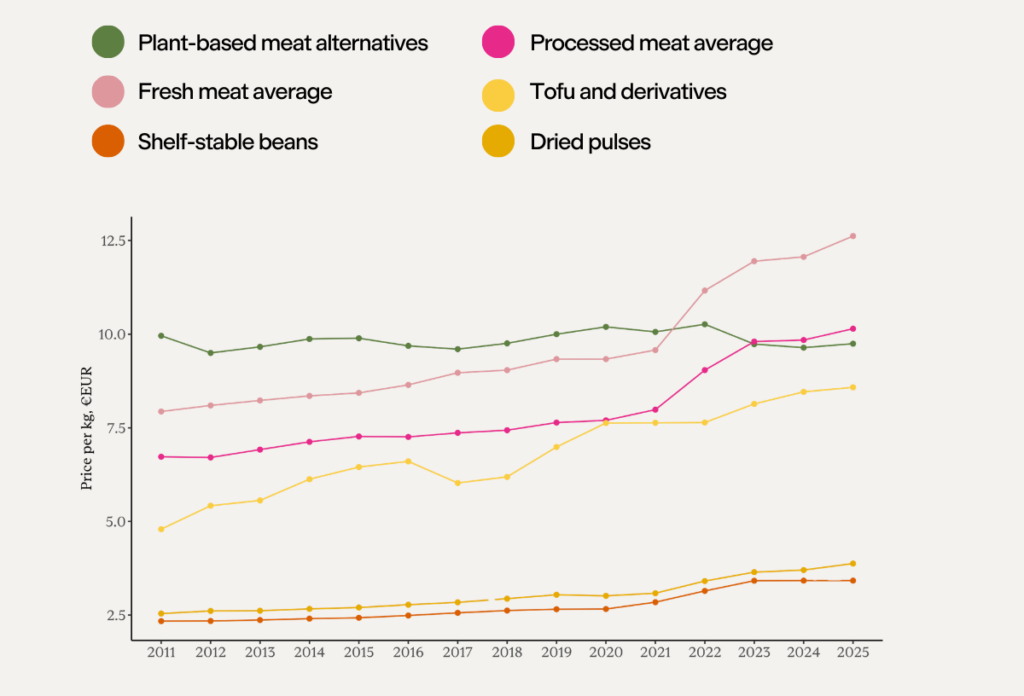
Meat prices in Germany have risen by 25% since 2021, even as vegan alternatives have become 8% cheaper, according to a new analysis.

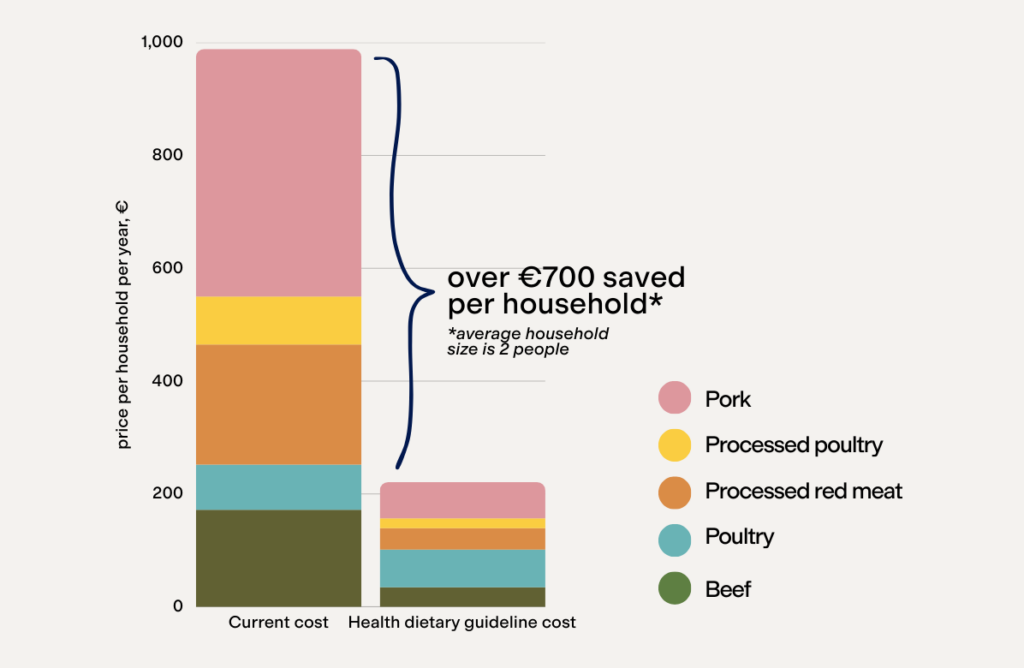
Lowering meat consumption to align with the national dietary guidelines could help German households save hundreds of euros per year, thanks to price hikes driven by “climateflation” and other factors.

Euromonitor data analysed by Madre Brava shows that meat prices in the country have skyrocketed, just as the cost of plant proteins and meat alternatives have stabilised or dropped. That makes healthy, plant-rich diets the most economical option for its citizens.


The report reveals that on average, plant-based meat cost €10.06 per kg at the beginning of 2021, but fell to €9.75 per kg at the end of 2025, making it cheaper than processed animal meat (€10.41) for the first time.

With meat prices set to keep rising, Madre Brava highlights how increased consumption of plant proteins could help Germans save money, improve health outcomes, and lower the climate impact of their diets.

Price gap between meat and plants widens in Germany

plant based meat price
Courtesy: Madre Brava

The national dietary guidelines, updated in 2024 by the German Nutrition Society (DGE), recommend eating less meat, dairy, and eggs, and more plant-based foods – the latter should make up at least 75% of the diet.

But Germans ate an average of around 25kg of sausages and processed meats in 2023, equivalent to over 68g per day. The WHO has classified processed meat as carcinogenic, and studies have shown that no amount of it is safe for human health, with people eating 50g a day (the same as two slices of ham) seeing the risk of developing type 2 diabetes rise by 30% and colorectal cancer by 26%.

The DGE recommends limiting consumption of processed meat to under 9g per day, with total meat intake not exceeding 53g per person. However, Germans “still consume too much unhealthy meat”, Madre Brava said, with men in lower-income groups leading the way.

This is not just bad for their health, it is bad for their bank balance too. Since 2011, the price of meat has risen by more than 50% (to 57% for processed poultry), more than twice as fast as rents in Germany (24%). And over the last five years, the average cost of red and processed meat has increased by €2.41 (over 25%).

In comparison, the price of canned legumes and beans only rose by 58 cents, while dried pulses saw a mere 80-cent hike. The difference between pork and beans, therefore, has increased by €2.73 since 2020, with the latter now around €10 cheaper per kg.

Mapping this price data against the DGE’s recommendations, Madre Brava’s calculations show that a household of two people would save over €700 on their meat shop in one year if they follow the plant-rich guidelines.

Plus, the DGE’s evaluation of available studies found that plant-based meat products are significantly healthier and safer than their conventional counterparts and other highly processed foods, thanks in part to the former’s high fibre and lower saturated fat content.

germany meat prices
Courtesy: Madre Brava

Germans ditch animal proteins for plant-based

It’s perhaps why meat consumption reached an all-time low in 2022, and remained 13% lower in 2024 compared to a decade prior, with pork and beef primarily to blame.

Meanwhile, the number of meat alternatives produced in Germany has grown every year since 2019, reaching more than 2,000 by 2024. That has dovetailed with an estimated 43% hike in consumption between 2021 and 2025.

Analysis by ProVeg International has found that over 50% of citizens in Europe’s largest market for plant-based food now identify as vegan, vegetarian or flexitarian. Separate research by the Good Food Institute Europe shows that half of German adults want to change their diets by either reducing meat or eating more plant-based foods, citing high costs (25%) and health concerns (24%) as the main reasons.

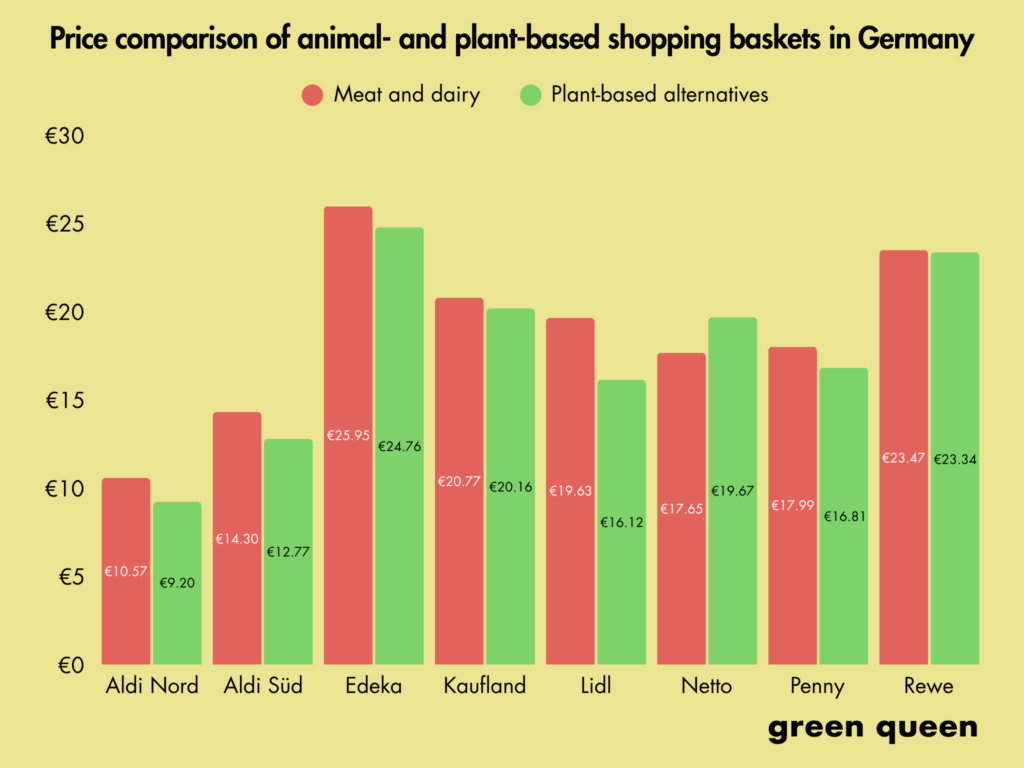
Supermarkets are supporting this shift. Discount retailer Lidl has been selling its private-label Vemondo plant-based products at prices that match or undercut meat and dairy since 2023. In fact, a vegan shopping basket is now 5% more affordable than one with animal proteins in Germany.

Across seven of the country’s eight largest supermarkets, the cost of plant-based alternatives is now lower than that of meat, dairy and seafood. Half of the 12 plant-based categories assessed were cheaper than their animal equivalents last year, up from just a third in 2024.

plant based meat price
Graphic by Green Queen

Experts predict meat prices will continue to expand due to heat stress in animal husbandry, volatile feed supplies and prices, rising refrigeration costs, and the culling of livestock caused by a growth in diseases.

“The structural causes of meat price rises, which weigh less heavily on plant proteins, mean those of us who adjust our diets, eating less meat and more plants, will discover new tastes, better health and a healthier bank balance,” said Moritz Möller, Madre Brava’s director for Germany.

“German supermarkets are responding to this change and have already set targets to balance their meat versus plant protein offerings. Now, we need them to step up further and provide a level playing field with an industry-wide target,” he added. “This is the best way to help household budgets by offering more tasty, affordable, healthy food.”

https://www.greenqueen.com.hk/plant-based-meat-prices-vegan-germany-madre-brava-inflation/ 

Friday, March 27, 2026

3 Budget-Friendly Plant-Based Recipes To Lower Your Grocery Bill

From plantbasednews.org

Oats, beans, and eggplant have teamed up to fight inflation 

If your grocery bill has crept up lately, you’re not alone. Fortunately, these budget-friendly plant-based recipes prove you don’t have to sacrifice flavour to save money.

Sadia Badiei, the dietitian behind Pick Up Limes, recently shared a video focused on simple meals that keep costs low and satisfaction high. Badiei, who is originally from British Columbia, met her partner while traveling in Thailand before later settling in the Netherlands. There, she built Pick Up Limes into a global platform and app centred on nourishing, accessible plant-based cooking. In this latest video, she turns her attention to affordability, explaining: “With everything getting more expensive lately, groceries included, I wanted to help you save some money..."

Below are the three standout recipes she shares.

Sadia Badiei’s homemade granola is a low-cost breakfast option that crisps up in the oven and keeps for days - Media Credit: YouTube / Pick Up Limes

Peanut granola made with just seven ingredients

Store-bought granola can quickly become expensive, especially varieties packed with specialty nuts and sweeteners. Badiei keeps hers refreshingly simple.

“Some granolas can be super pricey, especially the ones that are loaded with a bunch of fancy nuts, but this recipe keeps things super simple with just seven simple ingredients,” she says.

She combines rolled oats with chopped peanuts, cinnamon, and salt. On the stove, natural peanut butter made from “100 percent peanuts, no added oils or sugars” melts together with maple syrup, coconut oil, and vanilla. For those looking to trim costs even further, she notes you can swap in agave: “Or you could use agave syrup for a more budget-friendly option. I’m just Canadian and love maple syrup.”

After baking for 20 to 25 minutes and stirring halfway through, the mixture crisps as it cools. The result is a golden, crunchy breakfast base that lasts for days. Badiei enjoys it with plant milk or yogurt and whatever fruit is available. “Truly any fruits that you have and that you love will work great,” she adds.

Buffalo pasta salad with beans for affordable protein

Shot of the pasta salad dressing containing vegan mayo, yogurt, and hot sauce, to illustrate article about budget-friendly plant-based recipes
YouTube / Pick Up LimesA dressing made with hot sauce and a homemade ranch spice mix brings tangy heat to this pasta salad

For lunch or meal prep, Badiei leans on pantry staples. This buffalo pasta salad centres beans as an economical protein source.

“This one’s big on flavour, low on cost, and we’re going to be using beans as a protein source because it’s filling and affordable,” she explains.

She shares a practical tip for pasta salads: “Anytime you’re cooking pasta, specifically for a pasta salad, cook it for two minutes longer than al dente.” The reason? “When pasta cools, it hardens. But you don’t want a hard pasta in your pasta salad.”

The salad includes shredded carrots, celery, red onion, cherry tomatoes, and pickles. Butter beans crisp lightly in a pan, though she notes alternatives like chickpeas or lentils also work. The creamy dressing blends vegan mayo, unsweetened soy yogurt, Frank’s hot sauce, and a homemade ranch spice mix. Once tossed together, she admires the result: “It’s so creamy, hearty, spicy, tangy, all at once.”

It’s a practical, flavour-packed example of how budget-friendly plant-based recipes can rely on accessible staples rather than expensive meat substitutes.

Cosy eggplant pesto orzo for weeknights

The final dish is a comforting dinner built from just a handful of ingredients. “This next recipe is my new favourite weeknight dinner. It’s a cosy eggplant orzo. You’re going to love it,” Badiei says.

Orzo cooks separately while the onion and eggplant sauté. Tomato paste and vegan red pesto caramelize briefly to deepen flavour before cannellini beans, soy cooking cream, nutritional yeast, and seasoning join the pan. The mixture simmers until the eggplant turns soft and creamy.

An optional topping of croutons toasted with Italian seasoning adds crunch. Even though it’s optional, Badiei recommends it. Once the drained orzo folds into the sauce, the dish comes together quickly. “This orzo is just so creamy and comforting and full of flavour. And it’s made with just a handful of very simple ingredients.”

Across all three meals, Badiei emphasizes practicality. These budget-friendly plant-based recipes use oats, beans, pasta, and seasonal produce to stretch ingredients further while keeping meals varied and satisfying. As grocery prices fluctuate, her approach offers a reminder that affordable cooking often starts with returning to simple, staple foods.

You can find more plant-based recipes and lifestyle tips on the Pick Up Limes YouTube channel.

https://plantbasednews.org/lifestyle/food/budget-friendly-plant-based-recipes/

Wednesday, December 24, 2025

Vegan Athletes Share Protein Secrets At One Of The Largest Vegan Festivals

From plantbasednews.org

The only thing vegan athletes seem to lack at this festival is tolerance for protein myths 

Think plant-based athletes struggle to get enough protein? Think again.

At one of the world’s largest vegan festivals, lifters, nutrition experts, and long-term vegans came together to share how they meet their protein needs and maintain impressive physiques on entirely plant-based diets.

In a video created by Dénes Marton, known as Daynesh on YouTube, the content creator explores common questions and misconceptions about plant-based living, including protein sources, diet variety, soy safety, and affordability.

At the festival, Marton interviews athletes who have followed vegan diets for years, some for over three decades, offering first-hand insight into how a plant-based lifestyle supports strength, endurance, and overall health.

Addressing persistent myths and practical concerns, the video highlights a range of high-protein vegan foods and shows that meeting nutritional needs on a vegan diet is both achievable and sustainable for athletes and everyday people alike.

How long-term vegans think about food, cravings, and protein

The first thing Marton establishes is just how long many of these athletes have been vegan. Interviewees share timelines ranging from eight to more than 30 years. One attendee says, “10 years as of June,” while another notes, “I’ve been vegan for 16 years.” One of them, who was a vegetarian before going vegan, has gone “31 years without meat.”

When asked whether vegans “only eat vegetables,” the crowd laughs the myth away. One athlete jokes, “Not quite. Just grass. Not even vegetables. Just hay.” Another pushes back by listing an entire spectrum of foods: “Tofu, tempeh, seitan, lentils, beans, legumes, vegetables, fruits, grains, nuts, seeds, whole grains.”

Several note that going vegan actually expanded their diet. One athlete says, “I used to just eat to eat, and now I get like really excited about certain new dishes or trying new plant-based restaurants while I’m here in London and so on.”

Do you have to eat soy, and is it healthy? Doctors weigh in

Marton interviews two medical professionals on the soy question. A naturopathic doctor explains, “You can definitely be vegan and not eat soy. I know a lot of vegans who don’t eat any soy products. Definitely possible.”

Another doctor, board-certified in family medicine, directly addresses the safety debate: “Isn’t soy bad for you? If you want to look at actual, high-quality research, like a meta-analysis of randomized control trials? No.”

He adds nutritional context: “Soy is high in those [isoflavones], but they’re actually good for you.”

Both professionals stress that soy is optional, and that fears about phytoestrogens persist despite robust evidence showing soy is safe and beneficial.

This athlete, interviewed by Daynesh, has been vegan for nine years and has not eaten meat for 31 years - Media Credit: YouTube/Daynesh

Do vegans miss meat? For these athletes, the answer is clear

When Marton asks whether they miss meat, the answers are emphatic.

One participant says, “In the last 16 years, I have never once missed eating meat.” Another adds, “I eat vegan meat, so it’s like it’s the same thing.”

For some, the aversion has grown stronger over time. One athlete says, “None because I’m so disgusted by dairy now. I’m good. I’m good.” Another explains, “It’s not food anymore to me. It’s the flesh of an animal, [a] sentient being. So I don’t miss eating meat.”

The biggest misconceptions about veganism

Across interviews, the same myths surface again and again.

One athlete is blunt: “I think the biggest misconception people still have to this day is that you won’t get enough protein on a vegan diet.”

Others mention the idea that vegan diets are limited. One participant says, “I have not eaten such a broad diet in my entire life.”

Another highlights cultural assumptions: “A lot of people in India believe that it’s either too expensive or that it’s a Western concept. And that’s so untrue because religions like Jainism and Buddhism that originated in India have their roots in veganism.”

Another adds, “That it’s really, really difficult. It isn’t that difficult. Literally within a month of being vegan, you will be a master of it. It isn’t like some PhD you need to aspire to.”

Is veganism expensive? Athletes say the opposite

The affordability question comes up repeatedly. One long-term vegan says, “I have actually been a low-income vegan, and your staple foods are not expensive.”

Another corrects the misconception more sharply: “It is incredibly cheap to be vegan.”

One interviewee summarizes what many echoed: “You can eat so much great food that doesn’t require a significant investment of money.”

Marton also encounters someone who jokes about “hitting the lottery.” Still, the message across the board is consistent: whole foods like rice, beans, lentils, and vegetables remain some of the most cost-effective foods available.

So, where do they actually get their protein?

The athletes offer long lists of high-protein vegan staples. One explains, “It’s tofu, tempeh, seitan, beans… soy is a complete protein… You do get complete plant proteins as well.”

Another says, “I eat the high protein vegan foods like beans, legumes, tofu, tempeh, seitan, TVP… I do have a protein shake once a day as well.”

One athlete, who consumes 160 to 180 grams a day, says, “Vegetables, rice, legumes, like this stuff has protein in it.”

The message: protein isn’t hard to find on a plant-based diet, and plenty of athletes hit their targets without issue.

Staying vegan for life? These athletes are not going back

When Marton asks whether they’ll stay vegan long term, the responses are unwavering.

One participant says, “I will be vegan until the day I die.”
Another points to their tattoo: “I got it tattooed on my arm, so I’m kind of screwed if I don’t.”
One adds, “The only regret that I have as a vegan is that I didn’t go vegan sooner.”

Others echo the same sentiment almost word for word:
“Not doing it sooner.”

Marton’s video captures something rarely shown in mainstream discussions about veganism: plant-based athletes who thrive not despite veganism, but because of it. Their diets are diverse, their protein intake is adequate, and their commitment is long-term.

Instead of struggling, many describe a lifestyle that is easier, cheaper, healthier, and more fulfilling than what they left behind.

And for those still worried about protein? As one athlete puts it, “I’m telling you, when you go vegan, you become so mindful of what you’re eating. You almost become like a health coach, but for yourself.”

Saturday, December 6, 2025

5 meals that prove vegan food isn’t just healthy—it can be dirt cheap and delicious

From vegoutmag.com

By Avery White

If you try even one of these meals, pay attention to what happens, not just in your wallet, but in your mind 

If you’ve ever stood in the grocery aisle thinking, “Eating healthy is going to destroy my budget,” you’re not alone.

For years, I believed that too.

Fancy superfoods, specialty products, plant-based cheeses with price tags that made me wince.

As a former financial analyst, I used to mentally calculate the cost per ounce of everything that went into my cart.

Here’s what quietly changed my mind: When I actually tracked what I spent on simple, whole-food vegan meals versus takeout or meat-heavy dishes, the numbers told a different story.

The cheapest, most satisfying meals I made were usually the ones built from beans, grains, vegetables, and a few basic seasonings.

In other words, the “boring” stuff; except it doesn’t have to be boring at all.

If you’re curious about eating more plant-based without blowing your budget, these five meals have been my personal proof that vegan food can be hearty, comforting, and seriously affordable.


You just need a few simple formulas you can repeat on busy days:

1) Pantry lentil bolognese

When people tell me vegan food is expensive, this is the recipe I think about first.

Most of the ingredients are probably already sitting in your pantry:

  • Dry brown or green lentils
  • A can of chopped tomatoes or tomato passata
  • Onion and garlic
  • A carrot or two
  • Dried herbs like oregano, thyme, or mixed Italian seasoning

Lentils are one of the cheapest protein sources you can buy, and they’re incredibly filling.

A big bag often costs less than one pack of meat, yet stretches across multiple meals.

Here is how I usually make it on a Sunday night:

  1. Sauté chopped onion, carrot, and garlic in a little oil until soft.
  2. Add dried lentils, canned tomatoes, water or stock, herbs, salt, and pepper.
  3. Simmer until the lentils are tender and the sauce is thick and saucy.

That’s it.

Serve it over pasta, spoon it on toasted bread, tuck it into baked potatoes, or freeze portions for later.

From a budget perspective, this is gold.

You’re basically turning a handful of low-cost staples into a rich, savoury sauce that tastes like it simmered all day.

From a mindset perspective, it challenges a big belief: That “real” satisfaction comes from meat.

2) Chickpea coconut curry you can make with your eyes closed

There are days when my brain is fried, my legs are sore from trail running, and the last thing I want is a complicated recipe.

This chickpea curry is my answer.

It’s customizable, forgiving, and uses cheap ingredients like:

  • Canned or cooked chickpeas
  • Onion and garlic
  • A bag of frozen mixed vegetables or whatever veg you have
  • Curry powder or a simple spice mix (turmeric, cumin, coriander)
  • A can of coconut milk or a lighter version mixed with water

Basic method:

  1. Sauté onion and garlic.
  2. Stir in curry powder or spices until fragrant.
  3. Add chickpeas, vegetables, coconut milk, and a bit of water.
  4. Simmer until everything is hot and the flavours blend.

Serve it over rice, which is another budget hero.

A big pot of rice costs very little and forms the base of so many meals.

Why this meal works psychologically: It takes away the “I don’t have time to cook” excuse.

Once you’ve made it two or three times, it becomes a pattern your brain recognizes.

Decision fatigue goes down, and you no longer need to scroll recipes for 20 minutes.

3) Loaded sweet potato nachos
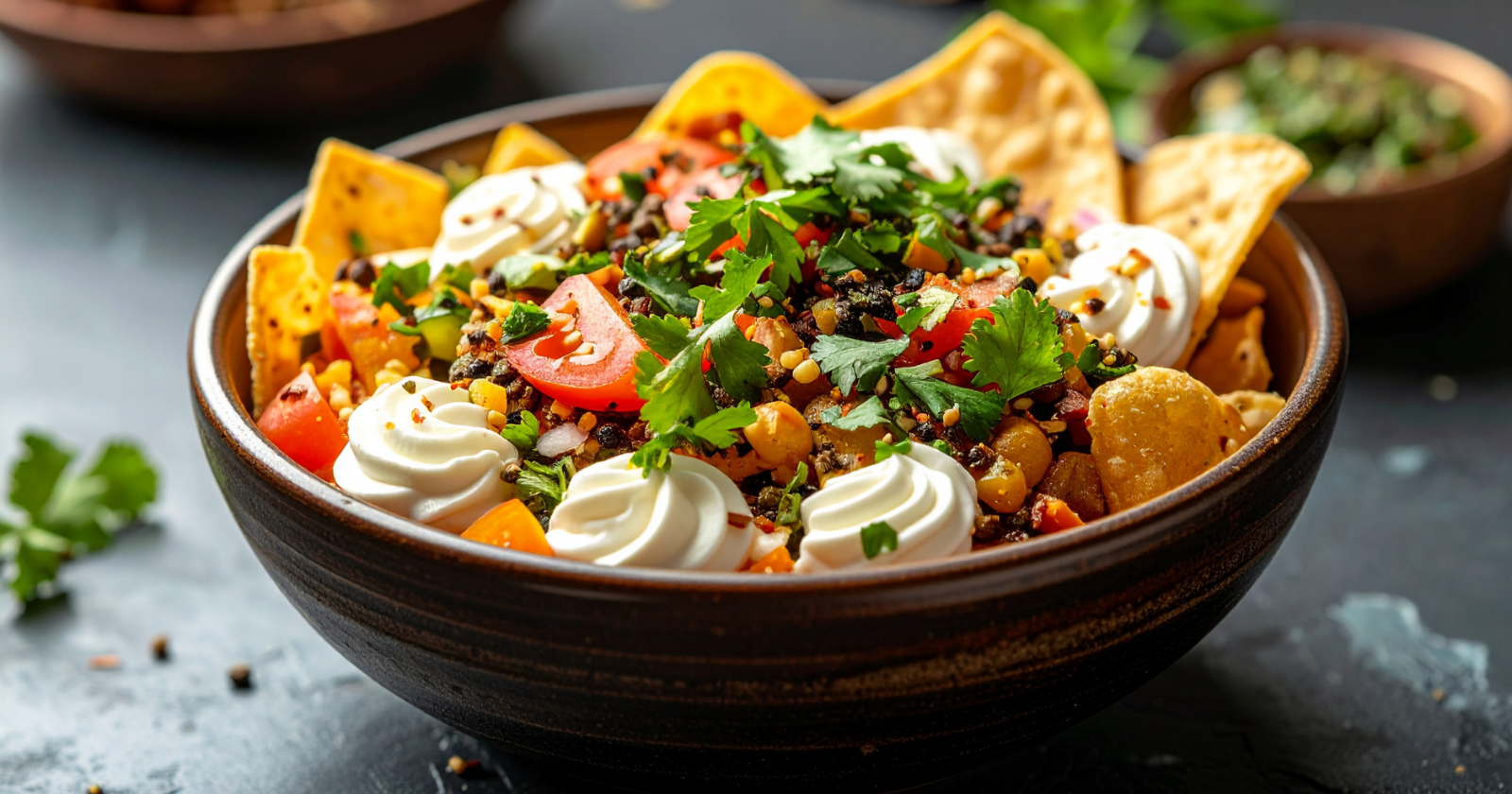
This is the meal I pull out when someone says, “Vegan food is just salad.”

These nachos are messy, colourful, and absolutely comfort-food level.

You need:

  • Sweet potatoes
  • A can of black beans or kidney beans
  • Corn (frozen or canned)
  • Salsa
  • Whatever fresh toppings you like: tomatoes, onions, cilantro, jalapeños
  • Optional but amazing: A simple “cheesy” sauce made from blended soaked cashews or sunflower seeds, water, nutritional yeast, salt, and garlic powder

How I do it:

  1. Slice sweet potatoes into rounds or wedges and roast them until tender and lightly crisp at the edges.
  2. Warm the beans and corn with a pinch of salt, cumin, and chili powder.
  3. Pile the beans and corn on the roasted sweet potatoes like nachos.
  4. Add salsa and any fresh toppings you have. Drizzle with the cheesy sauce if you are using it.

You get the satisfying experience of nachos without the cost of lots of cheese and meat, and with more fibre and nutrients.

Here’s the deeper win: When you serve something like this to friends or family and they say, “Wait, this is vegan?” it quietly rewires beliefs, theirs and yours.

You start to see that you are simply playing with different ingredients.

Food is emotional; when a “cheap” meal also feels fun and indulgent, your brain stops linking budget-friendly with deprivation.

4) Big pot of “whatever is in the fridge” veggie chili

This chili might be the most forgiving recipe I make.

It is less of a strict recipe and more of a method that saves you money and reduces waste.

Basic building blocks:

  • Any combination of canned beans: kidney, black, pinto, chickpeas
  • Canned tomatoes or tomato sauce
  • Onion and garlic
  • Whatever vegetables need using: carrots, celery, bell peppers, zucchini, corn
  • Spices like chili powder, cumin, smoked paprika, oregano

Method:

  1. Sauté the onion, garlic, and chopped vegetables.
  2. Add beans, tomatoes, spices, and water or broth.
  3. Simmer until everything is tender and tastes like it belongs together.

Eat it with rice, over baked potatoes, inside tortillas, or with some toasted bread.

Freeze the leftovers in single portions.

From my old financial-analyst brain, this is where the real savings stack up.

Every vegetable that would have gone slimy in the back of your fridge is money you already spent.

When you turn it into chili instead of throwing it out, you’re stretching your grocery budget without buying anything new.

From a self-development angle, this kind of recipe teaches flexibility.

You stop needing everything to look like the picture in a cookbook, you start trusting yourself in the kitchen, and you see that “good enough” can still be nourishing and delicious.

That mindset tends to spill into other areas of life.

Where else do you hold back because you think you need perfect conditions or exact instructions?

5) Breakfast-for-dinner power oats

If you want to see just how inexpensive a meal can be, look at oats.

big bag of rolled oats is usually cheaper than a box of cereal and lasts longer.

Oats are filling, versatile, and they can be sweet, savoury, or somewhere in between.

On nights when I want something fast, cosy, and cheap, I make breakfast for dinner.

Sweet version:

  • Cook oats in water or plant milk.
  • Add a sliced banana or any fruit you have.
  • Stir in a spoonful of peanut butter or another nut/seed butter.
  • Top with cinnamon and a sprinkle of seeds if you have them.

Savoury version:

  • Cook oats in vegetable broth instead of water.
  • Stir in sautéed mushrooms, spinach, or other veggies.
  • Add a splash of soy sauce or tamari, nutritional yeast, and black pepper.

It comes together in minutes and costs very little per bowl.

What I love about this is how it challenges the idea of what a “proper” dinner should look like.

We are so used to the formula of meat plus two sides that anything else feels like cheating.

However, if your goal is to nourish your body, support your budget, and simplify your evenings, why not redefine what counts as a real meal?

Sometimes the most powerful self-development work happens in tiny, practical decisions like this.

You prove to yourself that you can step outside old rules and still feel satisfied and taken care of.

Putting it all together

If you try even one of these meals, pay attention to what happens, not just in your wallet, but in your mind.

Choosing a few cheap, delicious plant-based meals you can rely on is a powerful way to care for your body, your bank account, and your future self.

Ask yourself: When will I try this in the next week?

Put it in your calendar like any other important appointment because feeding yourself well, without financial stress, is a form of everyday self-respect.

https://vegoutmag.com/food-and-drink/c-t-5-meals-that-prove-vegan-food-isnt-just-healthy-it-can-be-dirt-cheap-and-delicious/