Showing posts with label cancer. Show all posts

Sunday, April 12, 2026

A study of 1.8 million people reveals which diets actually reduce cancer risk

From futura-sciences.com

For decades, vegetarian and vegan diets were billed as cancer shields, but small studies couldn't prove it either way. A February 2026 British Journal of Cancer study tracked 1.8 million people across three continents and settled that: diet changes cancer odds, just not how most hoped.


Vegetarian risk profile

Compared with meat eaters, vegetarians showed meaningfully lower risks across five cancer types. Their risk of multiple myeloma, a blood cancer, was 31% lower. Kidney cancer risk was 28% lower, pancreatic cancer 21% lower, prostate cancer 12% lower, and breast cancer 9% lower. Those reductions held after adjusting for weight, smoking, alcohol, and other diet confounders.

Against those benefits, one finding stood out sharply. Vegetarians had nearly double the risk of squamous cell carcinoma of the esophagus, the most common form of esophageal cancer, compared with meat eaters. The researchers believe this may relate to lower intakes of nutrients concentrated in animal foods, particularly riboflavin and zinc. That association held across sensitivity analyses. It didn’t weaken when researchers excluded early follow-up years, ruling out reverse causation.


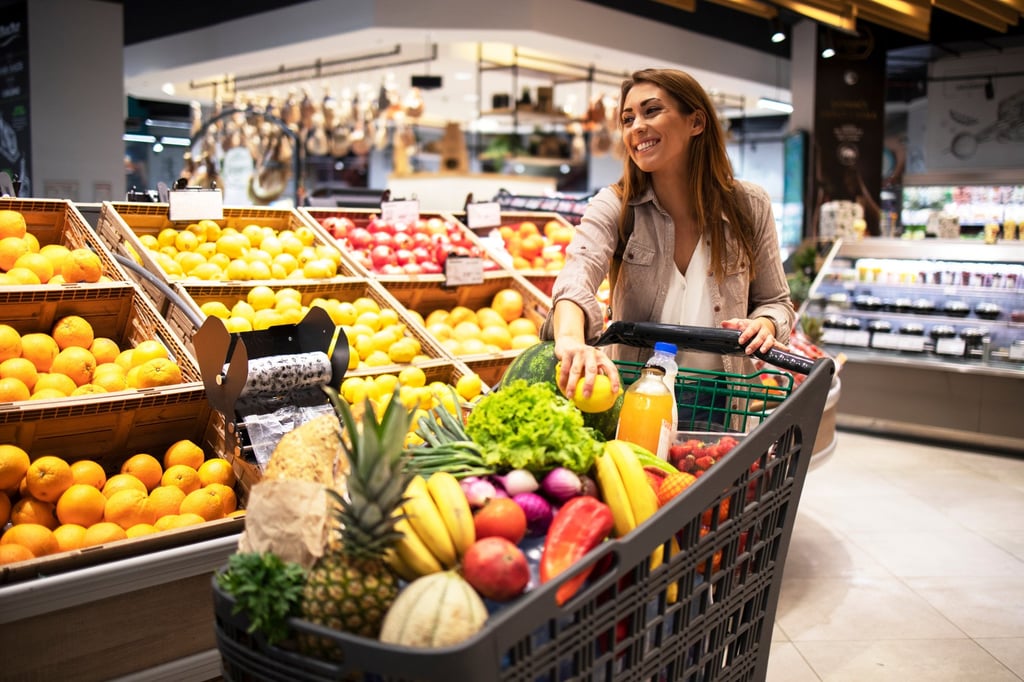
 A study of 1.8 million people reveals which diets actually reduce cancer risk © Mariia Vitkovska

Pescatarians vs. vegans

Pescatarians, people who eat fish but no meat, showed lower risks of colorectal, breast, and kidney cancers relative to meat eaters. People who ate poultry but avoided red and processed meat had a lower risk of prostate cancer. Both groups showed a cleaner risk profile than either full vegetarians or vegans across the cancers studied.

Vegans presented more complications: their risk of colorectal cancer was 40% higher than meat eaters, a striking finding for a group that consumed no alcohol and had the highest fibre intake of any diet group, both factors normally associated with lower bowel cancer risk. The researchers suggest low calcium intake is the most likely explanation. Vegans consumed no dairy, and across every cohort with nutrient data, they had the lowest calcium intake of any group, well below the UK adult reference level of 700 milligrams per day. The World Cancer Research Fund has concluded that dairy and calcium supplements probably protect against colorectal cancer.

The authors are careful to note the vegan finding rests on just 93 colorectal cancer cases across seven studies, which limits confidence in the result. Further research, particularly with larger vegan populations, is needed before strong conclusions can be drawn.


Fig. 1: Pooled hazard ratios for cancers of the gastrointestinal tract in poultry eaters, pescatarians, vegetarians, and vegans, relative to meat eaters.

British Journal of Cancer
© British Journal of Cancer (Br J Cancer) ISSN 1532-1827 (online) ISSN 0007-0920 (print)

What the researchers say

Aurora Perez-Cornago, principal investigator, explained the vegetarian benefits. She pointed to higher fruit, vegetable, and fibre intake and no processed meat. “The higher risk of oesophageal squamous cell carcinoma in vegetarians and bowel cancer in vegans may relate to lower intakes of certain nutrients more abundant in animal foods,” she said. “Additional research is needed to understand what is driving the differences in cancer risk found in our study.”

Tim Key, Emeritus Professor of Epidemiology at Oxford Population  Health and co-investigator, put the findings in broader context.

“Cancer is a leading cause of death worldwide, accounting for nearly one in six deaths,” he said. “Our study helps to shed light on the benefits and risks associated with vegetarian diets.”


Fig. 2: Pooled hazard ratios for cancers of the reproductive system in poultry eaters, pescatarians, vegetarians, and vegans, relative to meat eaters.

British Journal of Cancer
© British Journal of Cancer (Br J Cancer) ISSN 1532-1827 (online) ISSN 0007-0920 (print)

Why the results need careful reading

The study followed more than 1.8 million participants for a median of 16 years. It tracked 220,000 incident cancers across 17 cancer types in cohorts spanning the UK, US, Taiwan, and India. That scale gave it statistical power that previous studies lacked. Even so, the authors stress that vegetarian and vegan diets vary enormously across populations and individuals. Excluding meat does not guarantee a healthy diet — refined carbohydrates, ultra-processed foods, and nutritional gaps can all feature in plant-based eating patterns.

Residual confounding also cannot be ruled out. Across the cohorts, vegetarians tended to smoke less, drink less alcohol, and exercise more than meat eaters. The researchers adjusted for all of these factors, but unmeasured differences, family history of cancer, screening behaviour, cooking methods, may still have shaped some findings.

Fig. 3: Pooled hazard ratios for cancers of the urinary tract and blood in poultry eaters, pescatarians, vegetarians, and vegans, relative to meat eaters.

British Journal of Cancer
© British Journal of Cancer (Br J Cancer) ISSN 1532-1827 (online) ISSN 0007-0920 (print)

What the study does establish, more clearly than any previous research, is that the relationship between plant-based diets and cancer risk is not straightforward. Some cancers appear less likely, others more so, and the pattern shifts depending on exactly which foods are included or excluded.

For the UK’s three million vegetarians and tens of millions more worldwide, that distinction informs daily choices: what to plate, what to supplement, how to screen. Small shifts in risk add up over decades.

https://www.futura-sciences.com/en/a-study-of-1-8-million-people-reveals-which-diets-actually-reduce-cancer-risk_29609/

Monday, January 26, 2026

How a vegan diet can help prevent and manage cancer, and the foods to focus on

From scmp.com

Experts talk about the links between diet and disease and why one of the best reasons to eat a plant-based diet is to help prevent cancer 

The benefits of a vegan diet are well documented. From promoting a healthy weight and reducing our risk of heart disease and type 2 diabetes, to improving gut health and lowering blood pressure, countless studies have found good reason to consume more plant foods such as fruits, vegetables, whole grains, legumes, nuts and seeds.


Veganuary, the global January campaign, encourages people to go meat-free or reduce their intake of animal products such as dairy for the month. Besides promoting animal welfare and environmental protection, the campaign aims to raise awareness of the health advantages of consuming more plant foods.

One of the strongest reasons to switch to a plant-based diet is cancer prevention.

A study published in 2023 in the journal Nutrients suggests that the phytochemicals in plant foods help to inhibit cancer growth. Examples of phytochemicals include sulforaphane, found in cruciferous vegetables like broccoli, kale, bok choy and cabbage; and carotenoids, found in carrots, tomatoes and squash.

“Phytochemicals are found only in plants. These compounds fight harmful cell growth and reduce the risk of many types of cancer,” says Noah Praamsma, a dietitian at the Physicians Committee for Responsible Medicine, a non-profit health organisation based in Washington.

“They often do this by acting as antioxidants – compounds that stop harmful molecules, known as free radicals, from damaging DNA and other parts of your cells.”


The fibre in whole plant foods may also reduce our cancer risk. It helps to remove carcinogenic compounds from the gut, promotes a healthy community of gut bacteria that makes cancer-fighting compounds, and helps us maintain a lower body weight, Praamsma says. Being overweight is linked to greater inflammation in the body, which may heighten the risk of developing cancer.


A 2025 review by Chinese researchers published in the journal Food & Nutrition Research found that higher dietary fibre intake from plant sources is associated with a lower risk of developing and dying from several types of cancer, particularly cancers of the digestive and reproductive systems.

The researchers noted that increasing daily fibre intake – from about 7g (0.25oz) to 36g a day – could significantly reduce colon cancer risk.


As plant-centred diets tend to be higher in dietary fibre, rich in micronutrients and phytochemicals, and lower in calories, processed foods and saturated fat, they may also help cancer patients manage treatment side effects, recover more quickly and improve their long-term health.

“Some observational data suggest that plant-forward patterns may support faster recovery and fewer complications, largely because of better metabolic health and inflammation control,” says Karthika Thirugnanam, a clinical nutritionist and dietitian at Tucker Medical in Singapore who works with cancer patients.

However, she emphasises that during chemotherapy, radiation or post-surgery recovery, it is essential for people with cancer to consume adequate calories and protein.

“A poorly planned vegan or vegetarian diet that is too low in energy or protein can worsen outcomes through malnutrition and potential lean-mass loss,” she says.


When planning a plant-focused diet to support cancer treatments, Thirugnanam says to emphasise nutrient density, protein adequacy and energy sufficiency, and not merely plant exclusivity.

She recommends focusing on the following core foods:

  • Legumes (beans, lentils, chickpeas, soy foods): These provide fibre, protein, iron and zinc, support glycaemic (blood sugar) control, and optimise gut health by improving microbiome diversity.
  • Whole grains: These are associated with reduced colorectal cancer risk and improved insulin sensitivity. Examples include brown rice, oats, quinoa, and wholewheat bread and pasta.

  • Vegetables and fruits: These supply folate, potassium, antioxidants and phytochemicals linked to lowering overall inflammation. Choose a variety of colours: they contain various phytonutrients that offer different health benefits.

  • Nuts and seeds: Eaten in appropriate amounts, these provide healthy fats and minerals and have been associated with lower cancer mortality in observational studies.
  • Healthy fats: Fat is necessary for calorie adequacy and absorption of fat-soluble vitamins and is particularly important during treatment when appetite is poor.

Choose fruit and vegetables in a variety of colours: they contain various phytonutrients that offer different health benefits. Photo: Shutterstock

It may be challenging for many people to give up meat, poultry, seafood, eggs and dairy products at once in favour of a completely plant-based diet. In this case, start by trying to fill your plate with as many plant foods as possible.
“If you are new to a whole food, plant-based diet, I recommend stocking your fridge with whatever foods you’re most likely to eat,” says Praamsma.

“The ‘perfect’ diet isn’t perfect if your taste buds aren’t on board and you start skipping the meals you planned in favour of food with animal products. Start by finding vegan recipes that you enjoy and that are sustainable for you right now.”

Avoid or minimise ultra-processed snacks like crisps and heavily refined mock meats, deep-fried food like French fries, and refined carbohydrates including sugary packaged cereals, white bread, pastries and cakes, Thirugnanam says.
These foods tend to be devoid of important nutrients while being high in fat, calories, sugar and sodium. They may also increase cancer risk. A study published in 2023 in the journal Clinical Nutrition found a consistent significant association between the intake of ultra-processed foods and the risk of overall and several cancers, including colorectalbreast and pancreatic cancer.


Louis Yap, a senior dietitian at Mount Elizabeth Novena Hospital in Singapore, stresses the importance of supplementation if you are considering eliminating animal products from your diet.

“A strict vegan diet may lead to deficiencies in vitamin B12, iron, zinc and calcium. Supplementing your diet, or incorporating nutrient-dense fortified cereals, can help,” he says.


Patients undergoing cancer treatment may experience side effects that affect their appetite and nutrient intake, Yap says.

“While a vegan diet offers antioxidant benefits, it tends to be lower in calories, which can increase the risk of weight loss and loss of muscle mass. This can significantly affect treatment outcomes, recovery and long-term survival.”

The degree of dietary restriction should be based on the patient’s condition and nutritional needs. Yap suggests consulting a dietitian to understand how to manage your dietary needs during specific phases of cancer treatment.


Yap, 38, is himself a cancer survivor. At 20, he was diagnosed with Hodgkin’s lymphoma, and his cancer journey inspired him to pursue a career in dietetics.

He is now cancer-free, and while his diet is not plant-based, he does consume plenty of fruits, vegetables and whole grains every day. He also snacks on nuts and popcorn, and makes sure that any animal protein he eats is first removed of its fat and skin. He enjoys the occasional treat, like bubble tea without sugar.

“I strongly believe in the connection between diet and disease. Eating too many unhealthy foods can increase the risk of disease, while consuming more vegetables and fruits can help reduce that risk,” he says.

“At the same time, I believe food should be enjoyed. The key is moderation – pair balanced eating with regular exercise, stay mindful of your mental health, and seek support when you need it.”

Thirugnanam adds that for a plant-based diet to be most protective, it should provide nourishment.

“That means it helps you meet your calorie needs, get enough protein, cover key micronutrients and support healthy body composition and metabolic health, especially during cancer treatment or recovery.”

She adds that nutritional adequacy and overall diet quality consistently matter more than dietary labels alone.

“That nuance is essential to understand if you want plant-based eating to be both effective and sustainable.”


https://www.scmp.com/lifestyle/health-wellness/article/3340828/how-vegan-diet-can-help-prevent-and-manage-cancer-and-foods-focus