Showing posts with label raw vegan. Show all posts

Monday, December 29, 2025

Raw foodism—This is what the new viral trend is all about

From eladelantado.com

Raw veganism is a movement that emerged from the intersection of veganism and vegetarianism. According to the Dictionary of the Spanish Language (DLE), raw foodism is a “dietary regimen based primarily on the consumption of raw and unprocessed products.” It is a trend in which the diet consists mainly of raw food; no animals or animal products are consumed, nor is anything cooked. This trend has found a particular following in Hollywood and among content creators.

It’s not only based on non-animal foods but these foods must also be consumed raw

This trend, also known as raw food, aims to maximize the essential nutrients in food by consuming it in its natural state or with minimal processing. It’s a highly controversial diet that certainly has its advantages and disadvantages. It’s not only based on non-animal foods—meaning no meat, fish, eggs, dairy, honey, etc.—but these foods must also be consumed raw, without any cooking or processing whatsoever.

Those who follow this diet consume between 60% and 100% raw foods


Everything that makes up a vegan diet, but with a different preparation: instead of cooking them, the seeds are soaked in water, causing their starch and proteins to break down into short, digestible fragments that, after a few days, make them suitable for consumption. Those who follow this diet consume between 60% and 100% raw foods, always avoiding cooking above 45-47°C. The main objective is to preserve enzymes, vitamins, and antioxidants that tend to degrade at high temperatures.

According to experts, when we cook food, some of the micronutrients it contains are destroyed

Therefore, a raw food diet prioritizes natural and organic ingredients; with fruits and vegetables, especially leafy greens; nuts and sprouted seeds; sprouted legumes and shoots; seaweed… According to experts, when we cook food, some of the micronutrients it contains are destroyed, but when eaten raw, vitamins, minerals, antioxidants, plant proteins, and fibre are preserved.

Many opt for raw veganism, that is 100% plant-based options

As we explained earlier, to transform food without using fire, methods such as germination, artisanal fermentation, or sun drying are employed, linking this practice to ethical and ecological lifestyles. Although many opt for raw veganism (100% plant-based options), raw foodism also allows the incorporation of animal products such as raw eggs, unpasteurized dairy (kefir or raw yogurt), honey, raw fish (such as ceviche or sashimi), and steak tartare.

Experts discuss the importance of this diet for strengthening the heart

In any case, science also suggests continuing to cook proteins and certain vegetables (such as tomatoes or carrots), as this process facilitates the absorption of nutrients like lycopene and ensures food safety. Experts discuss the importance of this diet for strengthening the heart. By focusing primarily on fruits and vegetables, blood pressure decreases, and there is a lower risk of heart disease and stroke.

Since animal products are not consumed, a vitamin B12 deficiency is common

The influence of including nuts, seeds, sprouted whole grains, and legumes is also discussed, as they improve blood cholesterol levels. On the other hand, as with a vegan diet, the body does not receive the high-quality protein provided by animal products. Since animal products are not consumed, a vitamin B12 deficiency is common. Therefore, people who follow both this type of diet and a vegan diet must take supplements to maintain their body’s nutritional and energy requirements.

https://eladelantado.com/en/raw-foodism-the-new-viral-trend/

Tuesday, March 19, 2024

A return to basics: unprocessed vegan food makes a comeback

From theweek.com

More people who eat a plant-based diet are avoiding meat substitutes and choosing to cook from scratch 

Supermarket shelves, delivery services and restaurant menus now feature plenty of plant-based alternatives to meat. But there are signs that tastes may be changing, with vegans and vegetarians opting to cook more from scratch using recognisable ingredients.

Vegan alternatives to meat became more popular as they "allowed those who usually eat a lot of meat to gradually wean off a carnivorous diet – without resorting to only eating vegetables", said Xanthe Clay in The Telegraph.

Dr Jennifer Yule, a lecturer in marketing at the University of Edinburgh Business School, agreed, writing in The Guardian: "Plant-based convenience products such as meat-free burgers and ready meals have helped ease many consumers into a vegan routine."

However, that convenience, supplied by countless brands, comes at a price. "Have you ever stopped to read what's inside these vegan meat substitutes?" asked Clay. It is possible to eat a healthy vegan diet, but many meat substitutes "fall into the category of ultra-processed food", or UPFs, generally accepted by experts as "unhealthy and probably addictive, blamed for the increasing incidence of obesity and poor health worldwide".

A grilled chicken breast, for example, is fairly minimally processed. But plant-based barbecue chicken goujons are "indubitably ultra-processed, containing over 30 ingredients, including methylcellulose, maltodextrin and dried glucose syrup", she said. Not so appetising. And UPFs don't just "trick our palates", they also confuse our bodies, "triggering hormones that encourage us to overeat".

There's an increasing consumer desire to eat food that's 'as minimally processed as possible'
(Image credit: Tanja Ivanova / Getty Images)

There's now an "increasing consumer desire to eat 'real' food that's as minimally processed as possible", said Speciality Food magazine, with an appetite for putting "the 'plant' back in 'plant-based', putting the 'veggie' back in your veggie burger and shrinking labels all over the plant-based category", said Whole Foods Market in its 2024 trend predictions. This has led to "emerging protein-forward products with mushrooms, walnuts, tempeh and legumes in place of complex meat alternatives".

Some plant-based meat companies' sales are shrinking, and some meat-free restaurants have closed branches, "while others have changed menus to a more balanced offering of vegan and non-vegan items", said The Guardian.

However, Dr Yule believes there's a simpler reason for falling sales: the economy. "The modern vegan – forced to endure the cost-of-living crisis and food inflation that is at an all-time high – is cash-strapped and time poor." Buying plant-based convenience foods "can still feel like a luxury" when their cost is "significantly higher than their meat equivalents". And, for some people, "vegan alternatives are just simply too expensive".

https://theweek.com/culture-life/food-drink/a-return-to-basics-unprocessed-vegan-food-makes-a-comeback

Friday, July 22, 2022

What Is A Raw Vegan Diet And Is It Healthy?

From vegnews.com

Thinking about trying a raw vegan diet? Here’s everything you need to know about the trend and the risks

If cooking isn’t on your list of top priorities or if it’s a particularly sweltering day, then the idea of not having to roast vegetables or fry up some crispy tofu sounds pretty appealing. Maybe you occasionally eschew cooking for plant-based smoothies and salads. If that’s the case, then you’ve already dabbled in raw veganism. But what does a strictly raw vegan diet entail? And is it for everyone?
VegNews.RawVegan.Canva5

What is a raw vegan diet?

A raw vegan diet consists of food that is eaten uncooked or heated at temperatures below 104 to 118 degrees Fahrenheit. The idea is that cooking food destroys its nutrients, which is true in some cases—but not all. (More on this later.)

Raw diets tend to be low in processed foods. That means that all roasted, steamed, fried, sautĂ©ed, boiled, pressure-cooked, seared, broiled, or grilled foods are off the table—so, no roasted vegetables, grilled veggie burgers, cooked grains and beans, pasta, bread, most kinds of nut butters, jams, vegan ice cream, or pasteurized non-dairy milk. It also, naturally, means no animal products, including honey. It typically excludes table salt, but some raw vegans might use Himalayan pink or sea salt. 

Proponents of a raw vegan diet tend to be motivated by health (though there can be some crossover with animal rights and sustainability ethics) and the belief that you can get all of the necessary nutrients from uncooked foods. Food preparation can involve blending, juicing, soaking, sprouting, fermenting, and dehydrating instead of traditional cooking methods.
VegNews.RawVegan.Canva3

So, what can raw vegans eat?

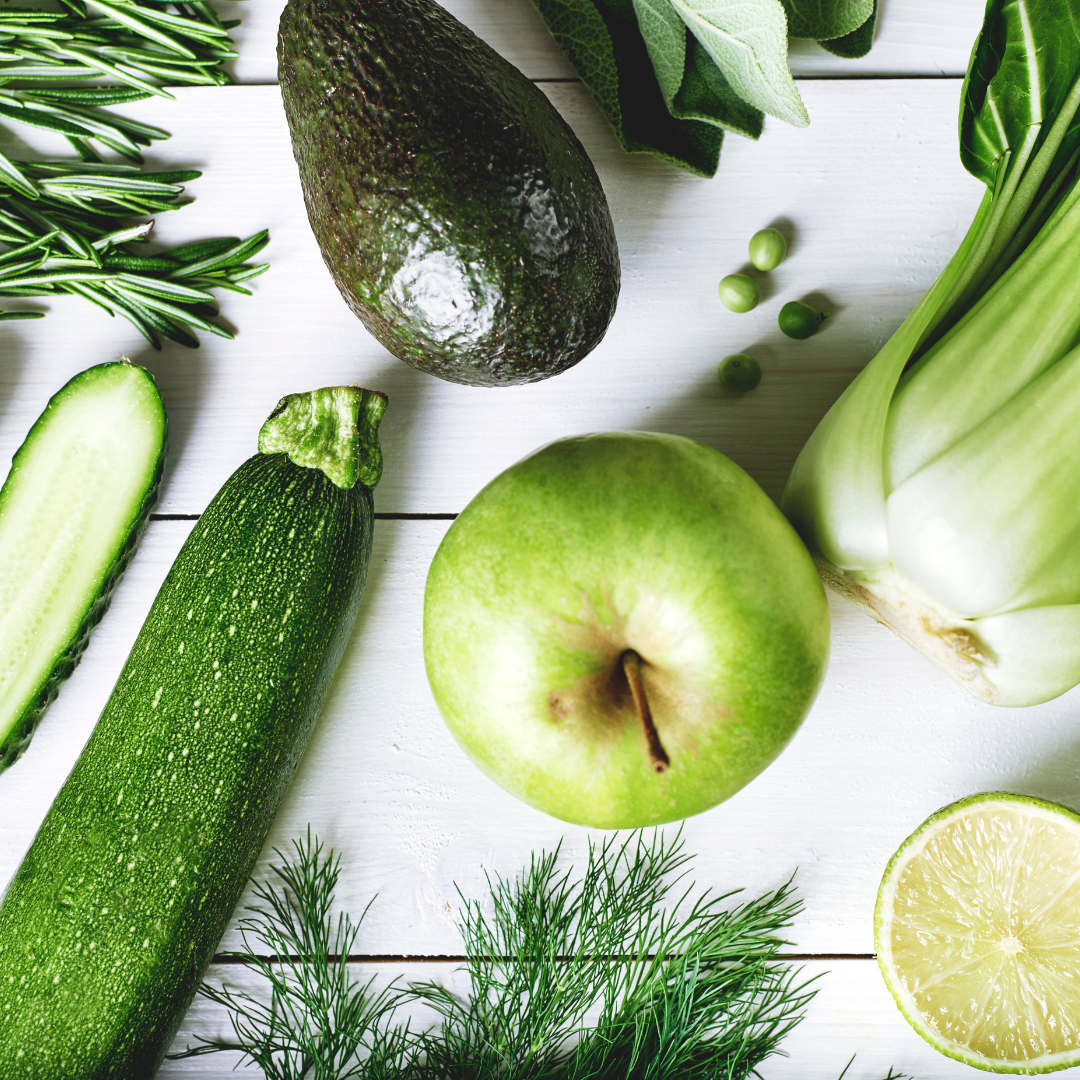
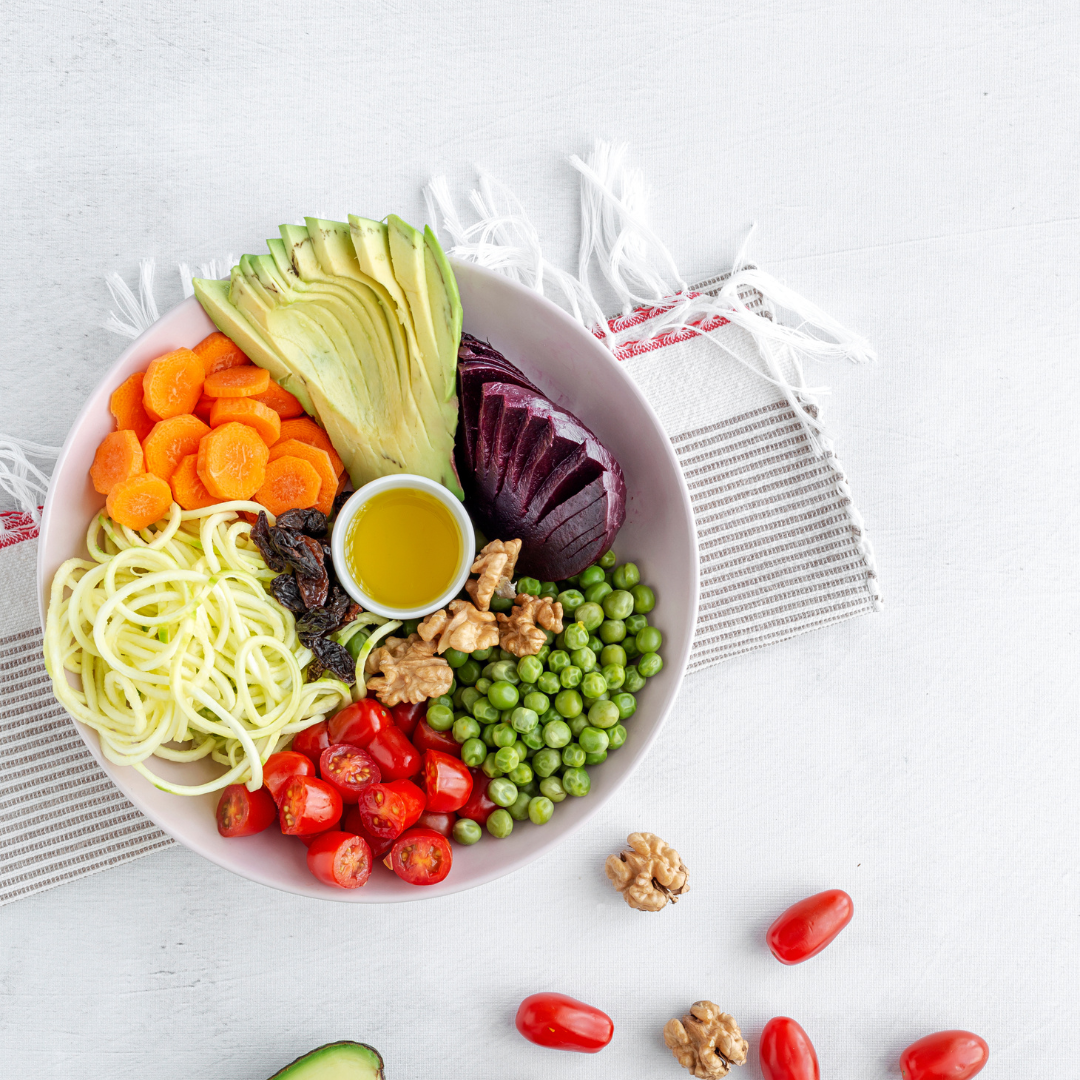
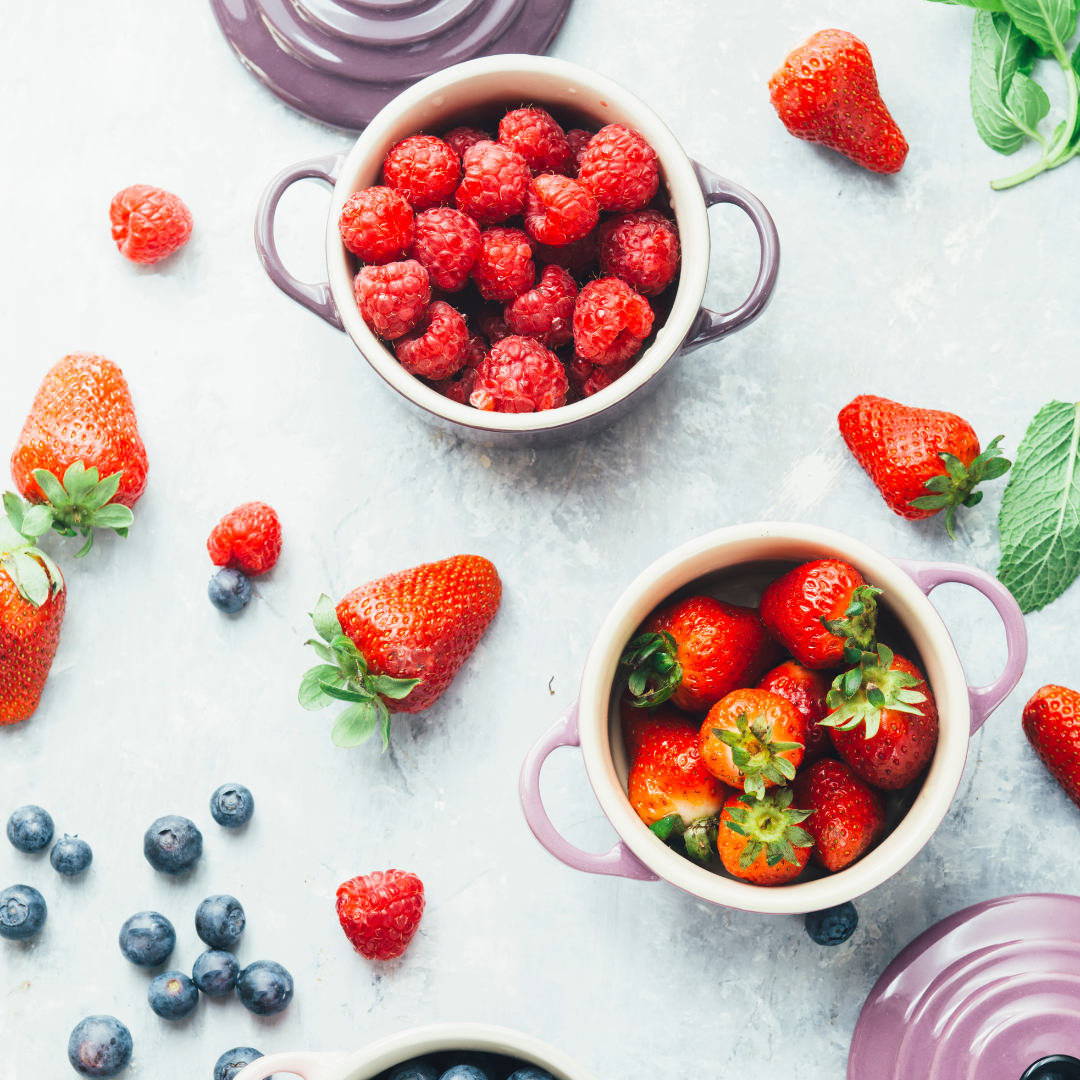
With so many “no” foods, what, exactly, can a raw vegan eat? Breakfast could be a smoothie made with frozen bananas, fresh berries, spinach, and raw almond butter or smashed avocado with minced cilantro and diced tomatoes over raw bread made from nuts and seeds in a dehydrator. 

Lunch could be a chopped broccoli salad with red cabbage, diced shallots, unroasted sunflower seeds, dried fruit, and raw vegan cheese, dressed in cold-pressed olive oil, lemon juice, fresh garlic, and raw tahini. Or, you could have this avocado-jalapeño soup. For dinner, you could make these raw vegan tostadas. And for dessert? These no-bake ley lime pies. That’s a general idea of what can be eaten, but here’s a more comprehensive list:

  • Fruit
  • Vegetables
  • Nuts
  • Seeds
  • Sprouted grains and legumes
  • Fermented foods, including sauerkraut, kimchi, miso paste, and coconut kefir
  • Seaweed, such as wakame, hijiki, dulse, and Irish moss
  • Herbs and uncooked spices
  • Condiments like vinegar, Bragg’s Liquid Aminos, and nama shoyu (raw, unpasteurized soy sauce)
  • Nutritional yeast
  • Raw chocolate

About oils … Some raw vegans avoid them entirely while others use options including cold-pressed olive oil, raw coconut oil, raw flaxseed oil, and raw hemp oil. Avocados, nuts, and seeds tend to be the go-to fat sources. Sweeteners are also typically excluded—maple syrup is heated above 118 degrees Fahrenheit, but it’s also easy to find raw vegan recipes that use it. Raw agave nectar is a-okay to use. 
VegNews.RawVegan6

What are the benefits of a raw vegan diet?

Obviously, a raw vegan diet is rich in plant foods, which have been linked to numerous health benefits. 

It’s full of healthy plant-based foods

A diet rich in fruits and vegetables is linked to lower blood pressure and a reduced risk of heart disease and stroke, per the Harvard T.H. Chan School of Public Health. Nuts, seeds, and grains are linked to lower cholesterol. Studies have linked plant-based diets to a reduction in LDL cholesterol—that’s the “bad” kind—according to a 2017 meta-analysis of 49 studies. This also includes legumes, which must be sprouted in order to be part of a raw vegan diet. Sprouts are simply seeds that have begun to germinate. You can buy sprouts from the store, or it can be done at home in a vented jar.

A diet rich in fruits and vegetables is also linked to a lower risk of Type 2 diabetes, according to a 2021 meta-analysis of 23 studies published in the British Medical Journal. Nuts, seeds, grains, and legumes are also linked to lower blood sugar levels. 

Raw vegan diets tend to be high in fibre, which is linked to lower blood pressure and better digestion. Plant-based diets—the ones that consist primarily of whole foods, which don’t need to be raw—are high in soluble fibre (found in nuts, seeds, sprouted lentils, and sprouted barley) and insoluble fibre (vegetables and sprouted whole grains). The former feeds healthy gut bacteria while the latter helps prevent constipation. Both may help you feel full longer after eating, so they can also aid in weight management. 

Some of those foods are higher in nutrients

Circling back to the fundamental belief of a raw vegan diet: some fruits and vegetables do lose their nutritional value when cooked, but things aren’t quite as straightforward as “raw broccoli = good, cooked broccoli = bad,” for example. Stir-frying or boiling this cruciferous veg lowers its vitamin C content by 38 percent and 33 percent, respectively, but microwaving or steaming broccoli helps preserve its antioxidant content. Generally, cooked vegetables are lower in vitamin C, but this vitamin is also abundant in fresh fruit. 

Another noteworthy benefit is a 2008 study published in the British Journal of Nutrition, which found that 198 people who followed a raw food diet had high levels of beta-carotene and normal levels of vitamin A. However, they had low levels of the antioxidant lycopene.

It’s low in saturated fat

Because many raw vegans get most of their fats from nuts, seeds, or avocado, the diet is low in saturated fat. So, it’s also naturally free from deep-fried foods, a known source of unstable molecules called free radicals, which damage DNA, cell membranes, and other parts of cells. This happens because high temperatures cause the fatty acids within the oil to oxidize, meaning they degrade in quality.
VegNews.RawVegan.Canva2

Are there downsides to a raw vegan diet?

No matter what kind of diet you’re considering, it’s essential to go into it being aware of both the pros and the cons, and raw veganism is no exception. 

Sprouts aren’t safe for everyone

Sprouts are grown in warm, humid environments, which is exactly the type of conditions that food-borne illness-causing bacteria thrive in. According to The Academy of Nutrition and Dietetics, there have been a few E. coli and Salmonella outbreaks linked to sprouts in recent years. When buying sprouts, choose ones that are refrigerated and stay away from anything that looks musty or slimy. Keep them in an insulated shopping bag and refrigerate them immediately. 

Some foods are healthier when cooked

Cooked tomatoes may be lower in vitamin C than raw ones, but they’re higher in the antioxidant lycopene, which helps protect the body from cell and tissue damage, according to a Cornell University study.  

Cooked spinach contains 53-percent less oxalic acid, which reduces your body’s ability to absorb iron and calcium. It’s also higher in folate. Cooked carrots are higher in beta-carotene and antioxidants. Steaming kale reduces the number of isothiocyanates, which can interfere with the absorption of iodine. Grilling or microwaving mushrooms boosts their antioxidant levels, according to a study from the Mushroom Technological Research Center of La Rioja in Spain. (However, boiling and deep-drying do the opposite.) Steaming also helps preserve antioxidants in zucchini and broccoli.

It may not be nutritionally adequate in the long-term

A well-planned plant-based diet can be appropriate for all ages, so long as it includes fortified foods and supplements to make up for the nutrients that it’s deficient in. 

These include vitamin B12 (supports blood and nervous system health and helps make DNA), vitamin D (regulates the absorption of calcium and phosphorous and helps regulate the immune system), iodine (reduces the risk of thyroid disease), calcium (crucial to bone health), and zinc (aids in immune system and metabolism function and wound healing). Studies have shown that raw vegan diets tend to be low in vitamin B12, calcium, and vitamin D.

Raw vegan proponents tend to discourage the use of iodized salt, and iodine is essential to healthy thyroid function.

It’s not accessible to everyone

A raw vegan diet may not be sustainable in the long term. The lack of bread, cooked grains, and cooked legumes can make it challenging to get enough calories every day without frequent meals, which may make it too restrictive to be a 24/7 thing. Some preparation methods, such as dehydrating, chopping produce, juicing, and sprouting, can also be time-consuming. Premade sprouted and dehydrated foods can also be cost-prohibitive, making a long-term, strictly raw diet unattainable for many. 
VegNews.RawVegan.Canva4

How to start a raw vegan diet

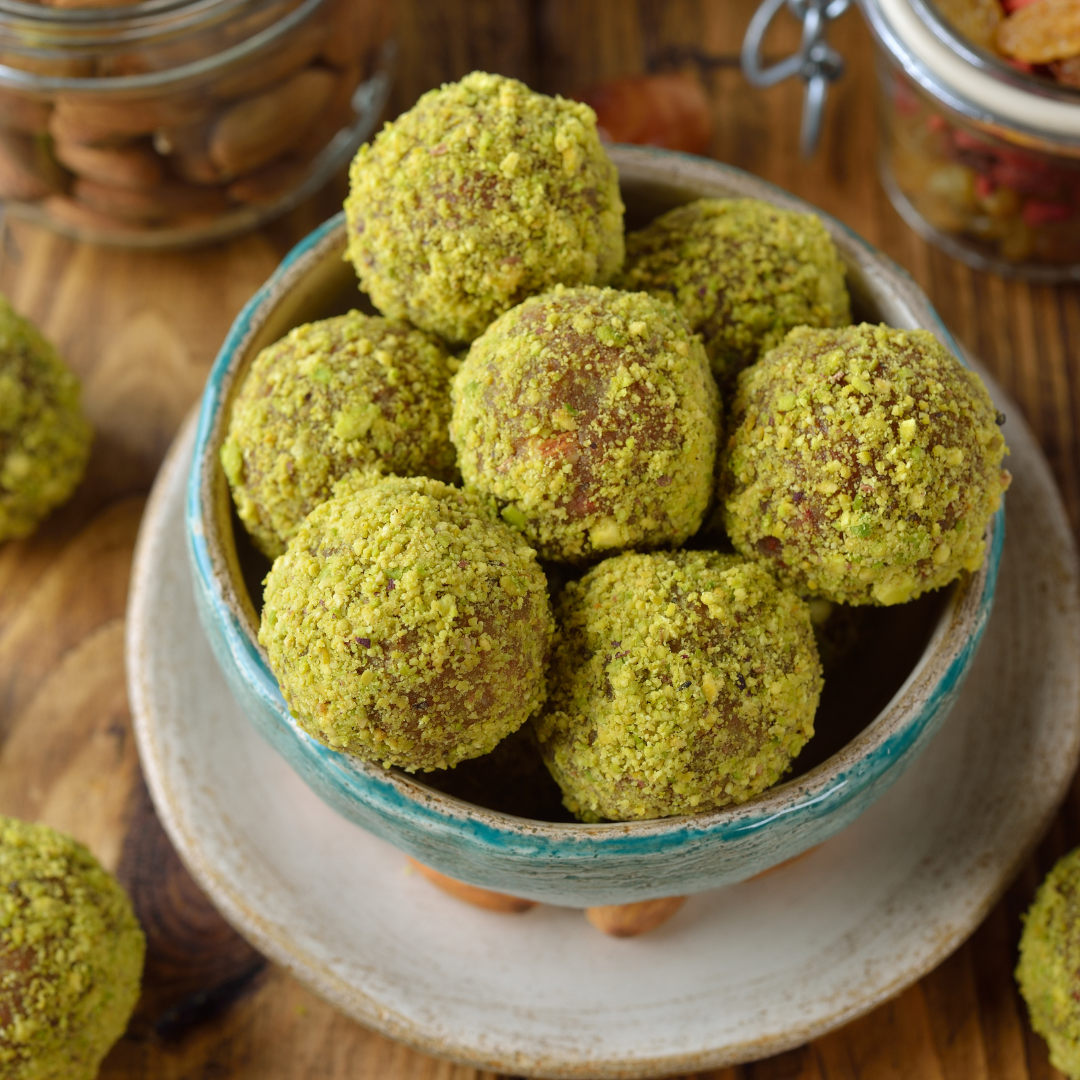
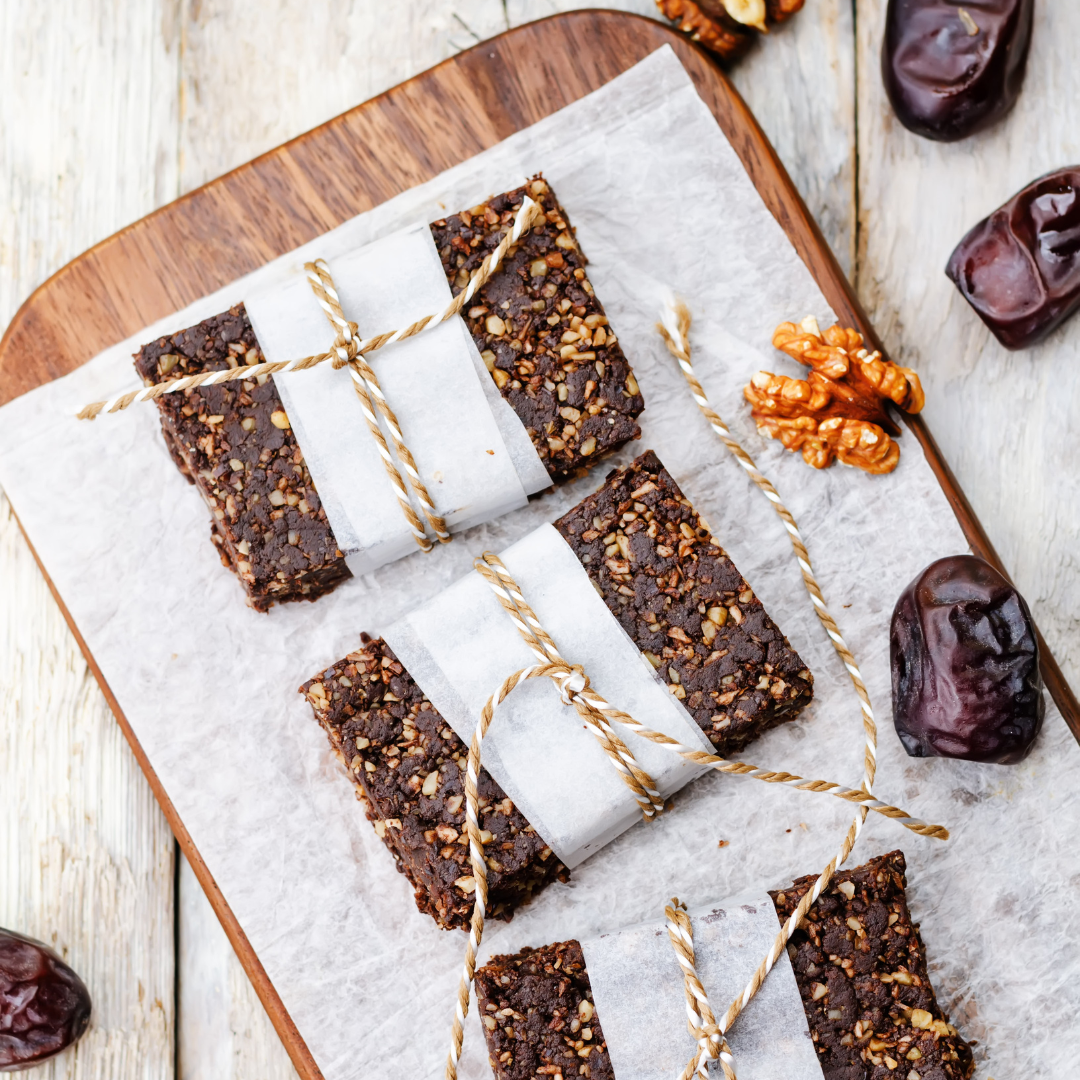
If you’re curious about a raw vegan diet, the best way to start would be to try out a few meals. Try out some of our favourite raw vegan recipes including Raw Vegan Swedish TrufflesRaw Vegan Tostadas, and Raw Vegan Coconut Cauliflower “Stir-Fry” in Zesty Lime Dressing. If you’re looking for more, a quick Google search will land you pages upon pages of other free recipes. If you like a curated selection, then a cookbook, like Modern Raw by Rachel Carr or Raw. Vegan. Not Gross. by Laura Miller might be what you’re looking for.

For more on the vegan diet, read:
How to Go Vegan: A Beginner’s Guide 
5 Reasons to Forget Keto and Go Vegan

15 Vegan Protein Sources That May Surprise You


https://vegnews.com/2022/7/raw-vegan-diet-guide


Wednesday, September 1, 2021

Opting for a raw veganism lifestyle could bring benefits and bills, if not done right

From gulfnews.com/food

Here’s what experts have to say and two recipes you can try out at home

Raw veganism. The lifestyle may sound too much to do at first, but it is definitely a healthy choice. But switching to a raw vegan diet overnight or maybe even IN the course of a few months can be overwhelming for those living in the UAE, especially since the country offers a rich gastronomical experience through several cuisines.

While the odds may be against your favour given all the tasty food available, it is not impossible.

One such person who is currently In the process of switching to a raw veganism lifestyle is 35-year-old Dubai-based restaurateur and cookbook author Dimple Khitri. And for those looking to make the change themselves, she’s got a few helpful tips…

I currently live on a 70 per cent raw vegan diet and found that the best way to do it is to switch up one meal to start. I found that breakfast was the easiest with fresh foods and lots of delicious smoothie recipes.

- Dimple Khitri, restaurant owner of 'Being Vegan' in Dubai and cookbook author of 'Being Rawsomely Vegan'

“A raw vegan lifestyle should always be taken in moderation. I currently live on a 70 per cent raw vegan diet and found that the best way to do it is to switch up one meal to start. I found that breakfast was the easiest with fresh foods and lots of delicious smoothie recipes. I instantly felt a change because I was no longer having refined sugars or refined oils in my meals. Also, when you have raw food you automatically cut down on gluten, which itself will reduce a lot of inflammation in the gut and body. And also you find yourself becoming more mindful of what to consume.

“However, initially lunch was challenging for me. As I was making the transition I actually started with store-bought salad dressings and dips until I realised how easy it was to prepare them at home. Soon enough I was able to make raw cheese dip, hummus and Thousand Island dressing too.”

1. Make the decision

The first step for change is to decide if you truly want to go for it. It’s always good to weigh in your pros and cons before you make a drastic shift.

2. Setting goals

It’s best advised that you make sure what your end goal is by going raw vegan. Whether it’s weight loss or a simple detoxification process, plan your journey based on duration, meals and maybe even reaching out to others who are in the process along with you.

3. Start small

Once you make the shift, start small. Transitioning to a raw veganism lifestyle can be tougher than you think, so it’s best to have one raw vegan meal and two cooked meals and then slowly increase your raw vegan meals as you wish.

4. Plan your meals

While making the transition seems doable, it’s always best advised that you plan your meals before you implement them. Whether you intend to juice your vegetables or eat it right out of the salad bowl, every meal decision you take goes a long way

5. Execute

This is harder than making the decision itself, because it is also a point of time where you could second guess if you really want to choose a raw vegan lifestyle. To execute eating a raw vegan diet on a daily basis may seem like a tough task, but you do have benefits. Maybe this could be a sign for you to buy that blender that you’ve been eyeing for a long time now.

On the road to good health – what is raw veganism?

raw-veganism
In raw veganism, you can juice, blend, soak, sprout and dehydrate your raw ingredients and still have a balanced and healthy diet Image Credit: Anete Lusina/Pexels.com

Let’s start off with the basics. First introduced in the 19th century as a solution to avoid illness, raw veganism can be described as a diet that includes no processed or cooked food. When it comes to heating your food, one needs to be careful to heat it below 40 to 48C, which means that your food can be eaten fermented, fresh or dehydrated with low heat.

The tenet of raw veganism is that heating food beyond this temperature could result in loss of nutrients, making it toxic and quite hard to digest. But you’re options don’t have to be limited just because of that. You can also juice, blend, soak, sprout and dehydrate your raw ingredients and still have a balanced and healthy diet.

Is it costly?

Yes, it can be but not always. Personally I thought I’d give myself the chance to try out this choice of lifestyle only to find myself eating less and paying more bills especially since I couldn’t find the right substitutes. I made the mistake of chasing the most organic product in the supermarket and while I was rushing to try it out for the ‘health’ aspect, it did backfire quite quickly because I wasn’t choosing the right things. With the research I did, my brain registered ‘uncooked’, ‘healthy’ and ‘benefits’. But what I will guarantee you is that choosing a raw vegan lifestyle works wonders for gut health. To summarise, I spent around Dh150 a day to match my idea of raw veganism, and I only lasted 4 days.

When asked about the same to Khitri, she said: “It depends on which diet you are transitioning from but from a vegan to raw vegan what you will realise is that you can easily save… you can also quite literally make coconut milk at home and soon all these factors will help save more than spend.

“However, what you might also find that you could end up being on-par with a vegan diet, especially since you would be focused on buying organic produce.”

What do experts have to say?

Food by Gulf News was able to get in touch with three experts in Dubai – a nutritionist and two dieticians – who weighed in on the pros and cons of opting for a raw vegan lifestyle.

... it [raw veganism] is definitely heart healthy, gut friendly, helps in improving cholesterol, blood pressure, managing diabetes

- Sakina Mustansir, Dietician at Prime Hospital in Dubai

Sakina Mustansir, a dietician at Prime Hospital in Dubai, said: “Since raw veganism is a combination of the vegan diet and the raw food diet, it excludes food from animal origins and adds that food should be eaten raw/uncooked or cooked at low temperatures. So basically the diet is rich in fruits, vegetables, nuts, seeds, sprouted grains and legumes and tends to be naturally low in processed foods.

“When the diet is full on fibre, vitamins, minerals, antioxidants, anti-inflammatory foods and phytonutrients, it is definitely heart healthy, gut friendly, helps in improving cholesterol, blood pressure, managing diabetes. Such diets are also linked to lower levels of body fat,” added Mustansir.

Fermented products like miso, kimchi, seaweeds, sauerkraut, can be included. Natural sweeteners like raw maple syrup and jaggery can be part of the plan.

- Saumya Mishra, Dietician

“Relevant studies in recent times have suggested that opting for a raw vegan diet reduces the occurrence of metabolic disorders by 75 per cent. Seeds, nuts, fruits and vegetables, of course. Grains and legumes can be included but must be soaked and sprouted prior to consumption. Fermented products like miso, kimchi, seaweeds, sauerkraut, can be included. Natural sweeteners like raw maple syrup and jaggery can be part of the plan. If your diet isn’t planned well, you could be diagnosed with vitamin deficiency, which could result in more complex problems like poor memory and poor functioning of the nervous system,” said Dubai-based dietician Saumya Mishra.

In terms of nutrition, Veenisha Fatnani, a nutritionist at New County Healthcare in Dubai said: “Veganism is a good way to realise the benefits of fruits and vegetables in the diet. It ensures that one is more plant based, it is also an environmentally friendly practice since meat releases a lot of carbon emissions. But vegans also lack vitamin D, calcium and Omega-3 in their diet which can cause a risk in heart health and bone health.

“Vegans must ensure that these levels of nutrients are then maintained through supplements if they plan on making it their permanent lifestyle. In general, your body absorbs some nutrients, like vitamin C, better from raw food because they're easily destroyed when cooked. But other nutrients, like iron, are most beneficial after the food they're in has been cooked. In fact, tomatoes, increase their antioxidant lycopene, through the cooking process.”

Seek professional help

raw-veganism
Always seek professional help... Image Credit: Cottonbro/Pexels.com

According to theveganreview.com site, becoming a raw vegan takes a toll on the female menstrual cycle especially because users are consuming uncooked food on a regular basis.

“The diet is quite restrictive in nature, contrary to our traditional diets and hence if not well planned it can become nutritionally unbalanced which can lead to anaemia, poor bone health, nervous system damage etc. It could also impact fertility in women and irregular menstrual cycle. Hence should be strictly started and followed under professional supervision,” said Mustansir

Raw veganism also has an effect on women’s menstrual cycles since the uterus is better functioning when the body is at a warmer temperature

- Veenisha Fatnani, Nutritionist at New County Healthcare in Dubai

“Raw veganism could lead to indigestible food negating the positive effects of being vegan. Cooked food makes it easier for the body to break down in the food system. Too much of raw vegetables and fruits makes it harder for the body to process. Raw veganism also has an effect on women’s menstrual cycles since the uterus is better functioning when the body is at a warmer temperature,” added Fatnani.

Should you make the change?

raw-veganism
Should you really make the change? Image Credit: Sam Lion/Pexels.com

“It’s best to maintain a balanced diet involving both raw and cooked vegetables since nutrition uptake differs for different fruits and vegetables. The best of both worlds along with being mindful of the missing nutrients as a vegan is important. One of the highlights of being raw vegan is lesser gut-based issues,” said Fatnani.

When it comes to raw veganism, most people focus on what they could eat more than how they would feel by adapting this diet. Here are a few tips from Khitri that you could implement in your own diet as you make your own:

  1. Start the morning with your favourite fruit.
  2. Resist the need to have coffee or tea for the first 3 days and your body will not ask for it again.
  3. Try to make it fun by giving yourself everything you crave for. Whether it’s a white sauce pasta or even sushi! Everything can be made raw with the same taste to satisfy your taste buds.
  4. And most importantly, believe in yourself and accept that it is a slow process.
  5. A well-stocked pantry makes a world of difference in flavours: “I always have a good stock of natural ingredients like coconut water, lemon, orange and grapefruits available for me to be able to make any drink. I also keep trying new spices but my favourites are cumin, chili, pink salt and nutritional yeast.”

While raw veganism has helped many like Khitri, it’s always hard to find the right substitutes for your favourite recipes. “One of the main challenges I faced was giving up coffee initially, it was difficult to not have coffee in the mornings and have a smoothie instead. I gradually got used to it.”

But, she does have a few words of wisdom to make the process easier and adaptable: “Have fun with it! When I started my journey to become a 70 per cent raw vegan, I asked myself what items I felt I would miss the most. I realised it was cheese and chocolate! I would say not to be quick to judge the book (literally and figuratively) by its cover and always ask yourself – can you re-create your favourite dishes in a raw state? You will be surprised by the number of options you can find.”

Looking to transition into a raw vegan? Try out these recipes for vegan Pad Thai and chocolate brownie.

https://gulfnews.com/food/opting-for-a-raw-veganism-lifestyle-could-bring-benefits-and-bills-if-not-done-right-1.1630328770533