Showing posts with label nutrition. Show all posts

Saturday, April 4, 2026

Are you meeting your nutrition values on a vegan diet?

From veganfirst.com

By Akansha Jhalani

As we all know, there is no theory backing up the logic that non-vegetarians or ovo-lacto-vegetarians are healthier than vegans, even though many will tell you otherwise. But the good news is that vegans can get sufficient nutrition provided they carefully plan their meals considering all the food groups.

The nutrients which are of optimum importance on a wholly vegan diet are vitamin B12, protein, long-chain omega-3 fatty acids, riboflavin, vitamin D, calcium, iron, iodine, zinc, and selenium.  But with proper planning, one can get sufficient doses of the above-mentioned nutrients  from a plant based diet. Additionally, a well-planned vegan diet can be very beneficial for the body as it can help lower the risk of heart disease, type 2 diabetes and certain types of cancer.

Listed below are the different nutrients you need and the ways to intake them on a vegan diet:

Protein from plants

For a vegan, it is recommended that they take 0.9 gms of protein per kilogram of their body weight.

One should consume an adequate quantity of varied sources to ensure that they get their required dosage of protein. Seeds, nuts, legumes, whole grains and soy are excellent sources of protein. Other great sources of proteins are tofu, lentils, chickpeas, quinoa, orange, broccoli and plant based protein powder.

Omega 3
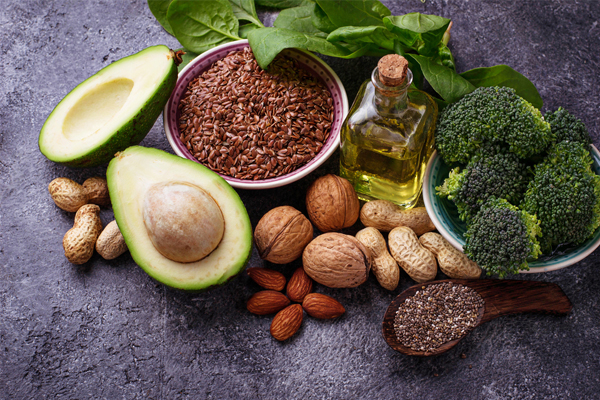
Take a vegan DHA capsules which contain algae-derived omega 3 fatty acids.

Omega 3 fatty acids are highly beneficial for the heart, brain, joint health and skin. Flax seeds, walnuts and canola oil are excellent sources of vegan omega 3 fatty acids. Consuming these on regular basis would nurture one with the required dosage minus the cholesterol and toxins found in fish.

Vitamin B12 for vegans
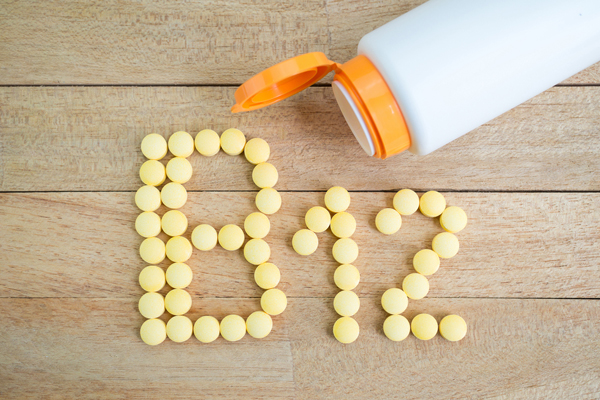
2.4 mcg of Vitamin B12 is required on an average per day.

Vitamin B12 is made by bacteria and fungi. Sterilization and cleaning of various vegan sources of food destroys their natural B12 content. Vegans all over the world are advised to take supplements for their vitamin B12 requirement. Some brands of fortified cereals, nutritional yeast, soy and rice milks also contain Vitamin B12.

Calcium
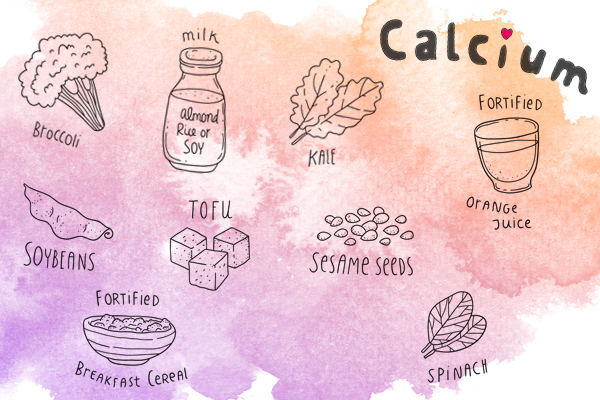
Men and women aged 19-50 should take 1000 mg of calcium every day.

Calcium is found in abundance in greens, kale, broccoli, almonds, beans and sesame seeds. There are many calcium-fortified foods available like fortified soy, cereals, tofu and juices. As a vegan, one should take supplements or such fortified foods to ensure the proper intake of calcium rich vegan foods.

Vitamin D
800IU is the recommended daily intake of vitamin D.

Vitamin D is necessary for the absorption of calcium in the body. Sunshine is the best source of vitamin D. It is also found in fortified orange juices, tofu and mushrooms. Vegans find it very difficult to fulfil their Vitamin D requirement in winters when the sun is low.


Iron
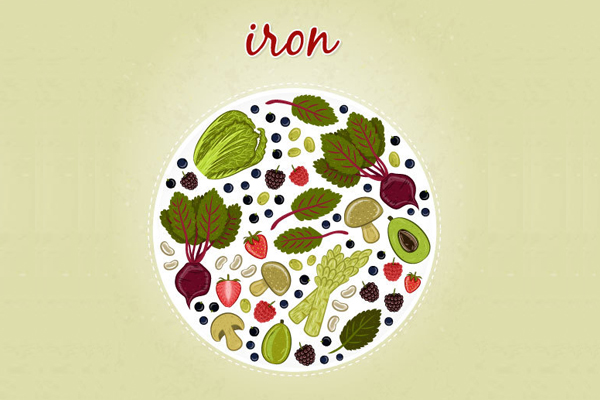
Sunflower seeds, spinach, dried fruits, nuts, lentils, molasses, grains and millet contain iron.

As vitamin C helps to increase the iron absorption in the body, either eat foods with a combination of iron and vitamin C or eat dark-leafy vegetables which have sufficient doses of both iron and calcium.


Carry backup food
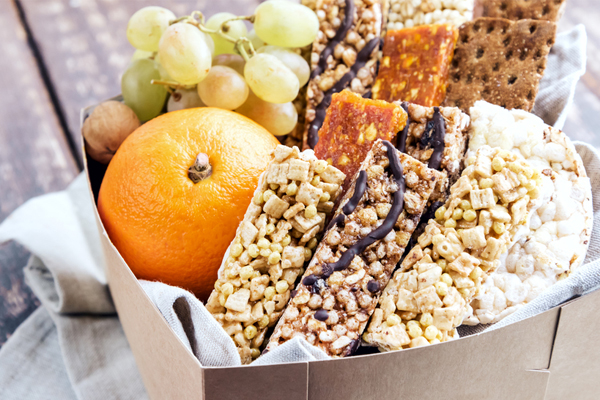
Getting vegan options everywhere might be a problem, though more and more restaurants have started offering vegan options these days. It’s a good idea to carry your meal while travelling so that one need not skip meals. Vegan bars are a good option to carry while travelling.

Cooking your vegan meal

Invest in a few good vegan cookbooks and you would be surprised at a number of options vegans have. Vegan food need not be boring and restrictive. Food cookbooks explore and experiment with a wide range of vegan options making food delicious for you.

Proper doses and proper food combinations can ensure that a vegan diet can be as healthy and nourishing, just like any other dietary option!

https://www.veganfirst.com/article/are-you-meeting-your-nutrition-values-on-a-vegan-diet-

Thursday, March 5, 2026

We Asked a Dietitian If Nutritional Yeast Is a Good Source of Vitamin B12

From verywellhealth.com

Nutritional yeast is a flaky, cheese-like condiment popular with people following plant-based diets since it contains vitamin B12, which is naturally found only in animal products.

We asked Jamie Mok, MS, RD, RYT, a Los Angeles-based registered dietitian and spokesperson for the Academy of Nutrition and Dietetics, how nutritional yeast supports health and if all vegetarians and vegans should include it in their diets.

*This interview has been edited and condensed for clarity.

Q: What is nutritional yeast used for?

Mok: Nutritional yeast, or nooch, is a popular food additive that's known for its cheesy or umami-rich flavour. It is usually yellow and comes in flakes, granules, or even a fine powder. Unlike brewer's yeast, which is activated, nutritional yeast is a deactivated or inactive strain of the fungus Saccharomyces cerevisiae.

It's a staple in many plant-based recipes and is often used as a seasoning on foods like popcorn, pasta, and salads. You can also use it to make sauces, such as for a vegan macaroni and cheese.

Only fortified nutritional yeast contains B12, because it's added during the fortification process. You can buy non-fortified nutritional yeast as well, but that would contain fewer B vitamins than you would get in the fortified versions.

If you don't see it on the nutrition facts label, look at the ingredients to see if additional B vitamins were added to the nutritional yeast.

Nutritional yeast also contains all nine essential amino acids, so it's a "complete protein." Common brands have about 5-6 grams of protein per 2 tablespoons of nutritional yeast. Nutritional yeast also contains fibre and some trace minerals, mostly small amounts of iron and potassium.

You will get the protein and fibre, whether or not it is fortified, because, unlike B12, these are not added during the fortification process.

                                                     Fortified nutritional yeast could be a good source of vitamin B12.  faithiecannoise / Getty Images


Q: Do all vegans or vegetarians need nutritional yeast in their diet?

Mok: B12 is often lacking in vegetarian and vegan diets because it's only found in animal products.

While fortified nutritional yeast provides B12 and is a good addition to a vegetarian diet, fortification levels vary widely across brands. Because of this inconsistency, it's not something I'd necessarily recommend relying on as a primary supplement to fill nutritional gaps for vegetarians or vegans. 

If you're looking to prevent or fix a nutrient deficiency, it's best to do so under the guidance of a healthcare professional, including a registered dietitian. They can perform a formal nutrition assessment and determine safe and effective dosages tailored to your needs.

Q: How much nutritional yeast should people eat per day?

Mok: Two tablespoons is generally considered safe for most people. Review the nutritional yeast's nutrition facts label and ingredients list for fortification amounts and consider other supplements you are taking.

Niacin (vitamin B3) can cause flushing, redness, or itchy skin in very high amounts. Bear that in mind if you are taking an additional niacin supplement and eating a ton of nutritional yeast. 

If you're consuming a lot of nutritional yeast, especially with other supplements to support a vegetarian or vegan diet, just make sure you're not overdoing it. Consider speaking with a trusted healthcare provider about your health history and your current regimen of supplements, medications, and fortified foods.

https://www.verywellhealth.com/nutritional-yeast-b12-11900495 

Saturday, February 28, 2026

Yummy snack boosts muscle power in older adults — you only need 3 tablespoons a day

From nypost.com

Go nuts over this news.

Diet plays a large role in longevity and healthy aging, not to mention adding necessary fuel for larger muscle growth.

While meat is often the first line of attack at staving off age-related muscle loss, new research shows a pantry staple could boost muscle power.

Older adults who ate three tablespoons of peanut butter every day saw improved lower body muscle power.  Chanakon – stock.adobe.com

Muscle loss in older adults, a condition known as sarcopenia, is a common issue, with 10% to 16% of the world’s elderly population being affected.

But a clinical trial published in the Journal of Cachexia, Sarcopenia and Muscle found that a daily serving of peanut butter improved muscle strength in older adults.

The researchers split a group of 120 adults between the ages of 66 and 89 who were at risk for falls, having half consume three tablespoons of the nut butter.

After six months of eating peanut butter, the groups completed sit-to-stand tests, which can determine lower-body muscle power.

The group that ate the nutty spread was able to complete the tests faster than the group that didn’t.

It’s necessary to maintain muscles as we age to prevent physical performance from being impaired for everyday motions.

“Muscle power enables older people to perform activities of daily living, such as stair climbing and rising from a chair,” study lead and nutrition researcher Sze-Yen Tan said.   Africa Studio – stock.adobe.com

“Muscle power enables older people to perform activities of daily living, such as stair climbing and rising from a chair,” study lead and nutrition researcher Sze-Yen Tan said in a press release.

“Increased muscle power also reduces the risk of falls, which is a common reason for loss of independence, compromised quality of life and even premature death,” he added.

And while peanut butter contains roughly 14% of the recommended daily value of protein, it’s also high in calories.

However, the group eating the affordable snack didn’t experience weight gain.

Protein is certainly having a moment, but beyond trendy diets, it’s a vital nutrient for the growth, repair and maintenance of bones and muscles.

Not only do peanuts contain the most protein of any nuts, but they’ve also previously been shown to boost blood flow in the brain, sharpening memory and improving heart health.

But older adults shouldn’t just rely on eating peanut butter every day to keep muscle strength.

Instead, the nutritious snack should be paired with regular strength and resistance training to both enhance muscles and improve nutrition at the same time.

https://nypost.com/2026/02/26/health/3-spoons-of-this-snack-boosts-muscle-power-in-older-adults/ 

Friday, February 6, 2026

Channel Your Inner Panda: Bamboo May Just Be the Next Big Superfood Trend

From vegnews.com

New research suggests bamboo shoots may offer benefits for blood sugar control, digestion, and inflammation, but limited human trials and proper preparation mean the science is still emerging

When you think of bamboo, chances are you’re thinking of pandas first, right? Maybe flooring or a sweatshirt made from eco materials, but probably not dinner plates. However, a new academic review has turned that image on its head by suggesting that bamboo shoots might be more than just restaurant garnish or panda fodder—they could be a genuinely health-supporting food.

systematic review led by researchers at Anglia Ruskin University in the UK explored all published evidence on bamboo consumption, including human clinical trials and laboratory research. Researchers found promising links between eating bamboo shoots and outcomes such as improved blood sugar control, digestive health, and reduced inflammation and oxidative stress.

Published in the journal Advances in Bamboo Science, the review is the first comprehensive academic assessment of bamboo as food. It pulls together data from both human trials and in-vitro studies on human cells to evaluate the fast-growing plant’s nutritional potential.

                                                                                    Aflo Images | Canva

What the science says about bamboo nutrition

Unlike most common vegetables, bamboo shoots offer a rare mix of plant-based protein, modest levels of dietary fibre, and very low fat content. They also deliver an array of micronutrients, including thiamine, niacin, vitamins A, B6, and E, as well as potassium and selenium. Early results from human research suggest that eating bamboo shoots may help regulate blood sugar—a key factor for metabolic health—and may improve lipid profiles linked to heart disease risk.

Those dietary fibre components—cellulose, hemicellulose, and lignin—appear to support bowel function when incorporated into meals, and several studies have also pointed to increased antioxidant and anti-inflammatory activity following bamboo consumption. Laboratory investigations further reinforce those findings, showing that bamboo extracts can demonstrate strong antioxidant properties and may promote beneficial gut bacteria.

Why researchers are still cautious

For all the enthusiasm around bamboo’s potential, the scientists behind the review are careful not to overstate the evidence. “Our review shows bamboo’s clear promise as a possible ‘superfood’, but there are also gaps in our knowledge,” said Lee Smith, professor of public health at Anglia Ruskin University. “We could only find four studies involving human participants that met our criteria, so additional high-quality human trials are necessary before we can make firm recommendations.”

That limitation is significant. Out of 16 total studies included in the review, only a small number involved people, and most of the observed health benefits were modest or preliminary. The findings were consistent enough to warrant further investigation, but not yet strong enough to support definitive health claims.

Getty

How bamboo is eaten and why preparation matters

Bamboo shoots have been eaten for centuries in traditional cuisines across China, India, and Southeast Asia, prized for their crunchy texture and mild, slightly sweet flavour. But preparation is essential. Raw bamboo shoots can contain naturally occurring cyanogenic glycosides that can release toxic cyanide if consumed without proper processing.

Traditional preparation methods, which typically involve peeling and boiling the shoots thoroughly, neutralize those compounds and make bamboo safe to eat. This step is non-negotiable, researchers emphasize, and remains one of the key considerations if bamboo consumption were to expand more widely.

Beyond nutrition, bamboo’s growth habits are also attracting attention. Some species can grow nearly a meter in a single day, and once established, bamboo generally requires less water and fewer chemical inputs than many conventional crops. That combination of speed, resilience, and edible yield has positioned bamboo as a potential low-impact food source worth watching. 

With more human research ahead, bamboo may not be a bona fide Erewhon smoothie-worthy superfood just yet, but it does suggest that pandas—between all the naps and bamboo snack breaks—may be onto something the rest of us are only just beginning to catch up to.

https://vegnews.com/bamboo-superfood-research 

Sunday, January 25, 2026

Planning to go vegan? Dietician lists 5 common mistakes beginners make

From indiatvnews.com

Switching to a vegan diet can be beneficial, but doing it without proper planning can backfire. Dietician Aarti Nath explains five common mistakes people make when cutting out animal products, from missing key nutrients to under-eating, and how to avoid them for long-term health


New Delhi:

Switching to a vegan diet can be a significant step forward towards your health and the environment. Many people make this shift hoping to feel better, eat cleaner and live more consciously.

However, Aarti Nath, Senior Dietician, Paras Health Udaipur, notes that the transition is not as straightforward as it appears, particularly when attempting to eliminate all intake of animal products from your diet. Most people who try to go vegan struggle early on because they overlook a few essential basics.


5 common mistakes first-time vegans make


1. Falling short on protein

It is a myth that plant-based diets lack protein, but the mistake is failing to proactively replace animal products with the right protein-based alternatives. Relying on pasta or side salads won’t fulfil you. To keep energy levels up and stay full, every meal should include solid sources of protein like lentils, beans, tofu, tempeh, oats, along with incorporating greens like broccoli and spinach.

2. Forgetting B12 and key nutrients

Vitamin B12 is essential for the nervous system, and it simply isn’t found in plants. Many beginners ignore this until they start feeling sluggish. It’s vital to use a B12 supplement or eat fortified foods daily. It is also important to keep an eye on iron, calcium, and omega-3s to keep the body running properly.

3. Eating too much “vegan junk food”

With so many new vegan burgers and snacks in stores, it’s easy to live off processed food. While these are convenient, they are often loaded with salt and sugar. Living on mock meats can lead to weight gain and digestive issues. The best approach is to stick to whole foods like grains and vegetables as the main staple.

4. Simply not eating enough

Plant-based foods contain fewer calories than meat and dairy products. For new vegans, they often eat the same portion sizes as they were eating before, which leads to low energy and a deficiency in calories. If one feels dizzy, then they must increase their portion sizes and incorporate healthy fats such as avocados, nuts, and seeds to stay energetic throughout the day.

5. Expecting results overnight

Many people expect to feel “perfect” in the first 48 hours and get frustrated when results aren’t achieved. The body takes time to adapt to changes in the dietary system, like increased fibre, and takes a few weeks to compensate for the increased nutrient consumption. The key is to be patient, as the health needs of the body are accomplished through long-term eating, not in a few hours.

A vegan diet works best when it is planned, not rushed. Small corrections early on can make the change last.

https://www.indiatvnews.com/lifestyle/news/vegan-diet-mistakes-plant-based-diet-mistakes-vegan-diet-protein-2026-01-22-1027041

Thursday, January 22, 2026

How Veganuary changes your body and hormones over time, according to a nutritionist

From hellomagazine.com

Could going vegan for a month improve your health? A nutritionist shares the impact that completing Veganuary can have on your health and hormones


According to Veganuary organisers, an estimated 25.8 million people globally tried going vegan throughout January in 2025. And if you're one of the millions of participants in 2026, you may already be noticing some changes within your body after just a couple of weeks of eating a plant-based diet.

According to Francesca Lyon, Lead Nutritionist at FUTURE WOMAN, it takes only a couple of weeks to feel the benefits of going vegan, as long as you're prioritising eating healthy, whole foods over processed meat substitute products.


What are the benefits of Veganuary? 

"There are loads of benefits to eating a vegan diet, especially if you are planning and supplementing appropriately," says Francesca. These can include the following:

Increase in vegetable intake and fibre

An estimated 25.8 million people took part in Veganuary in 2025© Getty Images
An estimated 25.8 million people took part in Veganuary in 2025

"Some of the initial benefits of being on a healthy vegan diet are the increase in vegetable intake, which are nutrient dense and full of fibre, which keeps our gut bacteria happy. Leafy greens, cruciferous vegetables and sprouts are particularly beneficial for optimal hormonal health and can help oestrogen detox," the nutritionist explains.

Reduction in inflammation

"An increase in vegetables and the exclusion of dairy products can result in an initial reduction in inflammation for many. Dairy can be inflammatory for some women, so cutting out dairy may improve some of your hormonal symptoms. A1 casein (found in cow’s dairy) can contribute to acne, IBS and histamine intolerance, which can link to brain fog, headaches, pain and more.

Less processed food

"One of the benefits of a vegan diet is that there are fewer processed food options to choose from (although this is changing quite rapidly)," says Francesca. "Processed foods are typically highly inflammatory and contain added sugars, processed seed oils and other chemicals like artificial flavouring, so cutting them out and cooking more from scratch could reduce overall inflammation.⁠"

Health benefits of Veganuary week by week:

Week One

Don't be downhearted if you don't feel any different after a few days of eating a vegan diet. The nutritionist shares that it may take a little longer to notice the benefits. 

"After one week, you may not feel a big difference. However, some people initially feel great and feel a difference in a week," Francesca shares. "This is because they are now focusing (or typically should be focusing on) more whole foods and vegetables. This can help to improve their brain fog, sleep and overall energy even within a week."

Week Two

It's important to ensure you eat sufficient protein on a vegan diet© Getty Images
It's important to ensure you eat sufficient protein on a vegan diet

So will you notice a difference after two weeks? "In my experience, yes, people will start to feel a difference in two weeks; the question is whether it is a good difference. This depends on a number of things, including how processed their vegan diet is and how much protein they are getting at this point, as this can greatly impact their sleep, mood and energy," the expert says.

"Protein is crucial for growth and repair and also helps with blood sugar balance, which is linked to many hormone conditions, general energy, mood, sleep and weight. Animal sources of protein are complete proteins, which means they contain all 9 of the essential amino acids we can get from food. Many plant proteins are incomplete, so you need to combine protein sources in order to get the right amount of protein (e.g. beans and rice)."

So, ensuring you are eating sufficient protein on a vegan diet can require some extra planning. "Plant-based proteins also contain anti-nutrients, and this has been suggested to reduce protein absorption in the small intestine by up to 50 per cent. It’s definitely possible to get enough protein on a vegan diet, but it requires careful planning," Francesca says.

"Also, many plant-based proteins, including beans and lentils, contain quite high levels of carbohydrate, which may not be suitable for those who have lowered insulin sensitivity. Even if you're choosing complex carbs, be aware that too many can cause blood sugar imbalances, which can lead to poor sleep, lower energy, weight gain and hormone imbalances."

Week Three

"By three weeks, if you are eating a well-planned and balanced vegan diet, you are likely to be feeling good. But again, if you are not getting enough protein or important nutrients like omega-3, then you may not be feeling your best in terms of energy," the nutritionist says.

"For example, omega-3 is key for optimal brain health and can reduce PMS and cramps. It is also vital for skin health, mood and energy too. There are sources of omega-3 in a plant-based diet (flaxseeds, chia seeds and walnuts), but our body needs to convert them from ALA into essential EPA and DHA. This can be a very insufficient process for many people. It also requires essential nutrients to help this process, like zinc and B vitamins, so it is important that the person is eating a healthy vegan diet to help this. When we see clients on a vegan diet with hormonal problems, we often recommend supplementing to support omegas."

Week Four


The way you feel after following a vegan diet throughout January depends on the types of foods you have been eating. "Typically, if people are eating a healthy vegan diet, after a month they are likely to feel the positive impact of more vegetables, fibre, nutrients, and the positive impact of less processed foods. Therefore, they are likely to feel more clear-headed, energetic, and even look healthier," Francesca shares.

However, even these benefits may fade if you don't focus on ensuring you get the right nutrition on a vegan diet in the long term, as the nutritionist explains: "But this is not always the case as people extend past the month. This is because the vegan diet must be very well planned to ensure that the person is getting enough protein and good fats (EPA and DHA), as well as other key nutrients that are less available on a vegan diet."

Are there any nutritional concerns you should be aware of when going vegan?

A vegan diet isn't suitable for everyone, and while there are a number of pros to eating a more plant-based diet, careful planning is needed to ensure you are meeting your nutritional requirements. 

"Many studies link vegetarian and vegan diets to deficiencies in key nutrients, including vitamin D, vitamin A, iron, zinc, and B12 – all nutrients that if lacking can lead to hormonal issues, mood changes, poor sleep, low energy and more. You could also be missing out on nutrients such as choline (important for conception and pregnancy), taurine (useful for blood sugar balance and sleep) and selenium (key for thyroid health)," the nutritionist says.

"Be aware that nutrient deficiencies can take time to develop, so people may initially feel great before crashing a few months or years down the line. So it is important to remember to check in regularly with how you’re feeling and test for any deficiencies.

https://www.hellomagazine.com/healthandbeauty/health-and-fitness/877844/effects-benefits-health-vegan/

Saturday, December 27, 2025

Planning to go vegan this new year? 5 things you should know before you do so

From timesofindia.indiatimes.com

With the New Year on the horizon, lots of people start thinking about making changes — and for plenty of folks who care about their health or the planet, that means going vegan. Cutting out animal products is shaping up to be one of the most popular resolutions for 2026. Maybe you’re in it for your health, maybe for animals, or maybe you just want to shrink your environmental footprint. Whatever your reason, going vegan can be a big, satisfying shift. But let’s be real, it’s not a small tweak. You’ll rethink not just what you eat, but how you live, shop, and even socialize.


Before you dive in, you’ll want to get your head — and your body — ready. Being vegan can be great for your health, but only if you plan things out. Go in blind, and you risk missing out on key nutrients that keep you feeling good.

But don’t worry — we’ve got your back. Here, in this guide, we’ll jot down five key things you should keep in mind before committing to veganism this New Year.

Let’s get going!

Know Your Why — It’s About More Than What’s on Your Plate


Veganism isn’t just another diet. For most people, it’s a whole lifestyle, shaped by personal ethics, the environment, or health goals. Maybe you care about animal rights, maybe you want to cut your carbon footprint, or you just want to feel better and manage your weight. Knowing why you’re doing this keeps you grounded when things get tough.

Vegan diets can mean better heart health, lower risk for diabetes, and fewer certain cancers—mainly because you’re eating more fibre and less saturated fat. But don’t fool yourself: just skipping animal products doesn’t guarantee you’ll eat healthy. There’s a lot of junk food out there with a vegan label. Stick to whole, nutrient-dense foods whenever you can.

Nutrition Planning — Don’t Wing It

Here’s something you can’t ignore: you have to plan your nutrients. Some things are just easier to get from animal foods, so as a vegan, you need to be more intentional.

Take vitamin B12. Your body needs it for nerves and blood, but plants don’t make it. You’ll need to get it from fortified plant milks, cereals, or just take a supplement. The same goes for a few other nutrients:

Iron: Plant sources like lentils, beans, and spinach are great, but your body won’t absorb their iron as easily as it does from meat. Eat them with something high in vitamin C (like oranges or peppers) to help out.

Calcium and Vitamin D: Usually found in dairy, but you can get them from fortified foods, tofu, leafy greens, and by getting some sun.

Omega-3s: Crucial for your brain and heart. Look for chia seeds, flaxseeds, or algae-based supplements.

Skip planning, and you could end up tired, sick, or worse. Talk to a nutritionist before you start, just to make sure you’ve covered your bases.


Eat All the Plants — Mix It Up

A lot of people think vegan food is boring or limited. That’s just not true. There’s a massive world of plant-based foods out there. Think tofu, tempeh, seitan, beans, lentils, nuts, seeds, whole grains, and a mountain of vegetables and fruit. These give you all the protein, fibre, vitamins, and good fats you need.


Don’t be afraid to experiment. Try new recipes and mix up your meals so you don’t get bored. The more variety you eat, the more nutrients you’ll get. Some crowd favourites: hummus, quinoa bowls, bean curries, veggie stir-fries, and smoothies packed with plant protein.


Supplements and Fortified Foods — No Shame in That

Let’s be honest, some nutrients are just harder to get from plants. That’s where supplements and fortified foods come in handy. Pretty much every vegan takes B12, and you might need vitamin D if you don’t get much sun. Fortified plant milks, cereals, and nutritional yeast can help you fill any gaps.

Focus on food first — beans, greens, seeds, fortified products — then add supplements if you need them. It’s smart to get a blood test before and after you switch, so you and your doctor know if you need to tweak anything.


Support and Realism — You Need Both

Going vegan feels great, but let’s be real, it isn’t always easy. Sure, more restaurants offer vegan dishes now, but you still have to think ahead, especially if you’re eating out or heading to a party. You’ll get pretty good at scanning ingredient lists and speaking up about what you need.


Find people who get it. There are tons of online groups and local meetups where you can trade recipes, swap tips, or just vent a little. Don’t pressure yourself to be perfect right away. Everyone messes up or craves old favourites sometimes. The important thing is to keep learning, stay open, and just keep going.


https://timesofindia.indiatimes.com/life-style/health-fitness/diet/planning-to-go-vegan-this-new-year-5-things-you-should-know-before-you-do-so/amp_etphotostory/126182483.cms