Showing posts with label keto diet. Show all posts

Thursday, September 11, 2025

Keto vs Plant-Based: Which Diet Is Better for Your Body?

From rightasrain.uwmedicine.org 

Quick ReadIs keto or a plant-based diet healthier?

  • Social media often tries to sell either keto or plant-based diets as the only way to be healthy, causing confusion if you’re trying to find your best fit.
  • Plant-based diets, including the vegan diet, can be a great way to get fibre and can help with weight management, but may also lack certain essential nutrients and can be difficult to stick with.
  • The ketogenic diet can help treat conditions like epilepsy and diabetes, and can help with weight loss, but is restrictive and could lead to high cholesterol levels.
  • The best diet is the one you can actually stick with, one that includes all the nutrients you need and doesn’t harm your mental or physical health.

If you’ve recently been searching for information on various diets on TikTok then you’re probably used to encountering a growing number of videos about the benefits of plant-based and vegan diets. And then videos about how a keto diet is the best. And then videos passionately bashing each of those diets. Confusing and contradictory? For sure. Which is why we’ve consulted the experts to understand what exactly the benefits (and the drawbacks) of these trendy diets are, and why so many people are talking about them.

Plant-based, keto and social media

Though plant-based diets, especially vegan diets, have been around forever, thanks to social media, their popularity continues to rise. The ketogenic, or keto diet, is a low-carbohydrate, high-fat diet that aims to make your body burn fat for energy (instead of carbs). It hasn’t been trendy for quite as long, but it’s rapidly picked up steam, especially in the last five to 10 years.

So, why are there so many conflicting ideas about which diet is the healthiest? Most of that confusion can be blamed on social media, well-intended friends and family, and maybe even the healthcare industry itself.

“I’ve heard reports from patients saying they get conflicting information from what their doctors are saying versus what they read online versus what their families and friends tell them,” says Shari Brown, RDN, a dietitian at UW Medicine Primary Care. “They may even see multiple providers who end up recommending different things — so I think patients are coming in feeling really confused about the best option.”

Plant-based pluses

So, what are the benefits of a plant-based diet? Well, a plant-based diet is good for your body for plenty of reasons, but there are also ethical and environmental reasons to adopt it, including minimizing harm to animals and reducing your carbon footprint.

Also, to be clear, a plant-based diet can mean a lot of things. It can rely heavily on fruits, vegetables and plant-based protein, but still include eating some animal products — for example, the Mediterranean diet, where you limit red meat but eat whole grains, fruits, veggies, lean proteins (like fish) and healthy fats. The benefits of eating this way? It’s plant-forward, since you’re still making plants the main characters. It’s also anti-inflammatory because of all the antioxidants, and it’s good for your heart because it focuses on healthy fats and proteins that give you nutrients, without all those saturated fats.

Some might colloquially use the term “plant-based” to mean a vegan diet, which is different  — it requires eliminating all animals and animal by-products from your diet. Since you’re not eating meat and dairy, you need to rely more heavily on foods like whole grains, fruits, veggies, beans, nuts and seeds — which all offer lots of nutritional benefits. Plus, vegan diets tend to have a lot of fibre and antioxidants, and they’re rich in potassium, magnesium, folate, and vitamins A, C, and E. You can also get iron from a vegan diet, but the form of iron that plants provide isn’t absorbed as well as the kind found in animal foods.

Overall, a plant-based diet, whether or not it’s fully vegan, can help reduce your risk of heart disease, type 2 diabetes and even cancer. It can also help manage weight, improve digestive health and potentially reduce inflammation in your body.

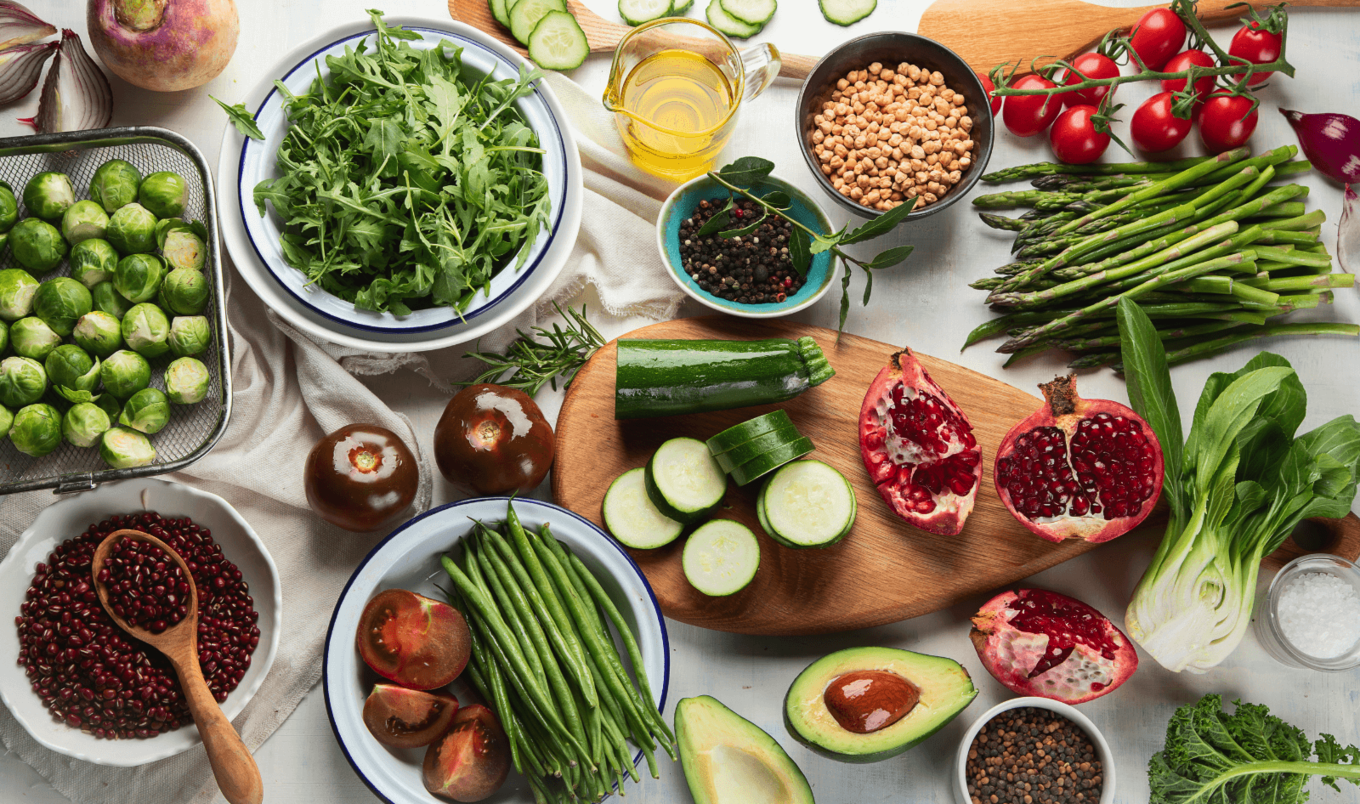
                                                                                             © Nadine Greeff / Stocksy United

The downside of plant-based diets

As with most things ... there are some downsides to avoiding meat and dairy:

Sticking with it

Keeping up with a plant-based diet isn’t too hard if you’re not being super strict about including healthy animal products, but it can be challenging to go fully vegan, especially if you’re only doing it for weight loss, and not for ethical or environmental reasons. It can be hard to avoid certain foods consistently (I mean, can a person really give up cheese forever?), and you can get into a recipe rut unless you’re careful.

Nutrient deficiencies

You can usually get most of your nutrients from a plant-based diet if it includes some animal products, however, if you’re following a vegan diet, it can be difficult, though not impossible, to get all of the nutrients you need.

“B12, in the form of cyanocobalamin or sublingual methylocobalamin, is usually the supplement that I recommend all my vegan patients take,” says Brown. “Some other nutrients of concern that I will pay attention to are iron, zinc, calcium, Vitamin D and omega-3 fatty acids.”

In respect to omega-3’s, Brown says that while vegans can get some of these essential fatty acids from foods like flax, chia and walnuts, it is in the ALA (alpha-linolenic acid) form, where the conversion rate to the forms you actually need (DHA and EPA) is quite low. That usually means that some kind of DHA supplement will be necessary (algae-based sources can be used for vegans).

Pregnancy and lactation

Again, if you’re following a plant-based diet that includes some animal products, you should be getting sufficient nutrients. But if you’re vegan, you may choose to incorporate some animal products into your diet just while you’re pregnant and breastfeeding since it can be hard to get all the protein and nutrients you need otherwise. This is something you can talk to your doctor about and see what might be healthiest for you (and your baby).

Healthy? Not always

Another thing: Just because a food is plant-based doesn’t always mean it’s healthy. The key is to ensure that your food is still nutrient-packed.

“You could, in theory, have a diet consisting of mainly Oreos, Tater Tots, vegan pizza and vegan burgers,” says Brown. “And yes, that would fall under a vegan diet, but it would be heavily processed and would be lacking in fibre and many important nutrients.”

Ketogenic diet or bust?

The ketogenic or keto diet is another diet you’ll hear loads about on social media. Unlike plant-based diets, it doesn’t eliminate meat or dairy, but instead restricts carbohydrates and is high in fat. One big misconception about the keto diet is that it’s high in protein. It’s actually moderate or even low protein, because protein in excess can be converted into glucose and can kick you out of ketosis.

And what is nutritional ketosis? Basically, when you cut way down on carbohydrates, your system has to have some form of energy for the brain. So, in the absence carbohydrates, it will break down fatty acids, and in the process of breaking down fat, you produce ketones, which are an alternate fuel source for the brain.

“Nutritional ketosis is a process in which, in the absence of sufficient carbohydrate intake, the body resorts to breaking down fat, producing ketones as one of the metabolic by-products,” says Brown. “If you have enough of those ketones, then you’re in ketosis.”

Not only does “ketosis” sound like a magical state, but it’s also shown to be a beneficial therapeutic treatment for patients with epilepsy. In addition, because it can help regulate blood sugar and insulin levels, it can also be a helpful tool for people managing their blood sugars with type 2 diabetes or for those hoping to lose weight.

What does a keto diet look like exactly?

  • It typically includes a moderate amount of protein.
  • It usually includes a high amount of fats — usually full-fat dairy, cheese, oils, fatty meats and fish, avocado, nuts and seeds.
  • It includes a good amount of non-starchy vegetables and low glycaemic foods.
  • While macronutrient distribution ratios vary, it is typically around 75% to 90% calories from fat, 12% to 15% calories from protein, and 5% to 10% calories from carbohydrate.

“There’s no set standard when it comes to the keto diet, because ultimately, it depends on what level of carbohydrates you need to be in a state of ketosis,” says Brown. “So, person A might be able to achieve ketosis eating 70 grams of carbs a day, and then person B might need 50 grams or less to achieve ketosis — but the standard is usually around 50 grams or less a day.”

Maybe keto isn't for everyone

After hearing that, maybe you’re now wondering if the influencers are right and a keto diet really is the one for you? Well, before you make any decisions, it’s important to know that it does come with some risks:

High cholesterol

“When it comes to drawbacks, cholesterol seems to be the biggest biomarker that I’ve noticed,” says Brown. “It doesn’t happen always, and there are even some individuals I’ve seen who go on a keto diet and come back with improved lipid panels, probably because they’re eating less processed food.”

Brown says that most of the time, if someone is coming to her because they’re having issues on a keto diet, it’s typically because their cholesterol and triglycerides levels have skyrocketed — which is likely due to the high intake of saturated fat.

“That can especially happen if someone is doing the keto diet in an unhealthy way, meaning they have no vegetables, and they’re just eating mostly bacon, cheese and cream,” says Brown.

The “antisocial diet”

Brown sometimes calls the keto diet the antisocial diet because it may be hard to go out and be social with friends if you are so restricted in what you’re eating (though the same could also be said for people following a strict vegan diet). Nowadays it is a bit easier to find keto (and vegan) options out there, but ultimately, it may not be very sustainable to stick to long term.

The weight comes back

Another disadvantage? As soon as you stop the diet, most of the time, the weight just comes right back (which to be fair, happens with many diets). And not only do you regain the weight, but now you could be in a worse position because you might now have high cholesterol, as well.

Constipation

The keto diet can also cause some people to experience constipation if they’re not getting enough fibre in their diet. Not only is this uncomfortable, but it can also increase the risk of colon cancer.

“We know that colon cancer risk goes down when fibre intake goes up, and since it might be challenging to get enough fibre on keto diet with fewer whole grains and fruits, this is another one of my concerns,” says Brown.

Missing nutrients

You might also be missing out on some important nutrients if you’re following a keto diet, like whole grains and fruits with B vitamins and magnesium.

So, do they work?

Since people approach these diets so differently, it’s hard to know how successful they actually are. What experts can glean is that after a year or so, the changes in weight loss aren’t statistically significant.

“But of course there’s always the anomaly, right? And usually those are the ones that get famous on TikTok or Instagram, where an influencer tries to convince you that it’s the only diet that will work,” says Brown.

If you’re looking for something less restrictive, Brown suggests the plate method, which is adaptable to all kinds of diets. Essentially, half your plate should be veggies, a quarter should be protein, and a quarter should be carbohydrates, starches, and grains.

Whatever you choose to do, always check with your doctor before you start any diet, especially if you have cardiovascular disease, hypertension, diabetes, chronic kidney disease or any other health conditions. And even if you’re healthy, Brown still suggests that prior to making any major changes to your diet it’s generally a good idea to work with your provider to get some baseline labs drawn, and then make sure to recheck everything after a certain period of time to observe any changes.

“I ultimately just end up telling my patients that the best diet out there is the one you’ll actually stick to and follow,” says Brown. “I don’t shoo anyone away though, so if they really want to do keto, or if they want to go plant-based or vegan, I’ll welcome anyone in and can help them adapt it or make modifications as necessary.”

https://rightasrain.uwmedicine.org/body/food/keto-or-plant-based-diet

Sunday, July 20, 2025

5 Reasons to Forget Keto and Go Vegan

From vegnews.com

Fad diets come and go, but a whole food, plant-based diet is one to stick with for the long-term

In diet culture, low-carbohydrate diets are hailed as weight-loss wonders, and we know them by name: Atkins, South Beach, and paleo. The ketogenic diet, shortened to “keto,” is one of those low-carb diets. The difference between the keto diet and others is that while one group advises replacing carbohydrates with protein, the keto diet swaps carbs with fats. But although results appear to happen fast, this diet, which has a history as a medical treatment, comes with some health risks.

What is the keto diet?

When done correctly, the lack of carbs consumed on a keto diet forces the body into a metabolic state called “ketosis.” In this state, the liver produces a substance called “ketones” from stored fats. These ketones then supply the body with energy in place of carbohydrates—the body’s usual source of energy—which leads to rapid weight loss in many people. But, is that a good thing? And is the keto diet actually healthy?

“​It’s effective for weight loss because it removes so many foods from the diet and is an extremely restrictive diet. Any diet that eliminates entire food groups will be weight loss-inducing,” Dana Ellis Hunnes, PhD, MPH, RD, explains to VegNews. “This is not a healthy diet, however.”

VegNews.EggKeto.LouisHansel.UnsplashLouis Hansel | Unsplash

The keto diet that sends your body into a state of ketosis isn’t meant for everyday people. Physicians introduced it to the medical world back in the 1920s to treat children with epilepsy and seizure disorders and as an adjunct therapy to reduce the risk of seizures. “Not for the average person just trying to lose weight,” adds Hunnes. Most fad-followers of a keto diet are not actually in ketosis, unless they are being closely followed by a dietitian who knows how to develop a ketogenic plan. 

What can you eat on a keto diet?

Generally, a keto diet is 70 to 80 percent fats, 5 to 10 percent carbohydrates, and 10 to 20 percent protein. According to Harvard Health, this adds up to 165 grams of fat, 40 grams of carbohydrates, and 75 grams of protein. To put these numbers into perspective, half a cup of cooked long-grain brown rice contains nearly 26 grams of carbohydrates. And, the Dietary Guidelines for Americans recommend that you get around 25 to 35 percent of your daily calorie intake from fats.

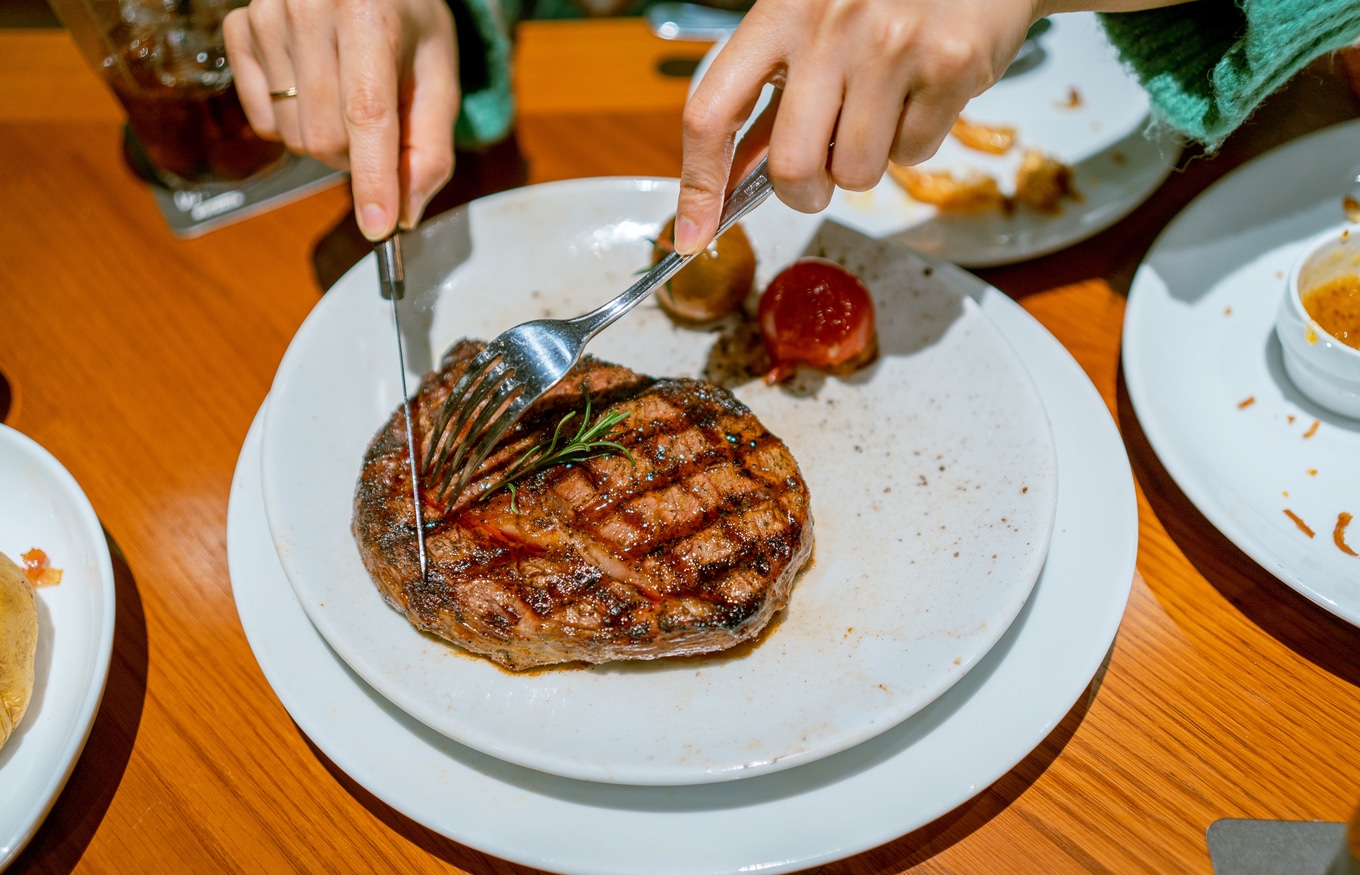
VegNews.SteakKetoPaleo.UnsplashUnsplash

To get into more specifics, the keto diet includes meat, eggs, fatty fish, high-fat dairy products, nuts and seeds, avocados, healthy oils, green beans, and vegetables that are members of the cabbage family. It restricts grains and starches (such as rice, pasta, and bread), all other vegetables, tubers, most fruit, beans and legumes, processed low-fat and sugar-free products, highly refined oils, sugary foods and drinks, and alcohol.

The health risks of a keto diet

When it comes to sustaining a healthy weight, this fast-acting eating plan might be best left in the graveyard of fad diets. 

But, you may want to consider a whole food plant-based diet for the long-term instead. Often shortened to WFPB, a whole food, plant-based diet emphasizes unprocessed grains, vegetables, fruits, legumes, nuts, and seeds. It excludes all animal products and restricts processed oils, refined sugars, white foods (like bread, rice, and pasta), fried food, and many pre-made foods. 

VegNews.VeganVSKeto.Canva2Canva

5 reasons why you should forget keto

Let’s go over the health risks of the keto diet and why you might want to consider whole, plant-based foods instead.

1It raises ‘bad’ cholesterol

The keto diet often encourages foods such as processed meats, fatty meats, and butter. “Keto is a risk to heart health when it is extremely high in animal proteins and animal fats,” says Hunnes, adding that the diet can increase inflammation in the body. Though its exact role in heart health is unknown, inflammation is common in heart disease and stroke patients. “However, this inflammation is often hidden by the fact that it is a low-calorie diet, and a low-enough calorie diet can decrease the risk of increased and high cholesterol levels,” adds Hunnes.

Many keto foods also happen to be high in saturated fat, which is known to increase low-density lipoprotein (LDL) cholesterol levels in the blood. A meta-analysis of more than 100 studies on the keto diet published in the journal Frontiers in Nutrition found that it raises both the risk of heart disease and LDL cholesterol build-up if used as a long-term eating plan.

However, studies have linked diets rich in whole, plant-based foods such as whole grains, legumes, fruits, non-starchy vegetables, nuts, and healthy oils rich in unsaturated fats with lower cholesterol levels, lower blood pressure, and reduced inflammation. 

2It can cause constipation

Fruits, vegetables, whole grains, and legumes are all rich in dietary fibre, a nutrient that helps increase feelings of fullness and aids in digestive health. But, a keto diet is very low in fibre from fruits, vegetables, and grains. It is especially low in beta-glucan, a type of fibre found in grains such as barley and oats. Studies suggest that beta-glucan also helps to maintain healthy cholesterol and blood glucose levels.

In addition to that, beta-glucan and other cereal fibres help you maintain a healthy gut microbiome, Julie Miller Jones, PhD, LN, CNS, and a scientific advisor for the Joint Institute of Food Safety and Nutrition for the University of Maryland and the US Food and Drug Administration, tells VegNews.

VegNews.StomachPainLightFieldStudios | Getty Images

“Thus, followers of the [keto] diet may not only suffer from constipation and slow transit times, but may also lack the protection provided by the fermentation of fibres in the large bowel,” explains Jones. “This fermentation of these carbohydrates feeds a healthy microbiome, which in turn produces short-chain fatty acids that lower colonic pH, and are associated with lower growth of polyps and colon cancer.”

However, a whole food, plant-based diet emphasizes an array of high-fibre foods that aid in a healthy gut microbiome and good digestion, reports a study published in Frontiers in Nutrition in 2019.

3It may lead to nutritional deficiencies

You may be missing out on key vitamins and minerals on a long-term keto diet because it restricts so many types of fruits, vegetables, grains, and legumes. You can have greens from the cabbage family, but most other vegetables—including potatoes—are out. Avocados and lemons are the only exception for permitted fruits. So, over time, a keto-follower may become deficient in some nutrients. 

A study published in the Journal of the International Society of Sports Nutrition found that those who adhere to fad diets—in this case, two of keto’s low-carbohydrate siblings, the Atkins Diet, the South Beach Diet, and the carb-heavy DASH diet—have a high likelihood of becoming micronutrient-deficient.

A whole food plant-based diet, on the other hand, encourages obtaining as many nutrients as possible from food, so it encourages eating a wide range of ingredients. But, that’s not to say that it’s perfect. Anyone following any type of vegan diet should supplement vitamin B-12, an essential nutrient that cannot be obtained from plant-based foods. 

4The weight loss is unsustainable

It’s common for keto diet followers to experience rapid weight loss. But, that’s not a reason for celebration. Like many other fad diets, keto isn’t meant to permanently change the way you eat. It’s temporary, and followers often regain the weight they lost after going back to their regular eating habits.

VegNews.Scale.SHVETSProduction.PexelsSHVETS Production/Pexels

“Along with its health risks, the inability to stick to the diet is one of the major reasons why keto has been ranked at the bottom of US News and World Report diet rankings,” says Jones. “It’s also why prestigious organizations such as the Mayo Clinic recommend it for intractable epilepsy but almost nothing else. So while keto promotes rapid weight loss, it does not create dietary patterns that are sustainable and therefore does not lead to sustained weight loss for the vast majority of people.”

But, on top of its other benefits, a study published in the American Journal of Lifestyle Medicine suggests that a whole food, plant-based diet could aid in safe, sustainable weight loss.

5And more …

The keto diet comes with a host of other health risks and the one that most people experience first is something called the “keto flu.” Symptoms include a cloudy mind, dizziness, nausea, cramps, headache, irritability, and constipation. This condition, which is not medically recognized, is known to emerge two to seven days after starting a keto diet. The cause is not known, nor is it unique to the keto diet, and many people who have drastically switched up their diet have reported similar symptoms. Additional negative side effects of a long-term keto diet suggested by studies include a higher risk of kidney stones, osteoporosis, and higher heart rates for athletes. 

While there is no evidence that directly ties the keto diet to eating disorders, many dietitians warn that restrictive fad diets, in general, can feed yo-yo dieting and disordered eating. 

In addition to that, because the keto diet is so heavy on animal products, it’s not good for the planet, either. Industrial animal agriculture is the culprit behind 14.5 percent of human-caused global greenhouse gas emissions, while a plant-forward diet puts significantly less strain on the planet. So if you’re looking to eat more healthfully and sustainably, a whole food, plant-based diet could be worth a shot. As always, any major changes to your diet should be discussed with your doctor first. 

Saturday, November 2, 2024

Which diet does the most to cut your carbon footprint?

From euronews.com/green

Keto, paleo, vegan: Our diets have a wide variety of climate impacts, with one almost four times more polluting than veganism

Last year, a first-of-its-kind study compared the carbon footprints of six of the most common diets.

It's well-known that around a third of greenhouse gas emissions come from the food system, and that beef production is one of the biggest culprits - emitting around 10 times more gases than chicken. 

But while the environmental burden of different foodstuffs is much discussed, less research has gone into how different diets - composed of a wide variety of foods - compare.

“Climate change is arguably one of the most pressing problems of our time, and a lot of people are interested in moving to a plant-based diet," said Professor Diego Rose, senior author of the Tulane University study which also weighs up different diets’ nutritional quality.

"That would reduce your footprint and be generally healthy,” the nutrition program director at Tulane University School of Public Health and Tropical Medicine concluded. But the research also shows “there's a way to improve your health and footprint without giving up meat entirely."

Since many people will switch dietary lanes throughout their lives - or need to swerve away from veganism for health reasons - it may be reassuring to understand how our diets are a spectrum when it comes to impacting the climate.

Which diet has the biggest climate impact?

It may be unsurprising which kind of food consumption is best. A vegan diet, which means eating no food derived from animals, generates only 0.7 kg of carbon dioxide per 1,000 calories consumed.

The keto diet - a regime of high fat and low carb eating - was found to be the least sustainable, generating almost 3kg of carbon for every 1,000 calories consumed.

That’s more than four times worse than a vegan diet.

The paleo diet, which eschews grains and beans in favour of meats, nuts and vegetables, received the next lowest diet quality score and also had a high carbon footprint, at 2.6 kg of carbon dioxide per 1,000 calories.

"We suspected the negative climate impacts because they're meat-centric, but no one had really compared all these diets - as they are chosen by individuals, instead of prescribed by experts - to each other using a common framework," said Rose.

Drawing on data from more than 16,000 adult diets collected by the CDC's National Health and Nutrition Examination Survey, the study ranked vegetarian and pescatarian diets as the next best after veganism.

That leaves the omnivore diet, eating both animal and plant-based foods, which is adhered to by 86 per cent of survey participants. It sits squarely in the middle of the pack for both quality and sustainability, SciDaily reports.

If a third of those on omnivore diets began eating a vegetarian diet … it would be equivalent to eliminating 340 million passenger vehicle miles.

And, based on the findings, if a third of those on omnivore diets began eating a vegetarian diet, on average for any given day, it would be equivalent to eliminating 340 million passenger vehicle miles.

Within omnivorous diets, the study also notes that when people refine their eating to the Mediterranean diet - which leans towards vegetables - and meat-limiting DASH diet - both carbon footprints and nutritional quality scores improve.

So even without giving up meat, there are still significant ways you can alleviate your impact on the environment.

"I think the next question is how would different policies affect outcomes and how could those move us toward healthier, more environmentally friendly diets?" said Rose.

https://www.euronews.com/green/2024/11/01/keto-paleo-vegan-which-diet-does-the-most-to-cut-your-carbon-footprint 

Thursday, February 8, 2024

Switching to Keto or Vegan Diets Can Quickly Impact the Immune System

From everydayhealth.com

Scientists found changes in lab tests after just 2 weeks on either of these diets 

People who aren’t sure if they're ready to make radical changes to their eating habits to adopt vegan or keto diet now have one more reason to consider giving it a shot: A new study suggests that switching to one of these diets may cause rapid changes in the immune system.

Vegan diets exclude all animal products and are typically low in fat, while keto diets feature high-fat animal proteins and limit carbs. For the study, scientists examined lab tests on blood, urine, and stool samples to see how a vegan diet or a keto diet might impact the immune system. 

Researchers asked 20 people to follow one of these diets for two weeks, then switch to the other one for two weeks. Lab tests showed that the vegan diet changed what’s known as innate immunity, or how the body works around the clock to battle pathogens that might make people sick, according to results published in Nature Medicine. The keto diet changed so-called adaptive immunity, or how the body defends against specific pathogens, defences which are typically built up by getting sick or getting vaccinated.

“It was quite remarkable that such a short dietary intervention, only two weeks, could remodel the immune system of all participants independently of their age, gender, body mass index, ethnicity, or race,” says lead study author Verena Link, PhD, a bioinformatics specialist at the National Institutes of Health.

Dietary Changes Led to ‘Rapid Impact’ on Immunity

“The fact that nutrition could have such a dominant and rapid impact on immunity was a real surprise to us,” Dr. Link adds.

The study didn’t look at what people ate prior to joining the experiment, and it also wasn’t designed to test whether or how switching to a vegan or keto diet might directly improve people’s ability to fight infections or avoid illness. Researchers also didn’t report whether lab results suggesting shifts in immune function might be positive or negative changes.

While it’s possible people experienced some beneficial shifts, the opposite might also be happening, says Samantha Heller, RD, a registered dietitian and exercise physiologist in New York City, who wasn’t involved in the new study.

“A boosted immune system may not be a positive effect, because for example, autoimmune diseases appear to be the result of an immune system in overdrive, a malfunction,” Heller says, adding that the keto diet in particular may leave people deficient in certain nutrients. “A balanced body, dietary pattern, lifestyle, and immune system is what we should strive for.”

It’s important to consider whether a given diet is sustainable for you when thinking about long-term health goals.                      Canva (2); Everyday Health

Too Soon to Recommend a Diet for Immune Health

Without knowing more about the long-term effects of either diet on immune health in larger populations of people, it’s too soon to recommend that people choose one of these diets for this specific reason, says Michal Melamed, MD, a professor of medicine at New York University, who wasn’t involved in the new study.

“It may be a little early to give recommendations about diet as related to immune function based on this analysis,” Dr. Melamed says.

These diets may also be hard for people to stick with over the long haul, and following a vegan or keto diet just some of the time might not produce the effects seen in the study, says Matthew Carter, a microbiology and immunology PhD candidate at Stanford University in California, who wasn’t involved in the new study.

“I think sustainability of dietary changes also matters a great deal,” Carter says. “If a diet is so restrictive that you can't stick with it for a period of time, then it's probably not a good fit for you.”

https://www.everydayhealth.com/diet-nutrition/switching-to-keto-or-vegan-diets-can-quickly-impact-immune-system/

Saturday, March 18, 2023

Keto and paleo diets less sustainable than vegan meals, research suggests

From diabetes.co.uk

Following a keto or paleo diet is associated with “negative climate impacts”, latest evidence indicates.

Research conducted by academics from Tulane University in America has found that keto and paleo diets produce the most carbon emissions and are the least nutritious.

For every 1,000 calories consumed on the keto diet, nearly 3kg of carbon dioxide is produced, the results have revealed.

A keto diet is a very low, low carb diet of less than 30g of carbohydrates a day.


Meanwhile, a paleo diet generates 2.6 kg of carbon dioxide for every 1,000 calories consumed, the research has reported.

A paleo diet is a modern diet that consists of foods considered to be similar to those consumed by humans during the Paleolithic period.

According to the findings, a vegan diet is the most sustainable meal plan, generating 0.7 kg of carbon dioxide per 1,000 calories consumed.

Following a vegetarian meal plan was also found to be sustainable and a pescatarian diet scored the highest on nutritional quality, the scientists have said.

More than 16,000 people’s diets were examined during the study. Each participant was scored on how nutritious and carbon effective their diet is.

Chief author Professor Diego Rose said: “While researchers have examined the nutritional impact of keto and paleo diets, this is the first study to measure the carbon footprints of each diet, as consumed by U.S. adults, and compare them to other common diets.

“We suspected the negative climate impacts because they’re meat-centric, but no one had really compared all these diets – as they are chosen by individuals, instead of prescribed by experts – to each other using a common framework.”

Approximately 86% of the participants followed an omnivore diet, which finished in the middle of the rankings for its nutritious quality and sustainability.

Experts have said if 30% of meat eaters started following a vegetarian diet, the effect would be similar to removing 340 million passenger vehicle miles.

Professor Rose added: “Climate change is arguably one of the most pressing problems of our time, and a lot of people are interested in moving to a plant- based diet.

“Based on our results, that would reduce your footprint and be generally healthy. Our research also shows there’s a way to improve your health and footprint without giving up meat entirely.”

A previous study has reported that more than 30% of greenhouse gas emissions are generated from the food system. This research shows that beef production generates 20 times more emissions than the production of nuts and up to 10 times more emissions than chicken production.

Professor Rose added: “I think the next question is how would different policies affect outcomes and how could those move us toward healthier, more environmentally friendly diets.”

The study was published in The American Journal of Clinical Nutrition.

https://www.diabetes.co.uk/news/2023/mar/keto-and-paleo-diets-less-sustainable-than-vegan-meals-research-suggests.html 

Wednesday, March 1, 2023

Keto vs. vegan: Study of popular diets finds over fourfold difference in carbon footprints

From medicalxpress.com

For those on keto or paleo diets, this may be tough to swallow.

A new study from Tulane University that compared popular diets on both nutritional quality and  found that the keto and paleo diets, as eaten by American adults, scored among the lowest on overall nutrition quality and were among the highest on carbon emissions. 

The keto diet, which prioritises high amounts of fat and low amounts of carbs, was estimated to generate almost 3 kg of carbon dioxide for every 1,000 calories consumed. The , which eschews grains and beans in favour of meats, nuts and vegetables, received the next lowest diet quality score and also had a high carbon footprint, at 2.6 kg of carbon dioxide per 1,000 calories.

The study, published in The American Journal of Clinical Nutrition, compiled diet quality scores using data from more than 16,000 adult diets collected by the CDC's National Health and Nutrition Examination Survey. Individual diets were assigned point values based on the federal Healthy Eating Index and average scores were calculated for those eating each type of diet.

The study's senior author Diego Rose, professor and nutrition program director at Tulane University School of Public Health and Tropical Medicine, said that while researchers have examined the nutritional impact of keto and paleo diets, this is the first study to measure the carbon footprints of each diet, as consumed by U.S. adults, and compare them to other common diets.

"We suspected the negative climate impacts because they're meat-centric, but no one had really compared all these diets—as they are chosen by individuals, instead of prescribed by experts—to each other using a common framework," Rose said.

On the other end of the spectrum, a vegan diet was found to be the least impactful on climate, generating 0.7 kg of carbon dioxide per 1,000 calories consumed, less than a quarter of the impact of the . The  was followed by vegetarian and pescatarian diets in increasing impact.

                                             Credit: Pixabay/CC0 Public Domain


The pescatarian diet scored highest on nutritional quality of the diets analysed, with vegetarian and vegan diets following behind.

The omnivore diet—the most common diet, represented by 86% of survey participants—sat squarely in the middle of the pack of both quality and sustainability. Based on the findings, if a third of those on omnivore diets began eating a , on average for any given day, it would be equivalent to eliminating 340 million passenger vehicle miles.

Notably, however, when those on omnivorous diets opted for the plant-forward Mediterranean or fatty meat-limiting DASH diet versions, both carbon footprints and nutritional quality scores improved.

"Climate change is arguably one of the most pressing problems of our time, and a lot of people are interested in moving to a plant- based diet," Rose said. "Based on our results, that would reduce your footprint and be generally healthy. Our research also shows there's a way to improve your health and footprint without giving up meat entirely."

A 2021 United Nations-backed study found that 34% of greenhouse gas emissions come from the food system. The major share of those emissions come from food production, with beef being responsible for 8-10 times more emissions than chicken production and over 20 times more emissions than nut and legume production.

While the environmental impacts of specific foods have been studied extensively, Rose said this study was important because "it considers how individuals select popular diets that are composed of a wide variety of foods."

Going forward, Rose still has questions about how to encourage eating habits that are better for people and the planet.

"I think the next question is how would different policies affect outcomes and how could those move us toward healthier, more environmentally friendly diets?" Rose said.

https://medicalxpress.com/news/2023-02-keto-vegan-popular-diets-fourfold.html 

Tuesday, November 8, 2022

5 Reasons to Forget Keto and Go Vegan

From vegnews.com

Fad diets come and go, but a whole food, plant-based diet is one to stick with for the long-term

In diet culture, low-carbohydrate diets are hailed as weight loss wonders, and we know them by name: Atkins, South Beach, and paleo. The ketogenic diet, shortened to “keto,” is one of those low-carb diets. The difference between the keto diet and others is that while one group advises replacing carbohydrates with protein, the keto diet swaps carbs with fats. But although results appear to happen fast, this diet, which has a history as a medical treatment, comes with some health risks.

What is the keto diet?

When done correctly, the lack of carbs consumed on a keto diet forces the body into a metabolic state called “ketosis.” In this state, the liver produces a substance called “ketones” from stored fats. These ketones then supply the body with energy in place of carbohydrates—the body’s usual source of energy—which leads to rapid weight loss in many people. But is that a good thing? And is the keto diet actually healthy?

“​It’s effective for weight loss because it removes so many foods from the diet and is an extremely restrictive diet. Any diet that eliminates entire food groups will be weight loss-inducing,” Dana Ellis Hunnes, PhD, MPH, RD, explains to VegNews. “This is not a healthy diet, however.”

The keto diet that sends your body into a state of ketosis isn’t meant for everyday people. Physicians introduced it to the medical world back in the 1920s to treat children with epilepsy and seizure disorders and as an adjunct therapy to reduce the risk of seizures. “Not for the average person just trying to lose weight,” adds Hunnes. Most fad-followers of a keto diet are not actually in ketosis, unless they are being closely followed by a dietitian who knows how to develop a ketogenic plan. 

What does one eat on a keto diet? Generally, it entails a diet that is 70 to 80 percent fats, 5 to 10 percent carbohydrates, and 10 to 20 percent protein. According to Harvard Health, this adds up to 165 grams of fat, 40 grams of carbohydrates, and 75 grams of protein. To put these numbers into perspective, half a cup of cooked long-grain brown rice contains nearly 26 grams of carbohydrates. And the Dietary Guidelines for Americans recommends that you get around 25 to 35 percent of your daily calorie intake from fats.

VegNews.EggKeto

To get into more specifics, the keto diet includes meat, eggs, fatty fish, high-fat dairy products, nuts and seeds, avocados, healthy oils, green beans, and vegetables that are members of the cabbage family. It restricts grains and starches (such as rice, pasta, and bread), all other vegetables, tubers, most fruit, beans and legumes, processed low-fat and sugar-free products, highly refined oils, sugary foods and drinks, and alcohol.

The health risks of a keto diet

When it comes to aiding in sustaining a healthy weight, this fast-acting eating plan might be best left in the graveyard of fad diets. 

But you may want to consider a whole food plant-based diet for the long-term instead. Often shortened to WFPB, a whole food, plant-based diet emphasizes unprocessed grains, vegetables, fruits, legumes, nuts, and seeds. It excludes all animal products and restricts processed oils, refined sugars, white foods (like bread, rice, and pasta), fried food, and many premade foods. 

VegNews.VeganVSKeto.Canva2

Canva

Below, we’ll go over the health risks of the keto diet and why you might want to consider whole, plant-based foods instead.

1It raises ‘bad’ cholesterol

The keto diet often encourages foods such as processed meats, fatty meats, and butter. “Keto is a risk to heart health when it is extremely high in animal proteins and animal fats,” says Hunnes, adding that the diet can increase inflammation in the body. Though its exact role in heart health is unknown, inflammation is common in heart disease and stroke patients. “However, this inflammation is often hidden by the fact that it is a low-calorie diet, and a low-enough calorie diet can decrease the risk of increased and high cholesterol levels,” adds Hunnes.

Many keto foods also happen to be high in saturated fat, which is known to increase low-density lipoprotein (LDL) cholesterol levels in the blood. A meta-analysis of more than 100 studies on the keto diet published in the journal Frontiers in Nutrition found that it raises both the risk of heart disease and LDL cholesterol build-up if used as a long-term eating plan.

However, studies have linked diets rich in whole, plant-based foods such as whole grains, legumes, fruits, non-starchy vegetables, nuts, and healthy oils rich in unsaturated fats with lower cholesterol levels, lower blood pressure, and reduced inflammation. 

2It can cause constipation

Fruits, vegetables, whole grains, and legumes are all rich in dietary fibre, a nutrient that helps increase feelings of fullness and aids in digestive health. But a keto diet is very low in fibre from fruits, vegetables, and grains. It is especially low in beta-glucan, a type of fibre found in grains such as barley and oats. Studies suggest that beta-glucan also helps to maintain healthy cholesterol and blood glucose levels.

In addition to that, beta-glucan and other cereal fibres help you maintain a healthy gut microbiome, Julie Miller Jones, PhD, LN, CNS, and a scientific advisor for the Joint Institute of Food Safety and Nutrition for the University of Maryland and the US Food and Drug Administration, tells VegNews.

VegNews.StomachPain

“Thus, followers of the [keto] diet may not only suffer from constipation and slow transit times, but may also lack the protection provided by the fermentation of fibres in the large bowel,” explains Jones. “This fermentation of these carbohydrates feeds a healthy microbiome, which in turn produces short-chain fatty acids that lower colonic pH, and are associated with lower growth of polyps and colon cancer.”

However, a whole food, plant-based diet emphasizes an array of high-fibre foods that aid in a healthy gut microbiome and good digestion, reports a study published in Frontiers in Nutrition in 2019.

3It may lead to nutritional deficiencies

You may be missing out on key vitamins and minerals on a long-term keto diet because it restricts so many types of fruits, vegetables, grains, and legumes. You can have greens from the cabbage family, but most other vegetables—including potatoes—are out. Avocados and lemons are the only exception for permitted fruits. So, over time, a keto-follower may become deficient in some nutrients. 

study published in the Journal of the International Society of Sports Nutrition found that those who adhere to fad diets—in this case, two of keto’s low-carbohydrate siblings, the Atkins Diet, the South Beach Diet, and the carb-heavy DASH diet—have a high likelihood of becoming micronutrient-deficient.

A whole food plant-based diet, on the other hand, encourages obtaining as many nutrients as possible from food, so it encourages eating a wide range of ingredients. But that’s not to say that it’s perfect. Anyone following any type of vegan diet should supplement vitamin B-12, an essential nutrient that cannot be obtained from plant-based foods. 

4The weight loss is unsustainable

It’s common for keto diet-followers to experience rapid weight loss. But that’s not a reason for celebration. Like many other fad diets, keto isn’t meant to permanently change the way you eat. It’s temporary, and followers often regain the weight they lost after going back to their regular eating habits.

feetOnScale

“Along with its health risks, the inability to stick to the diet is one of the major reasons why keto has been ranked at the bottom of US News and World Report diet rankings,” says Jones. “It’s also why prestigious organizations such as the Mayo Clinic recommend it for intractable epilepsy but almost nothing else. So while keto promotes rapid weight loss, it does not create dietary patterns that are sustainable and therefore does not lead to sustained weight loss for the vast majority of people.”

But, on top of its other benefits, a study published in the American Journal of Lifestyle Medicine suggests that a whole food, plant-based diet could aid in safe, sustainable weight loss.

5And more…

The keto diet comes with a host of other health risks and the one that most people experience first is something called the “keto flu.” Symptoms include a cloudy mind, dizziness, nausea, cramps, headache, irritability, and constipation. This condition, which is not medically recognized, is known to emerge two to seven days after starting a keto diet. The cause is not known, nor is it unique to the keto diet, and many people who have drastically switched up their diet have reported similar symptoms. Additional negative side effects of a long-term keto diet suggested by studies include a higher risk of kidney stones and osteoporosis and higher heart rates for athletes. 

While there is no evidence that directly ties the keto diet to eating disorders, many dietitians warn that restrictive fad diets, in general, can feed yo-yo dieting and disordered eating. 

In addition to that, because the keto diet is so heavy on animal products, it’s not good for the planet, either. Industrial animal agriculture is the culprit behind 14.5 percent of human-caused global greenhouse gas emissions, while a plant-forward diet puts significantly less strain on the planet. So if you’re looking to eat more healthfully and sustainably, a whole food, plant-based diet could be worth a shot. As always, any major changes to your diet should be discussed with your doctor first. 


https://vegnews.com/vegan-guides/nutrition/forget-keto-go-vegan