Showing posts with label vitamin D. Show all posts

Saturday, April 4, 2026

Are you meeting your nutrition values on a vegan diet?

From veganfirst.com

By Akansha Jhalani

As we all know, there is no theory backing up the logic that non-vegetarians or ovo-lacto-vegetarians are healthier than vegans, even though many will tell you otherwise. But the good news is that vegans can get sufficient nutrition provided they carefully plan their meals considering all the food groups.

The nutrients which are of optimum importance on a wholly vegan diet are vitamin B12, protein, long-chain omega-3 fatty acids, riboflavin, vitamin D, calcium, iron, iodine, zinc, and selenium.  But with proper planning, one can get sufficient doses of the above-mentioned nutrients  from a plant based diet. Additionally, a well-planned vegan diet can be very beneficial for the body as it can help lower the risk of heart disease, type 2 diabetes and certain types of cancer.

Listed below are the different nutrients you need and the ways to intake them on a vegan diet:

Protein from plants

For a vegan, it is recommended that they take 0.9 gms of protein per kilogram of their body weight.

One should consume an adequate quantity of varied sources to ensure that they get their required dosage of protein. Seeds, nuts, legumes, whole grains and soy are excellent sources of protein. Other great sources of proteins are tofu, lentils, chickpeas, quinoa, orange, broccoli and plant based protein powder.

Omega 3

Take a vegan DHA capsules which contain algae-derived omega 3 fatty acids.

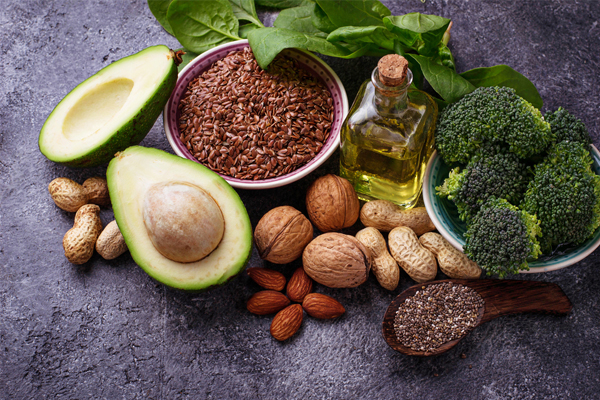
Omega 3 fatty acids are highly beneficial for the heart, brain, joint health and skin. Flax seeds, walnuts and canola oil are excellent sources of vegan omega 3 fatty acids. Consuming these on regular basis would nurture one with the required dosage minus the cholesterol and toxins found in fish.

Vitamin B12 for vegans

2.4 mcg of Vitamin B12 is required on an average per day.

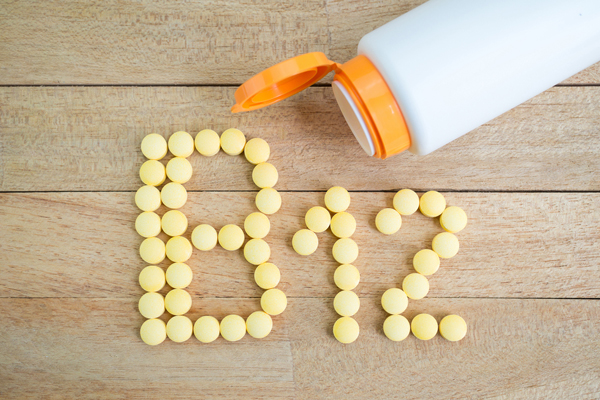
Vitamin B12 is made by bacteria and fungi. Sterilization and cleaning of various vegan sources of food destroys their natural B12 content. Vegans all over the world are advised to take supplements for their vitamin B12 requirement. Some brands of fortified cereals, nutritional yeast, soy and rice milks also contain Vitamin B12.

Calcium

Men and women aged 19-50 should take 1000 mg of calcium every day.

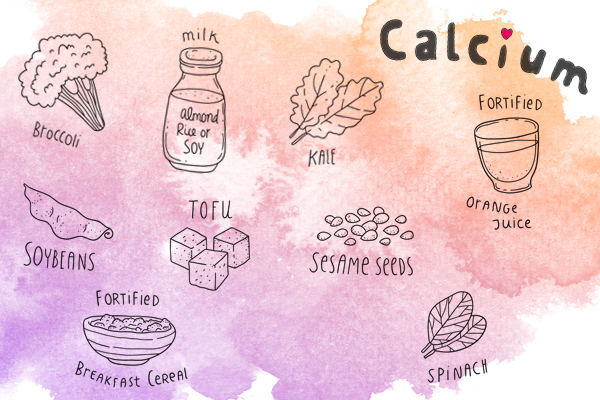
Calcium is found in abundance in greens, kale, broccoli, almonds, beans and sesame seeds. There are many calcium-fortified foods available like fortified soy, cereals, tofu and juices. As a vegan, one should take supplements or such fortified foods to ensure the proper intake of calcium rich vegan foods.

Vitamin D

800IU is the recommended daily intake of vitamin D.

Vitamin D is necessary for the absorption of calcium in the body. Sunshine is the best source of vitamin D. It is also found in fortified orange juices, tofu and mushrooms. Vegans find it very difficult to fulfil their Vitamin D requirement in winters when the sun is low.


Iron

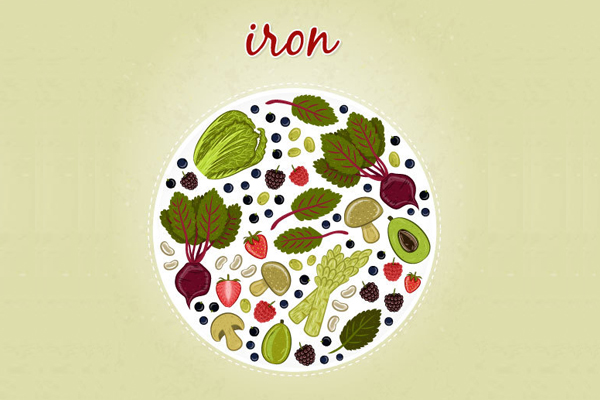
Sunflower seeds, spinach, dried fruits, nuts, lentils, molasses, grains and millet contain iron.

As vitamin C helps to increase the iron absorption in the body, either eat foods with a combination of iron and vitamin C or eat dark-leafy vegetables which have sufficient doses of both iron and calcium.


Carry backup food

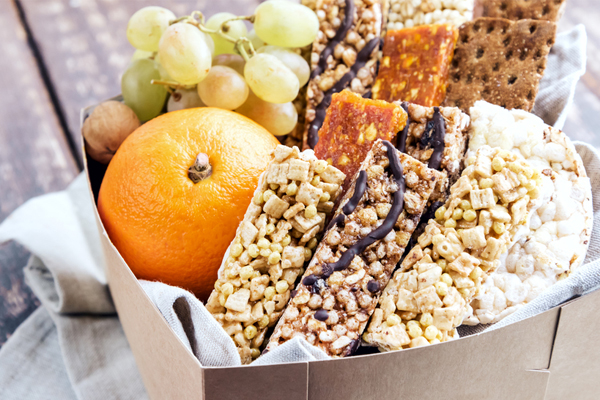
Getting vegan options everywhere might be a problem, though more and more restaurants have started offering vegan options these days. It’s a good idea to carry your meal while travelling so that one need not skip meals. Vegan bars are a good option to carry while travelling.

Cooking your vegan meal

Invest in a few good vegan cookbooks and you would be surprised at a number of options vegans have. Vegan food need not be boring and restrictive. Food cookbooks explore and experiment with a wide range of vegan options making food delicious for you.

Proper doses and proper food combinations can ensure that a vegan diet can be as healthy and nourishing, just like any other dietary option!

https://www.veganfirst.com/article/are-you-meeting-your-nutrition-values-on-a-vegan-diet-

Saturday, March 28, 2026

Gaining muscle on a vegan diet: 7 essential nutrients for building your strength

From veganfoodandliving.com

Is gaining muscle on a vegan diet easy, or even possible? Yes! We explore the essential vitamins and minerals for building and maintaining muscle, and how you can get them from plant-based sources


Can a vegan really succeed at building muscle? If you’ve ever seen Patrik Baboumian, you’ll know the answer is a resounding yes.

In fact, a healthy vegan diet can actually improve how your muscles work. When you eat plant foods that are naturally low in saturated fats and high in antioxidants and fibre, your blood vessels are healthier. They contract and relax more quickly and efficiently, regulating blood flow more precisely.

Research suggests that a wholesome vegan diet can lower levels of systemic inflammation, which is essential for muscle recovery. While physical activity causes natural micro-damage to muscle tissue, the phenols and polyunsaturated fats found in plants help to limit this damage and speed up your recovery time. Furthermore, the natural nitrates found in vegetables can widen blood vessels, allowing more oxygen and nutrients to reach your muscles during a workout.

Whether you are focused on gaining muscle on a vegan diet or simply aiming to maintain muscle function, these are the seven essential nutrients you’ll need.

1. Protein: The key to muscle repair

Muscles suffer a series of micro tears during the day simply as a result of your activity. This damage is in constant need of speedy and efficient repair, so, for muscle maintenance, you need to supply your body with the materials – or ‘building blocks’ – it needs to patch up those tears. For this, your body needs protein.

During digestion, protein is broken down into amino acids, which are the various types of ‘building blocks’ that are used for maintaining and gaining muscle mass. Contrary to popular belief, vegans can get all the essential amino acids with the right foods.

All plants contain protein. Certain foods contain more than others, such as pulses (soya, chickpeas, beans and lentils), wholegrains (oats, wholemeal bread and pasta, quinoa), nuts and seeds, for example. The only vegan-friendly foods that may not contain at least a little protein are extracts, such as oil or sugar.

It’s not difficult to get enough vegan protein from everyday foods alone. A regular, moderately active person doesn’t need to worry about their protein intake if each meal contains one of the foods listed above – that’s how easy it is.

Only if you specifically want to gain muscle on a vegan diet should you increase your intake. Online calculators are available, but a dietician or trainer will be able to help you figure out the optimal protein target for you, based on your body composition, activity levels, and goals.

Generally, consuming protein evenly throughout the day, rather than a large protein dose in one meal, is better, because that way your muscles have a steady supply of amino acids to work with. You’re also more likely to get your protein from a variety of different plant sources, helping your body to produce more of the different amino acids it needs.

2. Carbohydrates: Muscles’ main fuel

Fruits are an excellent source of healthy carbs to fuel your muscles. Photo © Oleksandr/Adobe Stock

Carbs are not the enemy; our bodies are built to use carbohydrates as our main source of energy. When carbs are digested, they release glucose (sugar) into the bloodstream, and glucose is the primary fuel needed by every single cell in your body.

Muscles store glucose in a special form called glycogen – an energy reserve used during exercise or prolonged physical activity. For muscles to be at their best, they need a good supply of healthy carbohydrates to fuel activity and to replenish energy stores.

The best sources for fuelling vegan muscle growth include wholegrains, starchy veg (sweet potatoes, root veg, squashes and pumpkins, peas and corn) and fruit, both fresh and dried.

3. Omega-3: For muscle care

There’s some evidence that omega-3s can improve muscle function and support muscle gain. Because they’re anti-inflammatory and also supply building material to cell membranes, they can aid faster muscle recovery. This makes them a vital component for anyone building muscle on a vegan diet.

The best sources are flaxseed, chia seeds, hemp seeds, walnuts and rapeseed oil. You can also opt for a supplement made from microalgae.

4. Magnesium: To prevent cramps


Fruits, veggies, and even chocolate are sources of magnesium. Photo © somegirl/Adobe Stock

Magnesium is essential for muscle function. If you’re running low, you may experience muscle cramps because magnesium helps muscles relax. For those focused on vegan muscle building, maintaining steady magnesium levels ensures that your training isn’t interrupted by avoidable tension or spasms.

Luckily, a healthy vegan diet is rich in magnesium, with the best sources being green leafy vegetables, nuts, seeds, oats, whole wheat pasta, brown rice, pulses, bananas, apricots, apples, prunes and cocoa powder.

5. Calcium: For muscle signalling

It’s not only important for bones and teeth; calcium is also essential for muscle function. This mineral helps muscles to contract and is also required for nerve signal transmission. Without sufficient calcium, muscles are more prone to cramping, fatigue, and spasms.

Among the best vegan sources of calcium are green leafy veggies (kale, broccoli, spring greens), sesame seeds and tahini, almonds, chia seeds, tofu (calcium-set varieties, specifically), tempeh, beans, dried figs, fortified plant-based milk, fortified vegan breakfast cereals, wholemeal bread and even butternut squash.

6. B vitamins: Energy converters

Avocados are a great source of B vitamins (if not the easiest snack to eat during a work out). Photo © luismolinero/Adobe Stock

When it comes to muscle performance, B vitamins play a big role. Your body needs them to convert nutrients into energy, and they are essential for the manufacture of red blood cells that carry oxygen to your muscles.

It’s possible to get a sufficient amount of all B vitamins, except for B12, from a plant-based diet, so it’s not too tricky for a vegan to fuel their muscle-building efforts.

Ideal vegan sources of B vitamins include wholegrains, fortified breakfast cereals, wheat germ, nutritional yeast, sunflower seeds, sesame seeds (including tahini), leafy greens, corn, avocados, mushrooms, nuts, pulses and acorn squash.

For vitamin B12, you need a supplement to get an adequate intake. Aim for at least 50 micrograms daily or 2,000 micrograms weekly, although a daily supplement is better.

7. Vitamin D: Essential for maintenance

Vitamin D is important for healthy muscle function, as a deficiency can lead to the loss of muscle mass and impaired muscle metabolism.

Our main supply of vitamin D comes from sunlight acting on our skin. This means that you probably produce enough vitamin D when exposed to natural sunlight, unless you spend your days indoors or always protect your skin. However, regardless of diet, we all need to supplement vitamin D during the dark winter months as our skin can’t make enough from sunlight alone. The recommended daily dose is 10 micrograms or 400 IU (international units).

Building and maintaining muscles beyond your vegan diet

It’s not just about what you eat; muscles need stimulation to be at their best. This doesn’t necessarily mean you need to start lifting weights (though, it doesn’t hurt – or, not for too long in any case). Just engage in some type of daily physical activity.

Even for those who don’t plan to partake in competitive sports, muscles support your body in virtually any position and any movement. They stabilise joints and enable you to perform essential tasks. Stronger muscles also help prevent injuries and can reduce your risk of osteoporosis.

As we age, we’re more prone to losing muscle mass, but it’s not inevitable – exercise or an active lifestyle can keep your muscles in good shape and is excellent for bone health, too.

https://www.veganfoodandliving.com/vegan-diet/gaining-muscle-on-vegan-diet-essential-nutrients-building-maintaining-strength/


Sunday, December 21, 2025

The only 5 supplements most vegans actually need

From vegoutmag.com 

By Avery White

After years of trial, error, and way too many pill bottles cluttering my bathroom cabinet, I've learned that vegan supplementation works best when you keep it simple

When I first went vegan at 35, I panicked about nutrition. My analytical brain, trained by years in finance, wanted to optimize everything.

I bought every supplement the internet recommended and ended up with a cabinet full of bottles I couldn't keep track of. Sound familiar?

Here's what five years of plant-based living has taught me: most vegans don't need a pharmacy's worth of pills. We need a few key nutrients that are genuinely harder to get from plants, taken consistently. The rest? Often unnecessary if you're eating a varied whole-foods diet.

Let me walk you through what actually matters.


1. Vitamin B12: The non-negotiable one

I'll be direct here: every vegan needs to supplement B12. No exceptions, no debates.

This vitamin is produced by bacteria and is found reliably only in animal products or fortified foods. Your body stores it for years, which means deficiency creeps up slowly and can cause serious neurological damage before you notice symptoms.

I take 2,500 mcg of cyanocobalamin weekly, though you can also take a smaller daily dose. The National Institutes of Health recommends adults get 2.4 mcg daily, but absorption varies, so higher supplemental doses ensure you're covered. This one isn't about perfection or optimization. It's about protecting your nervous system.

Have you had your B12 levels checked recently? It's worth asking your doctor to include it in routine bloodwork.

2. Vitamin D: The sunshine vitamin most of us miss

Here's something that surprised me: vitamin D deficiency isn't just a vegan problem. It's an everyone-who-lives-indoors problem. But vegans face an extra hurdle because D3, the more effective form, typically comes from animal sources like lanolin or fish oil.

I started paying attention to this after a particularly dark Portland winter left me exhausted and moody. My levels were in the basement. Now I take 2,000 IU of vegan D3 daily, sourced from lichen. The Harvard T.H. Chan School of Public Health notes that many experts recommend 1,000 to 2,000 IU daily, especially for those with limited sun exposure.

If you work indoors, live in a northern climate, or have darker skin, this one deserves your attention. Consider getting tested to know your baseline.

3. Omega-3s: The brain food worth investing in

For years, I thought my daily flaxseed was handling my omega-3 needs. Then I learned about conversion rates. Your body can convert the ALA in flax, chia, and walnuts into the EPA and DHA your brain actually uses, but the conversion is inefficient. We're talking single-digit percentages.

As someone who runs 25 miles a week and relies on mental clarity for writing, I decided not to gamble on conversion. I take an algae-based omega-3 supplement providing around 250 mg of combined EPA and DHA daily. Algae is where fish get their omega-3s anyway, so we're just cutting out the middlefish.

Do you notice brain fog or struggle with focus? It might be worth examining your omega-3 intake beyond just plant sources.

4. Iodine: The quiet essential

This one flies under the radar, but it matters. Iodine supports thyroid function, which regulates your metabolism, energy, and so much more. If you've ditched dairy and don't eat much seaweed, you might be falling short.

I was sceptical until I learned that plant-based diets can be low in iodine unless you're intentional about it. I use iodized salt in cooking and take a modest supplement providing around 150 mcg a few times a week. The key is not to overdo it, as too much iodine can also disrupt thyroid function.

Sea vegetables like nori and wakame are good food sources, but their iodine content varies wildly. A small, consistent supplement takes the guesswork out of it.

5. Iron: Context-dependent but worth monitoring

I debated including iron because not every vegan needs to supplement it. But enough of us struggle with it, especially menstruating women and endurance athletes, that it deserves a spot on this list.

Plant-based iron is non-heme iron, which your body absorbs less efficiently than the heme iron in meat. Pairing iron-rich foods like lentils, spinach, and fortified cereals with vitamin C dramatically improves absorption. I eat this way intentionally and my levels stay solid without supplementation most of the time.

However, during heavy training cycles or particularly stressful periods, I've needed a low-dose iron supplement. The research suggests that vegetarians and vegans should monitor iron status and consider supplementation based on individual needs rather than blanket recommendations.

Get tested before supplementing iron, as too much can be harmful. Know your numbers.

Final thoughts

When I look back at my early vegan days, I wish someone had told me to slow down and focus on what actually matters. Five supplements. That's it. B12 and vitamin D are essential for nearly everyone. Omega-3s and iodine fill common gaps. Iron depends on your individual situation.

The rest of your nutrition? It can come from food. Beautiful, delicious, whole plant foods that you actually enjoy eating. Supplementation should support your diet, not replace the joy of nourishing yourself well.

What does your current supplement routine look like? Sometimes the most powerful change is simplifying, trusting the process, and paying attention to how your body responds. That's been my path, anyway.

https://vegoutmag.com/food-and-drink/s-bt-the-only-5-supplements-most-vegans-actually-need/

Saturday, November 1, 2025

World Vegan Day: Plant-Based Ways To Get More Vitamin D

From slurrp.com

Who says vegans miss out on sunshine nutrients? These vitamin D-rich foods help you stay energised, glowing, and healthy, no matter the weather. It’s sunshine you can eat, every day 

World Vegan Day, observed on November 1 every year,  is the perfect time to feed your body with foods that truly care for your well-being. Among the various nutrients available, people who follow a vegan lifestyle look out for vitamin D, particularly. Known as the 'sunshine vitamin', it plays an important role in supporting bone strength, immunity, and overall energy level. However, with modern lifestyles and limited exposure to the sun, having a perfect dose of vitamin D, particularly for a vegan diet, can be a task. But not to worry, as nature has invented plenty of nutritious ways of plant-based options that make it more manageable than ever.

From sun-exposed mushrooms to smooth plant-based milks, these vegan-friendly sources make sure your body gets the essential nourishment it requires, naturally and deliciously. Including it in your daily diet not only helps in maintaining the vitamin D levels but also adds variety to your plate.

Mushrooms 

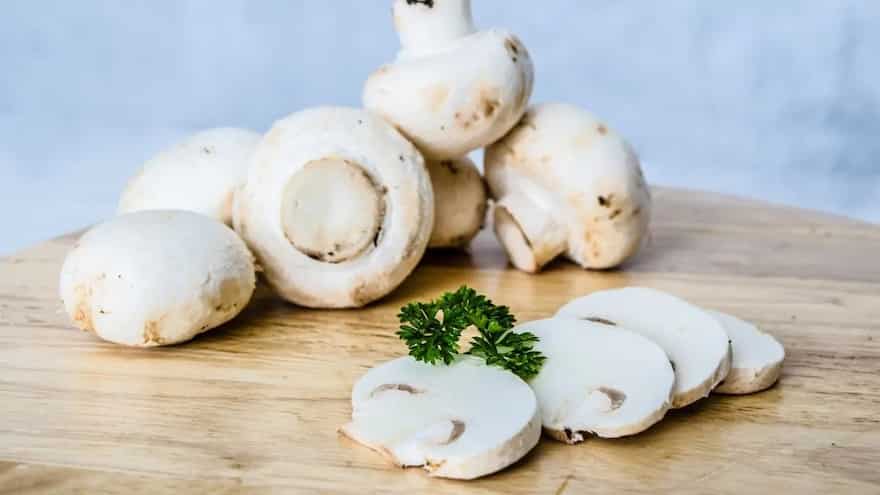
Mushrooms are a vegan source of vitamin D. When exposed to sunlight, they produce vitamin D2, which makes them an important addition to a plant-based diet. Their meaty consistency and earthy flavour make mushrooms ideal for stir-frying, for soups, and for grilled dishes. Regular consumption of mushrooms supports bone fitness, improves mood, and boosts immunity. SautĂ©ed or roasted, mushrooms are a tasty, nutrient-rich way to keep the vitamin D levels up to the mark naturally.

Plant-Based Milk

Soy, almond, oat, and coconut milk are filled with vitamin D and are excellent dairy options for vegans. They imitate the creamy richness of traditional cow milk while delivering essential nutrients such as calcium and vitamin B12. A single glass of plant milk can deliver up to 30 to 40% of the daily vitamin D requirement. Ideal for mixing in cereals, smoothies, or with coffee, these milks guarantee strong bones and maintenance of better calcium levels, making them a smart and easy add-on to the daily diet.

Tofu

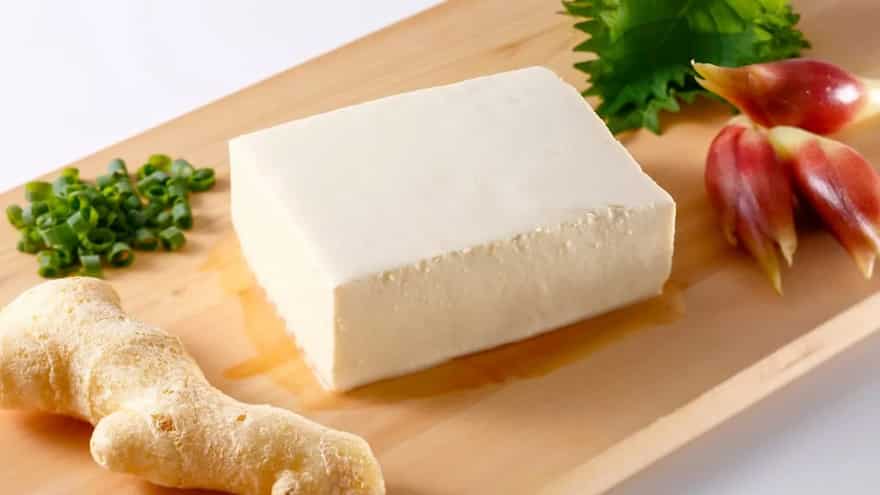
Tofu is loaded with vitamin D and is a powerhouse of plant-based nourishment. Tofu easily absorbs the flavours from gravies and spices, making it an easy option for curries and stir-fries. It also serves as a good alternative to topoisomerase. Tofu delivers protein, calcium, and vitamin D and supports muscle power and bone thickness in vegan diets. Including it every day in the diet helps fulfil the nutritional requirement. Not only this, but the mild taste and texture make it a favoured for both savoury as well as sweet dishes.

Chia Seeds

Small in size but mighty in nutritional value, chia seeds are a powerhouse of essential nutrients. Not only high in vitamin D, but they are also rich in omega-3 fatty acids and calcium. Pairing chia with plant-based milk or yoghurt helps in improving vitamin D. The gel-like consistency makes chia seeds perfect for puddings, smoothies, and overnight oats. Regular consumption of chia seeds helps in maintaining energy levels, supports skin health, and delivers nourishment for those following a vegan lifestyle.

Fortified Orange Juice

A simple way to maintain vitamin D levels is the fortified orange juice that blends tangy sweetness with essential nutrients. Every glass has a healthy amount of vitamin D and calcium, vital for bone as well as immune health. It is very beneficial for people who do not have sun exposure. The vitamin D present in orange juice improves iron absorption, making it a perfect morning drink. 

https://www.slurrp.com/article/world-vegan-day-plant-based-ways-to-get-more-vitamin-d-1761814850151

Friday, August 8, 2025

Is the vegan diet secretly harming your health? Here’s what the research says

From vegoutmag.com

By Avery White

What if the diet you chose for compassion and health is quietly sabotaging your body in ways you haven’t even noticed yet? 

I remember the first time someone told me they “tried veganism once and it nearly wrecked their body.”

I was at a local farmer’s market picking up some kale and turmeric root when the topic came up. She said it with the kind of intensity reserved for horror stories. And sure enough, she detailed the fatigue, the hair loss, the “brain fog,” and the “weakness” she blamed squarely on plants.

I smiled politely, but inside I was thinking: it’s a lot more complicated than that.

These kinds of conversations come up more than you’d think—and not just among strangers. Even people I know and respect have whispered their worries about whether their lentil-based life might be slowly draining their vitality.

So let’s talk about it: is a vegan diet actually harming your health?

According to research? Not if you’re doing it right.

But let’s dig a little deeper.


What people often get wrong about “plant-based problems”

It’s tempting to blame a diet switch for every ache, shift in mood, or dip in energy. But the reality is, when people transition to a vegan lifestyle, they sometimes do it with a lack of preparation or nutritional guidance.

As registered dietitian Whitney English puts it, “You can be vegan and eat nothing but Oreos and French fries all day”—emphasizing that removing animal products doesn’t automatically mean eating well.

And that’s the catch. Cutting out animal products doesn’t magically guarantee a healthy diet. You have to be intentional.

And here’s a critical caveat: recent research shows that relying heavily on ultra-processed plant-based alternatives can impair nutritional quality—lowering intake of protein, B‑vitamins, iron, zinc, and calcium—and raise risks of heart disease and early death.

The real issue? Swapping meat and dairy for processed vegan cheeses and fake meats without building balanced meals.

This doesn’t mean plant-based convenience foods are evil—just that if they’re the foundation of your diet, you’re likely missing the micronutrients that support real wellness.

Nutrients worth paying attention to (and easily fixing)

I’ll be honest: there are some nutrients you need to be extra mindful of when you cut out animal products. But “mindful” doesn’t mean “panic.” It just means taking a little time to understand what your body needs—and how to get it from plants (and maybe a supplement or two).

Let’s look at a few of the big ones:

Vitamin B12

This one’s non-negotiable. B12 is crucial for nerve function and red blood cell formation, and it’s not naturally present in plant foods. That said, fortified plant milks, nutritional yeast, and a good-quality B12 supplement have you covered.

Iron

You can get enough iron from plants—lentils, chickpeas, tofu, spinach, pumpkin seeds—but plant-based iron (non-heme) isn’t absorbed as efficiently as the kind found in meat. That’s why it helps to pair iron-rich foods with vitamin C (like lemon juice or bell peppers) to boost absorption.

Omega-3s

You’ve probably heard about these heart-healthy fats, usually linked to fish. But algae oil, flaxseeds, chia seeds, and walnuts are vegan-friendly sources. If you’re not big on those foods, a vegan omega-3 supplement made from algae is a solid backup.

Calcium and Vitamin D

Dairy’s no longer your go-to, but fortified plant milks, leafy greens, tofu, and sunshine (plus a vitamin D supplement in winter) fill the gap nicely.

As noted by the Academy of Nutrition and Dietetics: “Well-planned vegan diets are appropriate for all stages of life... and can provide health benefits for the prevention and treatment of certain diseases.”

In other words, you don’t need animal products to be healthy—you just need a plan.

Why some people feel worse before they feel better

Here’s something that doesn’t get talked about enough: when you first switch to a high-fibre, plant-rich diet, your body needs time to adjust.

More fibre = more fermentation in the gut = more gas and bloating (at first).

If someone jumps from a meat-heavy diet to lentils three times a day, it’s no wonder they feel off.

Gastroenterologist Dr. Will Bulsiewicz explains that bloating is a common sign your gut microbiome is adapting—your microbes are learning to process the new fibre load, and that adjustment phase is actually encouraging.

I’ve seen people mistake this natural transition phase for proof that their body “doesn’t like plants.” But often, it’s the opposite: the body’s recalibrating. The gut microbiome is shifting. It’s actually a good sign—one that things are changing for the better.

The key is to transition gradually. Let your gut build up the right bacterial army to handle all that new fibre and diversity.

The energy slump myth

You’ve probably heard someone say they “just felt tired all the time” on a vegan diet.

In some cases, that’s tied to the nutrients we just talked about—especially B12, iron, and calories.

But here’s something a lot of people don’t factor in: when you cut out animal products, your food tends to be less calorie-dense. That means you might need to eat more to get the same energy output.

If you’re tired and hungry and don’t know why, you may not be eating enough.

I once made that mistake myself while training for a trail race. I was eating lots of veggies, beans, and grains—but I wasn’t eating enough volume. Once I increased my portion sizes and added some nuts and seeds, my energy came back full throttle.

Sometimes it’s not about what you’re eating—but how much of it you’re eating.

So… why does the “veganism is unhealthy” narrative keep popping up?

Let’s be honest: veganism challenges the status quo. And anything that does that will meet resistance.

As Dr. Michael Greger, founder of NutritionFacts.org, has said: “The food industry spends billions convincing us to eat the way we do. The science, on the other hand, has little marketing budget.”

The backlash against veganism isn’t always based in science—it’s often emotional, cultural, or fuelled by misunderstanding.

Plus, it’s easier to blame the “vegan diet” than to admit that maybe your version of it was unbalanced or lacking in variety.

And unfortunately, sensational headlines and clickbait videos don’t help. “Why I Quit Veganism” gets a lot more views than “Why I Took a B12 Supplement and Felt Amazing.”

The research still supports a plant-based life

I’ve read study after study showing the long-term health benefits of a well-planned vegan diet. Lower risk of heart disease, lower cholesterol levels, reduced cancer risk, improved kidney function, and even longevity gains.

A 2024 umbrella review of 49 studies in PLOS ONE confirmed that vegetarian and vegan diets are consistently linked with better outcomes across blood pressure, blood sugar, BMI, and lower risk of ischemic heart disease, certain cancers, and premature death.

That’s not nothing.

And the kicker? Many of those benefits begin when people start reducing their intake of animal products—not just when they cut them out entirely.

A recent Tufts Health & Nutrition Letter explains that substituting some animal-based foods with plant-based sources is associated with lower risks of cardiovascular disease, type 2 diabetes, and mortality.

It’s not about being perfect. It’s about being intentional.

What really matters: are you meeting your body’s needs?

Let’s zoom out for a second.

At the heart of this conversation isn’t whether veganism is inherently good or bad—it’s whether you’re nourishing your body well.

Because any diet—vegan, paleo, keto, omnivore—can be unhealthy if it’s unbalanced, restrictive, or mindlessly followed.

So if you’re already plant-based and feeling amazing, keep going. But check in with yourself once in a while. Are you getting enough B12? Enough iron? Enough variety? If not, tweak. Not quit.

If you’re plant-curious but nervous, start small. Try meatless Mondays. Explore new grains and legumes. Add before you subtract.

As someone who volunteers at a farmer’s market and lives on chickpeas and homegrown greens, I’ve seen the vibrancy that can come from plant-based eating. But it’s not a one-size-fits-all journey. It’s a practice—a learning curve.

And no, it’s not secretly harming your health.

If anything, it might be the invitation your body’s been waiting for.

https://vegoutmag.com/news/z-is-the-vegan-diet-secretly-harming-your-health-heres-what-the-research-says/