Showing posts with label finance. Show all posts

Friday, May 8, 2026

Future Food Quick Bites: Beyond Meat x Taco Bell, Crowdfunding Galore & Marigold Protein

From greenqueen.com.hk

By Anay Mridul

New products and launches

Fast-food giant Taco Bell has teased a new partnership with vegan giant Beyond Meat to create a new plant-based protein that will be tested within this year. The chain said it chose the latter due to its track record of attracting young consumers. They previously tested a meat-free carne asada steak quesadilla and tacos offered at price parity.

Courtesy: Beyond Meat

US vitamins brand Perelel has launched Daily Resilience Complex, a new daily supplement featuring TurtleTree‘s precision-fermented lactoferrin ingredient, LF+. It isn’t vegan, however, since the powder also contains bovine collagen.

In time for grilling season, whole-food brand Actual Veggies has rolled out a 10-pack of its vegan black bean burger at most Costco locations across the US.

Likewise, whole-cut plant-based meat pioneer Chunk Foods has gained a listing at Whole Foods Market across the Northeast for its steak filet, pulled steak and a new Moroccan Cubes SKU with 19g of protein.

Speaking of vegan steak, Dutch start-up Rival Foods‘s clean-label alternative has landed in its home country. The pulled beef is available in 2kg packs for foodservice operators on InstockMarket, and contains 31g of protein per 100g.

Courtesy: Jay&Joy

Weeks after securing $2.3M in fresh funding, French vegan cheesemaker Jay&Joy has expanded its footprint through a listing at 400 new points of sale at German organic retailer Denns BioMarkt.

Fellow French company La Vie‘s plant-based ham, sandwiches and snacks are now being stocked at 180 TotalEnergies service stations across the country.

In more good news for France’s plant-based shoppers, a new fully vegan grocery store, Herbivores, has opened on Lyon’s Rue Pasteur street.

Singaporean bean-free start-up Prefer has brought its coffee alternative to Japan, launching an iced black coffee using its PreferRoast ingredient in collaboration with Tokyu Land, a member of local conglomerate Tokyu Group.

And in the UK, Shicken Foods has launched plant-based kofta kebabs into Costco stores. They feature 21g of protein per serving and are high in fibre.

Company and finance updates

Swedish pea milk start-up Sproud has achieved its lowest-ever average carbon footprint, reducing its emissions by 11.45% to reach 0.301kg of CO2e per litre of product. Moreover, annual sales hit a new record, growing by 28% to reach 74.9 million kronor ($8.1M), with volumes up by 33%.
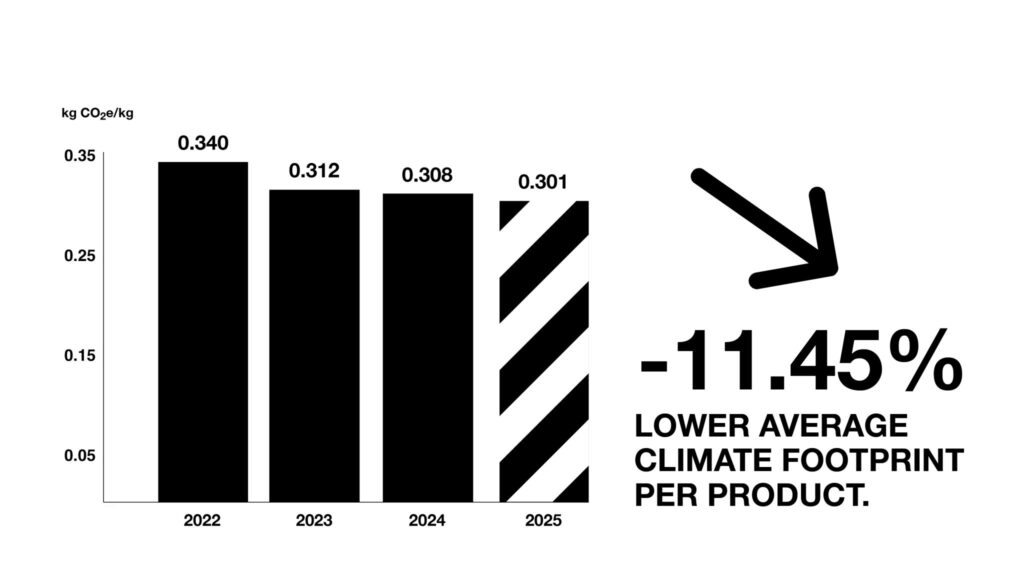
sproud sales
Courtesy: Sproud

Californian cultivated seafood start-up Finless Foods has opened a crowdfunding campaign on Republic, with a goal of securing $75,000. It has already entered the pre-market consultation process with the US Food and Drug Administration for its cultivated tuna, with approval expected in 2027.

Weeks after receiving $700,000 in seed funding, Danish mycelium meat maker Tempty Foods has kicked off a crowd investment round on Republic. It has already landed nearly all of its €355,000 ($415,000) target.

Courtesy: Tempty Foods

In more investment news, British eco material player Ponda has also launched a crowdfunding effort on Republic with the aim of raising €230,000 ($270,000) to build out its capacity and expand production of BioPuff, a bulrush-based alternative to goose down and polyester fibres.

Speaking of eco materials, Australia’s Uluu has moved into a new industrial facility in Henderson, Western Australia, which will allow it to scale up production of its seaweed-derived bioplastics. This follows a $10.5M investment round in November.

US industrial biotech start-up Fermeate has raised $2M in seed funding to advance its optogenetic control tech for precision-fermented products and accelerate price parity for them.

Belgian beanless coffee start-up Koppie has reached a major milestone in its scale-up efforts, producing 12 tonnes of its fermentation-derived alternative.

Climate advocacy group Madre Brava has closed its Thailand programme, according to its former director.

Policy, research and awards

Dutch start-up NoPalm Ingredients – which makes palm oil alternatives from food waste, yeast and fermentation – has been named as one of the four finalists of the 2026 Food Planet Prize.

Catering giant Sodexo has become the first employee restaurant chain in Poland to monitor the share of plant-based proteins on offer, with analysis using the Protein Tracker tool revealing that 30% of its 2024-25 protein portfolio was sourced from plants.

Two new studies by the Physicians Committee for Responsible Medicine show that low-fat plant-based diets cut greenhouse gas emissions by 55-57% and cumulative energy demand by 44-55%.
marigold protein
Courtesy: ACS Food Science & Technology

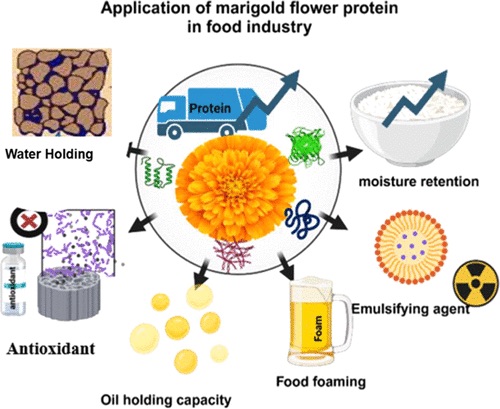
study led by scientists at the University of Georgia suggests that dried marigold flowers – 40% of which end up wasted – show potential as a sustainable plant protein source, exhibiting high levels of glutamic and aspartic acids, greater heat stability than peas and chickpeas, and excellent emulsifying capacity.

Researchers at the University of Warwick have published the results of their meta-analysis of clinical trials involving 541 participants, finding that plant-based eaters were associated with significantly lower levels of C-reactive protein – a widely used marker of systemic inflammation – than omnivores.
veganuary success
Courtesy: Veganuary

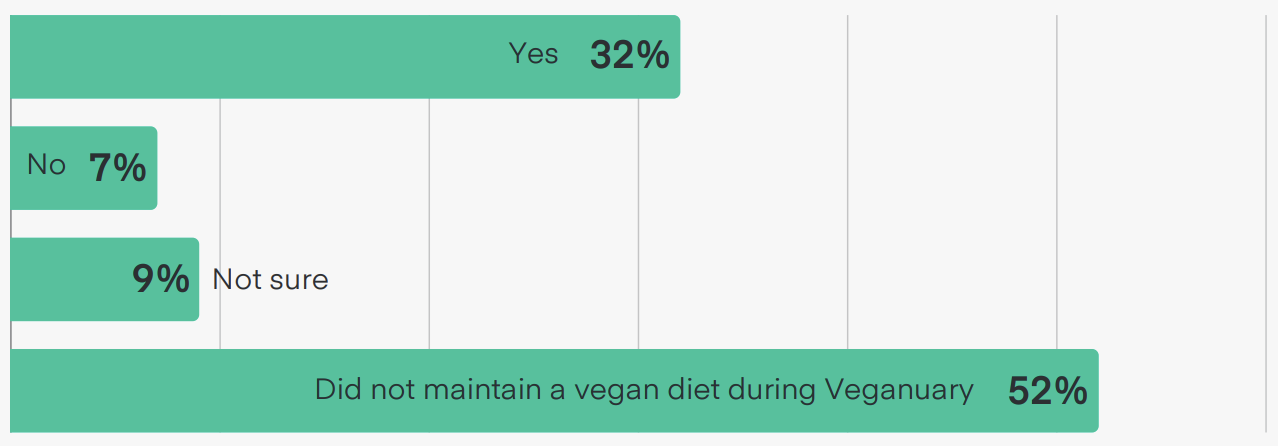
Finally, in Veganuary‘s 2026 participant survey, a third (32%) of those who weren’t vegan before said they planned to continue following a plant-based diet after the monthlong campaign, while 79% intended to halve their intake of animal products.

https://www.greenqueen.com.hk/future-food-quick-bites-beyond-meat-taco-bell-crowdfunding-marigold-protein/

Thursday, July 24, 2025

Should Vegans Pay Lower Health Insurance Premiums?

From greenqueen.com.hk

By Anay Mridul 

Plant-based diets are linked to better health outcomes, so should vegans be entitled to better insurance rates too?

A frequent criticism of vegan diets is that they’re too expensive. Meat and dairy alternatives tend to be costlier than the products they’re aiming to replace, although the argument doesn’t account for the fact that whole foods like fruits, vegetables, legumes and nuts all tend to be much cheaper than animal protein.

But while the average vegan may pay more for their groceries, some argue that the benefits of their diet should entitle them to pay less for health insurance. Several providers are already making this move, given that life insurance is based on risk factors.

If you smoke, drink, or eat a lot of junk food, you’re taking a known risk against your health. Ditto if you consume too much red or processed meat, as is the case in most Western countries. Insurers account for these activities when underwriting the premiums you’ll pay – so the healthier you are, the lower you pay.

Vegan diets have repeatedly been found to offer much better health outcomes than those rich in meat and dairy, so is it time for insurers across the globe to standardise this as a measure of good health and low premiums?

                                                                                                   Courtesy: Studio Roman

Studies show plant-based diets are healthier – should insurers take that into account?

During their risk assessment, insurance companies evaluate various aspects of your life to determine the level of risk you present, which informs how they calculate the premiums you’ll pay. They usually look at a range of factors, from your age and medical history to your drinking and smoking habits and overall physical condition.

While diet isn’t itself a question people are asked on applications, insurers analyse how your diet influences important health markers, like your weight, cholesterol levels, diabetes risk, blood pressure, and heart health. So what you eat does affect how much you pay for life insurance, even if it’s an indirect connection.

For example, if your diet is high in saturated fat and cholesterol, it raises the risk of obesity and heart disease, which will likely mean higher premiums. Likewise, if your diet promotes heart health and helps you maintain weight and healthy cholesterol levels, insurers will see that favourably.

This is where the argument for low premiums for plant-based diets comes in. Research has consistently shown that animal-free eating patterns tend to be better for your overall health. One recent study found that swapping meat with plant-based alternatives – ultra-processed or otherwise – can lead to significant weight loss.

In 2024, a meta-analysis of 14 studies revealed that a healthy vegan diet reduces the risk of death from cardiovascular disease by 19%, cancer by 12%, and all causes by 16%. Similarly, earlier this year, researchers at Harvard University and the University of Sydney studied large-scale consumption patterns to determine the most health-promoting diet and found that whole-food plant-based eating is the key to lowering mortality rates.

Meanwhile, one study has suggested that even small amounts of processed meats like hot dogs and bacon are associated with a higher risk of developing type 2 diabetes, heart disease, and cancer. Researchers ascribed this to the excessive amounts of sodium, nitrates, chemical preservatives, and saturated fat.

And although some papers have sought to position red meat as healthy, a recent review revealed that two-thirds of these studies are backed by the meat industry and used misleading comparisons to suggest that beef is good for you. By contrast, most of the independently funded trials reported worse cardiovascular effects of eating red meat.

Plant-based meat and milk, however, have similar or better nutritional profiles than conventional animal proteins, according to an 11-country review. Vegan alternatives have zero cholesterol, way more fibre, and, broadly, less saturated fat.

Several insurers already offer discounts to vegans

The idea that plant-forward eaters should pay less for life insurance is neither hypothetical, nor new. In the UK, Animal Friends Insurance launched a life insurance scheme for vegetarians back in 2001, giving them a 25% discount for the first 12 months as they were found to be less likely to suffer from chronic illness than meat-eaters.

Six years later, the company unveiled another scheme that offered a 6% discount on premiums for vegetarians and pescatarians.

In 2013, Australia’s Make A Difference Insurance slashed life insurance premiums for vegetarians and vegans by 20%, citing research linking meat-free eating to a lower risk of serious illnesses.

Meanwhile, Israeli company Clal Insurance began offering life and health insurance policies at a discounted rate for vegans in 2018, again based on scientific research about the positive health outcomes of plant-based eating.

This trend has reached the US, too, with Health IQ offering life insurance discounts for vegans since 2017.

It’s important to note that any health study will come with certain limitations and require nuance, while concerns about UPFs are largely misled, yet need more research. It’s also true that a person can be both vegan and smoke, drink, and have a heavy intake of junk foods and unhealthy fats, so purely eating a plant-based diet may not automatically mean better insurance rates.

Still, with overwhelming evidence and a wave of precedents of successful policies from existing companies, insurance providers must begin incorporating diets into their risk assessments and consider providing discounted rates to those eating healthy plant-based diets.

https://www.greenqueen.com.hk/vegan-plant-based-diet-health-life-insurance-premiums-discounts/

Sunday, June 15, 2025

I thought going vegan would be hard—until this one mindset shift

From vegoutmag.com/lifestyle

By Avery White

Adopting a “crowd-in, don’t cut-out” mindset turns plant-based eating from a daunting sacrifice into an abundant, climate-friendly upgrade for your health, wallet, and community 

I once prided myself on forecasting quarterly earnings to the decimal. Yet for all that precision, my personal carbon ledger was a black box.

A snowy Sunday last December changed that. I was cracking open pistachios, binge-watching movies, and scrolling through the latest IPCC dashboards when I stumbled onto a diet-impact calculator.

I keyed in my usual Tuesday cheeseburger combo. The bar chart spiked like a skyscraper—higher than my entire week’s bike commutes combined.

Numbers rarely shock me, but there it was: 7 kg of CO₂-equivalent for one 20-minute lunch. My analytical brain fired off contingency plans—until the emotional side muttered, So what are you going to eat instead?

I planned a seven-day plant experiment. Forty-eight hours later I sat in front of romaine leaves and a headache. The fridge was full, but my motivation was empty. That’s when my friend Priya, a sports-dietitian, texted a question that rerouted the whole project:

“Avery, before you track what to cut, what can you add?”

Those eight words flipped the venture from subtraction to expansion. And that single mindset shift—crowd in before you crowd out—turned what looked like a deprivation diet into the most flavourful upgrade of my adult life.

                                                                                                             Lifestyle

The mental math that kills most vegan trials

My first attempt followed a classic scarcity lens: no cheddar, no gyro, no fun. Behavioural economists call the phenomenon loss aversion: the sting of giving something up often feels twice as painful as the joy of acquiring something new.

So even if I was rationally motivated by lower cholesterol, emotionally I was tip-toeing through a minefield of missing comforts.

Neuroscientists map a similar dynamic in brain scans—reward pathways dim when people focus on restriction. The result? Low dopamine, low adherence, and in my case a pizza emergency by day three.

The addition-first mindset

Priya’s crowd-in strategy loaded my cart with possibility: black-bean enchilada filling, cashew queso, lime-zapped jicama sticks. By dinnertime I wasn’t mourning mozzarella; I was too busy pan-roasting cauliflower in miso-garlic glaze.

Here’s the magic: abundance directly feeds dopamine. Novel flavours, vivid colours, and that satisfying crunch trigger the brain’s “yes, more please” circuitry. Satiety rises, decision fatigue drops, and animal foods quietly vacate the stage.

Within two weeks my breakfast oats sported hemp and freeze-dried raspberries; lunch rotated between tofu banh mi and lentil-walnut “chorizo” tacos; dinner bowed to smoky tempeh over polenta. The cheeseburger bar on the carbon graph? A memory.

Zooming out: the three big ‘whys’

1. Health dividends

An umbrella review from UC Irvine in October 2024 reports a 15 percent reduction in cardiovascular-disease incidence among vegetarian and vegan eaters, alongside lower LDL and blood pressure metrics. In plain English: more plants, fewer hospital wristbands.

2. Climate leverage

A 2024 modelling study suggests that shifting global diets toward plant-forward patterns could slash food-sector greenhouse-gas emissions by 17 percent—and up to 32 percent if high-consumption countries lead the charge. That’s equivalent to wiping out the annual emissions of India.

3. Social tailwinds

A Physicians Committee–Morning Consult poll released April 2025 found 46 percent of Americans are open to trying a plant-based diet to curb emissions—the highest support recorded. Translation: serving oat-milk lattes at brunch is no longer a fringe move; it’s mainstream hospitality.

Layer those benefits and you get a triple-bottom-line win: arteries, atmosphere, and alignment with cultural momentum.

A five-step starter plan that respects busy schedules

Goal: Replace 30 percent of weekly animal servings in the first month—no calorie counting required.

Step 1 – Run a 48-hour food audit

Grab your favourite note app or an actual sticky pad. Write down everything you eat for two days without judgment. Circle the largest animal commodities—typically breakfast sausage, deli turkey, or Tuesday wings. Awareness is half the intervention.

Step 2 – Pick a single high-impact meal

Look at circled items and choose one to veganize first. Maybe it’s the morning latte (swap to oat or soy), maybe Taco Tuesday (enter black-bean sweet-potato filling). Only one target keeps cognitive load light.

Step 3 – Batch a protein anchor on Sunday

Cook a double batch of something that mimics the versatility of chicken breast: barbecue-rubbed lentils, jerk-style tempeh, or smoky tofu cubes. Store in the fridge like a ready asset; weekday you will thank weekend you.

Step 4 – Layer umami, the secret glue

Meat delivers glutamate-rich savour. Plants can too—if you keep miso, nutritional yeast, sun-dried tomatoes, and mushroom powder on deck. Splash in soy sauce or balsamic for extra top notes.

Step 5 – Quantify your payback

Input the swap into a free footprint calculator or just track grocery spend. Watching CO₂ grams or dollars fall is catnip for the brain’s reward loop, especially if you love spreadsheets as much as I do.

What my spreadsheets say six months later

  • LDL cholesterol: Down 18 points.

  • Monthly grocery cost: Down US $42, thanks to ditching $15 artisan cheeses.

  • Average meal prep time: Exactly the same (about 30 minutes), because chopping tofu takes no longer than trimming chicken.

  • Annualized emissions saving: Roughly 430 kg CO₂e—equivalent to skipping four round-trip flights from New York to Boston.

Numbers aside, meals now star more colour than a Pantone catalogue and elicit fewer afternoon slumps. Data plus lived experience—dual confirmation.

Tackling common pushbacks

“Isn’t vegan expensive?”

Raw beans run 80 cents a pound. Tofu averages $2 per 14 ounces. The budget-breaker is often processed alt-meats. Keep those as novelty items; build staples around whole foods.

A 2025 IMARC market analysis shows scale is driving prices down anyway—the plant-based sector is projected to grow from $11 billion in 2024 to $30 billion by 2033 at roughly 11 percent CAGR. Volume breeds affordability.

“I’d miss my family’s Sunday roast.”

Food is culture. Don’t bulldoze it—bend it. I now roast a miso-glazed whole cauliflower alongside the turkey at family gatherings. My dad still carves poultry; I slice florets. Tradition lives, plus a new vegetable centrepiece earns compliments.

“Protein though?”

Anatomy check: 3 oz chicken = 25 g protein. One cup cooked lentils = 18 g, plus 15 g fibre, plus iron. Complementary proteins (beans + grains) easily meet daily targets. Dietitians advise 0.8 g per kg bodyweight; that’s 56 g for a 70 kg adult—reachable with oatmeal-hemp breakfast, chickpea salad lunch, tofu stir-fry dinner.

Building a plant-forward pantry in under 30 dollars

  1. Dry lentils (2 lb) – $3.

  2. Rolled oats (1 lb) – $1.20.

  3. Chickpeas (4 cans) – $4.

  4. Peanut butter (16 oz) – $2.50.

  5. Frozen edamame (1 lb) – $2.80.

  6. Brown rice (2 lb) – $2.60.

  7. Tomato paste (3 cans) – $2.10.

  8. Soy sauce (10 oz) – $1.90.

  9. Garlic & onions – $3.

  10. Seasonal produce (carrots, cabbage, apples) – $6.

Total: $29.10 and enough mix-and-match material for at least fourteen meals.

Community ripple effects you may not expect

Plant-based eating often morphs from a solo choice into a social connector. Local cafés now feature oat-milk flat whites; food-bank initiatives stock canned jackfruit; neighbourhood potlucks run tofu adobo side-by-side with chicken adobo.

The Guardian recently reported that healthier ready-to-eat meals centring legumes could cut EU emissions by 48 million tonnes annually while saving consumers €2.8 billion. Policy interest translates quickly into menu innovation you can taste.

Meanwhile, climate-friendly food pilots in U.S. universities show plant-forward dining boosts meal-plan satisfaction scores—because chickpea tikka masala simply tastes good when spiced right. Dining halls once mocked for limp veggies are now TikTok sensations for crispy tofu bowls.

The more we crowd in, the faster vendors adapt. That feedback loop amplifies individual actions into market signals.

My personal troubleshooting log (so you don’t repeat my mistakes)

WeekHurdleFix that worked
1Late-night cheese cravingsMicrowave popcorn sprinkled with smoked paprika and nutritional yeast—same salty-savoury kick
2Lunch fatigue from same grain bowlAdded texture contrast: roasted chickpeas + pickled onions
3Kid-complaints about “green stuff”DIY taco bar; they chose fillings, plants snuck in under autonomy
4Social BBQ invite panicPacked marinated portobello caps—grill-marks fit right in
6Travel breakfast desertHotel coffee plus peanut-butter packets on banana from lobby gym

Key insight: every obstacle is solve-able with either flavour hacking, presentation tweaking, or contingency snacks.

Two advanced moves once you feel steady

Track micronutrient gaps quarterly

Calcium, B-12, and omega-3s deserve intentionality. Fortified plant milks cover calcium; B-12 lives in supplements or nutritional yeast; algae oil meets omega-3. A quick blood panel every six months costs less than a streaming subscription and keeps the guesswork out.

Rotate cuisines for nutrient diversity

  • Mediterranean: Chickpea shawarma, tabbouleh, roasted eggplant.

  • Latin American: Black bean pupusas, nopales salad, mole with pepitas.

  • East Asian: Mapo tofu (sub tempeh), miso soup, edamame-sesame rice.

Each culture highlights unique legumes, greens, and spices—expanding both palate and micronutrient portfolio.

The bottom line

Going vegan looked hard because I framed it as subtraction. Flipping to addition uncorked curiosity, creativity, and sustainable adherence. Six months in, my blood panels, budget, and dinner guests all signal the same verdict: abundance wins.

So if you—like past Avery—hover over the “start Monday” button and imagine endless kale misery, try a simpler prompt: What can I add first?

Maybe it’s smoky-sweet harissa chickpeas, maybe a salted-caramel oat bar, maybe miso-roasted Brussels sprouts with pomegranate pearls. Add two plant dishes this week, then three. Crowd in colours until animal products politely excuse themselves.

You’ll gain crunch, spice, and swagger. You’ll drop emissions, medical risk, and maybe a grocery-bill decimal.

Most of all, you’ll prove that the hardest part of going vegan is not culinary skill or iron will—it’s the story you tell yourself about deficiency. Flip the story, feed the planet, and feast well.

https://vegoutmag.com/lifestyle/dna-i-thought-going-vegan-would-be-hard-until-this-one-mindset-shift/

Saturday, January 18, 2025

Going vegan may help your wallet as well as your heart

From health.harvard.edu

Both a Mediterranean-style diet and a vegan diet can help stave off heart disease, but the latter is more affordable, according to a small study published Nov. 4. 2024, in JAMA Network Open.

The study included 62 people randomly assigned to follow a low-fat vegan diet consisting of fruits, vegetables, grains, and beans or a Mediterranean diet, which focused on fruits, vegetables, legumes, fish, low-fat dairy, and extra-virgin olive oil. After 16 weeks, they resumed their regular diet for a month before switching to the opposite diet for another 16 weeks. To estimate food costs, researchers relied on participants' diet records, which were linked to a federal database of national food prices based on the consumer price index. 

                                                                                                                   Image: © 10'000 Hours /Getty Images

On average, the vegan diet cut food costs by 19% compared with a standard American diet that included animal products. The Mediterranean diet was slightly more expensive (about 60 cents more per day) than the standard American diet. Following a vegan diet could save nearly $900 per year compared with a Mediterranean diet, according to the study authors. 

https://www.health.harvard.edu/heart-health/going-vegan-may-help-your-wallet-as-well-as-your-heart

Friday, July 21, 2023

Vegan investments: Are you putting your money where your mouth is?

From veganfoodandliving.com

You may have noticed that celebrities are falling over themselves to invest in vegan businesses. Lewis Hamilton in Neat Burger, Leonardo DiCaprio in LØCI, Woody Harrelson in Wicked Kitchen, Robert Downey Jr. in Chunk Foods, and Anne Hathaway in The Every Co.

What does this celebrity vegan investment frenzy tell us? First, that a vegan lifestyle has become “cool”. That’s great, the more people think it’s cool, the more it will be copied. And second, that there is money to be made by investing in vegan businesses.

Don’t underestimate how important this is. The profitability of veganism is a massive factor in it becoming mainstream, and vegans should understand that their own investments play an important role in either supporting veganism, or in supporting companies and industries that directly inflict cruelty on animals and damage to the environment.

We are nearly all investors, whether we realise it or not. If you think that investing has got nothing to do with you, you’re probably mistaken. Some of us invest a little of our savings every month in an ISA or a self-invested personal pension (SIPP). Nearly all of us will have a pension through our current or former workplaces.

The big question is: do you know what your ISA, SIPP, or pension is invested in?

First, you need to understand how your money is invested.

Have a look at your pension, ISA, or SIPP statement (you do look at your pension statement, don’t you?). You will likely see that your money is invested in funds, with often unfamiliar names like AXA Wealth Jupiter UK Growth, MetLIFe Managed Defensive Portfolio, or Invesco Perpetual Distribution. These funds handle £billions worth of investments, but their names give you no clue as to where those £billions are going. 

Behind the fund

You probably carefully avoid giving your consumer pound to companies like L’Oreal and Procter & Gamble, which allow animal testing in countries that require it by law, and you presumably never buy meat or dairy.

But what you would spend on shampoo, floor cleaner, or animal products is a drop in the ocean compared with your pension pot.

If you have a workplace pension, or invest your own money in funds via investment platforms such as Hargreaves Lansdown, Nutmeg, or AJ Bell, you are probably investing in some or all of these companies.

And these household names are just the tip of the iceberg. For all you know, some of your pension could be invested in a huge, incognito livestock breeding company that you’ve never heard of.

Don’t beat yourself up, these companies are so big they are not easy to avoid when investing. And your pension has been invested in them because they make money. But equally, don’t bury your head in the sand.

Make a difference through your workplace pension

Once you’ve identified the investment funds your pension invests in, a quick internet search will show you what companies those funds are supporting. Dig a little more to find out what those companies do.

You can take a broad view that any company not directly connected with animal exploitation is good enough for you. That’s your decision. But if that’s not good enough, and you want to try and effect real change, you can influence how your pension is invested.

Pension funds are run by trustees and the duty of these trustees is to have their members’ best interests at heart. Write to your pension trustees and ask if they offer animal-friendly investments. If they don’t, demand – perhaps along with like-minded colleagues – that they do. They are working on your behalf, so make sure they are really working for you.

A landmark legal ruling in 2020 deemed ethical veganism a philosophical belief, which means everyone should have the right to a vegan-friendly pension. A good employer will want to help you get a vegan pension. 

In search of vegan investment funds

As well as a workplace pension, you may have a SIPP, and perhaps an ISA. The same principles apply to these investments – you need to find out where your money is going, and move it to a new investment fund if you don’t like the answer.

Investment funds are managed by companies such as Fidelity or Aviva who charge us a fee for choosing companies that are likely to make us money. We pay them 1% a year to make us 5% or 10% a year. Unfortunately, there are no funds in the UK that invest exclusively in vegan-friendly companies.

The closest thing we have is the Rize Sustainable Future of Food Ucits ETF, which invests in companies that benefit from a transition towards “more sustainable food and production systems”. While that doesn’t guarantee the companies it invests in will be vegan, as of 30 June 2023, 15% of the fund was invested in plant-based and organic foods.

Meanwhile, the VanEck Sustainable Future of Food Ucits ETF invests in companies offering products and services related to meat and dairy alternatives, organic foods, food flavours, or agriculture technologies.

And Nest’s Ethical Fund avoids companies that test cosmetics on animals and will only invest in companies that meet animal welfare codes of practice.

Unfortunately, there are no funds in the UK that invest exclusively in vegan-friendly companies. Photo © Vitalii Vodolazskyi via Adobe Stock

Unfortunately, there are no funds in the UK that invest exclusively in vegan-friendly companies. Photo © Vitalii Vodolazskyi via Adobe Stock


Ethical investments are the next best thing

In the absence of purely vegan funds, the next best thing are ethical funds that screen out exposure to a wide range of unacceptable issues, including animal testing.

Funds that align with vegan values include iShares Global Clean EnergyInvesco Global Water PortfolioiShares US Utilities Index, and Invesco WilderHill Clean EnergyJanus Henderson Global Sustainable Equity Fund and the Aegon Ethical Equity Fund invest in companies contributing to positive environmental or social change.

These are all equity funds, which means your money will be invested in the shares of ethical companies. For more cautious investors there are bond funds, such as the Aegon Ethical Corporate Bond, which commits to “no factory farming and no retailing of meat and dairy”.

You can also invest in so-called green bonds, which give a set level of return, usually quite low to match the low level of risk. These are issued by companies looking, for example, to power their steel mills using renewable hydrogen rather than coal, or wanting to switch to disposable plastic packaging. They need our cash to make the transition and will pay interest on the money you lend them.

Lastly, NS&I’s Green Savings Bonds help finance green projects that protect the environment, the countryside, and areas of natural beauty in the UK. Currently, returns on these bonds are 4.2% for a fixed term of three years.

Direct investing?

If you have a large appetite for risk, some spare money, and you want to support individual vegan businesses that might effect real change, you could invest directly in vegan companies.

Veganism is a serious investment opportunity. According to data from Allied Market Research, the global vegan food market will grow to $36.3 billion by 2030, comfortably outpacing the overall food industry. ig.com has produced a list of the best vegan stocks and assets to watch:

There is, however, a catch with investing in individual companies: even experienced, savvy investors often back the wrong companies. It takes time and patience and a lot of nous to assess the underlying value of a company, and few of us are up to the task.

Another left-field option is to invest in vegan companies through crowdsourcing platforms such as Seedrs and Crowdcube. Be aware, however, that these are start-up companies and you may lose your investment.

Your money is power

Making informed choices when you go shopping is great. The more that vegans visibly reject unethical companies and embrace vegan-friendly business, the more animals we protect. But how you invest your money is just as important. Your investments give you power over companies and industries. Make sure you use it.

This article is not financial advice, and all investments come with an element of risk. The companies and funds mentioned in this article are a small sample and do not represent recommendations. You should do your own research and determine your appetite for risk.

https://www.veganfoodandliving.com/features/ethical-vegan-investments/