Showing posts with label fibre. Show all posts

Friday, May 22, 2026

The 15-Minute Vegan Longevity Stew Inspired By Blue Zones Diets

From plantbasednews.org

Get ready to master the "chop and dump" trick 

What if eating like the world’s longest-living people was as easy as a 15-minute stew? In a recent video, The Happy Pear shares a vegan longevity stew designed around the eating habits of the world’s longest-living populations. It’s quick, accessible, and built on ingredients that show up again and again in so-called Blue Zones diets.

Run by David Flynn and Stephen Flynn, The Happy Pear has grown from a small veg shop in Ireland into a global plant-based brand with a clear mission: help people eat more vegetables and feel better doing it. Their content focuses on simple, whole-food cooking that fits into real life, and this stew is a clear example of that approach.

Built on the foods linked to longevity

This high-fibre longevity stew contains cannellini beans and leafy greens like cavolo nero - Media Credit: YouTube / The Happy Pear


The foundation of this dish reflects a consistent pattern seen in long-living communities: beans and greens. As Flynn explains, “the type of food that some of the longest living populations on the planet eat is based around beans and greens and it’s naturally really high in fibre.”

Cannellini beans form the backbone of the stew, bringing plant protein and complex carbohydrates. The brothers note that beans are “approximately 50 percent carbo complex carbohydrate,” making them both filling and steady in energy release.

Leafy greens are just as central. They use cavolo nero, also known as dinosaur kale, but emphasize flexibility. “Use whatever kale you have or whatever type of green whether it’s a collard green or a chard or a spinach,” Flynn says. Greens, they add, are a “huge component” of longevity-focused diets.

The result is a fibre-rich base that supports gut health and satiety without relying on processed ingredients.

The “chop and dump” approach

The Happy Pear’s “chop and dump” method speeds up cooking by adding liquid early, helping heat conduct faster    YouTube / The Happy Pear

What sets this vegan longevity stew apart is speed. Traditional stews can take hours, but this one is ready in around 15 minutes. The method is intentionally straightforward. As Flynn puts it, “it really is chop and dump. Keep it moving.”

The process starts with leeks, garlic, ginger, and chili to build a quick flavour base. The leeks are chopped finely to speed up cooking, then lightly steamed rather than slowly sautéed. “Heat conducts 20 times quicker in water than it does in air,” Flynn explains, highlighting why they shift from frying to steaming early on.

Vegetables like courgette and peas are added as they’re chopped, keeping everything moving and minimizing prep time. It’s a practical approach that prioritizes efficiency without sacrificing depth.

Flavour layering without long cooking

Despite the short cook time, the stew still develops complexity through what the brothers call “time-rich ingredients.” These are foods that have already undergone long processes, like fermentation.

Tamari is one example. “Tamari takes anywhere from six months to two years to make,” Flynn says. “By adding it in, it’s like a hack.” Miso plays a similar role, delivering umami depth quickly.

They also focus on balancing the five base flavours: “Salt, sweet, bitter, acidic, umami.” Greens contribute bitterness, beans bring subtle sweetness, and lemon zest and juice add brightness. Flynn describes the citrus as “a bright bit of acidity that’ll cut through the beans … like a touch of sunshine.”

This layered approach means the stew tastes developed, even on a tight timeline.

Simple, flexible, and designed for everyday eating

The final dish is intentionally versatile. It can be served on its own or paired with bread for extra substance. “I always love to serve this with some toast or some toasted sourdough,” Flynn says.

The brothers also highlight how adaptable the recipe is. Ingredients can be swapped based on what’s available, and seasoning can be adjusted to taste. The focus stays on whole, plant-based foods rather than strict rules.

They even suggest it works beyond dinner. “Even for breakfast, it feels real like a kind of like a hug from the fields,” Flynn says, emphasizing its comfort and simplicity.

A practical take on longevity eating

At its core, this vegan longevity stew is less about a specific recipe and more about a pattern of eating. It leans on beans, greens, and minimally processed ingredients, all brought together in a way that fits into a busy day.

“Very simple, packed with nutrition,” Flynn says. And that’s the point. Instead of complicated protocols or hard-to-find ingredients, the focus is on making plant-based eating easy enough to repeat.

It’s a small shift, but one that mirrors how the longest-living populations eat every day.

Please note: PBN runs a sponsored content model. To explore how you can get featured, please email contact@plantbasednews.org or visit everkinddigital.com

https://plantbasednews.org/lifestyle/food/15-minute-vegan-longevity-stew/

Friday, February 6, 2026

Channel Your Inner Panda: Bamboo May Just Be the Next Big Superfood Trend

From vegnews.com

New research suggests bamboo shoots may offer benefits for blood sugar control, digestion, and inflammation, but limited human trials and proper preparation mean the science is still emerging

When you think of bamboo, chances are you’re thinking of pandas first, right? Maybe flooring or a sweatshirt made from eco materials, but probably not dinner plates. However, a new academic review has turned that image on its head by suggesting that bamboo shoots might be more than just restaurant garnish or panda fodder—they could be a genuinely health-supporting food.

systematic review led by researchers at Anglia Ruskin University in the UK explored all published evidence on bamboo consumption, including human clinical trials and laboratory research. Researchers found promising links between eating bamboo shoots and outcomes such as improved blood sugar control, digestive health, and reduced inflammation and oxidative stress.

Published in the journal Advances in Bamboo Science, the review is the first comprehensive academic assessment of bamboo as food. It pulls together data from both human trials and in-vitro studies on human cells to evaluate the fast-growing plant’s nutritional potential.

                                                                                    Aflo Images | Canva

What the science says about bamboo nutrition

Unlike most common vegetables, bamboo shoots offer a rare mix of plant-based protein, modest levels of dietary fibre, and very low fat content. They also deliver an array of micronutrients, including thiamine, niacin, vitamins A, B6, and E, as well as potassium and selenium. Early results from human research suggest that eating bamboo shoots may help regulate blood sugar—a key factor for metabolic health—and may improve lipid profiles linked to heart disease risk.

Those dietary fibre components—cellulose, hemicellulose, and lignin—appear to support bowel function when incorporated into meals, and several studies have also pointed to increased antioxidant and anti-inflammatory activity following bamboo consumption. Laboratory investigations further reinforce those findings, showing that bamboo extracts can demonstrate strong antioxidant properties and may promote beneficial gut bacteria.

Why researchers are still cautious

For all the enthusiasm around bamboo’s potential, the scientists behind the review are careful not to overstate the evidence. “Our review shows bamboo’s clear promise as a possible ‘superfood’, but there are also gaps in our knowledge,” said Lee Smith, professor of public health at Anglia Ruskin University. “We could only find four studies involving human participants that met our criteria, so additional high-quality human trials are necessary before we can make firm recommendations.”

That limitation is significant. Out of 16 total studies included in the review, only a small number involved people, and most of the observed health benefits were modest or preliminary. The findings were consistent enough to warrant further investigation, but not yet strong enough to support definitive health claims.

Getty

How bamboo is eaten and why preparation matters

Bamboo shoots have been eaten for centuries in traditional cuisines across China, India, and Southeast Asia, prized for their crunchy texture and mild, slightly sweet flavour. But preparation is essential. Raw bamboo shoots can contain naturally occurring cyanogenic glycosides that can release toxic cyanide if consumed without proper processing.

Traditional preparation methods, which typically involve peeling and boiling the shoots thoroughly, neutralize those compounds and make bamboo safe to eat. This step is non-negotiable, researchers emphasize, and remains one of the key considerations if bamboo consumption were to expand more widely.

Beyond nutrition, bamboo’s growth habits are also attracting attention. Some species can grow nearly a meter in a single day, and once established, bamboo generally requires less water and fewer chemical inputs than many conventional crops. That combination of speed, resilience, and edible yield has positioned bamboo as a potential low-impact food source worth watching. 

With more human research ahead, bamboo may not be a bona fide Erewhon smoothie-worthy superfood just yet, but it does suggest that pandas—between all the naps and bamboo snack breaks—may be onto something the rest of us are only just beginning to catch up to.

https://vegnews.com/bamboo-superfood-research 

Saturday, January 10, 2026

Why Purple Cabbage Might Be The Most Underrated Superfood

From plantbasednews.org

Experts say purple cabbage may be one of the most affordable, nutrient-dense foods for supporting gut health and immunity 

Walk through any produce aisle, and you’ll spot it: a tight, neon-violet cabbage head that often gets passed over for trendier greens. But according to leading physicians, this underrated vegetable may be one of the most important ingredients you can add to your diet today. In fact, purple cabbage is so impressive that experts featured in a recent Plant Based Science London video describe it as a longevity-boosting staple.

This makes the health benefits of purple cabbage a topic well worth paying attention to, not just for nutrition enthusiasts, but for anyone looking for affordable, everyday foods that support gut and immune health.

Plant Based Science London, a channel dedicated to compressing complex nutrition research into digestible educational videos, explores what makes purple cabbage such a nutritional standout – from its fibre content to its gut-repairing compounds, antioxidant profile, and impressive affordability.

Below is a breakdown of the video’s key findings, drawing on insights from endocrinologist Professor Franklin Joseph and Dr. Michael Greger.

Purple cabbage is rising as a ‘nutritional titan’

Whole purple cabbage is high in fibre and prebiotics that support a healthy gut microbiome - Media Credit: Media Credit: Adobe Stock


Professor Franklin Joseph does not mince words. He calls purple cabbage “rich in fibre, low in calories, and packed with compounds that support gut health,” adding that the vegetable “reduces LDL cholesterol, and promotes a healthy immune system.” He also highlights its low price point, saying it’s “an incredible food, especially when you consider the price.”

Purple cabbage contains an unusually dense concentration of polyphenols and anthocyanins – over 36 types, according to Joseph – which play a major role in lowering inflammation and reducing oxidative stress. These pigments, also found in berries, are responsible for the vegetable’s deep purple colour and many of its therapeutic effects. Because of its affordability, including it regularly is a practical way to bring more antioxidant power into day-to-day meals.

The video also features a test-tube study using an artificial model of the human gut. Certain purple cabbage varieties reduced markers of gut inflammation by 22 to 40 percent – a striking result for such an inexpensive food.

A gut-friendly, prebiotic powerhouse


Media Credit: Adobe Stock         Red cabbage contains more than 36 polyphenols and anthocyanins, plant compounds linked to lower inflammation


One of the reasons the health benefits of purple cabbage matter so much is the vegetable’s impact on the microbiome. As Joseph explains, “The prebiotic fibre in purple and red cabbage nourishes the beneficial bacteria in our gut, fostering a balanced microbiome, which in turn offers a wide range of benefits from digestive health to mental well-being.”

Prebiotic fibre acts as food for good bacteria, helping them thrive. A well-fed microbiome supports immunity, reduces inflammation, regulates mood, and improves digestion, all areas Joseph links directly to cabbage consumption.

He also notes that it “supports detox pathways in your liver” and has been connected to better heart health due to its antioxidant profile.

For a vegetable that costs just a few coins, that’s a remarkable spectrum of benefits.

Why everyone should keep it in the fridge

In the video, Dr. Michael Greger reinforces the vegetable’s status as a must-have. “You shouldn’t get green cabbage. You should get purple cabbage or red cabbage,” he says. It’s all about the anthocyanins, the same compounds in berries, but at a fraction of the cost.

Greger adds, “Everyone should always have one in the crisper at home to slice off shreds to add a pretty, crunchy, delicious, and nutritious garnish to any meal.” He even jokes about forgetting he already had a cabbage and ending up with two, noting, “Cabbage lasts so long in the fridge. What a great vegetable.”

That longevity is one of its biggest practical advantages: buy it once, and it can carry you through weeks of meals.

Toward the end of the video, viewers are reminded not to purchase pre-cut cabbage. Once cabbage is sliced, its antioxidants begin to degrade rapidly, and its nutritional value drops. Buying whole heads preserves both freshness and potency – key considerations when aiming to maximize the health benefits of purple cabbage.

Purple cabbage isn’t glamorous, exotic, or expensive. But according to both clinical experts and nutrition researchers, it may be one of the most powerful foods available in any grocery store. From gut support to inflammation reduction, affordability, and long shelf life, it’s a superfood hiding in plain sight, and one worth making room for in your fridge.

Find more plant-based health and nutrition content on Plant Based Science London’s YouTube channel.

https://plantbasednews.org/lifestyle/food/purple-cabbage-the-most-underrated-superfood/

Wednesday, January 7, 2026

The Top Vegan Food Trends of 2026, According to VegNews Editors

From vegnews.com

We explore the biggest vegan food trends of 2026, from clean proteins and fibre-forward foods to vegan eggs, global flavours, and GLP-1-friendly products

As we head into a new year, one thing remains certain: the food landscape will continue to grow, adapt, and evolve. Experts predict expansion across several categories, from alcohol-free drinks and matcha-infused products to a boom in “swicy,” or sweet-and-spicy, flavours. Already, 2026 is shaping up to be a jam-packed year.

Below, explore more of our predictions, including a rise in clean proteins, continued growth in vegan eggs, increased creativity and collaboration in the vegan restaurant industry, and much more.

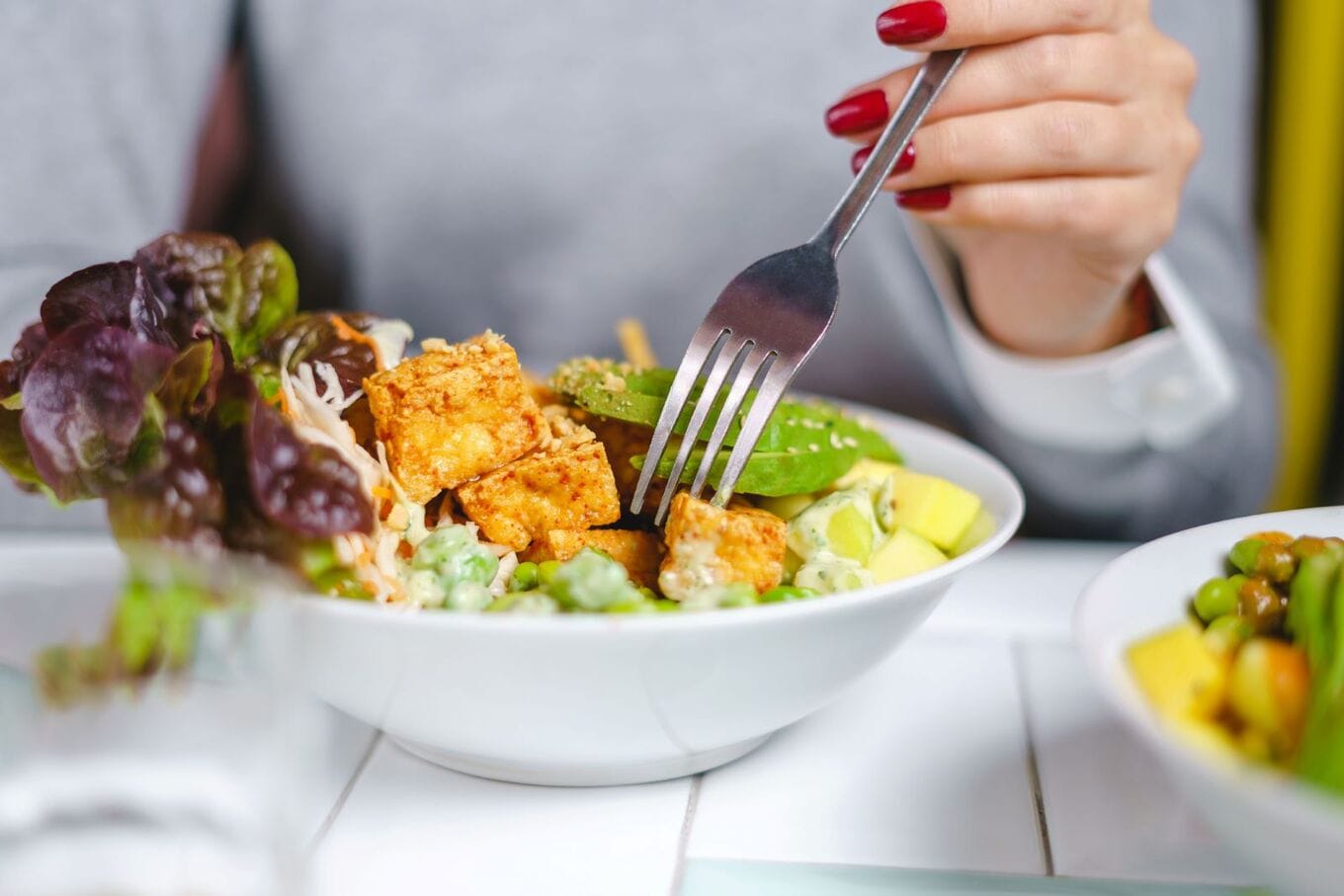
VegNews.Tofu.Getty

Getty

1Protein becomes more about balance and minimal processing

Throughout 2025, it was difficult to avoid discussions about protein, both online and in person. If it feels like everyone you know has been trying to increase their protein intake and encouraging you to do the same, we have some news: protein is not going anywhere in 2026.

However, the conversation is shifting. Many experts predict the focus will become less extreme and more balanced. “Look back at fat-free in the 1980s or carb-free in the noughties,” Alex Beckett, Mintel’s senior director of food and drink research, told Food Navigator. “History shows how dietary patterns shift from fixation to moderation.”

What people consume as protein is also evolving. Over the past year, scrutiny of ultra-processed foods has intensified, prompting consumers to seek cleaner, minimally processed protein sources instead of highly engineered plant-based meat alternatives. This does not mean your favourite burgers and sausages will disappear from shelves altogether. Rather, they will increasingly sit alongside more natural, whole-food options.

VegNews.FiberFoods.nensuria

nensuria

2Fibre will get even more attention

Protein was not the only nutrient on everyone’s lips throughout 2025. Fibre also enjoyed a well-deserved moment in the spotlight, and many experts anticipate it will receive even more attention in 2026.

In October, the Whole Foods Market Trends Council released a report highlighting the biggest trends for the year ahead. The panel of experts was confident that more fibre-rich products would begin appearing on shelves, noting that rising demand is “being driven by increasing consumer awareness of digestive health, weight management, and preventive healthcare.”

Market research firm Mintel agrees. Its 2026 Global Food and Drink Predictions report states: “In a time when there is an abundance of instantly available health advice, protein and fibre are cutting through the clutter in 2026 and going mainstream as easy-to-understand, accessible, and essential nutrients.”

The report also looks ahead to 2030 and predicts that interest in fibre will continue to grow and evolve. It suggests fibre may become “a nutritional defence against the rising risks microplastics pose to humans.”

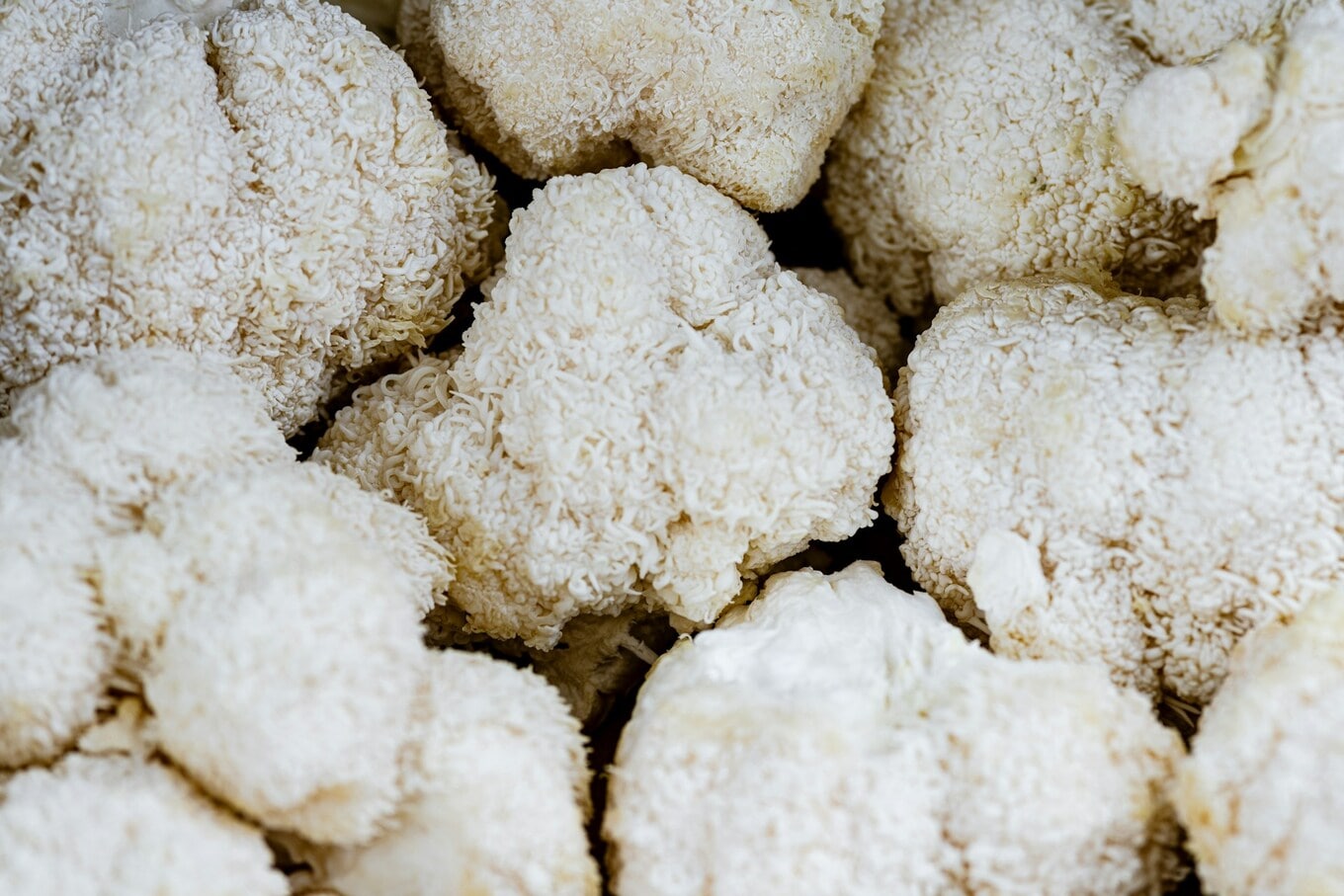
VegNews.LionsMane.KierInSightArchives.Unsplash

Kier in Sight Archives/Unsplash

3Functional plant-based ingredients and healthy snacks are only going to get more popular

In 2026, food will become even more focused on function and the tangible benefits it can offer our bodies. Functional mushrooms, for example, began moving into the mainstream in 2025, and that momentum is set to accelerate significantly in the year ahead. According to Fortune Business Insights, the functional mushroom market was valued at more than $33.7 billion in 2025 and is expected to reach more than $62.1 billion by 2032.

“The global market is expected to exhibit significant growth during the forecast period owing to the rising awareness related to the benefits offered by consuming specialty mushrooms,” the market research platform states. “The rising inclination of consumers toward functional foods further boosts market growth.”

Gut-friendly foods such as yogurt, kefir, kimchi, and sauerkraut are also poised to gain even more attention. At the same time, snacks will continue to shift toward health and wellness. This trend began to emerge in 2025, as seen in the Best Vegan Snacks of 2025, where VegNews readers voted for products like protein cookies, crunchy fibre-rich corn snacks, and soft-baked wholegrain bars.

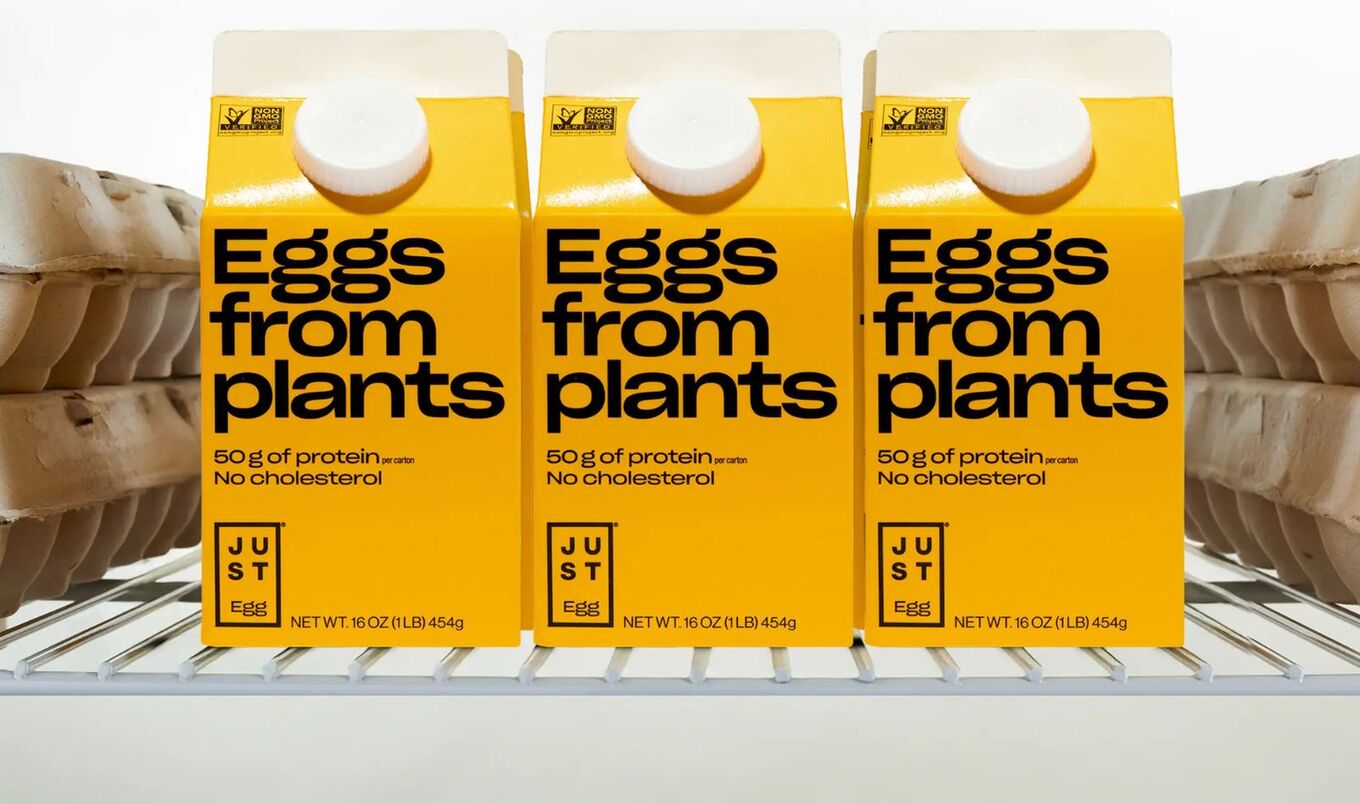
Just EggEat Just

4Vegan eggs and cheese will continue to thrive 

Rising prices and repeated outbreaks of bird flu have caused major disruption in the egg industry over the past few years. This instability has created an opening for plant-based egg companies, which are now seeing strong growth. Eat Just, along with other vegan egg brands, enjoyed an especially successful 2025. In February alone, Eat Just grew five times faster than it did in February 2024.

Research suggests the market is on a strong upward trajectory. According to Data Bridge Market Research, the global plant-based egg market could reach nearly $16 billion by 2032. For comparison, it was valued at $3.5 billion in 2024.

One key reason for this growth is supply-chain resilience. Vegan egg production is not as vulnerable to the disruptions that affect animal agriculture, yet the products are designed to taste and function like conventional eggs. “It’s simply a smarter way to produce eggs,” Eat Just CEO Josh Tetrick told VegNews. “Consumer sentiment and global climate trends point toward a future where eggs just happen to come from plants.”

The dairy-free cheese industry is also set for a strong year ahead. In particular, artisanal, French-style vegan cheeses are becoming more popular and accessible, driven by brands such as UmYum, which launched in the US this year; Rebel Cheese, which delivers nationwide; and Bettani Farms, which recently acquired Stockeld Dreamery and Treeline.

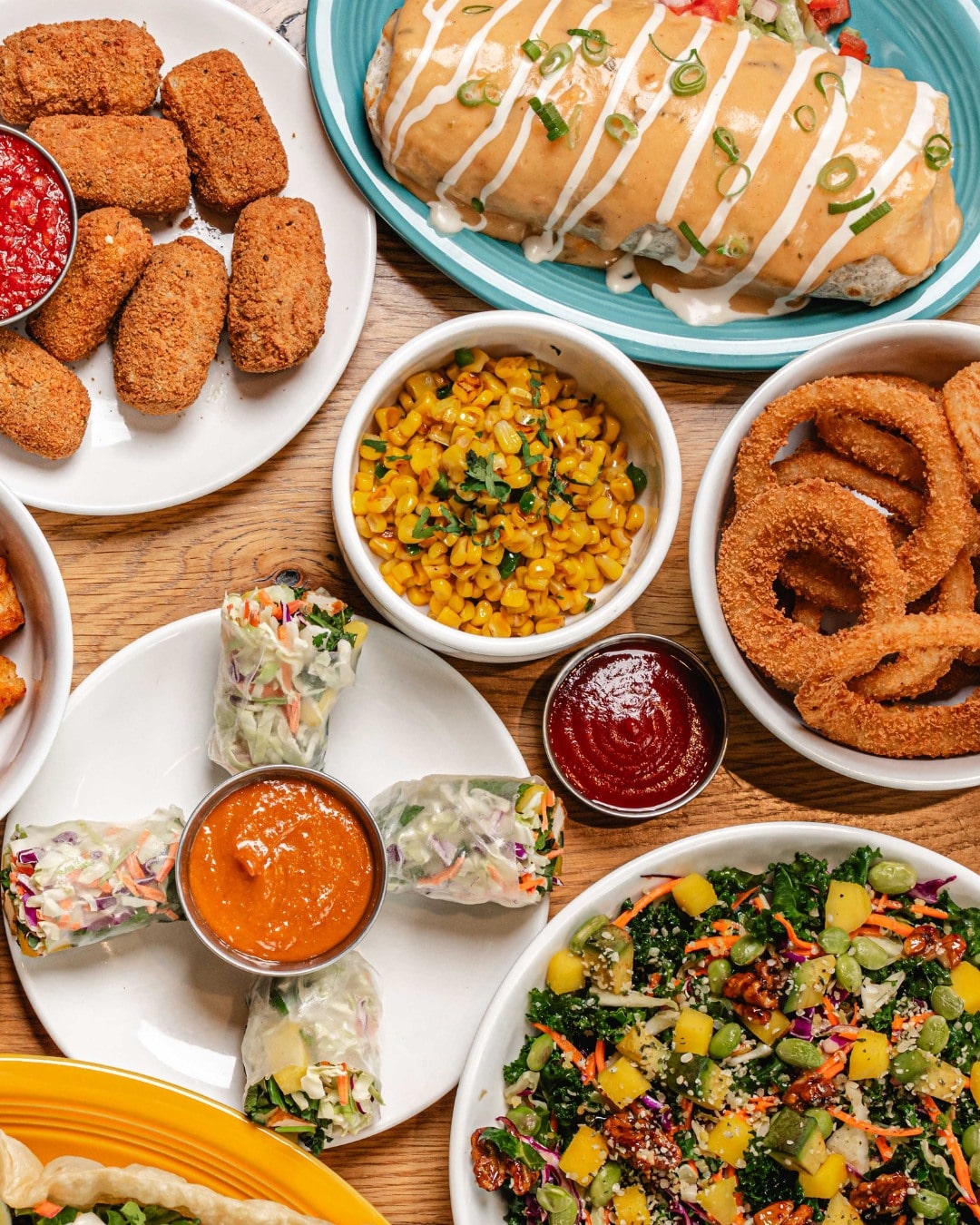
Next Level Veggie Grill2Next Level Veggie Grill

5Vegan restaurants will get more creative and collaborative

The past few years have been challenging for the vegan restaurant industry. Across the country, many beloved eateries have closed due to a combination of factors, including rising costs, tighter profit margins, and fewer customers amid the ongoing cost-of-living crisis.

Despite these challenges, many passionate restaurateurs are not giving up. Instead, they are finding new ways to persevere, with collaboration emerging as a key strategy. Examples include the merger of Veggie Grill and Next Level Burger to form Next Level Veggie Grill, as well as Evolution Fast Food and Donna Jean joining forces in San Diego. In North Hollywood, Vegatinos has also found a new home within Leonor’s Vegetarian Restaurant.

When we spoke with restaurateur Nemanja Golubovic, founder of Chicago vegan restaurant Kale My Name, about the difficulties facing the city’s dining scene, he expressed optimism for the years ahead. In his view, the vegan restaurant industry is poised to emerge stronger than ever.

“I do believe the landscape is evolving rather than disappearing,” he said. “The restaurants that survive and thrive will be the ones that adapt, build community, and offer something beyond what people can get everywhere else.”

Unlimeat bowlUnlimeat

6Globally-inspired flavours will dominate

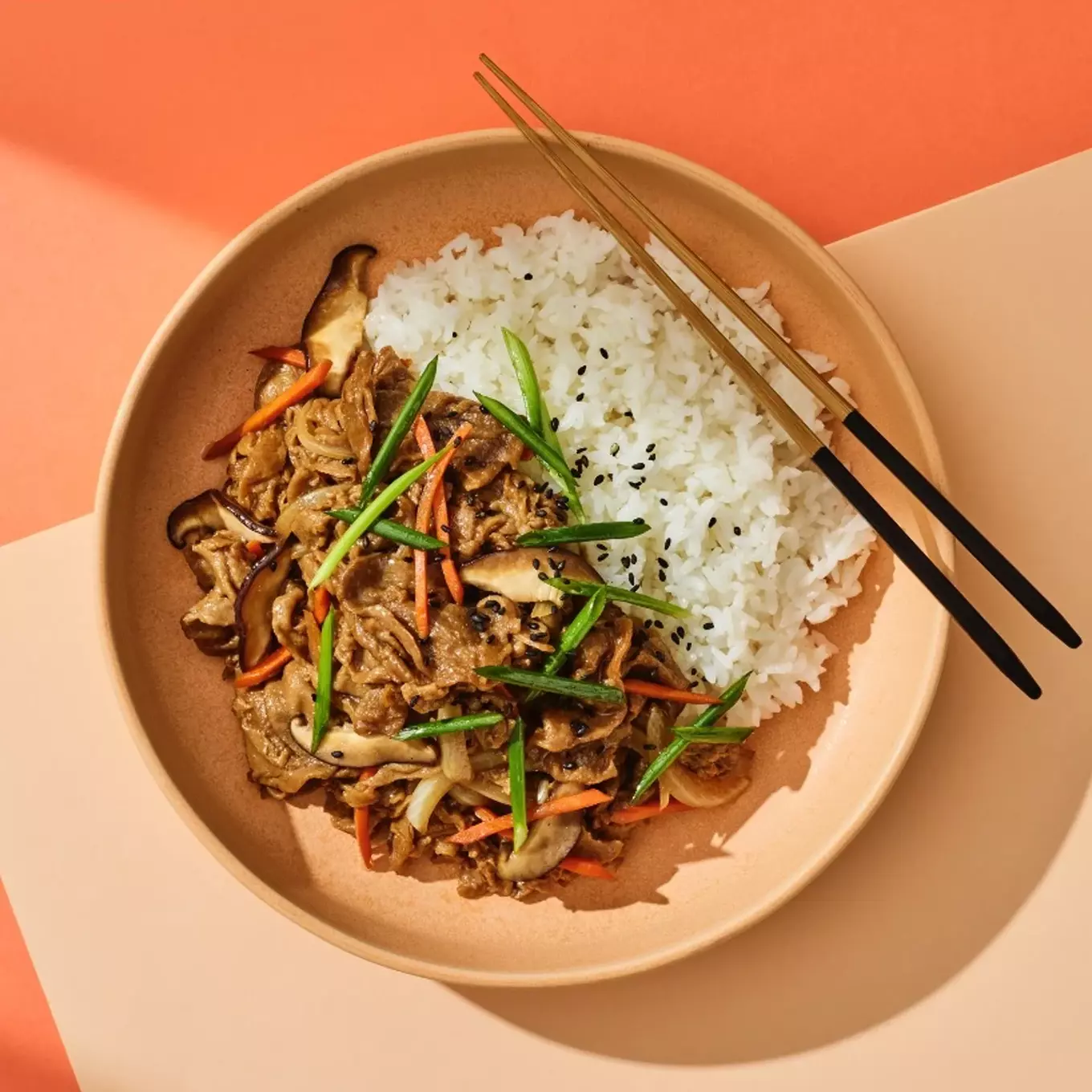
Korean food, likely influenced in part by the global success of K-pop, has surged in popularity in recent years, and 2026 is set to see this interest expand further into the vegan space. Unlimeat is already ahead of the curve, offering American consumers a wide range of plant-based Korean dishes, including Korean mochi cake, pork mandu, bulgogi, and more. Canadian brand Vinker is another vegan success story, with products such as Crispy Korean Chick’n and Spicy Glazed Korean Chick’n now available in select locations across the country.

For evidence that consumers are not only seeking global flavours when dining out but also when cooking at home, look no further than Trader Joe’s frozen aisle. We recently ranked 23 of the best frozen foods from the popular grocery chain, and nearly all were inspired by international cuisines. The top three picks were kimbap, vegan tikka masala, and vegan Thai green curry.

Turkish and Middle Eastern flavors are also gaining momentum. Dubai chocolate shows no signs of fading, while spice blends such as sumac and za’atar are becoming increasingly common in home kitchens as more people experiment with new flavor profiles.

According to Suzy Badaracco, president of Culinary Tides Inc., Middle Eastern flavors may even dominate other food trends in 2026. “It’s the next Mediterranean evolution and aligns with the 2026 desire for calm, sensual flavour experiences,” she told Bake Mag. “Its ingredients, including harissa, pomegranate, pistachio, labneh, and za’atar, are versatile, recognizable, and easy to integrate across snacks, sauces, meals, and beverages.”

Kate Farms shakesKate Farms

7There will be more GLP-1-focused vegan foods

It is impossible to ignore that GLP-1 medications such as Ozempic have become part of the mainstream. In response, the food and hospitality industries are launching more menus and products designed to suit smaller appetites and changing nutritional needs. The plant-based food sector will be no exception.

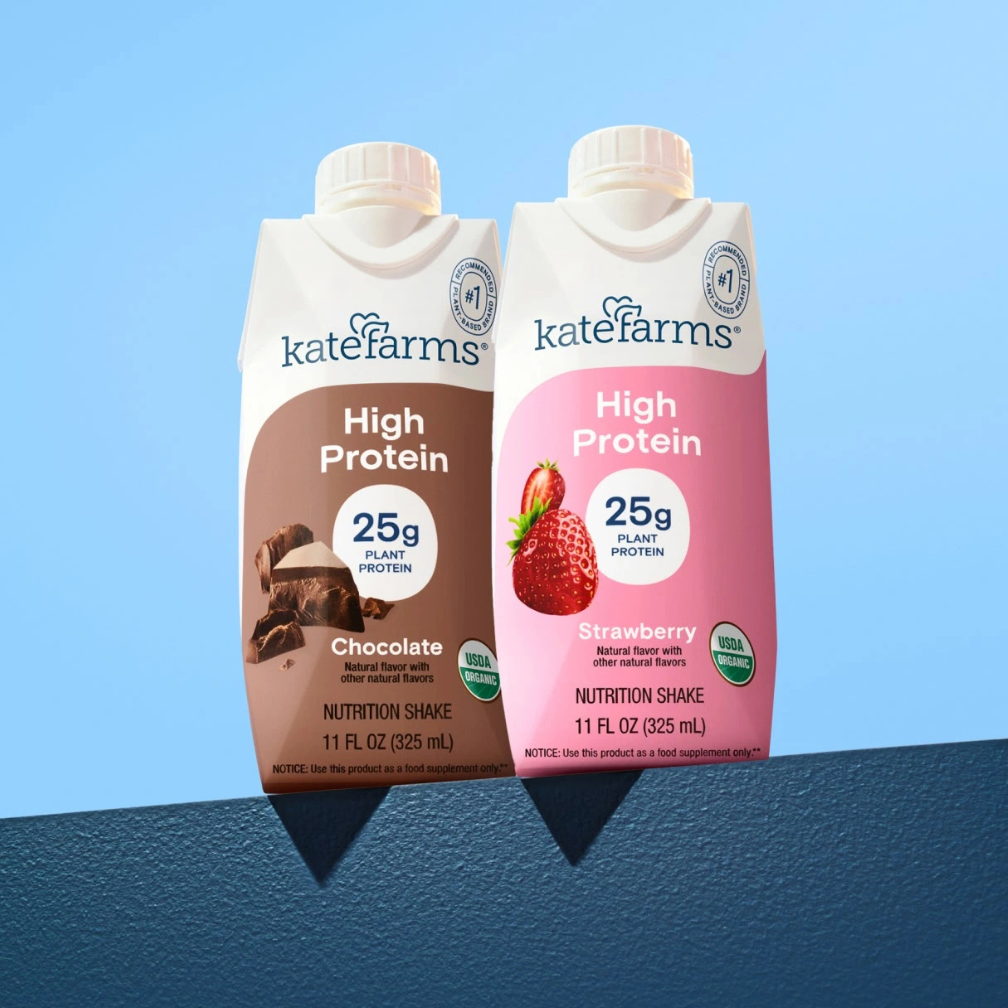
Danone’s plant-based nutrition brand Kate Farms, for example, has developed a high-protein shake designed to help GLP-1 users meet their nutritional goals. British brand Sweet Freedom, which specializes in vegan and natural sweet treats, now also markets itself as GLP-1 friendly.

“It’s vital for retailers and manufacturers to pay close attention to these trends,” Sally Lyons Wyatt, global executive vice president and chief adviser at Circana, told Food Business News. “The key to future success will be adapting product selections and marketing to line up with the new health-focused mindset of this growing group of shoppers.”

Sunday, September 7, 2025

Jamie Oliver’s Rallying Cry for “Beans, Beans, Beans”

From vegnews.com

Jamie Oliver’s “beans, beans, beans” comment positions legumes as a solution for both human health and the planet


Jamie Oliver has spent decades waging culinary campaigns against poor nutrition, from removing Turkey Twizzlers from school canteens to championing Britain’s sugar tax. But while promoting his new book, Eat Yourself Healthy, the chef distilled his latest health message into three words: “Beans, beans, beans.”

He explained the reasoning during an interview at his London headquarters, telling The Times, “Tim Spector is right. They are really good for the planet, setting nitrogen back into the soil, and really good for our gut and people. The average Brit is majorly deficient in fibre every day. If we should be pushing anything, it should be beans.”

beansGetty

The comment, delivered with Oliver’s characteristic bluntness, points to what he views as the next critical frontier in public health. While five‑a‑day fruit and vegetable messaging has become a familiar mantra, Oliver argues that the fibre gap—most adults falling far short of daily recommendations—is the real crisis hiding in plain sight.

The fibre deficit

In the UK, adults average only 18 to 20 grams of fibre per day, far below the recommended 30 grams. The shortfall has consequences: diets rich in fibre are consistently linked to reduced risk of heart disease, type 2 diabetes, and certain cancers. Research compiled by the British Nutrition Foundation shows that achieving the 30 gram target can significantly lower cholesterol, regulate blood sugar, and improve digestive health. Yet despite this evidence, fibre often remains sidelined in nutritional messaging, overshadowed by protein-heavy marketing or reductive “superfood” trends.

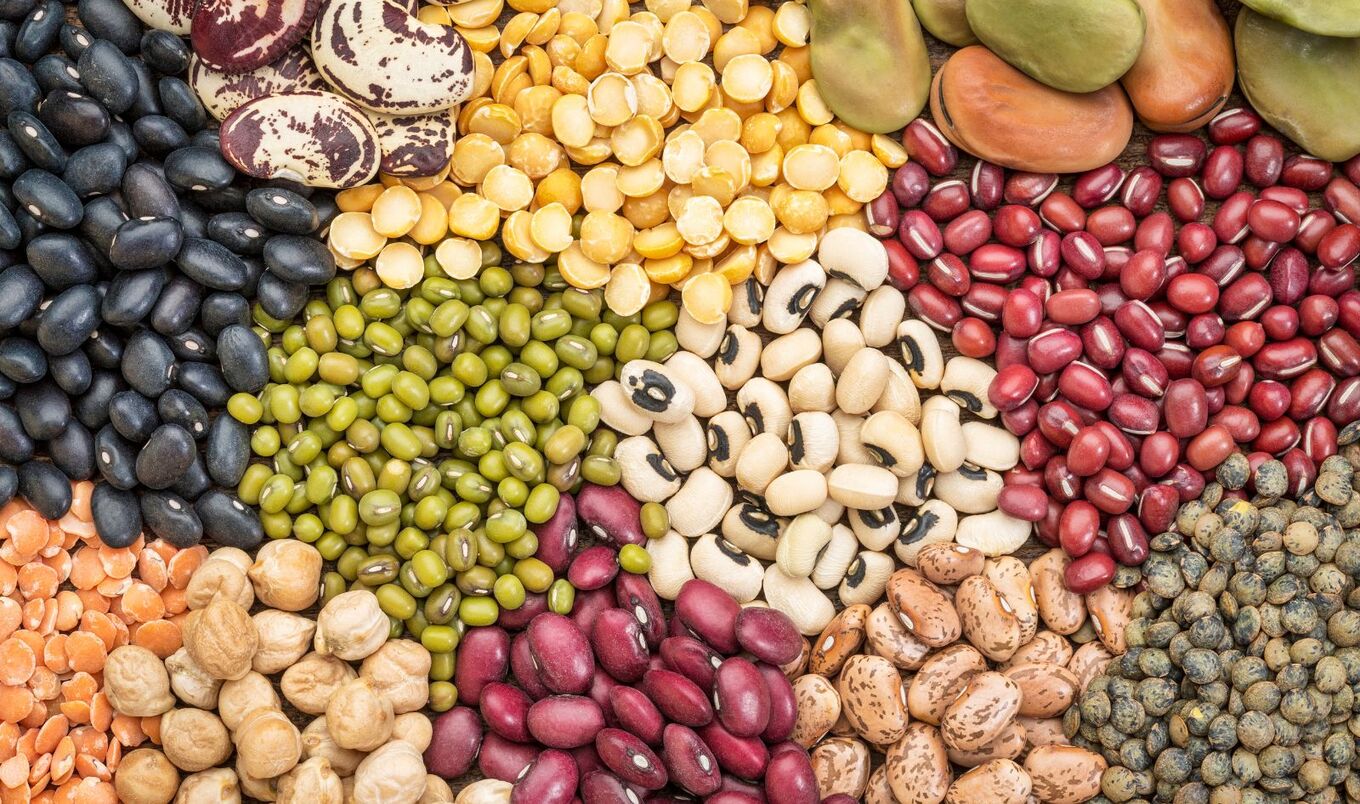
Oliver’s focus on beans underscores their unique value in closing this gap. A half‑cup of beans typically delivers more than five grams of fiber, along with resistant starch that supports healthy gut bacteria. Unlike processed protein snacks or supplements, beans are affordable, versatile, and widely accessible. They also provide plant-based protein, iron, potassium, and polyphenols—nutrients critical for cardiovascular and metabolic health. The emphasis in Oliver’s framing is not on expensive powders or fads but on foods that have nourished communities for centuries.

Beans for people and the planet

Oliver’s “beans, beans, beans” message also lands within the growing recognition of pulses as sustainable staples. Beans naturally return nitrogen to the soil, reducing the need for synthetic fertilizers that contribute to greenhouse gas emissions. Organizations such as the Food and Agriculture Organization of the United Nations have long advocated pulses as a cornerstone of climate-friendly diets, noting their resilience in water-scarce regions and ability to diversify cropping systems.

VegNews.healthymeal

The ecological argument dovetails with Oliver’s public health mission. By encouraging more bean consumption, he bridges the divide between personal wellness and environmental responsibility. His words echo recent global dietary research, such as findings from Harvard and Imperial College London, which emphasize that higher intakes of fruits, vegetables, and legumes—often seven to 11 portions a day rather than the long‑standing five—yield the greatest reductions in chronic disease risk.

For Oliver, the messaging is also about honesty. “Five a day is a lie,” he told The Times, pointing out that real benefits only appear at higher consumption levels. His new book, accompanied by a forthcoming television program, expands on this idea with recipes designed to sneak more vegetables and beans into everyday meals—sometimes hitting 11 servings in a single dish. “By the time you finish it you will be full, so you won’t be complaining about going hungry on some bloody Jamie Oliver diet. You’ll be stuffed,” he said.

https://vegnews.com/jamie-oliver-beans