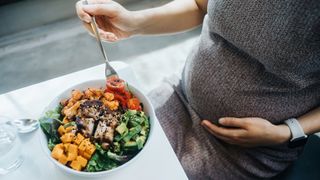
Iodine deficiency is often seen as a problem of the past, but this isn’t entirely true. During the 20th century, the iodisation of salt became one of the most effective public health interventions for preventing conditions caused by a lack of this mineral, including goiter (enlargement of the thyroid gland) and preventable damage to neurological development.
The World Health Organization (WHO) still views iodised salt as a safe and effective strategy, while UNICEF notes that it is the most widely used way of improving iodine intake worldwide.
However, the success of this simple measure means iodine has all but disappeared from public debate. And today, in several countries, signs of insufficient intake are once again being detected in certain groups, particularly in pregnant or breastfeeding women and people on restrictive or poorly planned diets.
What we are witnessing is not a dramatic resurgence of the most severe symptoms everywhere, but rather a silent risk of deficiency in contexts where vigilance has waned.
Iodine’s role in the body
Iodine is an essential micronutrient for the synthesis of thyroxine (T4) and triiodothyronine (T3), hormones that regulate metabolism, growth, and many physiological processes. Adequate intake during pregnancy and early childhood is particularly important for the normal development of the central nervous system and for the early stages of brain maturation.
The issue is not that people have stopped consuming salt, but rather that the type of salt they consume has changed, as have the sources of sodium in their diet. In recent years, iodised salt has been replaced in many households by “gourmet” or “natural” salts. These include sea salt, pink Himalayan salt, flaked salt and kosher salt, which are often perceived as more sophisticated or healthier, even though they are not always iodised.
In a way, iodised salt has an image problem. Compared to the culinary prestige of its trendy rivals, it has come to be viewed as something ordinary, outdated even.
Today, lot of our salt intake also comes from processed and ultraprocessed foods, meaning the use of iodised salt cannot be guaranteed. For this reason, the World Health Organization has called for coordination between policies that aim to reduce sodium intake and those that promote iodised salt.
The makeup of our diets has also changed a lot. Iodine is naturally present in all seafood, some dairy products and in eggs, though the quantity may vary from one region or food system to another. When a person reduces or cuts out several of these sources at once while not also consuming iodised salt or fortified foods, the risk of deficiency increases.
The result is that a basic, inexpensive, and effective micronutrient has fallen out of the spotlight just as certain groups are once again at risk of not getting enough iodine.
Plant-based diets
Vegetarian and vegan diets can be healthy, but they must take iodine into consideration. A 2023 review in the British Journal of Nutrition concluded that people following a plant-based diet, especially vegans, may find it hard to get the recommended amount of iodine from these foods alone.
This does not mean a plant-based diet is inherently lacking – and the solution is straightforward. Just as vitamin B12 is is commonly recommended for those who reduce theirconsumption of fish or dairy– or when people replace animal products with unfortified plant-based alternatives – so too should iodine.
Pregnancy and breastfeeding
Iodine deserves special attention during pregnancy. There is strong evidence that a severe deficiency of this micronutrient can affect foetal development and thyroid function, which is why many organisations use specific thresholds to assess iodine status in pregnant women. The US National Institutes of Health states that a urinary concentration of 150–249 micrograms per litre (μg/L) in pregnant women is considered adequate for the general population.
But there is a caveat to this. Concerns about mild or moderate deficiency are legitimate, but there is no conclusive evidence as to the cognitive benefits of supplementing all pregnant women who show a mild deficiency. Reviews and trials have indicated that there is plausible biological concern, and some studies suggest an association with poorer outcomes, but controlled experiments have not unanimously shown clear improvements in infant neurodevelopment.
Nevertheless, several scientific societies have adopted a cautious stance. The American Thyroid Association, for instance, states that women who are planning to conceive, pregnant or breastfeeding should receive 150 μg of iodine daily in prenatal or multivitamin supplements, usually in the form of potassium iodide, to help meet increased requirements.
Why ‘more salt’ is not the answer
Another important clarification is needed here. Advocating for iodised salt does not mean recommending a higher salt intake. The WHO maintains its recommendation to reduce sodium intake due to its link with high blood pressure and cardiovascular disease. In terms of public health, the solution is not “more salt”, but less – though the salt we do eat should be iodised.
In fact, the WHO itself has emphasised that reducing salt intake and fortifying salt with iodine are compatible, provided the concentration of the mineral is properly adjusted and salt used by the food industry is also fortified.
This point is key because it avoids two common pitfalls: turning the issue into a nostalgic defence of table salt, or the other extreme of assuming that any reduction in sodium intake will automatically solve all health problems without any nutritional consequences. But it is possible to strike a balance between preventing cardiovascular disease and iodine deficiency.
While a vegan diet can provide essential nutrients, research shows potential risks, including lower birth weights and nutrient deficiencies, emphasizing the need for well-planned diets and supplements during pregnancy
In a recent study published in the journal Nutrients, researchers in the Netherlands evaluated the nutritional intake and its association with maternal and foetal outcomes in pregnant women adhering to a vegan diet, providing evidence-based recommendations and guidelines.
Background
The prevalence of veganism, which excludes all animal products, is rising, driven by ethical, environmental, and health concerns. A 2023 European survey revealed that 1-8% of the population follows a vegan diet, with 75% being women aged 18-45. However, the rise in veganism among women of reproductive age has raised concerns regarding the long-term effects of vegan diets on maternal and foetal health, with evidence from existing studies being inconsistent. Maternal nutrition during pregnancy is critical, as deficiencies in nutrients such as iron, iodine, and calcium can cause serious health complications. However, guidelines on vegan diets during pregnancy vary, with some organizations endorsing it if well-planned, while others advise against it. Further research is needed to clarify the long-term effects of a vegan diet on maternal and child health.
The systematic review was conducted in accordance with the Preferred Reporting Items for Systematic Reviews and Meta-Analyses (PRISMA) guidelines. A search of three electronic databases, PubMed, Embase, and Cochrane, was performed from 1 January 2000 to 24 January 2024. The search strategy included a combination of Mesh terms and keywords related to vegan and vegetarian diets, as veganism is sometimes referred to as a type of vegetarian diet in the literature. References from the included studies and other systematic reviews were also screened for relevant studies, and the search results were transferred to Rayyan for management.
The review focused on original studies assessing the effects of a vegan diet on maternal and foetal outcomes in pregnant women. Studies involving non-pregnant participants or participants on non-vegan diets, such as pescatarians (who eat fish but no other meat) or flexitarians (mostly vegetarian, occasional meat), were excluded. Non-original studies, reviews, comments, and case reports were also excluded. Importantly, no restrictions on language or outcome measures were applied due to the limited data availability, which underscores the current gap in comprehensive research on this topic.
Independent reviewers screened titles and abstracts. Full texts were retrieved for potentially relevant articles, and final decisions on inclusion were made after independent reviews and discussion. Data extraction was conducted, and discrepancies were resolved through further review. The methodological quality of the included studies was assessed using the National Institutes of Health Study Quality Assessment Tool for Observational Cohort and Cross-sectional Studies. Each study was rated for quality, with final scores categorized as good, fair, or poor based on the ratings of individual criteria. The authors noted that the quality of most studies was insufficient due to small sample sizes, self-reported data, and lack of adjustment for confounding variables.
Study results
A total of 2,211 studies were identified during the initial search. After duplicates were removed, 2,067 unique articles were screened based on title and abstract, resulting in six articles being included in the final review. These studies included both vegan and omnivore participants, though the results of any vegetarian groups were not considered in this review. Two studies were prospective cohort studies involving the same group of participants, while the other four were cross-sectional studies. These studies were conducted in Israel, Italy, Denmark, and the United States of America (USA), and all reported on foetal outcomes, while four also included maternal outcomes. The sample sizes ranged from 18 to 234 women on a vegan diet and 15 to 65,872 women on an omnivorous diet. Due to the small sample sizes of the studies, the authors emphasized that these results should be viewed as preliminary and hypothesis-generating rather than conclusive.
The studies showed varying results regarding nutrient intake. One study reported that vegan women had significantly lower protein, retinol, vitamin B12, vitamin D, calcium, and iodine intake than omnivores. However, beta-carotene and folate intake were higher in vegans. While these findings are significant, the journal also highlighted that the use of dietary supplements, particularly vitamin B12 and iron, could optimize nutrient levels in vegan pregnant women, mitigating some of these deficiencies. Another study found no significant differences in plasma levels of ferritin, haemoglobin, vitamin B12, and folic acid between vegan and omnivorous pregnant women, though women on vegan diets taking supplements had significantly higher circulating vitamin B12 levels.
Two studies reported significantly lower maternal weight gain in vegan women compared to omnivores, with fewer cases of excessive weight gain among the vegan group. However, results on maternal pregnancy-related outcomes were mixed. One study found a higher prevalence of pre-eclampsia (pregnancy-related high blood pressure) in vegan women, while others showed no significant differences in gestational diabetes, preterm birth, Cesarean sections, or postpartum hemorrhage between vegan and omnivorous women. The journal emphasized that further investigation is needed to assess whether these results are due to nutritional factors or other confounding variables not accounted for in the studies.
Regarding fetal outcomes, five studies examined birth weight, with some reporting significantly lower birth weights and a higher prevalence of small-for-gestational-age (SGA) infants among vegan mothers. In comparison, others found no significant differences in birth weight or SGA prevalence between the two groups. The authors of the journal suggested that the lower birth weight may be linked to lower protein intake in vegan women, a factor that could influence fetal growth. Umbilical cord nutrient levels were also assessed in one study, with no significant differences between the groups, except for higher vitamin B12 levels in infants of vegan mothers who took supplements. Overall, the results showed some differences in maternal and fetal outcomes, but the findings were inconsistent across studies. This inconsistency, combined with the small sample sizes, limits the ability to draw firm conclusions from the existing data.
Conclusions
To summarize, vegan women had lower protein, vitamin B12, and calcium intakes but higher beta-carotene and folate levels. The use of vitamin B12 supplements was shown to be particularly effective in preventing deficiencies in both mothers and infants. However, vitamin D intake was frequently insufficient in both vegan and omnivorous women, suggesting a need for supplementation across dietary groups. Some studies reported lower birth weights among babies of vegan mothers, though results on small-for-gestational-age prevalence were mixed. Vegan women had lower rates of excessive gestational weight gain, but findings on pre-eclampsia were inconsistent. Due to the methodological limitations of the included studies, the authors call for larger, more rigorous research to develop clearer guidelines on the effects of a vegan diet during pregnancy.
Everything you need to know about enjoying healthy vegan pregnancy
When it comes to nutrition, it’s hard to find a more controversial topic than vegan pregnancy. Plant-based enthusiasts point out that avoiding animal-based foods while pregnant can be equally beneficial for mother and baby, as well as the environment. Opponents, on the other hand, claim that vegan diets lack the essential nutrients needed for proper infant growth and development. Right in the middle of this debate are medical professionals and scientists, who stress that both of these groups may be right, and that the exact pregnancy outcome may heavily depend on diet quality.
If you are expecting, but want to continue enjoying your vegan diet, chances are you have many important questions about the foods you should eat, and the supplements you may need to take.
Here, we’ve created a vegan pregnancy guide to discuss the latest evidence on the topic and help answer any questions you may have. At the same time, we strongly recommend that you consult a medical professional or dietician before you make any changes to your normal dietary routine, especially during pregnancy.
IS A VEGAN DIET HEALTHY DURING PREGNANCY?
First things first, a balanced vegan diet is a suitable approach during pregnancy, according to a major review published in the Nutrients(opens in new tab) journal. Several highly regarded nutrition societies, including the Academy of Nutrition and Dietetics(opens in new tab) and the British Dietetic Association(opens in new tab) have also issued statements backing the safety of vegan diets for pregnant women.
“Whether you are vegan or an omnivore, it is very important to consume more fresh fruits and vegetables in any life stage, including pregnancy,” adds Caroline Susie, registered dietitian and spokesperson for the Academy of Nutrition and Dietetics(opens in new tab).
According to the Advances in Nutrition(opens in new tab) journal, not eating enough plant-based foods when expecting a baby may increase the risk of several gestation-related issues, such as preeclampsia (a serious condition that causes high blood pressure during pregnancy and after labour) and obesity. It can also directly contribute to adverse health outcomes in the infant, including paediatric wheeze, diabetes, neural tube defects and even cancers.
However, it needs to be stressed that dietary requirements change significantly during pregnancy, and eating a well-balanced diet is extremely important throughout this time.
“Well-planned vegetarian and vegan diets can be nutritious and healthy, but it is also possible to follow a vegetarian or vegan diet badly,” says Dr. Annette Creedon, nutritionist and nutrition manager at the British Nutrition Foundation(opens in new tab). “U.K. dietary surveys indicate that animal-derived foods, such as meat and dairy, are typically important contributors of certain nutrients in our diet including iron, vitamin B12 and calcium. If meat and/or dairy foods are not part of someone’s diet, it’s important to ensure that these nutrients are provided by other dietary sources.”
Indeed, results from a review in the Clinical Nutrition(opens in new tab) journal have shown that vegans are at a higher risk of not obtaining enough protein, vitamin B2, vitamin B3, vitamin B12, vitamin D, iodine, zinc, calcium, potassium and selenium. Many of these nutrients are crucial to healthy pregnancy. Vegan mothers-to-be may also have lower blood levels of certain omega-3 and omega-6 fatty acids, as reported in the Nutrients(opens in new tab) journal.
So what’s the solution? “You must plan,” says Susie. “It is just imperative that as a future mom you are aware of the potential vitamin and mineral deficiencies that can occur when you avoid certain foods.”
Indeed, according to the Journal of Perinatology(opens in new tab), vegan diets may increase the risk for small-for-gestational-age newborns (smaller than the usual amount for the number of weeks of pregnancy) and lower birth weight. Similar findings were presented in the Journal of Maternal-Fetal & Neonatal Medicine(opens in new tab), though scientists stressed that the values were still within an acceptable range.
“A baby could be at increased risk of low birth weight or birth defects if a parent's diet does not include enough protein, vitamin B12, vitamin D, calcium, DHA and iron,” says Abbas Kanani, superintendent pharmacist at Chemist Click(opens in new tab). “Each stage of fetal growth is dependent on nutrient transfer so a balanced diet is essential to avoid complications.”
HOW CAN YOU GET THE RIGHT NUTRITION AS A VEGAN DURING PREGNANCY?
General dietary guidelines in pregnancy
Medical guidelines stress the importance of following a healthy, balanced diet while pregnant. According to the US Department of Health and Human Services(opens in new tab), pregnancy increases your requirements for energy and certain nutrients, particularly protein, iron, folic acid, calcium, and iodine.
Women also need about 340 extra calories a day in the second trimester, and 450 extra calories a day in the third trimester. They are certain foods to avoid during pregnancy too, including alcohol, caffeine, raw meats, raw eggs, soft unpasteurised cheeses, pre-prepared salads, unpasteurized juices or milks, and raw sprouts.
And in order to obtain enough omega-3 fatty acids, mothers-to-be are encouraged to increase their fish and seafood consumption.
Understandably, some of these guidelines will not apply to a vegan pregnancy, and certain modifications need to be made to suit plant-based mothers-to-be. So here’s how you could apply these recommendations when you don’t eat animal-based products:
(Image credit: Getty Images)
Protein
Mothers-to-be need to increase their intake of protein to help the foetus grow and develop properly. Studies(opens in new tab) have shown that both essential and non-essential amino acids (protein ‘building blocks’) are involved in this complex process.
While animal-based foods contain all essential amino acids, most vegan foods lack one or more of these important compounds. That’s why they are considered as incomplete protein sources. To ensure a good amino acid intake, ‘mix and match’ different plant-based protein sources, for example, pitta bread with hummus. Another solution is to include more complete vegan sources of protein in your diet.
The Recommended Daily Allowance (RDA) for the first trimester of pregnancy is 0.8 g per kg of bodyweight. After the first trimester, it stands at 1.1 g per kg of body weight.
Plant-based sources of protein include:
Soy and soy-based products, such as tofu and tempeh
Seitan ('wheat meat')
Quinoa
Buckwheat
Chia and hemp seeds
Beans, peas, lentils
Iron
Iron is crucial to the formation and proper functioning of oxygen-carrying red blood cells. As the foetus grows and develops, the mother's blood volume expands to meet its metabolic needs. According to the American Journal of Obstetrics and Gynecology(opens in new tab), iron deficiency in pregnancy can have many negative health consequences, including maternal illness, low birthweight and premature births. Low maternal iron intake has also been linked to autism, schizophrenia and abnormal brain structure, as well as memory problems, slower speed of processing, and poorer bonding in newborns.
Meat, poultry and seafood are particularly rich sources of iron and may have better bioavailability in the digestive tract than plant-based sources. However, studies(opens in new tab) show that combining plant-based iron with vitamin C tends to improve absorption.
The Recommended Dietary Allowance (RDA) in pregnancy is 27 mg for all ages.
Plant-based sources of iron include:
Beans, peas and lentils
Tofu
Cashew nuts
Chia, hemp and pumpkin seeds
Kale
Dried apricots and figs
Iodine
Adequate iodine intake is essential when expecting a baby. Studies in Proceedings of the Nutrition Society(opens in new tab) suggest that severe iodine deficiency during pregnancy may cause impaired brain development in the child, with effects on cognitive and motor function, hearing and speech. The evidence is growing that even mild-to-moderate deficiency may result in subtle impairments in cognition and school performance.
Iodine is mainly found in animal-based foods, particularly fish and seafood. However, it can also be found in certain plants, and many food items are routinely fortified with this nutrient.
The Recommended Dietary Allowance (RDA) in pregnancy is 220 mcg.
Plant-based sources of iodine include:
Wholegrains
Green beans
Courgettes
Kale, spring greens and watercress
Strawberries
Seaweed
(Image credit: Getty Images)
Zinc
Zinc is another nutrient essential to healthy pregnancy. As described in the Biology of Reproduction(opens in new tab) journal, embryos rely on this trace mineral for proper growth, development and implantation in the womb.
Meats, poultry, and seafood are especially rich in zinc. However, many plant-based foods also contain this nutrient, and some breakfast cereals are fortified with it as well.
The Recommended Dietary Allowance (RDA) in pregnancy is 11-12 mg.
Plant-based sources of zinc include:
Beans, peas and lentils
Tofu
Walnuts and cashew nuts
Chia, hemp and pumpkin seeds
Wholemeal bread
Quinoa
Calcium
Calcium is needed for the formation of bones, nerves, muscles and the heart of a baby. According to a review published in the International Journal of Molecular Sciences(opens in new tab), maternal calcium deficiency may lead to altered gene expression in their offspring. This in turn can interfere with hormone balance and increase the risk of metabolic complications in newborns.
Although the requirements for calcium do not rise in pregnancy, many vegans do not consume enough of it. But you don’t have to resort to dairy products to get enough of this important nutrient. Most of the best milk alternatives and breakfast cereals are fortified with calcium.
Plant-based sources of calcium include:
Soy and soy-based foods
Beans, peas and lentils
Almonds and Brazil nuts
Sesame, chia and flaxseeds
Dark leafy greens
Cruciferous vegetables
Fortified milk alternatives
(Image credit: Getty Images)
Vitamin B9 (folic acid)
Folic acid is crucial to a healthy pregnancy, and medical professionals routinely advise mothers-to-be to supplement this nutrient. Getting enough of vitamin B9 reduces the incidence of neural tube birth defects involving the spine and the brain. The evidence is growing that this nutrient may also reduce the risk of autism in infants, and have beneficial effects on their neurodevelopment, as stated in the PLoS One(opens in new tab) journal.
The Recommended Dietary Allowance (RDA) in pregnancy is 600 mcg.
Plant-based sources of folic acid include:
Leafy greens
Beans, peas and lentils
Oranges
Beetroot
Quinoa
Mango
Asparagus
Chia seeds and ground linseed
Vitamin B12 (cobalamin)
When it comes to vegan pregnancy, vitamin B12 intake should be of particular concern. As this nutrient is almost non-existent in plant-based foods, vegans are advised to supplement it. According to scientists from the European Journal of Haematology(opens in new tab), low intakes of cobalamin in pregnancy may have a negative effect on children’s cognitive and motor function. It can also significantly impact their growth.
You can find B12 in:
Breakfast cereals fortified with vitamin B12
Unsweetened soya drinks fortified with vitamin B12
Yeast extract, such as Marmite
Nutritional yeast flakes fortified with vitamin B12
(Image credit: Getty Images)
It is also advisable that pregnant people eating a vegan diet take a supplement of B12 to ensure the body is getting the recommended daily allowance (2.6 mcg in pregnancy).
Vitamin D
According to the Critical Reviews in Food Science and Nutrition(opens in new tab) journal, not getting enough vitamin D during pregnancy may increase the risk of preeclampsia and gestational diabetes in mothers, as well as preterm births and low birth weight in newborns.
Vitamin D status is of particular importance in vegan pregnancy, despite the fact that the requirements for this nutrient do not change. As most sources of this vitamin are animal-based, those on plant-based diets may be at much higher risk of developing deficiency. You may need to turn to foods that are fortified with vitamin D, or take supplements.
Omega-3 fatty acids
Omega-3 fatty acids can provide a host of health benefits. The evidence is growing that these nutrients may also have an impact on pregnancy. According to a recently published Cochrane systematic review(opens in new tab), women who take omega-3 supplements during gestation may be at a lower risk of preterm birth, while their infants are less likely to present with low birth weight, die prematurely, or be admitted to neonatal care.
Studies in the Journal of Nutrition(opens in new tab) also found that omega-3 supplementation may have a beneficial impact on a baby’s cognitive development. However, researchers stress that these are all preliminary findings, and more studies are needed to fully understand the nature of these associations.
Fish and seafood are by far the best dietary sources of omega-3 fatty acids. Having said this, certain plant-based foods can help you improve their intake as well, and algae-based dietary supplements are widely available.
Plant-based sources of omega-3 fatty acids include:
Walnuts
Flaxseeds, chia seeds and hemp seeds
Edamame
Seaweed and algae
(Image credit: John Lawson)
Choline
Adequate choline intake may be another important factor in vegan pregnancy. According to a review published in the Journal of the American Dietetic Association(opens in new tab), this nutrient plays a key role in foetal brain and nervous system development. And although the exact dietary requirements for choline are unknown, pregnant women are advised to eat 450 mg of this nutrient a day.
Plant-based sources of choline include:
Tofu and soy-based products
Cruciferous vegetables
Beans
Quinoa
Peanuts and peanut butter
DO YOU NEED TO SUPPLEMENT AS A VEGAN DURING PREGNANCY?
There is a lot of conflicting information about the safety and efficacy of different prenatal dietary supplements.
The Obstetrical & Gynecological Survey(opens in new tab) compared pregnancy guidelines from different public health institutions. The World Health Organization (WHO), International Federation of Gynaecology and Obstetrics (FIGO), and National Institute for Health and Care Excellence (NICE) recommend supplementing with 400 μg of folic acid a day. But when it comes to other micronutrients, they do not hold a similar stance.
FIGO encourages pregnant women to also supplement iron (30 mg per day starting at the first prenatal visit or as soon as possible for preventing anaemia at term) and iodine (daily oral multiple micronutrient supplement that contains 150 μg of iodine). Only FIGO supports multiple micronutrient supplementation as an option in specific settings. One of such exceptions is a vegan diet.
FIGO advice(opens in new tab) also states that vegan mothers-to-be should consult with a nutritionist or a registered dietician before they start pregnancy. They should also be screened for vitamin D deficiency, and if necessary, take supplements with vitamin D3.
Caroline Susie agrees. “Vegan moms who are planning to start a family should ensure they are meeting their vitamin and mineral level needs,” she says. “Let your doctor know you are vegan and meet with a registered dietitian who can help you meet your dietary needs during this special time. Those who are vegan want to ensure they have enough DHA, folic acid, iodine, iron, and choline. Also, a friendly reminder to check with your doctor before adding any additional supplements.”
CRAVINGS ON A VEGAN DIET DURING PREGNANCY
Cravings during pregnancy are a common phenomenon, but scientists aren’t entirely sure why they happen.
“It may be associated with changes in the body’s hormone levels during pregnancy, although there is little evidence to support this,” says Dr. Creedon. Some studies suggest they may not be rooted in one’s biology, but rather in various cultural, psychological, and social factors, as described in the Frontiers in Psychology(opens in new tab) journal.
Most expectant mothers go with their cravings, as long as they are not harmful to the baby. However, when vegan mothers start obsessing over meat, it may leave them surprised and rather confused.
Most experts agree that you do not need to follow the cravings, but you may try to make them more bearable by choosing to eat more of certain plant-based foods.
“I am a big believer in honouring your cravings and there are many meat substitute products on the market today for both eggs and chicken that are ‘vegan friendly’”, says Susie.
This article is for informational purposes only and is not meant to offer medical advice.