From msn.com/en-us
By Caitlin Rodgers
1. Lentils ©Pexels

Lentils deliver around 6.6 mg of iron per cup, making them one of the most iron-dense whole foods available on a plant-based diet. They're also rich in protein, fibre, and complex carbohydrates, which makes them a genuinely practical choice for athletes who need sustained energy alongside their iron hit. Whether you're making a big batch of soup or a quick weeknight dal, lentils are flexible enough to fit into pretty much any eating routine.
Beyond iron, lentils contain natural phenolic compounds and carotenoids that act as powerful antioxidants and have anti-inflammatory properties. That's a nice bonus for anyone whose training load keeps inflammation running high. A simple squeeze of lemon juice over a lentil bowl isn't just tasty - it's actually a smart absorption move that brings vitamin C into the mix right where you need it.
Beyond iron, lentils contain natural phenolic compounds and carotenoids that act as powerful antioxidants and have anti-inflammatory properties. That's a nice bonus for anyone whose training load keeps inflammation running high. A simple squeeze of lemon juice over a lentil bowl isn't just tasty - it's actually a smart absorption move that brings vitamin C into the mix right where you need it.
2. Tofu ©Unsplash

Tofu stands out as a plant-based iron powerhouse, with one cup of firm tofu containing about 13.3 mg of iron, making it one of the highest single-serving iron sources available without meat. It's also a strong protein source, which is doubly valuable for vegan athletes managing both muscle recovery and iron needs in one meal. The versatility doesn't hurt either - tofu absorbs marinades well and fits comfortably into everything from stir-fries to scrambles.
Tofu contains phytates, compounds that can inhibit iron absorption. However, the fermentation process in tempeh breaks down many of these phytates, making the iron more readily available for your body to use. For tofu specifically, pairing it with bell peppers, tomatoes, or a citrus-based marinade significantly improves how much iron your body actually takes in from a given serving.
Tofu contains phytates, compounds that can inhibit iron absorption. However, the fermentation process in tempeh breaks down many of these phytates, making the iron more readily available for your body to use. For tofu specifically, pairing it with bell peppers, tomatoes, or a citrus-based marinade significantly improves how much iron your body actually takes in from a given serving.
3. Chickpeas ©Pexels

Chickpeas provide around 4.7 mg of iron per cup, and they come packaged with plenty of protein and fibre that keep you feeling full and fuelled through long training sessions. They're the kind of food that works hardest when it's the least dramatic - tossed into a grain bowl, blended into hummus, or roasted until crispy for a snack. For busy athletes who need high-nutrition food that's also low-maintenance, chickpeas tick every box.
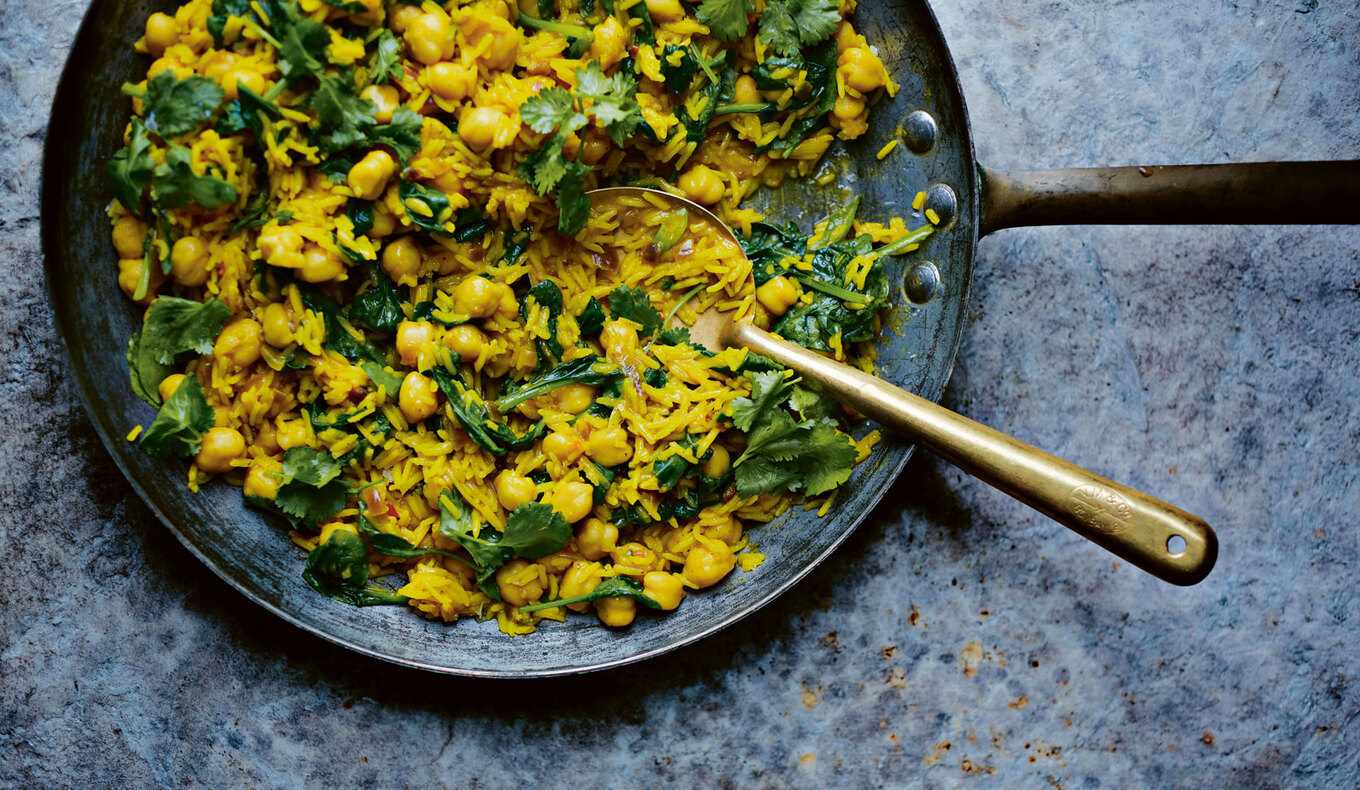
Cooked chickpeas contain about 2.9 mg of iron per 100 grams, and their mild flavour makes them easy to pair with vitamin C-rich companions like tomatoes, lemon, and bell peppers. A classic chickpea curry with diced tomatoes isn't just comforting - it's actually a well-designed iron meal. Add a squeeze of lime and you've quietly upgraded the absorption value of the whole dish.
Cooked chickpeas contain about 2.9 mg of iron per 100 grams, and their mild flavour makes them easy to pair with vitamin C-rich companions like tomatoes, lemon, and bell peppers. A classic chickpea curry with diced tomatoes isn't just comforting - it's actually a well-designed iron meal. Add a squeeze of lime and you've quietly upgraded the absorption value of the whole dish.
4. Tempeh ©Pexels

Tempeh, made from fermented soybeans, provides around 4.5 mg of iron per cup. What sets tempeh apart from most other soy foods is the fermentation process itself. Choosing tempeh over tofu when possible is a good strategy, because the fermentation process naturally reduces phytates and makes minerals more bioavailable.
That means you're not just eating more iron - you're actually absorbing more of it. The protein in tempeh is high quality, with a 100-gram serving containing around 20 grams of protein. For vegan athletes who are already navigating protein targets, tempeh does double duty in a satisfying way.
Try it sliced into strips and pan-fried until crispy, or crumbled into a grain bowl with roasted red peppers for an easy post-training meal that quietly handles both your iron and protein needs at once.
That means you're not just eating more iron - you're actually absorbing more of it. The protein in tempeh is high quality, with a 100-gram serving containing around 20 grams of protein. For vegan athletes who are already navigating protein targets, tempeh does double duty in a satisfying way.
Try it sliced into strips and pan-fried until crispy, or crumbled into a grain bowl with roasted red peppers for an easy post-training meal that quietly handles both your iron and protein needs at once.
5. Spinach ©Unsplash

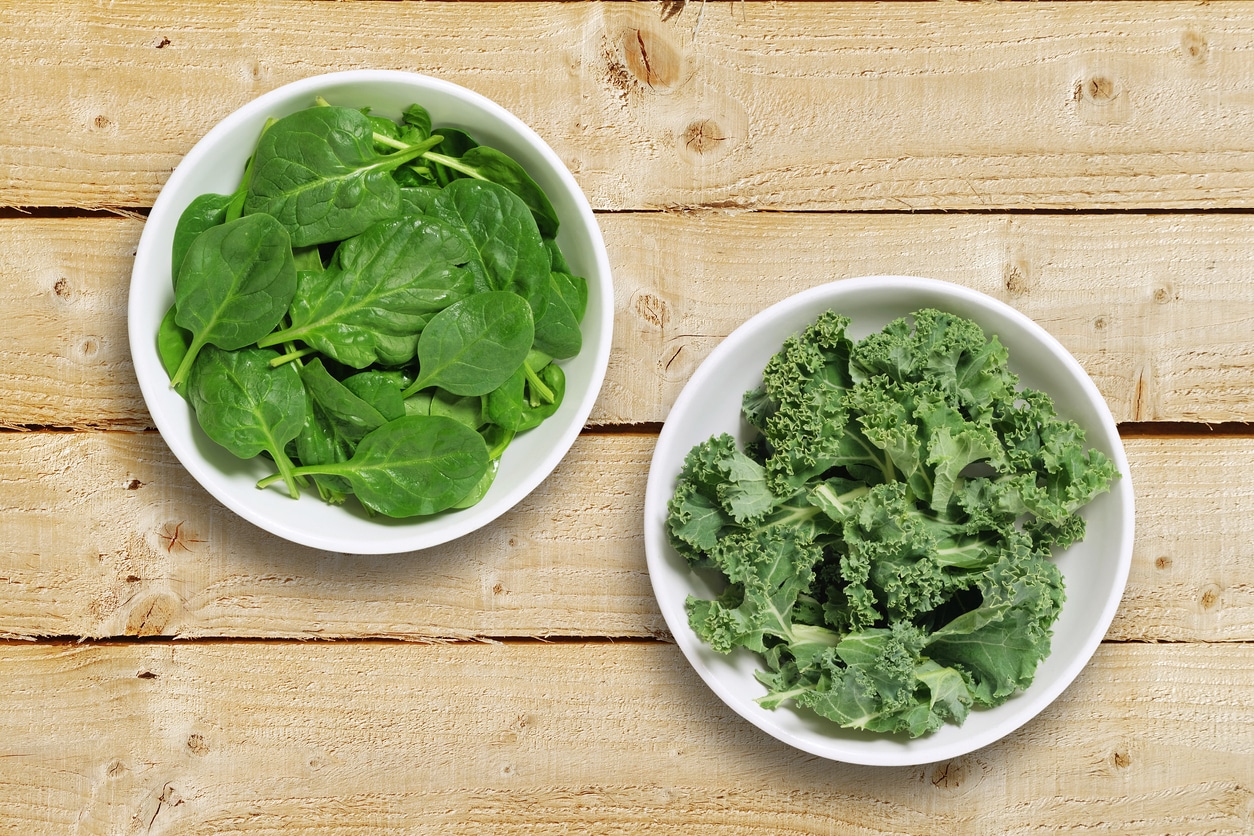
Cooked spinach delivers around 6.4 mg of iron per cup, which puts it right up there with lentils in terms of iron density from a leafy green. The cooking part matters here. Spinach contains compounds called oxalates, which can bind to iron and hinder its absorption, but a simple cooking process like steaming or sautéing can significantly reduce these oxalates and unlock more of the available iron.
So a raw spinach salad is lovely, but wilted spinach gets more of that iron into your body. Half a cup of cooked spinach packs around 3.2 mg of iron, plus vitamin C to help with absorption. That natural vitamin C content is worth noting because spinach essentially helps itself get absorbed.
Pair it with a protein like tofu or chickpeas, add a bit of lemon or tomato, and you've got a genuinely efficient iron meal with almost no extra planning required.
So a raw spinach salad is lovely, but wilted spinach gets more of that iron into your body. Half a cup of cooked spinach packs around 3.2 mg of iron, plus vitamin C to help with absorption. That natural vitamin C content is worth noting because spinach essentially helps itself get absorbed.
Pair it with a protein like tofu or chickpeas, add a bit of lemon or tomato, and you've got a genuinely efficient iron meal with almost no extra planning required.
6. Pumpkin Seeds ©Pexels

Pumpkin seeds deliver around 4.2 mg of iron per ounce, which is a lot of iron for something you can toss into a trail mix or scatter over a bowl of oatmeal. They're one of those foods that earn their place in a busy athlete's routine simply because the barrier to eating them is so low. A small handful as a pre-workout snack or a topping on soup takes seconds and genuinely contributes to your daily iron intake.
Pumpkin seeds are also a great source of zinc and protein, and contain an extra dose of vitamin K and magnesium. They're bursting with antioxidants such as carotenoids, which have health-protecting properties. For athletes dealing with muscle soreness or oxidative stress from heavy training, those antioxidants are a quiet bonus.
Try them toasted and sprinkled over a lentil soup with a squeeze of orange juice to pull everything together.
Pumpkin seeds are also a great source of zinc and protein, and contain an extra dose of vitamin K and magnesium. They're bursting with antioxidants such as carotenoids, which have health-protecting properties. For athletes dealing with muscle soreness or oxidative stress from heavy training, those antioxidants are a quiet bonus.
Try them toasted and sprinkled over a lentil soup with a squeeze of orange juice to pull everything together.
7. Quinoa ©Pixabay

A 100-gram serving of cooked quinoa delivers approximately 2.8 mg of non-heme iron. Unlike many plant sources, quinoa is also a complete protein, containing all nine essential amino acids necessary for muscle repair and growth. That combination of iron and complete protein is relatively rare in the plant world, which is what makes quinoa genuinely useful for vegan athletes rather than just trendy.
It's a base you can build almost any meal around. While quinoa contains phytates that can slightly reduce iron absorption, this effect is minimal compared to its overall benefits. Rinsing quinoa thoroughly before cooking helps to remove saponins, its bitter outer coating, and can also reduce some phytate content.
That rinsing step takes about thirty seconds and makes a real difference. Cook it in a batch at the start of the week and you'll have an iron-rich, protein-complete base ready to go for several days of meals.
It's a base you can build almost any meal around. While quinoa contains phytates that can slightly reduce iron absorption, this effect is minimal compared to its overall benefits. Rinsing quinoa thoroughly before cooking helps to remove saponins, its bitter outer coating, and can also reduce some phytate content.
That rinsing step takes about thirty seconds and makes a real difference. Cook it in a batch at the start of the week and you'll have an iron-rich, protein-complete base ready to go for several days of meals.
8. Swiss Chard ©8. Swiss Chard (SaucyGlo, Flickr, CC BY 2.0)

Cooked Swiss chard provides around 4 mg of iron per cup, making it one of the more underrated leafy greens in the iron conversation. It tends to live in spinach's shadow, but it's actually a comparable source and can be a nice change of pace when your taste for spinach wears thin. Like most leafy greens, it cooks down dramatically, so a large bunch in a pan becomes a manageable side dish in just a few minutes.
Swiss chard also brings magnesium and potassium to the table alongside its iron content, both of which matter for muscle function and recovery during heavy training blocks. Sauté it with garlic, a drizzle of olive oil, and a squeeze of lemon for an easy side that effectively combines an iron source with an absorption booster. It's one of those plates that does more work than it looks like it's doing.
Swiss chard also brings magnesium and potassium to the table alongside its iron content, both of which matter for muscle function and recovery during heavy training blocks. Sauté it with garlic, a drizzle of olive oil, and a squeeze of lemon for an easy side that effectively combines an iron source with an absorption booster. It's one of those plates that does more work than it looks like it's doing.
9. Black Beans ©Pexels

Black beans contain around 3.6 mg of iron per cup, and they come with a full package of fibre, plant protein, and slow-digesting carbohydrates that support endurance and recovery. They're one of the most practical iron-rich foods for busy athletes simply because they're so easy to use. Canned black beans take virtually no preparation, making them a realistic option even on weeks when cooking time is tight.
Garlic and onions, from the allium vegetable family, can help increase iron absorption, so cooking your black beans with onions and garlic is a smart habit. Pair a black bean bowl with diced tomatoes, a handful of roasted peppers, and fresh cilantro and you've got a meal that addresses iron intake, absorption, and great flavour all at once. It really can be that simple.
Garlic and onions, from the allium vegetable family, can help increase iron absorption, so cooking your black beans with onions and garlic is a smart habit. Pair a black bean bowl with diced tomatoes, a handful of roasted peppers, and fresh cilantro and you've got a meal that addresses iron intake, absorption, and great flavour all at once. It really can be that simple.
10. Fortified Cereals ©Pexels

Fortified cereals can provide up to 18 mg of iron per serving, which makes them one of the most concentrated plant-based iron sources available in a single meal. The iron added is non-heme iron in forms like ferrous sulfate, which are typically well-absorbed, making fortified foods a reliable and accessible option for athletes with higher iron needs. For vegan athletes who struggle to hit their targets through whole foods alone, a bowl of fortified cereal in the morning can meaningfully shift the picture.
Consuming your fortified cereal with a source of vitamin C can dramatically increase the bioavailability of the non-heme iron, helping your body make the most of what's provided. A simple glass of orange juice or a handful of strawberries alongside breakfast does exactly that. Always check the ingredients list for sugar content, as many fortified cereals are high in added sugars.
Aim for options with fewer than 6 grams of sugar per serving to ensure you're getting a nutrient boost without an unnecessary sugar spike. Iron on a plant-based diet isn't complicated once you know the landscape. It's mostly about building consistent habits around these ten foods, pairing them smartly with vitamin C, and keeping an eye on the things that quietly block absorption like coffee, tea, and high-dose calcium close to meals.
In general, it's recommended that non-meat eaters consume 1.8 times as much iron as meat-eaters, due to non-heme iron being less absorbable. That sounds like a lot, but spread across a day of intentional eating, it's genuinely achievable. Your training deserves the fuel to match it.
Consuming your fortified cereal with a source of vitamin C can dramatically increase the bioavailability of the non-heme iron, helping your body make the most of what's provided. A simple glass of orange juice or a handful of strawberries alongside breakfast does exactly that. Always check the ingredients list for sugar content, as many fortified cereals are high in added sugars.
Aim for options with fewer than 6 grams of sugar per serving to ensure you're getting a nutrient boost without an unnecessary sugar spike. Iron on a plant-based diet isn't complicated once you know the landscape. It's mostly about building consistent habits around these ten foods, pairing them smartly with vitamin C, and keeping an eye on the things that quietly block absorption like coffee, tea, and high-dose calcium close to meals.
In general, it's recommended that non-meat eaters consume 1.8 times as much iron as meat-eaters, due to non-heme iron being less absorbable. That sounds like a lot, but spread across a day of intentional eating, it's genuinely achievable. Your training deserves the fuel to match it.