Showing posts with label vegan sausages. Show all posts

Saturday, November 29, 2025

Cost of Starting a Vegan Sausage Manufacturing Plant 2025

From openpr.com

The Vegan Sausage Manufacturing Plant Cost

A vegan sausage manufacturing plant is an industrial facility designed to produce plant-based sausage products that replicate the taste, texture, and appearance of traditional meat sausages using ingredients such as soy protein, pea protein, wheat gluten, vegetables, and various seasonings. Vegan sausage manufacturing involves protein extraction, texturization, formulation, mixing, stuffing, cooking, and packaging processes to create ready-to-eat or ready-to-cook plant-based sausages. These products serve as alternatives to conventional meat sausages and cater to the growing consumer demand for sustainable, ethical, and health-conscious food options. Such an industrial plant is capital intensive, and costs must be determined for a vegan sausage manufacturing plant as part of calculated project planning.

Unveiling the World of Vegan Sausages

Vegan sausages are plant-based protein products designed to mimic the sensory characteristics of traditional pork, beef, or chicken sausages while containing no animal-derived ingredients. They typically contain 15-25% protein content derived from sources like textured vegetable protein (TVP), vital wheat gluten, or isolated pea protein, combined with fats from coconut oil or sunflower oil, binders, and natural flavourings. They are one of the key products in the rapidly expanding plant-based food sector and serve consumers seeking meat alternatives for health, environmental, or ethical reasons. The growing demand for plant-based proteins globally has positioned the vegan sausage manufacturing plant as an integral part of the food processing and alternative protein industry.

What are Vegan Sausages Used For?

Vegan sausages are primarily used as direct substitutes for meat sausages in various culinary applications including breakfast meals, barbecues, pasta dishes, sandwiches, and as ingredients in processed foods. The resulting products are consumed by vegans, vegetarians, flexitarians, and health-conscious consumers seeking to reduce meat consumption. Vegan sausages are also used in foodservice operations, restaurants, and institutional catering. They provide complete protein sources while offering lower saturated fat, zero cholesterol, and reduced environmental impact compared to animal-based sausages. Because the plant-based food market continues to expand rapidly, the total cost of the vegan sausage manufacturing plant must be carefully considered.

Get the Sample Report: https://www.imarcgroup.com/vegan-sausage-manufacturing-plant-project-report/requestsample

Key Factors for Vegan Sausage Plant Setup Requirements

Establishing a vegan sausage manufacturing plant requires careful consideration of several key factors that directly impact both the initial plant setup cost and long-term profitability.

• Raw Materials and Protein Supply: The cost and availability of primary raw materials such as textured soy protein, pea protein isolate, vital wheat gluten, vegetable oils, and natural casings are paramount. A secure and cost-effective supply chain is vital for managing the vegan sausage manufacturing cost.
• Manufacturing Technology and Equipment: The choice between different processing technologies (extrusion systems, high-shear mixers, vacuum fillers, thermal processing equipment), forming and linking machines, and automated packaging lines directly influences efficiency and the final vegan sausage manufacturing plant cost.
• Food Safety and Regulatory Compliance: Securing food safety certifications (HACCP, ISO 22000), vegan certifications, and adhering to regulations for labelling, allergen control, and sanitation standards is essential. This ensures consumer safety and market access while avoiding costly recalls and regulatory penalties.
• Location and Infrastructure: Proximity to protein suppliers and distribution centres, along with access to reliable utilities (electricity, water, refrigeration), cold chain logistics, and transportation networks, significantly impacts operational efficiency and overall vegan sausage manufacturing cost analysis.


Detailed Process Flow and Quality Control

The manufacturing process for vegan sausages involves a series of precisely controlled food processing operations. Initially, dry protein ingredients are hydrated and mixed with oils, seasonings, binders, and colorants to create a uniform emulsion. This mixture undergoes texturization through extrusion or high-shear mixing to achieve the desired fibrous texture mimicking meat. The formulated mixture is then stuffed into natural or synthetic casings, typically in links weighing 80-120 grams each, with standardized dimensions suitable for retail packaging. A thorough vegan sausage manufacturing plant report would detail each of these critical steps.

• Unit Operations Involved: The process includes key stages such as ingredient preparation, hydration and mixing, emulsification, texturization, casing stuffing, thermal processing (cooking/smoking), cooling, and packaging. Each step is carefully controlled to ensure optimal texture, flavour, and shelf-life specifications.
• Mass Balance and Raw Material Requirements: A precise mass balance calculation is essential for determining the exact quantity of protein concentrates, oils, water, binders, seasonings, and packaging materials needed per unit of finished sausages. This directly influences the total vegan sausage manufacturing cost.
• Quality Assurance Criteria: Quality is assessed based on protein content (typically 15-25%), moisture levels, texture profile, colour consistency, and microbiological safety. Technical tests, including nutritional analysis, texture analysis, sensory evaluation, and pathogen testing, are performed to meet food safety and consumer acceptability requirements.

Buy Report Now: https://www.imarcgroup.com/checkout?id=13126&method=1911


Factors Influencing Vegan Sausage Manufacturing Costs

The overall vegan sausage manufacturing plant cost is a complex interplay of various factors. A detailed vegan sausage manufacturing cost analysis is essential for a profitable venture.

CapEx and OpEx Analysis for Vegan Sausage Manufacturing Cost:

• Raw Material Costs: As the largest component of variable costs, the price of protein ingredients (soy, pea, wheat gluten) and specialty oils is a major determinant of the final product's cost. Global commodity price fluctuations and protein ingredient availability significantly impact profitability and operating margins.
• Capital Investment: The initial plant setup cost for extrusion equipment, industrial mixers, stuffing machines, thermal processing systems, refrigeration units, packaging lines, facility construction, and food safety infrastructure constitutes a significant barrier to entry. This substantial one-time expense is amortized over the plant's operational life.
• Operational Costs: These include fixed costs like skilled labour, maintenance, quality control, and insurance, as well as variable costs such as utilities (electricity, water, steam, and refrigeration), packaging materials, cleaning supplies, and regulatory compliance measures.
• Formulation and Recipe Development: The complexity of the formulation, including premium ingredients like natural flavours, specific protein blends, and clean-label additives, affects production costs. Proprietary recipes that deliver superior taste and texture may command premium pricing.
• Manufacturing Capacity: The scale of manufacturing significantly influences unit costs through economies of scale. Larger plants benefit from lower per-unit capital and operational costs, bulk ingredient purchasing advantages, and improved distribution efficiency, affecting the overall vegan sausage manufacturing plant cost.
• Location and Market Conditions: The geographical location influences transportation costs for raw materials and finished products, as well as access to skilled food processing labour. Additionally, proximity to retail distribution centres, target consumer markets, and regional demand patterns affect pricing and logistics costs.

Ask An Analyst: https://www.imarcgroup.com/request?type=report&id=13126&flag=C

Conclusion:

A successful vegan sausage manufacturing plant requires a thorough understanding of the entire manufacturing process, from initial plant setup and manufacturing cost analysis to market dynamics, consumer preferences, and supply chain management. The industry continues to evolve with advances in protein texturization technology, flavour development, clean-label formulations, and sustainable packaging solutions. By carefully managing raw material sourcing, optimizing production efficiency, maintaining strict food safety and quality standards, and implementing innovative product development, manufacturers.

About Us:

IMARC is a global market research company offering comprehensive services to support businesses at every stage of growth, including market entry, competitive intelligence, procurement research, regulatory approvals, factory setup, company incorporation, and recruitment. Specializing in factory setup solutions, we provide detailed financial cost modelling to assess the feasibility and financial viability of establishing new production plants globally. Our models cover capital expenditure (CAPEX) for land acquisition, infrastructure, and equipment installation while also evaluating factory layout and design's impact on operational efficiency, energy use, and productivity. Our holistic approach offers valuable insights into industry trends, competitor strategies, and emerging technologies, enabling businesses to optimize operations, control costs, and drive long-term growth.

Contact Us:

IMARC Group
134 N 4th St. Brooklyn, NY 11249, USA
Email: sales@imarcgroup.com
Tel No:(D) +91 120 433 0800

United States: (+1-201971-6302)

https://www.openpr.com/news/4292372/cost-of-starting-a-vegan-sausage-manufacturing-plant-2025 

Sunday, June 23, 2024

So, We Have Reached Peak Vegan Sausage?

From vegconomist.com

This is a story about Beyond Meat’s fourth iteration of its plant-based sausage, how we have reached “peak vegan sausage”, and how these “fake vegan meats” are apparently dangerous for our health.

Beyond Meat today unveiled the fourth iteration of the Beyond Sausage, offering “enhanced flavor and meaty texture while raising the bar on nutrition and earning recognition from leading health organizations”. Like the recent reformulation of the Beyond Burger patty, the sausages are now made with avocado oil and contain 2g of saturated fat per link and 17g of protein per link.

Additionally, the new formula features a 66% reduced saturated fat content compared to the previous version of Beyond Sausage, is certified as part of the American Diabetes Association’s Better Choices for Life program, and comes with a collection of heart-healthy recipes certified by the American Heart Association’s Heart-Check program.

But! The vegan sausage trend may have peaked!

And, vegan fake meats are linked to increase in heart deaths!

Aren’t they?

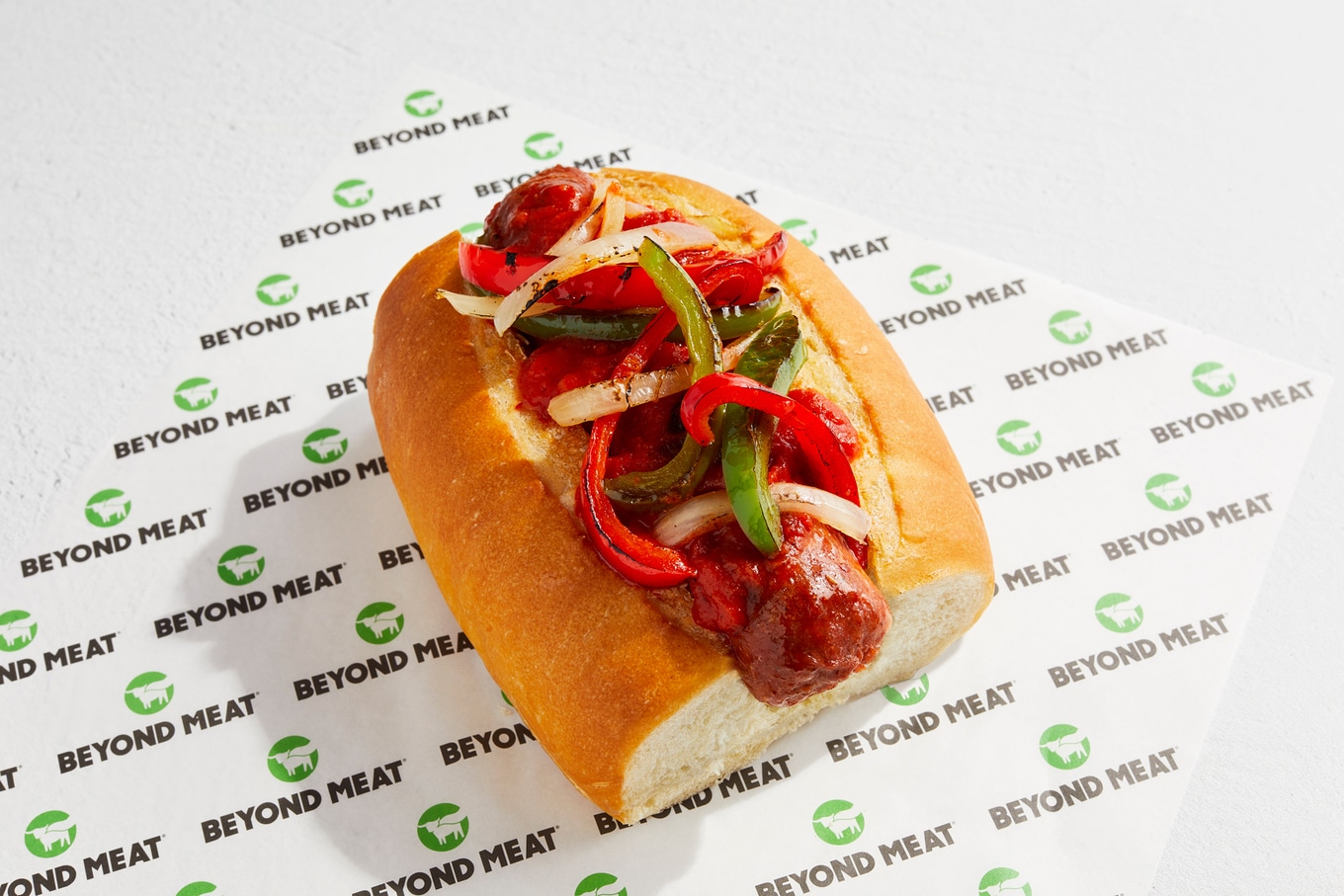
New Beyond Sausage formula
                                                                                                                             © Beyond Meat

Much has already been said about the recent study published in The Lancet whose findings have been deliberately and systematically taken out of context by publications across the world for the sake of clickbait headlines, not least the UK’s right wing Telegraph which, as we reported last week, went with the highly provocative headline, “Vegans are slowly killing themselves”, which, by the way, was written by a dairy farmer.

However, in reality, plant-based meats represented just 0.2% of the diets in the study which included packaged baked goods, French fries, salty snacks, confectionery, and even alcoholic drinks which accounted for a larger share than alt meats.

Stella Child, research and grants manager at GFI Europe, said to vegconomist at the time, “Plant-based meat made up just 0.2% of the ‘plant-sourced UPF’ category used in this study, most of which comprised products already well-known to be unhealthy, like cakes, pastries, and biscuits,” she said. “To put that into context, study participants ate 35 times more cake than plant-based meat, and so it’s incredibly unlikely that plant-based meat had anything to do with the results observed.”

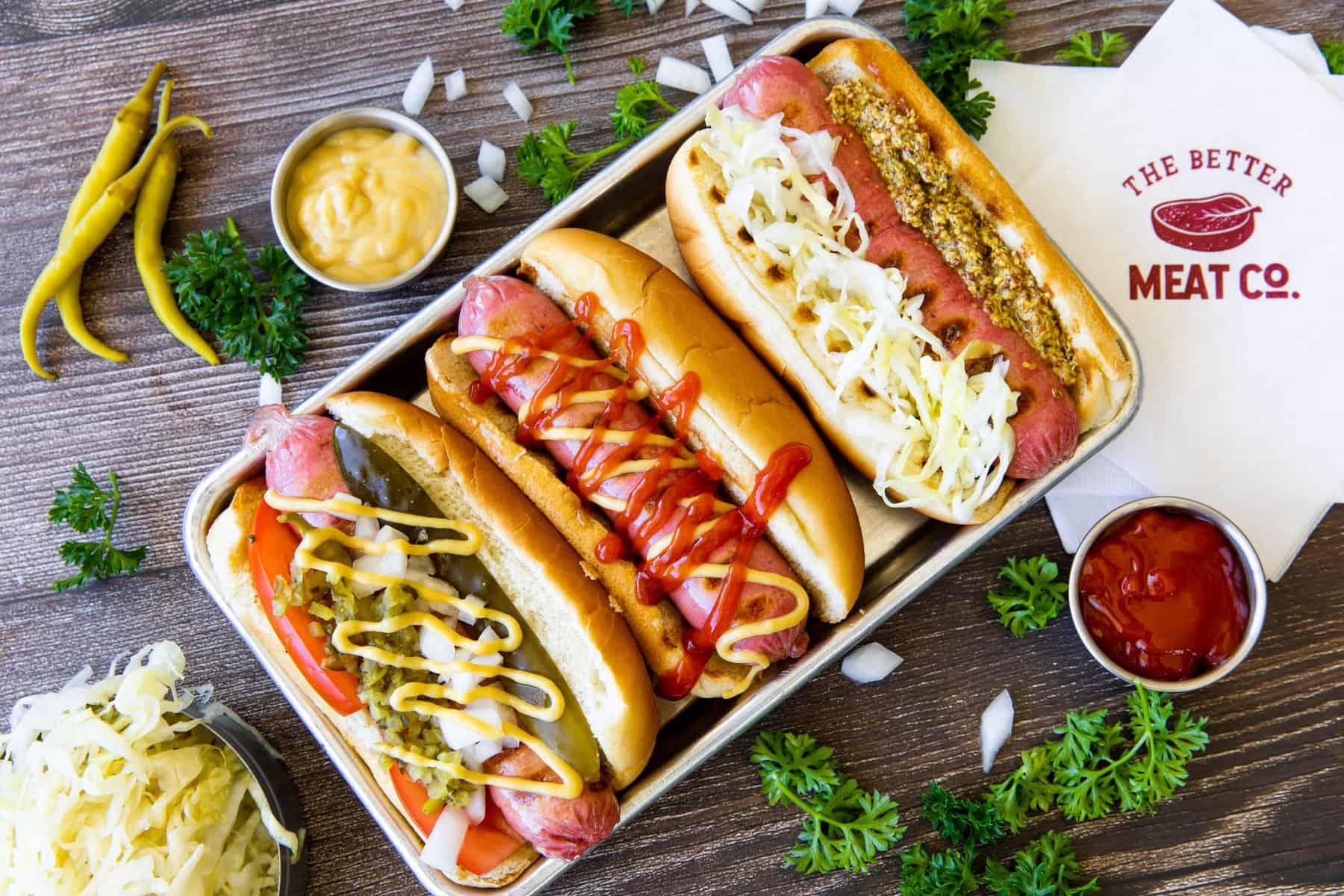
Sausages/ Hot Dogs
                                                                                                                 ©The Better Meat Co.

Another Telegraph article from last week titled The hidden health hazards of vegan sausages claimed, “These meatless substitutes contain a litany of highly processed ingredients – and supermarket sales are falling”.

“Vegan sausages contain a litany of highly processed ingredients. For the body of the sausage, pea protein is the main ingredient – the jury is still out on how processed this is compared to the other ingredients, because you can make something similar at home with flour and water,” it states.

“Linda McCartney’s vegetarian sausages have a higher percentage of textured soy protein, while in Quorn sausages, it is mycoprotein, a yeast-like mass grown industrially in vats.”

Let’s take a quick look at this, for all it’s worth.

First of all, there is nothing wrong with pea protein. According to the US National Library of Medicine, “Pea (Pisum sativum) is an important source of nutritional components and is rich in protein, starch, and fiber. Pea protein is considered a high-quality protein and a functional ingredient in the global industry due to its low allergenicity, high protein content, availability, affordability, and deriving from a sustainable crop. Moreover, pea protein has excellent functional properties such as solubility, water, and oil holding capacity, emulsion ability, gelation, and viscosity.”

As for mycoprotein: research by a team of scientists at VTT Technical Research Centre of Finland shows that mycoprotein is a valuable ingredient: it offers digestible proteins and, unlike meat, dietary fiber. The authors found that mycoprotein increases the presence of beneficial gut bacteria, as opposed to a diet high in red meat, which has been linked to risk factors for cancer.

Let’s not forget, while we’re here, that processed animal meat, such as sausages, bacon, ham, and corned beef, are classified as carcinogenic by the cancer arm of the World Health Organization, and appear in the same risk group for cancer (group 1) as asbestos, cigarettes, and alcohol.

Processed meat is carcinogenic
                                                                                                                   © Plantbased News

Truth and lies

The Changing Markets Foundation’s investigation, Truth, Lies, and Culture Wars uncovered over a million examples of misinformation surrounding meat and dairy, as we mentioned in our disinformation report here.

As we now well know, the origin of this mis and disinformation is the Center for Consumer Freedom, funded by US lobbyist Rick Berman.

Berman runs a vast network of organizations that advocate for controversial industries. It is claimed that he founded Berman and Company with significant financial support from Philip Morris, a major tobacco company, which provided at least $600,000 to combat anti-smoking laws, as well as receiving millions from businesses in the alcohol sector.

Berman is a lobbyist focused on combating what he terms the “nanny state.” He orchestrates campaigns against various groups, including environmental organizations like PETA as well as various unions.

“The Center for Consumer Freedom (CCF) is a nonprofit corporation run by lobbyist Rick Berman through his public relations company, Berman & Co. The CCF, was set up by Berman with a $600,000 “donation” from tobacco company Philip Morris, says PETA.

According to PETA’s investigation, the Center for Organizational Research and Education (CORE) has now taken over the role of the Center for Consumer Freedom (CFF). The Center for the Environment and Welfare website came online this April, with a focus on smearing PETA and other animal protection groups.

“The Center for the Environment and Welfare represents industries that benefit from hurting and killing animals for profit and has a financial interest in propagating misinformation about PETA’s efforts to help animals,” it adds.

Channel 4 George Monbiot
                                                                                                                       ©Channel 4

The playbook is the same

In a conversation with Elysabeth Alfano this year, environmental campaigner and scholar George Monbiot explained the tactics used by such groups.

“It really is the same playbook and there’s no coincidence about that because in some cases it’s the exact same people who are reading from that playbook. They’re the people who devised some of the tobacco industry tactics who were then hired by the fossil fuel companies to import those tactics into the fight to deny the climate breakdown and to prevent action from being taken. And now the same people are cropping up in the employer of big meat defending the livestock industry against its critics and putting out a plethora of lies”, explained Monbiot.

Back to the sausages.

“Beyond Meat is truly pioneering the future of superior plant-based meat products,” said Joy Bauer, renowned registered dietitian, #1 NYT bestselling author, and Beyond Meat nutrition advisor, on the new, ultra healthy iteration of the Beyond Sausage.

Will these new healthy sausages help to stop the tirade? Unlikely.

Has the “vegan sausage trend peaked”? Also unlikely.

Will we stop fighting back against this rampant disinformation? Even less likely. We have evidence, facts, truth, and morals on our side.

https://vegconomist.com/marketing-and-media/we-have-reached-peak-vegan-sausage/ 

Monday, May 27, 2024

You’d Never Know These 7 Hot Dogs Are 100 Percent Meat-Free

From vegnews.com

Turn up the grill and get barbecue ready with the best vegan hot dogs and sausages

 While classic barbecue fare is undoubtedly meat-centric, there’s a plant-based counterpart (or two, or three …) for just about anything you could want at an outdoor grill sesh that’s good enough to tempt even the most veg-avoidant of barbecue guests. With so many options on the market, you might not know where to start, so we’re here to help you out. So, let’s talk about one that’s very near and dear to our hearts: hot dogs. 

JUMP TO THE HOT DOGS

Originating from Germany, food historians have traced the hot dog’s arrival in the United States to immigrants in the late 1800s. Affordable and convenient to eat on the way home, or during a day out on the town, they were quickly adopted as a food of the working class, sold by vendors from street carts on the sidewalk and at baseball games. 

Traditionally, hot dogs are made from the trimmings of chicken, pork, or beef. But these days, there are several vegan versions on the market—even IKEA makes one, which you can pick up at the food court. We picked the best of them, plus we threw in our favourite plant-based sausages, too, because we’re all about options.

Are hot dog buns vegan?

What would hot dogs be without the bun? Thankfully, you can find a lot of different kinds of vegan bread at the grocery store, but there are also several brands that use animal-derived ingredients in their hot dog buns. 

In general, milk and butter are the most common non-vegan ingredients you’ll find in store-bought hot dog buns. But, some options, the gluten-free ones, in particular, may contain eggs. 

It’s also not uncommon to find honey in commercial bread, so be sure to read the ingredients list before purchasing anything. Some vegan hot dog bun options include Food For Life’s Ezekiel 4:9 Sprouted Grain Hot Dog BunsArnold Country Potato Hot Dog Rolls, and 365 Classic White Hot Dog Buns.

Vegan hot dogs and sausages 

Reach for these meatless hot dogs and sausages while shopping for your next cookout. 

VegNews.SpicySausage.MadisonSquareGarden.BeyondMeatBeyond Meat

1Beyond Sausage

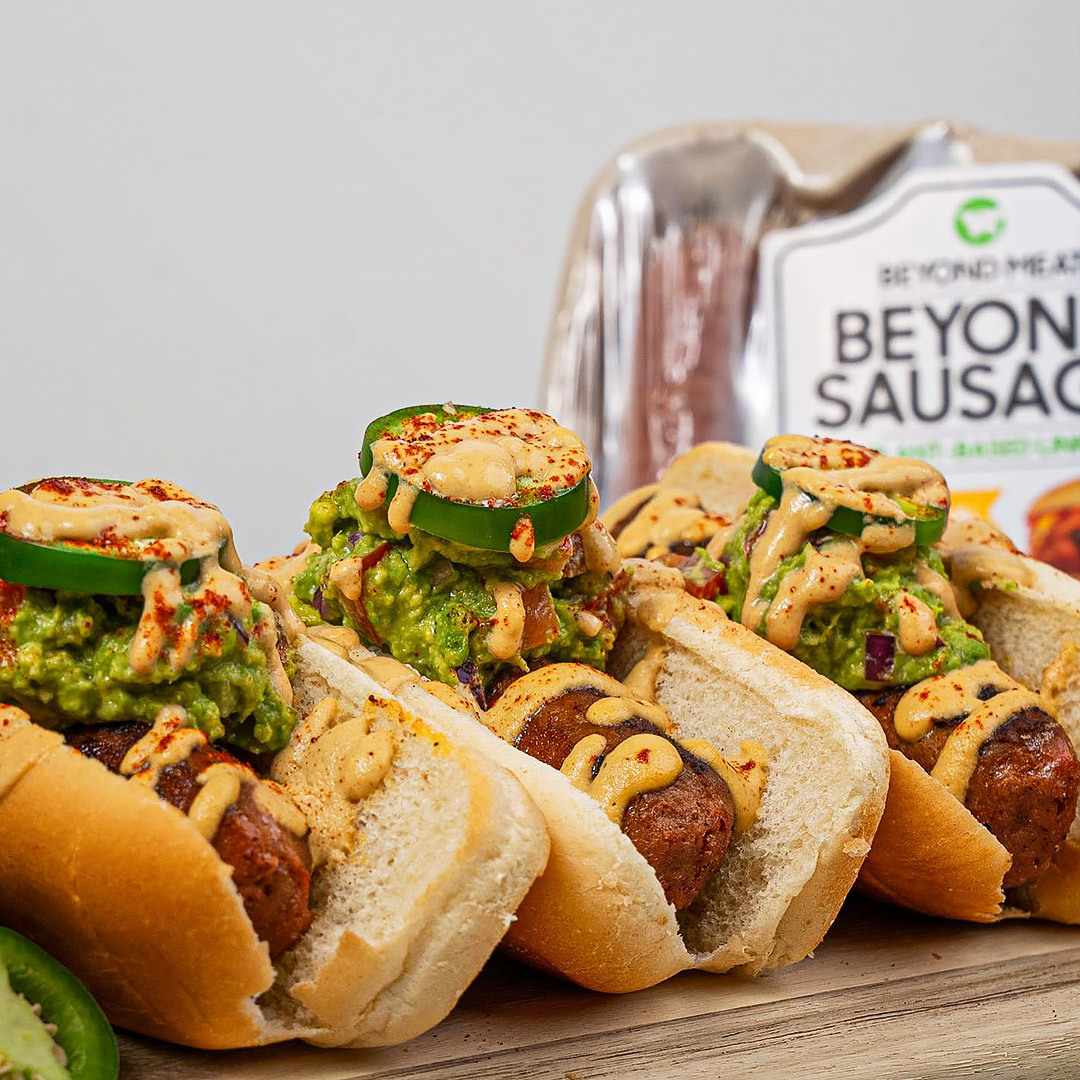
When Beyond Meat dropped its line of Beyond Sausages back in December 2017, we were ready. Made to taste like conventional pork sausage, these meaty links are crafted from a blend of pea and rice protein, plus coconut oil to deliver on juiciness. Plus, they’re wrapped in an algae-derived casing so you get that satisfying snap when you bite into one. The Beyond Sausage comes in three flavours: Brat Original, Hot Italian, and Sweet Italian all of which would be a welcome addition to your grill.
FIND IT HERE

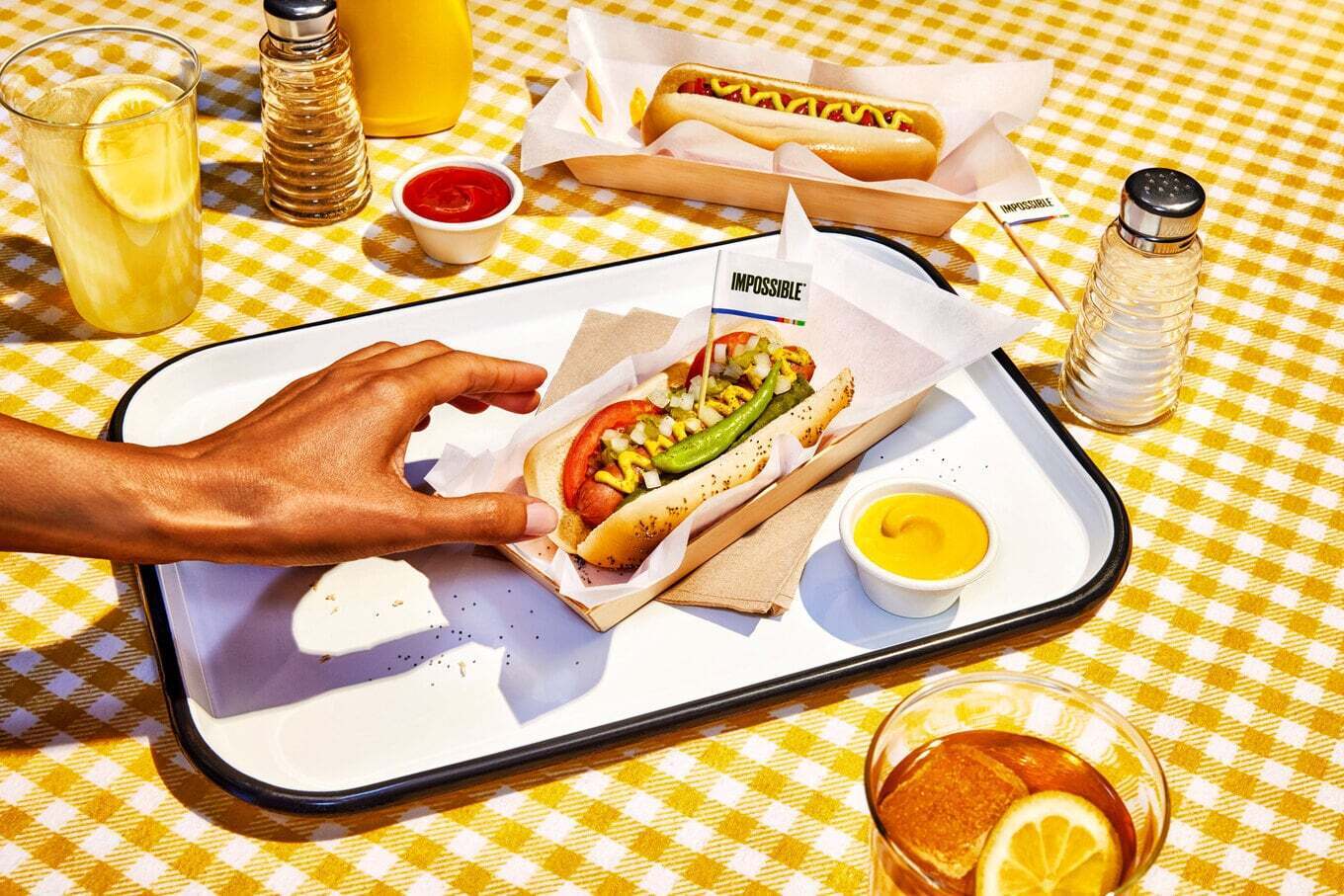
VegNews.ImpossibleHotDog4.ImpossibleFoodsjpgImpossible Foods

2Impossible Hot Dogs

At the end of 2023, vegan meat giant Impossible Foods unveiled its newest product: plant-based hot dogs. The plant-based hot dogs boast that classic snap characteristic of beef- and pork-based dogs. Plus, they contain 50-percent less saturated fat and double the protein (12 grams per serving) than their animal-derived counterpart. But if you prefer bratwursts over hot dogs, Impossible also offers plant-based brats
FIND IT HERE

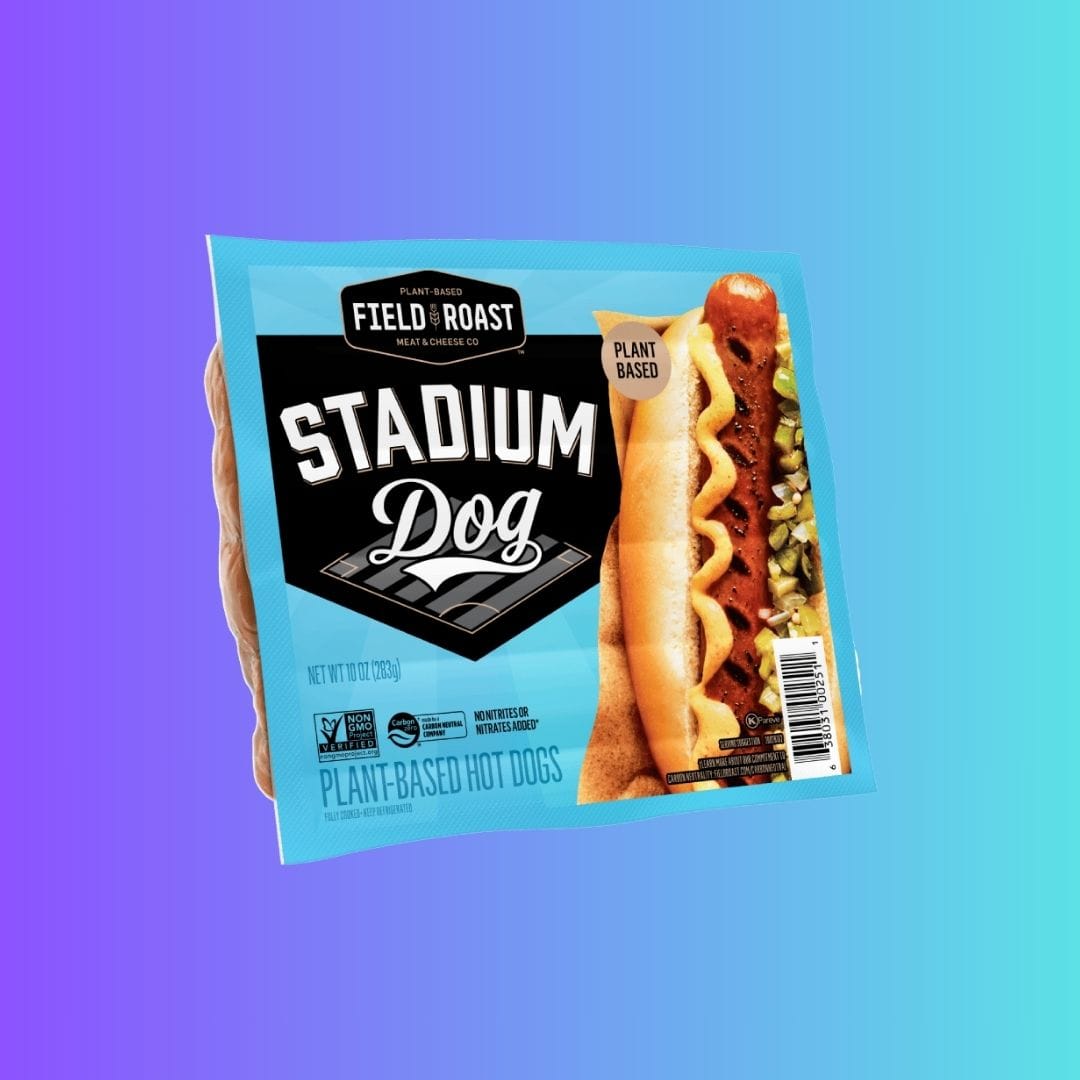
Plant-Based Hot DogsField Roast

3Field Roast

The artisan vegan meat-makers at Field Roast have nailed the experience of eating a conventional hot dog, without the pork or questionable ingredients. The brand makes two kinds of hot dogs: the Stadium Dog and the Classic Smoked Frankfurters. The former is made from a blend of pea protein, vital wheat gluten, brown rice protein, and faba bean protein and infused with smoked sugar, plus garlic, pepper, and paprika for that classic ballpark flavour. Meanwhile, the latter is made from vital wheat gluten for that extra-meaty taste, and it sizzles beautifully on the grill. Pass the mustard, please!
FIND IT HERE

Vegan Hot DogsLightlife

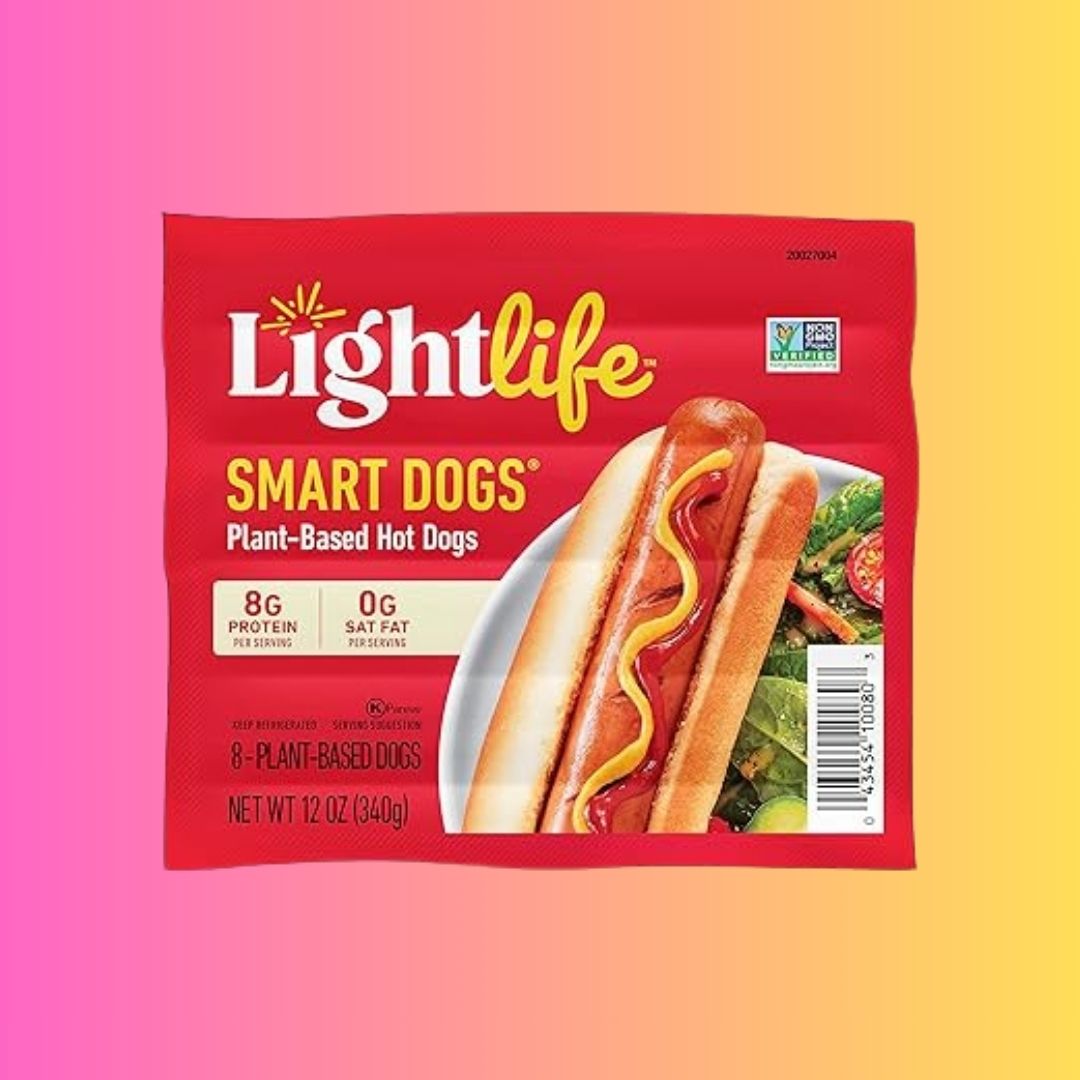
4Lightlife

For a vegan hot dog that’s tried-and-true, look no further than Lightlife’s Jumbo Smart Dogs. Lightlife launched its iconic Smart Dogs back in 1993, the year of the original Jurassic Park and Free Willy. So, in terms of plant-based meat, they’ve stood the test of time. These vegan hot dogs are made from soy protein and deliver on that classic hot dog flavour that channels childhood backyard barbecues. Plus, Lightlife is a carbon-neutral company. Delicious and sustainable? That’s a win-win.
FIND IT HERE

VegNews.SausageandHotDogs.TofurkyTofurky

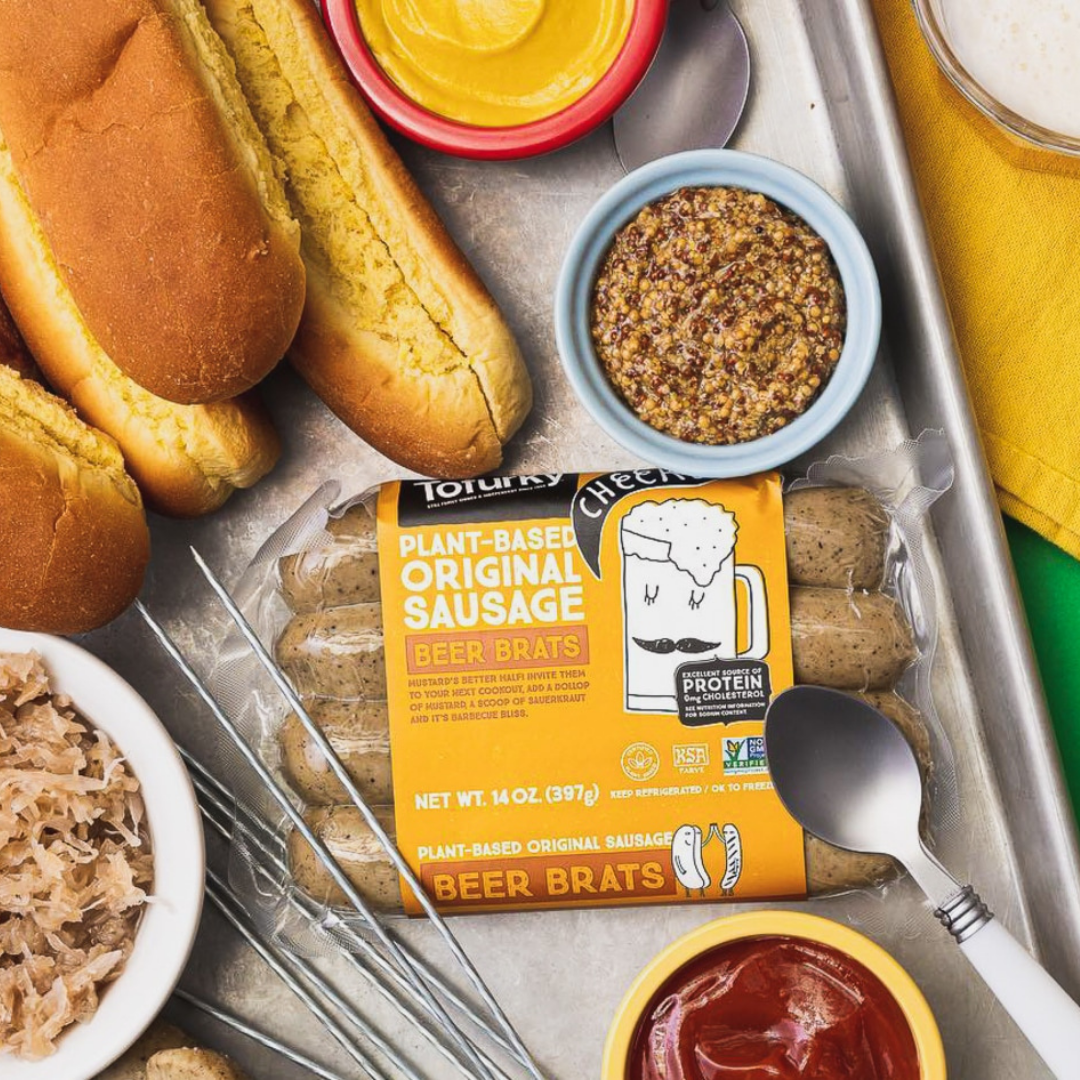
5Tofurky

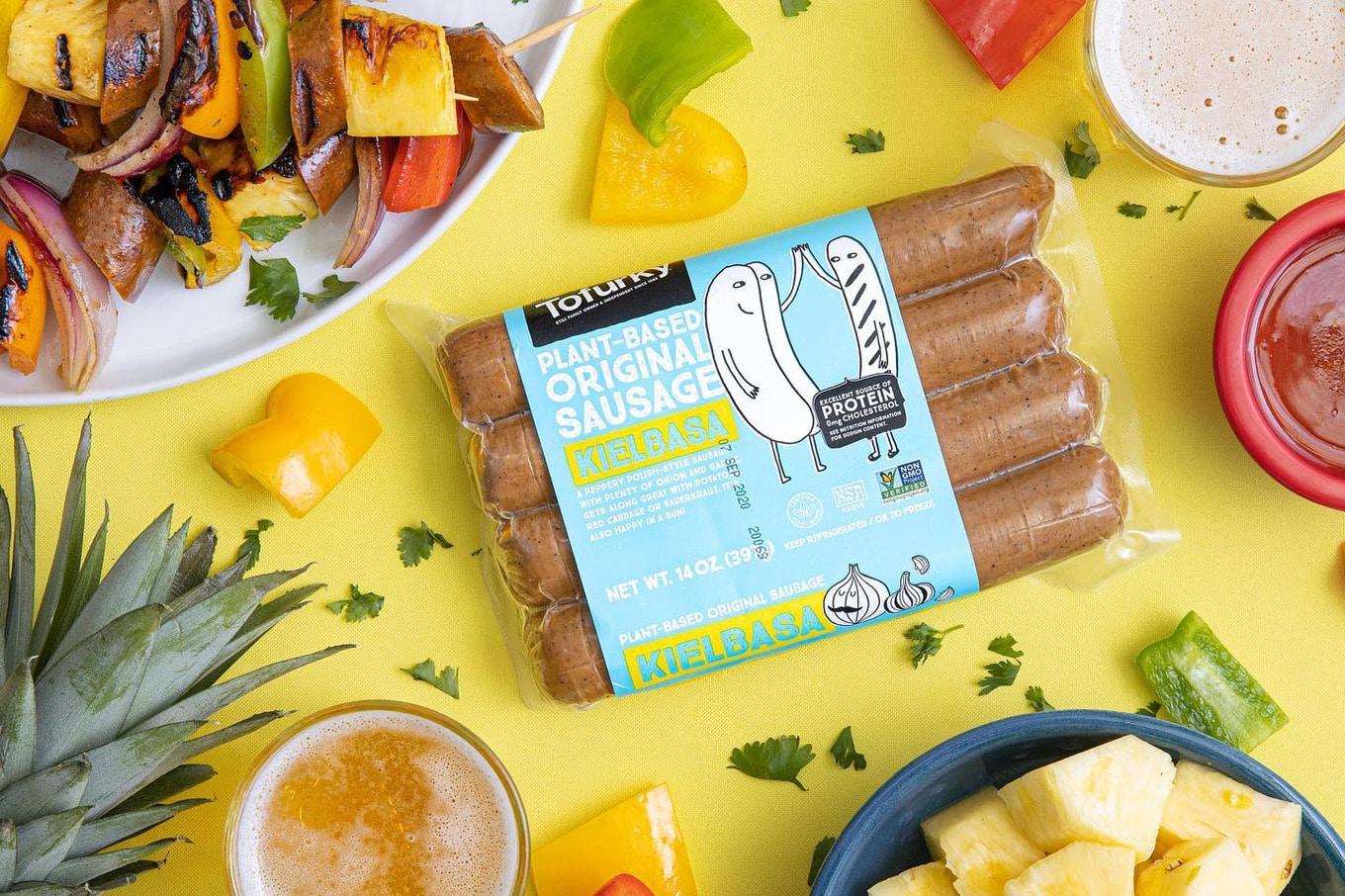
Variety is the spice of life, so they say. Old-school vegan brand Tofurky makes three flavours of plant-based sausage that’ll be right at home with all of the barbecue fixings. Serve their Beer Brats with sauerkraut and mustard, the Kielbasa with sauerkraut and quick-pickled red cabbage, and the Italian with grilled peppers and onions to make everyone at the barbecue very, very happy.
FIND IT HERE

Vegan Hot DogsMorningStar Farms

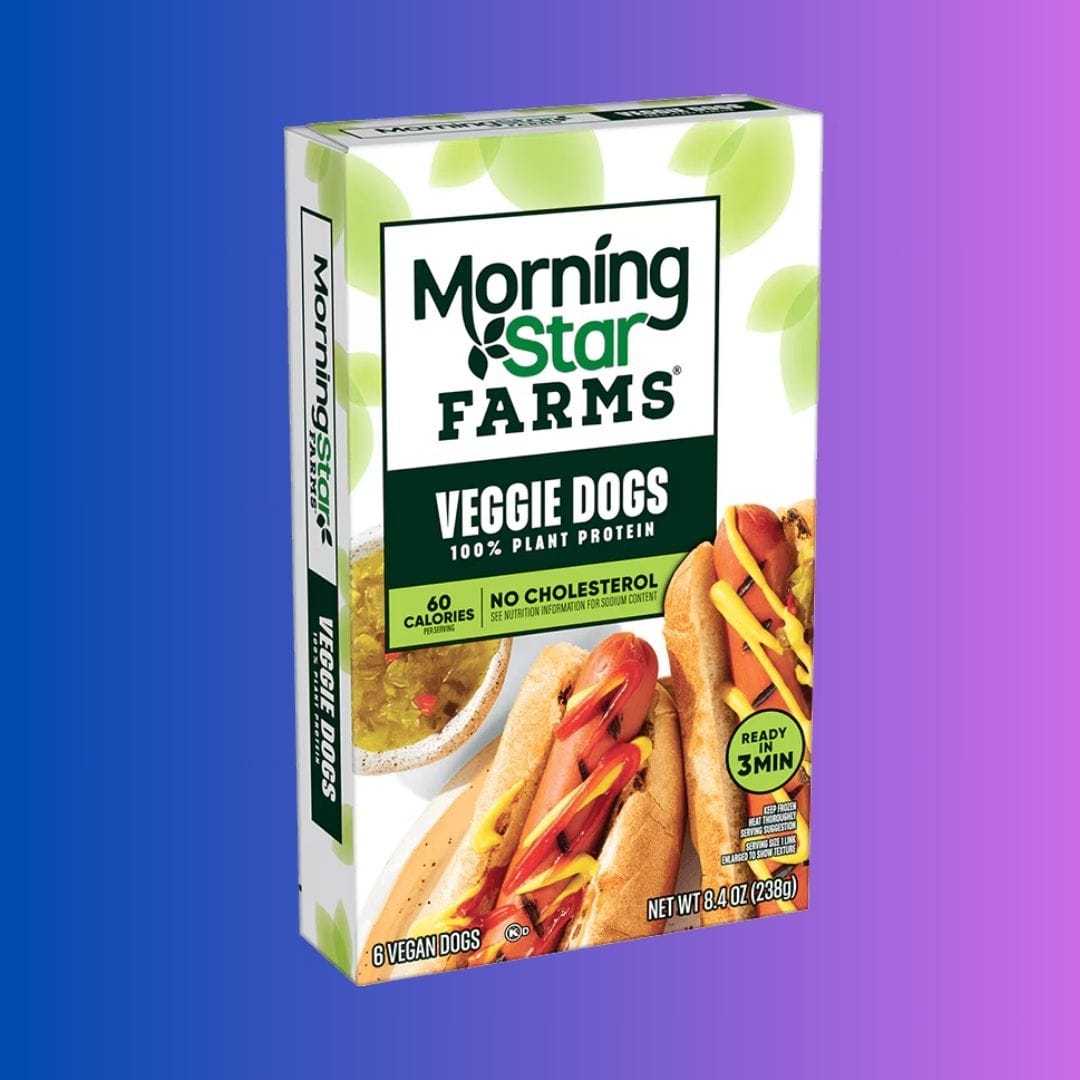
6MorningStar Farms

MorningStar Farms’ Veggie Dogs are a total nostalgia-fest for a lot of long-time vegans and vegetarians. Made from wheat gluten, they taste just like a classic American hot dog, with a savoury flavour and underlying sweetness, courtesy of a dash of brown sugar. Serve them alongside classic barbecue sides like corn-on-the-cob, vegan potato salad, baked beans, and collard greens.
FIND IT HERE

VegNews.OscarMayerVeganHotDog.TheKraftHeinzNotCoThe Kraft Heinz Not Company

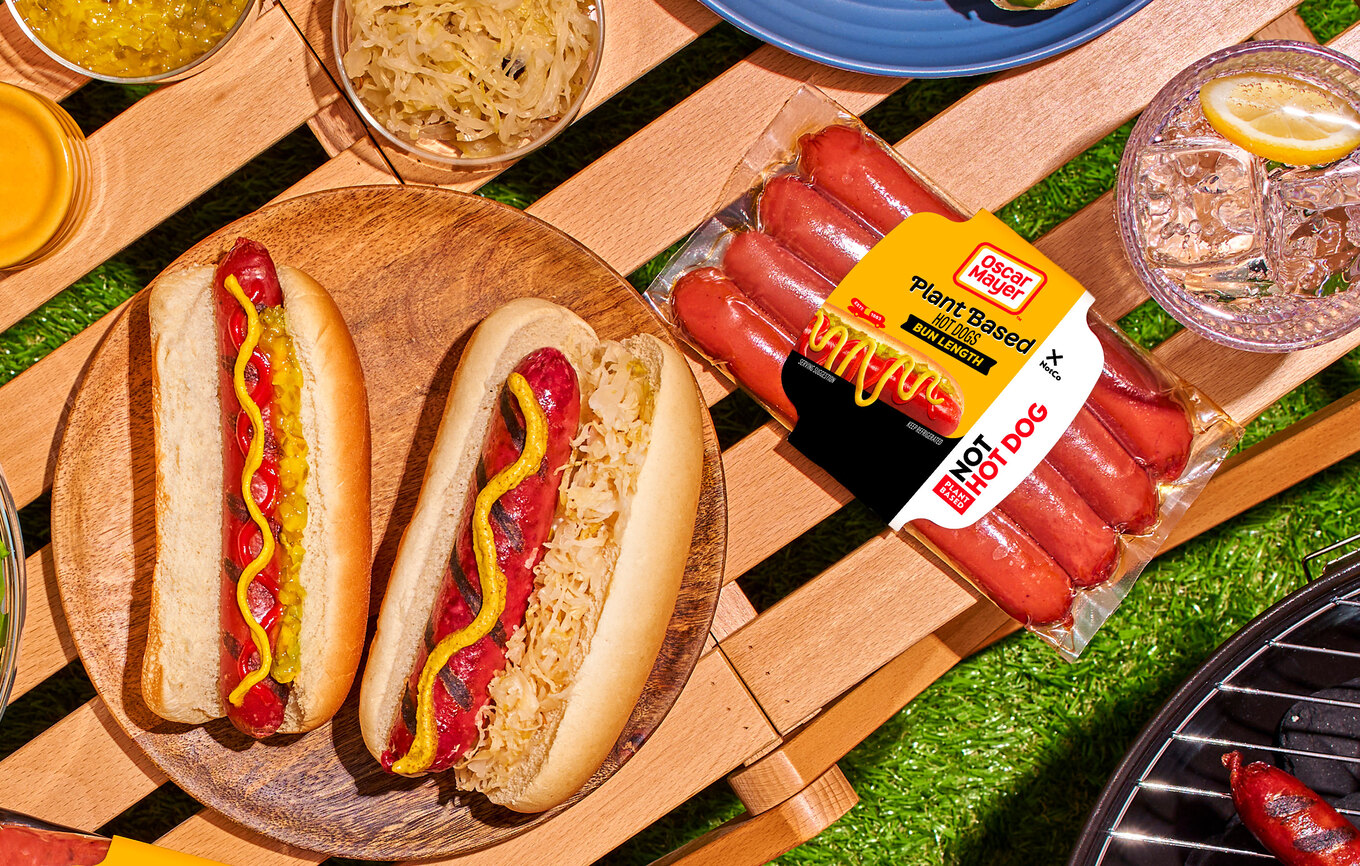
7Oscar Mayer Plant-Based Hot Dogs

Earlier this year, Oscar Mayer shocked the world when it unveiled its latest launch: plant-based hot dogs! The vegan dogs are the newest product from The Kraft Heinz Not Company, a joined venture between plant-based food tech company NotCo and Kraft Heinz, the parent company of Oscar Mayer. While these hot dogs aren’t available in stores just yet, we’ve sampled them at trade shows, and trust us, you’ll want to keep an eye out for them later this year. 
LEARN MORE HERE

https://vegnews.com/products/vegan-hot-dogs-and-sausages-barbecue

Thursday, March 21, 2024

The Ultimate Vegan Sausage Guide: The Best Meaty, Tasty, and Sizzling Options

From vegnews.com

Pork sausages taste good, but they’re not great for the planet, human health, or the animals. But, don’t worry, that’s why vegan sausages exist

So far, a mounting body of research has suggested that pigs can paint, understand how to play video games, recognize human faces, and express emotion. They can feel stress, pain, happiness, and sadness. In many respects, they are no different from companion animals, like dogs or cats. But unlike the latter, they are farmed in millions to produce products like ham, bacon and pork sausage. In fact, data shows that nearly 14 million Americans consumed five or more pounds of sausage in 2020. 

Pig farming doesn’t just impact the animals, however, it’s also linked with environmental problems. Plus, processed meat is bad for our health. But there is some good news. Vegan sausages offer the same taste and texture as pork sausages, only they’re made from plant-based ingredients instead. If you want to give them a try, here, we’ve rounded up some of the best brands and recipes. But first, let’s take a closer look at the differences between conventional sausages and vegan versions.

What is sausage?

Around the world, sausages have been consumed for centuries. They were a favourite of the ancient Romans and the Greeks, but historians predict they first emerged around 5,000 years ago in Sumeria, which is now known as Iraq. Initially, they had an important purpose: meat preservation. Essentially, they were used as a vessel for offcuts and trimmings that otherwise wouldn’t be used, and for that reason, they were cheap and popular among the lower classes.

VegNews.Sausage.H3.BeyondMeatBeyond Meat

Now, sausages have no boundaries and are popular with people from all backgrounds. In the UK, one 2016 study estimated that the average British meat eater will consume around 2,700 sausages in their lifetime. 

While they have a long history, sausages haven’t changed that much. Today, they are essentially ground meat, fat, and seasoning stuffed into a casing, which is either artificial (like cellulose, for example) or natural. The latter, which can often be bought from natural butcher shops, is usually made from submucosa, a layer of animal intestine. Sausage can be made from different types of meat, but pork is the most common.

Problems with the sausage industry 

The world has a large appetite for sausage, there is no denying it. But this does come with a set of serious consequences. Most pigs raised for pork live on industrial factory farms, where the cramped, dirty conditions hurt not only the animals, but also humans, wildlife, and the planet.  

The intensive conditions on factory farms leave the door open for disease, which leads to antibiotic overuse, and this leaks into the environment. A new report by the Bureau of Investigative Journalism, for example, suggests that there is superbug and antibiotic residue in UK rivers near poultry, cattle, and pig farms.

VegNews.Sausage.BeyondSausage.header.v2 (1)Beyond Meat

Livestock is also a key contributor to greenhouse gasses, with the whole animal agriculture industry responsible for 14.5 percent of global emissions. But for communities that surround pig farms, like in North Carolina, for example, pollution also has another serious consequence. One 2018 study published in the North Carolina Medical Journal found that families living near industrialized hog farms had higher rates of infant mortality, as well as deaths from conditions like kidney disease and tuberculosis. 

Plant-based diets, on the other hand, are widely considered to be better for the environment than meat-based ones. In 2018, a major food production study from the University of Oxford concluded that switching to a vegan diet is the single biggest change a person can make to reduce their impact on the environment. But eating more plant-based foods doesn’t equal sacrifice. The plant-based meat market is projected to hit nearly $16 billion by 2027, and it includes products like nuggets, mince, burgers, and, of course, sausages. 

What is vegan sausage?

Vegan sausage can consist of a number of different ingredients, but, instead of animal-based meat, most plant-based brands on the market use soy or pea protein to get a similar texture. For the taste, just like regular sausage, seasoning, spices, and oils are often added to the mix. If you’re making a vegan sausage from home, you can use all manner of different ingredients, like tofu, mushroom, and wheat gluten, for example.

How is vegan sausage made?

Just like regular sausages, vegan sausages consist of blended ingredients stuffed into casing. Beyond Meat, for example, makes its vegan sausages by blending together peas, fava beans, rice, beet juice, and coconut oil, and then wrapping it in a casing. (Only instead of intestines, the latter is made from algae.) 

VegNews.Sausage.BeyondSausage.header (1)Beyond Meat

British brand THIS has a similar process. Its new This Isn’t Pork Caramelised Onion Sausages, for example, consist of pea protein, vegetable fibres, red onion chutney, and onion chunks in a plant-based casing, its own Fat 2.0 ingredient is also added, to get that pork sausage-like juicy texture.

Homemade sausages are made in a similar way, although many recipes don’t call for a casing. Instead, the ingredients are pulsed together to form a dough and then moulded into the correct shape.

Is vegan sausage healthy?

Vegan sausages can be healthy, but nutritional content can vary. Those made at home from scratch using whole foods, like mushrooms and kidney beans, are a good example of vitamin-rich vegan sausages. Most store-bought options, however, are more focused on recreating the taste and texture of pork sausages and so they are more processed.

But that said, most vegan sausage products are still high in protein, and they’re often lower in saturated fat than regular pork sausages, too. They also don’t come with the same health risks as processed animal meat, which, it’s worth noting, is classified as a Group 1 carcinogen by the World Health Organization.

VegNews.MushroomGuide.cherryandbeesCherry and Bees

Last year, a review of 43 studies from the University of Bath concluded that plant-based meat, in general, is healthier than animal products. “This review demonstrates overwhelming evidence that, as well as being far more sustainable compared to animal products in terms of greenhouse gas emissions, water use, and land use, plant-based animal product alternatives also have a wide range of health benefits,” said Chris Bryant, PhD, the report’s author.

He also added that, as the plant-based meat market grows, there is “enormous potential to innovate with ingredients and processes to improve their nutritional properties.”

Vegan sausage brands

If you fancy sausages, but don’t want the health, environmental, or welfare impact of pork (and you also don’t fancy the hassle of making your own) then these plant-based brands are just what you need. 

1-VegNews.Sausage.BeyondMeatBeyond Meat

1Beyond Meat

Popular California-based brand Beyond Meat offers a wide range of realistic-tasting plant-based meat products, including pork-like sausages. The brand’s range includes Brat Original, Sweet Italian, and, if you like a bit of spice, Hot Italian Style, too. Each product contains around 16 grams of protein per serving, plus, according to the brand, they contain 35 percent less saturated fat than products from “leading pork sausage brands.”
FIND IT HERE

VegNews.VeganSausageLinks.ImpossibleFoodsImpossible Foods

2Impossible Foods

California-based Impossible Foods was founded back in 2011 and has predominantly focused on plant-based meat products like burgers and nuggets since then. But in 2022, the brand announced the launch of its Impossible Sausage Links, which come in three different flavours: Bratwurst, Italian, and Spicy. They’re made with the brand’s own vegan ground sausage, which is then stuffed into a plant-based casing. According to Impossible Foods, its vegan sausage production releases 71-percent fewer greenhouse emissions than the pork alternative.  
FIND IT HERE

8-VegNews.Sausage.Gardein.bodyGardein

3Gardein

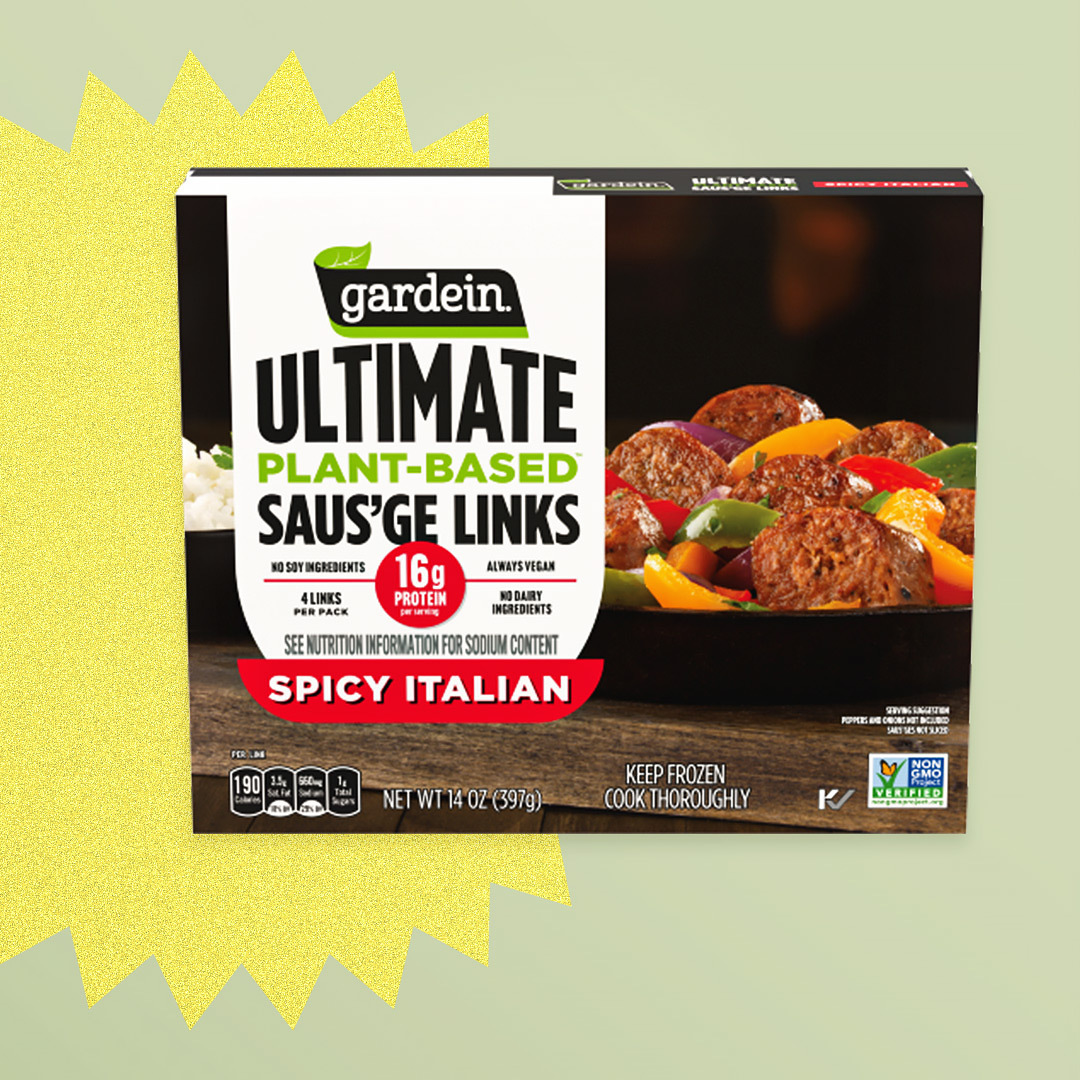
Popular plant-based meat brand Gardein, which has been going since the early 2000s, divides its products into categories like fishless, beefless, and porkless, which, of course, includes a few different vegan sausage products, like Spicy Italian Saus’ge and Bratwurst Plant-Based Saus’ge. The latter, which is soy-free, is made with a “rich blend of warm spices” and contains 16 grams of protein. 
FIND IT HERE

2-VegNews.Sausage.FieldRoastjpgField Roast

4Field Roast

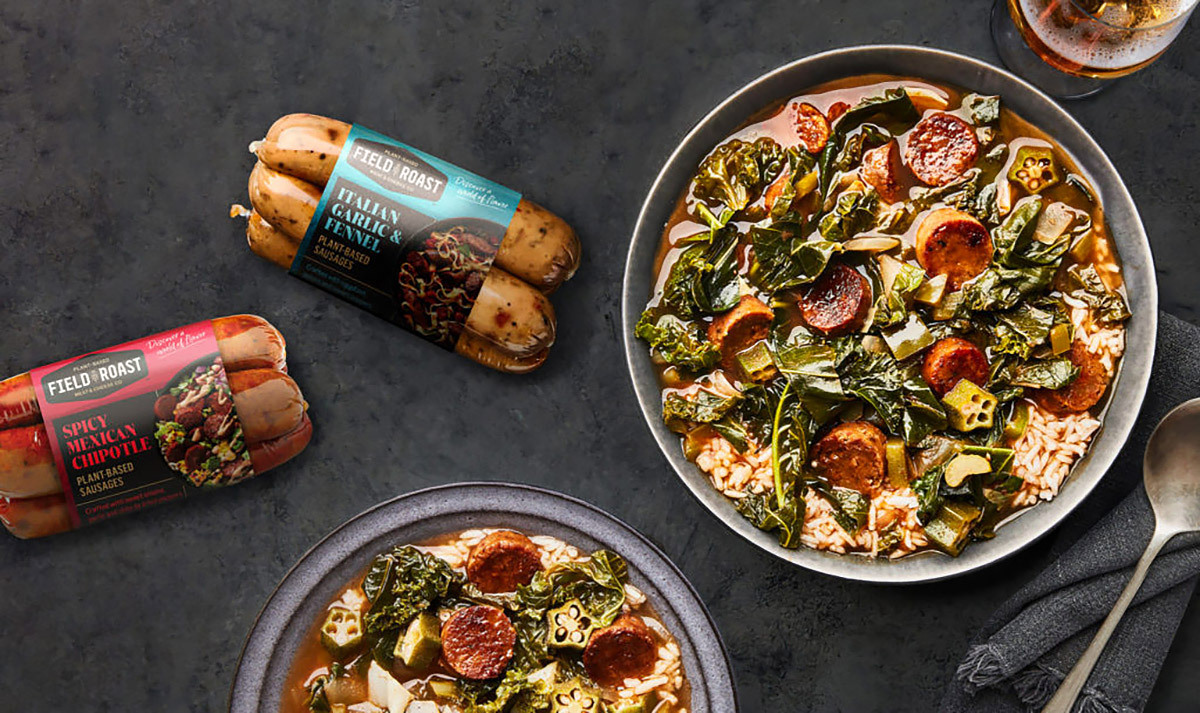
Founded in the 1990s, Field Roast’s success all comes down to sausages. The brand’s co-founder, David Lee, started the brand after he experimented with European charcuterie sausage-making methods, only he replaced the animal meat with grains. And the rest is history. Today, the brand’s vegan sausage range includes flavours like Smoked Apple & Sage, Italian Garlic & Fennel, Caramelized Onions & Beer, and Spicy Mexican Chipotle. 
FIND IT HERE

VegNews.TofurkySausage.TheTofurkyCompanyTofurky

5Tofurky

The original Tofurky roast first debuted in 1995, and since then, the iconic brand has expanded their offerings to include a variety of plant-based meats such as deli slices, burgers, pepperoni, and sausages. Tofurky’s tasty links are made from a base of vital wheat gluten and come in  five flavours: Chorizo, Mango Chipotle, Beer Brats, Italian, and Kielbasa.
FIND IT HERE

4-VegNews.Sausage.Lightlife.-bodyLightlife

6Lightlife

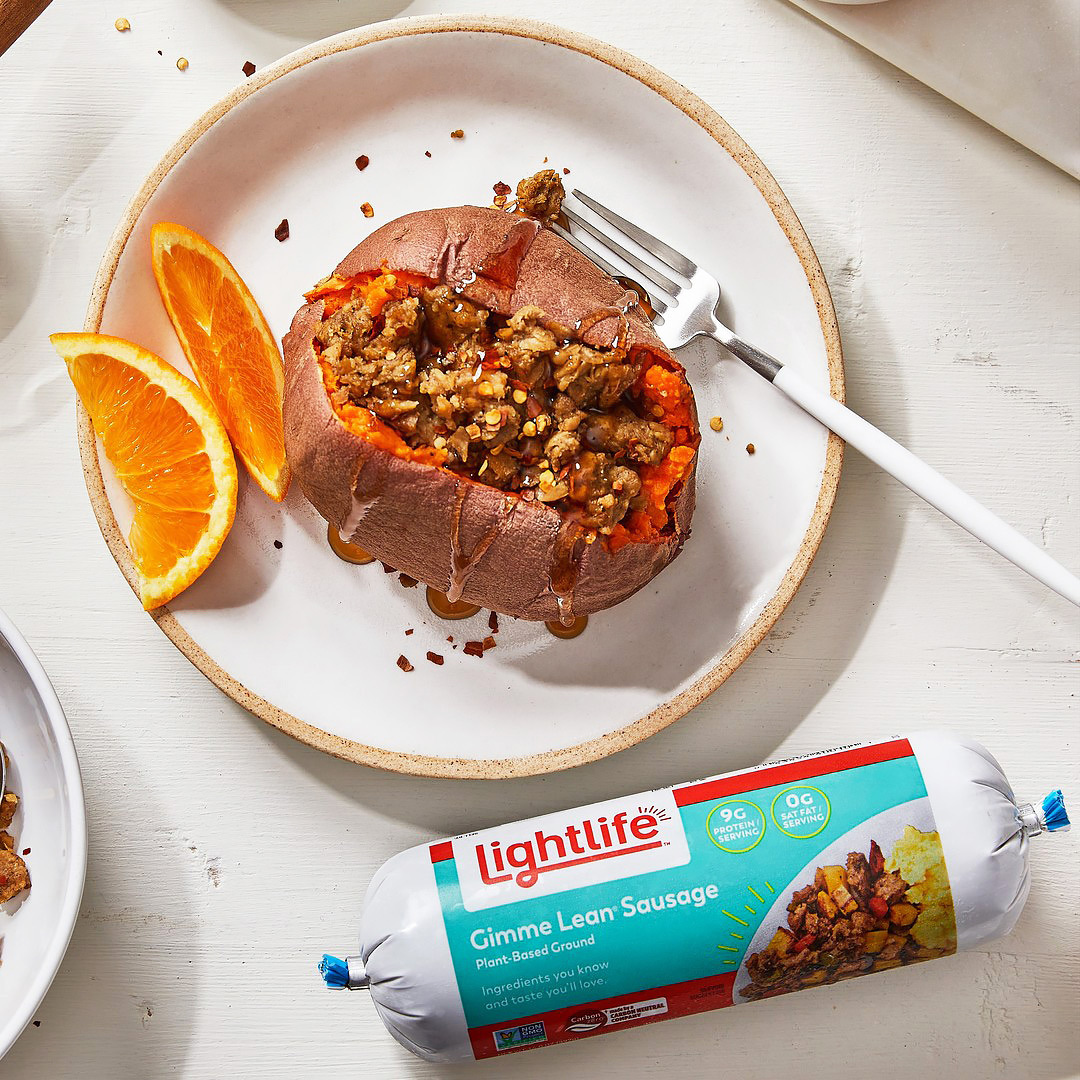
Similar to Field Roast, Lightlife was founded in the 1990s, and the humble sausage was key to its success. The brand’s veggie Smart Dog hit the market in 1993 and it’s still popular today. But as well as hot dog-style links, the brand also offers a range of sausage products, including Smart Sausage Italian, Smart Sausage Chorizo, and Gimme Lean. 
FIND IT HERE

7-VegNews.Sausage.MorningStarFarms.bodyMorningStar Farms

7MorningStar Farms

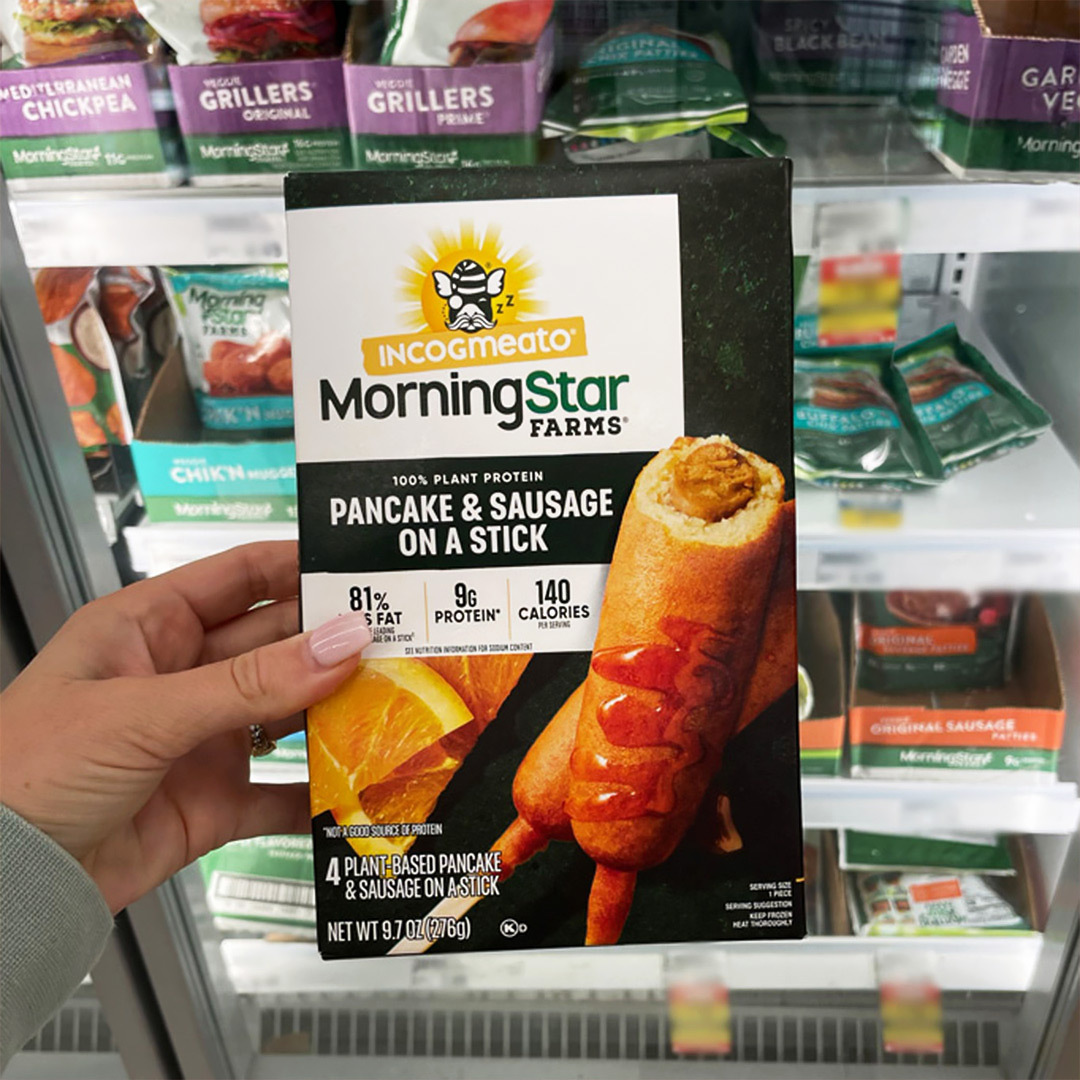
A division of Kellogg’s, MorningStar Farms offers a wide range of plant-based meaty goodies. In 2020, the brand launched new sausages as part of its line of Incogmeato products, which are sold next to real meat products in grocery stores in a bid to encourage meat-eaters to try more plant-based alternatives. As well as its Plant-Based Breakfast Sausage Links, the Incogmeato line offers other creative vegan sausage products, like Plant-Based Pancake and Sausage on a Stick. 
FIND IT HERE

5-VegNews.FutureFarm.bodyFuture Farm

8Future Farm

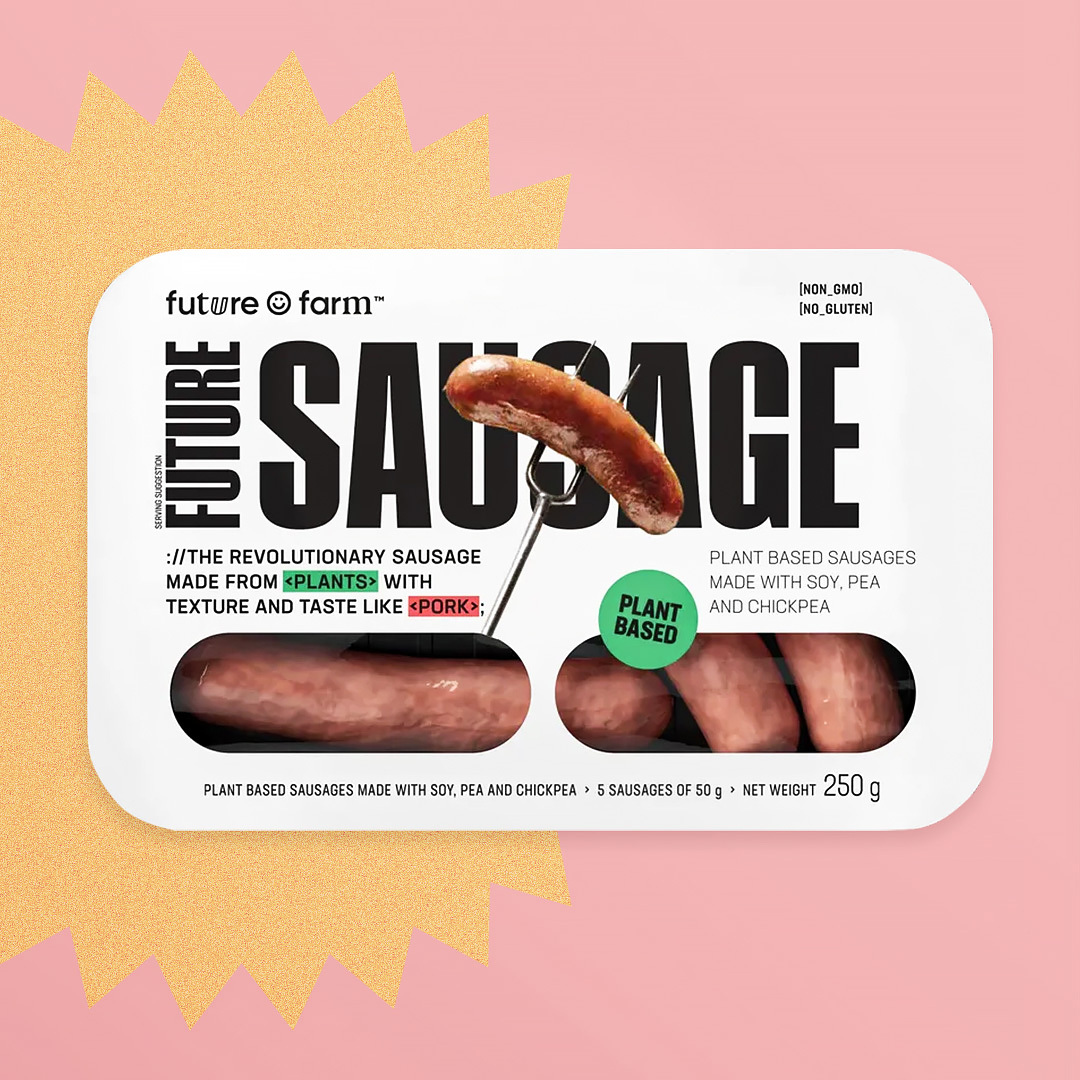
Brazil-based Future Farm has been excelling in plant-based food tech since it started nearly four years ago. Known for making plant-based products with an authentic and meaty texture and taste, the brand has participated in several successful funding rounds and is already reportedly worth more than $400 million. Right now, it offers eight innovative vegan meat products, and one of them is the Future Sausage. The gluten-free, pork-like links are made with a blend of soy, peas, and chickpeas, and they sizzle just like the real deal. 
FIND IT HERE

VegNews.Sausage.THISTHIS

9THIS

THIS is known for its realistic vegan chicken products, but the brand has also branched out into red meat-style products, including grounds, burgers, and sausages. It offers two different types of the latter, it’s This Isn’t Pork sausages and a caramelized onion variety. According to the brand, the sausages are a source of fibre, are packed with protein, and they have 75-percent less saturated fat than pork sausages.
FIND IT HERE

Vegan sausage recipes

Vegan sausage products are ideal for days when you’re in a rush, or if you just don’t want to cook. But if you’re a whiz in the kitchen and you’ve got time on your hands, you might fancy giving one of these vegan sausage recipes a whirl. 

VegNews.BangersandMashLauren Toyota

1Meaty vegan bangers

Gravy, mashed potatoes, and meaty sausages are the dream comfort food trio. The meaty “bangers” feature vegetables, like onions, garlic, fennel, and red pepper flakes, as well as wheat gluten and tofu for that delicious meaty texture.
GET THE RECIPE

VegNews.Sausages.VeggiesDon'tBiteVeggies Don’t Bite

2Gluten-free vegan sausages

If you’re sensitive to gluten, you don’t have to miss out on the vegan sausage deliciousness. This totally gluten-free recipe makes tasty links using a mix of mushrooms, onions, garlic, oats, walnuts, and lentils. The result is not quite as meaty as some other recipes or products, but if you’re not a fan of a meat-like texture anyway, this one is for you. 
GET THE RECIPE

VegNews.Sausages.VeganRecipeClubVegan Recipe Club

3Nutty mushroom sausages

A blend of nuts, breadcrumbs, mushrooms, and flax meal is the key to this easy vegan sausage recipe. The result is versatile and can be enjoyed alongside tofu eggs for breakfast, or thick gravy for dinner. Top tip: make more than you need and then freeze the rest. Your future hungry self will thank you!
GET THE RECIPE

VegNews.Sausages.VegKitVegKit

4Spicy Italian sausages

For those who like their meals with a little bit of an extra kick, these spicy vegan sausages are ideal. The secret to the punchy flavour is perfecting the chili paprika spice mix, which is, thankfully, super easy to make. If you only like a little bit of spice or you’re a heat lover, you can amend the mix to your personal preference, too.
GET THE RECIPE

VegNews.Sausages.ZuckerJagdwurstZucker Jagdwurst

5Soy-free BBQ sausages

Many of the vegan sausages on the market are made with soy protein, which, obviously, doesn’t suit those who are looking for a soy-free option. But luckily, these vegan BBQ sausages are incredibly easy to make with seitan, and that means they are 100-percent soy-free. 
GET THE RECIPE

https://vegnews.com/products/vegan-sausages-guide