Showing posts with label research. Show all posts

Monday, June 1, 2026

Vegan confectionery market set for global rise, led by chocolate innovations

From confectioneryproduction.com/news

A sustained period of growth for the global vegan confectionery sector has been projected by fresh research, which has asserted the $2 billion market is set to reach $3.4bn by 2032, writes Neill Barston.

The analysis, from Persistence Market Research, explored key markets in dairy-free chocolates, candies ands baked snacks segments, and found continued pattern of demand for products around the globe.

As its authors noted, the expansion, put at an above inflation CAGR of 7.9% has been driven by an increasing adoption of vegan diets, rising awareness of sustainability, and continuous innovation in dairy-free chocolates, candies, and baked treats.

Läderach has gained traction with its delivery of premium fresh vegan chocolate collection featuring cashew milk and coconut blossom sugar, which it has continued to build on recent years. Pic: Laderach

Chocolate accounts for some 45% of the category and continues to be a dominant force, with gummy ranges also enjoying popularity on an international level.

Notably, as a category, as Confectionery Production has reported in recent years, there has been greater prominence and acceptance of vegan, and vegetarian-based product ranges across the food sector, which has also been reflected in sweets and snacks markets.

As previously covered, the UK’s Plamil Foods, which is due to be represented at our World Confectionery Conference in London on 10 September, has remained a significant pioneer in the sector, offering confectionery manufacturers options for chocolate ranges that are made to vegan production standards that it has delivered with its own brands, as well as on a private label basis.

However, as the business highlighted, it has still remained the case that major supermarkets in Britain particularly, have yet to fully embrace the prospect for vegan ranges – with shopping aisles in many instances limited to small sections, or often given non-premium shelf areas.

Despite such factors, the market continues to experience steady growth, with Plamil introducing a World Vegan Chocolate Day, and a number of other brands springing up in the region, including Nomo, Vego, Ombar, Love Raw, as well as brands such as Hotel Chocolat and Laderach (main image) having  engaging in producing vegan-friendly options for chocolate fans.

Furthermore, the latest industry study on the market noted that confectionery offers consumers indulgent options with reduced cholesterol and improved ingredient transparency, aligning with modern dietary preferences.

Market dynamics reflect strong product launches, expanding retail presence, and growing investments by both established players and emerging brands.

The growing global shift toward plant-based diets is a primary driver of the vegan confectionery market. Consumers are increasingly adopting vegan or flexitarian lifestyles due to concerns about health, animal welfare, and environmental sustainability.

In addition, the study found that plant-based options have often been seen as a valuable option for those with specific dietary requirements, with the quality of these ranges having increased notably in recent years. The market study also noted a  rise in lifestyle-related disorders has further accelerated demand for clean-label and minimally processed foods.

As regards innovation within the sector, the research found that product formulation advances was having a transformative effect on the market across the world. This included the use of oat milk, and coconut derivatives to replicate the texture and flavour of traditional dairy-based sweets. 

The chocolate segment dominates the market, accounting for a substantial share due to high demand for vegan chocolate bars, truffles, and spreads. Companies are introducing premium and artisanal offerings with functional ingredients such as nuts, superfoods, and natural sweeteners to differentiate their portfolios.

Notably, the study found that product launches have accelerated across global markets, with major brands introducing plant-based versions of popular confectionery products. This wave of innovation is supported by increasing R&D investments aimed at enhancing shelf life, taste, and nutritional value.

Another key trend is the growth of organic vegan confectionery, driven by consumer preference for pesticide-free and ethically sourced ingredients. This segment is witnessing faster growth compared to conventional products, reflecting the broader clean-label movement.

https://www.confectioneryproduction.com/news/57961/vegan-confectionery-market-set-for-global-rise-led-by-chocolate-innovations/ 

Monday, May 18, 2026

People Are More Likely To Say They’re Vegan Than Be Vegan, Finds Study

From plantbasednews.org

The study found an "identity-behaviour gap" between how people self-identified and how they actually lived 

A new study has found that people are more likely to say that they’re vegan than to actually follow a vegan diet.

The study also found that most nationally representative data on vegan diets comes from Europe and North America, despite those regions representing just a fraction of the global human population, while other regions are significantly underrepresented.

“The Aspirational Plate: Mapping The Gap Between Vegan & Vegetarian Identity And Global Behaviour,” is the new study from Faunalytics, a non-profit research and analysis organization that uses its data and insights to support animal advocacy.

Researchers investigated dietary rates across 58 countries over 10 years by conducting a systematic review of 837 nationally representative sources. The data they gathered indicates a “gap between vegan identity and global behaviour.”

While veganism rates have “risen significantly” over the last decade, the researchers described it as more of “a crawl than a sprint.” Europe appeared to be driving global growth, while uptake in other regions either plateaued or could not be estimated.

The ‘identity-behaviour gap’ and meat-free diets

                   The study also found that veganism rates have “risen significantly” over the last decade - Media Credit: Adobe Stock

The study also found that people are “significantly more likely” to self-identify as vegan or vegetarian than they are to follow an animal-free diet. Faunalytics said that in practice, this means that while an average of 1.65 percent of Europeans claim to be vegan, only 1.01 percent actually follow a vegan diet. In North America, while 3.24 percent of people claim to follow a vegetarian diet, just 0.75 percent follow one.

Furthermore, the study found that the “vast majority” of the nationally representative data on veganism came from Europe (69 percent) and North America (18 percent), even though those regions only make up roughly 16 percent of the global population. 

While 87 percent of the data came from Europe and North America, there was no data for Sub-Saharan Africa and South Asia, two regions that represent nearly 40 percent of the global population. The researchers found only “extremely limited” data on vegan diets in Latin America, the Caribbean, the Middle East, and North Africa.

‘Veganism is something worth aspiring to’

In The Aspirational Plate, Faunalytics made several recommendations to close the gap between vegan and vegetarian identity and behaviour.

The non-profit encouraged researchers to “fill the Global South data gap” by prioritizing funding and local collaboration in underrepresented regions; to pair self-ID with intake measures to get a better picture of people’s actual lifestyles; and to clearly define terms like vegan, vegetarian, and flexitarian, which can be misinterpreted.

Faunalytics also recommended treating self-reporting “with caution,” not assuming Europe’s plant-based growth is universal, and seeing the identity-behaviour gap as “an opportunity,” as it implies that “veganism is something worth aspiring to.”

https://plantbasednews.org/news/people-more-likely-say-vegan-study/

Friday, May 8, 2026

Future Food Quick Bites: Beyond Meat x Taco Bell, Crowdfunding Galore & Marigold Protein

From greenqueen.com.hk

By Anay Mridul

New products and launches

Fast-food giant Taco Bell has teased a new partnership with vegan giant Beyond Meat to create a new plant-based protein that will be tested within this year. The chain said it chose the latter due to its track record of attracting young consumers. They previously tested a meat-free carne asada steak quesadilla and tacos offered at price parity.

Courtesy: Beyond Meat

US vitamins brand Perelel has launched Daily Resilience Complex, a new daily supplement featuring TurtleTree‘s precision-fermented lactoferrin ingredient, LF+. It isn’t vegan, however, since the powder also contains bovine collagen.

In time for grilling season, whole-food brand Actual Veggies has rolled out a 10-pack of its vegan black bean burger at most Costco locations across the US.

Likewise, whole-cut plant-based meat pioneer Chunk Foods has gained a listing at Whole Foods Market across the Northeast for its steak filet, pulled steak and a new Moroccan Cubes SKU with 19g of protein.

Speaking of vegan steak, Dutch start-up Rival Foods‘s clean-label alternative has landed in its home country. The pulled beef is available in 2kg packs for foodservice operators on InstockMarket, and contains 31g of protein per 100g.

Courtesy: Jay&Joy

Weeks after securing $2.3M in fresh funding, French vegan cheesemaker Jay&Joy has expanded its footprint through a listing at 400 new points of sale at German organic retailer Denns BioMarkt.

Fellow French company La Vie‘s plant-based ham, sandwiches and snacks are now being stocked at 180 TotalEnergies service stations across the country.

In more good news for France’s plant-based shoppers, a new fully vegan grocery store, Herbivores, has opened on Lyon’s Rue Pasteur street.

Singaporean bean-free start-up Prefer has brought its coffee alternative to Japan, launching an iced black coffee using its PreferRoast ingredient in collaboration with Tokyu Land, a member of local conglomerate Tokyu Group.

And in the UK, Shicken Foods has launched plant-based kofta kebabs into Costco stores. They feature 21g of protein per serving and are high in fibre.

Company and finance updates

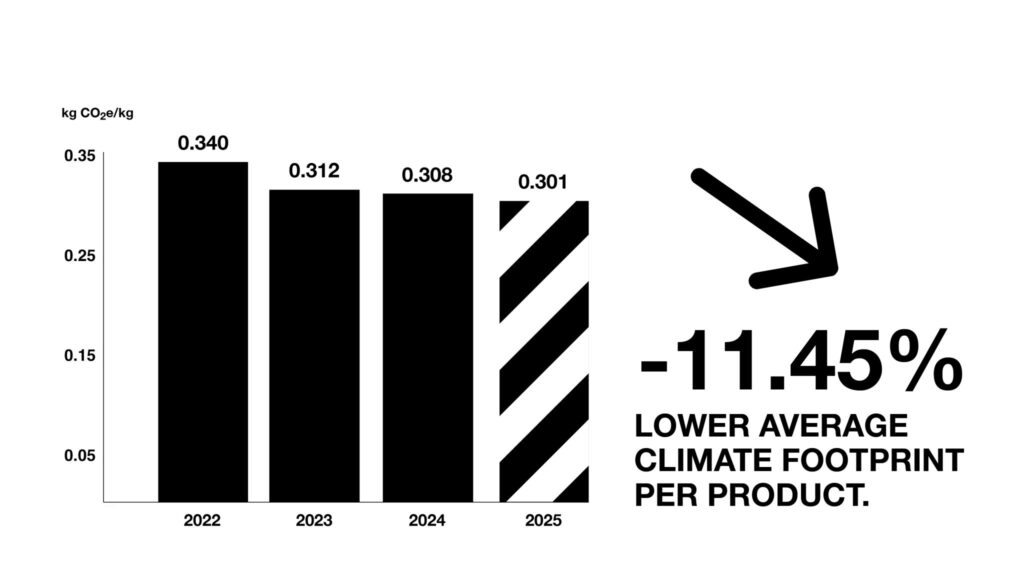
Swedish pea milk start-up Sproud has achieved its lowest-ever average carbon footprint, reducing its emissions by 11.45% to reach 0.301kg of CO2e per litre of product. Moreover, annual sales hit a new record, growing by 28% to reach 74.9 million kronor ($8.1M), with volumes up by 33%.

sproud sales
Courtesy: Sproud

Californian cultivated seafood start-up Finless Foods has opened a crowdfunding campaign on Republic, with a goal of securing $75,000. It has already entered the pre-market consultation process with the US Food and Drug Administration for its cultivated tuna, with approval expected in 2027.

Weeks after receiving $700,000 in seed funding, Danish mycelium meat maker Tempty Foods has kicked off a crowd investment round on Republic. It has already landed nearly all of its €355,000 ($415,000) target.

Courtesy: Tempty Foods

In more investment news, British eco material player Ponda has also launched a crowdfunding effort on Republic with the aim of raising €230,000 ($270,000) to build out its capacity and expand production of BioPuff, a bulrush-based alternative to goose down and polyester fibres.

Speaking of eco materials, Australia’s Uluu has moved into a new industrial facility in Henderson, Western Australia, which will allow it to scale up production of its seaweed-derived bioplastics. This follows a $10.5M investment round in November.

US industrial biotech start-up Fermeate has raised $2M in seed funding to advance its optogenetic control tech for precision-fermented products and accelerate price parity for them.

Belgian beanless coffee start-up Koppie has reached a major milestone in its scale-up efforts, producing 12 tonnes of its fermentation-derived alternative.

Climate advocacy group Madre Brava has closed its Thailand programme, according to its former director.

Policy, research and awards

Dutch start-up NoPalm Ingredients – which makes palm oil alternatives from food waste, yeast and fermentation – has been named as one of the four finalists of the 2026 Food Planet Prize.

Catering giant Sodexo has become the first employee restaurant chain in Poland to monitor the share of plant-based proteins on offer, with analysis using the Protein Tracker tool revealing that 30% of its 2024-25 protein portfolio was sourced from plants.

Two new studies by the Physicians Committee for Responsible Medicine show that low-fat plant-based diets cut greenhouse gas emissions by 55-57% and cumulative energy demand by 44-55%.

marigold protein
Courtesy: ACS Food Science & Technology

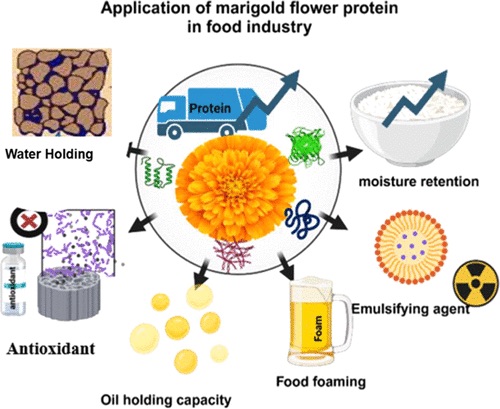
study led by scientists at the University of Georgia suggests that dried marigold flowers – 40% of which end up wasted – show potential as a sustainable plant protein source, exhibiting high levels of glutamic and aspartic acids, greater heat stability than peas and chickpeas, and excellent emulsifying capacity.

Researchers at the University of Warwick have published the results of their meta-analysis of clinical trials involving 541 participants, finding that plant-based eaters were associated with significantly lower levels of C-reactive protein – a widely used marker of systemic inflammation – than omnivores.

veganuary success
Courtesy: Veganuary

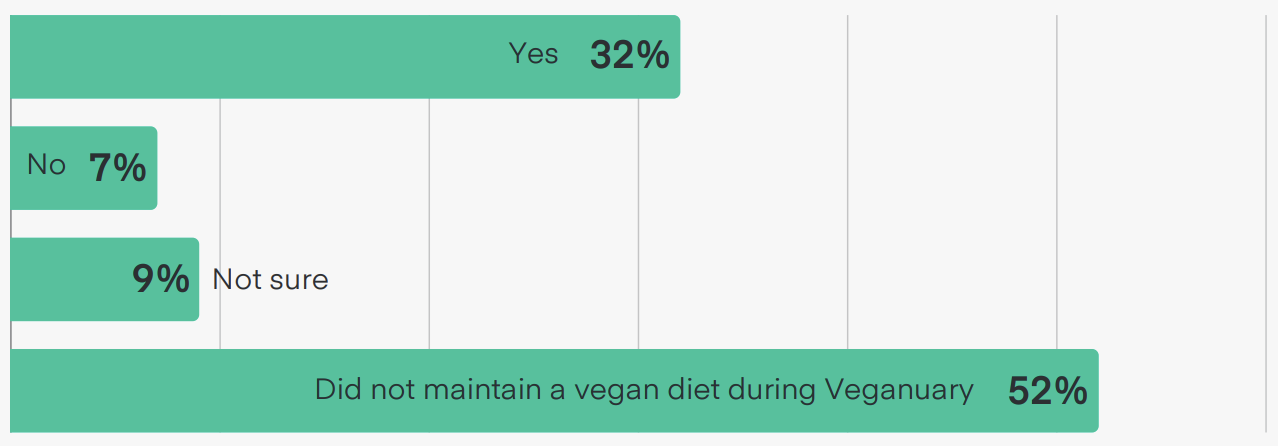
Finally, in Veganuary‘s 2026 participant survey, a third (32%) of those who weren’t vegan before said they planned to continue following a plant-based diet after the monthlong campaign, while 79% intended to halve their intake of animal products.

https://www.greenqueen.com.hk/future-food-quick-bites-beyond-meat-taco-bell-crowdfunding-marigold-protein/

Thursday, May 7, 2026

Low levels of poisonous toxins found in ‘almost all’ plant-based meat alternatives

From independent.co.uk

Research prompts call for stricter monitoring and regulations on food in UK 

Researchers examining plant-based food and drinks in the UK have found a “prevalence” of mycotoxins in hundreds of products for sale in supermarkets.

Every single one of the 212 products they tested, which included meat and dairy substitutes for burgers, vegetarian chicken pieces, and vegan sausages – as well as in oat, almond and soy-based milks – was found to contain at least one of 19 different kinds of mycotoxins.

Mycotoxins are naturally occurring poisonous compounds produced by fungi, and in small quantities pose little risk. However, the researchers warned that a diet heavily made up of meat and dairy substitutes “could lead to a cumulative build-up of mycotoxins, potentially resulting in health problems if not managed properly”.

Plant-based burgers, sausages and milk substitutes all contain low levels of mycotoxins, researchers sayPlant-based burgers, sausages and milk substitutes all contain low levels of mycotoxins, researchers say (Getty/iStock)

The team behind the research published in the journal Food Control said: “In very serious cases, mycotoxin exposure can cause health issues like liver and kidney damage, immune system suppression, and cancer.”

Mycotoxins are routinely found in plant-based foods because the raw ingredients used to make them – such as grains, legumes and seeds – can be exposed to mould during cultivation and storage.

Despite detecting a range of mycotoxins across all plant-based alternatives, the research team, made up of academics at the University of Parma in Italy and at Cranfield University in Bedford, said that mycotoxin levels in the UK foods they tested were lower than the recommended EU guideline levels, which they said reflected “the high-quality standards of the UK food industry”.

Consumption of plant-based alternatives to dairy and meat has risen sharply, but research into exactly what people are eating and any potential health implications has not kept pace, the research highlights.

“The European market for plant-based products has experienced unprecedented growth in recent years,” the team said, adding that “while the environmental and nutritional benefits of an increased plant-based product consumption are well-established, gaps are still present in their safety assessment, and more specifically regarding the occurrence of potential unregulated contaminants”.

“With only a few studies exploring the prevalence of mycotoxins in [plant-based meat alternatives] and [plant-based beverages], a clearer picture of mycotoxin occurrence in plant-based foods is still lacking,” they said.

Andrea Patriarca, a senior lecturer in mycology at Cranfield University, said: “Mycotoxins occur naturally in foods and cannot be completely avoided. As consumers, we should not be frightened or deterred from enjoying a variety of products.

“However, a significant concern arises when new foods enter the market, as there are currently no established regulations to monitor mycotoxins. The data from our research helps food safety organisations in assessing risks, particularly in complex multi-ingredient products.”

She added: “We are currently collaborating with the University of Parma to evaluate the risks faced by the population based on different dietary habits. Our aim is to advise policymakers and raise awareness among vulnerable consumers.”

https://www.independent.co.uk/news/health/mycotoxins-vegetarian-plant-based-oat-milk-b2971725.html

Saturday, May 2, 2026

Future Food Quick Bites: Tempeh Protein Bites, Dairy-Free Cold Foam & Garden Gourmet

From greenqueen.com.hk

By Anay Mridul

Our weekly column rounds up the latest sustainable food innovation news. This week, Future Food Quick Bites covers Tiba Tempeh’s protein bites, Prefer’s Brazilian bean-free coffee collab, and Garden Gourmet’s vegan tilt.

New products and launches

British plant protein firm Tiba Tempeh has unveiled Protein Bites, a chilled snack range delivering 12g of protein and 3.5g of fibre per 60g pack. It will be available in roasted and Southern-style flavours at Sainsbury’s, Waitrose and Ocado from May 6, priced at £1.50 per pack.

                                                                                                     Courtesy: Tiba Tempeh

Fellow UK start-up Drink Lomi has debuted 10g vegan cold foam toppers for its single-serve matcha sachets, tapping into two of the biggest trends in the drinks category. The “cloud foam” contains a base of coconut oil and glucose syrup.

Also in the UK, The Coconut Collab has launched a gut-friendly Natural Kefir drink made by fermenting coconut milk and water. It’s available at Sainsbury’s and Ocado for £3.45 per 500ml bottle, with more retailers to follow in May and June.

                                                                                       Courtesy: The Coconut Collab

French foodservice brand Tipiak has introduced a new Vegan Canapé Selection for the UK market, comprising 36 bites like falafels, tartlets, crackers, blinis, shortbreads, and carrot cakes.

A double launch for Beyond Meat this week. The Californian giant rolled out its spicy Buffalo-flavoured chicken pieces at over 2,000 Kroger stores, and its Korean BBQ-flavoured burger at retailers in Germany and the Netherlands.

                                                                                                  Courtesy: Beyond Meat

Canadian chain Panago Pizza has rolled out Daiya‘s reformulated oat-cream-based cheese alternative across all its stores, with customers able to swap it in for dairy on any pizza at no extra cost.

Also in the Netherlands, The Vegetarian Butcher has unveiled a new BBQ-ready burger and chicken tenders at Albert Heijn, Dirk, Vomar, Boon, Dekamarkt and Hoogvlie.

German mycoprotein start-up Nosh.bio’s blended beef mince is now officially listed with Artland Foodservice and live on the Transgourmet system, enabling foodservice providers to directly order the product into their kitchens.

                                                                                                     Courtesy: Nosh.bio

Over in India, plant protein shows no signs of stopping, with RiteBite Max Protein launching a range of pea protein powders delivering 22g of the nutrient per serving. They’re available in seven flavours, including Alphonso Mango, Digestive Masala and Banana Caramel, for ₹2,499 ($26.50) per kg.

And Singapore’s Prefer, known for its bean-free coffee and chocolate, is expanding its horizons through a partnership with Sapiens Global. The two companies unveiled Sapiens Cafe, which blends 60% arabica with 40% PreferRoast, at FHA Singapore (April 21-14), ahead of rollouts in Brazil and Japan.

Company and finance updates

Nestlé-owned meat-free brand Garden Gourmet has turned its portfolio 100% plant-based after phasing out some vegetarian products.

Dutch manufacturer Van Loon Group has announced that its share of blended meat products increased from 3% in 2024 to 11% last year, with associated revenue growing from €31M to €122M. This has allowed the company to save one million kg of animal-derived raw materials.

Austrian mycoprotein start-up Revo Foods has kicked off a new crowdfunding round at a €7.2M valuation, aiming to raise €1M in total funding.

                                                                                                Courtesy: Revo Foods

New Zealand-based Nutrition From Water has completed its tech transfer to commercial scale, making its microalgae-derived Marine Whey Gold ingredient available for mass production.

C-suite veteran Karuna Rawal, whose most recent permanent role was chief revenue and marketing officer at Nature’s Fynd, has joined the board of directors of Finnish gas protein firm Solar Foods.

Molecular farming start-up Alpine Bio has appointed Matt Crisp, CEO of Ichor Agriculture and co-founder of Quercus Biosolutions, to its board.

Fellow Californian firm The Every Company, which sells precision-fermented egg proteins, has brought on former Siemens Energy engineer Mario Patiño as its new chief revenue officer.

GNT Group has opened a sales and application office in Shanghai to meet demand for its plant-based food dyes under the Exberry brand in China.

Research and policy developments

Dutch ingredients specialist Corbion has been awarded a US patent for a liquid suspension of algal biomass with a distinct DHA-rich omega-3 profile.

A case study for New York startup Helaina shows that its precision-fermented lactoferrin ingredient, effera, significantly improves blood iron markers. This signals that iron homeostasis is a core lever and could be especially relevant for populations where traditional iron supplementation falls short.

                                                                                                          Courtesy: Helaina

Researchers at the University of Helsinki have developed OatGuard, an oat-based clean-label solution to mask the bitterness and off-flavours found in plant-based proteins.

Finally, a team of scientists led by the Technical University of Denmark have identified three lactic acid bacteria isolated from vegetables and fermented foods that are highly suitable for producing soy yoghurts with improved digestibility.

https://www.greenqueen.com.hk/future-food-quick-bites-tempeh-protein-bites-dairy-free-cold-foam-garden-gourmet/ 

New Clinical Trial Shows Vegan Diet Dramatically Cuts Food-Related Emissions—With Major Health Benefits

From pcrm.org

WASHINGTON, D.C. — A new randomized clinical trial provides some of the clearest evidence to date that what we eat can meaningfully reshape both human health and the health of the planet.

Researchers found that a low-fat vegan diet reduced food-related greenhouse gas emissions by 57%—nearly three times more than a Mediterranean diet—while also improving key cardiometabolic outcomes.

The findings, published in BMJ Nutrition, Prevention & Health, come from a controlled clinical trial directly comparing two of the world’s most widely recommended dietary patterns.

“This is not just about nutrition anymore—it’s about systems biology and planetary health,” said Hana Kahleova, MD, PhD, director of clinical research at the Physicians Committee for Responsible Medicine and lead author of the study. “We now have randomized clinical trial data showing that a single intervention—diet—can simultaneously reduce environmental impact and improve metabolic health.”

                                                                                                             Photo: Getty Images

A Clinical Trial, Not a Model

Unlike prior modelling studies, this analysis draws on real-world dietary data from a randomized crossover trial, providing unusually robust evidence.

Participants following a low-fat vegan diet saw:

  • 57% reduction in greenhouse gas emissions
  • 55% reduction in cumulative energy demand
  • Greater improvements in weight, insulin sensitivity, and cholesterol compared with a Mediterranean diet

By contrast, the Mediterranean diet reduced emissions by 20% and did not significantly change total energy demand.

The Mechanism: Removing Animal Products

The majority of environmental gains were driven by eliminating meat, dairy, and eggs.

“What’s striking is how consistent the signal is,” Dr. Kahleova added. “When you remove animal products, you’re shifting the entire metabolic and environmental burden of the diet.”

The study adds to a growing body of research showing that dietary patterns optimized for metabolic health may also minimize environmental impact.

About the Study

The analysis included 62 overweight adults in a randomized crossover trial comparing a low-fat vegan diet with a Mediterranean diet over 16-week periods. Environmental impacts were calculated by linking detailed dietary records to established environmental databases.

From Individual Choice to Public Health Strategy

“A dietary shift is one of the most immediate and scalable tools we have,” Dr. Kahleova said. “It doesn’t require new technology—it requires applying what we already know from clinical science.”

https://www.pcrm.org/news/news-releases/new-clinical-trial-shows-vegan-diet-dramatically-cuts-food-related-emissions