Showing posts with label tuna. Show all posts

Tuesday, August 26, 2025

Bettaf!sh Launches Vegan Tuna With Continente Food Lab in Portugal

From vegconomist.com

Berlin-based food start-up BettaF!sh has introduced a new plant-based canned tuna alternative, TU-NAH, to Portugal’s seafood market. The product, made from European seaweed, fava beans, and peas, will be available at 12 high-traffic Continente stores across the country.

                                                                                                        ©BettaF!sh

Portugal’s love for seafood

Portugal, known for its high seafood consumption—averaging more than 10 kg per person annually—presents a significant market for alternatives to traditional fish products. The country generates over €1.2 billion in seafood revenue each year (Statista, 2025), underscoring both its strong culinary tradition and the demand for more sustainable options.

Deniz Ficicioglu, CEO and Founder of BettaF!sh, noted, “Portugal’s deep love for seafood inspired us to introduce BettaF!sh TU-NAH here – as a celebration of ocean flavour, not ocean depletion.” The product is designed to replicate the taste and texture of traditional tuna while offering a sustainable alternative. TU-NAH is free from soy and wheat, and contains no methylcellulose, making it suitable for a variety of dietary needs.

TU-NAH’s composition includes seaweed, fava beans, and pea protein, providing a high-fibre and protein-rich option. The product is marketed as ready to eat straight from the can, ideal for sandwiches, wraps, salads, or traditional Portuguese dishes like Salada de Atum.

The product will be available at Continente locations in cities such as Matosinhos, Amadora, and Lisbon’s Vasco da Gama and Colombo shopping centres. Continente, Portugal’s largest retailer with a history spanning 40 years, has been actively expanding its food offerings to include more sustainable products.

Seaweed-based approach

                          ©BettaF!sh

                                    
BettaF!sh, which is also involved in developing seaweed-based ingredients for the wider food industry, is supported by investors focused on climate and sustainable food initiatives, including Pale Blue Dot, Astanor, and Mudcake, among others. The company is also involved in the EU-funded FunSea project, which aims to further advance research into plant-based seafood products.

Marlos Silva, R&D and Innovation Director at MC Sonae, which oversees Continente, explained, “The numbers reflect both a rich culinary tradition and the urgent need for sustainable alternatives. That’s where BettaF!sh steps in. We especially appreciate their innovative seaweed-based approach to rethinking seafood from the ground up.”


https://vegconomist.com/products-launches/bettafsh-launches-vegan-tuna-continente-food-lab-portugal/

Saturday, March 2, 2024

Vegan Food News of the Week: Mini Reese’s Peanut Butter Cups, Oatly’s New Creamers, and Magnum Chill Ice Cream

From vegnews.com

From mini versions of Reese’s peanut butter cups and Hershey’s chocolate bars to Oatly’s new line of coffee creamers, we’re serving up the best in vegan food news of the week

Plant-based tuna just swam onto the menu at build-your-own-bowl chain Pokeworks. Burger King is clapping back at Wendy’s with an Impossible Whopper deal you can’t resist. And if you’ve got a sweet tooth, Reese’s, Magnum, and Trader Joe’s have new treats for you. Read on for more.

Vegan restaurant news

Fast-casual chain Pokeworks has some great news for plant-eaters and ocean creatures alike. A new plant-based tuna option, crafted by Impact Food, swam onto the menu at its Bay Area this week.

VegNews.VeganTuna.ImpactFoodImpact Food

Made from pea protein and seaweed, the plant-based tuna is part of Pokeworks’ broader initiative to diversify its menu to include options for various dietary needs, including vegan and keto-friendly choices.

“As we strive to create a memorable dining experience for guests with dietary preferences of any kind, we are diligently listening and implementing action to address our consumer’s feedback, and the desire for more plant-based options continually grows,” Mike Wu, co-founder of Pokeworks, said in a statement. 

Pokeworks plans to extend the vegan tuna option to its New York City locations in late March. The plant-based tuna will be available as a protein in Pokeworks’ customizable poke bowls for a limited time.

Outside of the US, seafood fans in the Netherlands will get a fun pop-up next week thanks to Dutch company Vegan Zeastar. At Zèta, a vegan café located at Grote Markt in The Hague, this unique event will showcase Vegan Zeastar’s wide variety of products, including Sashimi, King No Crab, Shrimpz, and King No Crab Cakes, all prepared by Zèta’s chefs.

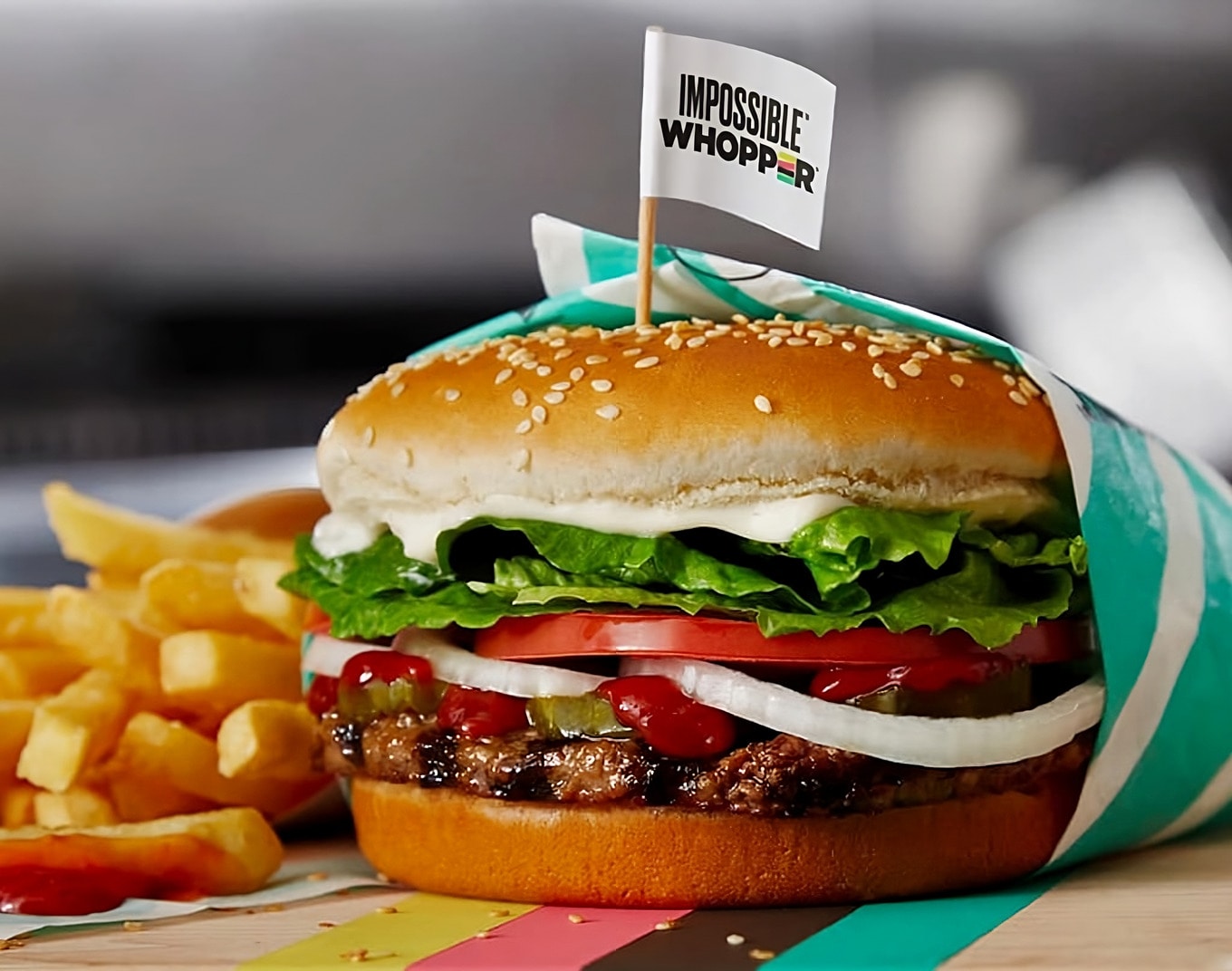
VegNews.ImpossibleWhopper.BurgerKingBurger King

Back in the United States, Wendy’s angered a lot of folks earlier this week when it announced that it would implement surge pricing on its food in the coming years. But you know what? Wendy’s has zero meatless options, aside from sad salads and sides. 

You know who does have plant-based burgers? Burger King. And we’re in luck because, in response to Wendy’s pricing announcement, the King is offering free Impossible Whoppers through the end of today (with a $3 purchase). 

Savoury vegan food news

Today, Ichiran, renowned for its tonkatsu ramen and solo dining concept, is launching a Vegan Ramen Kit at its New York City locations (and online starting March 15). This new offering is the result of six years of dedicated research and development, aiming to replicate the depth, richness, and smoky flavors of its traditional Tonkotsu Ramen. 

The two-serving vegan ramen kit ($20) features a liquid broth concentrate made with soy, roasted garlic, onion, shiitake, ginger, and other vegetables. A specially developed ramen oil ensures the creamy texture Ichiran’s ramen is known for, while the Original Spicy Red Seasoning, made with togarashi peppers, adds heat and spice. 

VegNews.VeganRamen.IchiranIchiran

The kit includes Ichiran’s signature Hakata-style thin noodles, known for their smoothness and firm texture, crafted from a unique blend of rare flour.

VegNews.Kimbap.KonsciousFoodsKonscious Foods

For more innovation, we turn to Konscious Foods, which just expanded its fish-free line with three new products: Smoked Salmon, Kimbap Korean Veggie Rice Roll, and Salmon Avocado Roll. These additions build on the brand’s reputation for innovative, chef-created plant-based foods that go from frozen to fresh in minutes. 

The Smoked Salmon, made with carrots and konjac, mimics traditional smoked salmon’s taste and buttery texture. The Kimbap and Salmon Avocado Roll offers a mix of flavours with ingredients like seasoned rice, marinated vegetables, and creamy avocado.

“We’ve applied our learnings from creating sushi, onigiri, and poke to now add this line of new and creative options that can help people incorporate more vegetables into their diet without sacrificing flavour,” Yves Potvin, president and founder, said in a statement. 

“Our ongoing mission at Konscious Foods is to make eating our foods an easy choice,” Potvin said. 

We’re already thinking about how to spice up our Konscious Foods salmon bowls, and Haven’s Kitchen has a new aioli line that’ll do the trick. Featuring a 12-month shelf life, these aiolis are free from artificial ingredients and get their creamy texture from high oleic sunflower oil. 

The aioli line-up includes Zesty Jalapeño, Chili Bang Bang, Sunshine Chili, and Herby Yuzz, each crafted with unique spices, chickpea broth, and natural flavours. 

Sweet vegan food news

In coffee news this week, Oatly is moving into a new category with the launch of four oat milk creamers. The company’s new Oatly Oatmilk Creamers come in classic flavours: Sweet & Creamy, Vanilla, Caramel, and Mocha, crafted for those desiring a sweet and indulgent coffee experience at home.

VegNews.OatlyOatly

“At Oatly, we’re passionate about all things coffee, and naturally saw an opportunity to bring our expertise to the diverse and popular creamer category,” Leah Hoxie, SVP of Innovation at Oatly North America, said in a statement. 

“We’re committed to converting cow’s milk drinkers into oat milk buyers, so we’re excited to now offer fantastic, flavoured creamers to people looking for a sweeter, more indulgent coffee experience,” Hoxie said. 

Oatly’s foray into flavoured creamers is timely, with plant-based creamers seeing a significant increase in sales, up 13 percent in dollar sales and 9 percent in unit sales over the last year. The creamers will be available in the refrigerated aisle of major retailers nationwide, such as Walmart, Target, Albertsons, Kroger, and Stop & Shop, with a suggested retail price of $5.99.

Oatly’s creamers are great for warming up on colder days. And while we dream of warmer temperatures, Trader Joe’s is giving us a little taste of summer in a new way with the release of Just the Tips, a cone bottom filled with dark chocolate. 

With no refrigeration required, this is a brilliant way to enjoy arguably the best part of its Hold the Cone ice creams—which the grocer offers in non-dairy flavours. 

VegNews.MagnumMagnum

But if you are seeking ice cream right now, Unilever brand Magnum is expanding its vegan ice cream line. Available at retailers in the United Kingdom, Magnum Chill Blueberry Cookie promises a vegan indulgence like no other, featuring a core of tangy blueberry sorbet enveloped in creamy biscuit and vanilla-flavoured ice cream, all encased in a rich, vegan chocolate shell sprinkled with decadent dark cookie pieces. 

And speaking of chocolate, The Hershey Company is also doubling down on its vegan chocolates. Last March, the company launched Reese’s Plant-Based peanut butter cups and Hershey’s Plant-Based Extra Creamy with Almonds and Sea Salt—oat milk remakes of its classics.

VegNEws.VeganReesesMinis.@letmeeatkale-Instagram@letmeeatkale/Instagram

This spring, the chocolate giant is expanding its oat milk chocolate portfolio with miniature versions of both of these, which have already been spotted by Instagrammer @letmeeatkale at a ShopRite in New Jersey. 

https://vegnews.com/2024/3/vegan-food-news-of-the-week-march-1

Saturday, September 2, 2023

German Pea Protein Leader endori Adds Vegan Tuna to its Growing Portfolio of Pea Products

From vegconomist.com

Germany’s endori, previously known as Amidori, is the newest addition to a list of at least ten global vegan tuna launches so far this year.

While many of the plant-based tuna products are produced with soy, wheat, legumes, seaweed and algae, or a mix of plant proteins, this stands out as one of the few created with a pea protein base, making it suitable for those with dietary requirements and allergies. It is worth noting that Nestlé’s Vuna has been priced at around €6.50 euros for a small jar, creating an opportunity for more affordable products on the European market. 

Authentic flavour with tuna-like structure

The NPD joins the brand’s two existing alternative seafood products — fishcakes and fingers — in its portfolio which entails several chicken-style products as well as burgers, meatballs, grounds, sausages, and pulled “pork”. From September 2023, the product based on peas and wheat, pickled in canola oil in a jar, will be available in European stores.

According to the company, the vegan tuna alternative provides an authentic tuna flavour without fish and even has a similar structure to the original. In production, endori does not use soy, palm oil or additives. The vegan tuna is made with natural flavours, rich in vegetable proteins and a genuine source of omega-3.

endori's Thuna product, multipack
© endori food GmbH

The vegan fish alternative follows the current trend among consumers towards sustainable convenience products in food retail. The increasing demand for fish alternatives is testified by the clear growth course of the market for fish substitute products, which grew by 17.2 percent last year alone.

With strong advertising power through digital campaigns, influencer marketing, PR, point-of-sale activities and tastings, endori aims to specifically bring its vegan Thuna into the spotlight and present it with an eye-catching design.

Friedrich Büse, the founder of endori, says about the new product: “Our vegan Thuna is a groundbreaking addition to the endori range. With this product, we are not only underlining our commitment to sustainability and the protection of the oceans. At the same time, we offer retailers the opportunity to meet the growing demands of customers for vegan fish alternatives.”

More about the new product at www.endori.de.


https://vegconomist.com/food-and-beverage/meat-and-fish-alternatives/endori-tuna-made-from-peas/

Sunday, January 15, 2023

An Israeli vegan food startup introduces tuna made from plants

From veganfirst.com

Today, as consumers desire more and more healthy options, meat substitutes are becoming more and more popular. The most promising of plant-based foods has been vegan fish variants, and businesses are already preparing by releasing new items that resemble seafood. One can’t deny that the fish business has faced numerous difficulties in the past decade, including worries about mercury poisoning and environmental issues. All of these elements have combined to influence consumers to choose plant-based fish over traditional tuna for their dinner plates. Indeed, fish made from plants is attracting interest from both start-ups and established businesses. Businesses are responding to developments in the seafood sector and the rise of vegan substitutes.

And after a year of research and development, an Israeli start-up has developed cruelty-free tinned tuna with the ‘complete sensory experience’ of taste, texture and smell. Vgarden has created a plant-based substitute for canned tuna that it hopes will 'change the tide' on unsustainable fishing methods. Read on for the chief of R&D and co-founder of Vgarden, Omer Eliav, opens up about the most difficult parts of making fish-free from scratch.
 

Image Source: V Garden


Why they attempted to create vegan tuna

One of the most consumed fish globally, if not the most popular, is tuna. The market for tuna fish is predicted to increase from $41.06 billion (€38.21 billion) in 2022 to $49.70 billion in 2029. Europe and Asia are the two regions that buy the most canned tuna, which is also a popular and practical source of protein with expanding markets in South America and the Middle East. However, not all tuna fishing is safe for the ecosystem.

According to Tom Rothman, head of global sales at Israeli plant-based start-up Vgarden, "Aquaculture and the overfishing of this in-demand fish has had a devastating effect on their numbers to the point that it has put several species, such as the yellowfin and the Atlantic Bluefin, on the verge of extinction." "This not only compromises food security but also has an adverse effect on the weak and vulnerable marine life.”?

Vgarden Ltd. has created what it calls "game-changing" vegan tinned tuna in Israel. They hope their creation can 'turn the tide' on unsustainable fishing methods and aid in the recovery of the ocean's wild tuna populations.
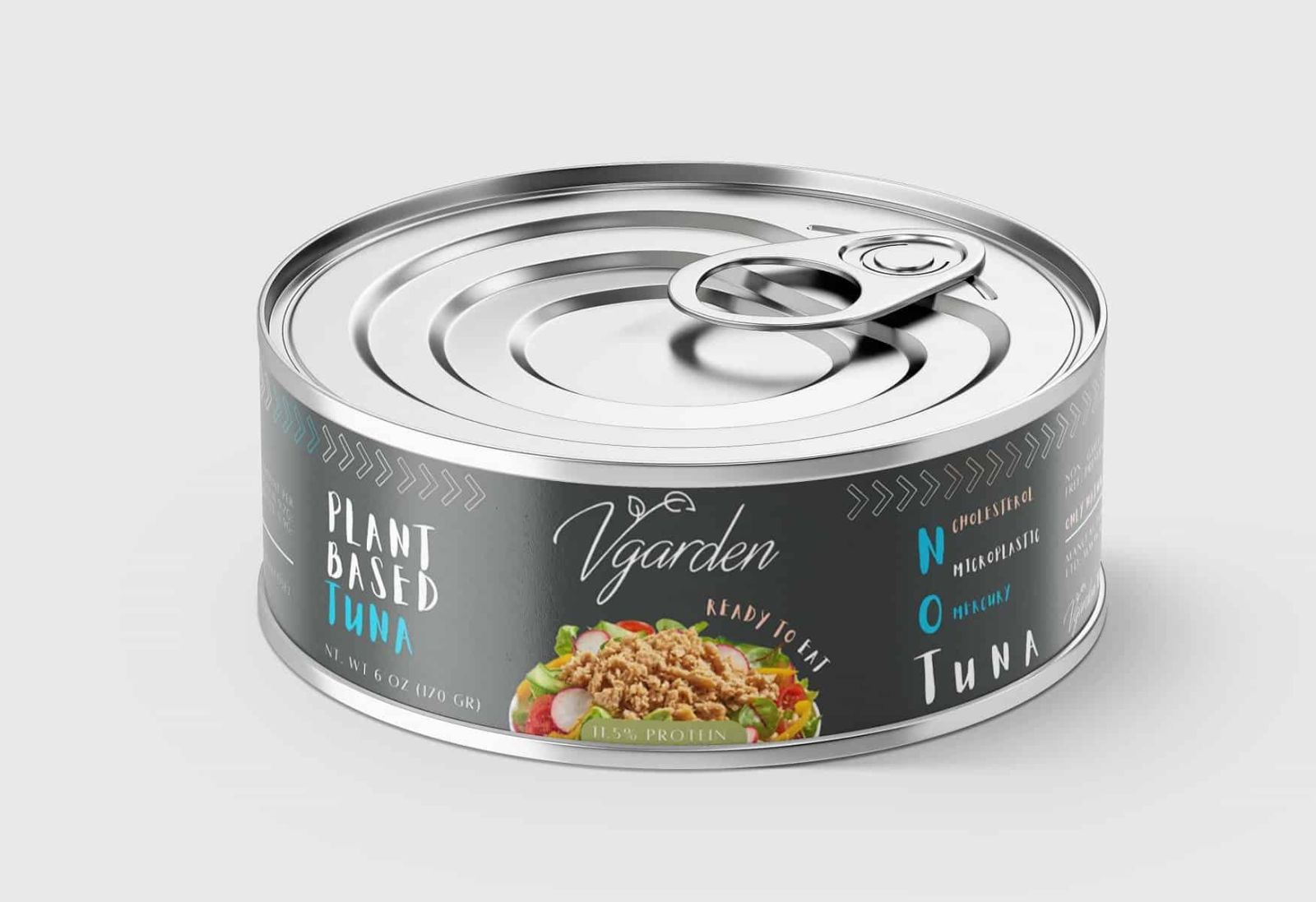
 

Image Source: V Garden


Recreating the appearance, feel, and aroma of authentic tuna

The goal of the start-up was to use plants to mimic the flavour, texture, and aroma of canned tuna. According to Omer Eliav, co-founder of Vgarden and chief of R&D, this was the R&D team's biggest issue. "Providing the full sensory experience of taste, texture, and fragrance is the toughest obstacle in producing an identical tin of tuna. Not just vegans, but all consumers, too, should find it appealing,” he muses.

The pea protein-based product has a total protein concentration of 11.2%–14%, according to northern Israel-based Vgarden, and is available in chilled pouches and cans.

The start-up boasts that their plant-based tuna has a "unique sea flavour," just like its traditional version. This has not been accomplished with algae, at least not yet, in contrast to previous plant-based seafood substitutes. The distinct sea flavour was produced by combining natural flavourings and using a special manufacturing process to successfully infuse it into the plant materials. However, the company is currently looking into the possibilities of infused algal oil extract, and preliminary testing have shown "promising results". Eliav stated, "We definitely intend to continue this research.”


Challenges they faced in matching the flavours

The start-up finally succeeded in capturing the "precise appearance and feel" of tuna after "a lot" of experiments and tastings. It was crucial to remove any unnecessary additives from the label and ensure that it contained a limited list of ingredients, he elucidates. Making plant-based tuna scalable is another "huge" difficulty, according to the R&D lead, so that the product may be sold for a reasonable price. “We looked at many other components and production methods, but some of them were either too expensive or couldn't be scaled up for large production.”


Pea protein was chosen by Vgarden as its main plant-based protein source. The pea protein assisted the start-up company in achieving the ideal texture, along with the use of the company's "unique method" and ingredient selection, according to Eliav. “Extruded vegetable proteins are what we use. These go through a special procedure that gives them the proper flavour and texture to resemble the original tuna in a can. We recently submitted a patent application for the unique mixture and procedure.”
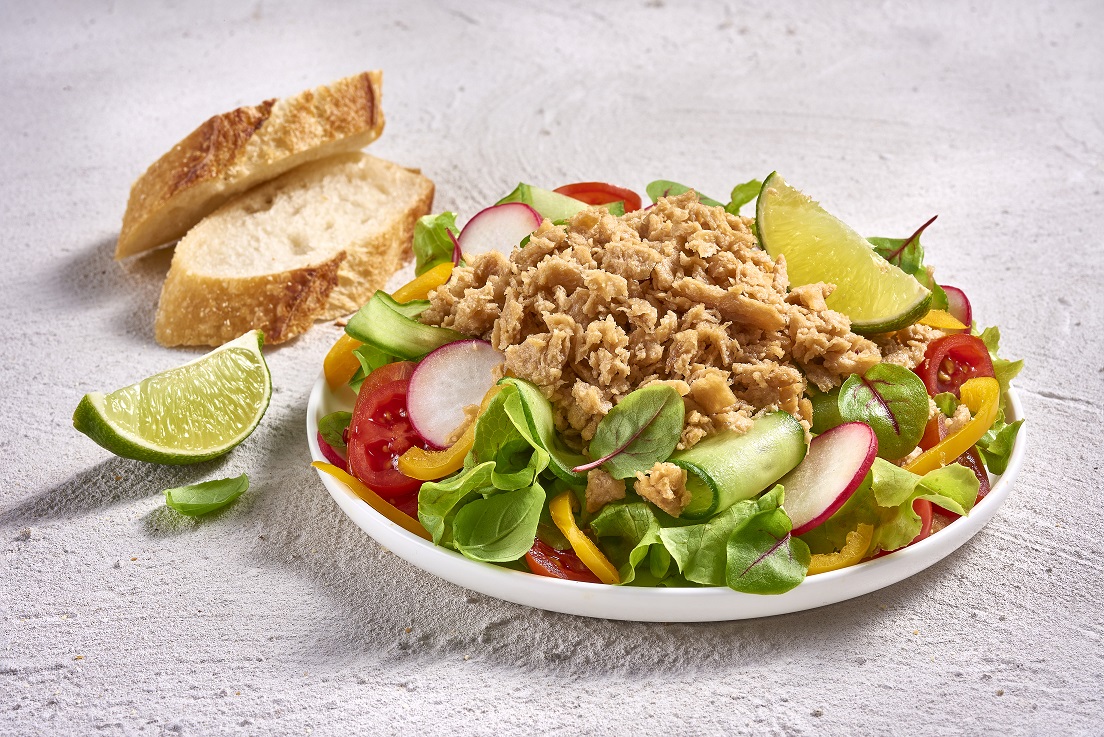
 

Image Source: V Garden


Nutritional profile and flavour

The overall protein composition of Vgarden's imitation tuna ranges between 11.2-14%. (before and after filtration). Traditional tuna contains much more protein: a can of tuna contains about 42g of complete protein. The substitute offered by Vgarden also contains fibres and sunflower oil. The company added that since its fish-free tuna is sourced outside of the marine ecosystem, it has more omega-3 fatty acids and is devoid of deadly metals, microplastics, or similar water contaminants.

Eliav stated, "One of our early development objectives was to build a very healthy and sustainable product. This served as our foundation because canned tuna is known for having a high protein content. We were told that the outcome is a "perfect tuna-eating experience. It simply has seven natural ingredients and is high in protein. We are currently striving to add Omega-3 fatty acids to our unique tuna. Like typical canned tuna, our vegan tuna flakes are preserved in sunflower oil.


Versatility of vegan tuna in global cuisine

The vegan tuna is made to be incorporated into any cuisine that calls for regular tuna, including tuna mayo sandwiches, salads, pastas, sushi, and pizza. According to the start-CEO up's Ilan Adut, "many food outlets are using our tuna analogue to make a traditional tuna niçoise salad or tuna pasta that will provide its discerning flexitarian clientele the entire experience of the genuine thing."
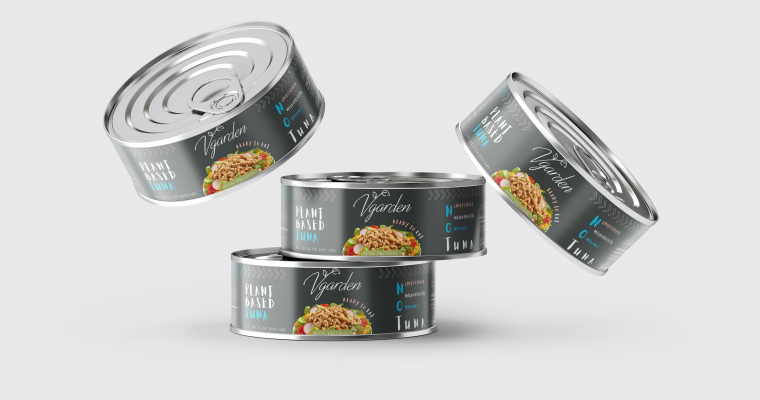
 

Image Source : V Garden


Accessibility of their products

The R&D team created a plant-based tuna that can be canned and sterilised at high temperatures while maintaining its flavour and texture to help with non-chilled storage, according to the brand. They claim that private-label sales of Vgarden's tuna-free product are available. It is already available in two packaging formats: tins for the "whole authentic tuna experience" and pouches for chilled storage in the retail and foodservice sectors.

The business expects to introduce its product in the eastern Mediterranean after selling it "all across" Israel, a few select nations in Europe, Australia, and North America.

https://www.veganfirst.com/article/an-israeli-vegan-food-startup-introduces-tuna-made-from-plants 

Monday, October 25, 2021

Vegan Tuna Is The Next Big Frontier In The Plant-Based Industry. These 6 Brands Are Leading It

From greenqueen.com.hk

The plant-based industry has undoubtedly undergone massive growth over the past few years, with vegan burger patties and meatballs taking over supermarket store shelves at restaurant menus. But as the market matures, the next frontier appears to be vegan seafood. And one category. in particular, is leading the pack: vegan tuna. 

Don’t believe it? These 6 brands of plant-based tuna have already landed on the market, and hail from all over the world. Let’s take a look. 


                                                                                  Source: Fish Peas

1. Fish Peas

Fish Peas is the latest product to join the vegan tuna space, launched by Latvian canned seafood giant Karavela. Made from protein isolate derived from yellow peas grown domestically in Latvia, the new range includes canned Fishly Flakes, Fishly Salad and Fishly Spread, each coming in two different flavour varieties. Launched just this month, Karavela says while it initially “had doubts about the plant-based food market”, it “gradually became aware” of the need to move with the times and “address the pressing issue of sustainable food production”. 


Source: BettaF!sh

2. BettaF!sh

BettaF!sh is a German startup that just began rolling out its flagship product, TU-NAH, across the country in partnership with retail giant Aldi. The Berlin-based food tech’s fish-free alternative contains no soybeans or wheat, but is made from organic fava beans and seaweed. Consumers can grab a bite of the brand’s vegan tuna in more than 4,000 Aldi stores in Germany, where 3 varieties of 100% plant-based tuna sandwiches are sold. 


Source: Garden Gourmet / Nestlé

3. Sensational Vuna

Sensational Vuna is a vegan tuna alternative developed and launched by Nestlé, at the time marking the Swiss food giant’s first-ever foray into the plant-based seafood market. It is sold under Nestlé’s plant-based brand Garden Gourmet in Europe, and is made from pea protein. Right now, Sensational Vuna is sold in a chilled glass jar via retail channels, as well as in pre-made plant-based tuna sandwiches available in select European markets.


Source: Fazenda Futuro

4. Future Tuna (Futuro Atum)

Future Tuna is the latest product to join Brazilian food tech Future Farm’s (Fazenda Futuro) plant-based range, adding to its line-up of vegan sausages, burger patties and meatballs. It represents the brand’s first entry into the alt-seafood space, and is made from pea protein, chickpea protein and sunflower oil. It also contains algae oil, which gives its fishy taste and texture, as well as providing a good source of omega 3s. 


Source: OmniFoods

5. OmniTuna

OmniTuna is developed by Hong Kong-based OmniFoods, the food tech arm of Green Monday behind the world-famous vegan pork analogue OmniPork. It has been launched as part of the brand’s new OmniSeafood range, which includes other seafood alternatives such as crab cakes and fish fillets. OmniTuna, which is currently being served across Green Common outlets in Hong Kong before making its retail debut later on, is made from non-GMO soybeans and contains omega 3s from algae oil. 


Source: Hooked Foods

6. Hooked Toonish

Hooked Toonish is the first product launched by Swedish food tech Hooked Foods. The brand currently sells three flavours of Toonish, which is available in retail chains as well as restaurants across Sweden. It is made from soy protein, wheat protein, sunflower oil and algae. Right now, Hooked, which bagged €3.8 million in funding last month, is also working on developing vegan shredded salmon. 

https://www.greenqueen.com.hk/vegan-tuna-brands/

Wednesday, October 20, 2021

Vegan Tuna Sandwiches Are Landing In 4,000 Aldi Stores Across Germany

From greenqueen.com.hk

This month, more than 4,000 Aldi supermarket stores are going to begin selling vegan tuna sandwiches. Made from newly-founded start-up BettaF!ish’s plant-based tuna analogue, the roll-out will represent one of the largest initial launches of vegan seafood in the country. 

BettaF!sh is launching its flagship product, dubbed TU-NAH, across more than 4,000 locations of Aldi Germany, one of the country’s top retailers. From this month, Aldi will begin stocking three flavours of 100% plant-based tuna sandwiches made with BettaF!sh’s vegan alternative, which is made from legumes and seaweed. 

BettaF!sh vegan tuna

The Berlin-based start-up’s alternative, unlike many alternative protein products on the market, contains no soybeans or wheat. Instead, it is made from a base of legumes, such as organic fava beans from northern France, and seaweed from Norway and Ireland. 

BettaF!sh says that aside from ditching the environmental impact associated with commercial fishing—and especially tuna production with 43% of the species’ population under threat—its plant-based tuna is also healthier. It contains no methylcellulose, yeast extract or artificial flavourings, is high in protein, while still delivering the same fishy taste and texture that consumers love about real tuna. 

Aldi’s new vegan tuna sandwiches will contain BettaF!sh’s TU-NAH, coming in three flavour varieties: Classic, Sweet Corn and Pepper, and Sweet Chilli. These items will initially be available in Aldi Nord and Aldi Süd next week, before a nationwide launch across all of Aldi’s 4,000 outlets in Germany. 


According to the newly-founded start-up, its debut launch at Aldi marks one of the largest roll-outs of a vegan seafood substitute product. 

‘Seaweed deserves a place on every plate’

BettaF!sh says that taking on canned tuna is just the first step in its journey to disrupt the way we make and consume seafood—and it wants to replace conventional seafood with seaweed, which can be grown throughout Europe and become an alternative business for fishing communities in the region. 

Instead of taking from the oceans, seaweed cultivation could help oceans restore its balance, and can be grown without fertilisers or pesticides, while providing a cost-efficient raw ingredient to create healthier and sustainable vegan seafood products. 


                                       BettaF!sh co-founders Jacob von Manteuffel (L) and Deniz Ficicioglu (R).

“We are extremely proud to point out that our BettaF!sh products have a significant positive impact,” shared co-founder Jacob von Manteuffel. “By purchasing just one TU-NAH sandwich, the consumer makes an active contribution to reducing bycatch, CO2 emissions and overfishing”.

Von Manteuffel started BettaF!sh less than one year ago with co-founder Deniz Ficicioglu, who has described the start-up’s flagship product as one that will “help us push the topic of saving our seas and their dwellers to the forefront” and proof that “seaweed deserves a place on every plate.”

While the young company has yet to share more details about what other vegan seafood products are in the pipeline, it says that consumers can expect more tuna analogues to be rolled out across foodservice channels in Germany before new items will “round out” its range. 

Alternative seafood space heats up

The launch of BettaF!sh comes as the alternative seafood sector gains momentum, with the category netting $116 million within the first half of 2021. The figure, which includes funding rounds of companies developing plant-based, cell-based and fermentation seafood products, already exceeds the total recorded for last year. 

Joining BettaF!sh as a new player in the industry in Europe is Monkeys By The Sea, a Dutch food tech that launched with a $500,000 pre-seed round to support its upcoming debut of microalgae-powered vegan tuna and breaded fish alternatives. 

Some of the other vegan seafood brands that have made headlines in recent weeks include Sweden’s Hooked Foods, which bagged €3.8 million for its plant-based shredded salmon launch, and Sophie’s Kitchen, a pioneer of the sector, which is now being fuelled with $5.6 million to continue growing its clean label alt-seafood range. 

All images courtesy of BettaF!sh.

https://www.greenqueen.com.hk/vegan-tuna-bettafish-aldi/

Friday, September 11, 2020

Vegan tuna is a thing now and here’s why you should give it a try

From lifestyleasia.com

Along with vegan foie gras, vegan sausages and even vegan cheese, vegetarians can now savour plant-based alternatives to one of the world’s most widely consumed fish. Available in canned and faux steak versions that reproduce the colour and texture of the real thing, vegan tuna offers everyone a chance to contribute to the fight against overfishing.

Hot on the heels of the success of vegan steaks, nuggets and sausages from rival American start-ups Impossible Foods and Beyond Meat, the drive to develop plant-based alternatives to animal protein is increasingly focused on products from the world’s oceans. In a context where people are being encouraged to reduce their consumption of fish — or at least to ensure that it is diversified and from sustainable sources — a host of new initiatives have emerged to satisfy a growing demand for 100% plant-based vegan tuna.

                                                 Image Credit: Mgg Vitchakorn/Unsplash

Attracted by the huge scale of the future market for vegan products, the Swiss food giant Nestlé has developed a new “tuna” product that doesn’t contain a single gram of fish. The company insists that the creation has all of the taste and texture of the real thing. The new vegan tuna, which contains only six ingredients, is mainly concocted from pea-protein and wheat gluten and makes use of proprietary wet-extrusion technology that the Swiss giant already uses to create other plant-based meat products.

Christened “Sensational Vuna,” the faux fish is already on the market in Switzerland, where it is sold under the Garden Gourmet brand. Nestlé has announced its intention to distribute “Vuna” in other countries, but has yet to announce a date for its international launch.

Okay, but why tuna?

In its different varieties, notably bluefin, white or albacore, tuna is one of the most widely consumed fish in the world, with some 4.4 million tons landed every year. Not surprisingly, given this scale of consumption, the emerging market for tuna alternatives has already attracted attention from big industry and also smaller niche companies. Weighing in at up to 700 kilograms (as opposed to a mere 100 for an albacore tuna), the bluefin tuna, which is notably sought-after for use in sushi, is now “on the verge of extinction.” According to the WWF, systematic overfishing, notably to provide supplies for the Japanese specialty, has eaten into global stocks to the point where there will soon be none left.

In a bid to address this problem, a German start-up has created an alternative to bluefin that will allow for the production of sushi, sashimi and makis that are entirely fish-free. A technical innovation that has the potential to disrupt the deep-rooted tradition for bluefin dishes in Japan, a country where respect for custom and ceremony is taken very seriously. Christened Kuleana, the company has combined seaweed, seawater and vegetable protein to create its revolutionary alternative to the much sought-after species. At the same time, Kuleana engineers have not totally ignored Japanese tradition, because they have also added koji mold, which has long been used in the Land of the Rising Sun to make miso paste and brew sake. Kuleana is currently in talks with distributors in Asia, the United States and Europe in preparation for the launch of its “faux tuna.”

                                              Image Credit: Jonathan Forage/Unsplash

Could vegan tuna be healthier?

The development of alternatives to tuna may not only be good for the environment, it could be good for consumers too. Tuna can contain traces of mercury, microplastics, and heavy metals, so when we order fish we may also be ingesting pollutants that are harmful to health. At the same time a recent study published in the journal “Global Change Biology” has sounded the alarm over the steep increase in levels of fish parasites which are 283 times more prevalent than they were in the 1980s.