Showing posts with label dairy. Show all posts

Friday, March 13, 2026

Oat Milk Is Winning the $13 Billion War Over Your Morning Coffee

From vegnews.com 

Plant-based demand is helping the coffee creamer industry skyrocket, with the global market projected to approach $13 billion by 2035

It's been more than 75 years since the first coffee creamer hit store shelves, and it’s still a staple in many people’s daily coffee routine. But lately, the category has been experiencing serious growth—largely driven by rising demand for plant-based options.

In fact, according to a report from Future Market Insights (FMI), the global market could reach nearly $13 billion by 2035. For context, it was valued at nearly $6 billion in 2025. The market research platform says growing demand for plant-based foods and functional nutrition are two key factors driving the creamer market’s growth.

“This evolution is spearheaded by a rejection of traditional dairy in favour of oat, almond, and coconut bases, alongside the integration of ‘superfood’ ingredients like MCT oil, collagen, and adaptogens,” reads a press release.

North America is one of the biggest markets for vegan creamers, which isn’t surprising considering Americans have long been fans of adding creamer to their coffee. In fact, a 2024 survey from Drive Research found that 77 percent of Americans add either milk or creamer to their coffee.

The study also observed that interest in vegan creamers is rising. Preferences for oat milk, for example, have grown by 90 percent since the platform’s previous survey in 2022, while preferences for almond milk have increased by 71 percent.

                                                                                          Grandbrother's Images | Canva

Young coffee drinkers and café culture reshape the creamer market

However, according to FMI, India is currently leading the market for non-dairy creamers. This is largely because the country is seeing surging coffee demand among younger generations. China, too, is experiencing a boom in the dairy-free creamer market.

Senior analysts at the research firm note that café culture is also helping drive global growth. As coffee chains get more creative, consumers want to recreate those drinks at home. Recently, for example, Starbucks announced a new spring menu with several veganizable options, including a Toasted Coconut Cream Cold Brew and an Iced Ube Coconut Macchiato.

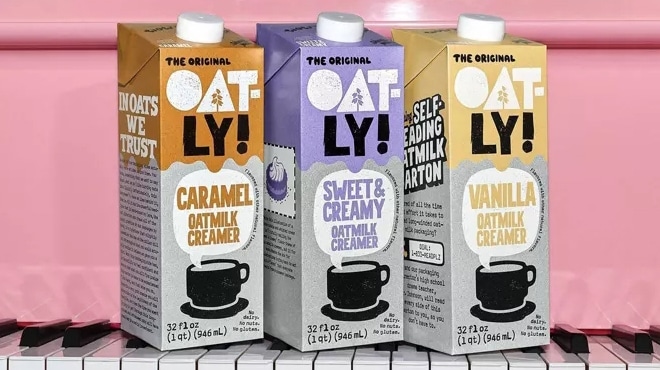
Dairy-free brands have also spotted the trend and are consistently launching new creamers. In 2025, for example, Oatly rebranded its creamers with new carton packaging.

Oatly-Oatmilk-CreamersOatly

“Oatly Oatmilk Creamers are designed for people who are looking for a sweeter, bolder, and more indulgent coffee experience, especially at-home—whether they’re adding a dash into a French press, pour-over, or really any type of coffee,” Malia Killings, creative director and design director at Oatly North America, told VegNews at the time. 

Echoing FMI’s findings, she added: “We’re seeing demand for personalized coffee experiences grow, especially among the next generation of coffee drinkers who prefer a wide array of unique flavour options. Oatly’s Oatmilk Creamers offer those consumers endless possibilities for crafting customized coffee creations.”

Want to get in on the dairy-free creamer hype? Find some of our top picks here.

https://vegnews.com/vegan-creamer-market-boom

Wednesday, March 4, 2026

Those Vegan Cowboys celebrates crowdfunding record in win for precision fermented dairy

From theplantbasemag.com

Those Vegan Cowboys, a Belgian start-up specialising in precision fermented dairy, has celebrated record-breaking progress since launching its crowdfunding campaign last week.


The company raised €2.5 million in the space of one day, by more than 600 new shareholders, before the campaign had even officially launched. Notably, the start-up raised €1 million within an hour – a new record for Invesdor, the crowdfunding platform hosting the campaign.


Overall, the company has raised over €6.7 million so far from over 1,100 new shareholders, with 20 days left until the crowdfunder is due to close on 23 March.

Hille van der Kaa, the company’s founder and CEO, described herself as being “genuinely speechless for a moment” at the record-breaking funding milestone.

© Those Vegan Cowboys

“Because this crowdfunding campaign is about more than raising capital. It shows that we are not only attracting investment, but also building a community of co-owners who feel deeply connected to our mission,” van der Kaa said.


“There is a lot at stake: for the climate and for animals. The potential impact of our company is significant. If we succeed, we can help reshape an industry at global scale.”


The news follows a successful €6.25 million raised in Those Vegan Cowboys’ first funding round in December 2025, with the start-up continuing to progress toward scale-up and commercialisation of its animal-free casein ingredient.


Casein, a protein found in dairy and responsible for many of the nutritional and sensory attributes of cheese, is increasingly being produced via precision fermentation technology. This technology involves training microbes to produce target proteins, such as casein and whey, in bioreactors without the use of animal inputs.

© Those Vegan Cowboys

The technology has been used in the food and pharmaceutical industries for decades, but its use to create alternative proteins for the plant-based food and beverage industry is more novel – and is gaining significant traction in recent years, with companies promising to have created ‘bioidentical’ ingredients that can make animal-free cheese, yogurts and beverages indistinguishable from their conventional dairy counterparts.

French food-tech start-up Verley announced the successful closing of a $38 million Series A funding round last week, supporting the roll-out of its precision fermented beta-lactoglobulin (BLG) – a functional whey protein suitable for use in a range of applications such as protein shots and shakes.

Meanwhile, Australian innovator All G closed a $6.6 million convertible note round in December to fuel commercial-scale production of its precision fermented lactoferrin ingredient, targeting the early life and adult nutrition markets.

https://www.theplantbasemag.com/news/those-vegan-cowboys-celebrates-crowdfunding-record-in-win-for-precision-fermented-dairy 

Wednesday, February 4, 2026

Veganuary Isn’t Over: The Flavour-First Guide to Plant-Based Swaps

From smileymovement.org

A new month calls for new challenges and new ways to find a footing for the year ahead. Veganuary is one of the most popular take-ups that people throw themselves into when attempting to try new things and explore other lifestyle choices. In 2025, Veganuary reported over 25 million people participated in the global campaign. 

While the numbers keep rising since its inception, it’s equally good to see how we can move beyond the month and make things more permanent. 

Eco Centre’s Founder, Steve Howell

Well, lucky for you (and us), Eco Centre’s Founder, Steve Howell has come up with a top 5 tips on how to keep the vegan energy going beyond the campaign. You don’t have to fully commit to veganism, but incorporating a few more vegan meals in your life makes a massive difference. 

Before we get into Steve’s top tips, let's first introduce you to the Eco Centre

The Somerset-based charity is on a mission to make eco and sustainable living more accessible. Their work focuses on empowering people to take practical actions to reduce greenhouse emissions and working together with our communities to protect the environment.

You may have heard of them from one of our previous articles on their crowdfunding campaign for their Eco-Save app. This app will act as an essential tool to make more eco-conscious decisions that will have a positive impact on your lifestyle and contribution to  Read more to learn about it here

Let’s get to Steve's advice: 

1. Meat swaps that actually deliver on flavour

Cutting back on meat can feel daunting, particularly when protein and taste are top of mind. The good news? Today’s plant-based options are far better than their beige, rubbery reputation.

Soy- or pea-based mince works beautifully in classics like bolognese, chilli and tacos – once it’s simmered with tomatoes, herbs and spices, you’ll barely notice the difference. Lentils, beans and mushrooms offer a deeply satisfying, earthy bite in curries, pasta and rice dishes, while newer players like slow-grown mushrooms bring a genuinely “meaty” texture.

Tofu is endlessly adaptable when properly seasoned, and modern vegan sausages, burgers and wheat-based seitan now stand up confidently in wraps, casseroles and stir-fries.

Steve suggests: 


2. Cheese alternatives worth your time

Let’s be honest: cheese is often the hardest habit to break, and vegan versions can be wildly inconsistent. But some categories shine. Cream cheese alternatives are the most reliable, with plant-based versions offering the same spreadable comfort on bagels and flatbreads. 

Meltable cheeses have also come a long way, working particularly well on pizzas, toasties and burgers. Cheddar-style alternatives remain tricky, but a few now deliver surprisingly authentic flavour and texture. And if comparisons are still proving difficult, there’s freedom in skipping cheese altogether – hummus, tahini, pesto, avocado or plant-based mayo often bring more flavour and freshness than cheese ever did.


3. Dairy-free milk without the guesswork

Plant-based milks are everywhere now, which is both a blessing and a curse. The trick is choosing the right one for the job. 

Oat milk is the crowd favourite: creamy, slightly sweet and excellent in coffee and cereal, especially barista-style versions. 

Soy milk remains the most versatile all-rounder, with a high protein content that makes it ideal for baking and cooking. 

Coconut milk shines in desserts and curries, adding richness and depth, while almond milk is lighter and works well in smoothies and porridge. Once you stop expecting one milk to do everything, the options start to make sense.


4. Simple swaps for cream, butter and eggs

Replacing dairy staples is now refreshingly straightforward. Plant-based creams made from oat, soy or coconut perform well in soups, sauces and desserts, while vegan butters are almost indistinguishable from dairy in baking – and perfectly good on toast. 

Ice cream, too, has had a glow-up, with dairy-free versions offering the same indulgence without compromise. Eggs are a little more situational, but flax or chia “eggs”, applesauce or mashed banana work brilliantly in baking, while tofu seasoned with turmeric and spices makes a convincing scrambled alternative. These swaps tend to win over even the most sceptical guests.


5. Think addition, not deprivation

The easiest way to make plant-based eating stick is to stop chasing perfect replicas. Instead of focusing on what you’re giving up, add more naturally plant-forward cuisines to your rotation – Indian, Middle Eastern and many Asian dishes are rich, satisfying and often vegan by default.

When eating out, a little planning goes a long way: many high street restaurants now offer genuinely good vegan options, with some boasting full plant-based menus. It doesn’t have to be all or nothing. Every swap makes a difference – for the planet, for animals and often for your wallet too.


Charity check-in

At Smiley Movement, we like to elevate the work of charities across the world. Here are three charities whose causes align with the themes in this article. 

Eco Centre. A UK-based sustainability charity helping people and businesses reduce their environmental impact while saving money. Through practical education, community projects and digital tools, it empowers households to take affordable, everyday action on climate change. Learn more here.

Practical Action. An international charity working across Africa, Asia and Latin America to tackle poverty and climate change together. It supports communities with practical, low-cost solutions for clean energy, sustainable food systems and climate resilience, helping people improve their lives while protecting the planet. Find out more here.

Rewiring America. A US non-profit focused on electrifying everything, from homes to transport, to lower energy bills and reduce carbon emissions. The organisation helps households understand the financial and climate benefits of clean energy, particularly for low- and middle-income communities. Discover their work here.

This positive news article aligns with the UN SDG Good Health and Wellbeing, Climate Action.

Photo credits:  Eco Centre

https://smileymovement.org/news/veganuary-isnt-over-the-flavour-first-guide-to-plant-based-swaps 

Wednesday, January 7, 2026

The Top Vegan Food Trends of 2026, According to VegNews Editors

From vegnews.com

We explore the biggest vegan food trends of 2026, from clean proteins and fibre-forward foods to vegan eggs, global flavours, and GLP-1-friendly products

As we head into a new year, one thing remains certain: the food landscape will continue to grow, adapt, and evolve. Experts predict expansion across several categories, from alcohol-free drinks and matcha-infused products to a boom in “swicy,” or sweet-and-spicy, flavours. Already, 2026 is shaping up to be a jam-packed year.

Below, explore more of our predictions, including a rise in clean proteins, continued growth in vegan eggs, increased creativity and collaboration in the vegan restaurant industry, and much more.
VegNews.Tofu.Getty

Getty

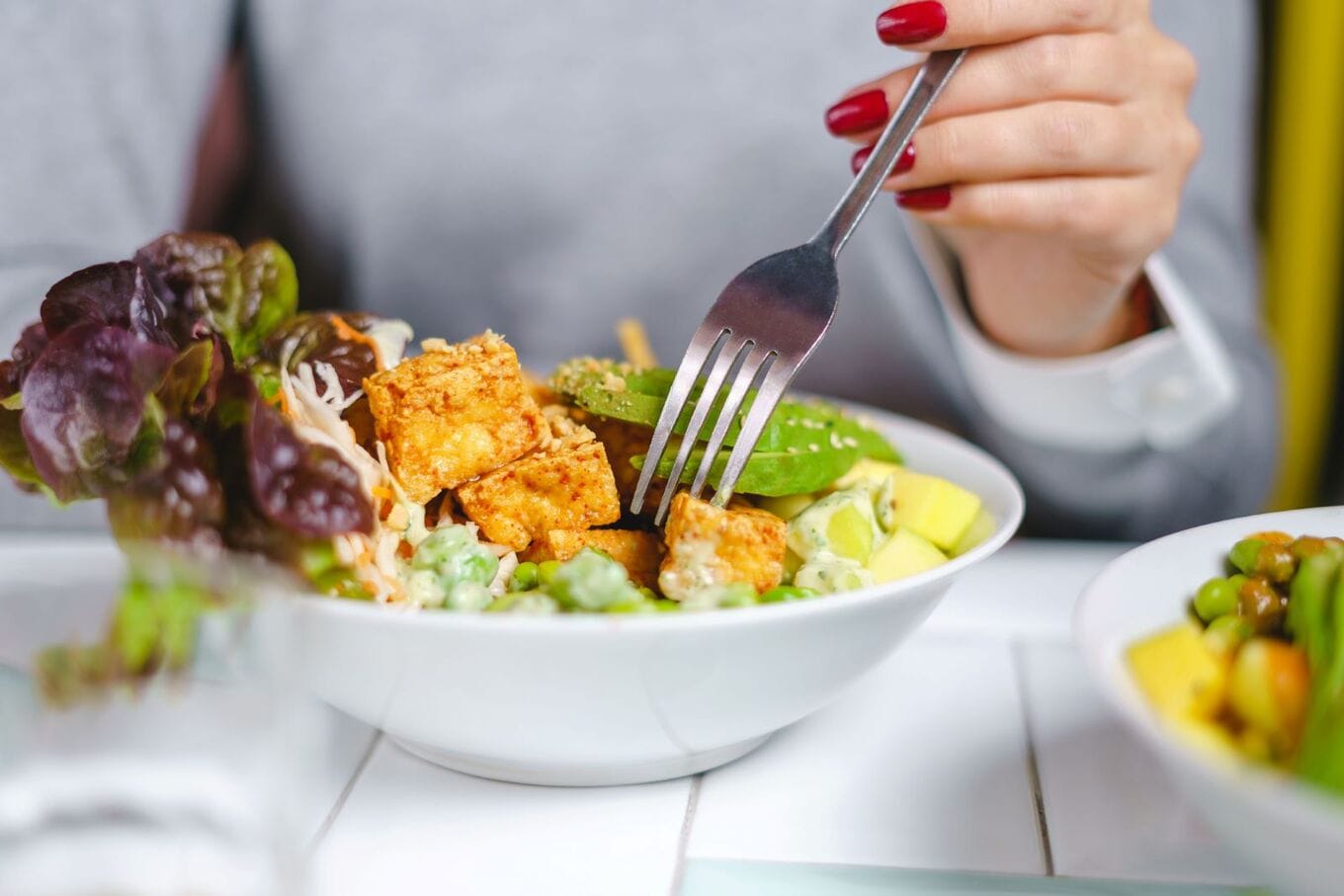
1Protein becomes more about balance and minimal processing

Throughout 2025, it was difficult to avoid discussions about protein, both online and in person. If it feels like everyone you know has been trying to increase their protein intake and encouraging you to do the same, we have some news: protein is not going anywhere in 2026.

However, the conversation is shifting. Many experts predict the focus will become less extreme and more balanced. “Look back at fat-free in the 1980s or carb-free in the noughties,” Alex Beckett, Mintel’s senior director of food and drink research, told Food Navigator. “History shows how dietary patterns shift from fixation to moderation.”

What people consume as protein is also evolving. Over the past year, scrutiny of ultra-processed foods has intensified, prompting consumers to seek cleaner, minimally processed protein sources instead of highly engineered plant-based meat alternatives. This does not mean your favourite burgers and sausages will disappear from shelves altogether. Rather, they will increasingly sit alongside more natural, whole-food options.

VegNews.FiberFoods.nensuria

nensuria

2Fibre will get even more attention

Protein was not the only nutrient on everyone’s lips throughout 2025. Fibre also enjoyed a well-deserved moment in the spotlight, and many experts anticipate it will receive even more attention in 2026.

In October, the Whole Foods Market Trends Council released a report highlighting the biggest trends for the year ahead. The panel of experts was confident that more fibre-rich products would begin appearing on shelves, noting that rising demand is “being driven by increasing consumer awareness of digestive health, weight management, and preventive healthcare.”

Market research firm Mintel agrees. Its 2026 Global Food and Drink Predictions report states: “In a time when there is an abundance of instantly available health advice, protein and fibre are cutting through the clutter in 2026 and going mainstream as easy-to-understand, accessible, and essential nutrients.”

The report also looks ahead to 2030 and predicts that interest in fibre will continue to grow and evolve. It suggests fibre may become “a nutritional defence against the rising risks microplastics pose to humans.”

VegNews.LionsMane.KierInSightArchives.Unsplash

Kier in Sight Archives/Unsplash

3Functional plant-based ingredients and healthy snacks are only going to get more popular

In 2026, food will become even more focused on function and the tangible benefits it can offer our bodies. Functional mushrooms, for example, began moving into the mainstream in 2025, and that momentum is set to accelerate significantly in the year ahead. According to Fortune Business Insights, the functional mushroom market was valued at more than $33.7 billion in 2025 and is expected to reach more than $62.1 billion by 2032.

“The global market is expected to exhibit significant growth during the forecast period owing to the rising awareness related to the benefits offered by consuming specialty mushrooms,” the market research platform states. “The rising inclination of consumers toward functional foods further boosts market growth.”

Gut-friendly foods such as yogurt, kefir, kimchi, and sauerkraut are also poised to gain even more attention. At the same time, snacks will continue to shift toward health and wellness. This trend began to emerge in 2025, as seen in the Best Vegan Snacks of 2025, where VegNews readers voted for products like protein cookies, crunchy fibre-rich corn snacks, and soft-baked wholegrain bars.
Just EggEat Just

4Vegan eggs and cheese will continue to thrive 

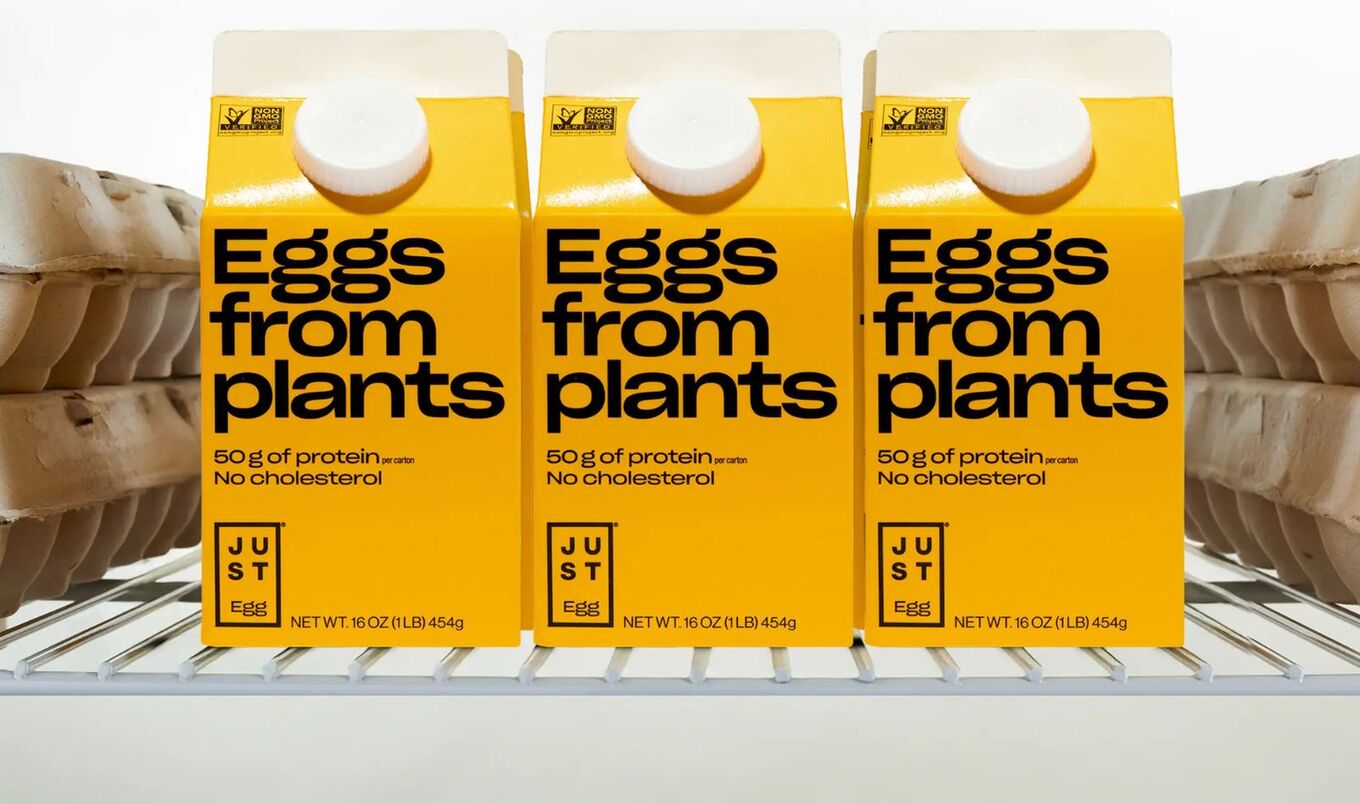
Rising prices and repeated outbreaks of bird flu have caused major disruption in the egg industry over the past few years. This instability has created an opening for plant-based egg companies, which are now seeing strong growth. Eat Just, along with other vegan egg brands, enjoyed an especially successful 2025. In February alone, Eat Just grew five times faster than it did in February 2024.

Research suggests the market is on a strong upward trajectory. According to Data Bridge Market Research, the global plant-based egg market could reach nearly $16 billion by 2032. For comparison, it was valued at $3.5 billion in 2024.

One key reason for this growth is supply-chain resilience. Vegan egg production is not as vulnerable to the disruptions that affect animal agriculture, yet the products are designed to taste and function like conventional eggs. “It’s simply a smarter way to produce eggs,” Eat Just CEO Josh Tetrick told VegNews. “Consumer sentiment and global climate trends point toward a future where eggs just happen to come from plants.”

The dairy-free cheese industry is also set for a strong year ahead. In particular, artisanal, French-style vegan cheeses are becoming more popular and accessible, driven by brands such as UmYum, which launched in the US this year; Rebel Cheese, which delivers nationwide; and Bettani Farms, which recently acquired Stockeld Dreamery and Treeline.
Next Level Veggie Grill2Next Level Veggie Grill

5Vegan restaurants will get more creative and collaborative

The past few years have been challenging for the vegan restaurant industry. Across the country, many beloved eateries have closed due to a combination of factors, including rising costs, tighter profit margins, and fewer customers amid the ongoing cost-of-living crisis.

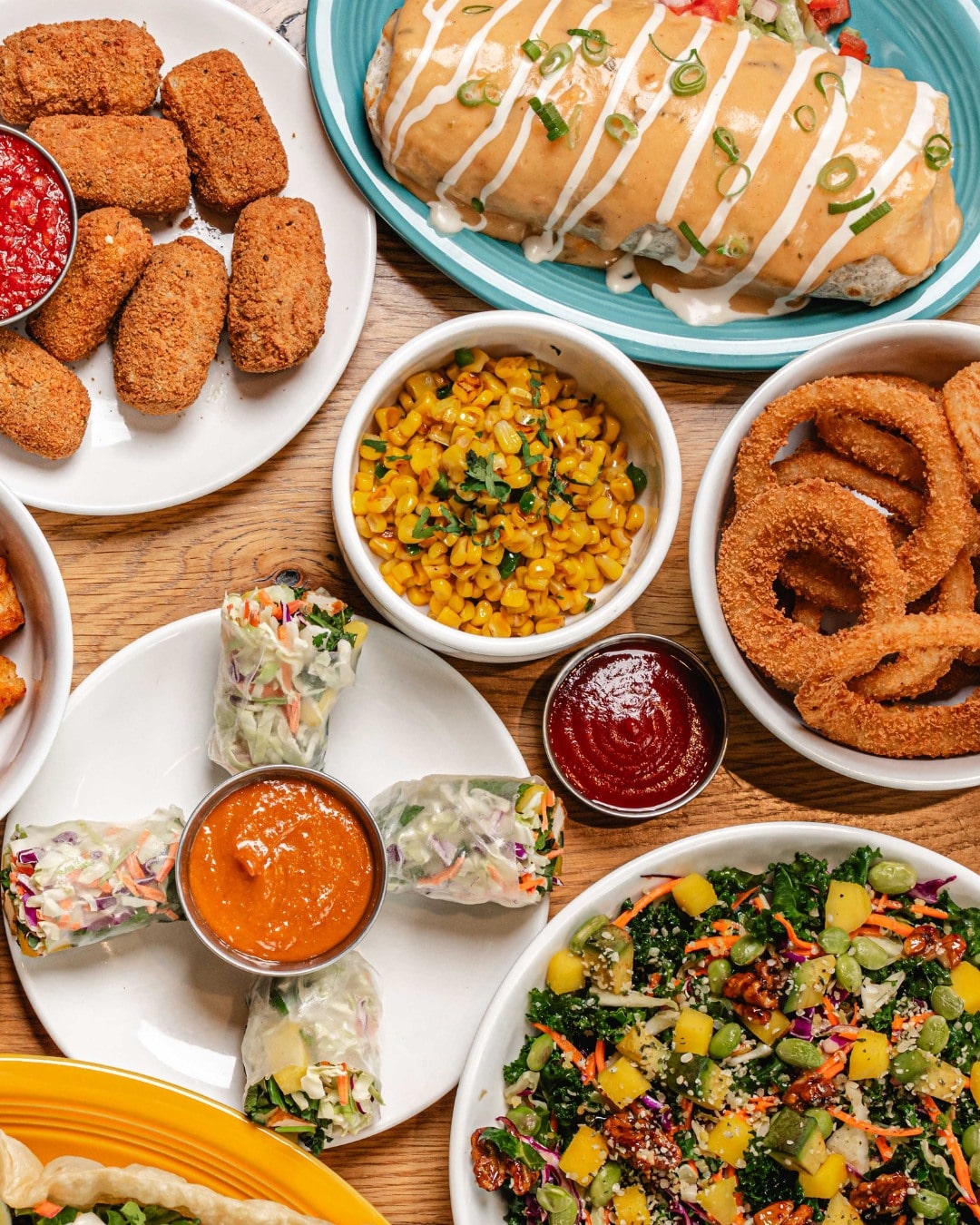
Despite these challenges, many passionate restaurateurs are not giving up. Instead, they are finding new ways to persevere, with collaboration emerging as a key strategy. Examples include the merger of Veggie Grill and Next Level Burger to form Next Level Veggie Grill, as well as Evolution Fast Food and Donna Jean joining forces in San Diego. In North Hollywood, Vegatinos has also found a new home within Leonor’s Vegetarian Restaurant.

When we spoke with restaurateur Nemanja Golubovic, founder of Chicago vegan restaurant Kale My Name, about the difficulties facing the city’s dining scene, he expressed optimism for the years ahead. In his view, the vegan restaurant industry is poised to emerge stronger than ever.

“I do believe the landscape is evolving rather than disappearing,” he said. “The restaurants that survive and thrive will be the ones that adapt, build community, and offer something beyond what people can get everywhere else.”
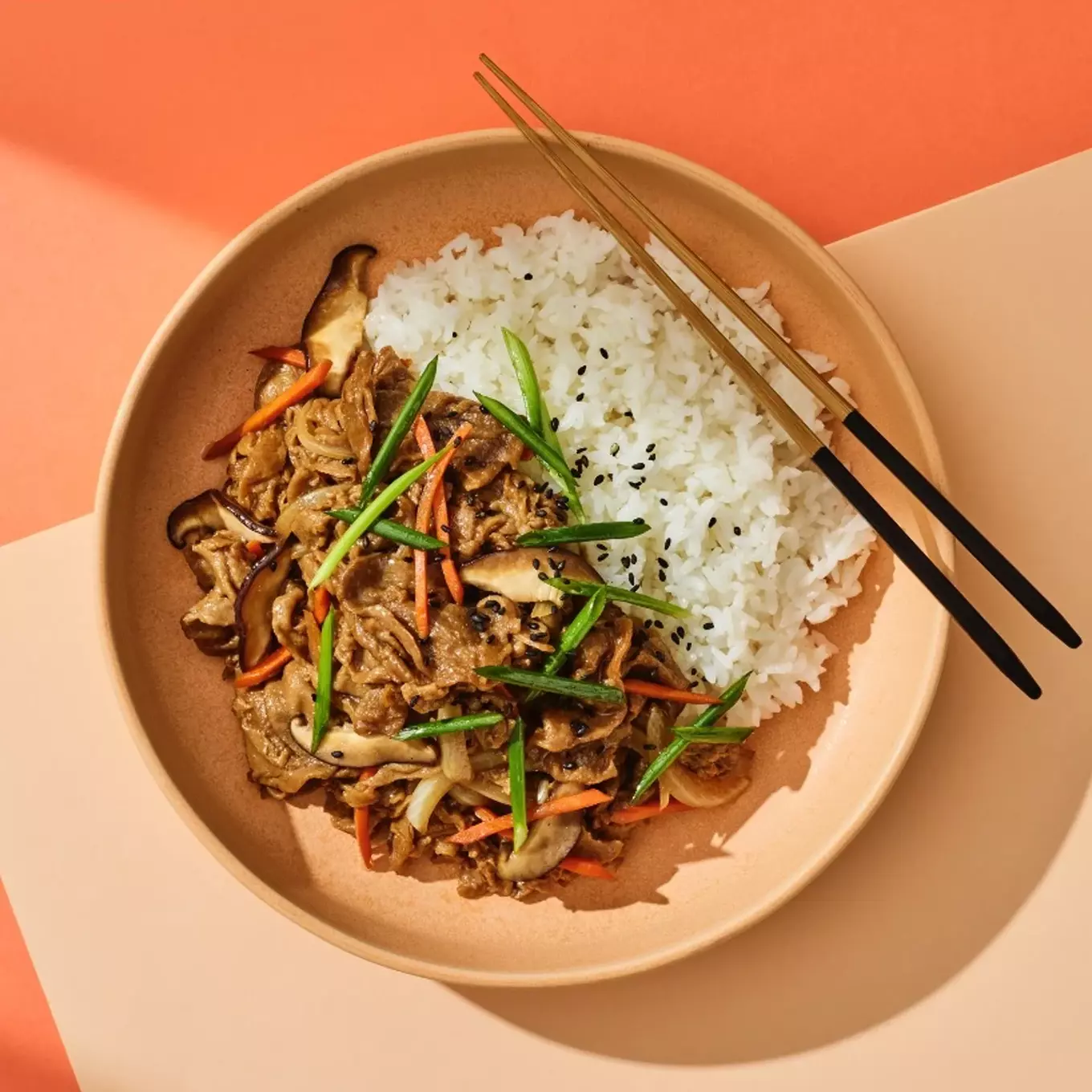
Unlimeat bowlUnlimeat

6Globally-inspired flavours will dominate

Korean food, likely influenced in part by the global success of K-pop, has surged in popularity in recent years, and 2026 is set to see this interest expand further into the vegan space. Unlimeat is already ahead of the curve, offering American consumers a wide range of plant-based Korean dishes, including Korean mochi cake, pork mandu, bulgogi, and more. Canadian brand Vinker is another vegan success story, with products such as Crispy Korean Chick’n and Spicy Glazed Korean Chick’n now available in select locations across the country.

For evidence that consumers are not only seeking global flavours when dining out but also when cooking at home, look no further than Trader Joe’s frozen aisle. We recently ranked 23 of the best frozen foods from the popular grocery chain, and nearly all were inspired by international cuisines. The top three picks were kimbap, vegan tikka masala, and vegan Thai green curry.

Turkish and Middle Eastern flavors are also gaining momentum. Dubai chocolate shows no signs of fading, while spice blends such as sumac and za’atar are becoming increasingly common in home kitchens as more people experiment with new flavor profiles.

According to Suzy Badaracco, president of Culinary Tides Inc., Middle Eastern flavors may even dominate other food trends in 2026. “It’s the next Mediterranean evolution and aligns with the 2026 desire for calm, sensual flavour experiences,” she told Bake Mag. “Its ingredients, including harissa, pomegranate, pistachio, labneh, and za’atar, are versatile, recognizable, and easy to integrate across snacks, sauces, meals, and beverages.”
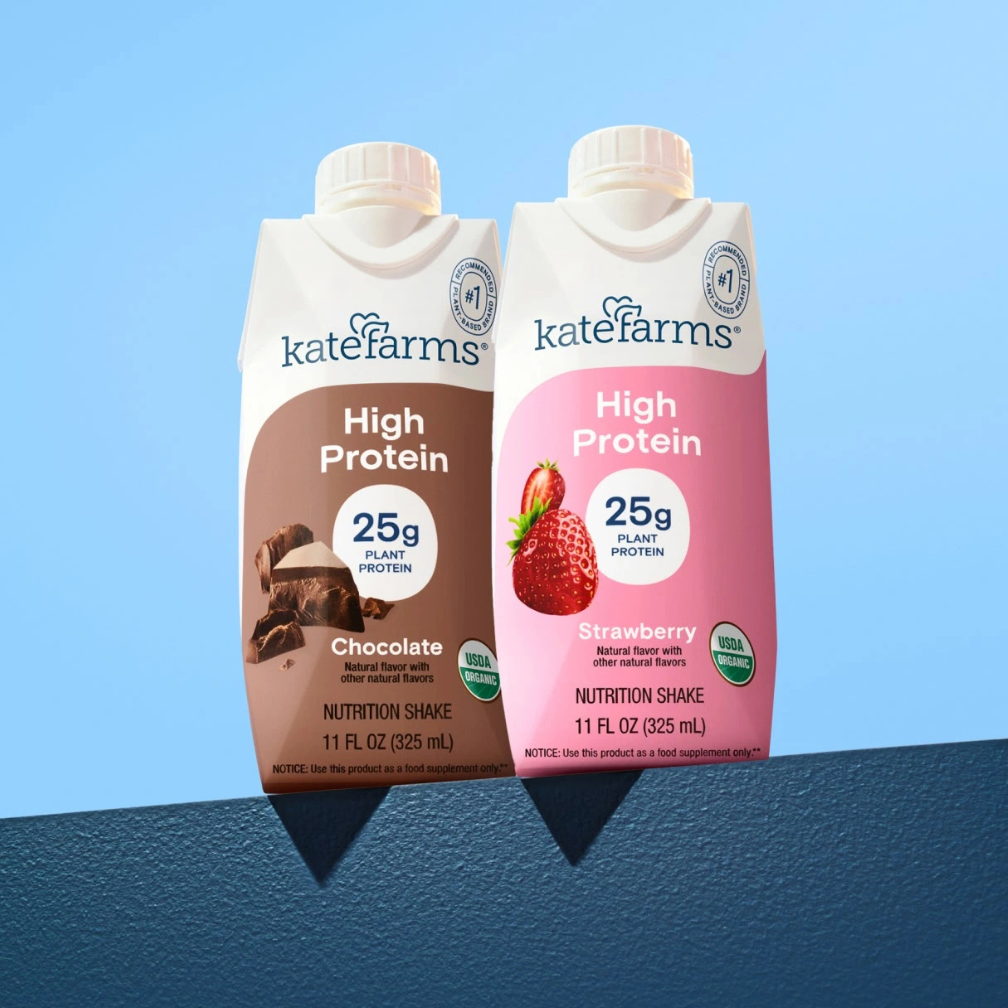
Kate Farms shakesKate Farms

7There will be more GLP-1-focused vegan foods

It is impossible to ignore that GLP-1 medications such as Ozempic have become part of the mainstream. In response, the food and hospitality industries are launching more menus and products designed to suit smaller appetites and changing nutritional needs. The plant-based food sector will be no exception.

Danone’s plant-based nutrition brand Kate Farms, for example, has developed a high-protein shake designed to help GLP-1 users meet their nutritional goals. British brand Sweet Freedom, which specializes in vegan and natural sweet treats, now also markets itself as GLP-1 friendly.

“It’s vital for retailers and manufacturers to pay close attention to these trends,” Sally Lyons Wyatt, global executive vice president and chief adviser at Circana, told Food Business News. “The key to future success will be adapting product selections and marketing to line up with the new health-focused mindset of this growing group of shoppers.”