Showing posts with label vitamin B12. Show all posts

Saturday, April 4, 2026

Are you meeting your nutrition values on a vegan diet?

From veganfirst.com

By Akansha Jhalani

As we all know, there is no theory backing up the logic that non-vegetarians or ovo-lacto-vegetarians are healthier than vegans, even though many will tell you otherwise. But the good news is that vegans can get sufficient nutrition provided they carefully plan their meals considering all the food groups.

The nutrients which are of optimum importance on a wholly vegan diet are vitamin B12, protein, long-chain omega-3 fatty acids, riboflavin, vitamin D, calcium, iron, iodine, zinc, and selenium.  But with proper planning, one can get sufficient doses of the above-mentioned nutrients  from a plant based diet. Additionally, a well-planned vegan diet can be very beneficial for the body as it can help lower the risk of heart disease, type 2 diabetes and certain types of cancer.

Listed below are the different nutrients you need and the ways to intake them on a vegan diet:

Protein from plants

For a vegan, it is recommended that they take 0.9 gms of protein per kilogram of their body weight.

One should consume an adequate quantity of varied sources to ensure that they get their required dosage of protein. Seeds, nuts, legumes, whole grains and soy are excellent sources of protein. Other great sources of proteins are tofu, lentils, chickpeas, quinoa, orange, broccoli and plant based protein powder.

Omega 3
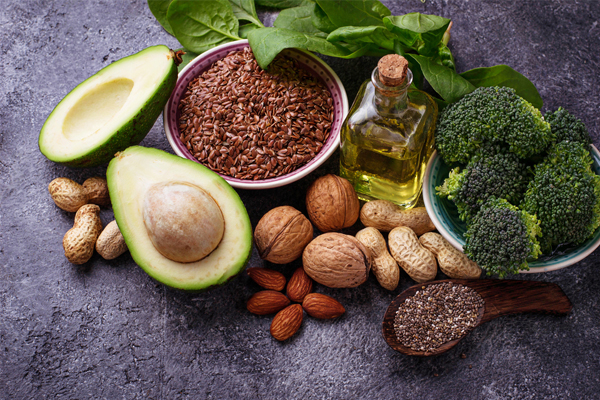
Take a vegan DHA capsules which contain algae-derived omega 3 fatty acids.

Omega 3 fatty acids are highly beneficial for the heart, brain, joint health and skin. Flax seeds, walnuts and canola oil are excellent sources of vegan omega 3 fatty acids. Consuming these on regular basis would nurture one with the required dosage minus the cholesterol and toxins found in fish.

Vitamin B12 for vegans
2.4 mcg of Vitamin B12 is required on an average per day.

Vitamin B12 is made by bacteria and fungi. Sterilization and cleaning of various vegan sources of food destroys their natural B12 content. Vegans all over the world are advised to take supplements for their vitamin B12 requirement. Some brands of fortified cereals, nutritional yeast, soy and rice milks also contain Vitamin B12.

Calcium
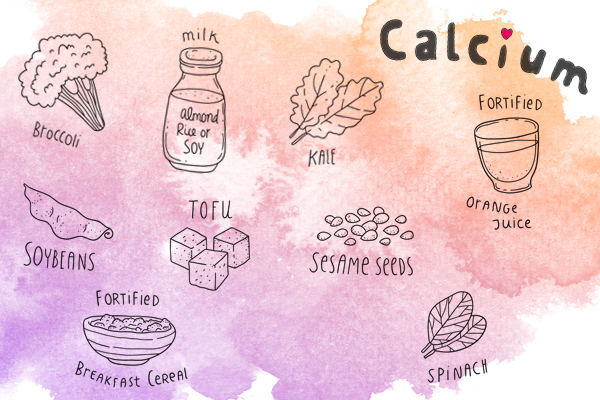
Men and women aged 19-50 should take 1000 mg of calcium every day.

Calcium is found in abundance in greens, kale, broccoli, almonds, beans and sesame seeds. There are many calcium-fortified foods available like fortified soy, cereals, tofu and juices. As a vegan, one should take supplements or such fortified foods to ensure the proper intake of calcium rich vegan foods.

Vitamin D
800IU is the recommended daily intake of vitamin D.

Vitamin D is necessary for the absorption of calcium in the body. Sunshine is the best source of vitamin D. It is also found in fortified orange juices, tofu and mushrooms. Vegans find it very difficult to fulfil their Vitamin D requirement in winters when the sun is low.


Iron
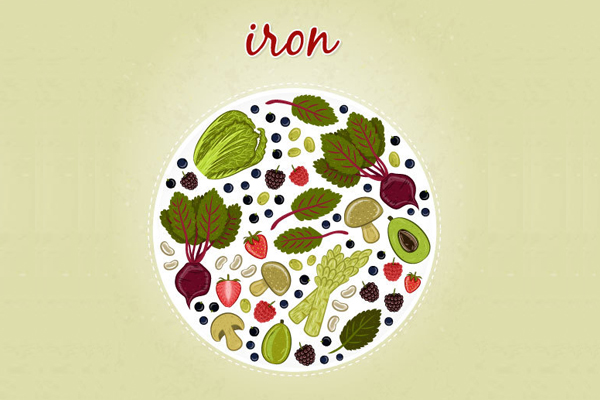
Sunflower seeds, spinach, dried fruits, nuts, lentils, molasses, grains and millet contain iron.

As vitamin C helps to increase the iron absorption in the body, either eat foods with a combination of iron and vitamin C or eat dark-leafy vegetables which have sufficient doses of both iron and calcium.


Carry backup food
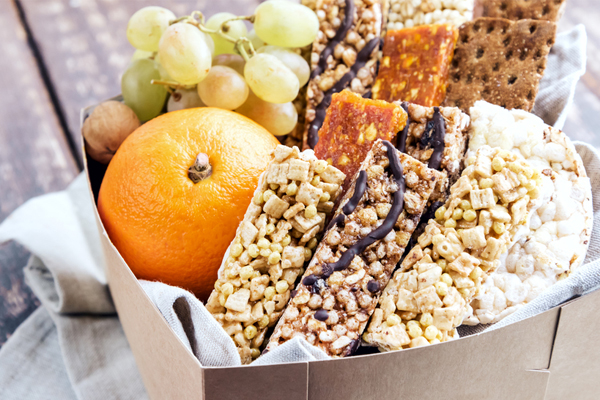
Getting vegan options everywhere might be a problem, though more and more restaurants have started offering vegan options these days. It’s a good idea to carry your meal while travelling so that one need not skip meals. Vegan bars are a good option to carry while travelling.

Cooking your vegan meal
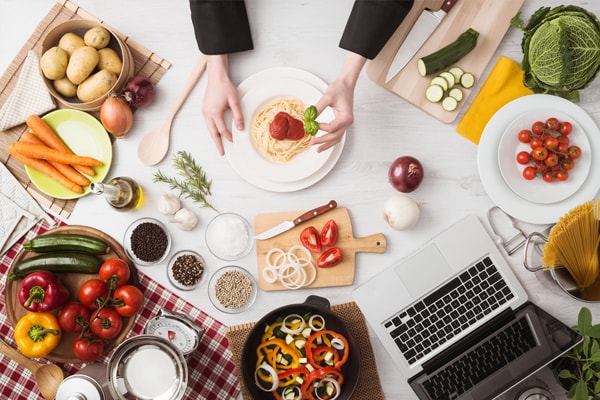
Invest in a few good vegan cookbooks and you would be surprised at a number of options vegans have. Vegan food need not be boring and restrictive. Food cookbooks explore and experiment with a wide range of vegan options making food delicious for you.

Proper doses and proper food combinations can ensure that a vegan diet can be as healthy and nourishing, just like any other dietary option!

https://www.veganfirst.com/article/are-you-meeting-your-nutrition-values-on-a-vegan-diet-

Thursday, March 5, 2026

We Asked a Dietitian If Nutritional Yeast Is a Good Source of Vitamin B12

From verywellhealth.com

Nutritional yeast is a flaky, cheese-like condiment popular with people following plant-based diets since it contains vitamin B12, which is naturally found only in animal products.

We asked Jamie Mok, MS, RD, RYT, a Los Angeles-based registered dietitian and spokesperson for the Academy of Nutrition and Dietetics, how nutritional yeast supports health and if all vegetarians and vegans should include it in their diets.

*This interview has been edited and condensed for clarity.

Q: What is nutritional yeast used for?

Mok: Nutritional yeast, or nooch, is a popular food additive that's known for its cheesy or umami-rich flavour. It is usually yellow and comes in flakes, granules, or even a fine powder. Unlike brewer's yeast, which is activated, nutritional yeast is a deactivated or inactive strain of the fungus Saccharomyces cerevisiae.

It's a staple in many plant-based recipes and is often used as a seasoning on foods like popcorn, pasta, and salads. You can also use it to make sauces, such as for a vegan macaroni and cheese.

Only fortified nutritional yeast contains B12, because it's added during the fortification process. You can buy non-fortified nutritional yeast as well, but that would contain fewer B vitamins than you would get in the fortified versions.

If you don't see it on the nutrition facts label, look at the ingredients to see if additional B vitamins were added to the nutritional yeast.

Nutritional yeast also contains all nine essential amino acids, so it's a "complete protein." Common brands have about 5-6 grams of protein per 2 tablespoons of nutritional yeast. Nutritional yeast also contains fibre and some trace minerals, mostly small amounts of iron and potassium.

You will get the protein and fibre, whether or not it is fortified, because, unlike B12, these are not added during the fortification process.

                                                     Fortified nutritional yeast could be a good source of vitamin B12.  faithiecannoise / Getty Images


Q: Do all vegans or vegetarians need nutritional yeast in their diet?

Mok: B12 is often lacking in vegetarian and vegan diets because it's only found in animal products.

While fortified nutritional yeast provides B12 and is a good addition to a vegetarian diet, fortification levels vary widely across brands. Because of this inconsistency, it's not something I'd necessarily recommend relying on as a primary supplement to fill nutritional gaps for vegetarians or vegans. 

If you're looking to prevent or fix a nutrient deficiency, it's best to do so under the guidance of a healthcare professional, including a registered dietitian. They can perform a formal nutrition assessment and determine safe and effective dosages tailored to your needs.

Q: How much nutritional yeast should people eat per day?

Mok: Two tablespoons is generally considered safe for most people. Review the nutritional yeast's nutrition facts label and ingredients list for fortification amounts and consider other supplements you are taking.

Niacin (vitamin B3) can cause flushing, redness, or itchy skin in very high amounts. Bear that in mind if you are taking an additional niacin supplement and eating a ton of nutritional yeast. 

If you're consuming a lot of nutritional yeast, especially with other supplements to support a vegetarian or vegan diet, just make sure you're not overdoing it. Consider speaking with a trusted healthcare provider about your health history and your current regimen of supplements, medications, and fortified foods.

https://www.verywellhealth.com/nutritional-yeast-b12-11900495 

Monday, January 26, 2026

Can A Vegan Diet Cause Vitamin B12 Deficiency? Diet Expert Says Yes, Reveals Why

From ndtv.com

Vegan diets can increase the risk of vitamin B12 deficiency if not planned properly. A senior clinical dietician explains why B12 matters, who is most at risk, and how vegans can prevent serious health complications 

Vegan diets are increasingly popular for ethical, environmental, and health reasons. However, doctors and nutrition experts caution that while a well-planned vegan diet can meet most nutritional needs, vitamin B12 remains a critical exception. Unlike many other nutrients, vitamin B12 is not naturally present in plant-based foods in a form the human body can use.

"A vegan diet pattern will cause a deficiency of vitamin B12, unless it is consciously managed," says Ms. Veena V, Chief Clinical Dietician and Head, Department of Clinical Nutrition and Dietetics, Aster Whitefield Hospital. Vitamin B12, also known as cobalamin, is produced by microorganisms and is found almost exclusively in animal-derived foods such as meat, fish, eggs, and dairy.

This makes vitamin B12 deficiency one of the most common nutritional risks among vegans and unsupplemented vegetarians. Studies consistently show that people who avoid animal foods without taking supplements or fortified products have significantly lower B12 levels and biomarkers compared to non-vegetarians. The consequences can go far beyond fatigue, affecting blood health, nerve function, and even memory.

Why Vitamin B12 Is Essential For Health

Vitamin B12 plays a crucial role in red blood cell formation, DNA synthesis, and neurological function. While the body stores B12 in the liver, these reserves are finite. "If no additional B12 is consumed, these stores can last only a few years," explains Ms. Veena.

When levels drop, early symptoms may include tiredness, weakness, and pale skin due to macrocytic anaemia. More concerning, however, are the neurological effects. "Vitamin B12 deficiency can lead to nerve damage, numbness or tingling in the hands and feet, memory difficulties, and problems with coordination and walking," she warns.

Research published by the National Institutes of Health shows that prolonged B12 deficiency can cause irreversible neurological damage if not addressed in time. This makes early prevention and routine screening especially important for people following vegan diets.

Why Plant Foods Aren't Reliable Sources Of Vitamin B12

A common misconception is that certain plant foods, such as seaweed, spirulina, or fermented products, can provide adequate vitamin B12. However, experts strongly caution against this assumption.

"Plant foods cannot be considered a good source of functional vitamin B12," says Ms. Veena. Many of these foods contain B12-like analogues that are inactive in humans and may even interfere with proper B12 absorption. Relying on these "natural" sources can delay diagnosis and worsen deficiency.


How Vegans Can Prevent Vitamin B12 Deficiency

The good news is that preventing B12 deficiency is both simple and affordable. Vitamin B12 in fortified foods and supplements is present in a crystalline form, which is easily absorbed by the body.

"Various clinical trials and population studies show that supplementation is essential for maintaining adequate B12 levels among vegans," says Ms. Veena. Common strategies include:

  • 50-100 micrograms daily, or
  • 2,000 micrograms once a week, depending on individual needs

Fortified foods such as plant-based milks, nutritional yeast, and fortified breakfast cereals can also contribute to daily intake, but supplements remain the most reliable option.

Who Needs To Be Extra Careful?

Certain groups require closer monitoring of vitamin B12 levels:

  • People transitioning to a vegan diet
  • Pregnant or breastfeeding women
  • Adults over 60 years of age
  • Individuals taking medications such as metformin, which can reduce B12 absorption

"If you are pregnant or trying to conceive, low Vitamin B12 levels may affect the baby's neurological development," Ms. Veena cautions. Regular blood tests can help detect deficiency before symptoms appear.

A vegan diet does not automatically mean nutritional deficiency, but it does require informed planning. Vitamin B12 is one nutrient that cannot be ignored or sourced reliably from plants alone. As experts stress, a small daily supplement or fortified food choice can prevent serious, long-term health problems. Being vegan and being healthy are fully compatible, as long as science, not social media myths, guides your choices.

Disclaimer: This content, including advice, provides generic information only. It is in no way a substitute for a qualified medical opinion. Always consult a specialist or your own doctor for more information. NDTV does not claim responsibility for this information.

https://www.ndtv.com/health/can-a-vegan-diet-cause-vitamin-b12-deficiency-diet-expert-says-yes-reveals-why-10881365

Sunday, January 25, 2026

Planning to go vegan? Dietician lists 5 common mistakes beginners make

From indiatvnews.com

Switching to a vegan diet can be beneficial, but doing it without proper planning can backfire. Dietician Aarti Nath explains five common mistakes people make when cutting out animal products, from missing key nutrients to under-eating, and how to avoid them for long-term health


New Delhi:

Switching to a vegan diet can be a significant step forward towards your health and the environment. Many people make this shift hoping to feel better, eat cleaner and live more consciously.

However, Aarti Nath, Senior Dietician, Paras Health Udaipur, notes that the transition is not as straightforward as it appears, particularly when attempting to eliminate all intake of animal products from your diet. Most people who try to go vegan struggle early on because they overlook a few essential basics.


5 common mistakes first-time vegans make


1. Falling short on protein

It is a myth that plant-based diets lack protein, but the mistake is failing to proactively replace animal products with the right protein-based alternatives. Relying on pasta or side salads won’t fulfil you. To keep energy levels up and stay full, every meal should include solid sources of protein like lentils, beans, tofu, tempeh, oats, along with incorporating greens like broccoli and spinach.

2. Forgetting B12 and key nutrients

Vitamin B12 is essential for the nervous system, and it simply isn’t found in plants. Many beginners ignore this until they start feeling sluggish. It’s vital to use a B12 supplement or eat fortified foods daily. It is also important to keep an eye on iron, calcium, and omega-3s to keep the body running properly.

3. Eating too much “vegan junk food”

With so many new vegan burgers and snacks in stores, it’s easy to live off processed food. While these are convenient, they are often loaded with salt and sugar. Living on mock meats can lead to weight gain and digestive issues. The best approach is to stick to whole foods like grains and vegetables as the main staple.

4. Simply not eating enough

Plant-based foods contain fewer calories than meat and dairy products. For new vegans, they often eat the same portion sizes as they were eating before, which leads to low energy and a deficiency in calories. If one feels dizzy, then they must increase their portion sizes and incorporate healthy fats such as avocados, nuts, and seeds to stay energetic throughout the day.

5. Expecting results overnight

Many people expect to feel “perfect” in the first 48 hours and get frustrated when results aren’t achieved. The body takes time to adapt to changes in the dietary system, like increased fibre, and takes a few weeks to compensate for the increased nutrient consumption. The key is to be patient, as the health needs of the body are accomplished through long-term eating, not in a few hours.

A vegan diet works best when it is planned, not rushed. Small corrections early on can make the change last.

https://www.indiatvnews.com/lifestyle/news/vegan-diet-mistakes-plant-based-diet-mistakes-vegan-diet-protein-2026-01-22-1027041

Friday, January 9, 2026

Is veganism healthy long-term? Experts weigh in

From vegoutmag.com

By Jordan Cooper

The science on plant-based eating has matured significantly, and the verdict might surprise sceptics and enthusiasts alike 

Every vegan has heard the question at least a dozen times. Usually at a family dinner, sometimes from a concerned co-worker, occasionally from a doctor who seems genuinely puzzled. "But is it actually healthy? Like, long-term?"

It's a fair question. We're talking about eliminating entire food groups that humans have consumed for millennia. The scepticism makes sense.

But here's the thing: we now have decades of research on plant-based populations, longitudinal studies tracking vegans over years, and a much clearer picture of what works and what doesn't.

The answer isn't a simple yes or no. It's more nuanced and honestly more interesting than the debate usually allows.


What the research actually shows

Let's start with the big picture. A comprehensive position paper from the Academy of Nutrition and Dietetics states that well-planned vegan diets are nutritionally adequate and may provide health benefits for disease prevention. That phrase "well-planned" is doing a lot of heavy lifting, but we'll get there.

Large-scale studies consistently show vegans tend to have lower rates of heart disease, type 2 diabetes, and certain cancers. They typically have lower BMIs and better cholesterol profiles.

The Adventist Health Studies, which tracked tens of thousands of people over years, found vegans had a 15% lower risk of dying from any cause compared to regular meat eaters.

These aren't fringe findings. They're replicated across multiple populations and research teams.

The nutrients that need attention

Here's where honest conversation matters. A vegan diet requires some intentionality around specific nutrients. Vitamin B12 is non-negotiable. Your body cannot make it, plants don't provide it, and deficiency causes serious neurological problems. Supplementation or fortified foods are essential, not optional.

Omega-3 fatty acids, specifically DHA and EPA, deserve attention too. Your body can convert plant-based ALA into these forms, but the conversion rate is pretty inefficient. Many experts recommend an algae-based supplement, especially as you age.

Iron, zinc, calcium, and vitamin D round out the usual suspects. None of these are impossible to get from plants, but they require awareness. A diet of Oreos and french fries is technically vegan but obviously problematic. The "well-planned" part of that earlier statement matters enormously.

What long-term vegans say

Research data tells one story. Lived experience tells another. People who've eaten plant-based for 10, 20, even 30 years often report sustained energy, fewer inflammatory issues, and easier weight management. They also report learning curves and occasional adjustments.

The vegans who thrive long-term share common habits. They eat diverse whole foods, not just processed alternatives. They get regular bloodwork to catch any deficiencies early. They supplement strategically rather than hoping for the best. They treat their diet as an evolving practice, not a rigid ideology.

The ones who struggle often fall into restrictive patterns, rely too heavily on convenience foods, or skip the basics like B12 supplementation. The diet itself isn't the problem. The execution is.

The role of individual variation

Something the vegan community doesn't always acknowledge: bodies differ. Genetic variations affect how efficiently you absorb nutrients, convert omega-3s, or metabolize certain compounds. Some people genuinely thrive on plant-based eating with minimal effort. Others need more careful planning.

This isn't an argument against veganism. It's an argument for personalization. Working with a dietitian who understands plant-based nutrition can make a real difference, especially in the first year or two. Getting baseline bloodwork and following up annually helps catch issues before they become problems.

The goal is thriving, not just surviving. That requires paying attention to your own body's signals rather than assuming everyone's experience will match yours.

The environmental and ethical factor

Health doesn't exist in a vacuum. For many long-term vegans, the ethical and environmental dimensions provide motivation that sustains the lifestyle through any challenges. Knowing your food choices align with your values creates a psychological foundation that pure health optimization doesn't.

Research on food system sustainability consistently shows plant-based diets have significantly lower environmental footprints. For people motivated by climate concerns, this adds another layer of meaning to daily food choices.

That sense of purpose matters for long-term adherence. It transforms eating from a chore into something that feels meaningful.

Final thoughts

So is veganism healthy long-term? The evidence says yes, with caveats.

A thoughtful, well-supplemented plant-based diet can absolutely support excellent health across decades. A careless one can lead to deficiencies and problems. The diet provides a framework. What you build within that framework determines the outcome.

The most honest answer is that veganism raises the floor on some health markers while requiring more attention in specific areas. It's not automatically healthier or automatically risky. It's a tool, and like any tool, results depend on how you use it.

If you're considering going vegan or wondering whether to stick with it, the research is genuinely encouraging. Just don't skip the B12, get your bloodwork done, and eat your vegetables. The boring advice is usually the best advice.

https://vegoutmag.com/lifestyle/gen-bt-is-veganism-healthy-long-term-experts-weigh-in/


Sunday, December 21, 2025

The only 5 supplements most vegans actually need

From vegoutmag.com 

By Avery White

After years of trial, error, and way too many pill bottles cluttering my bathroom cabinet, I've learned that vegan supplementation works best when you keep it simple

When I first went vegan at 35, I panicked about nutrition. My analytical brain, trained by years in finance, wanted to optimize everything.

I bought every supplement the internet recommended and ended up with a cabinet full of bottles I couldn't keep track of. Sound familiar?

Here's what five years of plant-based living has taught me: most vegans don't need a pharmacy's worth of pills. We need a few key nutrients that are genuinely harder to get from plants, taken consistently. The rest? Often unnecessary if you're eating a varied whole-foods diet.

Let me walk you through what actually matters.


1. Vitamin B12: The non-negotiable one

I'll be direct here: every vegan needs to supplement B12. No exceptions, no debates.

This vitamin is produced by bacteria and is found reliably only in animal products or fortified foods. Your body stores it for years, which means deficiency creeps up slowly and can cause serious neurological damage before you notice symptoms.

I take 2,500 mcg of cyanocobalamin weekly, though you can also take a smaller daily dose. The National Institutes of Health recommends adults get 2.4 mcg daily, but absorption varies, so higher supplemental doses ensure you're covered. This one isn't about perfection or optimization. It's about protecting your nervous system.

Have you had your B12 levels checked recently? It's worth asking your doctor to include it in routine bloodwork.

2. Vitamin D: The sunshine vitamin most of us miss

Here's something that surprised me: vitamin D deficiency isn't just a vegan problem. It's an everyone-who-lives-indoors problem. But vegans face an extra hurdle because D3, the more effective form, typically comes from animal sources like lanolin or fish oil.

I started paying attention to this after a particularly dark Portland winter left me exhausted and moody. My levels were in the basement. Now I take 2,000 IU of vegan D3 daily, sourced from lichen. The Harvard T.H. Chan School of Public Health notes that many experts recommend 1,000 to 2,000 IU daily, especially for those with limited sun exposure.

If you work indoors, live in a northern climate, or have darker skin, this one deserves your attention. Consider getting tested to know your baseline.

3. Omega-3s: The brain food worth investing in

For years, I thought my daily flaxseed was handling my omega-3 needs. Then I learned about conversion rates. Your body can convert the ALA in flax, chia, and walnuts into the EPA and DHA your brain actually uses, but the conversion is inefficient. We're talking single-digit percentages.

As someone who runs 25 miles a week and relies on mental clarity for writing, I decided not to gamble on conversion. I take an algae-based omega-3 supplement providing around 250 mg of combined EPA and DHA daily. Algae is where fish get their omega-3s anyway, so we're just cutting out the middlefish.

Do you notice brain fog or struggle with focus? It might be worth examining your omega-3 intake beyond just plant sources.

4. Iodine: The quiet essential

This one flies under the radar, but it matters. Iodine supports thyroid function, which regulates your metabolism, energy, and so much more. If you've ditched dairy and don't eat much seaweed, you might be falling short.

I was sceptical until I learned that plant-based diets can be low in iodine unless you're intentional about it. I use iodized salt in cooking and take a modest supplement providing around 150 mcg a few times a week. The key is not to overdo it, as too much iodine can also disrupt thyroid function.

Sea vegetables like nori and wakame are good food sources, but their iodine content varies wildly. A small, consistent supplement takes the guesswork out of it.

5. Iron: Context-dependent but worth monitoring

I debated including iron because not every vegan needs to supplement it. But enough of us struggle with it, especially menstruating women and endurance athletes, that it deserves a spot on this list.

Plant-based iron is non-heme iron, which your body absorbs less efficiently than the heme iron in meat. Pairing iron-rich foods like lentils, spinach, and fortified cereals with vitamin C dramatically improves absorption. I eat this way intentionally and my levels stay solid without supplementation most of the time.

However, during heavy training cycles or particularly stressful periods, I've needed a low-dose iron supplement. The research suggests that vegetarians and vegans should monitor iron status and consider supplementation based on individual needs rather than blanket recommendations.

Get tested before supplementing iron, as too much can be harmful. Know your numbers.

Final thoughts

When I look back at my early vegan days, I wish someone had told me to slow down and focus on what actually matters. Five supplements. That's it. B12 and vitamin D are essential for nearly everyone. Omega-3s and iodine fill common gaps. Iron depends on your individual situation.

The rest of your nutrition? It can come from food. Beautiful, delicious, whole plant foods that you actually enjoy eating. Supplementation should support your diet, not replace the joy of nourishing yourself well.

What does your current supplement routine look like? Sometimes the most powerful change is simplifying, trusting the process, and paying attention to how your body responds. That's been my path, anyway.

https://vegoutmag.com/food-and-drink/s-bt-the-only-5-supplements-most-vegans-actually-need/

Wednesday, December 10, 2025

"I've been vegan for more than a decade and these are the 10 mistakes I watch beginners make over and over and over"

From vegoutmag.com

By Jordan Cooper

After twelve years of watching new vegans stumble through the same pitfalls, I'm finally sharing the patterns I see on repeat 

I went vegan in 2012, back when people still thought it meant eating only salad and somehow getting weaker by the day.

Since then, I've watched hundreds of friends, family members, and random people at parties try to make the switch. Some stick with it, some don't, but almost everyone makes the same handful of mistakes in those first few months.

Here's the thing: going vegan doesn't have to be hard. But we make it hard by overthinking some parts and completely ignoring others. After more than a decade of observing this pattern, I can spot these mistakes from a mile away. Let me save you some trouble.


1. Thinking you need to replace everything immediately

New vegans often panic-buy every plant-based substitute they can find.

Vegan cheese, vegan mayo, vegan chicken nuggets, vegan ice cream. The grocery bill hits $300 and suddenly this whole thing feels unsustainable.

Look, substitutes are great. I love them. But you don't need seventeen different products on day one.

Start with whole foods you already know: pasta with marinara, stir-fried vegetables with rice, bean burritos. Add specialty items gradually as you figure out what you actually miss.

Your wallet and your overwhelmed brain will thank you. Plus, you'll avoid buying a bunch of products you end up hating anyway.

2. Not eating enough food, period

Plants are generally less calorie-dense than animal products. A giant salad might look like a meal, but it's probably only 200 calories. Then you're starving two hours later, convinced veganism is the problem.

You need to eat more volume. Add nuts, seeds, avocado, olive oil, whole grains. Don't be afraid of carbs. That fear is leftover diet culture nonsense that has nothing to do with veganism.

I see people trying to veganize their keto diet or whatever restrictive thing they were doing before.

Just eat. Eat potatoes. Eat bread. Eat pasta. You can fine-tune later once you're not constantly hungry.

3. Forgetting that protein exists in plants

Everyone becomes a nutrition expert the second you mention going vegan. Suddenly, your uncle who eats gas station hot dogs, is concerned about your protein intake.

Here's the truth: protein is in almost everything. Beans, lentils, tofu, tempeh, seitan, quinoa, nuts, seeds, even vegetables have protein. You'd have to actively try to become protein deficient while eating enough calories.

Track your food for a week if you're worried. Most people discover they're easily hitting their protein goals without even trying. The myth that vegans can't get protein is just that: a myth that won't die.

4. Skipping the B12 supplement

Okay, this one's actually important. B12 doesn't naturally occur in plant foods in reliable amounts. It comes from bacteria, and our modern sanitized food system means we need to supplement.

This isn't a vegan problem, by the way. Lots of meat-eaters are B12-deficient too. But since you're not getting it from animal products anymore, you need to take it seriously.

Just buy a B12 supplement. They're cheap, available everywhere, and you can take them once a week if you get the right dose. Some plant milks are fortified, too. Easy fix, big impact on how you feel.

5. Making it your entire personality overnight

I get it. You just learned about factory farming or watched that documentary. You're fired up and want everyone to know. But becoming the vegan who only talks about veganism is a fast track to social isolation.

People are more influenced by watching you thrive than by hearing you lecture. Show them how good your food looks. Bring amazing vegan dishes to gatherings. Answer questions when asked, but don't make every conversation about animal agriculture.

You'll be way more effective as an example than as a walking PETA billboard. Plus, you'll keep your friends.

6. Assuming all vegan food is automatically healthy

Oreos are vegan. So are Doritos, Sour Patch Kids, and most french fries. You can absolutely eat a terrible diet as a vegan if you want to.

Going vegan for health reasons is great, but the label alone doesn't guarantee nutrition. That vegan cookie still has the same sugar and oil as a regular cookie. It's better for animals and the planet, sure, but it's not suddenly a health food.

Eat your vegetables. Build meals around whole foods. Treat the processed stuff like what it is: convenient and tasty, but not the foundation of your diet. Balance exists here too.

7. Not learning to cook at least five solid meals

If you're relying entirely on restaurants and pre-made meals, you're going to struggle. Vegan options are getting better everywhere, but they're still limited in a lot of places.

You need a rotation of five to seven meals you can make without thinking. Doesn't have to be fancy. Pasta with vegetables. Curry with chickpeas. Tacos with seasoned beans. Stir-fry with tofu. Simple stuff that tastes good and fills you up.

Once you have that foundation, everything else gets easier. You're not dependent on finding the one vegan option on a menu or spending $15 on a sad salad.

8. Giving up after one bad meal or restaurant experience

You're going to order something that sounds vegan and discover it has butter. You're going to make a recipe that tastes like cardboard. You're going to go to a restaurant with friends where the only option is iceberg lettuce with vinegar.

These moments don't mean veganism doesn't work. They mean you hit a bump. Every vegan has stories like this. The difference is whether you let one disappointing meal derail the whole thing.

Laugh it off, learn from it, move on. Order pizza without cheese next time. Try a different recipe. Suggest a different restaurant. It gets easier as you learn the patterns.

9. Comparing your journey to someone else's

Social media makes it look like every vegan is meal-prepping gorgeous Buddha bowls and making their own cashew cheese from scratch. Meanwhile, you're eating peanut butter straight from the jar for dinner.

Stop comparing. Some people love cooking and have the time for it. Others are busy and rely on convenience foods. Both approaches are fine. Both people are equally vegan.

Your version of veganism doesn't need to look like anyone else's. Find what works for your life, your budget, your schedule, and your taste preferences. That's the version that'll actually stick.

10. Trying to be perfect instead of consistent

Beginners often think they need to be 100% perfect immediately. They beat themselves up over accidentally eating something with milk powder or wearing old leather shoes they already owned.

Perfection is impossible and trying to achieve it just makes people quit. What matters is the overall direction you're moving. Eating vegan most of the time has way more impact than eating vegan perfectly for two weeks and then giving up entirely.

Give yourself grace. This is a learning process. You're going to make mistakes, and that's completely normal. Progress over perfection, always.

Final thoughts

The vegans who stick with it long-term aren't the ones who did everything perfectly from day one. They're the ones who gave themselves room to figure it out, made mistakes, adjusted, and kept going.

After twelve years, I barely think about it anymore. It's just how I eat, as automatic as anything else. But I remember those first few months of confusion and overwhelm. If I could go back and tell myself anything, it'd be to relax and trust the process.

You don't need to have it all figured out right now. You just need to keep moving forward. Make it easy on yourself, focus on what you can control, and remember why you started. The rest falls into place eventually.

https://vegoutmag.com/lifestyle/s-bt-i-ve-been-vegan-for-more-than-a-decade-and-these-are-the-10-mistakes-i-watch-beginners-make-over-and-over-and-over/