Showing posts with label hummus. Show all posts

Monday, June 8, 2026

7 Unsexy Habits That Make Getting Enough Vegan Protein Ridiculously Easy

From plantbasednews.org

Daynesh states it clearly, "we ain't bringing sexy back" 

Many people still assume getting enough vegan protein means living on tofu, expensive powders, or carefully planned meals. But according to plant-based content creator Dénes Marton, it can be as simple as buying a baguette, opening a can of beans, or pouring a glass of soy milk. In a recent YouTube video, Marton breaks down seven “unsexy” habits that make vegan protein much easier to reach without obsessing over macros or eating highly restrictive meals. Alongside practical food ideas, he also explores why plant protein may support long-term health better than animal-based alternatives.

Marton, who runs the popular Daynesh YouTube channel, is known for making plant-based eating feel realistic and approachable. Rather than focusing on complicated recipes or expensive specialty foods, he focuses on simple staples that many people already eat every day. Throughout the video, he repeatedly shows how combining several modest vegan protein sources can quickly create meals with surprisingly high totals.

Bread is an underrated vegan protein source

Bread can be a surprising source of vegan protein, contributing more than most people realize - Media Credit: YouTube / Daynesh

Marton begins with one of the least glamorous foods imaginable: bread.

“Most people don’t realize that something as mundane as bread, something many people, vegan or not, eat every day, is actually a decent source of protein,” he says.

Using a baguette as an example, he explains that one loaf can contain around 21 grams of protein. While bread is usually categorized as a carbohydrate, Marton argues that many people overlook how much protein wheat-based foods contribute across the day.

He recommends choosing whole wheat bread whenever possible because it also increases fibre intake. This becomes a recurring theme throughout the video. For Marton, the goal is not simply maximizing vegan protein, but choosing foods that support overall health at the same time.

He also emphasizes that vegan diets often work differently from diets centred around a single large protein source. Instead of one steak-sized serving of protein, smaller amounts accumulate naturally from different foods throughout the day.

“As you start combining these different habits, your protein numbers start to skyrocket,” he says.

Whole grains quietly add more protein than people think
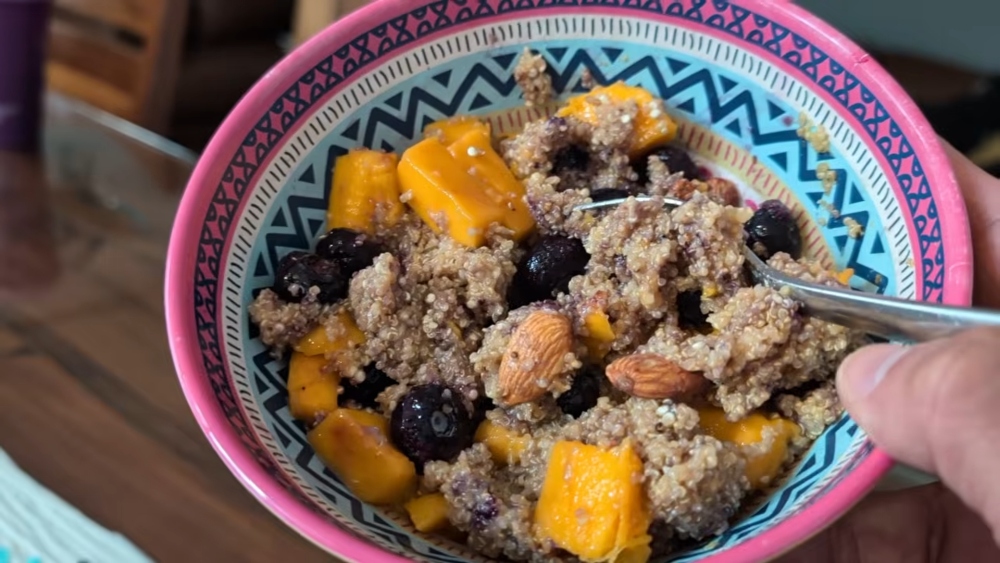
A colorful bowl of amaranth porridge topped with almonds, mango, and blueberries, showing how whole grains and healthy toppings can help build vegan protein
YouTube / DayneshWhole grains like amaranth can add meaningful amounts of protein to your diet

Next, Marton moves on to oats and other whole grains, describing them as another overlooked contributor to vegan protein intake.

“Name a more boring food than oats. I’ll wait,” he jokes while walking through a supermarket aisle.

He explains that one cup of oats contains around 11 grams of protein, while grains like buckwheat and amaranth offer similar nutritional profiles. Marton says people can use whatever whole grain is accessible to them, whether that means oatmeal, amaranth porridge, or buckwheat bowls topped with fruit.

Again, his focus is on stacking modest protein sources together instead of relying on one “perfect” food.

“It’s less that you have one big protein source on your plate,” he explains. “Instead, you get a little from here, a little from there.”

Marton also highlights research linking whole grain consumption to lower mortality risk. He references a meta-analysis involving more than 786,000 participants from the US, UK, and Scandinavian countries. According to the research, people consuming around 70 grams of whole grains daily had lower risks of cardiovascular disease, cancer mortality, and overall mortality compared to people eating little or none.

Soy milk stands out from other plant milks

While oat milk may dominate coffee shops, Marton argues that soy milk remains the strongest option for vegan protein.

“One glass of soy milk has around seven to eight grams of protein, which puts it basically on par with cow’s milk,” he says.

He contrasts this with oat milk and almond milk, which he says contain significantly less protein. According to Marton, oat milk generally has about 60 percent less protein than soy milk, while almond milk contains roughly 90 percent less.

The point is not that other plant milks are bad, but that soy milk can dramatically increase vegan protein intake with almost no extra effort. Adding it to cereal, coffee, smoothies, overnight oats, or porridge creates an easy nutritional boost.

Marton also pushes back against negative attitudes surrounding soy.

“We’ve got to end oat milk’s uncontested reign of terror,” he jokes.


Protein powder becomes more useful when combined with other foods

Marton then turns to protein powder, though he frames it less as a magic solution and more as part of a larger system.

He describes making a high-protein breakfast by combining oats, soy milk, and protein powder into one meal that delivers 54 grams of protein total.

The broader lesson, he says, is that combining several moderate protein sources creates meals that feel substantial without needing meat or massive portions.

Overnight oats become one practical example. By pairing oats with soy milk and protein powder, the meal becomes significantly more protein-dense while still remaining affordable and convenient. Marton’s approach centres on repetition and simplicity rather than constantly searching for trendy recipes.


Beans remain one of the strongest plant-based foods

Marton calls beans one of the most unfairly dismissed foods in nutrition despite their strong vegan protein content.

“Your average can of beans has around 15 to 20 grams of protein,” he says.

He also points out their fiber content and affordability, arguing that beans are often underestimated because many people only encounter them as side dishes instead of central meal components.

Throughout the video, he references dishes he has created using chickpeas, lentils, and other legumes. One example is a chickpea omelette, which uses chickpeas as a protein-rich base instead of eggs. He also references hummus repeatedly, reminding viewers that it counts toward protein intake too.

“Hummus counts,” he says.

Marton argues that plant proteins offer advantages beyond protein numbers alone. He cites evidence linking higher animal protein intake with a greater risk of death, while plant protein is associated with a lower risk.

“Plant proteins don’t come with cholesterol,” he explains. “They’re much lower in saturated fat and they’ve got fibre.”

He also references recommendations from the American Institute for Cancer Research, which encourages eating whole grains and legumes regularly for cancer prevention.

“One of the summary cancer prevention recommendations that came out of it was to eat a whole grain and or a legume … at every single meal,” he says.


Pasta can contribute serious vegan protein

Pasta is another everyday food Marton believes people underestimate. “One serving of pasta has around 14 grams of protein,” he says.

Like bread, pasta is often viewed purely as a carbohydrate. But because it is typically made from wheat, it contributes a meaningful amount of vegan protein as well.

Marton strongly prefers whole wheat pasta because it retains the fibre benefits associated with whole grains. He says he recently combined whole wheat pasta with beans and hummus for a meal totalling 39 grams of protein.

Again, the emphasis is on stacking multiple moderate sources together.

“These habits really go crazy when you stack them,” he says.


Vegan alternatives can also help boost protein

For the final habit, Marton showcases vegan cheeses and meat alternatives during a vegan gathering with friends in Paris.

He points out that many vegan replacement products are made primarily from soy or wheat, meaning they often contain protein levels similar to the foods they replace.

“Most cases, they’re made from either soy or wheat to match the protein profile of the foods they’re meant to replace,” he says.

Marton highlights a vegan Parmesan made from chickpeas and notes how quickly plant-based innovation is evolving.

At the same time, he acknowledges that specialty vegan products can cost more. But he says his overall grocery spending has dropped since switching toward inexpensive staples like beans, oats, and grains.

The video ends with Marton reminding viewers that while vegan protein dominates online conversations, it is not necessarily the biggest nutritional concern for vegans overall. Still, his seven habits present a much simpler approach than many people expect.

For Marton, getting enough vegan protein is less about perfection and more about consistency. A bowl of oats here, a can of beans there, and a few everyday staples can add up quickly.

Find more vegan recipes, lifestyle, and travel content on Marton’s YouTube channel.

https://plantbasednews.org/lifestyle/food/habits-to-get-enough-vegan-protein/

Tuesday, January 6, 2026

10 healthy vegan snacks to keep you energized

From vegoutmag.com

By Avery White

These satisfying plant-based snacks will fuel your body and keep energy crashes at bay, whether you're powering through work or recovering from a long run 

I spent years in finance fuelled by vending machine pretzels and whatever pastries appeared in the conference room.

By 3 p.m., I was reaching for my fourth coffee, wondering why my brain felt like it was wading through fog. Sound familiar?

When I shifted to a vegan lifestyle, I had to completely rethink snacking. What I discovered changed everything: the right plant-based snacks don't just tide you over until dinner.

They actually sustain you. They keep your mind sharp and your body ready for whatever comes next, whether that's a trail run, a deadline, or simply being present with the people you love. Here are ten of my favourites.

1. Nut butter and banana on rice cakes

This combination has become my pre-run ritual. The banana provides quick-digesting carbohydrates while nut butter delivers staying power through healthy fats and protein. Rice cakes add satisfying crunch without weighing you down.

I like almond butter best, but cashew or sunflower seed butter work beautifully if you're avoiding nuts. Drizzle a little maple syrup on top if you want something that feels like a treat. The whole thing comes together in under two minutes.

2. Roasted chickpeas

Crunchy, savoury, and surprisingly filling, roasted chickpeas are the snack I wish I'd known about during my corporate days. Toss canned chickpeas with olive oil and whatever spices speak to you: smoked paprika, cumin, a little cayenne if you like heat.

Roast at 400°F until crispy, about 25 to 30 minutes. Make a big batch on Sunday and portion them out for the week. They're perfect for that mid-afternoon moment when you need something substantial but don't want to feel sluggish afterward.

3. Energy balls with oats and dates

These no-bake bites are endlessly customizable and genuinely delicious. The base is simple: blend dates with oats, add nut butter for binding, then roll into small balls. From there, you can go anywhere.

I add cocoa powder and a handful of walnuts when I want something rich. Shredded coconut and lime zest when I'm craving brightness. The dates provide natural sweetness plus fibre, while oats offer complex carbohydrates that release energy slowly.

Keep them in the fridge for up to two weeks.

4. Veggie sticks with hummus

Sometimes the classics earn their reputation. Carrots, bell peppers, cucumber, and celery paired with good hummus never gets old. The vegetables provide vitamins and hydration while hummus brings protein and that creamy satisfaction we all crave.

What makes this snack work is preparation. Spend fifteen minutes on Sunday cutting vegetables and portioning hummus into small containers. Future you will be grateful when hunger strikes and everything is ready to grab.

5. Edamame with sea salt

Edamame is one of the few plant foods that provides complete protein, meaning it contains all nine essential amino acids your body needs. Steam frozen edamame for a few minutes, sprinkle with flaky sea salt, and you have a snack that feels almost effortless.

I keep bags of frozen edamame stocked at all times. They're perfect after a long run when I need protein but don't have the energy to cook anything elaborate. Sometimes simple is exactly right.

6. Trail mix with dark chocolate

The key to great trail mix is balance: something salty, something sweet, something crunchy. I combine raw almonds, pumpkin seeds, dried cranberries, and dark chocolate chips. The combination of healthy fats, protein, and a little sweetness keeps me satisfied for hours.

Portion control matters here since trail mix is calorie-dense. I measure out quarter-cup servings into small bags. This prevents mindless eating while still giving me something genuinely nourishing to reach for.

7. Avocado toast on whole grain bread

Yes, avocado toast has become a cliché. But clichés often exist because they work. Mash half an avocado onto a slice of sturdy whole grain bread, add a squeeze of lemon, some red pepper flakes, and a sprinkle of everything bagel seasoning.

The healthy fats in avocado support brain function and help you absorb fat-soluble vitamins from other foods. The whole grain bread provides fibre and sustained energy. Together, they create something that feels indulgent but leaves you feeling genuinely good.

8. Smoothie with greens and frozen fruit

A well-made smoothie can be a meal, but scaled down, it becomes the perfect energizing snack. Blend a handful of spinach with frozen berries, a splash of plant milk, and a tablespoon of nut butter. The spinach disappears into the sweetness of the fruit.

What I love about smoothies is how they sneak nutrition into your day without requiring much thought. Frozen fruit means no prep work. Spinach adds iron and vitamins without changing the flavour. It's nourishment disguised as a treat.

9. Apple slices with almond butter and cinnamon

This snack reminds me of fall, even in the middle of July. Slice a crisp apple, spread almond butter on each piece, and dust with cinnamon. The combination of fibre from the apple and protein from the nut butter creates lasting satisfaction.

Cinnamon does more than add flavour. Research suggests it may help regulate blood sugar, which means steadier energy without the spikes and crashes. Sometimes the simplest additions make the biggest difference.

10. Coconut yogurt with granola and berries

When I want something that feels like dessert but still qualifies as a snack, this is my go-to. Choose a coconut yogurt with live cultures for gut health benefits, top with a small handful of low-sugar granola, and add fresh berries.

The textures here are everything: creamy yogurt, crunchy granola, juicy berries. It satisfies on multiple levels, which means you're less likely to find yourself rummaging through the pantry an hour later looking for something else.

Final thoughts

Snacking well comes down to a simple question: does this food support the life I want to live? I want to feel sharp during work, strong on the trails, and present with Marcus in the evenings. The right snacks make all of that more possible.

You don't need to overhaul everything at once. Pick two or three options from this list and keep the ingredients on hand. Notice how you feel after eating them. Pay attention to your energy, your mood, your focus. What serves you? What leaves you wanting more? The answers will guide you toward the snacking habits that fit your own life.

https://vegoutmag.com/food-and-drink/s-bt-10-healthy-vegan-snacks-to-keep-you-energized/

Saturday, November 22, 2025

If your fridge is full of these 9 things, you’re living the understated vegan dream

From vegoutmag.com

By Adam Kelton

A fridge stocked with these nine essentials means you’re already living a low key vegan lifestyle without forcing it or overthinking it 

I didn’t fully understand the magic of a well stocked vegan friendly fridge until a late night make something from nothing moment a few months ago.

You know the scene: long day, fading energy, zero plan. I opened my fridge expecting disappointment.

Instead, I saw possibility. A tub of hummus. Two handfuls of spinach. Leftover roasted squash. A jar of chili crisp that was supposed to be for dumplings.

Ten minutes later, I was eating a warm, spicy, deeply satisfying bowl that tasted like something from a casual bistro.

And here’s the twist: the whole meal was plant based without me even trying.

That’s when it hit me: you don’t have to be vegan to live like one.

Sometimes all it takes is stocking your fridge with the right building blocks: ingredients that make eating plant first feel effortless instead of intentional.


1. Hummus that actually tastes homemade

There’s a reason nearly every plant forward eater keeps hummus on the weekly shopping list. It is protein rich, endlessly versatile, and wildly convenient.

Hummus becomes a meal with almost no effort. Spread it on toast, scoop it next to roasted vegetables, or whisk it with lemon and water into a creamy instant dressing.

Bigger why: Chickpeas require far less land and water than animal based proteins, making this simple spread a small but meaningful climate friendly choice.

2. Prepped greens that you’ll actually use

I used to buy kale with the confidence of a man convinced he’d become a smoothie person by Wednesday. Most of it wilted in the back of the crisper.

Everything changed when I started buying washed and ready greens like spinach, arugula, and romaine. When greens go straight from the container to the pan or bowl, you actually use them.

Step by step:

  1. Choose one hearty green such as kale or chard.
  2. Choose one tender green such as spinach or arugula.
  3. Use tender greens raw and sauté the hearty ones into everything else.

Bigger why: Eating more greens supports heart and gut health and naturally reduces reliance on resource intensive dairy based meals.

3. A rotation of roasted vegetables batch cooked once a week

This habit will change your weeknight cooking forever. Roast vegetables on Sunday such as sweet potatoes, zucchini, squash, or cauliflower and you’ll have building blocks for fast lunches, bowls, and sides all week.

From my time working in luxury hospitality, I can tell you this: restaurants rely on prep. Home kitchens should too.

Bigger why: Batch roasting reduces energy use and helps prevent food waste which is a major climate challenge in modern households. Choosing seasonal produce amplifies this benefit. Eating more seasonal foods is considered one promising way to reduce the environmental impact of the diet because these ingredients often require fewer resources to grow and transport.

4. Creamy plant based milks that don’t taste like compromise

I’m not vegan, but I reach for oat or almond milk more often than not because barista blends have genuinely gotten good. Smooth, neutral, froth friendly.

Pro tip: Keep one unsweetened milk for cooking such as oat or soy and one specialty milk for coffee such as macadamia, cashew, or a solid barista blend.

Bigger why: Choosing plant based milk even part time cuts emissions and land use significantly.

5. A jar of something fermented

Kimchi, sauerkraut, or pickled vegetables add brightness and acidity to plant based meals and support gut health. A spoonful of kimchi beside roasted tofu or a grain bowl lifts the entire dish.

Bigger why: Fermented vegetables extend shelf life and help reduce food waste while offering a flavourful alternative to highly processed condiments.

6. At least one ready to eat plant protein

This could be marinated tofu, tempeh, lentil patties, or chickpea salad. The point is to remove the biggest barrier to eating more plants, which is time.

Step by step:
• Buy one pre seasoned tofu or tempeh product each week.
• Keep an emergency can of lentils in the fridge so it chills for fast salads.
• Use them to bulk up leftovers and bowls.

Bigger why: Plant proteins use far less land and water than animal based ones and support long term heart health. An observational study also suggests that increasing the proportion of plant based protein in the diet may reduce the risk of cardiovascular disease and coronary artery disease, which makes this swap a smart choice for both health and sustainability.

7. A line-up of bold sauces and condiments

Plant based meals shine with big flavour. Chili crisp, vegan pesto, tahini sauce, salsa verde, and miso ginger dressings are your high impact tools.

In restaurants, sauces create consistency even when the base ingredients change. They do the same at home and make vegetables exciting instead of repetitive.

Bigger why: Flavourful condiments help you use up stray produce and leftovers which reduces household waste.

8. High quality leftovers you actually look forward to

Leftovers are not just practical. They are strategic. A portion of last night’s lentil stew or roasted vegetable pasta becomes tomorrow’s lunch and keeps you from last minute takeout.

Most plant based dishes improve after a night in the fridge as flavours deepen and vegetables soak up seasoning.

Bigger why: Eating leftovers cuts packaging waste from takeout and stretches grocery dollars toward higher quality produce.

9. Something indulgent, cold, and vegan

Maybe it’s coconut milk ice cream, a dairy free chocolate mousse, or a small box of mochi. A plant forward lifestyle should feel abundant, curious, and pleasurable.

This was something I learned in hospitality. When food feels like care rather than restriction, people naturally choose it more often.

Bigger why: Positive experiences with vegan treats build long term habits which magnify both health benefits and environmental impact.

The quiet advantage of an unintentional vegan fridge

You don’t need to overhaul your identity to support the planet or your health.

You just need a fridge designed for ease, flavor, and versatility.

If yours is stocked with these nine essentials, you’re already doing what many people spend years trying to master: living a relaxed, low key vegan lifestyle without the pressure of labels or perfection.

You are eating fewer animal products, cutting waste, supporting the climate, and making weeknight meals easier and more delicious.

And the best part is that it feels natural.

https://vegoutmag.com/food-and-drink/c-if-your-fridge-is-full-of-these-9-things-youre-living-the-understated-vegan-dream/

Thursday, May 30, 2024

Try this perfect vegan and gluten-free basil hummus recipe for your next snack!

From gulfnews.com

Whip up a delicious and healthy dip in seconds with no hassle! 

PREP 10 m
COOK
SERVES
4

INGREDIENTS

    30 gms Boiled chickpeas

    25 gms White tahini (store bought)

    20 ml Lemon juice

    15 gms Cherry tomatoes

    10ml Olive oil

    30 gms Basil

    3 gms Himalayan pink salt

    5 gms Pine nuts 

    For garnishing

    Mint sprigs

    Pine nuts

    Cherry tomatoes

    METHOD

    1. In a food processor, combine boiled chickpeas, white tahini, lemon juice, cherry tomatoes, olive oil, basil, and Himalayan pink salt.

    2. Blend the mixture until smooth and creamy.

    3. Once blended, transfer the hummus to a serving bowl.

    4. Garnish with mint sprigs, pine nuts, and cherry tomatoes.

    5. Serve with your favourite vegetables, pita bread, or crackers.


    https://gulfnews.com/food/guide-cooking/try-this-perfect-vegan-and-gluten-free-basil-hummus-recipe-for-your-next-snack-1.1716988151049