Showing posts with label start-ups. Show all posts

Tuesday, September 1, 2026

US Vegan seafood maker Impact Food winds down as meat-eating culture persists

From greenqueen.com.hk

US vegan seafood start-up Impact Food, whose plant-based tuna featured on the menu of several poke chains, is ceasing operations after struggling to “change consumer behaviour”.

Plant-based seafood player Impact Food has reached the end of its voyage as consumer uptake of fish-free alternatives fails to accelerate.

The company, known for its sushi-grade, whole-cut vegan tuna and salmon, has partnered with several restaurant chains over the years and is the latest to fall victim to the faltering market for plant-based meat and seafood in the US.

“We learned so much along the way, including just how hard it is to change consumer behaviour,” co-founder and CEO Kelly Pan said in a LinkedIn post. “Technology and capital can accelerate innovation, but timing, economics, habits, and culture matter just as much.”

From a class project to restaurants across the US


Impact Food began as a class project during the pandemic in UC Berkeley’s Alt:Meat Lab, where Pan met her co-founders, Stephanie Claudino Daffara and Adrián Miranda.

The start-up was officially founded in 2022, using a mix of seaweed, pea protein, konjac and rapeseed oil to produce whole cuts of sushi-grade tuna and salmon with 4g of protein per 110g serving.

The products appeared in restaurants, universities, corporate dining programmes, hotels, and airline lounges across the US. The raw tuna, for instance, landed on the menu of all 29 Just Poké locations in Washington state, as well as bicoastal stores of fellow poke chain Poke Works.

Courtesy: Impact Food

Impact Food scaled up its technology from lab scale to pilot scale by building its own manufacturing plant in San Francisco and also expanded to Japan, where it completed pilot production and secured partnerships with leading food companies.

“What started as a class project during a global pandemic grew into something far beyond what we could have imagined,” said Pan.

“While the outcome is not what we had envisioned, I’m incredibly proud of what our team built and grateful that we had the opportunity to pursue a mission we care so deeply about: creating a more sustainable food system.”

Before it sails into the sunset, Impact Foods’s salmon can still be found at Lion West Portal in San Francisco. For her part, Pan signed off on a positive note: “We still deeply believe that plant-based food plays a critical role in creating a more sustainable future, and we made real progress toward it.”

A familiar tale for plant-based seafood

Courtesy: Impact Food


Impact Food’s fate isn’t unique in vegan seafood, which remains on the fringes of the alternative protein category. In the US, sales of fish-free alternatives fell by 3% to just $10M in 2025, accounting for less than 1% of the overall dollar revenue from plant-based meat and seafood.

That has forced the closure of several alternative seafood start-ups in recent years, including Hooked Foods, Aqua Cultured Foods, Olala!, Konscious Foods, Upstream Foods, and Vegan Finest Foods.

This is part of a larger trend of consolidation within the alternative protein space, in which more than 85 companies have been acquired, merged, gone bankrupt, or shut down in the last 24 months. A dip in funding, from $6.9B in 2021 to merely $881M last year, has contributed to this shift.

There were signs that Impact Food, which had raised over $2M from investors and grants, was already diversifying its portfolio in response to the market pressures – Pan suggested that the company was expanding into other product categories, including (as Beyond Meat has done) protein beverages.

This was also a move made by Happy Ocean Foods, a German start-up that last year ditched its vegan seafood line to supply clean-label, functional plant protein bases to foodservice operators.

Globally, nearly 90% of fish stocks are at or above their maximum sustainable yield or are overfished. One study suggests that we could be heading towards a complete collapse of ocean life by 2048, driven by factors including overfishing and microplastic pollution. Climate change is worsening things, pushing fish to the high seas where they’re likely to be overexploited, causing diseases, and driving up prices.

And while consumers recognise the threat, to Impact Foods’s point, their behaviours have largely remained unmoved. According to the Marine Stewardship Council, 88% of American seafood consumers are worried about the state of the world’s oceans – that would be encouraging, before you realise that this is down from 91% in 2024.

“In a world where it is ingrained in our culture to eat meat at the centre of every dish, this habit was the hard one to break,” noted Daffara, nodding to the meat renaissance in the US.

“I still believe a more plant-based future will come. But it will take more than better tech and all my friends’ hardworking start-ups. It will require affordability, convenience, distribution, culture change, policy, and hopefully, a little more care for the planet and all the living beings we share it with.”

https://www.greenqueen.com.hk/impact-food-vegan-seafood-tuna-salmon-sushi-poke-plant-based-closure/ 

Sunday, June 14, 2026

How a startup served 2.5 million plant-based meals and changed the way Britain eats vegetables

From nationalworld.com

Grubby started with office lunches and a simple idea: make eating more plants easier and more enjoyable. Millions of meals later, the company is entering a new chapter.
Five years ago, building an entire food business around plant-based eating looked like a risky proposition.

Although veganism was becoming more mainstream, many consumers still associated plant-based food with compromise. It was often seen as expensive, overly worthy and aimed at a relatively small audience rather than everyday households looking for dinner inspiration after work.

Yet that was the challenge the founders of Grubby⁠ decided to take on when they launched the business in London in 2019.

The founders say the aim was never to persuade people to become vegan overnight. Instead, they wanted to make eating more plants easier, more accessible and, crucially, more enjoyable.

            Grubby launches its first-ever ready meals, making cooking tasty dinners quick and easy (aff) | Grubby

What began as a lunch delivery business serving offices would soon evolve into something much bigger. When the pandemic transformed the way people worked and shopped, Grubby pivoted into recipe boxes, becoming what the company describes as the UK’s first fully plant-based meal kit service.

The timing proved fortunate.

As consumers became more interested in healthy eating, sustainability and reducing food waste, demand grew for services such as Grubby’s meal kits⁠, which removed much of the planning and shopping while still allowing customers to cook fresh meals at home.

According to the company, more than 2.5 million meals have now been served, helping transform what was once a small start-up into one of Britain’s best-known plant-based food brands.

Rather than focusing on what customers should stop eating, Grubby says it has always concentrated on what people can add to their diets instead. Its recipes draw inspiration from cuisines around the world and are designed to be prepared in around 30 minutes or less, with pre-portioned ingredients helping to minimise waste.

That approach appears to have resonated with consumers far beyond traditional vegan audiences.

The company has collaborated with brands including BOSH!, Mildreds and LEON, while building a customer base that increasingly includes people who simply want to eat more vegetables without completely changing their lifestyle. 

Grubby says its new range of plant-based ready meals combines high protein and fibre with quick “heat, ding, eat” convenience. | Grubby

Now Grubby is taking its biggest step since launching those original recipe boxes.

The company has expanded into frozen ready meals for the first time, giving customers the option to cook from scratch when they have the time and reach for a chef-made meal when they don’t.

According to Grubby, the new range has been designed to deliver the same flavour-first philosophy that helped build its meal kit business.

Products include the Tex Mex Protein Bowl⁠, which contains 20.2g of protein and 11.2 plant points, the Sticky Teriyaki Udon Noodles⁠, which combine vegetables and noodles in a rich teriyaki sauce, and the Spicy Szechuan Noodles⁠, which deliver 25g of protein alongside 10.5 plant points.

The emphasis on plant points reflects a broader shift taking place across Britain’s food culture.

Professor Tim Spector and nutrition science company ZOE⁠ have helped popularise the idea that eating a wider variety of plants can support better gut health, encouraging consumers to think beyond simple calorie counting.

According to Grubby, its Plant Points range was developed to help customers increase the diversity of plants they eat each week, supporting the increasingly popular goal of consuming around 30 different plants.

Nutrition is only part of the story, however.

As a certified B Corp, Grubby says every recipe is assessed against meat equivalents to estimate carbon savings, while customers can track the environmental impact of their food choices over time.

Yet despite the sustainability credentials and nutritional messaging, the company has consistently tried to avoid becoming overly serious about food.

Recipe boxes arrive with curated Spotify playlists, colourful branding and recipes designed to feel exciting rather than restrictive. According to the business, the goal has always been to make eating more plants something people look forward to rather than something they feel obliged to do.

That philosophy has helped the company grow from a start-up delivering lunches to offices into a national brand serving millions of meals.

With meal kits, ready meals and further product launches planned for the future, Grubby is betting that Britain’s appetite for convenient plant-based food still has plenty of room to grow.

https://www.nationalworld.com/recommended/grubby-plant-based-meal-kits-ready-meals-8689397

Friday, May 8, 2026

Future Food Quick Bites: Beyond Meat x Taco Bell, Crowdfunding Galore & Marigold Protein

From greenqueen.com.hk

By Anay Mridul

New products and launches

Fast-food giant Taco Bell has teased a new partnership with vegan giant Beyond Meat to create a new plant-based protein that will be tested within this year. The chain said it chose the latter due to its track record of attracting young consumers. They previously tested a meat-free carne asada steak quesadilla and tacos offered at price parity.

Courtesy: Beyond Meat

US vitamins brand Perelel has launched Daily Resilience Complex, a new daily supplement featuring TurtleTree‘s precision-fermented lactoferrin ingredient, LF+. It isn’t vegan, however, since the powder also contains bovine collagen.

In time for grilling season, whole-food brand Actual Veggies has rolled out a 10-pack of its vegan black bean burger at most Costco locations across the US.

Likewise, whole-cut plant-based meat pioneer Chunk Foods has gained a listing at Whole Foods Market across the Northeast for its steak filet, pulled steak and a new Moroccan Cubes SKU with 19g of protein.

Speaking of vegan steak, Dutch start-up Rival Foods‘s clean-label alternative has landed in its home country. The pulled beef is available in 2kg packs for foodservice operators on InstockMarket, and contains 31g of protein per 100g.

Courtesy: Jay&Joy

Weeks after securing $2.3M in fresh funding, French vegan cheesemaker Jay&Joy has expanded its footprint through a listing at 400 new points of sale at German organic retailer Denns BioMarkt.

Fellow French company La Vie‘s plant-based ham, sandwiches and snacks are now being stocked at 180 TotalEnergies service stations across the country.

In more good news for France’s plant-based shoppers, a new fully vegan grocery store, Herbivores, has opened on Lyon’s Rue Pasteur street.

Singaporean bean-free start-up Prefer has brought its coffee alternative to Japan, launching an iced black coffee using its PreferRoast ingredient in collaboration with Tokyu Land, a member of local conglomerate Tokyu Group.

And in the UK, Shicken Foods has launched plant-based kofta kebabs into Costco stores. They feature 21g of protein per serving and are high in fibre.

Company and finance updates

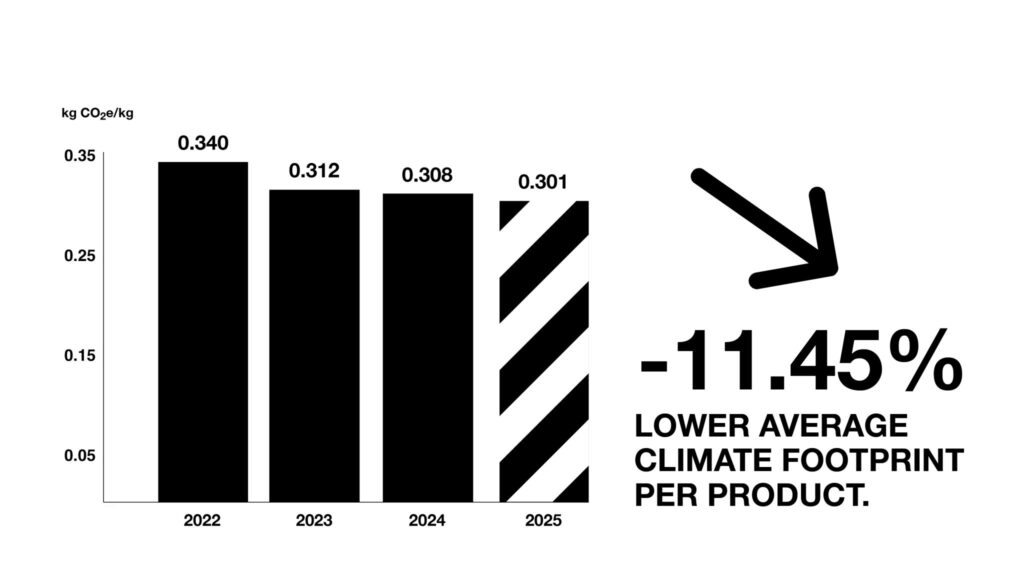
Swedish pea milk start-up Sproud has achieved its lowest-ever average carbon footprint, reducing its emissions by 11.45% to reach 0.301kg of CO2e per litre of product. Moreover, annual sales hit a new record, growing by 28% to reach 74.9 million kronor ($8.1M), with volumes up by 33%.

sproud sales
Courtesy: Sproud

Californian cultivated seafood start-up Finless Foods has opened a crowdfunding campaign on Republic, with a goal of securing $75,000. It has already entered the pre-market consultation process with the US Food and Drug Administration for its cultivated tuna, with approval expected in 2027.

Weeks after receiving $700,000 in seed funding, Danish mycelium meat maker Tempty Foods has kicked off a crowd investment round on Republic. It has already landed nearly all of its €355,000 ($415,000) target.

Courtesy: Tempty Foods

In more investment news, British eco material player Ponda has also launched a crowdfunding effort on Republic with the aim of raising €230,000 ($270,000) to build out its capacity and expand production of BioPuff, a bulrush-based alternative to goose down and polyester fibres.

Speaking of eco materials, Australia’s Uluu has moved into a new industrial facility in Henderson, Western Australia, which will allow it to scale up production of its seaweed-derived bioplastics. This follows a $10.5M investment round in November.

US industrial biotech start-up Fermeate has raised $2M in seed funding to advance its optogenetic control tech for precision-fermented products and accelerate price parity for them.

Belgian beanless coffee start-up Koppie has reached a major milestone in its scale-up efforts, producing 12 tonnes of its fermentation-derived alternative.

Climate advocacy group Madre Brava has closed its Thailand programme, according to its former director.

Policy, research and awards

Dutch start-up NoPalm Ingredients – which makes palm oil alternatives from food waste, yeast and fermentation – has been named as one of the four finalists of the 2026 Food Planet Prize.

Catering giant Sodexo has become the first employee restaurant chain in Poland to monitor the share of plant-based proteins on offer, with analysis using the Protein Tracker tool revealing that 30% of its 2024-25 protein portfolio was sourced from plants.

Two new studies by the Physicians Committee for Responsible Medicine show that low-fat plant-based diets cut greenhouse gas emissions by 55-57% and cumulative energy demand by 44-55%.

marigold protein
Courtesy: ACS Food Science & Technology

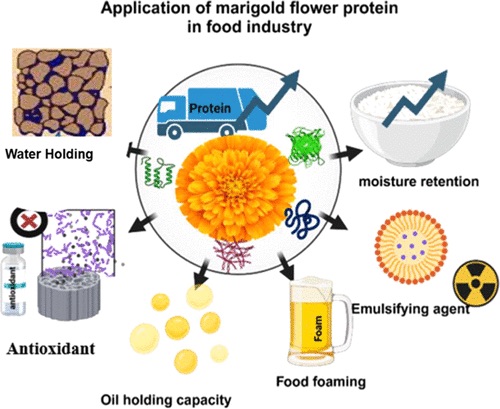
study led by scientists at the University of Georgia suggests that dried marigold flowers – 40% of which end up wasted – show potential as a sustainable plant protein source, exhibiting high levels of glutamic and aspartic acids, greater heat stability than peas and chickpeas, and excellent emulsifying capacity.

Researchers at the University of Warwick have published the results of their meta-analysis of clinical trials involving 541 participants, finding that plant-based eaters were associated with significantly lower levels of C-reactive protein – a widely used marker of systemic inflammation – than omnivores.

veganuary success
Courtesy: Veganuary

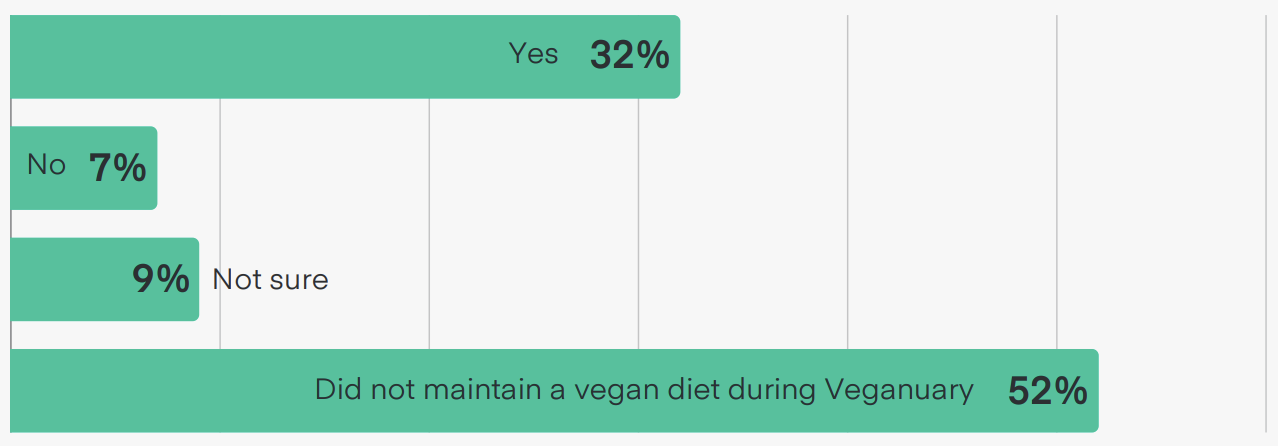
Finally, in Veganuary‘s 2026 participant survey, a third (32%) of those who weren’t vegan before said they planned to continue following a plant-based diet after the monthlong campaign, while 79% intended to halve their intake of animal products.

https://www.greenqueen.com.hk/future-food-quick-bites-beyond-meat-taco-bell-crowdfunding-marigold-protein/

Thursday, August 28, 2025

Future Food Quick Bites: Greggs Steak Bake, Coco Gauff Smoothie & Vegan Dog Treats

From greenqueen.com.hk

By Anay Mridul

Our weekly column rounds up the latest sustainable food innovation news. This week, Future Food Quick Bites covers Greggs’s vegan steak bake return, Savor’s carbon-based butter launch, and Coco Gauff’s Naked Smoothie collab.

New products and launches

British bakery chain Greggs has brought back its Vegan Steak Bake, now called Vegan Lattice (Steak-Free) and available in select stores for £2.10.

Italian vegan start-up Bridge Foods has launched two dairy-free Biogurt products at Esselunga and Alì in peach and coffee flavours, and a liquid vegan egg called VegEgg at Unicoop Firenze, both under its ViaMia brand.

Israeli 3D-printed meat producer Redefine Meat has rolled out its Flank Steak as a refrigerated product in Coop stores in Switzerland.

German start-up BettaF!sh has expanded into Portugal with its canned vegan Tu-Nah, which is now available at select Continente locations.

In Australia, burger chain Grill’d has collaborated with Beyond Meat to introduce the latest version of its plant-based burger, called Beyond IV.

Fellow Aussie fast-food chain Zambrero has added Fable Food Co‘s Pulled Mushrooms to the menu of over 300 of its restaurants across the country.

After being laid off from US vegan sushi chain Planta, which filed for bankruptcy in May, chef-couple Gabriel Lopez and Erica Marie Denis have started 2TheRootss, a plant-based private chef service in Miami.

In Brooklyn, New York, Impossible Foods held a pop-up at Rinsed Out Laundromat, where hundreds of attendees got a taste of its burger and nuggets.

New York-based dairy-free cheesemaker Rind has launched Vegan Bleu Crumbles, which uses spirulina and roqueforti cultures. The product will be available for $5 per 4oz container.

US plant-based dairy firm Tofutti has developed a tzatziki sauce using its Better Than Sour Cream offering, in partnership with vegan restaurant group Greens and Grains. It will be available at the latter’s 10 locations, and as a branded product for retail in the future.

Speaking of non-dairy innovations, Canadian startup Umyum has brought its soft cashew-based cheeses (in Ca’atar & Spices, Chutney & Saffron, and Coffee & Pepper flavours), camembert, and butters (in Salted, Truffle, Herb, and Slow-Roasted Garlic variants) to the US. They’re currently available at select retailers, including Bristol Farms, Town & Country Foods, and Chuck’s Fresh Markets.

Chicago eatery Alina, the longest three-Michelin-starred eatery in the US, served Aqua Cultured Foods‘s fermentation-derived tuna at its 20th anniversary pop-up residency at The Maybourne Beverly Hills (July 22 to August 16) as part of a vegetarian alternative to Wagyu.

Also in the US, Sunday Supper has introduced The Singles, a range of vegan Italian entrées in single-serve portions. These include an Italian Sausage Lasagna, Three Cheeses Lasagna, Fusi alla Vodka, and Eggplant Parm, which use products from Elmhurst 1925 and Abbot’s. They will be available at various retailers across the US.

Californian food tech start-up Savor is launching its carbon-derived butter as part of chocolate bonbons at One65 Patisserie & Boutique in San Francisco.

Meanwhile, Daily Harvestnow owned by Chobani, has added Strawberry Banana and Tropical Greens flavours to its GLP-1 supporting smoothie lineup. It partnered with US tennis Sloane Stephens‘s Doc & Glo brand to promote the range earlier this year.

In more tennis-related smoothie news, Naked Smoothies has teamed up with Coco Gauff to create a Protein Pineapple Orange Smoothie, which is available at select stores in the US.

California’s Virtuous Vittles has unveiled Bountiful Land, a line of shelf-stable plant-based meals for dogs, featuring morels in gravy. They were first debuted at Superzoo 2025.

Similarly, vegan pet nutrition brand PawCo Foods has launched Magic Cookie, a line of functional dog biscuits to target five health metrics: gut wellness, heart health, joint mobility, skin and coat vitality, and everyday wellness.

And in India, Bangalorean coffee shop Maverick & Farmer Coffee has joined forces with plant-based milk start-up Alt Co to launch the Vegan on Wednesdays initiative, offering the latter’s oat milk with zero surcharge alongside a specially curated plant-based food menu.

                                                                   Courtesy: Naked Smoothies/Greggs/Sunday Supper

Company and finance developments

Amid its business restructuring, German plant-based holding company Veganz Group has announced that it would change its name to Planethic Group.

Berlin-based powdered oat milk start-up Blue Farm has raised €1.33M ($1.55M) in a crowdfunding campaign on Invesdor, at a pre-money valuation of €14M ($16.4M).

Phytolon, a start-up that uses precision fermentation to create alternatives to synthetic food colours, has secured an investment from Colorcon Ventures, the corporate VC fund of Colorcon.

Swedish startup Seaqure Labs has raised over five million kronor ($520,000) for its mycoprotein ingredient to replace soy and fishmeal in aquaculture feed.

UK molecular farming firm Bright Biotech has been awarded a £1.2M grant from the UK government’s Advanced Research and Invention Agency. The Phase One funding will enable the company to apply its advanced chloroplast technology to develop more productive, resilient and sustainable plants.

US dairy-free brand The Forager Project has kicked off The Cashew Project, a multi-year initiative to support cashew farming in the Ivory Coast. It will entail organic farming training, financial literacy programmes, and sustainable agricultural practices that benefit local farmers.

                                                                                         Courtesy: The Forager Project

A week after closing a $31M Series A round, California’s The Better Meat Co has added Pamela Marrone, a 2025 inductee of the National Inventors Hall of Fame, to its board of directors.

Fermentation startup MycoTechnology has appointed former Coca-Cola, Kraft Heinz and Abbott Nutrition executive Robert Scott as a board member.

Research, education and awards

Nutrition and public health organisation Balanced has teamed up with Humane World for Animals‘s Forward Food Collaborative to offer a free online plant-based culinary training for K12 school foodservice professionals.

Speaking of courses, ProVeg Czechia and the Physician Association for Nutrition Czech Republic have reintroduced their Nutrition in Medical Practice course to educate doctors about plant-based food. The online course will run twice a week from September 23 to October 23, and has already seen dozens of MDs and medical students sign up.

At the AgTech Breakthrough Awards, Australia’s Vow won the Cultured Meat Product of the Year for its cultured quail, and Meatable was awarded the Food Replacement of the Year honour for its cultivated pork.

Likewise, Singaporean food tech start-up Prefer has made it to Forbes’s Asia 100 to Watch 2025 list for its bean-free coffee and chocolate innovations.

A UK government survey has revealed that 8% of children drink plant-based milk as their main milk drink, including 2% who consume ‘growing up’ or toddler drinks.

https://www.greenqueen.com.hk/future-food-quick-bites-greggs-steak-bake-coco-gauff-smoothie-vegan-dog-treats/

Friday, August 15, 2025

Meet the Pakistani Meat-Lover Who Created the Country’s First Plant-Based Kebabs

From greenqueen.com.hk

In a country where veganism is confined to health stores and imported products, Ghaas Phoos is spearheading the fledgling plant-based movement in Pakistan

Ailya Khan grew up on kebabs and tikkas, and hated vegetables. But her love for animals made her give up meat eventually.

The vegetarian samosas didn’t satisfy the strong cravings for the meat-rich dishes she was familiar with in Pakistan. There were barely any plant-based alternatives, and nothing satisfied her from a cultural, sensory, or emotional perspective.

“I struggled a lot to find affordable vegan food and realised that here in Pakistan, even people who want to go vegan, eat plant-based, or host plant-based events often can’t find ready-to-go vegan options or accessible plant-based catering services,” she says.

“It really hit me that most Pakistanis – and many people around the world – don’t have access to plant-based options that connect with our culture.”

That’s when she decided to take things into her own hands. In 2022, Khan founded Ghaas Phoos Plant-Based Foods, Pakistan’s first vegan meat start-up. “The whole idea behind Ghaas Phoos (which literally means grass) was to reclaim the phrase, to make ‘grass’ common and even celebrated,” she explains.

In the subcontinent, ‘ghaas phoos’ is often used as a derogatory term for vegetarian food – it’s the South Asian equivalent of rabbit food, or the narrative that vegan food is just salads. “We take a fun and proud approach: feeding everyone ‘grass’, showing how creative and joyful plant-based food can be,” says Khan.

Ghaas Phoos has retail and foodservice expansion in sight

                                                                                           Courtesy: Ghaas Phoos Foods


Ghaas Phoos, though, is much more than grass. The start-up’s offerings include soy-based kebabs and patties, mushroom biryani, and green pea kebabs, all infused with familiar Pakistani spices.

“We’ve also experimented with over 50 versions of local dishes behind the scenes, things like kulfi (a local ice cream), gulab jamun (milk-based doughballs in rose-cardamom syrup), haleem (a thick, low-cooked stew), dum kebab, makhni kebab, and more,” says Khan.

The start-up operates a meal delivery model and is still in its beta-tasting phase, currently operating two to three days a week, based on pre-booked orders. Currently, it’s a team of three, with Khan joined by her sister and a cook.

“We personally handle deliveries within a 20km radius in Karachi, but we’re hoping to expand soon. Our meals are pre-cooked and served hot, and another revenue stream we’re developing is consulting for restaurants that want to add plant-based items to their menus,” she says.

“The response has been overwhelmingly positive. We have had organic reach on digital. We’ve had a lot of organic reviews – customers have been posting on their own accord on different food groups,” she says. “People have been very supportive of us with regard to a new, budding business.”

Phase two of its expansion plan concerns retail, with Ghaas Phoos aiming to start with frozen products within Karachi. “But for that, we’ll need a larger kitchen,” she notes.

Over the next 12 months, the start-up is planning to open a small-scale café/kitchen to facilitate grab-n-go and in-house meals. “We’re not trying to compete with meat,” says Khan. “We’re here to showcase what kind of food innovation is possible with local ingredients and plants.”

‘Pakistanis are open to trying different foods’

Khan dismisses the idea that Pakistan is a meat-rich country, except for the three major cities of Karachi, Lahore and Islamabad. “Most local dishes are plant-based or vegetarian, due to the country’s agricultural nature,” she explains.

“In the last decade, we’ve seen a surge in the meatification of recipes and heavy dairy infiltration in the market. Even though most menus are now filled with meat and dairy items, people do want to try plant alternatives,” she adds.

To create demand, Khan says you have to help people find the right food: “We did one soft launch in 2022, and we’ve done R&D for two years. With our final launch in 2025, what we’ve seen is that people do show interest and buy the food, and most of our clients are consistent and repeat customers. This shows people are open to trying different cuisines, whether they are vegan or not.

“Pakistan has a very rich and diverse food landscape. Luckily, we are still connected to our traditions through food. Every celebration, every tradition revolves around food. If you give us a well-curated meal with the right spices, honesty, and tradition, it will be loved.”

She reiterates that the business isn’t mimicking meat, but instead banking on unique flavours, textures, and natural colours as its selling point: “We also like calling our products what they are, which has been received positively. We say mushroom biryani, mushroom qeema (mince), pea cutlets, plant-based kebabs, soy patties, egg-inspired plant-based eggs, and so on.”

Ghaas Phoos seeks investors as plant-based awareness grows

                                                                                          Courtesy: Ghaas Phoos Foods


Pakistan, for now, has few plant-based protein options. Some companies import international brands of non-dairy milk, while a few independent stores make their own. Accessibility is a major barrier to vegan eating in the country, according to Khan.

“Tofu and soy are not easily available. I only know five vegans, who make their own seitan. Beans are accessible, but turning them into plant-based meats like the ones available in the Middle East requires awareness, both in the investor community and among restaurants,” she explains.

“Mushrooms are accessible to a certain class or those with access to land and wild areas,” she adds. “The pre-conceived notion that meat sells creates a sense of risk around plant-based food innovation. I believe there’s limited food knowledge around plant-based foods. I’ve trained three cooks so far, all of whom have been surprised by how much we can experiment with different plants, their textures, and their flavours.”

But awareness is growing. “We haven’t been met with any hostility so far. In fact, we’ve seen some restaurants add plant-based items to their menus. Pakistani people have been very open to exploring different taste palettes,” she says.

And a few weeks ago, Jacked Nutrition introduced a vegan brown rice protein powder range with 24g of protein and 2g of fibre per 30g scoop, indicating the burgeoning demand for plant-based options.

To deliver on its expansion plans, Ghaas Phoos is looking for support from a range of parties. “Finance is definitely important, but we’re also open to support in alternative protein food knowledge, training, and partnerships with international brands who want to explore the Pakistan market through us,” says Khan. “We are also looking for funders and investors who believe in a plant-based future and will help keep the business sustainable for the long term.

“Ghaas Phoos is here to open people’s minds to what we can do with plants, and challenge the existing limitations of culinary arts. You don’t always need meat to enjoy desi flavours.”

https://www.greenqueen.com.hk/ghaas-phoos-plant-based-foods-pakistan-vegan-meat/