From vegconomist.com

Image: Alex Haney on Unsplash
A low-fat vegan diet reduces the number of calories packed into each gram of food by roughly 30%, giving researchers a mechanistic explanation for why plant-based eating tends to produce weight loss without deliberate calorie counting. The finding comes from a secondary analysis published in JAMA Network Open, conducted by the Physicians Committee for Responsible Medicine (PCRM).
“Plant foods are rich in water and fibre, so you can fill your plate, feel full, and still take in fewer calories”
The analysis revisited a 16-week randomized trial that assigned 244 adults with overweight to either an ad libitum low-fat vegan diet built around fruits, vegetables, grains, and legumes, or a control group asked to make no dietary changes. Neither group received calorie limits. Researchers calculated dietary energy density for each participant as total daily calories divided by total daily food weight in grams.
Same volume of food, fewer calories
Total food weight did not shift significantly in either group, meaning participants on the vegan diet continued eating the same volume of food. Energy intake fell in both groups but dropped further in the vegan group, by about 357 kcal per day relative to controls. Energy density held steady among controls but declined about 30% in the vegan group. Larger reductions in energy density tracked with greater weight loss, a relationship that persisted after accounting for changes in calorie intake.
Vegetables and legumes drive the drop
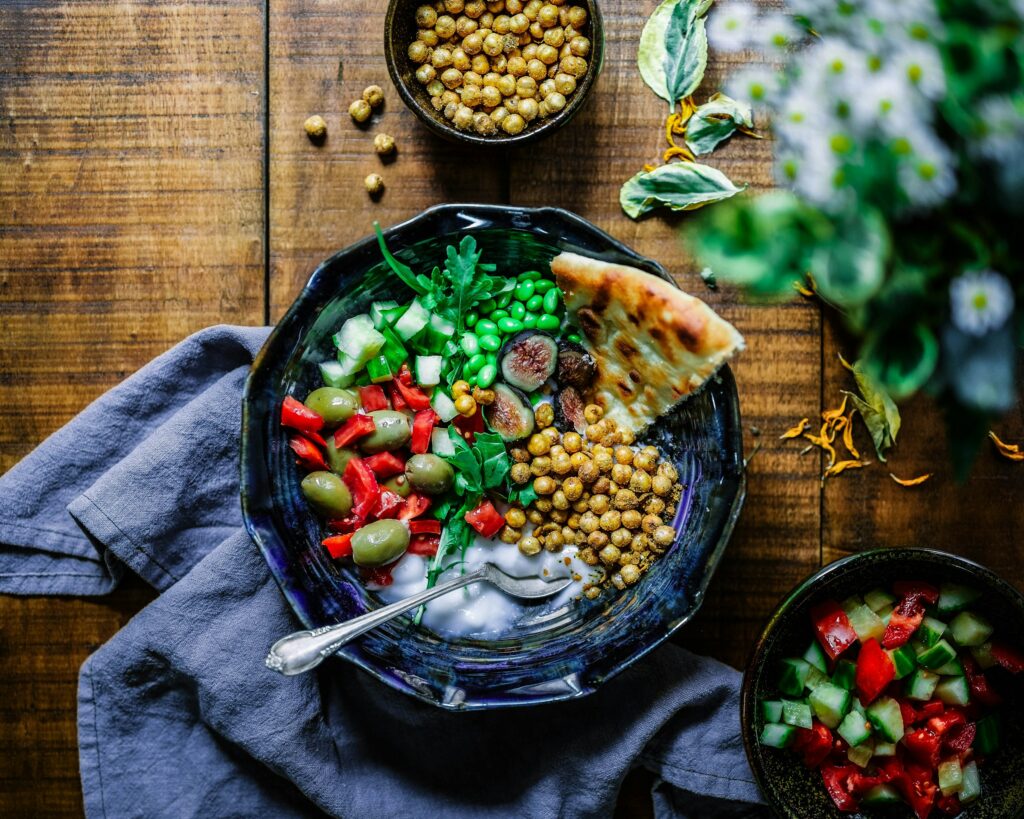
The shift came from what participants ate rather than how much. Removing calorie-dense animal foods and increasing intake of high-volume, low-energy-density plant foods, particularly vegetables and legumes, lowered the calorie load per gram while keeping portions generous.
Hana Kahleova, MD, PhD, director of clinical research at PCRM and lead author, stated, “This helps answer a question people often have about plant-based eating: How can you lose weight without counting calories or going hungry? The answer is energy density. Plant foods are rich in water and fibre, so you can fill your plate, feel full, and still take in fewer calories.”
The 30% reduction is difficult to replicate through portion control alone, according to the researchers. “This isn’t about willpower or smaller portions. It’s about choosing foods that naturally deliver fewer calories in every bite, noted Kahleova.
A growing PCRM research base on plant-based weight loss
The study adds to a body of PCRM research on plant-based diets and body weight. The organization recently reported that a low-fat vegan diet outperformed a Mediterranean diet for weight loss even when it included refined grains and potatoes, and separately found that replacing animal protein with plant sources produced weight loss in postmenopausal women without changing total protein intake.
The authors note limitations, including reliance on self-reported food diaries and a participant pool of research volunteers who may not reflect the general population.
Kahleova said, “From a clinical standpoint, targeting energy density offers a realistic strategy for weight loss. Instead of telling people to eat less, we can help them eat differently, and the results follow.”

No comments:
Post a Comment