Showing posts with label Spain. Show all posts

Sunday, January 4, 2026

This Was The Best Vegan Restaurant In The World In 2025, According To HappyCow

From plantbasednews.org

HappyCow ranked 81 vegan restaurants around the world based on millions of glowing user reviews 

                                                   What was the best vegan restaurant of 2025 for you? - Media Credit: HappyCow

HappyCow has named the best vegan restaurant in the world for 2025.

The plant-based app announced that Asante, a cafe in Barcelona, Spain, has taken the top spot on its first annual Top Global Vegan Restaurants List.

The ranking system is based on millions of HappyCow reviews and analysed overall rating as well as the quality, quantity, and recency of feedback before naming Asante as the number one vegan restaurant in the world for 2025.

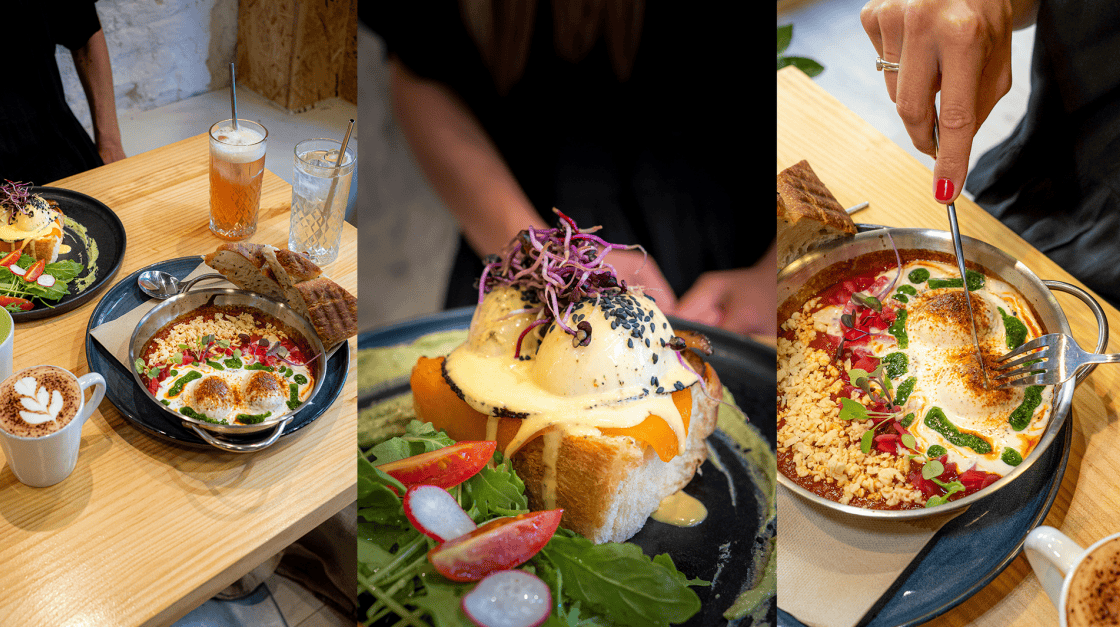
Asanta is a fully vegan eatery located in Barcelona’s Sants-Montjuïc district. It serves a range of classic dishes, including: an olive, truffle, shiitake, and mozzarella focaccia; a mozzarella, tomato, olive, and roasted red pepper focaccia; shakshouka,  a tomato-poached egg dish from the Greater Maghreb; and “classic” eggs Benedict.

The vegan cafe also serves sweet treats such as brownies, brioche, cinnamon rolls, and cheesecakes, along with coffee, tea, smoothies, and other drinks.

Plant-based eggs and ‘vegan hotspots’


HappyCow / Asante                                           Customers complimented all of Asante’s dishes, but the vegan eggs, in particular, stood out

The majority of the top reviews on HappyCow highlight the eggs, in particular, as the standout option at Asante, with some calling them “insanely realistic” and “incredible,” though several also praise the “fantastic” cheesecakes, focaccia, and cinnamon rolls.

HappyCow’s full ranking includes a total of 81 restaurants. The company noted that the results show a “decentralisation of vegan excellence,” where people can increasingly find top-rated eateries outside of major cities, such as London, England.

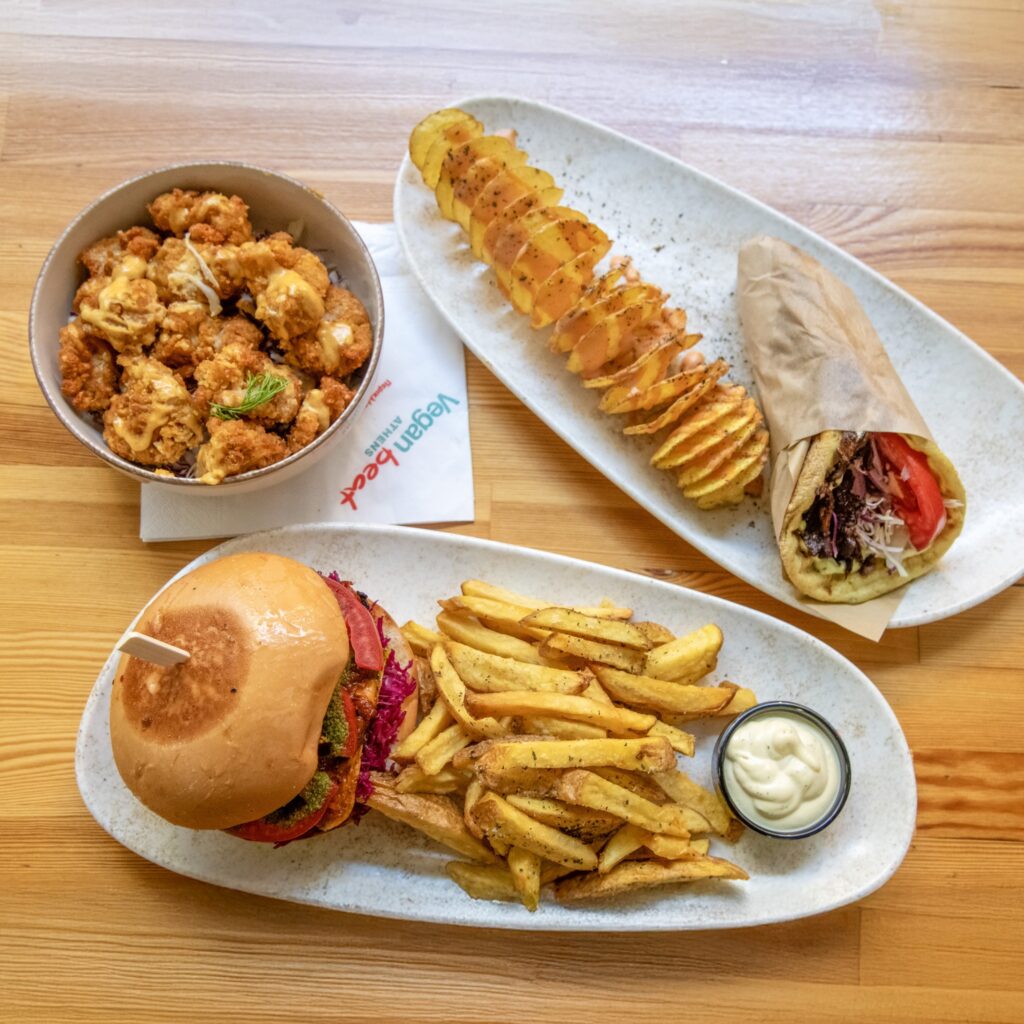
For example, two different Welsh restaurants appeared in the top 10 for 2025: Penrhyndeudraeth’s The Eating Gorilla and Cwmbran’s The Queen Inn. Furthermore, Happy Cow also named Vegan Beat as the most popular overall thanks to rave reviews, and its home of Athens, Greece, as a notable “vegan hotspot” due to the high density of well-rated restaurants. Kyoto, Japan, was also listed as a notable hotspot.

‘Our community plays an essential role’

HappyCow was founded in 1999 as a pre-smartphone directory of vegan and vegetarian-friendly restaurants. For decades, the web platform (now an app) has been a go-to for people looking for food while visiting new cities and traveling.

In October, longtime vegan, HappyCow user, and business consultant Claudia Torres acquired the company and became CEO. According to HappyCow, the new restaurant ranking marks the first major initiative under her leadership. “Authentic reviews are crucial as they provide genuine insights,” said Torres.

“Our thoughtful approach to ranking not only ensures that emerging favourite spots receive the recognition they deserve but also that well-loved establishments continue to shine for their consistent quality,” she added. “Our community plays an essential role in this process. Every review they share not only helps fantastic restaurants stand out, but also contributes to the growth of the vegan community worldwide.”

HappyCow is also reportedly undergoing a full tech rebuild behind the scenes, which will modernise the platform’s design, improve search, and expand beyond food.

https://plantbasednews.org/lifestyle/food/best-vegan-restaurant-in-the-world/

Friday, December 5, 2025

HappyCow’s 2025 List Names Asante as the World’s Best Vegan Restaurant

From vegconomist.com

Barcelona’s Asante has been named the world’s top vegan restaurant in HappyCow’s 2025 Global Vegan Restaurant rankings. The list, which evaluates 81 vegan restaurants worldwide, is based on a detailed analysis of millions of user reviews. Asante, which holds the highest reliability score in the rankings, topped the list for its consistency and quality across a wide volume of feedback. 

Decentralization in vegan dining

The rankings reflect a broader trend of decentralization in the global vegan dining scene, with top-rated establishments appearing increasingly outside major cities. This shift is evident in cities such as Cardiff and Bristol in the UK, and Kyoto in Japan, where high-quality vegan restaurants are thriving in smaller communities. Athens, Greece, also emerged as a key player, hosting the highest concentration of top-rated vegan restaurants, further underscoring its growing reputation as a vegan hotspot.

Claudia Torres, the new owner of HappyCow, noted the importance of authentic user reviews in maintaining the platform’s credibility. “Authentic reviews are crucial as they provide genuine insights and confirm that vegan options are truly available. Our community plays an essential role in ensuring that these venues continue to meet high standards,” Torres stated.

Vegan Beat
© Vegan Beat

The 2025 rankings were determined using a unique algorithm that takes into account the volume and consistency of reviews, as well as their recency. This method helps ensure that the list highlights not just newly popular spots but also those with long-term, reliable quality.

Athens rises as a vegan capital

The emergence of vegan dining hotspots in cities like Athens, which houses the most-reviewed restaurant on the list—Vegan Beat—indicates the growing global influence of plant-based cuisine. Vegan Beat, with over 1,000 reviews, exemplifies the city’s vibrant vegan scene. In total, Athens placed three restaurants in the top 81, solidifying its status as a centre of vegan excellence.

In terms of regional representation, the United States leads the list with 19 restaurants, followed by the UK with 11. However, a notable trend in the UK is the dominance of small towns like Cwmbran, Shrewsbury, and Wakefield, where high-quality vegan eateries are making an impact.

Saido
© Saido

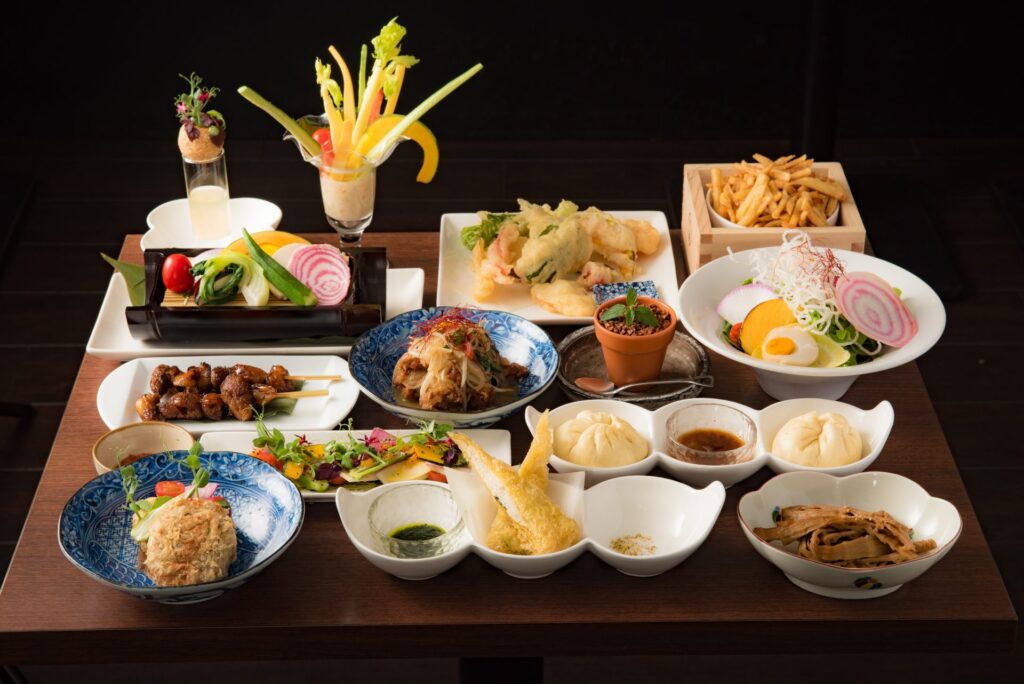
Restaurants in the list span a range of dining styles, from high-end Japanese vegan cuisine at Saido in Tokyo to casual street food at places like Hoi Banh My Chay in Vietnam. This diversity reflects the broadening appeal of vegan food, which is no longer confined to fine dining but increasingly seen in casual and fast-casual formats as well.

Expanding beyond restaurant listings

This year’s rankings are the first major announcement since HappyCow was acquired by Claudia Torres a few months ago. Under her leadership, the platform is undergoing a technological overhaul, with plans to expand its offerings beyond restaurant listings to include eco-hotels, organic stores, and other plant-based lifestyle resources.

The 2025 list also reveals the continuing global spread of vegan cuisine, with high-ranking venues in diverse countries, including Vietnam, Mexico, and Portugal. The growing prominence of vegan dining in unexpected locations suggests that the vegan movement is becoming more deeply integrated into the global culinary landscape.


https://vegconomist.com/gastronomy-food-service/food-service/happycows-2025-list-names-asante-worlds-best-vegan-restaurant/

Tuesday, September 30, 2025

These 10 countries are becoming go-to spots for vegan travellers (skipping the U.S.)

From vegoutmag.com

By Maya Flores

Ten rising destinations are quietly becoming vegan havens—none in the U.S. 

Two things nudged me to rewrite my travel list this year.

First, London just watched a fully vegan restaurant pick up a Michelin star—proof that plant-based meals aren’t a sideshow anymore; they’re headliners.

Second, I keep seeing city and national policies move from “nice idea” to measurable targets: meat consumption falling, supermarket goals for protein “splits,” and even laws that guarantee a vegetarian plate in public canteens.

Put together, that’s not a vibe—it’s infrastructure. It also explains why my last few trips felt easier: fewer “Can you make this without…?” conversations and more default options that were already vegan-friendly.

Below, ten countries (outside the U.S.) where the story isn’t just buzzy restaurants—it’s data, decisions, and festivals that stack the odds in your favour.


United Kingdom: a Michelin star and a mainstream moment

If you’ve ever tried to explain vegan travel to a sceptical aunt, “a starred vegan tasting menu in central London” ends the debate.

The UK’s scene isn’t new, but that Michelin nod confirms it’s mature—and resilient.

In practical terms, it means chefs are building entire menus that don’t treat vegan eaters as exceptions, and suppliers are keeping up.

For travellers, London and several regional hubs (Glasgow, Manchester, Brighton) make it easy to do breakfast-to-late-night without hunting.

If you want a sanity check on where to book, HappyCow’s annual city rankings continue to put London near the top globally; 2024’s list had London and Berlin leading the pack.

The big picture: the UK is no longer “accommodating” vegan travellers—it’s competing for them. 

Germany: record-low meat consumption, record-high confidence

Berlin has long felt like a vegan home base.

What’s new is the national data behind the vibe. Germany’s Federal Information Centre for Agriculture reports meat consumption fell to 51.6 kg per person in 2023 — the lowest since the early 1990s, continuing a long-term decline.

That drop shows up in supermarket shelves, street food, and festival line-ups, making it easier to travel between cities without reverting to fries and bread.

For visitors, it means the “default lunch” in places like Berlin, Hamburg, or Munich is as likely to be a hearty plant bowl as a schnitzel.

Translation: fewer compromises, more routine.

Netherlands: the protein transition is policy, not a trend

You’ll feel it at breakfast buffets and in Albert Heijn aisles: the Dutch aren’t just flirting with plant-based—they’ve set targets.

The Netherlands aims for a 50:50 plant-to-animal protein intake by 2030, with watchdogs and universities tracking progress.

Amsterdam went further, endorsing the Plant-Based Treaty and setting a city diet goal of 60% plant-based by 2030 — and local business groups now showcase “protein transition” companies as part of the city’s identity.

What that means for travellers: steady, affordable options across price points, from canal-side cafés to office-district lunch spots. 

Denmark: a national action plan for plant-based foods

Denmark became the first country to publish a National Action Plan for Plant-Based Foods, directing funds, research, and procurement toward greener plates.

This is nerdy policy with very practical consequences: more plant-based items in public kitchens, clearer labelling, and incentives for innovation that spill into restaurants you’ll actually eat at.

Copenhagen already punches above its weight for sustainable dining; the action plan widens that net to school canteens, hospitals, and everyday supermarkets you’ll visit as a traveller stocking up. 

Portugal: vegetarian options by law in public canteens

Years before “UPF” entered dinner-table chatter, Portugal mandated a vegetarian option in all public canteens — schools, hospitals, universities, even prisons.

It’s a simple policy with traveller-friendly ripple effects: trained kitchens, normalized plant-based plates, and broader ingredient pipelines.

In Lisbon and Porto, you’ll still eat your weight in caldo verde and pasteis-adjacent treats, but you’ll see more veggie mains in mom-and-pop places than you did a decade ago because the public sector helped normalize the demand.

Spain: Barcelona built a food strategy through 2030

Spain isn’t stereotypically “vegan,” yet Barcelona turned its year as World Sustainable Food Capital into a permanent Healthy and Sustainable Food Strategy 2030.

That civic scaffolding — 265 initiatives across nine goals — touches everything from public procurement to food-waste reduction.

For travellers, it’s a tailwind: more seasonal veg on menus, more market vendors thinking plant-first, and festivals that nudge eaters toward lower-impact choices.

If your itinerary is tapas-heavy, you’ll still find patatas bravas and pan con tomate — but it’s easier than ever to make the whole day plant-based without combing through niche blogs.

Israel: high vegan share, deep everyday availability

Whatever you call Tel Aviv—“vegan capital,” “veganista playground”—the everyday proof is simpler: a high percentage of Israelis identify as vegan, with longstanding estimates around 5%.

That culture shows up as default dairy-free breakfasts, falafel that needs no edits, and menus where “vegan” isn’t a footnote.

For travellers, the win is friction-less dining in mainstream spots, not just dedicated vegan cafés. (As with any destination, check advisories; conditions can change).

India: a national vegan logo brings clarity

India’s deep vegetarian traditions make it friendly territory, but dairy can surprise strict vegans.

A quiet game-changer arrived when India’s food regulator finalized the Vegan Foods Regulations, including an official vegan logo.

As more packaged foods and restaurant items adopt the mark, it’s easier to shop stations, supermarkets, and airports without decoding long ingredient lists.

Add to that the breadth of naturally plant-based regional cuisines (Idli-sambar breakfasts! Chole with bhatura, minus ghee!) and you can string together full travel days with very little friction.

Thailand: a country that turns vegan for nine days

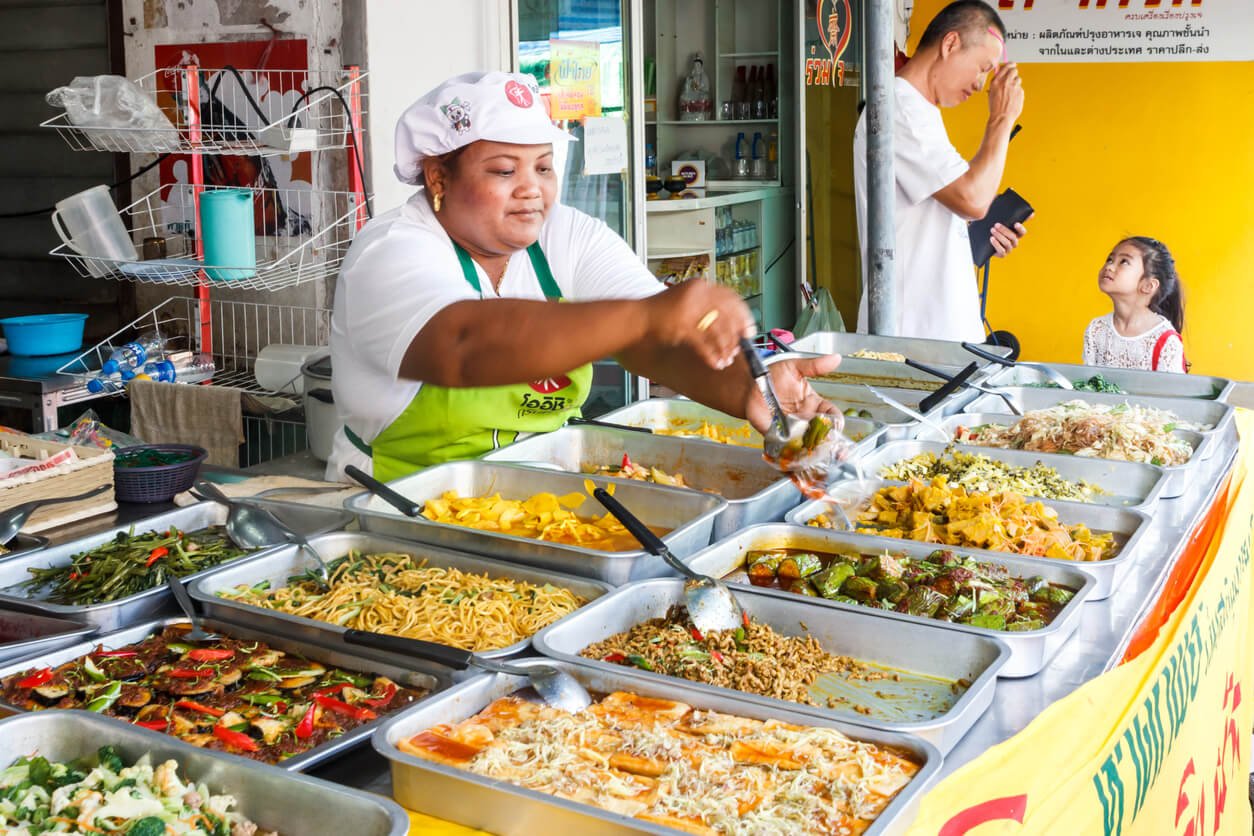
If you’ve seen the yellow-and-red เจ (jay) flags in Thailand, you already know the signal: for the Nine Emperor Gods / Vegetarian Festival, cities and towns flood with stalls serving “pure” meat-free food.

Even outside festival weeks, that shared vocabulary (“gin jay?”) makes street-food ordering easier—especially in Bangkok, Phuket, and Chiang Mai.

The festival isn’t exactly Western veganism—there are additional purity rules like avoiding garlic and onions—but the practical result for travellers is a huge, delicious inventory of plant-based dishes you can point to and eat.

Taiwan: one of the world’s largest vegetarian populations

Taiwan quietly makes plant-based travel feel effortless: Buddhist and temple cuisines, thousands of vegetarian restaurants, and a population where about 13% identify as vegetarian.

Convenience stores label veggie items clearly; night markets have entire rows of plant-based snacks; and Taipei routinely appears on vegan-friendly city lists.

For travellers, the upside is consistency—no need to hope a single neighbourhood has options.

Every district does.

Final words

If you’re tired of spending half your trip Googling “vegan options near me,” choose destinations where the systems already lean plant-first.

Your future self will thank you at 8 p.m., when dinner is not a scavenger hunt but a stroll.

And if you want the big-picture payoff: these places aren’t just kinder to your itinerary — they’re testing the food policies and business models the rest of the world might copy next.

That means every great meal is also a preview of where travel—and dinner—are headed.

https://vegoutmag.com/travel/n-these-10-countries-are-becoming-go-to-spots-for-vegan-travelers-skipping-the-u-s/

Wednesday, August 20, 2025

What Are the Most Vegan-Friendly Countries?

From peta.org/living

Passport? Check. Leather-free carry-on? Check. Vegan eats mapped out? Not yet? Well, you’ve come to the right place. 

If you want to travel and eat in the kindest way possible, useful tools like the Vegan Passport (an app from The Vegan Society that explains what you might want to eat in languages understood by 96% of the people on Earth) and HappyCow (an app that lists and reviews vegan and vegan-friendly restaurants all over the world) can help you every step of the way. PETA’s website also has resources that will make compassionate travel a breeze.

Better yet, some countries are overflowing with delicious vegan cuisine. Below are our picks for the most vegan-friendly destinations:

India

India is famously home to the largest concentration of vegetarians by far: 40%, or more than half a billion people. At 9% or almost 130 million people, the country is also home to the most vegans. Vedic traditions of nonviolence have informed an evolving tradition of meat-free eating that has resulted in today’s India: a place where being vegetarian is so common that restaurants serving meat put up “non-veg” signs.

a bowl of thai-style vegan red curry

Still, Indian vegetarian cuisine can contain paneer (cheese), yoghurt, and ghee (clarified butter), all made from cow’s milk. As long as you steer clear of those, you’ll have a table full of vegan curry in no time.

Germany

HappyCow lists 657 vegan spots in Germany, so you can find great vegan food in almost any German city.

For international eats, you can always find a vegan falafel sandwich in most parts of Germany. And at the other end of the spectrum, you can visit Frankfurt’s Seven Swans, a Michelin-starred vegan restaurant that features produce from the owner’s permaculture farm.  

Spain

Throughout Spain, and especially in cities, you’ll find great vegan dishes, including local staples like paella and tapas.

Barcelona in particular is a vegan haven, and hosts two of my favourite vegan restaurants on the planet: Blu Bar, which serves innovative vegan comfort food on a sunny patio, and Rasoterra, a high-end vegan slow-food restaurant where everything is seasonal, local, and delicious.

Thailand

With Buddhist traditions plus millions of vegan and vegetarian visitors, Thailand has emerged as a major vegan destination.

Traditional Thai cooking does not use animal milks or cheeses. In dishes like Thai curries, though, you may have to watch out for fish sauce and shrimp paste.

Most restaurants you encounter will have vegan options, plus there are lots of vegan Thai restaurants where you can enjoy the full range of Thai flavours free from cruelty. One of my favourites is Mr Green in Chiang Mai, a hole-in-the-wall that turns out impeccably seasoned dishes like Khao Soi (a northern Thai curry noodle soup) and Green Curry (my personal favourite Thai dish).

Street food is a big deal in Thailand, and you can find vegan options there as well. You can find vegan food stalls like Youta Vegan Foods in Bangkok—look for yellow signs; the colour of Buddhism, it is used here to indicate meat-free food.

There are plenty of veg gatherings around the world, but the Phuket Vegetarian Festival is in a class of its own. Primarily a religious event, the nine-day event includes an unbelievably raucous parade (think everyone throwing firecrackers all the time while people in the parade walk past with large metal objects piercing their cheeks and other body parts) as well as an unbelievably large and delicious meat-free night market.

The United Kingdom

In the midst of a surge in going vegan that saw a million new vegans in a single year, the UK is filled with choices. The term vegan was even coined there in 1944. It includes everything from fine dining at Michelin-starred Plates London (they even have rooms you can stay in) to the vegan option at the local pub.

Whether you’re craving fragrant curries in India, tapas in Spain, or street food in Thailand, the world is full of places where kindness is always on the menu. So pack your (vegan) snacks, open your HappyCow app, and get ready to collect stamps in your passport one delicious, compassionate meal at a time.

Spread the Word!

Want to help the world go vegan? Share your animal-friendly travel tips and your meals. Tell everyone you know that pigs can play video games, chickens recognize over 100 faces, and some fish even sing together. Just like the dogs and cats we dote on, animals used for food can experience pain, joy, curiosity, and suffering. Post pics of your delicious vegan meals on social media to inspire others. With every small action, you help create a kinder place for all of us.

https://www.peta.org/living/food/most-vegan-friendly-countries/

Saturday, July 26, 2025

Barcelona’s vegan boom brings a new take on Catalan cuisine

From catalannews.com

Traditional cooking goes green as markets and restaurants lead the way

Catalonia’s rich culinary tradition is evolving, with more restaurants and markets across Barcelona embracing vegan food to meet the changing tastes and values around health and the environment.

Since pledging to become a 'veg-friendly' city in 2016, Barcelona has taken big steps toward promoting plant-based eating. 

Restaurants are offering animal-free versions of old favourites, while plenty of fully vegan eateries have opened up, catering to both locals and tourists seeking healthier and more ethical dining options.

A vegan diet, unlike a vegetarian one, excludes all animal products, including meat, dairy, eggs, fish, and even honey. But veganism goes beyond food, explained Sara Torres, a dietitian specializing in vegan and vegetarian nutrition.

"We understand veganism largely as a dietary trend," Torres said to Catalan News, "but it also advocates for cosmetics or clothing, trying to avoid using leisure activities where we know animals can be exploited or used for human benefit." 

A plant-based diet has many benefits in terms of cardiovascular health, metabolic diseases, certain risks of childhood obesity, and it is preventive for certain types of cancer, the dietitian explained. 

Traditional flavours

Yet choosing vegan food in Catalonia doesn’t mean giving up traditional flavours. Many classic dishes can be recreated without animal products, Torres explained. "Some of these dishes are very easy to veganize."

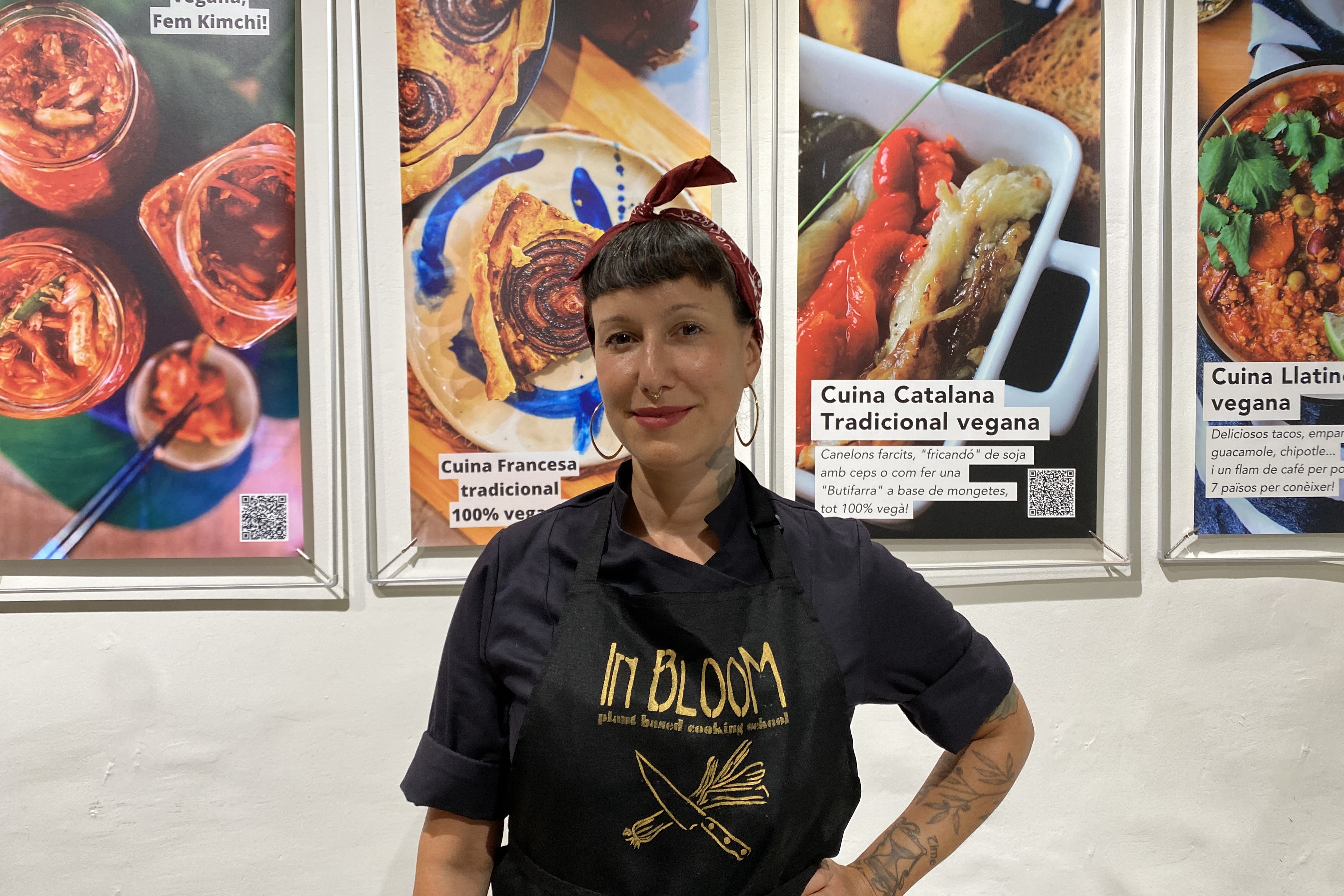
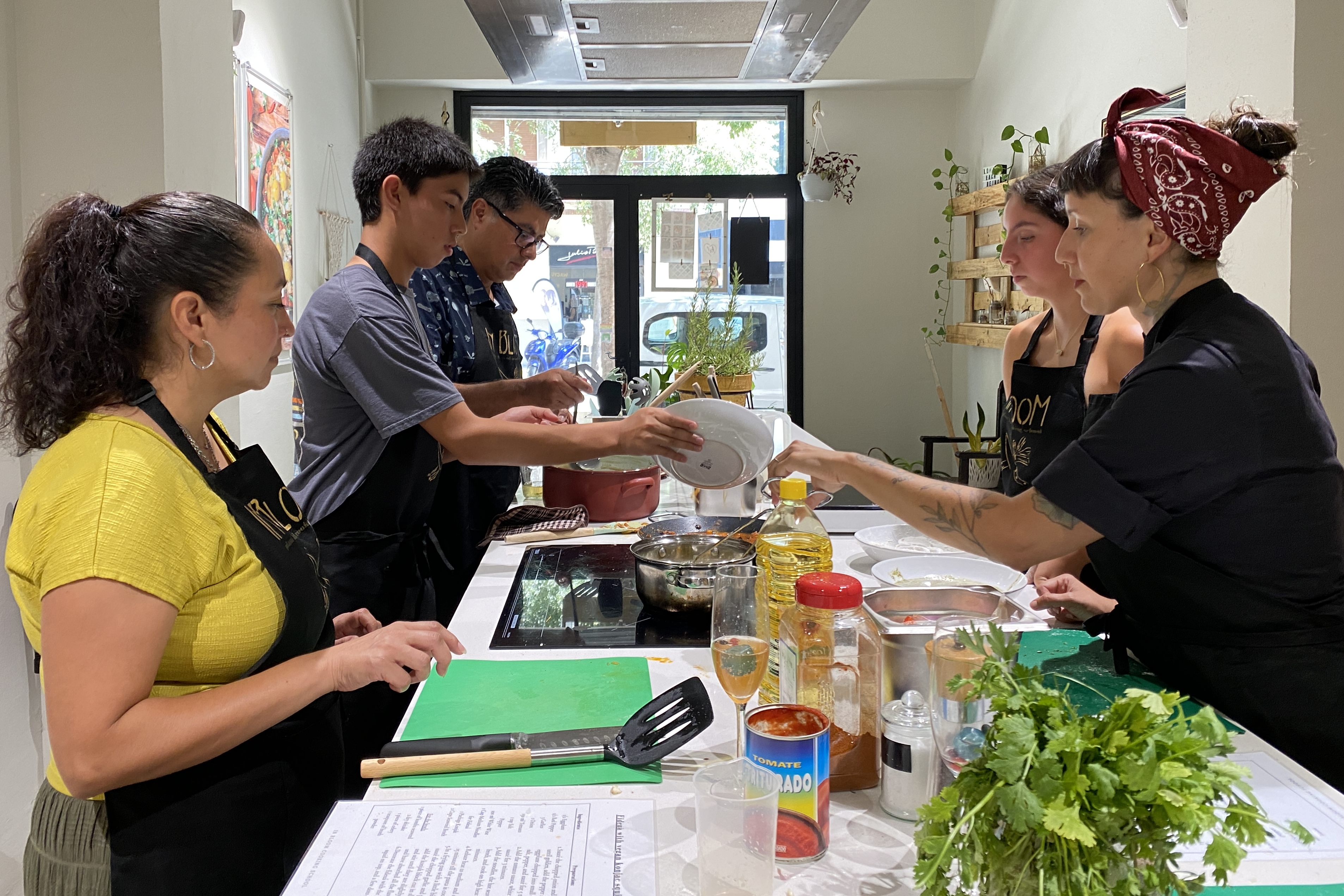
Students at In Bloom Cooking School, located in Barcelona’s Eixample neighbourhood, learn how to prepare vegan versions of Catalan classics, as well as dishes from other cuisines. 

"Catalan cuisine can be vegan very easily if we just avoid the meat and substitute it with something else," said Laura Bonet, founder of the school.

Classics like cannelloni, known in Catalan as 'canelons,' fideuà, and even crema catalana can be made without using any animal products.

IMG_3982
Laura Bonet Franco, founder of In Bloom Cooking School / Miroslava Lem Quinonez

"I think the main Catalan flavours are not the meat flavours," Bonet said to Catalan New, "it is everything else that we use for it."

Traditional cooking, she explained, relied heavily on natural, plant-based ingredients like mushrooms, beans, garlic, rosemary, thyme, and a wide range of fruits. "This all gives the flavours that we all know as Catalan cuisine."

While the school focuses on plant-based recipes, according to the chef, around 70% of her students are not vegan, but join for the experience or to support vegan friends and family.

IMG_3938
Participants at In Bloom Cooking School in Barcelona cook together during the Paella and Traditional Rice Dishes workshop / Miroslava Lem Quinonez

That growing curiosity reflects a larger trend across the city with new spots opening at an impressive pace, making veganism more appealing to wider audiences. "In the last 10 years, the amount of restaurants that opened is insane," Bonet said. 

Markets like La Boqueria and Mercat de Sant Antoni are expanding their plant-based offerings, with more stalls selling fresh vegetables, legumes, nuts, and meat alternatives.

"You can buy tofu in almost every supermarket now, " the chef said, "so I think it's also more approachable to people." 

Plant-based products like tofu, seitan, and textured soy aren’t just found in specialty stores as they are now available for regular supermarkets, the dietitian explained. "Here in Barcelona there are plenty of product options to buy and have."

As veganism continues to grow in popularity it is increasingly being seen not just as a diet, but as a lifestyle connected to broader concerns. "It's not just something ethical for the animals, it's also because of climate change," Bonet said, "everything has to do with veganism right now."

https://www.catalannews.com/life-style/item/barcelonas-vegan-boom-brings-a-new-take-on-catalan-cuisine