Showing posts with label sleep. Show all posts

Monday, April 27, 2026

People On Plant-Based Diets Sleep Up to 48 More Minutes Per Night

From sleepfoundation.org

At a Glance:
Vegetarians and vegans sleep 36 minutes more per night than average, with up to 90% reporting good or excellent sleep quality. Those following a raw food diet get even better sleep — 48 more minutes per night of sleep and 97% with above-average sleep quality.
Folks who follow no particular diet sleep 12 minutes less per night than average, and only 36% rate their sleep quality above average.
When it comes to snacking, those who choose yogurt sleep better, and those who like sweet treats such as brownies or cookies don’t do so badly — but popcorn snackers routinely get some of the worst sleep.
Those who often eat foods good for sleep, such as fatty fish, tart cherries, and kiwi, sleep up to 42 minutes more per night than average.
Insomnia is the top sleep issue reported among survey respondents (41%), affecting almost half of intermittent fasters (48%) and those following gluten-free (47%) and diabetic (47%) diets.

For those struggling to get a solid night’s sleep, what’s on your plate could be the culprit. As they say, “You are what you eat,” and the same goes for your sleep. It’s simple, really: If you eat poorly, your slumber is liable to suffer, too. And vice versa.

Dr. Abhinav Singh, medical director of the Indiana Sleep Center in Greenwood, Indiana, SleepFoundation.org medical-review expert, and author of Sleep to Heal: 7 Simple Steps to Better Sleep, describes it as “a vicious cycle.”

“Good sleep begets more good sleep, and poor sleep begets more poor sleep. And poor sleep leads to poor food choices. That’s why they’re called comfort foods. Because nobody who’s tired and sleep-deprived is going to reach for a salad,” he says.

But… maybe they should? According to a recent SleepFoundation.org survey, vegetarians and vegans sleep 36 minutes more per night than average, with up to 90% of them having above-average sleep quality. Better yet, those following a raw food diet get even more sleep — 48 additional minutes per night of sleep than average, and 97% describe their quality of sleep as above average. By comparison, those who follow no particular nutritional regimen sleep 12 minutes less than average, with only 36% rating their sleep quality as above average.


Katie Hammill, certified nutritional practitioner in Jacksonville, Florida, says that our nutrition and diet correlate “without a doubt” to the quality and quantity of our sleep: “What we eat and when we eat it can drastically impact both how we fall asleep and the quality and duration of our sleep cycles.”

The Food Factor

So, what should (or shouldn’t) we eat to get some quality shut-eye? Overall, folks who aim for healthier snacks tend to sleep better than average. Yogurt snackers get some of the best sleep, averaging 18 more minutes per night than average, and 61% of those experience above-average sleep quality. According to Hammill, these results are not surprising.

“Studies show that there are beneficial gut bacteria that help synthesize vitamins and neurotransmitters needed for sleep like GABAso eating a gut-loving diet with fermented and prebiotic/probiotic foods like unsweetened yogurt is helpful,” she says.

But those with a sweet tooth who aim for snacks such as cookies, cake, or brownies don’t fare so badly — those surveyed sleep 12 minutes more than average. Nevertheless, Hammill and Dr. Singh agree that processed foods and sugary treats should still be infrequent, especially before bed, to minimize that blood sugar roller coaster.

“Eating processed foods or reaching for that ice cream tub at 10 p.m. can spike your blood sugar, which activates your kidneys,” Dr. Singh explains. “Then your sleep quality is poor because there are these micro awakenings and even bathroom breaks at night, which can then start to fuel some insomnia habits.”

Hammill suggests aiming for foods rich in protein, fibre, magnesium, and potassium for improved sleep quality. “Ideally, we should try to cut off eating two or three hours before sleep. This allows our body to digest and our blood sugar to stabilize for better sleep. If you find you are hungry before bed, and it is impacting your ability to fall asleep, then a small spoonful of nut butter or half a banana could help.”

Certain foods can help promote good sleep, and the more often we eat them, the better we may sleep. Survey respondents who eat fatty fish 4-6 times per week average 42 more minutes of sleep a night. And those who eat fruits such as tart cherries and kiwi as often sleep 30 more minutes and 24 more minutes per night, respectively.

Just whatever you do, don’t grab the Orville Redenbacher — popcorn snackers in our survey sleep 12 minutes less per night than average and only 35% describe their sleep quality as good or excellent. 

When Dreams Aren’t So Sweet

Meredith Conklin, a 44-year-old court operations manager in Kansas City, Missouri, has long struggled with insomnia. But it wasn’t until getting sober that she truly realized the role that diet played in her (lack of) sleep quality and quantity.

“It would’ve been impossible to look at nutrition as a potential culprit in my sleep problems had I not eliminated alcohol and drugs from my life,” she shares. “That’s when it got easier to identify a direct correlation between my problems with sleep, and the type of food I consumed the previous day.”

Conklin notes that foods with high sugar content and large portions and “heavy” foods consumed less than two hours before bed would exacerbate her night-time awakenings.

“This was confusing at times because as an emotional eater, foods that are high in volume, carbs, and sugar would often provide a numbing effect that I sought as a relaxation technique,” she shares. “However, the outcome would consistently be lack of sleep.” 

Insomnia is the top sleep issue for our survey respondents, with 41% reporting they regularly have trouble falling or staying asleep. Almost half of the intermittent fasters (48%) and those following a diabetic diet (47%) or gluten-free diet (47%) experience insomnia on a regular basis. 

Studies show that getting less sleep can increase daily caloric intake, and over time, this can start to add up.

“People who sleep less can overeat by 200 or 300 calories the next day. You multiply that by six months or a year every day, and that can lead to being overweight, which can precipitate some sleep disorders,” Dr. Singh says. “Weight gain can be a risk factor for snoring and sleep apnoea.”

Hammill echoes this sentiment, stressing that our bodies need energy, which can be obtained through sleep or food: “If we deprive it of one, we will crave the other. I recommend to my clients who have the occasional poor night of sleep or jet lag to start their day with a hearty protein-rich breakfast like a veggie omelette to help minimize those cravings. Maintaining a healthy diet and body weight can go a long way to help alleviate some of these sleep challenges.”

“People who sleep less can overeat by 200 or 300 calories the next day. You multiply that by six months or a year every day, and that can lead to being overweight, which can precipitate some sleep disorders.” - Abhinav Singh, MD, MPH, FAASM  Sleep Medicine Physician, MD

Recent research also highlights the link between what we eat and sleep disorders. For instance, a new study found that people on plant-based diets have a 17% lower risk of developing sleep apnoea than those who eat mainly animal-based foods. And people who eat healthy plant foods like fruits, vegetables, whole grains, and nuts had a lower risk of sleep apnoea than people who ate unhealthy plant-based foods, including refined grains, sweets, and salty foods like chips.

By changing her diet, Conklin seems to have broken the insomnia cycle. She knows what foods result in better sleep for her, and on days she treats herself, she knows her sleep might suffer.

“In the months of January and February this year, I made a nearly complete change to plant-based protein and avoided most egg and dairy products, as well,” she says. “This demonstrated a notable improvement in sleep, fitness, mood — basically all facets of my well-being. It was rather stunning, to be honest.”

https://www.sleepfoundation.org/sleep-news/people-on-plant-based-diets-sleep-up-to-48-more-minutes-per-night 

Thursday, August 14, 2025

If you want to sleep better at night, these 7 vegan foods could be the answer

From vegoutmag.com

By Avery White

A few simple plant-based swaps in your evening routine might be the key to turning restless nights into truly restful sleep 

For years, my sleep routine looked like a bad sitcom rerun—same predictable setup, same disappointing ending.

I’d wind down, scroll through my phone, convince myself I was tired, and then… stay wide awake, staring at the ceiling.

Sometimes I’d get maybe four hours of broken rest, fuelled the next day by oat milk lattes and wishful thinking.

Eventually, I realized my problem wasn’t just my bedtime habits—it was what I was (and wasn’t) eating.

So I decided to run a personal experiment: What would happen if I swapped my usual night-time snacks for foods specifically linked to better sleep quality—and made sure they were all vegan?

Here’s what I learned—and the seven plant-based foods that made a real difference.


1. Almonds

The first swap I made was simple: a small handful of almonds about an hour before bed.

Almonds are a natural source of melatonin, the hormone that signals your body it’s time to sleep. They also contain magnesium, which can help relax your muscles and reduce nighttime awakenings.

One study published in BMC Complementary Medicine and Therapies found that magnesium supplementation improved sleep quality in older adults with insomnia. While a handful of almonds won’t match a supplement dose, it’s a tasty, whole-food way to get a boost.

Pro tip: Choose raw or dry-roasted almonds without added salt to avoid waking up parched in the middle of the night.

2. Bananas

I used to think bananas were a morning food—until I learned they’re loaded with potassium and magnesium, two minerals that help regulate muscle function and nerve signals.

They also contain tryptophan, which your body converts into serotonin and then melatonin. This chain reaction helps ease you toward sleep instead of keeping you wired.

Now, if I’m craving something sweet before bed, I’ll slice up a banana and sprinkle it with cinnamon. It’s quick, satisfying, and a whole lot better than the chocolate chip cookies that used to keep me buzzing past midnight.

3. Tart cherries

Tart cherries (and tart cherry juice) were the game-changer I didn’t expect.

According to research, tart cherries are one of the few food sources naturally rich in melatonin. That's why they may help your body regulate its sleep-wake cycle more smoothly—especially if your schedule or stress levels tend to throw it off.

I started blending frozen tart cherries into my evening smoothie, and within a week, I noticed I was falling asleep faster. Plus, the deep, tangy flavour feels like a treat rather than a sleep “hack.”

4. Pumpkin seeds

Meanwhile, I learned that pumpkin seeds are another magnesium powerhouse—and a good source of tryptophan.

I started sprinkling them over salads or toasting them with a pinch of smoked paprika for a savoury, crunchy snack.

Because they’re also rich in zinc, they help your body convert tryptophan into serotonin more efficiently, making them a double win for night-time relaxation.

And here’s the kicker: They travel well. I now keep a small jar of roasted pumpkin seeds in my bag so I’m not tempted by sugary snacks when I’m out late.

5. Kiwi

Kiwi might not be the first fruit you think of for sleep, but it’s been studied specifically for this purpose.

A clinical trial published in the Asia Pacific Journal of Clinical Nutrition found that eating two kiwifruits one hour before bedtime significantly improved sleep onset, duration, and efficiency in adults with self-reported sleep problems.

The likely reason? Kiwi is high in antioxidants, vitamin C, and serotonin. Plus, it’s naturally hydrating without being heavy.

I started keeping kiwis in a bowl by my tea kettle. That way, when I make my evening chamomile, I’m reminded to slice one up. It’s a small ritual that tells my brain: We’re in wind-down mode now.

6. Oatmeal

Yes, oatmeal isn’t just for breakfast.

Oats are a complex carbohydrate, which can help more tryptophan reach your brain by reducing the competition from other amino acids. They also contain a small amount of melatonin.

On colder nights, I make a mini serving of oats with oat milk, cinnamon, and a few chopped dates. It’s warm, comforting, and keeps me from rummaging through the pantry for something sugary.

And unlike heavier desserts, it digests easily, so I’m not lying in bed feeling too full to relax.

7. Walnuts

Finally, walnuts earned their spot on my list because they deliver a little of everything: melatonin, omega-3 fatty acids (which support brain health), and protein to keep your blood sugar stable overnight.

I’ll often mix a few walnuts with almonds for variety, or chop them into a small bowl of unsweetened coconut yogurt. They have a richness that feels indulgent without the crash that comes from more processed snacks.

Looking back, this one probably deserved a higher spot on the list—mainly because it’s so easy to keep a bag of walnuts in the cupboard and use them in both sweet and savoury ways.

Final thoughts

Making these swaps didn’t fix my sleep overnight, but within a couple of weeks, I noticed a real shift.

I was falling asleep more easily, waking up less during the night, and actually feeling rested in the morning.

The best part? Every single food on this list is easy to find, easy to prepare, and loaded with other health benefits beyond sleep.

If you’ve been tossing and turning lately, try adding one or two of these to your evening routine. Pay attention to how your body responds, and adjust until you find your personal sweet spot.

Because sometimes, the difference between a restless night and a great one really is just a snack away.

https://vegoutmag.com/food-and-drink/r-if-you-want-to-sleep-better-at-night-these-7-vegan-foods-could-be-the-answer/

Thursday, March 30, 2023

11 Essential Vegan Products to Help You Get the Best Night’s Sleep of Your Life

From vegnews.com

Tossing and turning is so last year! From weighted blankets to bath bombs, these soothing items will help you fall, and stay, asleep

Getting a good night’s sleep is as important as ever—and harder than ever too, due to the unrelentingly plugged-in nature of our society. Adequate deep sleep helps ease stress, anxiety, and aging effects and has many healing benefits. These 11 vegan products will help soothe you to sleep—and perhaps more importantly, help you stay asleep. But first, can vegan foods help you sleep better?

Achieving better sleep with plant-based foods

The much-beloved avocado can carry sleep benefits. Their magnesium content means regular consumption may help with relaxation and sleep efficiency, and their potassium levels will also help with nerve, muscle, and heart function. They also contain biotin, which is good for healthy hair, and carotenoids, which are beneficial for the immune system.

Olive oil has also been associated with a better night’s sleep. Drinking olive oil before bed has risen in popularity on social media. Many maintain that this is the best way to enjoy many of the benefits associated with olive oil and that it can also help you feel fuller, which means if you drink it right before bed, you may reduce the risk of being woken with hunger pains. It may also help to relieve other sleep-disrupting issues, like bad digestion and constipation. The truth is, there is little research to suggest that this is necessary. Instead, you can boost your levels of healthy fats by simply consuming it with food, or cooking with it, as extra virgin olive oil retains its health benefits even when it is heated.

Outside of whole, plant-based foods, edible vegan products—such as CBD gummies—can also help achieve a full night of sleep. In 2019, the brand CBDistillery conducted a customer survey, which revealed that 88 percent of consumers found CBD helped with temporary anxiety. Plus, 89 percent said it helped calm their mind and helped them to get better sleep, and 84 percent said it helped to manage pain after physical activity. Studies have also linked CBD with improved sleep, as it is associated with temporarily reduced levels of the stress hormone cortisol. 

Vegan products for better sleep.

These 11 cruelty-free products will help bedtime feel more restful, luxurious, and cosy than ever before. 

VegNews.CozyEarthBed

Cozy Earth

1Cozy Earth’s Bamboo Viscose Comforters

These sustainably made, down-free, bamboo viscose comforters are temperature-regulating and perfect for sweaty sleepers. It comes packaged in a reusable weekender bag for an ultimate eco-finish from start to finish and we love how buttery soft they feel. Plus, Cozy Earth uses total transparency from the production to the textiles used to make each piece of bedding, so we can feel extra good about snuggling up at night. 

LEARN MORE

VegNews.YanaSleep

Yana Sleep

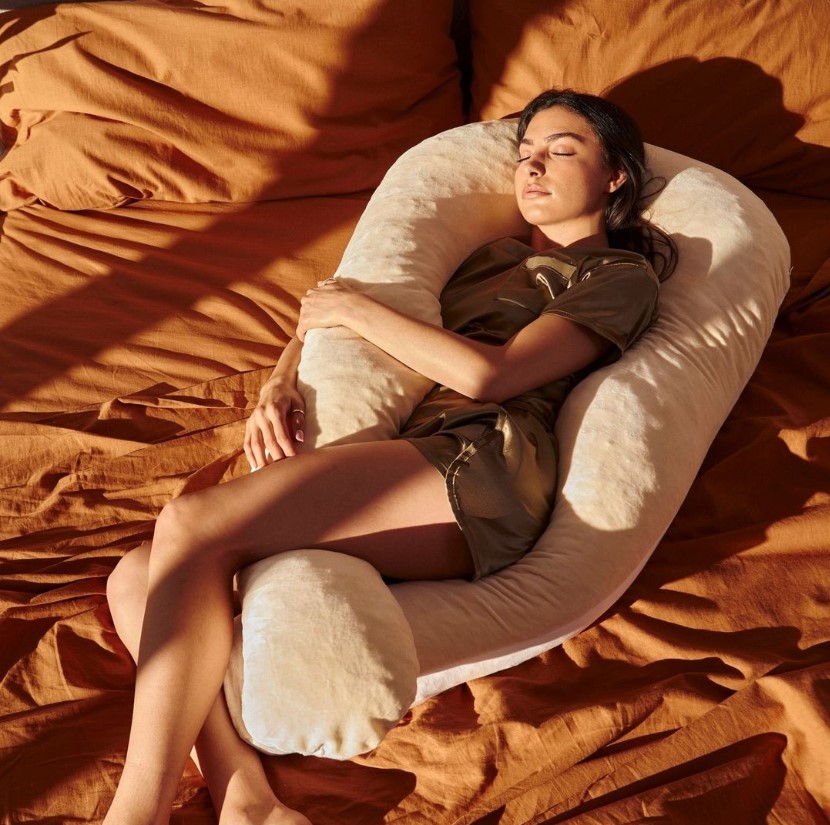
2Yana Sleep 360 Body Pillow

This 360 degree, weighted, whole body hugging pillow is so dreamy that you’ll be slipping off into blissful sleep in no time. Not only that, but Yana Sleep is AAPI- and women-owned, made from organic cotton and bamboo velour that’s both sustainable and luxe, and made with cooling technology. This VegNews Editor can personally attest to its quality and zzz-inducing effects.

LEARN MORE

TRU_N300_Bedroom_07 Emily K

TruSens

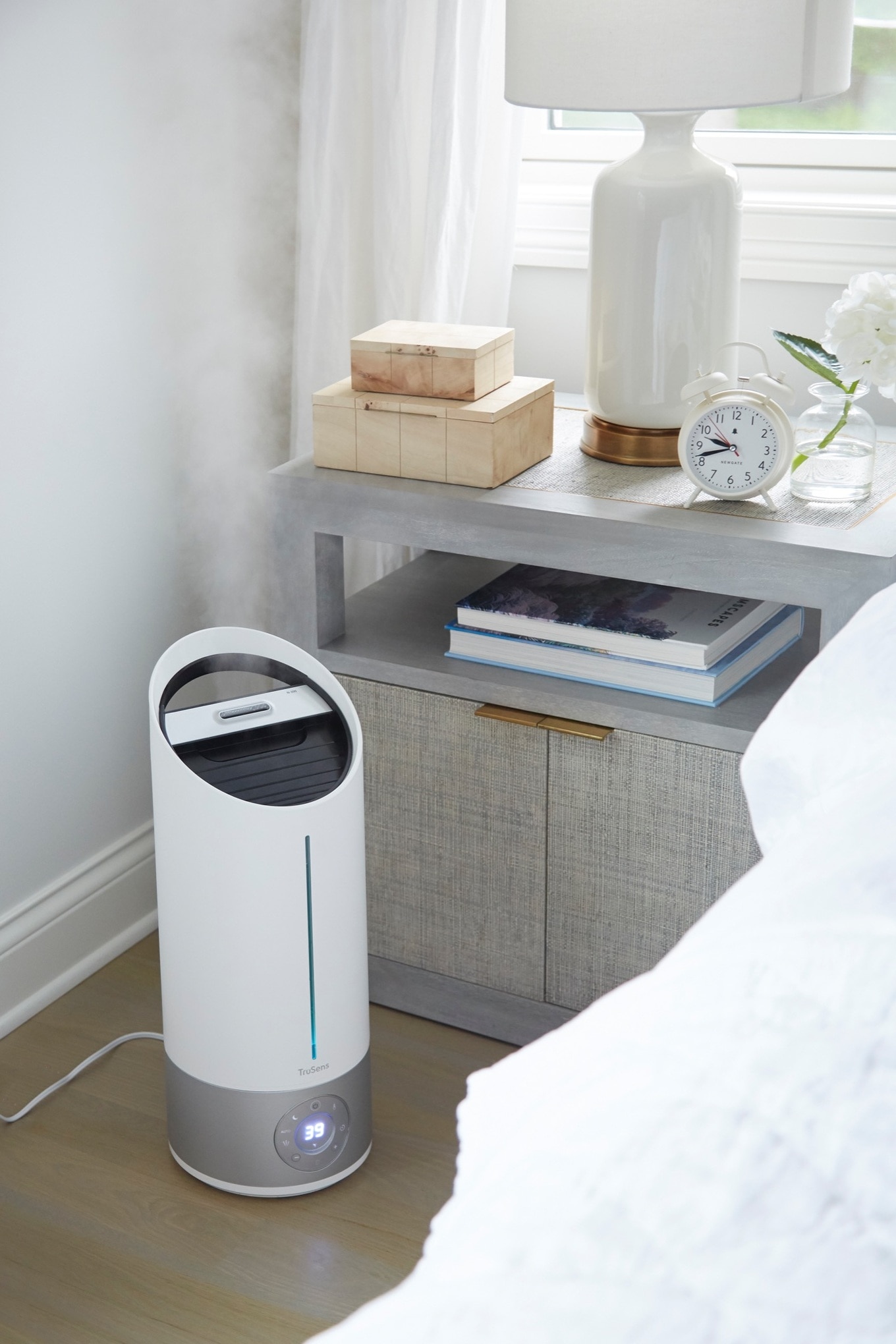
3TruSens Ultrasonic Humidifier

Avoid waking up with a dry, scratchy throat and irritated, dry skin when you have this quiet device humming by your bedside. A high-performance water filter emits a clean, soothing mist and a UV-C light kills bacteria in the mist. We love that we can keep a remote on our bedside table to control it to our liking from the comfort of our bed. 

LEARN MORE

VegNews.Loftie

Loftie

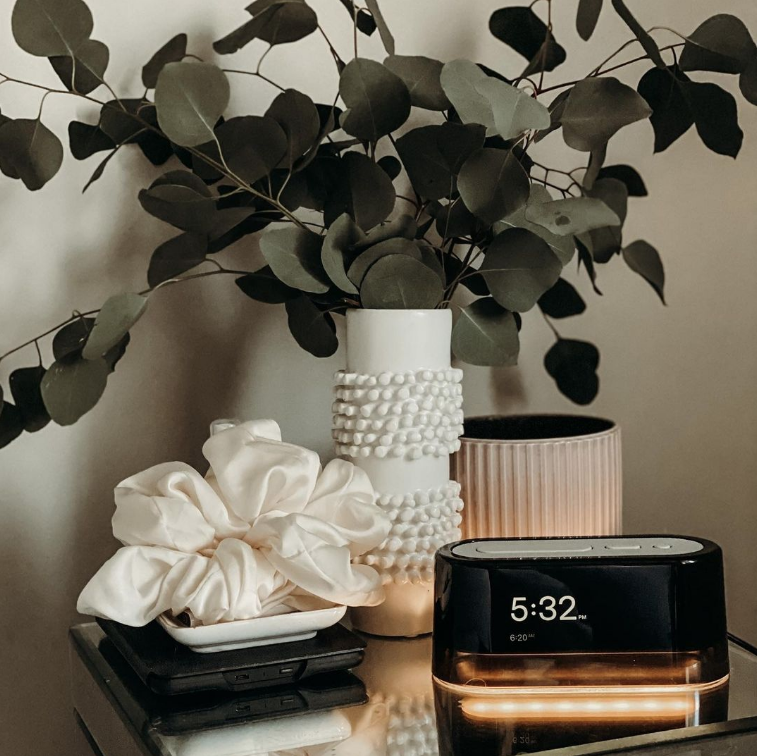
4 Loftie Bluetooth Alarm Clock

Say goodbye to your harsh, blaring smartphone alarm clock forever with this two-phase alarm made with professionally crafted non-alarming alarm tones. Plus, the white noise and soundbath functions help ease you into a deep night’s sleep and ensure you stay peacefully asleep through the night.  

LEARN MORE

VegNews.HoneydewHoneydew

5 Honeydew Pillow

The ideal balance of soft, cool, and responsive no-pressure-support is achieved in this next-level pillow. Specifically designed for side sleepers, this neck-supporting pillow eliminates painful neck aches from sleeping and ensures a restful night’s sleep. Even better? It’s made from synthetic materials so no animals were harmed in the making of your much-needed R&R.

LEARN MORE

VegNews.Gaia

Gaia Herbs

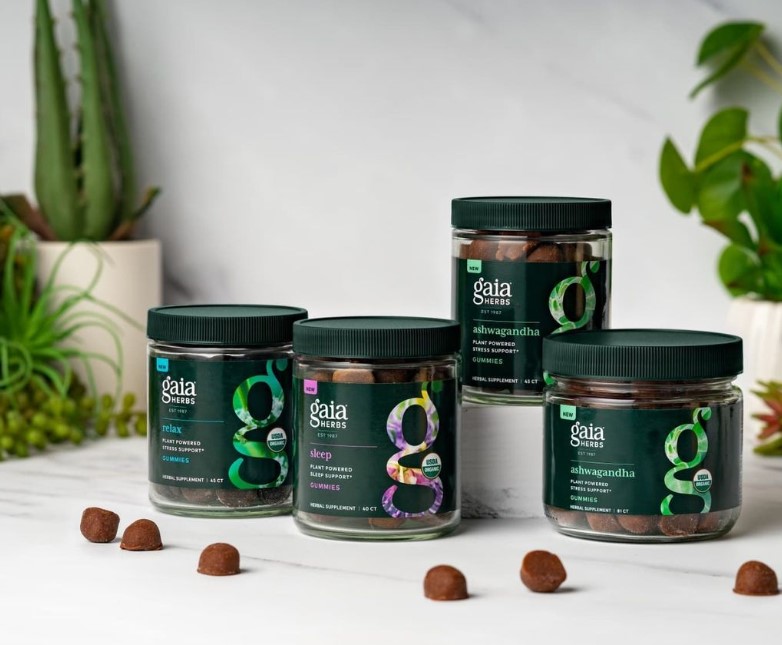
6Gaia Herbs Sleep Gummies

The powerful combination of ashwagandha and passionflower in these chewy, gelatine-free gummies combine to get you ready to drift off to dreamland in no time at all. Sweetened with apple and tart cherry and flavoured with sweet orange oil, these all-natural sleep aids are as tasty as they are effective.

LEARN MORE

VegNews.chocolate

YES Cacao


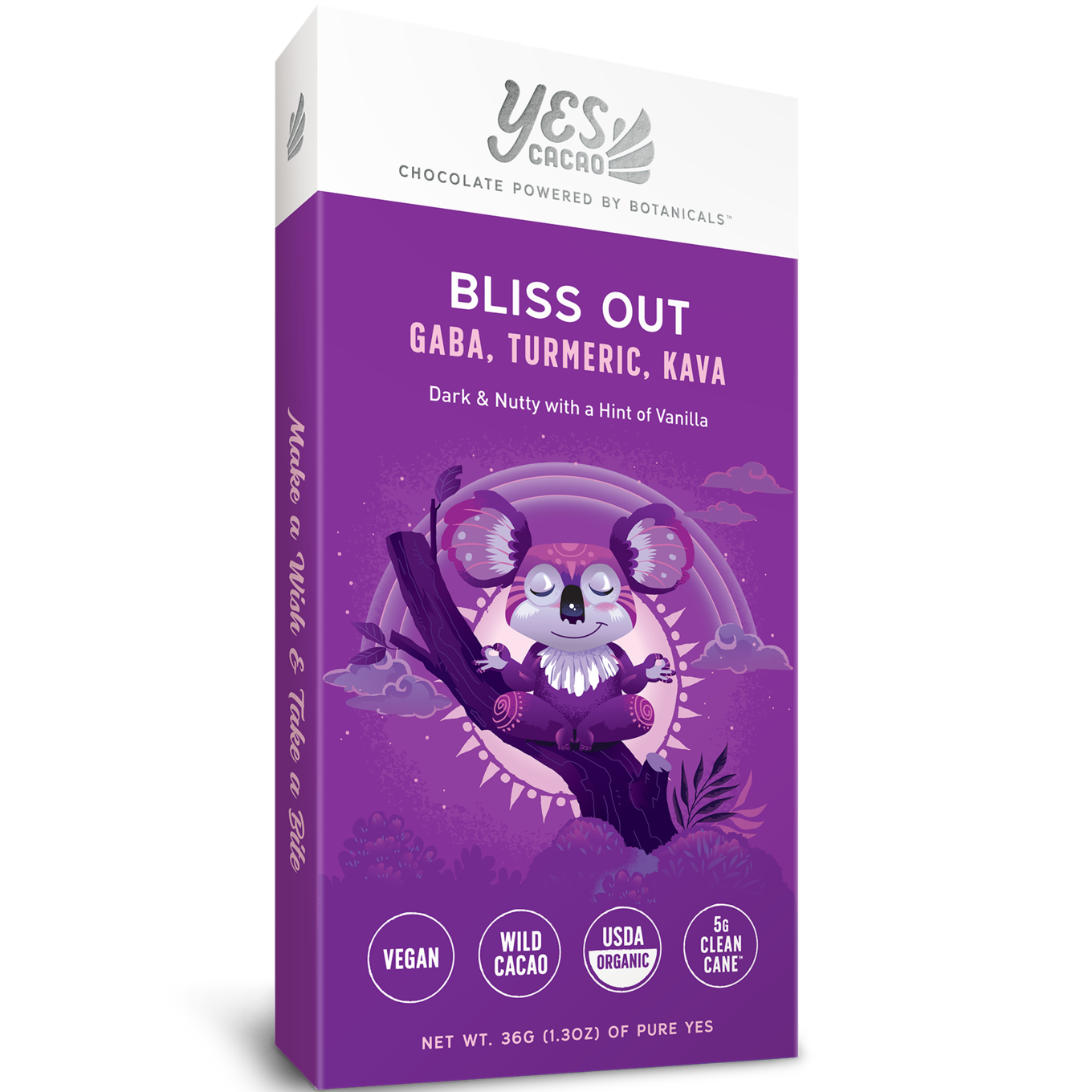
7Bliss Out Chocolate Bars

Skip the melatonin. Eat chocolate instead! These YES Cacao bars turn to three key ingredients to help consumers achieve a more restful, peaceful slumber. Gaba, Blue Lotus, and Kava help reduce anxiety, boost mood and cognitive function, and aid in accessing a tranquil state when consumed. They also use high-quality, organic, raw, wild-harvested cacao so you can reap the health benefits of cacao while getting a good night’s sleep. 

LEARN MORE

VegNews.Bearaby

Bearaby

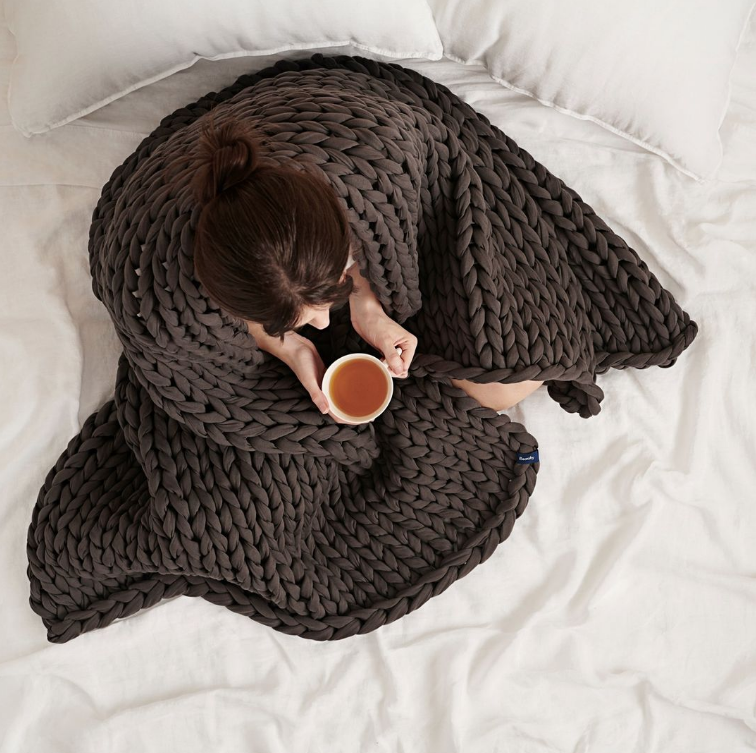
8Bearaby Chunky Knit Weighted Blanket


This thick, chunky knit organic cotton throw weighs up to 25 pounds (depending on the weight you choose) and feels buttery soft! The breathable knit prevents you from overheating in any season while the even weight distribution makes you feel all the calming effects of a weighted blanket. 

LEARN MORE 

VegNews.MadisonandWhite

Madison & White

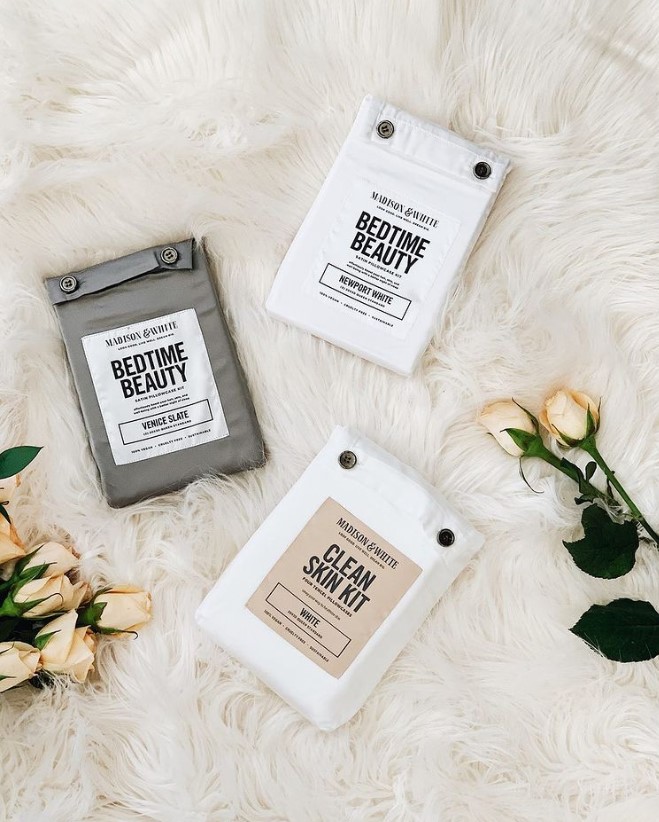
9Bedtime Beauty Satin Pillowcases

Many consumers turn to silk pillowcases to protect their precious locks, but this cruelty-free alternative utilizes satin to achieve the same effect without the dehydrating and friction-building effects of cotton. They help your hair retain moisture, save you from daily washes, and promote healthier locks so you can sleep deeper knowing you’ll wake up feeling great. 

LEARN MORE

VegNews.Osea

Osea

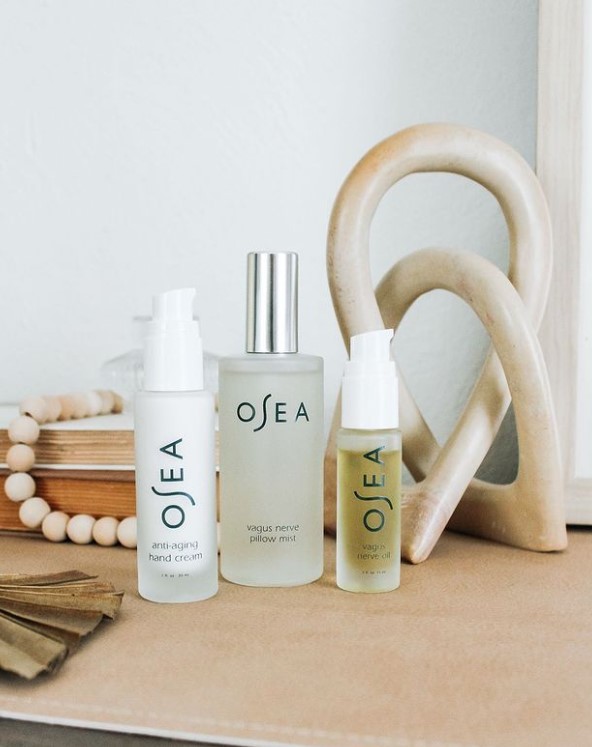
10Osea’s Vagus Nerve Pillow Mist

Lightly mist your pillows with this soothing, nerve calming mist before bed for a moment of aromatherapy. The vagus nerve activates the body’s relaxation response and helps regulate stress, so each spritz of this luxe spray ensures relaxation and calm.

LEARN MORE

VegNews.HumNutrition

Hum Nutrition

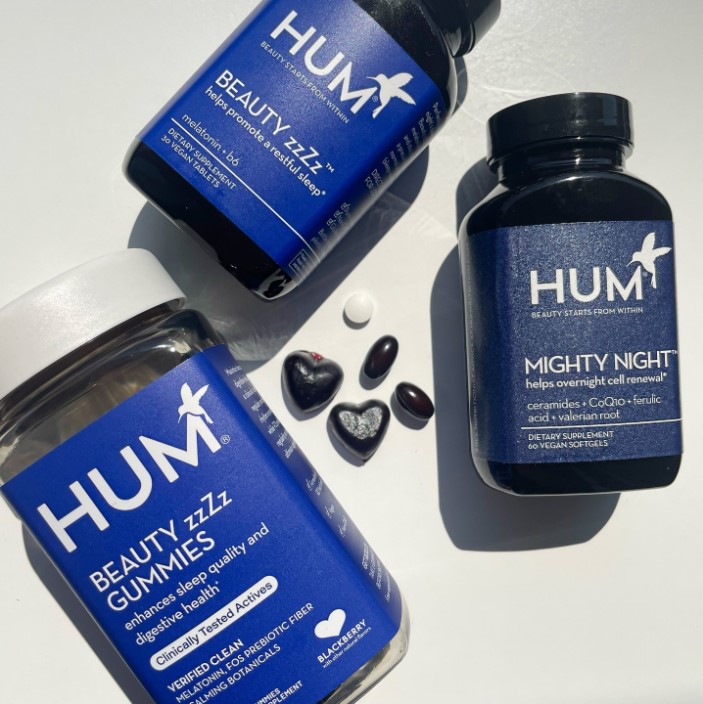
11Hum Nutrition Beauty ZZZZ Gummies

Melatonin, prebiotic fibre, and calming botanicals (think chamomile, lemon balm, and passionflower) are packaged up in one soft, sweet, and chewy gelatine-free gummy that’s ready to drift us off into dreamland. Not only are they helpful for a good night’s sleep, but they’re also kinder to the environment, by preventing the equivalent of 4 plastic bottles from littering the ocean with each one bottle of gummies. 

LEARN MORE