Showing posts with label quorn. Show all posts

Thursday, December 26, 2024

Tofu, Tempeh & Alt-Milk Take the Reins As UK Sales of Plant-Based Meat Slide

From greenqueen.com.hk

Brits are buying fewer meat alternatives out of a fear of ultra-processing, which has made traditional proteins like tofu and tempeh the darlings of the UK plant-based industry.

In March, the UK’s biggest supermarket made a prediction for the “second phase” of the plant-based industry: it was going to be a year for whole foods and whole cuts.

Tesco’s forecast couldn’t have been more on point, with whole-muscle steak maker Juicy Marbles and tempeh producer Better Nature the fastest-growing plant-based brands in the UK this year, running against the tide of a wider decline for meat-free products.

NielsenIQ data for The Grocer’s 2024 Top Products survey shows that the value sales of meatless products dropped by 7% this year, while volumes were down by 8.7%. The fall accompanied losses for the three biggest players in Quorn (-9.5%), Linda McCartney (-17.6%), and Richmond (-5%).

But industry giant Beyond Meat and challenger brands like THIS and La Vie have had a good 2024, as have tofu makers The Tofoo Co and Clearspring. And plant-based milk giants Alpro and Oatly both witnessed gains in the dairy sector, raking in more sales than all other companies bar Arla-owned Cravendale.

It comes months after Circana data crunched by the Good Food Institute Europe found that the UK was among the only two analysed European markets where plant-based sales fell. But while weekly unit sales of meat analogues fell by 7% in early 2024, this was lower than a 12% decrease last year.

It mirrors trends from The Grocer’s corresponding survey last year, when meat-free sales fell by £38.4M – this year, the downturn slowed slightly, reaching £37.9M.

Market saturation has been an industry barrier

Quorn’s losses have been widely documented, with its parent company Marlow Foods (which also owns Cauldron Foods) recording its lowest sales in six years. It recently had a change at the helm, with former Heineken UK managing director David Flochel taking over as CEO.

“We are still very confident that the meat alternatives sector will return to growth over the next couple of years and market predictions reinforce this,” Gill Riley, consumer director at Quorn, told The Grocer. “Sustainability and health influences will become even more prevalent in purchase decisions, and financial pressures will hopefully ease for many shoppers as inflation decreases and people settle into new habits of spending.”

There are two major obstacles identified for the plant-based meat slide. Industry experts put the blame on market saturation. “The initial plant-based meat hype has led to an explosion of companies churning out plant-based products just to lay a stake in the category,” Vladimir Mickovic told the publication.

He is the co-founder of Juicy Marbles, the fastest-growing brand this year. It makes ultra-realistic whole-cut steaks, and witnessed a 616% hike in sales. “Many of these products – if not most – were really, really bad,” he said, adding that the overall decline is a “necessary contraction” that will leave behind only the “good players”.

It echoes the sentiments of Impossible Foods CEO Peter McGuinness, who told Bloomberg in May: “There are a lot of companies that are making food that’s not great food. There’s 200 plant-based companies in America – probably only need three, or two… You’re going to be left with a couple of brands and private labels, and that’s going to be the category.”

                                                                                Courtesy: The Tofoo Co/Green Queen

UPF concerns have paved the way for tofu

The other main deterrent of plant-based meat is the growing apprehension around ultra-processed foods (UPFs). Misleading narratives have led consumers to associate these foods with nutrition, putting meat alternatives in the firing line.

UPFs make up 57% of the average Brit’s diet, and up to 80% when it comes to children or people with lower incomes. And polling has shown that 53% are in favour of a tax on UPF producers, if some of the revenue is directed to funding fresh fruits and vegetables for low-income families.

“While some shoppers have turned away from meat substitutes for being highly processed, tofu is seen as more natural, giving the likes of The Tofoo Co an edge on rivals,” NielsenIQ senior insight analyst Carol Ratcliffe told The Grocer.

It has been a milestone year for The Tofoo Co, which was acquired by German private equity firm Comitis Capital in August following sustained growth in an otherwise faltering category. The start-up is the fourth-largest plant-based brand in terms of sales, which grew by nearly 19% in sales this year, reaching £29M.

David Knibbs, co-founder of the company, spoke to The Grocer about being vindicated that tofu, which was “once shunned by so many for being bland, boring and tasteless, has been accepted into consumers’ fridges as a staple natural alternative protein”.

Indeed, tofu’s presence in the UK expanded in 2023, being purchased by 8.7% of households, with The Tofoo Co a chief contributor to this growth. But the company also makes other traditional plant proteins like seitan and tempeh.

Tempeh, clean-label meat analogues, and alt-milk on the rise

Tempeh’s status elevated this year, thanks in large part to Better Nature, whose sales grew by 476%, albeit from a small base. “We still have such a long way to go and so much more that we want to do,” co-founder and co-CEO Elin Roberts said. “But 2024 has undoubtedly been a brilliant year for us.”

The gut-friendly, protein-packed Indonesian staple has found its own in British households looking for clean-label proteins. As have companies catering to this demand for shorter ingredient lists – La Vie has had a stellar year with big partnerships in Europe, a €25M funding round, and listings at Tesco and Sainsbury’s. Targeting flexitarians, its sales in the UK have nearly doubled, although they’re still in the single-digit millions.

THIS, however, isn’t that far down the list. It raised £20M in a Series C round in June to fuel its drive to commercialise healthier products, and rounds out the top five in The Grocer’s Top Products survey, clocking £21.7M in sales, courtesy of a 32.7% growth.

New CEO Mark Cuddigan hinted at the development of a new vegan superfood ingredient that consumers can use in several ways – it’s said to be like tofu, but with more nutritional value than anything on the market right now.

In the dairy world, meanwhile, Danone-owned Alpro is the second-largest brand in the overall milk sector, with £160.3M in sales after a 2% growth.

Oatly is next on the list with a 1.3% rise to £123.4M, demonstrating the popularity of plant-based milk in the UK. After all, 35% of British households are now buying these products.

https://www.greenqueen.com.hk/tofu-tempeh-alt-milk-take-the-reins-as-sales-of-plant-based-meat-slide-in-the-uk/

Monday, April 15, 2024

Kick the Chicken Habit With These 9 Storebought Nuggets and 5 Recipes

From vegnews.com

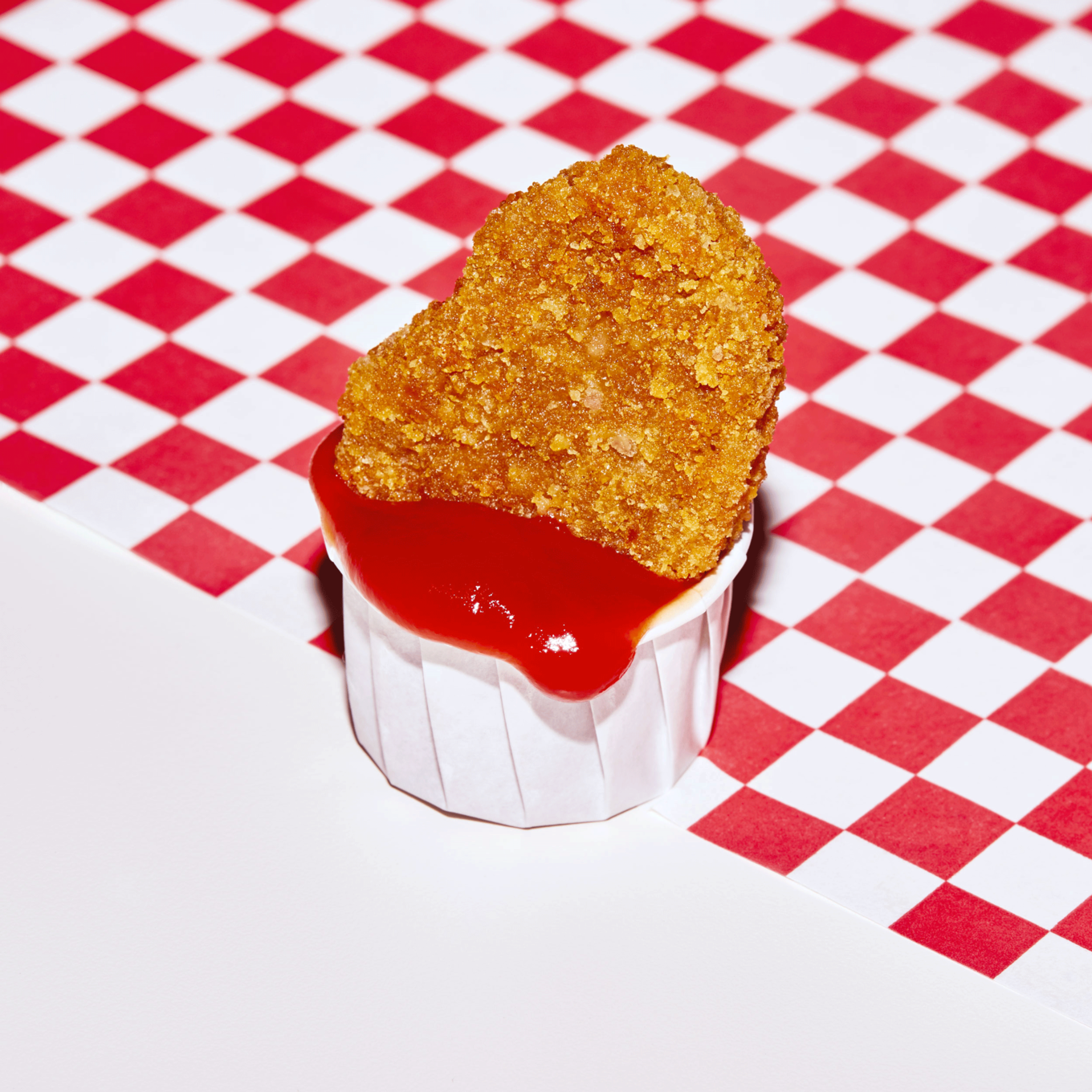
Chicken nuggets might be tasty, but they come with a lot of ethical and environmental problems. Enter: vegan chicken nuggets

The 20th century was full of exciting food innovations. We’re talking chocolate chip cookies, nachos, instant noodles, Oreos, and chicken nuggets (so, basically, the late-night snack market boomed). All of these food creations remain popular today, but the latter was particularly revolutionary. Created by inventor Robert C. Baker in the 1950s, chicken nuggets have become a fast-food favourite, a supermarket staple, and a pop culture phenomenon. In 2020 alone, Americans ate more than 73 billion of them.

But the nugget market is starting to change; today’s food scientists have taken Baker’s original invention and developed it further. Now, many brands sell nuggets that look, cook, and taste like the original recipe, only they’re totally chicken-free. These vegan nuggets are far better for the environment (and for the animals) than chicken. And as more people choose to leave meat off their plates—more than half of young Americans describe themselves as flexitarian—they are growing in popularity.

Here, we’ve put together a helpful guide to vegan chicken nuggets, from which brands to buy to how to make them at home. But first, let’s take a closer look at the issues with regular chicken nuggets.

Are chicken nuggets healthy?

Due to the fat content, chicken nuggets aren’t a healthy choice. But that said, most people aren’t buying them under the impression they are nutritious. Research suggests they contain nerves, bones, and connective tissue, as well as a lot of fat. One analysis published in The American Journal of Science, which tested nuggets from two fast-food chains, notes: “Chicken nuggets are mostly fat, and their name is a misnomer.” However, chains dispute this. McDonald’s claims its nuggets are “made with all white meat chicken.”

VegNews.DaringFoodsChickenNuggetDaring Foods

Putting health aside, there are a few other major problems with chicken nuggets. For starters, there is the environmental impact of intensive chicken farming. The dramatic increase in the popularity of nuggets and other chicken-based fast food and convenience items has led to a boom in poultry farming. According to Greenpeace, in 2019, there were 30 chickens for every 10 people on the planet. And feeding all of these animals takes a lot of resources.

According to the BBC’s climate food calculator—which is based on a major food production study from the University of Oxford and Zurich’s Agroecology and Environment Research Division—eating chicken once or twice a week contributes 106 kilograms of emissions and uses more than 7,130 litres of water. This isn’t as bad as beef, but it’s still substantial, especially when compared with the same amount of beans, which contribute just seven kilograms of emissions and use more than 1,905 litres of water.

But one of the biggest issues with chicken farming is the feed; it contains soy, a crop that is causing mass deforestation. Nearly 80 percent of soy is grown to feed livestock animals. Research suggests that between 2001 and 2015, the crop replaced 8.2 million hectares of forest around the world.

Plant-based nugget ingredients

When it comes to nuggets, there really is no need to eat chicken. Because nowadays, the vegan versions are so convincingly chicken-like anyway, you can get the exact same taste, texture, and overall experience, without the need for animals.

The ingredients that go into a vegan nugget can vary, but for the most part, brands use soy or pea protein, both of which have a meaty texture when processed. Quorn, which has won awards for its realistic-tasting vegan chicken products, makes its nuggets out of mycoprotein, a type of fermented fungi.

Vegan chicken nugget brands

If you’re feeling inspired to put some vegan chicken nuggets to the taste test, here are some of the plant-based brands you could buy them from.

1-VegNews.ChickenNuggets.ImpossibleImpossible Foods

1Impossible Foods

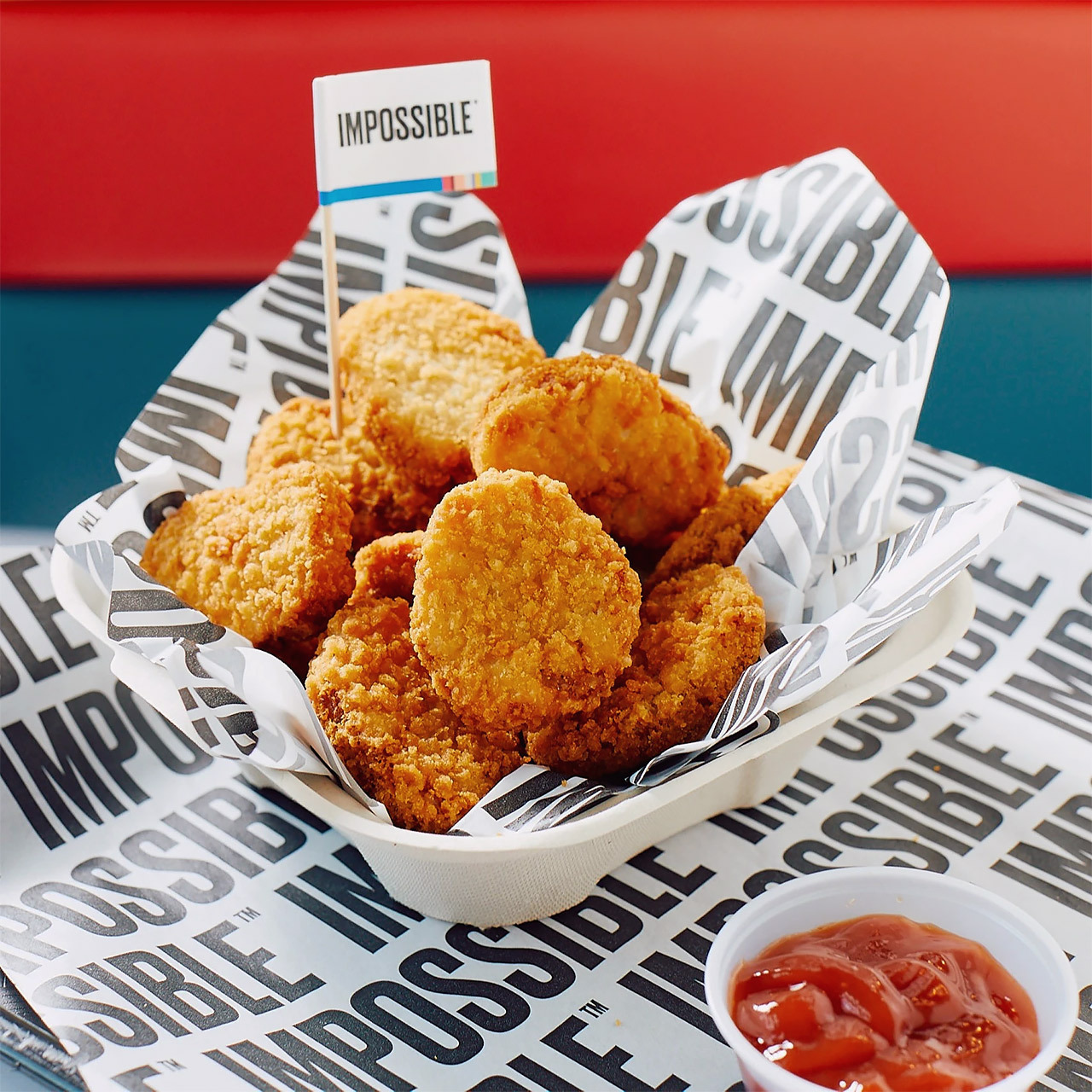
California-based Impossible Foods is known for its meaty Impossible Burger, but it also sells vegan Impossible Chicken Nuggets, too. Launched last year, the brand claims its product is nearly indistinguishable from the real thing. It states that in one blind test, seven out of 10 meat-eating consumers preferred Impossible nuggets to chicken nuggets. The brand also claims its vegan nuggets use up to 49-percent less land, 44-percent less water, and generate 36-percent fewer emissions than chicken.
CHECK IT OUT

2-VegNews.ChickenNuggets.BeyondMeatBeyond Meat

2Beyond Meat

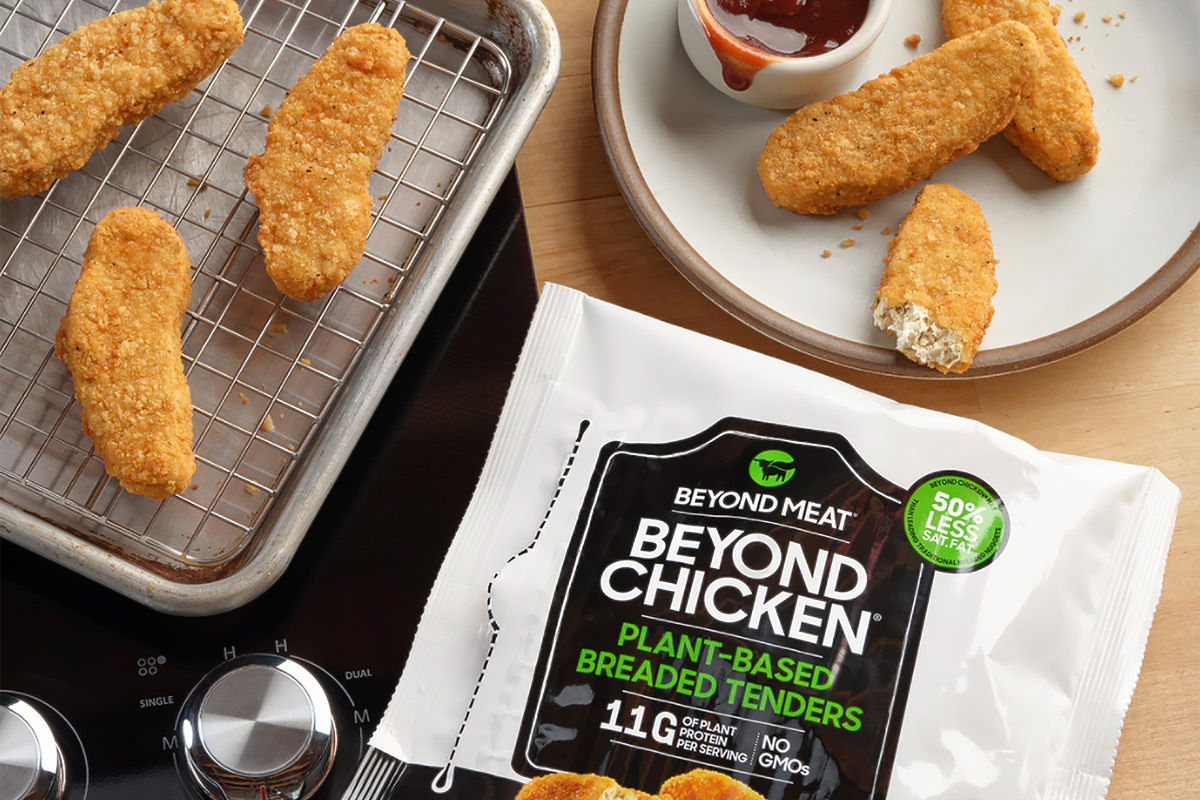
Again, Beyond Meat made its name from realistic beef-like burgers, but has since moved into the vegan chicken market. It offers three vegan chicken products, including Plant-Based Breaded Tenders, Beyond Popcorn Chicken, and Beyond Chicken Nuggets. The latter packs in 14 grams of protein per serving, and has 50-percent less saturated fat than a standard chicken nugget. 
CHECK IT OUT

3-VegNews.ChickenNuggets.AlphaFoodsAlpha Foods

3Alpha Foods

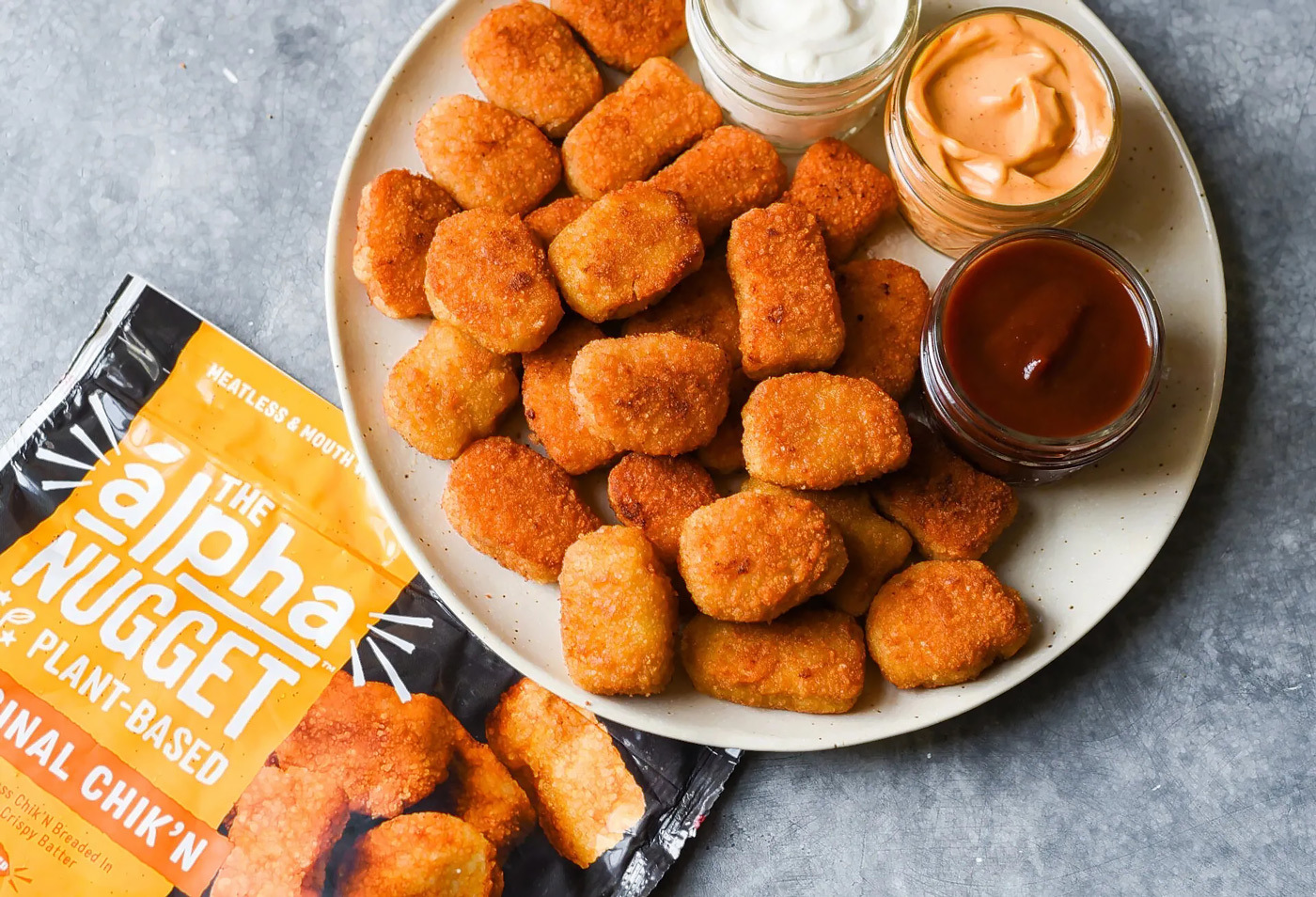
Alpha Foods has three main goals: happy animals, happy planet, and happy humans. And from burritos to meatballs, all of its plant-based products are in service of this main mission. Its nuggets are no exception. Choose from the brand’s Original Chik’n Nuggets, which it claims are a good source of protein and fibre, or if you want something with a bit of an extra kick, try its Sizzlin’ Spicy Chik’n Nuggets.
CHECK IT OUT

4-VegNews.ChickenNuggets.DaringDaring

4Daring

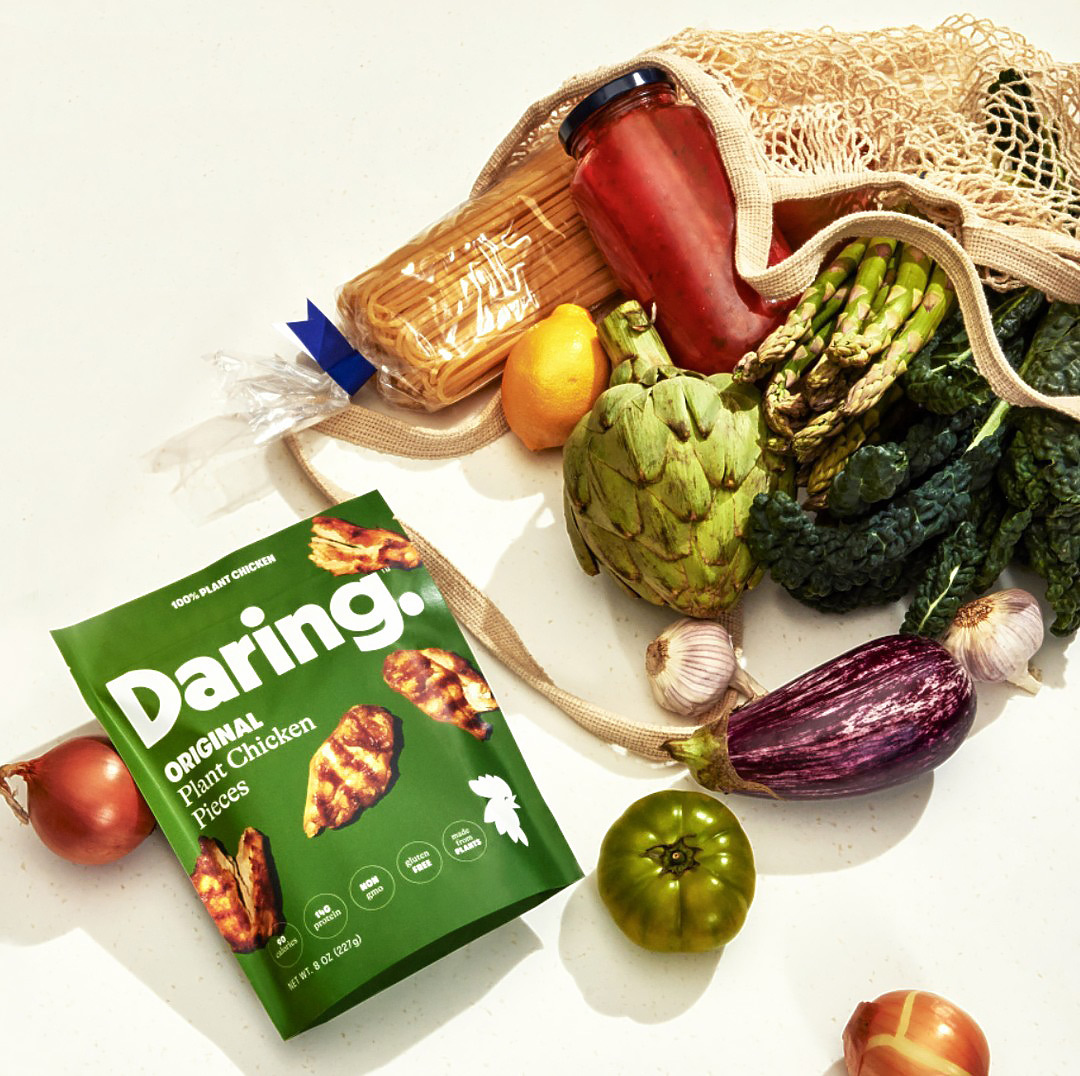
Unlike some of the other brands on this list, Daring started out totally focused on cracking the vegan chicken market. The company is still relatively new but is already witnessing major success. In 2020, it raised $8 million for product development and expansion. Its range includes Plant Chicken Pieces with different spices and coatings, including a breaded nugget-style option.
CHECK IT OUT

5-VegNews.ChickenNuggets.SimulateSimulate

5Simulate

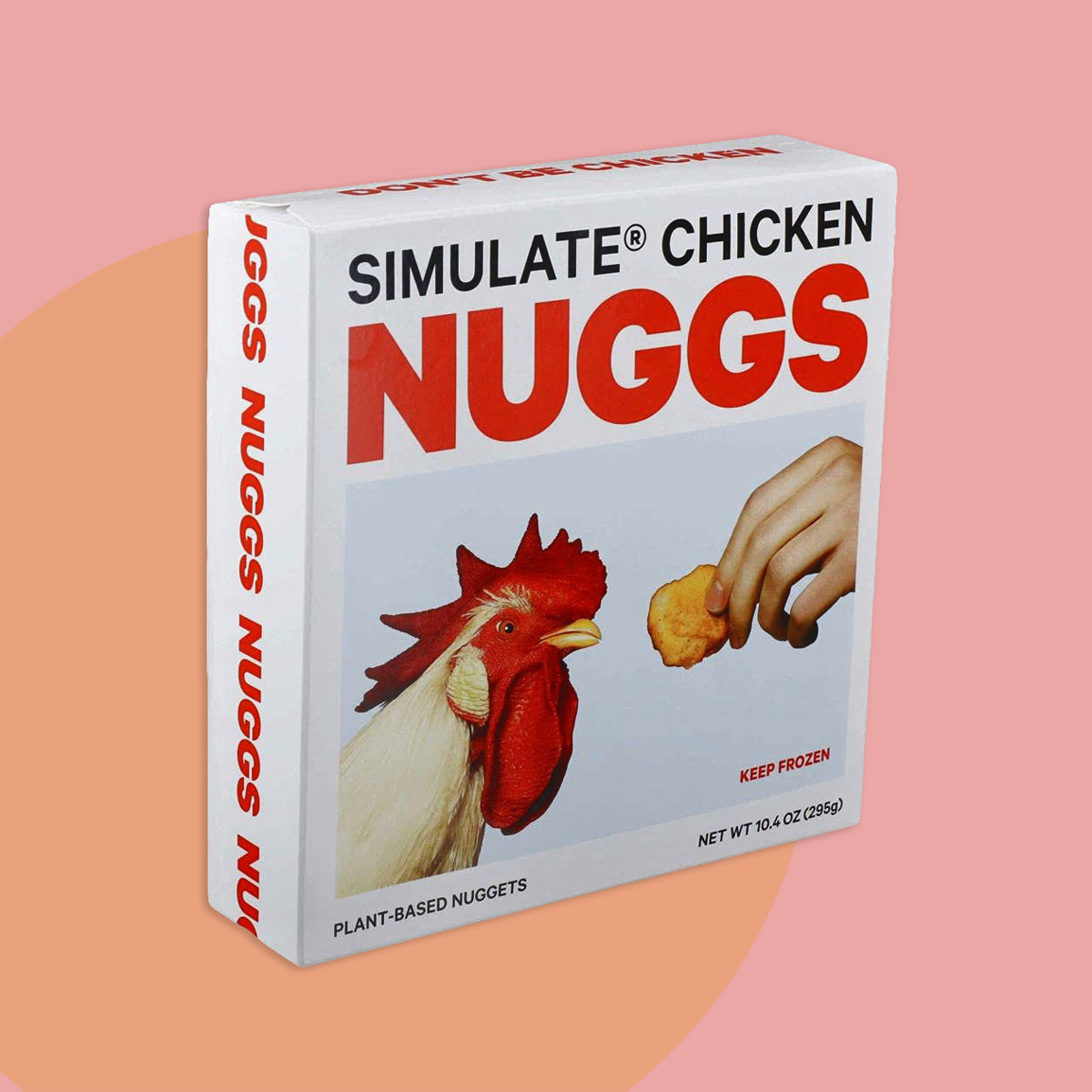
Simulate, which used to be known as Nuggs, has always embraced a science-led approach to food. To be as close to chicken as possible, the brand’s product is highly processed. And it doesn’t shy away from that fact, which is proudly displayed on the packaging. Its hyper-realistic vegan chicken range includes Tenders, Nuggs, and Spicy Nuggs.
CHECK IT OUT

6-VegNews.ChickenNuggets.GardeinGardein

6Gardein

Whether you want fish, beef, pork, turkey, or chicken-style plant-based meat, Gardein has you covered. The brand has been building its extensive portfolio since 2003, and today it offers several different breaded vegan chicken options. As well as its Ultimate Plant-Based Chick’n Nuggets, you can also try Nashville Hot Chick’n Tenders, Seven Grain Crispy Tenders, and Chipotle Lime Flavoured Chick’n Tenders.
CHECK IT OUT

7-VegNews.ChickenNuggets.VegetarianButcherThe Vegetarian Butcher

7The Vegetarian Butcher

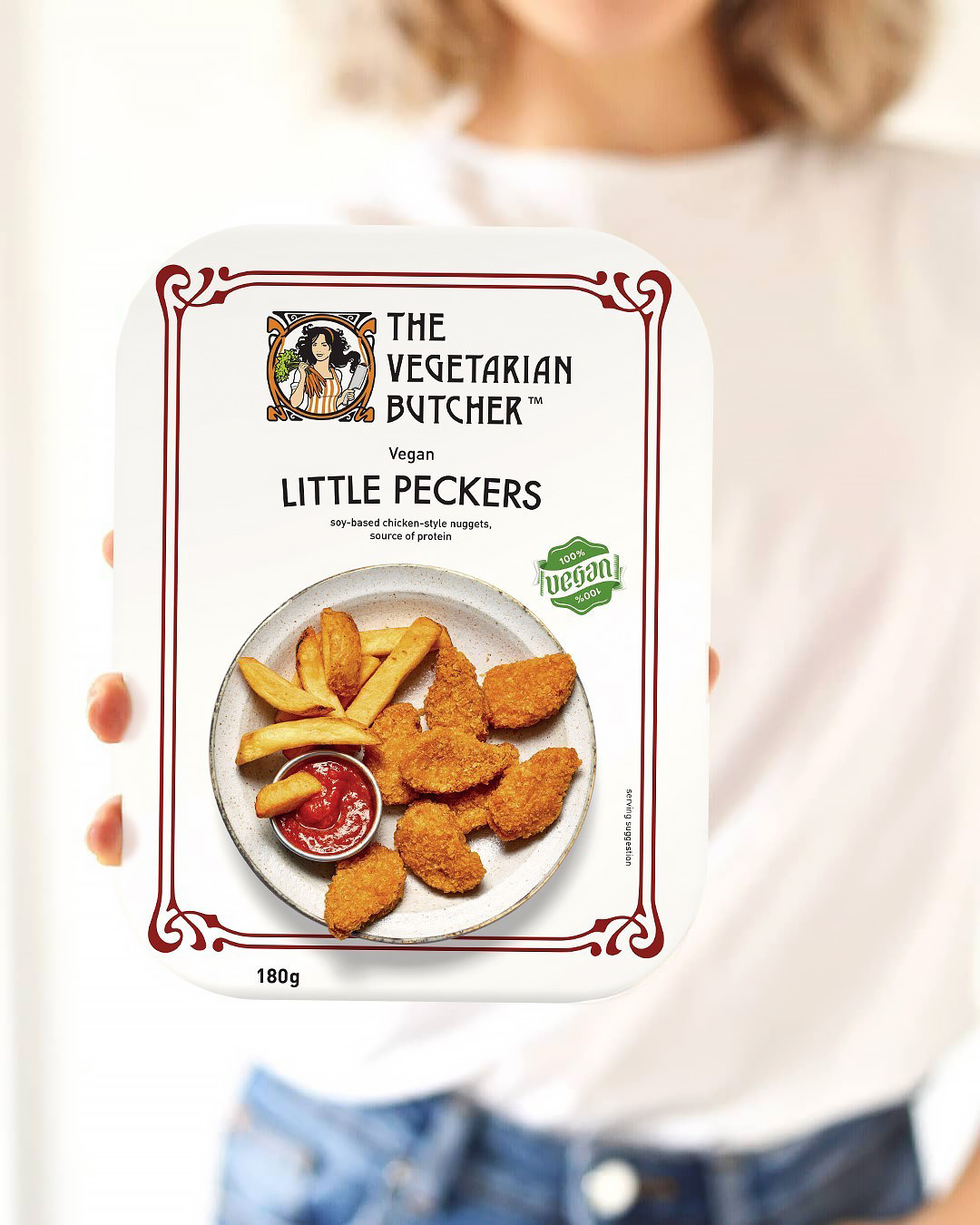
Dutch brand The Vegetarian Butcher is focused on creating plant-based meat products that are so close to the real deal, you’ll never feel the need to eat real animal meat again. The brand’s soy-based nuggets, called Little Peckers, even managed to convince Burger King to give them a go. UK customers can order them from all of the fast-food giant’s locations in the country.
CHECK IT OUT

8-VegNews.ChickenNuggets.QuornQuorn

8Quorn

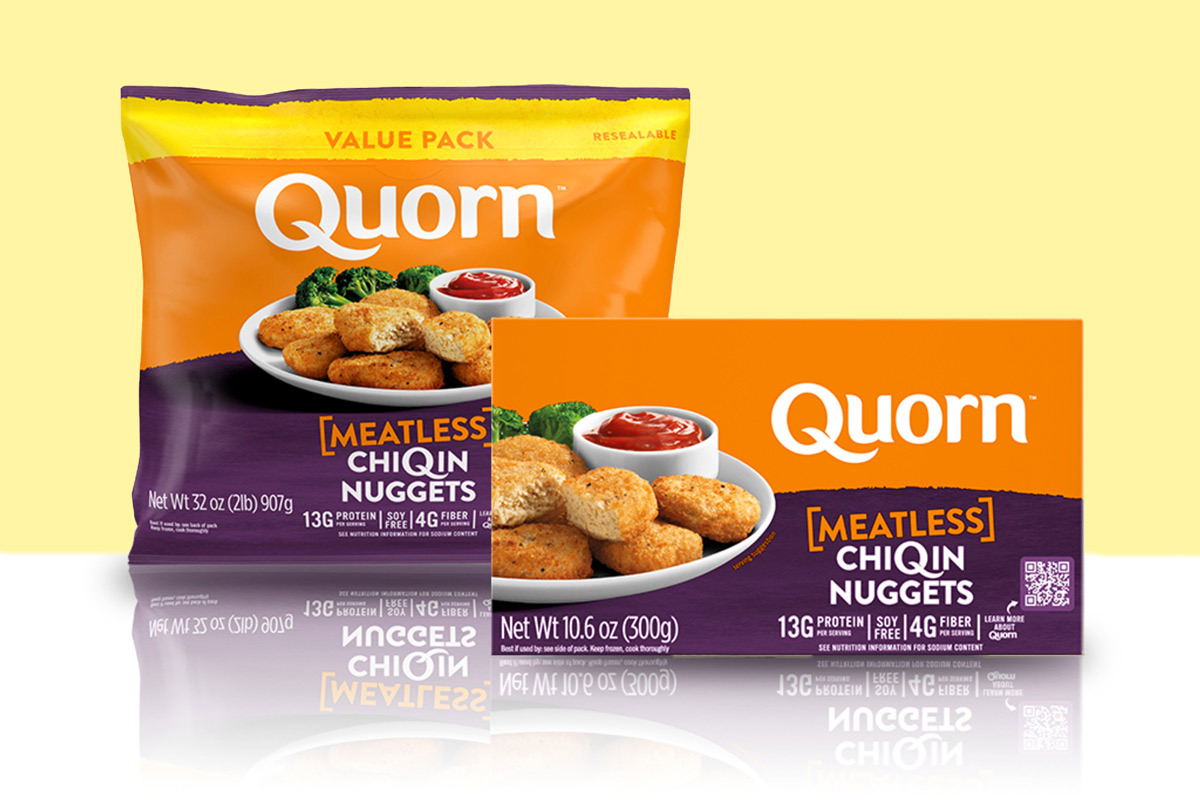
British brand Quorn has been making convincing vegetarian meat from mycoprotein since the 1980s. Its products are known for their distinct texture, which is very close to meat, particularly in its chicken range. The brand offers vegan dippers and nuggets. However, make sure you double-check the label before you buy, as some of its range includes milk and egg in the ingredients.
CHECK IT OUT

9-VegNews.ChickenNuggets.MorningstarFarmsMorningStar Farms

9MorningStar Farms

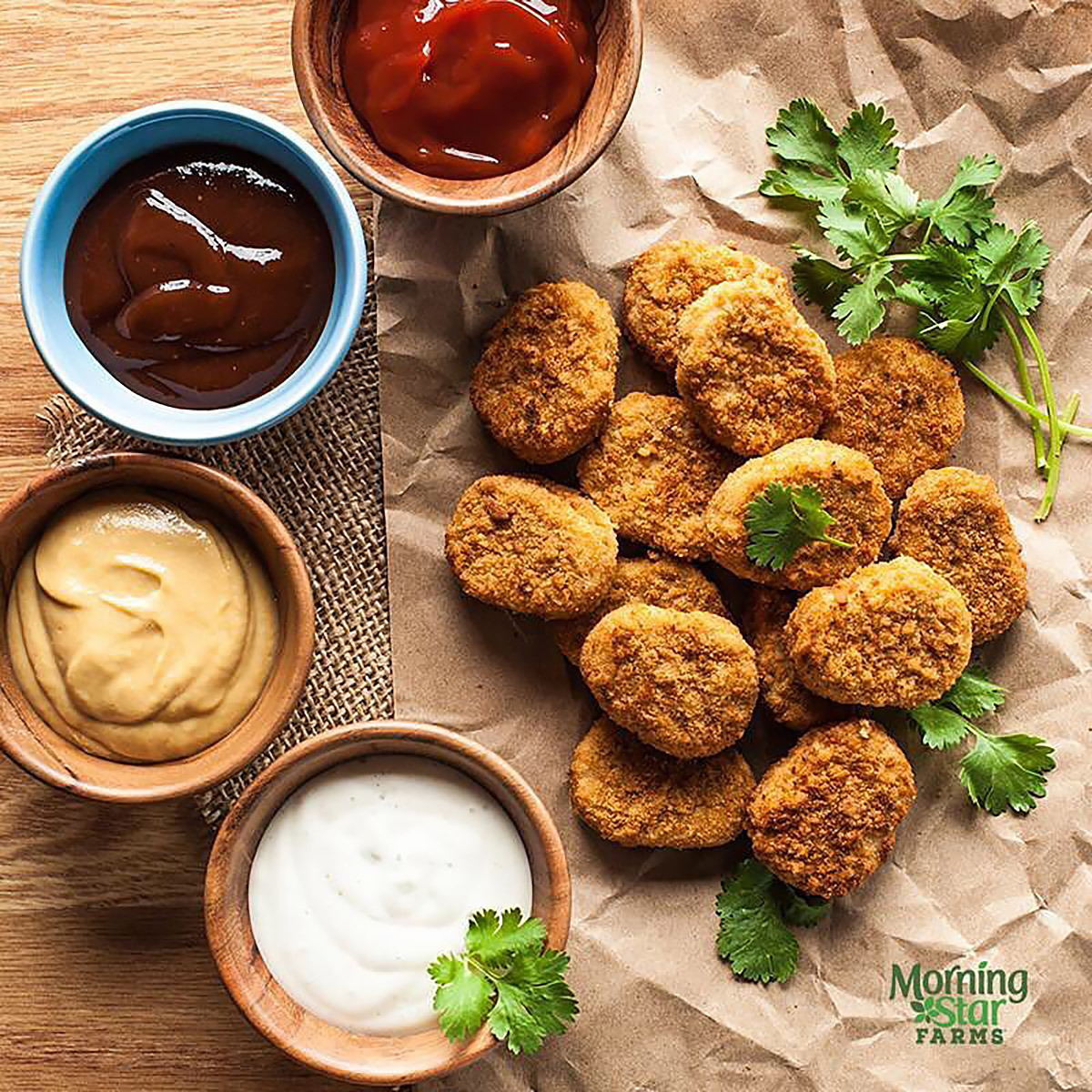
Originally founded in 1975, MorningStar Farms is now owned by Kellogg’s. It has a wide range of vegan nuggets, some of which are a little different from what you would usually find on the shelves. It offers several different flavours, including BBQ, Zesty Ranch, and Sweet Mustard.
CHECK IT OUT

Vegan chicken nugget recipes

It’s incredibly easy to pop down to your local supermarket and buy a bag of frozen vegan nuggets. But sometimes, you don’t want easy, you want rewarding, and maybe something a little less processed. If you fancy making your own nuggets from home, these recipes will help you do just that. 

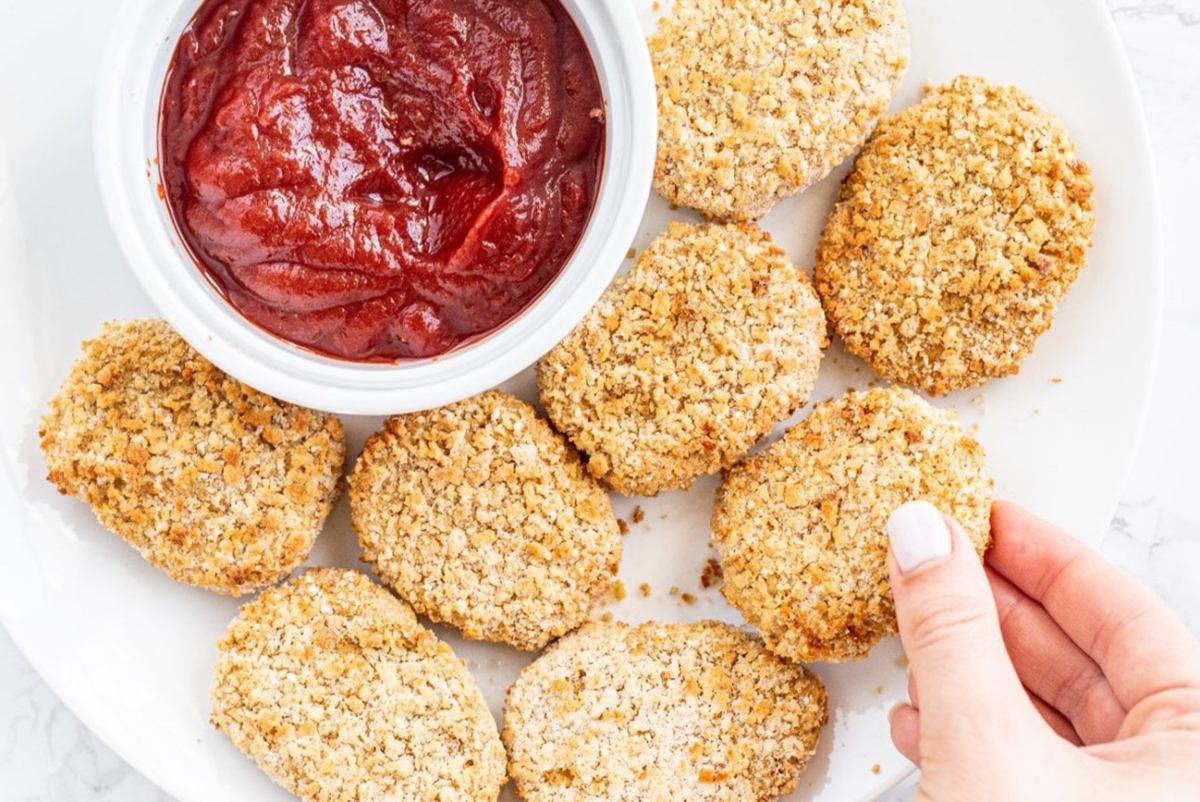
1-Vegan-Tofu-Nuggets-Crispy-CrunchyJessica in the Kitchen

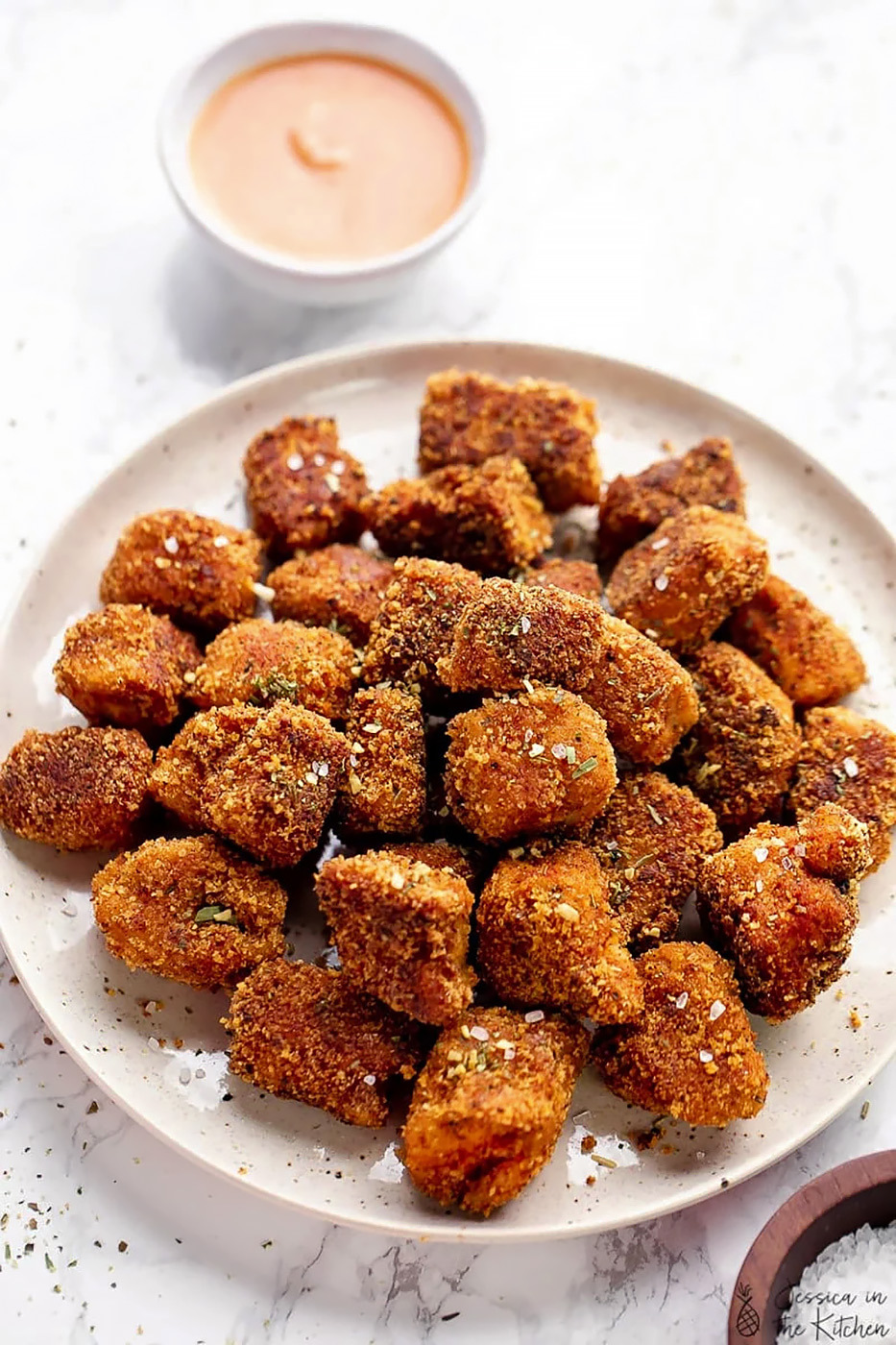
1Vegan nuggets with tofu

This recipe proves that, with the right cooking method, versatile tofu can taste just like chicken. But to really get that nugget experience, you have to have a crispy coating, too. While you can use breadcrumbs, this recipe also recommends blending up some crispy rice cereal for that ultra-satisfying crunch. 
GET THE RECIPE

2-seitan-chicken-nuggets-8Elephantastic Vegan

2Vegan nuggets with seitan

The juicy texture of seitan, which is basically just pure gluten, lends itself very well to vegan chicken recipes, which is why it forms the basis of this recipe. To make moreish (and nutritious) nuggets, combine it with herbs, spices, onion, garlic, and chickpeas. This recipe also calls for sparkling water, which sounds unusual, but will help to give your seitan a light and fluffy texture.
GET THE RECIPE

3-Mushroom-nuggetsNot That Kind of Vegan

3Vegan nuggets with mushroom

For those who prefer vegetables over mock meats, mushrooms are an excellent alternative for vegan nuggets. All you need to do is pulse them up with chickpea flour, seasoning, and salt, and you’ll be on your way to getting the right meaty texture. You don’t even need to cook them in oil, as these can be popped right in the air fryer.
GET THE RECIPE

4-ChickpeaNuggetsHealthy Girl Kitchen

4Vegan nuggets with chickpeas

If you love nuggets, but not all the processing that goes into store-bought options, this recipe will help to satisfy your cravings. Instead of vegan meat, chickpeas form the basis of these nuggets. And seriously, they’re so tasty, you won’t even notice the difference.
GET THE RECIPE

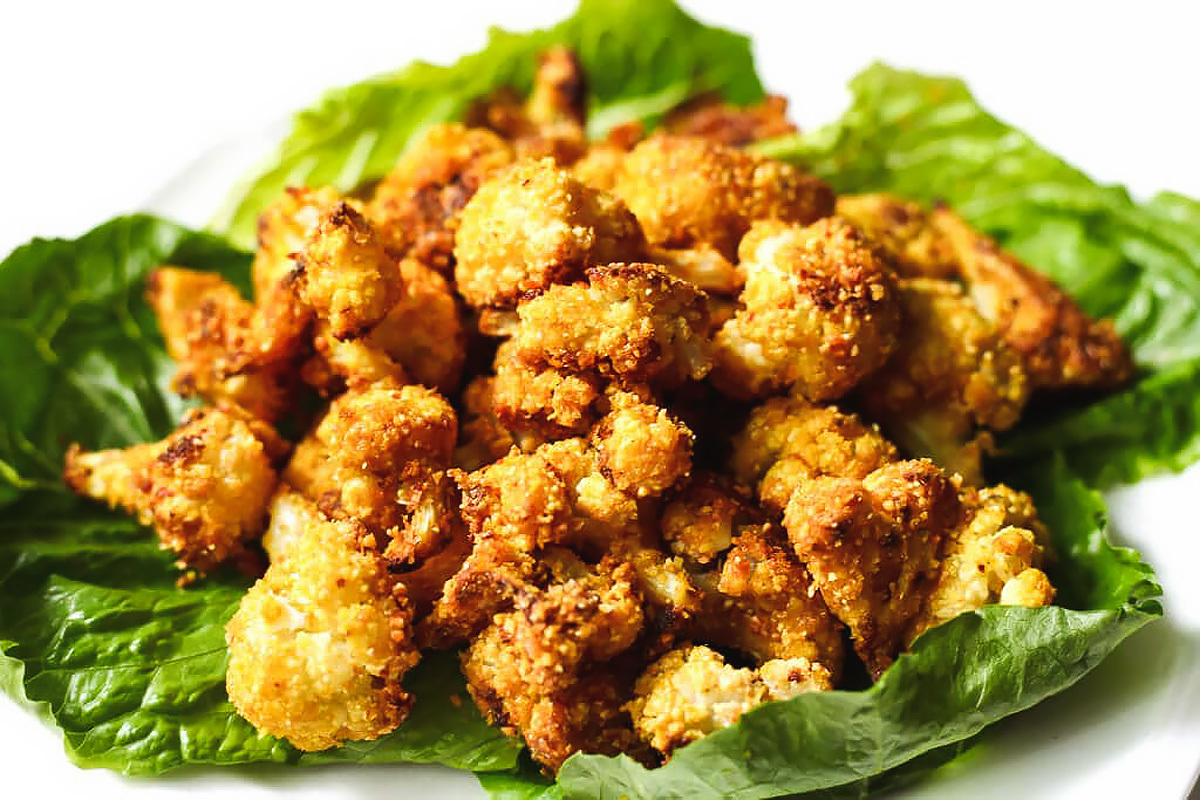
5-roasted-cauliflower-nuggets-2The Hidden Veggies

5Vegan nuggets with cauliflower

You’ve heard of cauliflower wings, but cauliflower nuggets are also a thing. This is a great way of sneaking in vegetables into your (or your children’s meals) without even thinking about the fact that you’re healthy eating. For the ultimate nugget experience, serve with buffalo or barbecue dip. Happy snacking!
GET THE RECIPE

https://vegnews.com/products/vegan-nuggets-best-brands-recipes


Friday, February 24, 2023

This Popular Vegan Meat Shows Surprising Benefits in Reducing Colon Cancer Risk

From vegnews.com

A new study links fungi-based meat to gut health benefits and a reduction in genotoxins known to cause colorectal cancer

Can eating fungi-based meat instead of animal-derived meat help stave off colon cancer? A new study conducted by researchers from Northumbria University looks promising. 

Published in the European Journal of Nutrition, the first-of-its-kind study examined the effects of swapping mycoprotein meat (a fungi-based meat) made by British brand Quorn in place of red and processed meat on genotoxin levels—the chemicals that cause cancers, including colon (which is also known as “bowel”) cancer. 

“Bowel cancer is the fourth most common cancer in the United Kingdom, with more than 40,000 new cases each year, and data consistently associates red and processed meat consumption with increasing people’s risk,” lead researcher Daniel Commane, PhD, Associate Professor in Nutritional Sciences at Northumbria University, said in a statement.

“As previous studies had identified that reasons for this enhanced risk include the fact that meat increases genotoxicity and, potentially, reduces fibre intake due to it commonly displacing plant foods, we wanted to explore the impact of switching meat for the fungi-based mycoprotein when it came to bowel cancer risk,” Commane said. 

In their exploration, researchers collected urine and stool samples from 20 adult males aged 18 to 50 who underwent two dietary phases: a two-week period when they consumed a daily amount of 240 grams (8.5 ounces) of red and processed meat, including beef steak, pork sausages, and ham slices. During the next phase, the participants consumed an equivalent amount of mycoprotein meats daily. A four-week wash-out period was conducted between the two phases.    

VegNews.Quorn

Quorn

What researchers found was that during the mycoprotein phase, genotoxins such as nitroso compounds (NOC) and p-cresol—chemical contaminants that have been found to be potential cancer risk markers—were significantly reduced. This phase also showed an increase in favourable gut bacteria such as Lactobacilli, Roseburia, and Akkermansia, all of which have been identified as protective against tumours, inflammation, and colon cancer.

The meat phase showed significantly different results, with elevated levels of the notable genotoxins and unfavorable gut bacteria that is linked to not only cancer but cardiovascular diseases, weight gain, and other negative health.

“The study showed that this dietary change delivers a significant reduction in genotoxicity and an increase in beneficial gut microbes,” Commane said. “Our findings suggest therefore that this high-fibre protein source provides a good alternative to meat in the context of gut health and could help to reduce long-term bowel cancer risk.”

Quorn’s mycoprotein meat

Quorn’s first products—made using a fungi microorganism called “Fusarium Venenatum”—came out in 1985. Using the process of microbial fermentation, the company has released a wide range of mycoprotein-based meatless grounds, sausage, chicken, and more. 

“This latest study adds to the growing body of evidence that the nutritious protein source that is mycoprotein offers substantial health benefits, protecting against a range of diseases and conditions,” Tim Finnigan, Scientific Advisor for Quorn Foods, said in a statement.

A number of organizations such as the International Agency for Research on Cancer and the World Health Organization have called to limit the consumption of animal meat due to its links to cancer. The new study strengthens this link and shows that replacements such as Quorn’s mycoprotein might help in mitigating risk. 

“With official dietary advice encouraging everyone to consume less meat to improve the health of people and our planet, alternatives such as Quorn’s mycoprotein, which has an excellent nutrition profile, being high in protein and fibre, low in saturated fat, and free from trans-fat and cholesterol, is really important,” Finnigan said. 

“While many meat alternatives are plant-based, mycoprotein is fungi-based which, emerging evidence suggests, brings a range of additional benefits to metabolic health,” he said. 

VegNews.DrewBarrymore.Quorn

Quorn

Quorn’s reach goes beyond the UK, with its products gaining traction stateside thanks to a partnership with Drew Barrymore. The brand named the iconic actress and television host its “Chief Mom Officer” last year to help Americans eat less meat—which, given the new study, has even more appeal. 

While Quorn has many vegan products, some of its meatless offerings are not vegan because they include animal products such as eggs. 

Vegan meat’s health benefits

While this study examined Quorn’s mycoprotein-based meats, plant-based meats have also been the subject of recent research.

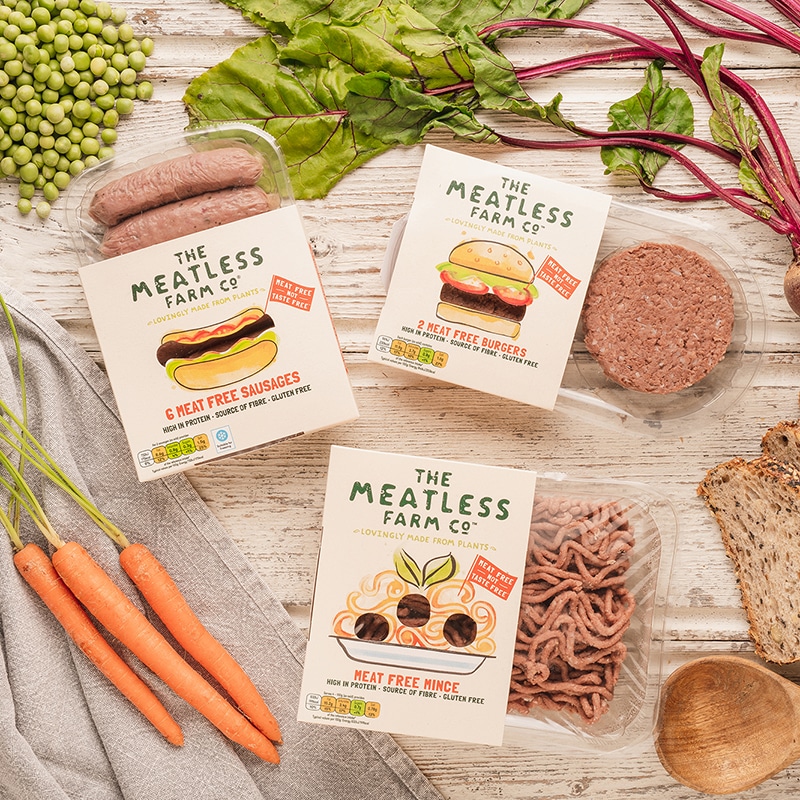
In a study published last year in the scientific journal Foods, researchers found that consuming five meals made with plant-based meats—in this case from British brand Meatless Farm—instead of those made with animal-derived meats resulted in improved gut health. Here, participants saw an increase in butyrate, a fatty acid that promotes good digestive health and lessens inflammation to protect against disease.

VegNews.VeganMeats.MeatlessFarm

Meatless Farm

On the flip side, research continues to bolster the link between consuming animal-derived meat and increased colorectal cancer risk. In August, a study conducted by researchers from Tufts University and Harvard University looked at the effects of ultra-processed foods on colorectal cancer risk. 

They found that men who consumed the most ultra-processed foods were at a 29 percent higher risk of colorectal cancer. Notably, the strongest association between colorectal cancer risk and ultra-processed foods among men came from meat, poultry, and fish products

Last year, The American Cancer Society entered a multi-year partnership with Beyond Meat to examine the role of vegan meat in cancer prevention with the aim of helping consumers make more informed choices about dietary patterns that optimize their health.

https://vegnews.com/2023/2/popular-vegan-meat-reducing-colon-cancer 

Wednesday, November 9, 2022

These Vegan Protein Sources Are Better for You and the Planet

From greenqueen.com.hk

“But where do you get your protein?” is a familiar question for most people who follow a vegan or plant-focused diet. And it’s understandable. Around the world, many are taught from a young age that meat from animals is essential for protein. 

But things are starting to change. More people than ever have chosen to reduce their animal product intake in the last few years. 

In Hong Kong, for example, research suggests that nearly a quarter of the population is actively cutting down on meat. They’re doing so for a variety of reasons, but one key motivation is the planet. That’s because the meat industry contributes to a wide variety of environmental problems, like deforestation and greenhouse gas emissions.

The good news is, most people who follow a plant-based or flexitarian diet don’t have to worry about not getting enough protein. Vegan protein comes in all forms—from beans to tofu to vegan meat products. When it comes to the latter, we’ve rounded up some of the best options on the market. 

But first, let’s take a look at what vegan protein is, how much we need, and take a deeper dive into the issues with animal protein. 

What is vegan protein?

Like fat and carbohydrates, protein is a macronutrient, which means the body needs a large amount of it. That’s because protein is made up of amino acids, which the body breaks down and uses to build protein where it’s needed. 

When we’re young, protein helps bones and muscles to grow. But throughout our lives, protein contributes to things like immune system function and healthy organs.

Animal products are one dietary source of protein. Like us, protein helps animal muscles to grow and function. So when they are slaughtered and consumed as meat, humans digest all of the protein stored in their bodies.

But vegan protein also exists. One block of tofu, for example, contains roughly 36 grams of protein. Plus, the soy-based ingredient is a “complete protein,” which means that, like eggs and meat, it contains all nine of the essential amino acids that the human body needs. (The nine essential amino acids are histidine, isoleucine, leucine, lysine, methionine, phenylalanine, threonine, tryptophan, and valine.)

How much protein do we need?

How much protein each person needs depends on a few variables, like age, occupation, and weight. But most nutritional organizations agree that mostly, we don’t actually need a huge amount. 

According to the US Department of Health and Human Services, the Dietary Reference Intake is around 0.36 grams of protein per pound of body weight for the average adult. 

Due to the physical challenges they put their bodies through, athletes may need more than this. Elderly people may also require more protein. This is because they are more susceptible to conditions like osteoporosis, which weakens bones and makes them more vulnerable to breakage.

It is important to get the right amount of protein for your individual needs. Deficiency is rare, but symptoms include a higher risk of bone damage and muscle wasting.

Too much protein can also cause problems, like a higher risk of kidney stones. However, Harvard Health notes that while too much protein from red meat may lead to a higher risk of heart disease or colon cancer, consuming a lot of plant-based protein is not associated with the same level of risk.

What’s wrong with animal protein?

As briefly outlined above, sources of animal protein, like red meat, can damage health. The UK’s National Health Service, for example, recommends that anyone who consumes more than 90 grams of red or processed meat a day reduce this to at least 70 grams to cut their risk of bowel cancer. 

Eggs are another popular animal source of protein. But, because of their cholesterol content, eating too many has also been linked with a higher risk of cardiovascular disease.

There are also a number of animal welfare concerns associated with the factory farming system that produces meat. But, on top of that, many studies also confirm that animal agriculture is detrimental to the environment.

According to the United Nations, livestock farming is responsible for 14.5 percent of global greenhouse gas emissions. It’s also a major driver of deforestation. 

The beef industry, in particular, is a key driver of destruction in the Amazon. This has contributed to the rainforest now emitting more carbon dioxide than it can absorb for the first time ever. 

Soy production is also associated with deforestation, but this is also linked to animal agriculture; 80 percent of farmed soy is used to feed livestock.

Among the other environmental issues associated with animal farming are water pollution, biodiversity loss, and soil erosion.

Best vegan types of protein

There are many types of vegan protein available. Seitan, for example, is one of the best. It’s made from wheat gluten, and packs in around 25 grams of protein per 100 grams. Plus, it’s better for the planet than meat. In fact, last year, one study found that the carbon footprint of seitan is 130 times lower than that of beef.

Other popular types of vegan protein include tofu and tempeh, the latter contains 19 grams of protein per 100 grams. Seeds, legumes, pulses, and nuts are also good sources of protein. 

All are better for the planet than animal products. Take peas, for example, which are a type of pulse. Eating one 80-gram serving every day for one year contributes six kilograms to your annual greenhouse gas emissions. Eating a handful of nuts for the same amount of time contributes five kilograms.

In contrast, eating two eggs per day contributes 202 kilograms of emissions. Eating two lamb chops just once or twice a week would contribute 339 kilograms.

Mycoprotein, used by the vegetarian meat brand Quorn, is another good, sustainable source of protein. One recent study found that replacing 20 percent of the world’s beef consumption with mycoprotein, which is made with fermented fungi, could cut deforestation in half within the next 30 years, as well as reduce methane emissions by 11 percent.

Quorn isn’t alone. There are plenty of vegan meat brands on the market that offer a nutritious, sustainable way to get your protein. Here are some of our top picks.

Best vegan protein brands

1. Beyond Meat

Founded back in 2009, California-based Beyond Meat is arguably one of the most well-known vegan meat brands in the world. Its products are available in supermarkets and restaurants in more than 50 countries. 

One Beyond Meat burger, which is made with pea protein, contains 19 grams of protein. According to the brand, its Beyond Burgers require 99 percent less water, 93 percent less land, and emit 90 percent fewer greenhouse gasses than a traditional quarter pounder made with beef.

2. OmniPork

Created by Hong Kong-based Omnifoods, OmniPork, which is made with shiitake mushrooms, soy, peas, and rice, has risen in popularity in the last few years. 

You can find the brand’s products, which include Pork Style Strips, Plant Based Minced Pork, and Plant Based Luncheon Meat, in restaurants, hotels, and supermarkets around the world. In Hong Kong, you can even order its vegan luncheon meat from the McDonald’s menu. According to the brand, one serving of OmniPork contains 12 grams of protein.

3. Impossible Foods

Like Beyond Meat, Impossible Foods is one of the most well-known players in the plant-based space. Based in California and founded in 2011, its burgers feature heme, a proprietary ingredient made from genetically engineered yeast. According to the brand, “it’s what makes some meat taste so meaty.”

Because its heme was a new ingredient, Impossible Foods struggled to get regulatory approval in some markets. But its products are currently available in several countries, including Hong Kong, China, the US, and just recently, the UK.

Like the Beyond Burger, one Impossible Burger contains around 19 grams of protein. Its Impossible Chicken Nuggets contain 13 grams per serving. 

4. Quorn

Founded back in the 1980s, Quorn was one of the first vegetarian meat brands in the UK. Now, its range of mycoprotein products is available in around 20 different countries. It’s available in many supermarkets and health food stores. It’s even served in some fast-food restaurants, like KFC in the UK.

As outlined above, Quorn’s vegan and vegetarian meat products are better for the planet than their traditional animal-derived counterparts. Plus, they’re packed with protein.

5. Heura

A relatively new vegan meat brand, Heura was founded in Barcelona in 2017. But despite this, it has experienced fast growth and its products are available in around 20 regions around the world. The brand also just raised €20 million to keep expanding.

Heura offers a wide range of chicken-inspired vegan meat products, including Chunks Mediterranean and Chunks Spiced, both of which boast around 19 grams of protein per 100-gram serving. The brand has also recently started offering Spanish Chorizo Sausages and Burgers.

6. Batata Greens

Named after sweet potato leaves (batata leaves), Batata Greens’ vegan and vegetarian products are available across Hong Kong and Macau, in supermarkets, independent stores, and online. Its wide range of plant-based meats includes vegan BBQ Beef, which packs in more than 19 grams of protein per 100 grams, and vegan Sweet and Sour Pork Tenderloin, which boasts more than 20 grams of protein per 100 grams. 

7. Alpha Foods

Another California brand, Alpha Foods has been on the plant-based food scene since 2015. As well as nuggets, strips, and meatballs, the brand is known for its meaty vegan burritos. There’s the Bac’n Scramble, for example, which contains 16 grams of protein, and includes tofu as well as the brand’s own plant-based bacon. Its Protein Supreme option, which contains 17 grams of protein, features tofu, steakless strips, and plant-based bacon. Alpha also offers several vegan breakfast sandwiches, including a Chik’n & Maple Waffle.

8. Gardein

Another OG meat-free brand, Gardein started back in the early 2000s. Over the last two decades or so, it has developed a wide range of vegan meat products. One of its most popular options is its Mandarin Orange Crispy Chik’n, which boasts 13 grams of protein per serving. Its Vegan Turk’y Roast (with 19 grams of protein per serving) is another favourite, particularly around the holiday season.

9. Karana Foods

Based in Singapore, Karana Foods is a brand-new vegan meat brand. Jackfruit, a tree fruit grown across Asia, Africa, and South America, is its ingredient of choice. 

While jackfruit has been eaten for centuries in many different cultures, recently it has risen in popularity for its meaty texture. And that’s why Karana has chosen it to create its vegan meat products, which include the Karana Potsticker and Karana Ground Jackfruit Meat. 

Both are currently served in select restaurants in Hong Kong and will soon be available to purchase online too.

The protein content isn’t quite as high as the other brands on this list (the Potsticker has 7 grams per serving while the Ground Jackfruit Meat has 8 grams) but they will still contribute to your daily intake.

10.  Tindle

Next Gen Foods, the makers of the Tindle vegan chicken brand, is one of the hottest new companies in the plant-based food space. Founded in 2021, it has already broken records. In February 2022, it raised a whopping $100 million in Series A funding.

Currently available in 500 restaurants in 8 countries, including the US, the UK, Singapore, and Hong Kong, Tindle has received high praise for its realistic-tasting, soy-based vegan chicken, which it developed specifically for chefs. It’s also a great protein source: each serving of Tindle chicken contains more than 15 grams of protein.

Right now, Tindle is only available in the food service industry, but the brand has expressed interest in venturing into other channels in the future. 

https://www.greenqueen.com.hk/best-vegan-protein-sources/