Showing posts with label definitions. Show all posts

Sunday, August 30, 2026

The Term ‘Plant-Based’ Diet Is Ambiguous Among U.S. Adults; Its Interpretation Differs Significantly Between Older and Younger Adults

From pcrm.org

Washington, D.C. — When referring to diet, the term “plant-based” has mixed interpretations among U.S. adults, and its meaning varies significantly among demographic groups, according to new research published in the American Journal of Lifestyle Medicine. 

“The term plant-based has become popular in recent years and its meaning has never been clearly defined,” explained Dr. Anna Herby, nutrition education specialist at the Physicians Committee for Responsible Medicine and co-author of the study. “The greatest benefits of a plant-based diet stem from completely avoiding animal products. As dietitians who promote this healthful dietary pattern, we wanted to understand how people interpret the terminology in order to more clearly communicate about it.”

Key findings of the study include:

  • 56% said “plant-based” means vegan—avoiding all animal products.
  • 35% said it means eating abundant plant foods while still eating some meat, dairy and eggs.
  • 7% said they didn't know.
  • 2% gave another answer.

Interpretation also varied significantly by demographic group: 63% of adults ages 65-94 equated plant-based with vegan, compared with 51% of 18-to-34-year-olds.

Photo: Adobe Stock

The study analysis drew on the results of a survey of 2,202 U.S. adults conducted in July 2025 that was designed and executed by Morning Consult following the Best Practices for Survey Research of the American Association of Public Opinion Research.

“Defining ‘plant-based’ as excluding all animal products could make it easier for consumers to make confident decisions about food products by knowing that the term means there are no animal products,” said study co-author Shannon Menhardt, MS, a registered dietitian with the Barnard Medical Center. “A consistent definition could also make research findings and dietary recommendations easier to interpret and help provide clearer messaging for health professionals, patients, and the media.”

Founded in 1985, the Physicians Committee for Responsible Medicine is a non-profit organization that promotes preventive medicine, conducts clinical research, and encourages higher standards for ethics and effectiveness in education and research.

https://www.pcrm.org/news/news-releases/term-plant-based-diet-ambiguous-among-us-adults-its-interpretation-differs 

Thursday, August 27, 2026

EU Parliament Set to Revisit Plant-Based “Burger” Ban for Third Time in Six Years

From vegconomist.com

The dispute over whether plant-based products can be labelled with terms such as “burger” and “sausage” has returned to the European Parliament, after members tabled amendments to the ongoing full revision of the Common Market Organisation (CMO) regulation over the summer break.

The amendments, published by the European Parliament’s Committee on Agriculture and Rural Development (AGRI) on 23 July, come from members of the EPP, Patriots for Europe and ECR groups, and form part of the ongoing full revision of the Common Market Organisation (CMO) regulation. If adopted, they would expand the restrictions beyond the 31 animal-associated terms that Parliament approved in June, when format-based names such as “burger”, “sausage” and “nugget” were left permitted.

The proposals reopen a dispute over plant-based product naming that has now returned to the EU agenda three times in six years. The Agriculture Committee is due to debate the amendments on 2 September, followed by technical meetings and a committee vote scheduled for December. The plenary vote will take place next year.

© Meatless Farm

A debate at odds with the Protein Action Plan

Both the European Alliance for Plant-based Foods (EAPF) and the No Confusion Coalition, which represents more than 600 companies, retailers, investors, and consumer and environmental organisations across 22 EU countries and is coordinated by WePlanet and the European Vegetarian Union, have rejected the amendments.

The EAPF argues that the amendments conflict with the European Commission’s EU Protein Action Plan, published on 7 July, which sets out a framework for scaling up domestic plant protein production and reducing the bloc’s reliance on imported feed. The Commission has said it wants to raise the share of EU-grown protein used in animal feed from around 26% to 35% within the next decade.

“These proposals harm the EU’s Protein Action Plan”

“These proposals harm the EU’s Protein Action Plan, which aims to reduce dependency on feed imports by promoting plant-based value chains. Imposing unnecessary restrictions and bureaucracy on food manufacturers and limiting consumer choice is counterproductive for a thriving plant-based sector,” the alliance stated.

Thomas Schobesberger, Secretary General of the Brussels-based EAPF, questioned the timing of the amendments against the backdrop of drought and heatwaves affecting European agriculture.

“These proposals look more like a grocery list for the meat lobby’s summer BBQ than a legislative document. It is simply unbelievable how some MEPs are making this useless debate a political priority when European farmers are struggling, due to an historic drought and heatwave,” he said.

Repeated reopening of settled agreements

The EAPF also contends that reintroducing the naming question after the June vote weakens the Parliament’s standing as a co-legislator.

“This also undermines Parliament’s authority. If Europe’s only directly elected institution repeatedly reopens agreements until the result favours particular interests of the meat lobby, it cannot expect to be taken seriously. This weakens its position as a co-legislator on all files and harms the European idea,” Schobesberger said.

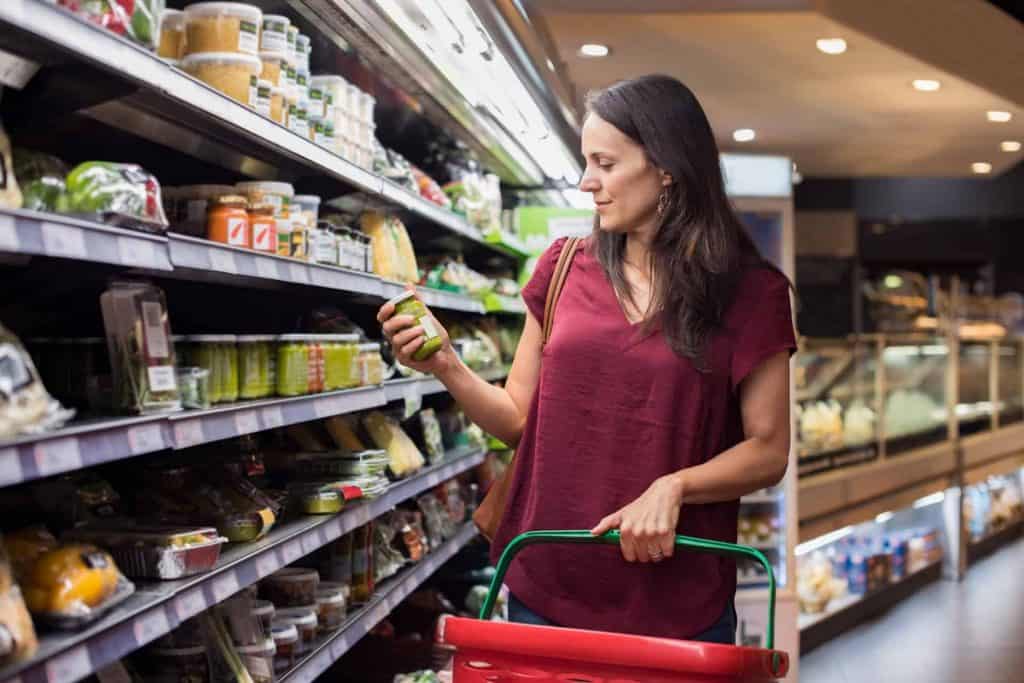
supermarket
© V-Label

Coalition questions the timing

The No Confusion Coalition has raised similar objections, questioning why the naming debate has resurfaced during a difficult summer for European agriculture. “This is the third time in six years, and the second time during the current parliamentary term, that the European Parliament will vote on banning the words ‘burger’ and ‘sausage’ for plant-based products.

“MEP’s have been hard a work during the summer while Europeans were struggling with wildfires, droughts and rising costs of living, to once again bring back this non-sense topic,” said Rafael Pinto of the European Vegetarian Union, spokesperson for the coalition.

The naming dispute has run alongside the CMO revision since 2020, when the EAPF first coordinated opposition to the so-called “veggie burger ban”. The alliance’s position is that existing EU legislation already provides sufficient protection for meat and dairy product names, and that plant-based producers require market stability rather than further labelling constraints.

“As an increasing number of European farmers are diversifying into plant protein production, they need markets, investment and stability, not a fight over words,” the alliance stated.

https://vegconomist.com/politics-law/eu-parliament-set-revisit-plant-based-burger-ban-third-time-six-years/ 

Thursday, July 2, 2026

6 blistering hot takes that prove there’s no ‘right’ way to be vegan

From veganfoodandliving.com

From gatekeeping vegan language to sharing our lives with meat eaters, here are some of the spiciest vegan hot takes found on Reddit


When people think of the vegan community, they often imagine a united front of absolute moral consistency. But if you peer into the inner circles of vegan Reddit, you’ll find fierce, high-heat debates about what it actually means to live an ethical life.

A recent thread on r/vegan asked users to share their “EXTREMELY SPICY vegan hot takes that will totally get you downvoted.” The compiled receipts prove that modern veganism is about more than what’s on your plate. It’s a complicated, and often contradictory, tangle of pragmatism, purism, and intense human politics.

From the ethics of dating meat eaters to a surprisingly vicious debate over oat milk, here are six of the spiciest ‘vegan hot takes’ from the thread.

                                                      Photo © diy13/Adobe Stock

1. ‘Baby steps’ are just fine

The thread’s original poster (OP) kicked off the discussion with a take that immediately divided the community on the psychology of change, using an extreme analogy to drive the point home.

u/Borgato posted: “I’ll go first: baby steps are absolutely ok and should be encouraged if people feel they aren’t ready to go full vegan. ‘Oh so you should be celebrated for beating your wife 2 days a week rather than 6?’ YES.”

While many users agreed with the underlying logic of harm reduction, some called out the comparison, with u/Senior_Army5086 describing it as “crazy”.

“Domestic abusers should not be celebrated regardless of the frequency they do it,” they continued.

But u/Borkato defended their view, opining that there’s a difference between celebrating an individual’s actions and celebrating their efforts to cause less harm. “A murderer should be celebrated for reducing their murders to 1 when their urges told them to commit a terrorist attack,” they asserted.

2. Gatekeeping the word ‘vegan’ helps the vegan movement… except when it doesn’t

While a surprising number of users agreed with the OP’s vegan hot take, opinions were divided on whether the ‘baby steppers’ in question could call themselves vegan.

“‘Vegan except honey‘ or ‘vegan except eggs’ or ‘vegan except cheese’ isn’t a thing,” wrote u/xLilSquidgitx, while OP u/Borkato added that this should still be celebrated, “as long as they don’t say they’re vegan.”

They’re not necessarily wrong, as it’s not uncommon for people (including foodservice workers) to take veganism less seriously after encountering a ‘watered-down’, almost-vegan. Being served honey at a family gathering because “Auntie Muriel’s neighbour’s daughter is vegan and she eats honey” is not fun.

Many agreed that the word ‘vegan’ needed to be ‘gatekept’, as misuse of the term could dilute the cause. As u/Teddy-Bloat put it: “I don’t see any way in which letting the word vegan become meaningless is helpful to the movement or the animals.”

However, others jumped in to share their experience and reasons why they use the label ‘vegan’ when they aren’t fully there yet. u/GlowyStarMoss calls themself ‘vegan’ to avoid being served eggs or dairy at restaurants. “I am vegetarian technically (but don’t want either eggs or dairy),” they said.

“I do have honey, but it’s too hard to explain to people, so in order to avoid certain foods, I just say I’m vegan. Saying vegetarian just makes people be pushy with fish, dairy, eggs, etc., and I have no idea why lol.”

Meanwhile, u/miraculum_one came in with the true hot take: “gatekeeping the word ‘vegan’ is bad in every way and in every context that involves non-vegans.”

“There are effective ways to educate people,” they continued, “but pretending you don’t know what they’re saying because you refuse to accept an extremely common (mis-) use of the word is simply counterproductive and discredits whatever you’re trying to say.”

Proper use of the word 'vegan' was a divisive subject, but most agreed that "vegan except honey" is incorrect. Photo © Rawpixel.com/Adobe Stock

3. Staying close to meat eaters helps the animals

While some corners of the internet advocate for cutting off non-vegans entirely, several users argued that isolationism is a massive strategic failure.

“From my experience it has helped me educate people on veganism,” said u/shredhedz, “I have many friends who have gone vegan/are eating less animals because of me!”

The thread OP agreed, recalling being told that the common vegan dream of moving to an all-vegan community would actually be “worse for the animals compared to hanging out with non-vegans and getting them to avoid animal products,” saying that it “really blew my mind because it’s completely true.”

Although it’s pretty mild to say that we can form close relationships with non-vegans when they are willing to learn from our ethical choices, u/Spaceward_Bound turned up the heat with this spicy take:

“It’s completely fine to have non-vegan friends with no plans on challenging their views. [I] live with three other people in student housing, they know I’m vegan, they’re not, never talk about it unless it comes up casually. We get on just fine.”

While some thought being friends with non-vegans was an opportunity to change their minds, others would rather keep the 'peace'. Photo © Dorde/Adobe Stock

4. We need to stop treating vegetarians as the enemy

The rivalry between vegans and vegetarians is legendary online, though rarely experienced in the real world. But the debate cropped up in this thread too, with commenters falling on both sides.

It started with u/Agitated_Leopard_765 stating that “vegetarians are allies,” to which u/Im_so_lucky_ agreed, “exactly. Every little bit helps.”

Others blamed ignorance of the true nature of the dairy industry for vegetarians’ continued use of animal products, with u/Foodworksurunga excusing vegetarians because “The dairy industry propaganda is very strong.”

But not everyone agrees. u/Mcjuliamc believes that “vegetarians support just as horrible of an industry as other non-vegans.”

“They only cut out one harmful industry,” they said. “Imagine if we praised lactose-intolerant people just because they don’t buy dairy when they buy meat, eggs, …”

However, the vision of a cheese-munching, milk-guzzling vegetarian may not be accurate. After confirming that vegetarians do indeed get flak from both meat-eaters and vegans, vegetarian u/TheoryCapable7894 caveated that they “think the stereotype of vegetarians eating a lot of dairy/cheese and wearing leather/animal products is kinda wrong.”

“I am a vegetarian yes, but I get all my important nutrition from plants, and do not wear leather at all by all means!”

5. ‘Owning’ pets is an ethical minefield

The ethics of pet ownership caused a massive rift, separating those who prioritise the animal in front of them from those looking at the big picture and the global supply chain.

Some believe that having pets at all is not vegan, like u/Snake_fairyofReddit, who said, “it limits the free will of an animal. The caveat is if the animal is injured and obviously needs assistance”.

Meanwhile, u/Future_Economics_849 thinks “having domesticated animals and releasing them ‘for their freedom’ is unbelievably cruel”.

Many users asserted that ‘forcing’ pets to be vegan was tantamount to animal abuse, particularly for cats. Among them was u/kiwiii66, who said: “An animal in your care should receive the best care you can reasonably provide.

“If you are intentionally shortening your cat’s life by feeding them a diet that is not meant for them, then you are an animal abuser.”

When it comes to caring for your companion animals, it seems there’s no winning in this thread. As u/Chimpnimskey questioned: “Isn’t buying food made from animals… also animal abuse?”

They continued: “Though it’s shortening your cat’s life by a couple of years at worst (and extending it, at best) with a carefully planned plant-based diet, a lesser crime than killing many chickens and fish for their cat food?”

But u/Vegetable_Doubt3996 came in hot with a solution, saying, “If you can’t purchase the proper food for your pet due to ethical concerns, then don’t get a pet imo.

“Would you get a snake or a spider and force them to be plant-based? Both are obligate carnivores and cannot digest plants (the same way we can’t digest grass while other animals can)”.

While opinions varied on whether keeping pets was okay, most agreed that we shouldn't 'force' cats to be vegan. Photo © gitusik/Adobe Stock

6. Oat milk isn’t that great

The thread wasn’t entirely focused on serious topics. The community also engaged in a lighthearted, but truly vicious, battle over plant milks.

u/betch opened the discussion with this bold claim: “Oat milk is the most vile and disgusting product I’ve ever had the displeasure of tasting. It ruins everything it touches and it’s mere existence infuriates me to my core”

In response, u/cali86 lashed out with the phrase “I bet you love soy milk, lol,” sounding almost like an insult.

“I drink soy milk because it’s healthy,” they continued, “but it blows my mind how not versatile it is because of the after taste. It just doesn’t pair well with anything other than maybe cereal. It’s terrible for cooking, with coffee, desserts, etc.”

But u/betch was ready with their answer: “Every plant milk serves a purpose in certain settings and for me, Almond milk is king. Coconut, soy, cashew, rice, hemp milk… all wonderful.

“Oat milk tastes rancid and slimy.” They concluded, doubling down on what one commenter described as an “Indian level spicy take.”

A plethora of other users disagreed, defending their favourite plant milk with reasons varying from it being the only one suitable for their allergies to just liking the taste.

However, while I’d never go so far as to insult the taste or texture of oat milk, this author can’t help but secretly agree. As a long-time lover of a soya latte, I’m tired of coffee shops that offer only oat milk as a plant-based alternative!

https://www.veganfoodandliving.com/features/vegan-hot-takes/ 

Friday, December 26, 2025

Ethical veganism explained: the philosophy changing the world

From vegoutmag.com 

By Jordan Cooper

Ethical veganism goes beyond diet to challenge how we think about animals, justice, and our place in the world

You've probably heard someone say they're vegan "for the animals." Maybe you've said it yourself. But what does that actually mean? And why does it matter beyond personal food choices?

Ethical veganism is more than skipping the steak. It's a moral framework that questions centuries of assumptions about who deserves consideration and why. And whether you're fully on board or just curious, understanding this philosophy helps explain one of the fastest-growing social movements of our time.

The ideas here are reshaping everything from fashion to finance. Let's break down what ethical veganism actually is, where it comes from, and why it's gaining serious traction.

What makes veganism "ethical"

All veganism involves avoiding animal products. But ethical veganism specifically roots that choice in moral philosophy. The core idea is straightforward: animals are sentient beings capable of suffering, and that capacity for suffering gives them moral worth.

This means ethical vegans aren't primarily motivated by health benefits or environmental concerns, though those often come along for the ride. The driving force is a belief that exploiting animals for food, clothing, entertainment, or testing is fundamentally unjust. It's about extending the circle of moral consideration beyond our own species.

The philosophical roots run deep

Ethical veganism didn't appear out of nowhere. It builds on centuries of philosophical thinking about animals and morality. Peter Singer's 1975 book "Animal Liberation" is often credited with launching the modern movement. Singer argued that ignoring animal suffering simply because they're not human is a form of discrimination he called "speciesism."

Tom Regan took a different approach, arguing that animals have inherent rights regardless of their utility to humans. More recently, philosophers like Gary Francione have pushed for complete abolition of animal use rather than incremental welfare reforms.

These aren't just abstract academic debates. They shape real-world activism, legislation, and how millions of people make daily choices. The philosophy gives the movement its backbone.

Beyond the plate

Here's where ethical veganism gets interesting. It's not just about what you eat. True ethical veganism extends to every area of life where animals might be exploited.

That means no leather shoes, wool sweaters, or silk scarves. No circuses with animal acts, no marine parks with captive dolphins. No cosmetics tested on animals. Even investments get scrutinized for connections to animal agriculture or testing.

This comprehensive approach can seem overwhelming at first. But ethical vegans view it as consistency rather than extremism. If the core belief is that animal exploitation is wrong, then it should apply across the board. The diet is just the most visible piece of a much larger puzzle.

The behavioural science angle

What's fascinating from a behavioural perspective is how ethical veganism rewires decision-making. Research on moral psychology shows that once people expand their circle of moral concern, it tends to stay expanded.

There's also interesting work on moral consistency. Humans are generally motivated to align their actions with their stated values. When someone adopts an ethical framework that includes animals, the discomfort of violating that framework becomes a powerful motivator. It's not willpower. It's identity.

This helps explain why ethical vegans often report that the lifestyle feels easier over time. The initial adjustment is real, but once the moral framework clicks into place, choices become almost automatic.

Critics and counterarguments

No philosophy exists without pushback, and ethical veganism has plenty of critics. Some argue that plants may also have forms of awareness we don't understand. Others point to indigenous cultures where animal use is deeply integrated with sustainable living.

There are also practical objections about food deserts, economic access, and medical necessity. These are legitimate concerns that the movement continues to grapple with. Most ethical vegans acknowledge that perfection isn't the goal. Reducing harm as much as practically possible is.

The strongest critiques often come from within the movement itself, debating tactics, priorities, and how to build a more inclusive approach. These internal conversations are signs of a maturing philosophy.

Final thoughts

Ethical veganism asks a simple but uncomfortable question: if we believe unnecessary suffering is wrong, where do we draw the line on who counts? The answer has implications that ripple outward into law, economics, and culture.

You don't have to agree with every aspect of the philosophy to find value in the question. I remember the first time I really sat with it, turning the idea over like examining a record I wasn't sure I wanted to buy. Eventually, I did.

Whether ethical veganism represents the future of human morality or just one perspective among many, it's clearly not going away. The number of vegans worldwide continues to grow. Understanding the philosophy behind the movement helps us engage with one of the more interesting ethical conversations of our time.

https://vegoutmag.com/lifestyle/gen-bt-ethical-veganism-explained-the-philosophy-changing-the-world/

 are sentient beings capable of suffering, and that capacity for suffering gives them moral worth.

Wednesday, December 10, 2025

It’s All a Matter of Perception (Why ‘Vegan’ Still Trips People Up)

From planetfood.news

Plant-based food doesn’t have a taste problem, it has a perception problem, and the internet keeps proving it. A recent viral video shows a man raving about a burger, calling it “one of the best ever,” right up until he’s told it’s vegan. It wasn’t, it was beef the whole time, yet the flavour apparently changed instantly. Suddenly it “tastes like beans.” This is the plant-based paradox in a bun when people aren’t rejecting flavour, they’re rejecting an idea.


And this bias spills well beyond TikTok. Vegan entries have quietly won chilli cook-offs, burger challenges, and even pastry competitions, but only when judges didn’t know. In Sweden, a vegan pastry was winning a major contest until organisers literally stopped the event because the plant-based entry was outcompeting the traditional ones. It’s the culinary equivalent of flipping up the Monopoly board because Grandma is winning again. No wonder brands are ditching the “vegan” label entirely as consumers taste with their identities long before they taste with their mouths.


But what’s interesting is when people try plant-based food without the label, the resistance evaporates. Prejudice takes the day off. Suddenly flavour isn’t political, it’s just flavour. Marketing, tradition, and personal identity are still steering the ship, but the ship itself is moving. And for anyone interested in what eating animal-free looks like in real life rather than in comment-section hysteria, Challenge22 runs free, practical support at challenge22.com , no ideology, just real food and real humans navigating perception.

https://www.planetfood.news/post/it-s-all-a-matter-of-perception-why-vegan-still-trips-people-up