Showing posts with label coffee. Show all posts

Friday, March 13, 2026

Oat Milk Is Winning the $13 Billion War Over Your Morning Coffee

From vegnews.com 

Plant-based demand is helping the coffee creamer industry skyrocket, with the global market projected to approach $13 billion by 2035

It's been more than 75 years since the first coffee creamer hit store shelves, and it’s still a staple in many people’s daily coffee routine. But lately, the category has been experiencing serious growth—largely driven by rising demand for plant-based options.

In fact, according to a report from Future Market Insights (FMI), the global market could reach nearly $13 billion by 2035. For context, it was valued at nearly $6 billion in 2025. The market research platform says growing demand for plant-based foods and functional nutrition are two key factors driving the creamer market’s growth.

“This evolution is spearheaded by a rejection of traditional dairy in favour of oat, almond, and coconut bases, alongside the integration of ‘superfood’ ingredients like MCT oil, collagen, and adaptogens,” reads a press release.

North America is one of the biggest markets for vegan creamers, which isn’t surprising considering Americans have long been fans of adding creamer to their coffee. In fact, a 2024 survey from Drive Research found that 77 percent of Americans add either milk or creamer to their coffee.

The study also observed that interest in vegan creamers is rising. Preferences for oat milk, for example, have grown by 90 percent since the platform’s previous survey in 2022, while preferences for almond milk have increased by 71 percent.

                                                                                          Grandbrother's Images | Canva

Young coffee drinkers and café culture reshape the creamer market

However, according to FMI, India is currently leading the market for non-dairy creamers. This is largely because the country is seeing surging coffee demand among younger generations. China, too, is experiencing a boom in the dairy-free creamer market.

Senior analysts at the research firm note that café culture is also helping drive global growth. As coffee chains get more creative, consumers want to recreate those drinks at home. Recently, for example, Starbucks announced a new spring menu with several veganizable options, including a Toasted Coconut Cream Cold Brew and an Iced Ube Coconut Macchiato.

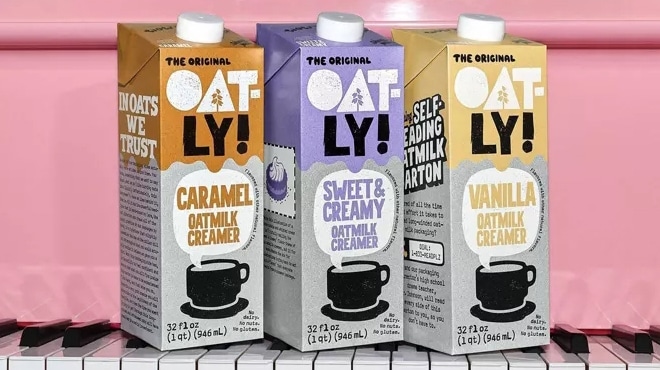
Dairy-free brands have also spotted the trend and are consistently launching new creamers. In 2025, for example, Oatly rebranded its creamers with new carton packaging.

Oatly-Oatmilk-CreamersOatly

“Oatly Oatmilk Creamers are designed for people who are looking for a sweeter, bolder, and more indulgent coffee experience, especially at-home—whether they’re adding a dash into a French press, pour-over, or really any type of coffee,” Malia Killings, creative director and design director at Oatly North America, told VegNews at the time. 

Echoing FMI’s findings, she added: “We’re seeing demand for personalized coffee experiences grow, especially among the next generation of coffee drinkers who prefer a wide array of unique flavour options. Oatly’s Oatmilk Creamers offer those consumers endless possibilities for crafting customized coffee creations.”

Want to get in on the dairy-free creamer hype? Find some of our top picks here.

https://vegnews.com/vegan-creamer-market-boom

Thursday, October 2, 2025

Future Food Quick Bites: Vegan ‘Proffee’, Bread Waste Pasta & Slutty Vegan

From greenqueen.com.hk

By Anay Mridul

Our weekly column rounds up the latest sustainable food innovation news. This week, Future Food Quick Bites covers Gregorys Coffee’s plant protein coffee, Wasted’s upcycled pasta, and a new plant-based meat brand in Thailand.

                                                      Courtesy: Wasted/Gregorys Coffee/Swees Plant Based Foods

New products and launches

US specialty coffee company Gregorys Coffee is jumping on the ‘proffee’ trend with Protein Buzz, a plant-based protein coffee drink devised with Nuzest‘s pea protein powder. It’s available at all Gregorys stores nationwide. 

Plant-based milk brand Elmhurst 1925 has launched a three-pack of its Unsweetened Cashew Milk exclusively for Costco. It’s available at the hypermarket’s Los Angeles and Hawaii stores for $13.69.

Meanwhile, Maïzly‘s original and chocolate corn milks have gained listings in 600 more retailers across the US, including ShopRite, Hannaford, Redner’s, Albertsons United Supermarkets, and Market Street.

Nutrition company L-Nutra has rolled out the Prolon L plant protein bar to support muscle health and healthy ageing. Each bar contains 14g of protein from black beans, chickpeas and peas, and the product is initially available in a Chocolate Coated flavour.

As Hain Celestial pulls Yves Veggie Cuisine products from the market by the end of the year, fellow Canadian brand Gusta is looking to fill the gap with similar offerings starting October, when it will launch vegan deli slices, burger patties, and hash browns.

Speaking of Canada, fast-food chain A&W has introduced a housemade vegan burger to its 1,070 locations nationwide. It’s made from a base of pea protein, soy protein isolate, coconut oil and beet juice concentrate.

Danish startup Wasted has launched an upcycled caserecce pasta made from bread waste. It is available on its website for 249 Danish kroner ($39) for six 400g packs, and can be shipped across the EU.

Swiss meat alternative leader Planted has introduced a Crispy range of mycoprotein products in Germany and Austria. The chicken schnitzel, burger and nuggets are available at Rewe, Edeka, Interspar, Eurospar and MPreis, with a wider European rollout in the works.

Dutch B2B company Schouten Europe has launched a new vegan tuna described as “a significant step forward in both texture and taste”.

UK plant-based duo Bosh has launched eight vegan ready meals in Tesco stores, spanning pizzas and pasta to curries and noodles.

And in Thailand, Swees Plant Based Foods has expanded from vegan cheese with the rollout of a new brand of meat alternatives called CleanBean, starting with Beev Steaklets and Chick*n Bites (offering 20-22g of protein and 7-8g of fibre per 100g).

Company and finance updates

British oat milk brand Oato has been selected for the 2025 Accelerator Programme by Tesco, the country’s largest supermarket group.

Queensland University of Technology‘s Pioneer BioPilot, a pilot-scale fermentation facility in Mackay, has been upgraded with an A$18M ($11.8M) investment from federal and state governments, including Australia’s Food and Beverage Accelerator (FaBA).

Aussie plant protein startup Harvest B, which is targeting blended meat applications, has raised A$3.5M ($2.3M) in pre-Series A funding, with the state government’s Breakthrough Victoria fund participating in the round.

In the Netherlands, the Klerken family, owner of Scelta Mushrooms, has acquired Ecovative Spawn & Substrate from its Dutch subsidiary of US mycelium startup Ecovative. The business is now called OurCelia.

In the US, Louisville Vegan Jerky Company – maker of the top-selling jerky in Whole Foods – has been taken over by CPG holding company Louisville Brands.

Cult-favourite fast-food chain Slutty Vegan has introduced a financing model after months of turbulence, which involved insolvency, an ownership change, and the return of founder and Pinky Cole.

Research, policy and awards

Portland, Oregon has been named the best US city for vegans and vegetarians in an analysis by WalletHub, covering 17 metrics. It’s followed by Los Angeles and Austin.

Vegan Vibrationz, a business owned by twin brothers, has become the first vendor serving exclusively plant-based food in the State Fair of Texas’s 139-year history.

Speaking of events, Hungary will host its first plant-based conference on November 22. Called the Vegan Summit Budapest, it will feature over 600 participants.

In New Zealand, the Vegan Society of Aotearoa will host the country’s first-ever Vegan Pastry Awards, with bakeries from across the nation competing for the Supreme Winner title at Auckland’s Crave Café on October 13.

report by market research firm Spins has revealed that 29% of millennials and 36% of Gen Zers in the US eat plant-based, much lower than the 53% and 59% focusing on a high-protein diet, respectively.

When it comes to dog food, plant-based diets have the lowest environmental impact, a new University of Nottingham study has shown.

Finally, plant-based protein is a $1.43B market, but its share of the protein powder industry has shrunk by 3.7% since 2022. Pea protein, in particular, is the largest vegan source, according to a new nutrition and weight management report by Informa Markets‘s Nutrition Business Journal.

https://www.greenqueen.com.hk/future-food-quick-bites-vegan-proffee-bread-waste-pasta-slutty-vegan/

Saturday, September 27, 2025

Vegan Chocolat Unveils Coffee Bean Confectionery Chips – Authentic Coffee Innovation for Food Professionals

From businessmole.com

Vegan Chocolat, the business-to-business arm of Plamil Foods, has announced the launch of its Coffee Bean Confectionery Chips, a new ingredient developed specifically for the professional food industry. The product is designed for bakeries, dessert and snack makers, food service providers, caterers and pâtissiers looking for a dependable way to add genuine coffee flavour to their creations.

Unlike conventional coffee confectionery, these chips are not based on artificial flavourings or liquid essences. Instead, they are crafted directly from real coffee beans through a process that mirrors chocolate production.

This approach preserves the inherent qualities of coffee, resulting in a smooth and creamy texture combined with the distinctive richness of roasted beans. The result is a chocolate-like ingredient that offers both authenticity and consistency across a wide range of culinary applications.

For professionals, the chips provide flexibility in use. They can be incorporated into baked goods, drizzled over pastries, applied as a coating for confectionery, or used as a flavour foundation for desserts.

Their adaptability enables chefs and manufacturers to streamline recipes by removing artificial flavourings and replacing them with one multifunctional ingredient that is both practical and flavour-rich.


The chips have also been developed with modern dietary requirements in mind. They are free from major allergens, suitable for both vegans and vegetarians, and produced at Plamil’s BRCGS-certified UK facility. Operating under strict quality and food safety controls, the site is entirely nut- and dairy-free, giving assurance to professionals catering for customers with specific dietary considerations.

The launch also highlights a wider movement in the food industry. As demand for clean-label, transparent products rises, both businesses and consumers are prioritising ingredients that avoid unnecessary additives.

By introducing Coffee Bean Confectionery Chips, Vegan Chocolat has aligned itself with this trend, offering a product that is natural, ethically sourced and manufactured in the UK with sustainability in mind.

Adrian Ling, Managing Director of Plamil Foods, said: “Coffee is one of the most recognisable and loved flavours worldwide. By creating a chip made with real coffee beans, we are giving professionals a practical way to use real coffee in their products, without compromise. This innovation combines authenticity with ease of use, which we believe will benefit businesses across the food industry.”

Pricing & Formats
Coffee Bean Confectionery Chips are available in two bulk formats:
  • 1 kg bags – £19.68 per kg (standard trade rate)
  • 7.5 kg bulk packs – £106.38
Quantity discounts are offered at 5% (2–4 cases), 9% (5–9 cases), and 12% (10+ cases).
Special Launch Offer

To mark the launch, Vegan Chocolat is providing a 20% discount on both formats for a limited period. All orders placed within mainland UK qualify for free shipping.

https://www.businessmole.com/vegan-chocolat-unveils-coffee-bean-confectionery-chips-authentic-coffee-innovation-for-food-professionals/ 

Monday, September 15, 2025

8 vegan coffee recipes that taste café-level but cost a fraction at home

From vegoutmag.com

By Maya Flores

Skip the café line—these vegan coffee ideas turn your kitchen into a barista’s playground 

There’s something about a café coffee that feels like a small luxury. The swirl of plant milk foam, the drizzle of syrup, the way the first sip makes you pause—it’s hard not to get hooked.

But let’s be honest: $6 lattes add up fast. That little indulgence can easily turn into a serious monthly bill.

Here’s the good news: you don’t need to sacrifice flavour or the café vibe to save money.

With the right recipes, a bit of creativity, and ingredients you probably already have in your kitchen, you can whip up vegan coffee drinks that rival your favourite barista’s work. These eight recipes are not just budget-friendly; they’re rich, cosy, and customizable.


1. Classic oat milk latte

Sometimes you just want the basics done well. A silky oat milk latte is the perfect starting point.

Oat milk froths beautifully, giving you that creamy texture without dairy, and its subtle sweetness complements the coffee’s boldness.

Heat your oat milk until warm but not boiling, then froth it with a handheld frother or French press plunger. Pull a shot of espresso or brew a strong cup of coffee, pour it into your mug, and top with the foamy milk. Sprinkle a dash of cinnamon if you want that café finish.

It’s simple, but there’s a reason people love it—it’s comforting, reliable, and tastes like you’ve just stepped out of your favourite coffee shop.

2. Maple cinnamon cappuccino

Ever notice how some flavours just feel like autumn?

That’s exactly what happens when you mix maple and cinnamon with coffee. It creates this cosy, warming profile that feels like a hug in a cup.

Make a strong espresso base, then heat almond or soy milk with a tablespoon of maple syrup and a pinch of ground cinnamon. Froth until foamy and pour over your espresso. Finish with a light dusting of cinnamon on top.

This drink feels special without being complicated, and it’s a great alternative to the usual sugar-laden syrups.

3. Iced vanilla almond latte

Picture this: it’s a hot afternoon, and you’re debating whether to swing by a café for an iced pick-me-up. Instead, you make this at home in less than five minutes.

Brew a cup of strong coffee and let it cool slightly. In a tall glass, add ice, a teaspoon of vanilla extract, and a splash of almond milk.

Pour the coffee over the top and stir. You can sweeten it with agave or maple if you like.

The result is crisp, refreshing, and every bit as satisfying as what you’d grab from a barista.

4. Coconut mocha

Chocolate and coffee are already best friends, but coconut takes things to another level. The natural richness makes the drink taste indulgent, like dessert and caffeine had a baby.

Whisk together cocoa powder, coconut milk, and a little sugar or maple syrup in a saucepan until smooth and steamy.

Add a shot of espresso or strong brewed coffee, then top with a spoonful of coconut whipped cream if you’re feeling fancy.

The tropical hint of coconut makes this drink memorable, and it’s the kind of recipe you’ll want to pull out when friends come over.

5. Cardamom spiced latte

Have you ever tried cardamom in your coffee? It’s one of those flavour upgrades that feels instantly sophisticated.

In many Middle Eastern and South Asian traditions, cardamom is paired with coffee to create something fragrant and unique.

Brew your coffee and stir in a pinch of ground cardamom while it’s hot. Heat soy or oat milk separately, froth it, and pour it over. Sweeten lightly with agave or sugar.

The result is aromatic, slightly floral, and tastes like something you’d pay extra for at a specialty café.

6. Cold brew with cashew cream

I once made this for a brunch and everyone assumed I’d bought it from a coffee shop down the street. That’s how good this combo is.

Soak cashews in water overnight, then blend them with a splash of vanilla extract and water until smooth and creamy.

Pour cold brew coffee over ice, add a swirl of the cashew cream, and watch it cascade beautifully in the glass.

It’s rich, naturally sweet, and proof that dairy-free can still feel indulgent.

7. Pumpkin spice latte

Yes, it’s a cliché, but it’s a delicious one. The pumpkin spice latte has earned its fame, and making it vegan at home is easier than you think.

Whisk together pumpkin purée, pumpkin spice blend, and a touch of maple syrup in a saucepan with oat milk until hot. Pour it over a shot of espresso or strong coffee and top with foamed milk.

It tastes festive, cosy, and far less artificial than the café versions. Plus, you can control the sweetness, which makes it more balanced.

8. Espresso tonic

Looking for something refreshing and a little different? The espresso tonic is a trendy café drink you can totally recreate at home.

Fill a glass with ice, pour in chilled tonic water, and then slowly add a freshly pulled shot of espresso.

The bitterness of the espresso contrasts with the crisp sweetness of the tonic, creating a drink that’s bright, complex, and surprisingly addictive.

It’s a conversation starter, and it proves you can get adventurous with coffee without leaving your kitchen.

Final thoughts

The joy of making these drinks at home isn’t just saving money—it’s the ritual.

You get to experiment, adjust flavours to your liking, and create something that feels personal.

Plus, once you realize how easy it is, you’ll wonder why you ever settled for overpriced café runs in the first place.

Whether you’re whipping up a simple oat milk latte or blending cashew cream for cold brew, these recipes give you the best of both worlds: café flavour without the café bill. And that’s a win for your taste buds and your wallet.

https://vegoutmag.com/food-and-drink/r-8-vegan-coffee-recipes-that-taste-cafe-level-but-cost-a-fraction-at-home/

Sunday, August 24, 2025

I tested 6 plant-based milks in my coffee — here’s the one that tasted best

From vegoutmag.com

By Nato Lagidze

What if your milk choice says more about your mood than your menu? 

I’ve always taken coffee seriously.

Not in the rigid, measuring-scale kind of way — but more like a morning ritual that knows me better than I know myself.

Coffee is my first emotional checkpoint of the day. The moment everything else pauses so I can figure out what kind of human I’m becoming that morning. Literally. 

So when I decided to quit dairy (for health, ethics, curiosity—let’s call it a blend), I didn’t just grab the nearest plant milk and move on.

I turned it into an experiment. A real one.

Six different milks. Same dark roast. Same mug (this was the hardest part, I like variety). Same stirring rhythm. Six variations of what it means to feel slightly more or slightly less alive at 9 a.m.

And if you’ve ever tried sourcing non-dairy milk in Georgia, you know it’s a mission. These milks aren’t lining every supermarket fridge. They're like elusive characters — some show up only during obscure discount weeks, others exist only in specialty stores where everything is 2.5x your grocery budget.

So I waited for sales. Hunted them like seasonal fruit. And treated each new bottle like a rare research subject.

Here’s what I discovered — not just about taste, but about identity, memory, and how even a splash of milk can reveal who we are that day.


1) Oat milk: the emotionally intelligent frontrunner

This one almost won.

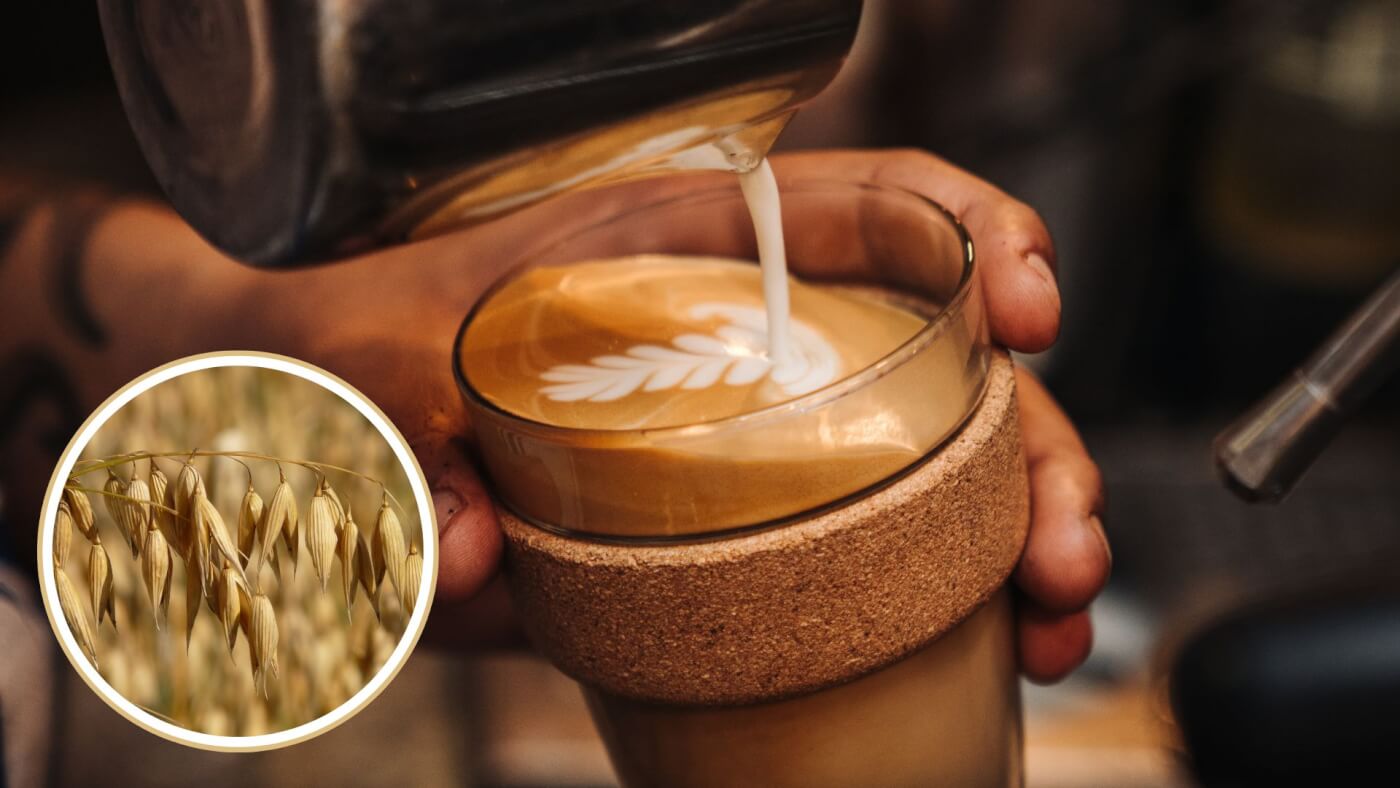
Oat milk is beloved for a reason. It’s creamy, nutty-sweet, and behaves well in heat. The barista versions foam beautifully, turning espresso into velvet.

For me, oat milk was a revelation — especially in matcha. I mean, matcha and oat milk are basically soulmates. But in coffee?

That’s more complicated. It depends on a lot: how acidic the roast is, your mood, whether you’re drinking it hot or iced, whether the oat brand is trying too hard or just right.

Still, oat milk is the one I came back to the most. It felt… emotionally regulated.

It doesn’t dominate. It doesn’t disappear. It just softens the edges.

But I’ll admit—there were moments it felt too soft. Too comforting. Like I needed something sharper, cleaner. Which brings me to...

2) Almond milk: the perfectionist with commitment issues

Ah, almond milk. My long-time love-hate relationship.

Some days, it’s flawless. Light, elegant, crisp. Other days? It curdles, tastes like dust, and ruins everything.

There is no middle ground with almond milk. It’s either quietly stunning or passive-aggressively awful.

When it’s good, almond milk brings this clean brightness that’s refreshing, especially in iced coffee. But in hot brews, it's unpredictable. Some brands are a disaster. Others are near divine.

I’ve had mornings where it elevated my entire being—and others where I questioned all my life choices.

Still, I can’t fully quit it.

It’s like that one emotionally unavailable person you know isn’t good for you… but when they’re good, they’re unforgettable.

3) Soy milk: the steady overachiever

Soy milk feels like the eldest child of the plant milk family. It’s been around the longest, has the most degrees, and probably has a spreadsheet for its morning routine.

In coffee, it’s stable.

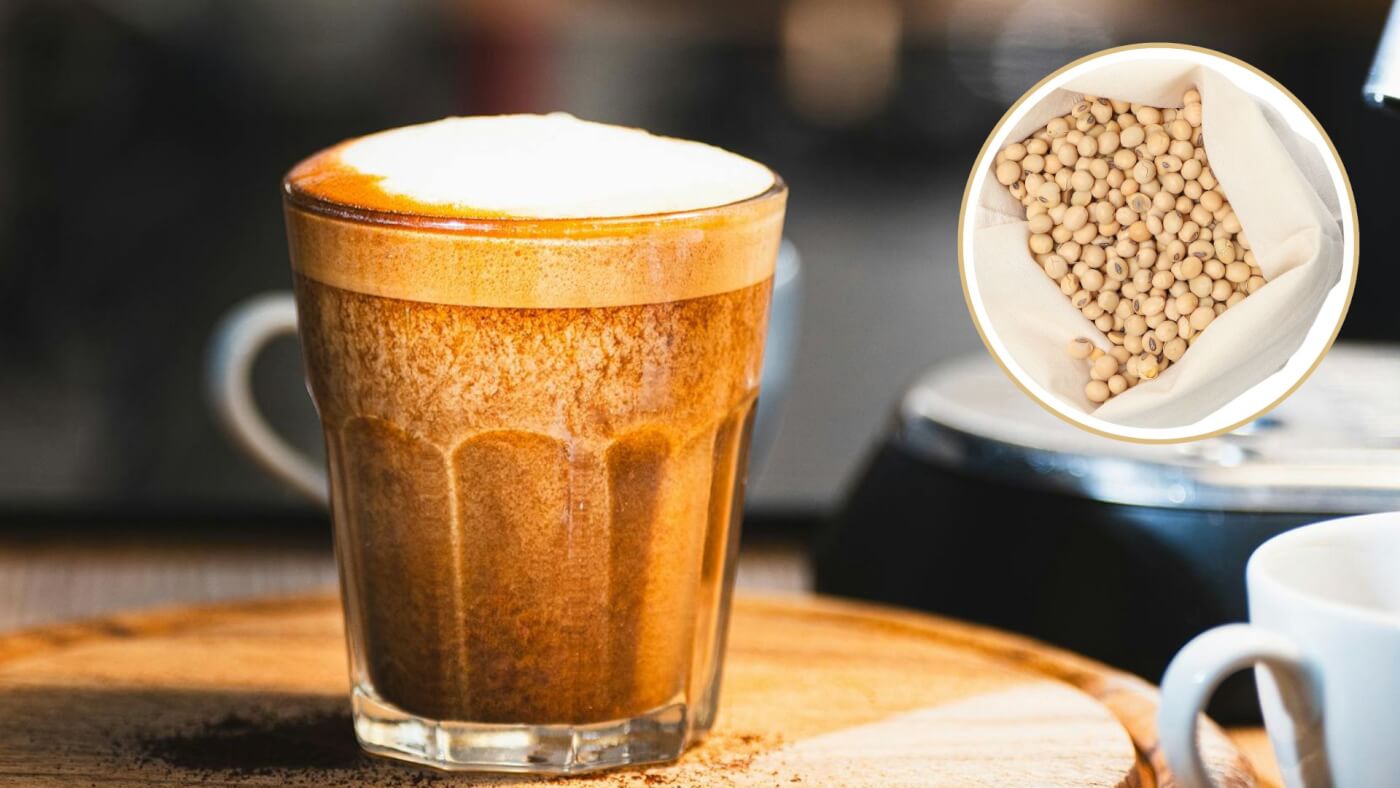
Slightly nutty, dense enough to give body, and doesn't try to seduce you with sweetness. It’s the dependable one for most vegans. The milk you choose when you need to get your life together.

Not my thing, though.

I reached for soy on days when I felt scattered or overstimulated. It anchored me. It wasn’t flashy, but it was there. Solid. Uncomplicated. Like someone who texts back within five minutes and never uses read receipts.

Would I use it every day? Maybe not. But when the world felt too much, soy milk brought a kind of emotional grounding I didn’t know I needed.

4) Rice milk: the kindhearted ghost

Rice milk didn’t try to impress me. It just quietly showed up, did its job, and disappeared again.

It’s watery, yes. A bit too sweet for my taste. But there’s something soft about it. It reminded me of school mornings and warm cereal porridge and how my dad used to make me tea the first thing in the morning.

It didn’t add much body to the coffee. Honestly, it thinned it out.

But emotionally?

It made the whole cup feel… gentle. Like nothing bad could happen while drinking it.

I wouldn’t call it a go-to, but there’s a place for rice milk. For the mornings when you don’t need stimulation — you need comfort. A soft landing.

Still, it can't compete with oat milk for coffee. That's for sure. 

5) Coconut milk: the dramatic artist

Coconut milk doesn’t play nice. It takes over.

The moment I poured it in, I felt like I was on vacation in a place I couldn’t afford. It’s creamy, intense, and has this unmistakable flavour that doesn’t blend—it dominates.

Some mornings, that’s exactly what I wanted. Something bold. Something weird. Something that made my coffee feel like a story.

But most days?

It was too much. I couldn’t figure out who was in charge—me or the milk.

Coconut milk is the kind of person you fall hard for and then realize you can’t live with because they alphabetize their vinyl collection and cry during pasta commercials. Well, sometimes I'm that person myself, but still.

Beautiful chaos. Great in small doses.

6) Hazelnut milk: the unexpected poet

I didn’t expect to like hazelnut milk. Honestly, I expected artificial sweetness and fake Nutella energy.

But it surprised me.

There was a warmth to it. A roasted, slightly melancholic depth that turned my coffee into a reflective space. It felt like autumn. Like long walks. Like rereading an old book and seeing something new.

I wouldn’t use it every day—it’s too moody for that. But on rainy mornings or when I was in a dreamy headspace, hazelnut milk met me exactly where I was.

It was like having a cup of coffee with someone who doesn’t say much, but when they do, it hits somewhere soft.

What this taught me (besides how to time supermarket discounts)

Beyond the flavour notes and foam tests, what I really learned is that we treat coffee like identity.

The milk you use, the way you drink it, the brands you reach for when no one’s watching — these are tiny rituals of self-recognition. And in a culture that’s constantly rushing, that recognition matters.

Each milk brought out something different in me. Not just on the tongue, but in the body, the breath, the mood. Some mornings, I needed boldness. Others, I needed familiarity. And sometimes, I just needed to laugh at how dramatic a cup of coconut milk could be.

And yes, this was all born out of a little nutrition experiment, a little boredom, and a lot of waiting for discount tags at Georgian health stores.

But it became more than that.

It became a way to check in with myself. To notice what I needed. To realize that even in something as ordinary as milk, there is room for play, for emotion, for texture.

Final thoughts

I don’t believe in “the best” plant-based milk. I believe in the right milk for that morning, that mood, that moment in your life.

Oat milk made me feel stable. Almond made me feel specific. Soy made me feel grounded. Rice made me feel held. Coconut made me feel chaotic (in a good way). Hazelnut made me feel poetic.

And maybe that’s the whole point.

The way we experience flavor is never just physical. It’s emotional. Psychological. Sometimes even existential. Milk is not just milk. It’s memory. It’s longing. It’s a way of saying: “This is who I am right now.”

So try them all. Wait for the discounts. Froth them with intention. Drink slowly.

And listen to what your coffee is trying to tell you.

https://vegoutmag.com/food-and-drink/n-i-tested-6-plant-based-milks-in-my-coffee-heres-the-one-that-tasted-best/

Friday, June 20, 2025

These UK Coffee Shops Don’t Charge Extra for Vegan Milk

From peta.org.uk

Opting for plant milk at coffee shops has never been easier. Many top businesses, like Starbucks and Pret A Manger, have become more inclusive and sustainable by dropping the extra charge for dairy-free milk, and others like Costa Coffee, Caffè Nero, and following PETA’s campaign, Gails offer at least one vegan milk at no additional cost.

Dairy milk consumption has nearly halved in the past 50 years as consumers switch to ethical, sustainable, healthy vegan milk.

But some businesses still penalise customers who choose dairy-free by charging more for all plant milks.

What’s Wrong With Dairy Milk?

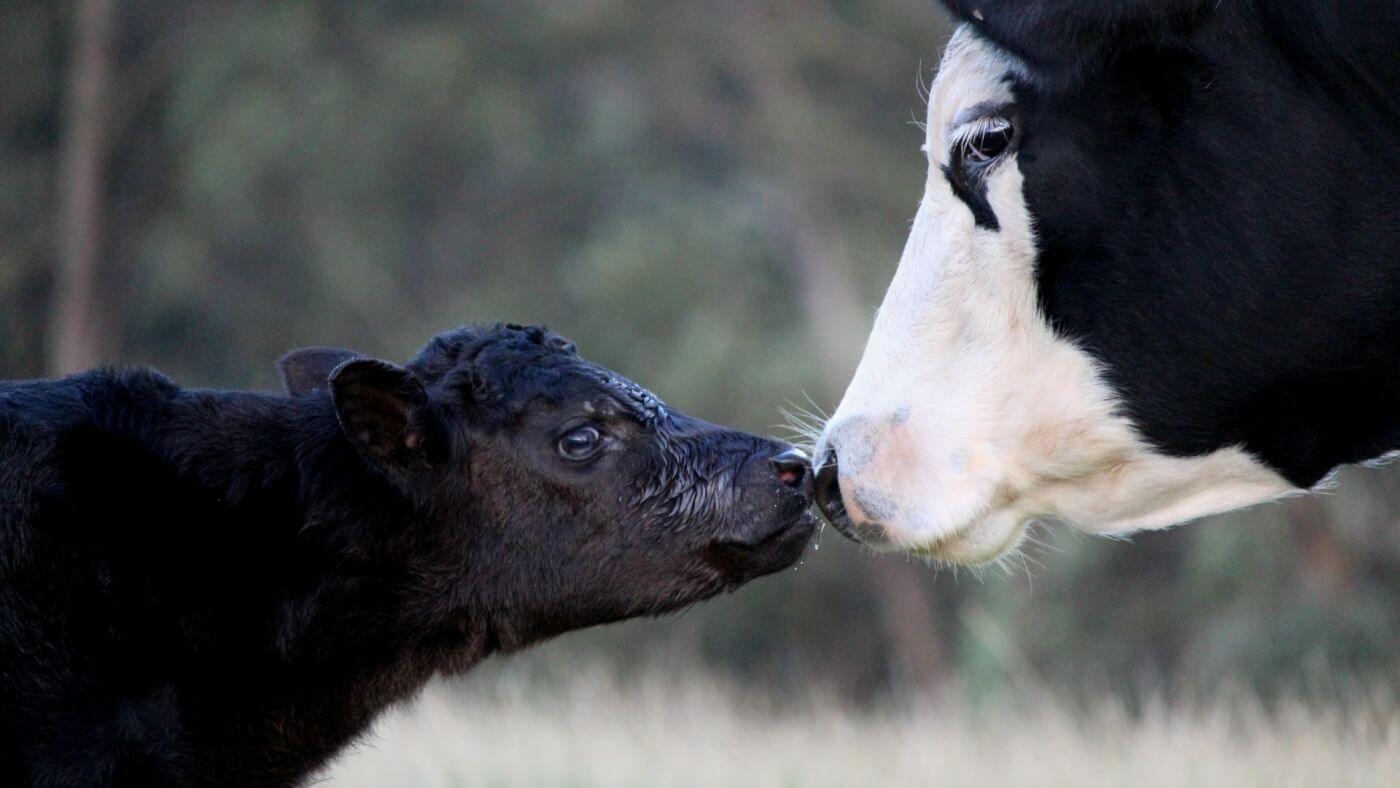
Cows are intelligent, gentle animals who suffer when farmed for their milk. Cows on dairy farms are selectively bred to produce unnaturally high volumes of milk. Like humans, polar bears, and squirrels, cows produce milk for their babies. Cows confined for dairy are forcibly impregnated and have their calves taken away from them shortly after birth – so that humans can take their milk – causing grief and anguish to mother and baby. When cows’ exhausted bodies are no longer considered ‘useful’ to the industry, they’re sent to slaughter.

Dairy farming is a major cause of greenhouse gas emissions and air and water pollution and uses more land and water than any plant milk. For coffee shops, plant milks can slash the carbon footprint of hot drinks by 50% to 75%, so removing the upcharge also removes a barrier for customers seeking a more sustainable option.

While it’s perfect for calves, cow’s milk is unnatural for humans which is why most have difficulty digesting it. Cow’s milk is also associated with a greater risk of breast and prostate cancer and is the leading cause of fatal food anaphylaxis in children under 16. And drinking milk from another species, and after weaning, is just plain weird.

Offering dairy for free but charging for plant milks nudges consumers towards an unnatural, cruel, and unsustainable option. Thankfully, there’s a growing list of businesses that don’t charge extra for any vegan milk:

  • Abbey Road Cafe
  • AMT Coffee
  • % Arabica
  • Bear
  • Blank Street
  • Boston Tea Party
  • Coughlans Bakery
  • Dunkin Donuts
  • Gourmet Coffee Bar & Kitchen
  • Grind Coffee
  • Joe & the Juice
  • M&S Café
  • Monmouth Coffee Company
  • Patisserie Valerie
  • Paul
  • Pret A Manger
  • Starbucks
  • Tim Hortons
  • Waitrose Cafes
  • WatchHouse
  • Wolfox
  • 200 Degrees Coffee Roasters

What You Can Do

Speak up, if your local coffee shop charges more for vegan milks let them know why you are getting your caffeine fix elsewhere.

Many businesses claim that it costs them more to source plant milks, but if the businesses above can operate without charging customers more for dairy-free, so can others.

If anything, businesses should charge more for dairy to better reflect the true cost to animals and the planet.

https://www.peta.org.uk/living/uk-coffee-shops-vegan-milk/ 

Wednesday, June 18, 2025

WMF delivers future concepts for vegan coffee culture

From worldcoffeeportal.com/news

As coffee professionals face a complex operational environment where customer expectations have never been higher, WMF offers a suite of smart and cost-effective solutions designed to empower precision, consistency and quality in every cup 

Gen Z is transforming the coffee industry. Their expectations go far beyond caffeine – they seek sustainability and personalisation in every cup. Plant-based milk alternatives are no longer fringe options but are key components of modern coffee menus.  

Today’s coffee concepts must offer more than just great taste; they must be flexible, meet ethical standards, and support diverse dietary needs. At the same time, operators are facing an increasing level of complexity behind the counter. Multiple milk types, varying foam requirements, and hygiene regulations demand technical precision and efficient workflows.  

These challenges are further intensified by a growing shortage of skilled staff across the hospitality sector, making it essential for businesses to rely on intelligent, automated solutions that minimise manual intervention while maintaining the highest quality. 

Photo credit: WMF

WMF Professional Coffee Machines delivers the ideal answer to this new reality. With decades of deep expertise in milk processing, WMF has developed pioneering systems that bring out the best in both classic dairy milk and plant-based alternatives. Whether it’s oat, soy, or pea drinks – WMF’s Dynamic Milk system, available in speciality machines such as the WMF 1500 S+, WMF 5000 S+ and WMF 9000 S+, enables multiple foam consistencies.  

Hot or cold, every beverage is crafted with consistent, barista-level quality at the push of a button. For even greater variety and operational safety, the WMF 2-Milk Solution allows two milk types to run parallel in one machine without any risk of contamination. This enables businesses to offer plant-based options alongside dairy without compromise alternatives – ensuring tailored beverage creation across multiple types. 

In the semi-automatic segment, the WMF espresso NEXT adds a new dimension of quality and control. With its ‘Auto Milk Dosing’ function and the ‘Auto Steam’ system, the WMF portafilter machine brings precision and ease to milk foaming – supporting a variety of automated quality levels and fully adjustable steam for barista-style customisation. 

Every WMF solution is designed with process reliability, cleaning automation and intuitive usability in mind. The ‘WMF AutoClean’ system, for example, effortlessly meets hygiene requirements, even in high-frequency environments, such as coffee shops, convenience stores or offices. 

With this portfolio, WMF empowers coffee professionals to respond to the lifestyle of a new generation. It enables premium, vegan-friendly coffee specialties without complexity, turning every beverage into a personalised experience. In a market shaped by ethics, innovation, and indulgence, WMF is setting the new standard. 

Find out more about WMF’s milk and steam systems here

https://www.worldcoffeeportal.com/news/wmf-delivers-future-concepts-for-vegan-coffee-culture/