From vegnews.com
By Ellen Kanner
Headline after headline. Goodbye post after goodbye post. News of shuttered plant-based restaurants doesn’t seem to end. But while the crisis is real, so is the determination. We spoke to the vegan restaurateurs working to hang on about what’s happening and what it’ll take to survive
"So many favourite restaurants just closed,” says vegan cookbook author and restaurateur Isa Chandra Moskowitz. Why is it happening? And is your favourite place on the list?
Pray 4 Me. That’s the name of the signature vegan burger by Souley Vegan chef-owner Tamearra Dyson. The chef who won Beat Bobby Flay. Sometimes it seems the vegan restaurant industry as a whole might be in need of prayer. The list of vegan restaurant closings in the past couple of years is long and, as Dyson puts it, “heartbreaking.” Among the casualties are iconic vegan restaurants like Chicago’s Kitchen 17, Inglewood, CA’s 18-year-old health food favourite Stuff I Eat, and Candle, a New York institution with origins dating back to 1990.
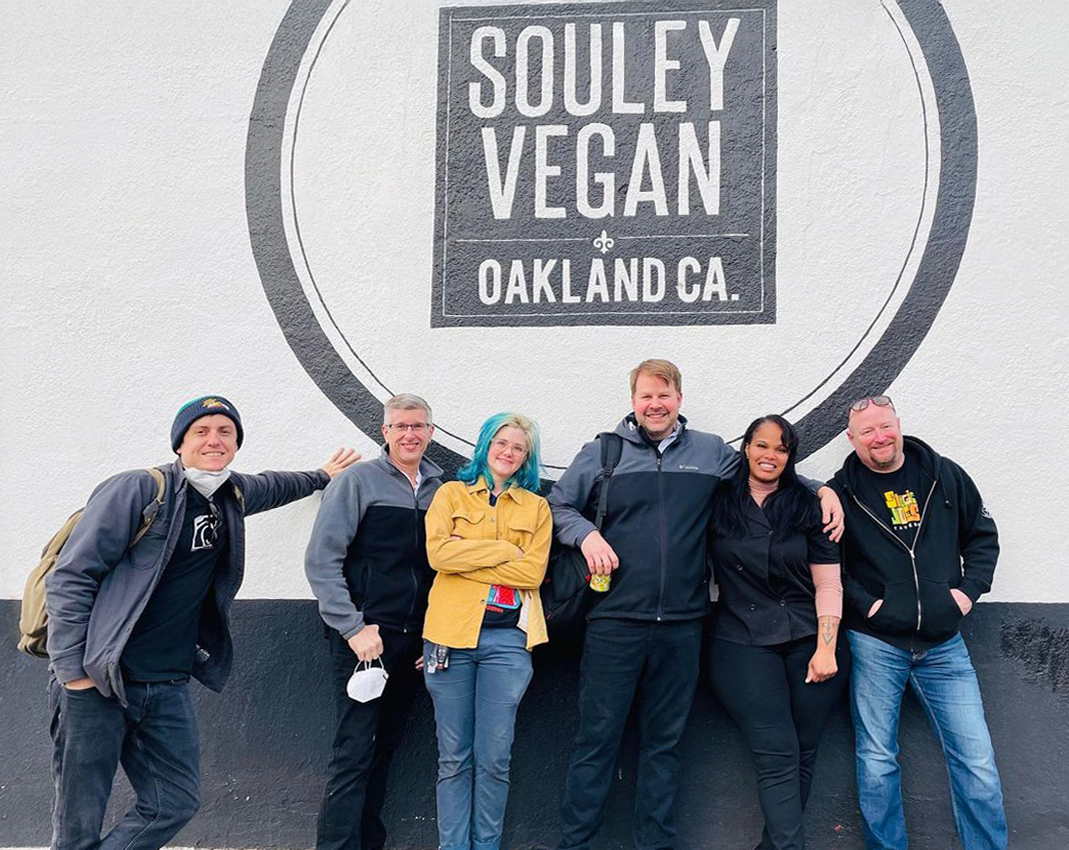
Dyson herself wound up closing Oakland, CA-based Souley Vegan in 2020, after 14 years of serving Pray 4 Me burgers plus an astonishing range of made-from-scratch, Creole-gone-vegan dishes from Southern fried tofu to red velvet cupcakes. “That was our home,” she says. “It’s where we built the brand.”
 Souley Vegan
Dyson tried scaling down and setting up shop in a food court outside Oakland. But she admits, “I felt lost for some time.” She poured all her energy into making Souley Vegan succeed anyway. She tried doing take-out, she tried everything except adding meat to the menu—a strategy seemingly on the rise among some vegan restaurants in recent years.
Just this last summer, formerly vegan ramen house Ippudo added animal ingredients to its previously vegan menu in Brooklyn. And of course, across the East River there are the headlines made by Michelin-starred Eleven Madison Park after its return to animal protein after four years of plant-based dining. In Los Angeles, Sage Vegan Bistro, with a loyal vegan following, made the same choice, adding meat and dairy to the fully vegan menu it sold for 14 years and rebranded itself as Sage Regenerative Kitchen and Brewery in 2025. It lasted seven months. Owner Mollie Engelheart moved to Texas and became a cattle rancher.
Dyson gets it. “I understand—you’re trying to feed your family and stay afloat from a business aspect, so don’t limit your clientele,” she says. “But the one thing vegan restaurants offer is the courage to offer a strictly vegan menu.”
 Isa Chandra Moskowitz
Courage
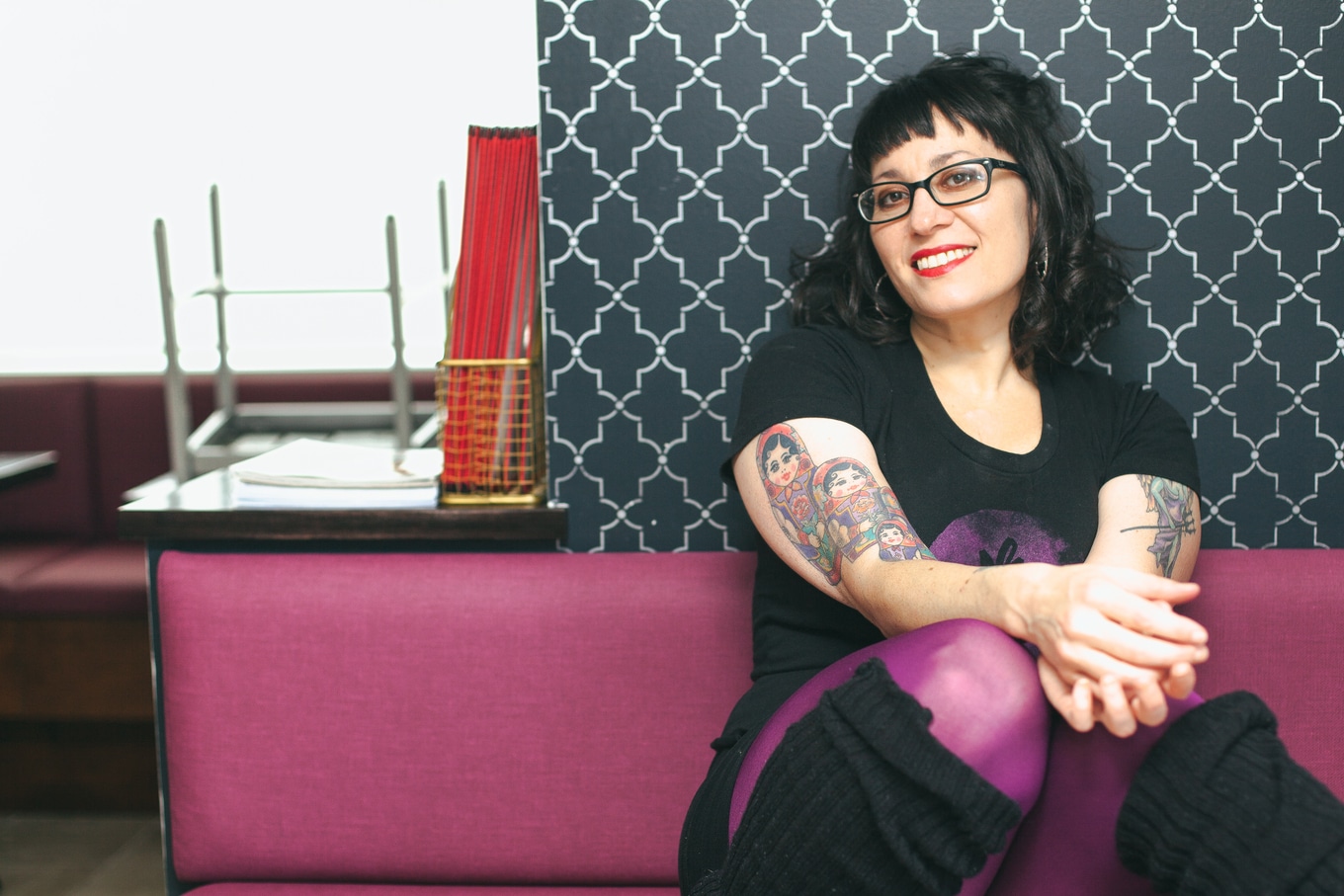
It’s taking a lot of courage these days. “So many favourite restaurants just closed—longstanding vegan restaurants,” says Isa Chandra Moskowitz, That includes her own restaurant Modern Love, which shuttered both its original Omaha location and its Brooklyn outpost in 2025.
These closings reflect a trend. The US no longer leads the world in vegan-friendly cities. That honour goes to London and Berlin. Los Angeles has clawed its way back to third place after it was bumped out by Barcelona in 2025. But no one’s bringing out the confetti. For too many, running a vegan restaurant these days adds up to a constant cash flow crisis and a recipe for disaster.
According to data from vegetarian restaurant guide HappyCow, New York was hit the hardest, going from 173 vegan restaurants in 2022 to 132 today. Portland, OR went from 61 to 46 during the same time frame.
The challenges in running a restaurant, any restaurant, are the same challenge you face—skyrocketing food and fuel costs.
Then add on unique issues plaguing the food and beverage industry, including pricey leases, staffing challenges, the current administration’s aggressive anti-immigration efforts and its impact on restaurant personnel, and shifting population as people leave dining capitals like Los Angeles, New York, San Francisco and Miami for more affordable locations.
Overall, diners are eating less, thanks to GLP-1 drugs, drinking less, dining out less, and ordering in more. And there’s the matter of what they’re choosing to eat.
“The protein craze,” says Vedge chef Rich Landau, rolling his eyes. He wishes he was talking about plant-based protein. He’s not.
 Millennium
Still standing (on shaky legs)
When Vedge opened its doors in Philadelphia in 2011, it was one of the first plant-forward fine-dining restaurants. It may be among the last standing, along with New York’s Dirt Candy, Crossroads Kitchen in Los Angeles, and Oakland’s Millennium, with origins dating back to 1994.
Over the years, these four cutting-edge vegan restaurants have earned their fair share of awards—VegNews Restaurant Awards, Michelin Bibs, and James Beard nominations. But awards don’t cover payroll.
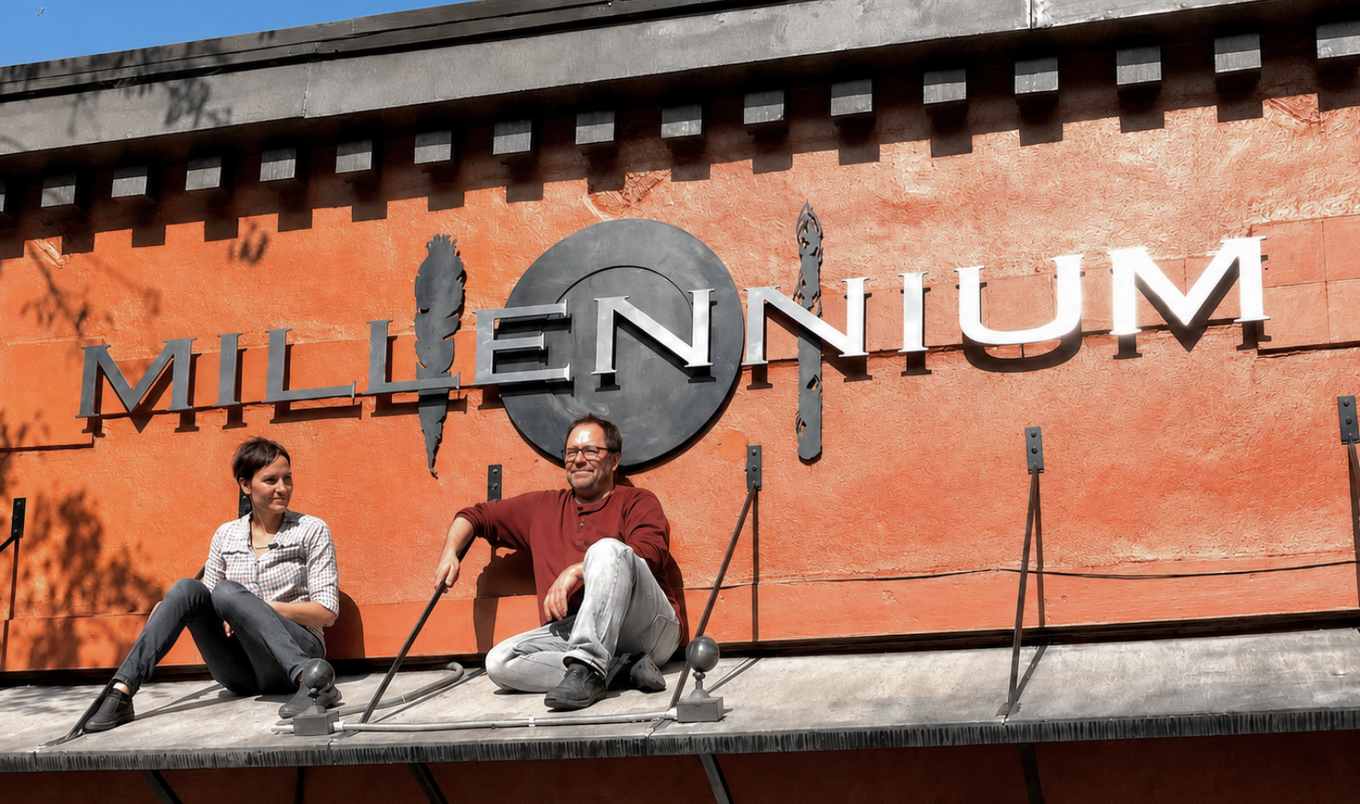
After more than 30 years in business, Millennium struggled to survive. In 2015, it left its original San Francisco location and decamped to Oakland. Chef Eric Tucker tried everything—“a lower-price pasta special, Taco Thursday, a mushroom dinner, a winemaker dinner, some kind of revenue generator.” Still, admitted his business partner Alison Bagby, “It’s nearly impossible to make it work.” Then in early 2026, they admitted defeat and announced that the restaurant as fans had come to know it would cease to exist.
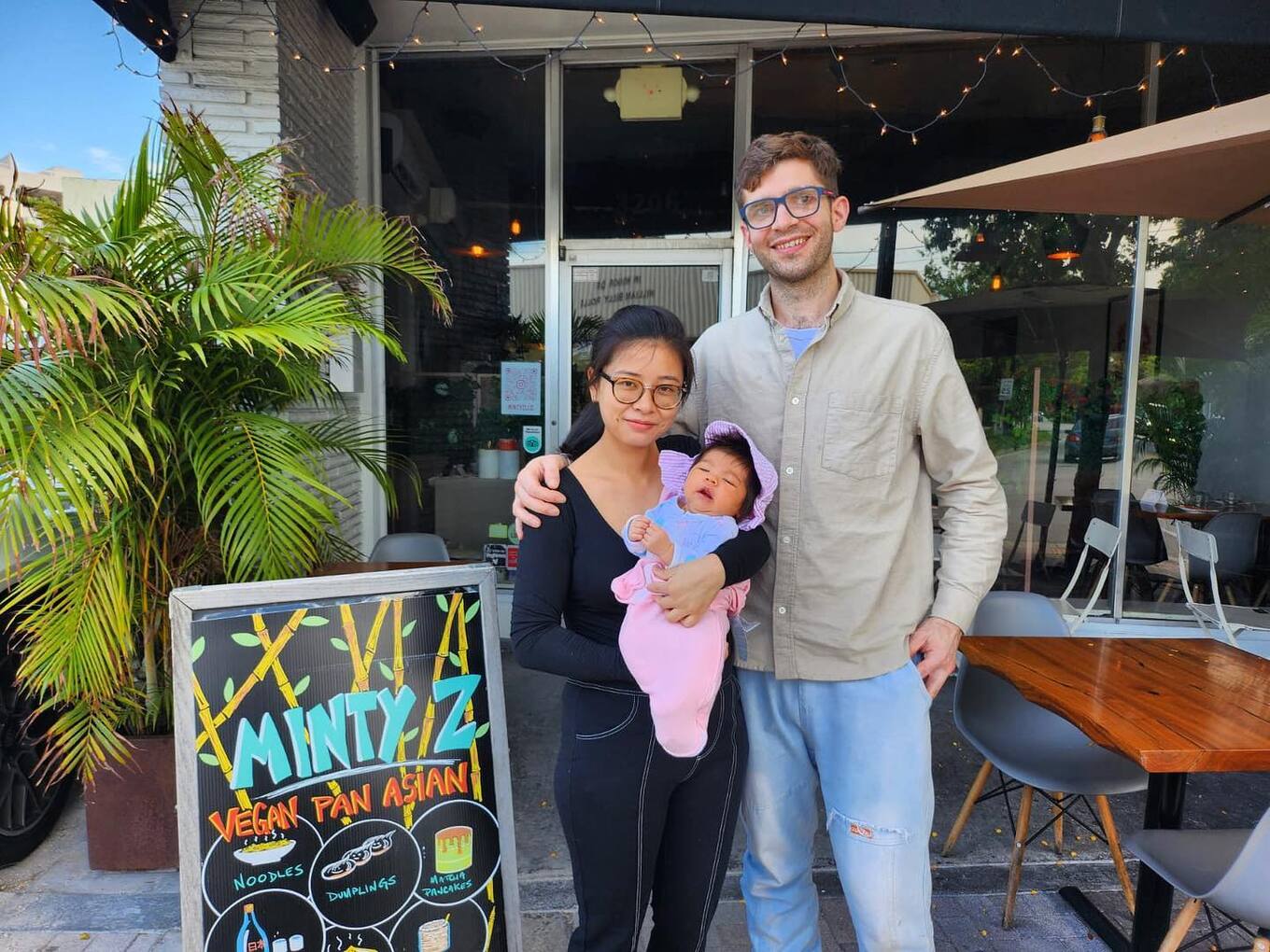 Minty Z
More than courage
According to the Bureau of Labor Statistics, 17 percent of all restaurants shutter within the first year of operation, and half close within the first five years. Franchises with a solid brand often fare better, but that’s no guarantee either. Take Canadian chain Planta. It once boasted three different upscale dining concepts and 18 high-design locations, from its Toronto flagships to a spate of Miami-area outposts. It filed for bankruptcy in 2025, was liquidated in 2026, and eventually closed its OG Canadian locations to focus on its remaining five sites in Los Angeles, New York, Chicago, and the DMV area.
Running an iconic vegan restaurant takes more than prayer—more than courage. “It’s not one-solution-fits-all,” says Moskowitz.
“Every business has to decide what it’s willing to change—their business, location, style of food, ingredients.”
She’s left restaurant work entirely—at least for now—and is back to writing cookbooks with her twelve title, 29-Minute Vegan.
In 2023, popular Miami dim sum restaurant Minty Z opened a second spot in Midtown Miami. It had enjoyed success at its original location in the city’s relaxed, bohemian Coconut Grove neighbourhood and hoped to find more clientele in a new, bustling, live-work-play district. But struggling to fight against a floundering economy and strong corporate competition, the Midtown location closed after just six months. The next year, the original location followed suit, unable to recover from the doubled overhead, rising operating costs, and slower foot traffic. Not to be discouraged, the restaurant pulled up its Miami stakes, moved to Los Angeles, and rebranded itself as Men and Beasts. Same husband and wife team, same dynamite dumplings, different coast.
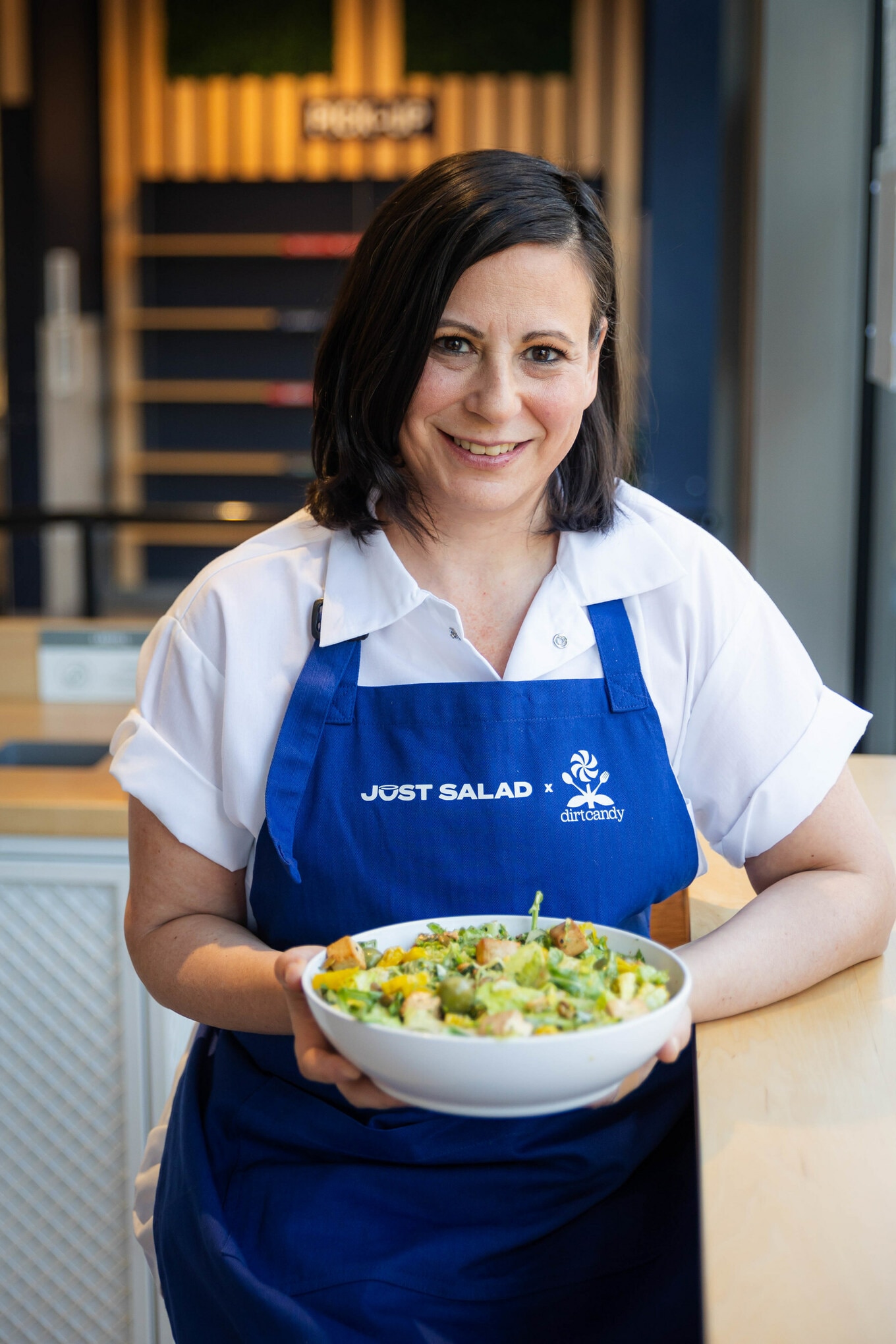 Dirt Candy
Dirt Candy chef-owner Amanda Cohen keeps her menu as playful as it was when she opened (fennel funnel cake, anyone?). But now Dirt Candy serves a more cost-effective prix-fixe-only menu. Where Cohen goes big is on policy. She championed eliminating tipping in favour of staff profit-sharing, and co-founded the restaurant advocacy non-profit Independent Restaurant Coalition.
That a plant-based diet is compassionate, sustainable, and comes with wellness benefits isn’t in question. But “it’s a business kiddo,” Landau says. “You’ve got to know what you’re doing. Never take your eye off the ball.” Or in his case, never take your eye off the plates. He watches what comes back to the dish room after each meal to assess which of his dishes are selling and which aren’t. The charred delicata squash with hominy fritters may make the angels sing, but if not enough people order it, Landau takes it off the menu. “It’s about changing, adapting yourself, your business.” he says. “You grow and you learn.”
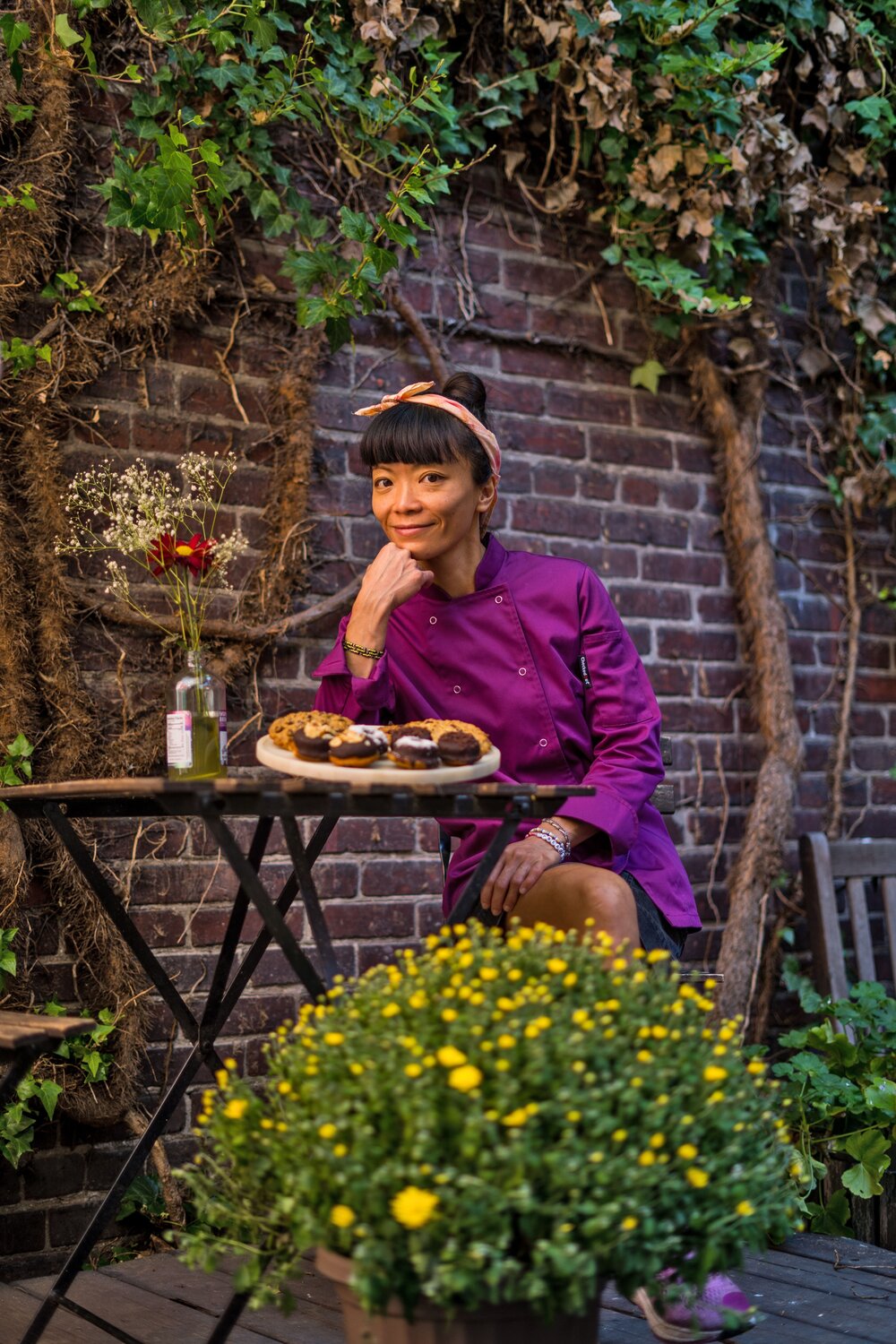 Joy Cafe
Second acts and third place
Restaurants serve food. That’s their purpose. But some chefs and restaurateurs take their purpose beyond the plate. They serve the community. There’s few better examples than Philadelphia’s Joy Cafe, and the joyful dynamo who runs it, Alice Leung. Leung’s gift for creating a sense of welcome, for offering true hospitality has nourished guests for over 20 years. From providing free meals for first responders and those in need during the pandemic to popping cheerful notes inside each takeout order, every Joy Cafe order comes with a little free joy. “That’s always been our mission,” says Leung. Profitable? Not always. Worth doing? For Leung and the community she feeds, absolutely.
Joy Cafe is what every restaurant strives to be—a third place: a place that’s not home, not work, a place where people go by choice to gather, whether to celebrate, strategize, comfort each other, or just relax and eat. Apps like DoorDash and UberEats can get your next meal, but restaurants like Joy Cafe have a loyal following for a reason. They feed the human need for connection. In Denver, that’s the inspiration and hope behind the newly opened Mother Other, too. The potato-chive pierogi may draw guests, but what Chef Alexi Mandolini and Beverage Director Taylor Herbert are really striving for is what they call radical hospitality. That’s what keeps a vegan restaurant alive.
 Souley Vegan
It’s even given Oakland’s Souley Vegan and Millennium a second life. People missed Souley Vegan’s Pray 4 Me burgers and Millennium’s crusted mushrooms, but just as much, they missed the welcoming vibe and warm service these restaurants offer. Thanks to support, both emotional and financial, both restaurants were able to reopen within the past year.
Millennium, like Dirt Candy, now offers prix fixe plus a small à la carte menu including the crusted mushrooms, a longtime fan favourite. Souley Vegan has set its roots back down in Oakland, just two blocks up from its original location, for what Dyson calls Souley Vegan’s rebirth.
Dyson’s year of “feeling a little lost” taught her a lot—the hard way, she notes, laughing. The challenges are still there. The trick, she says, is getting the balance right between “giving the community what they love and then scale it so it works—so we don’t lose momentum and stay financially sustainable. It’s all in the details.”
And all in the diners. Every order of crusted mushrooms, every Pray 4 Me burger supports your favourite vegan restaurant, supports your local community and the vegan community as a whole. Be there for the vegan restaurants that have been there for you. Despite the odds, they’re here, they’re vegan, and they’re proud of it.
“We stand by that 100 percent,” Dyson says.
https://vegnews.com/the-hard-truth-about-why-vegan-restaurants-keep-closing