Sunday, November 27, 2022

42% Of Global Consumers Believe Plant-Based Food Will Replace Meat Within A Decade

From plantbasednews.org

Animal meat could soon be a thing of the past if new consumer predictions come true 

Nearly half of global consumers predict that plant-based food will be the norm within a decade, new research indicates.

Almost 30,000 people, across 31 countries, provided data to research firm GlobeScan. Surveys were conducted in partnership with non-profit EAT, which advocates for a sustainable food system.

The latter’s Grains of Truth 2022 report, which publishes world views on healthy and equitable food options, documented the findings.
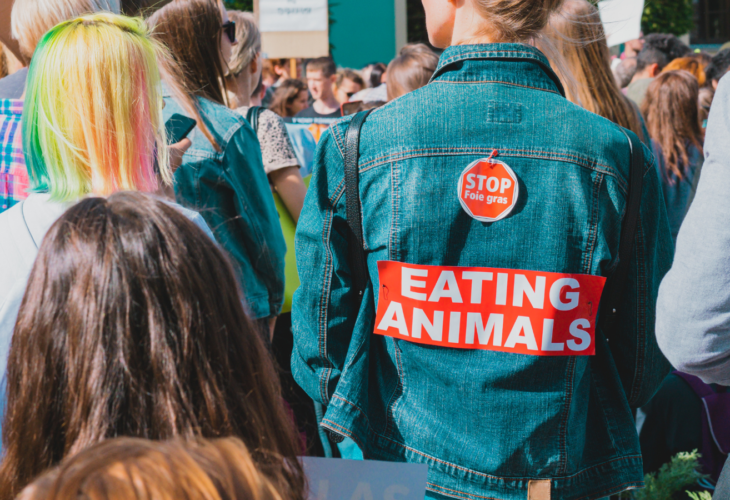
A group of people at a protest, one of whom wears a denim jacket with a "stop eating animals" sign on itNew research assesses consumer attitudes towards meat - Media Credit: Adobe Stock

Consumer attitudes towards meat

Forty-two percent of those surveyed stated that “most people will definitely or probably” be eating plant-based food instead of animal meat in the next 10 years. Respondents living in Africa and Asia were most likely to say the same, along with younger individuals.

The new report also highlights a rise in the number of people adopting vegetarian or vegan diets themselves.

In 2019, 17 percent of people polled said they eat “vegetarian/vegan food” most or all of the time. In the 2022 report, this had risen to 22 percent.

“The fact that so many people around the world are becoming more interested in eating healthy and sustainable food is an encouraging sign,” EAT founder Dr. Gunhild Stordalen said in a statement. 

“A few years ago, it would be unthinkable that 42 percent of people globally would believe plant-based food will replace meat inside a decade. But the public is starting to understand the escalating climate and nature crises and the dangers it brings to their everyday lives as it intertwines with the pandemic, the war against Ukraine, and the accelerating cost of living crisis.”

Indeed, more than half (51 percent) of those surveyed stated that they are concerned about food security. Food shortages, as a consequence of the COVID-19 pandemic and ongoing war against Ukraine, were named a “serious concern” by 60 percent of participants.

Further, a total of 92 percent of respondents said that their regular food bill was higher than before.

Still, making environmentally conscious food choices was important to a majority of consumers. Of those polled, 80 percent claimed that buying sustainable and responsible food is a priority to them. Meanwhile, 64 percent stated they are happy to pay more for such items, even during the cost-of-living crisis.

Growing interest in plant-based eating

The Grains of Truth 2022 report highlights an uptick in meat-free curiosity across all age groups. Gen Z (12 to 26 years old) and Millennials (aged 26-41) are leading the charge, with 40 and 43 percent respectively stating interest in plant-based eating.

However, Gen X (aged 42 to 57) and Baby Boomers (58 to 76 years old) are not lagging too far behind. 

Thirty-seven percent of the Gen X group said they are keen to try plant-based foods. More than a quarter (28 percent) of “Boomers” stated that they are very interested in plant-based diets.

The new report aligns with similar research into the public’s attitude towards meat. A Good Food Institute-commissioned survey suggested that half of those in Western Europe have reduced their meat intake in the last five years.

Ditch meat for climate health, experts say

Consumer openness to plant-based eating comes at a pertinent time. 

Many climate scientists maintain that plant-based diets are a valuable tool against the worsening climate crisis. This is due, in part, to the vast amount of greenhouse gases generated as a result of animal agriculture - at least 14.5 percent of the world’s total emissions.

Deforestation also remains a key issue. One of the world’s largest sequestering sites, the Amazon rainforest, has been so intensively felled to support animal farms that it now emits more carbon than it absorbs for the first time.

https://plantbasednews.org/news/environment/vegan-vegetarian-food-replace-meat-decade/

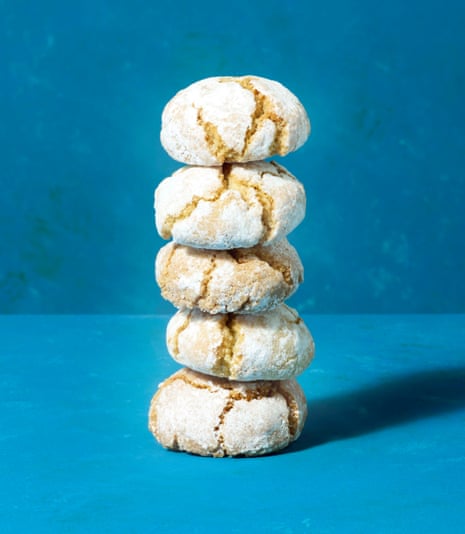
Sweet gifts: Meera Sodha’s vegan recipe for soft amaretti biscuits

From theguardian.com

Italian-style festive biscuits to gift to sweet-toothed vegans and non-vegans alike 

Elio’s in Barton-upon-Humber has been shut for at least four years, but I can still, in my mind, walk through the door of this north Lincolnshire restaurant as it was 30 years ago and take a seat under the crab-net decoration. It was a place where a bottle was ready to pour the moment you took a seat, where “more spice” would graciously be added to my Ugandan-Indian father’s order and where the amaretti were freely handed around with glasses of limoncello. These days, Elio’s is more of a spirit than a physical place, but it’s one that I can bring back occasionally by making and sharing these soft biscuits.

Soft amaretti biscuits

I’ve designed this recipe around using the aquafaba from a tin of chickpeas instead of egg whites (panic not, they don’t add any chickpea flavour). If you don’t have an immediate use for the drained chickpeas, freeze them for later. You’ll need an electric whisk.

Prep 5 min
Cook 45 min
Makes About 22
Keep 1 week+

300g ground almonds
175g caster sugar
¼ tsp fine sea salt
120ml aquafaba
, from 1 x 400g tin chickpeas
Zest of 1 lemon
1 tsp vanilla paste
50g icing sugar, for rolling

In a large bowl, whisk the almonds, sugar and salt. In a second bowl, and using an electric whisk, whip the aquafaba for eight to 10 minutes, until it forms semi-stiff peaks.

Heat the oven to 200C (180C fan)/390F/gas 6 and line two oven trays with baking paper (mine’s reusable). Gently fold the aquafaba, lemon zest and vanilla into the almond mix.

Now set up a biscuit rolling station: shake the icing sugar into a shallow bowl or lipped plate, and put the dough to one side of it and the trays to the other.

Pinch off a walnut-sized, 25-30g piece of the biscuit mixture, gently roll it into a ball, then put in the icing sugar and repeat until you have about six in the bowl. Keeping the bowl on the countertop, gently shuffle it around in a circular motion so the amaretti roll around and get covered in a thick coat of icing sugar. Carefully place them 10cm apart on one baking tray and repeat until you’ve used up all the dough.

Bake for 15-18 minutes, until the amaretti are golden on top, then remove and set aside to cool.

The biscuits will keep for at least a week in an airtight container. To wrap, put them in a gift box of your choice and tie with ribbon.

Meera Sodha’s soft amaretti biscuitsMeera Sodha’s soft amaretti biscuits. Photograph: Amy Currell/The Guardian. Set design: Jess Morgan. Food stylist: Laurie Perry. Photo assistant: Alex Bibby.

https://www.theguardian.com/food/2022/nov/26/sweet-gifts-vegan-soft-amaretti-biscuits-recipe-meera-sodha

Saturday, November 26, 2022

What Is a Gluten-Free Vegan Diet?

From vegnews.com

What can you eat on a gluten-free vegan diet? And is there anything that you should consider before cutting out bread, pasta, cookies, and more?

There’s a lot of talk about going gluten-free and plant-based these days. You’ve probably been targeted by ads for some sort of snack or meal delivery service that offers gluten-free vegan diet options—enough to make you wonder if there’s something to cutting out regular ol' bread and pasta. If random ads, influencers, and members of your monthly brunch group are cutting out gluten, why shouldn’t you? In reality, there are legitimate medical reasons to cut gluten out of your diet, but a gluten-free vegan diet may not benefit you unless you’re one of those people. Let’s dig into why someone might need to go gluten-free, what nutrients you may miss out on, and what’s okay to eat.

What is a gluten-free vegan diet?

If you follow a gluten-free vegan diet, then you don’t eat anything that contains gluten or animal-based ingredients. 

Gluten is a type of protein that’s found in wheat, which includes wheat berries, farro, durum, semolina, spelt, einkorn, Kamut, and wheat protein, which is used to make seitan and other types of plant-based meat. Gluten is like a stretchy binder that holds food together. Without it, the dough for pizza, bread, flour tortillas, pasta, and more would fall apart—although, there are many gluten-free foods these days that are nearly indistinguishable from their gluten counterparts. 

Bread and pasta are staple foods for many, but for the estimated 2 million people in the US with celiac disease, the gluten that they contain triggers an immune response. Celiac disease is a hereditary autoimmune disorder where eating gluten may result in painful bloating, diarrhoea, or abdominal pain. Internally, gluten causes the body to attack the villi, the threadlike appendages in the small intestine that aid in nutrient absorption. 

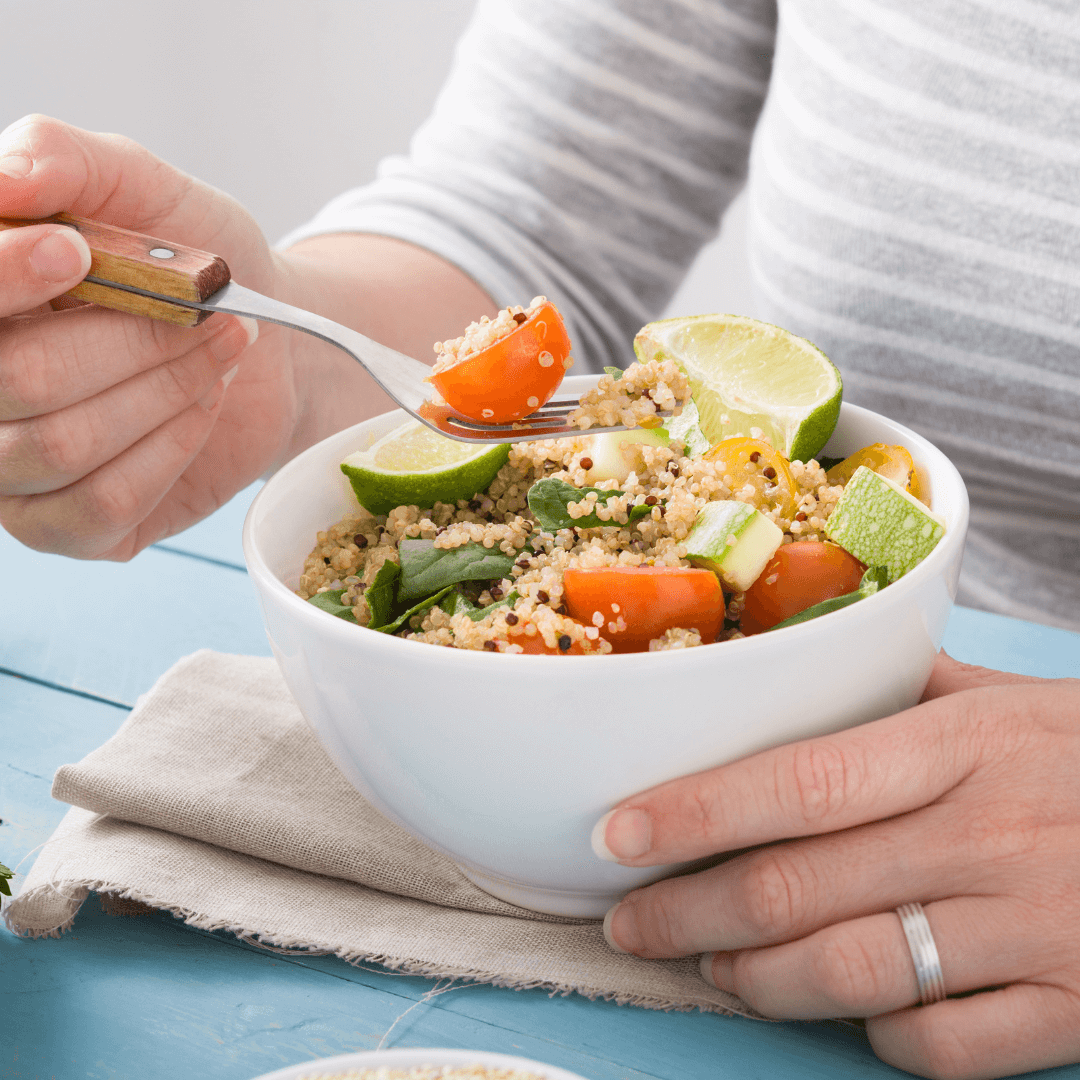
VegNews.VeganGlutenFreeDiet.Canva2

Canva

According to the Celiac Disease Foundation, if ignored, this condition can lead to a higher risk of coronary artery disease, small bowel cancers, iron deficiency anaemia, and other autoimmune disorders, such as Type 1 diabetes. A lifelong gluten-free diet is the only known treatment plan for celiac disease.

One might also avoid gluten due to having gluten intolerance, also known as non-celiac gluten sensitivity (NCGS). Eating gluten when you have an NCGS may come with bloating and abdominal pain, but it is much less aggressive than celiac disease and it does not have the same long-term health effects. It is not an allergy or autoimmune disorder, and its exact causes are still unknown, but it affects an estimated 6 percent of the US population. 

If you suspect that you have a gluten intolerance, your healthcare provider may run tests to confirm it, including testing you for a wheat allergy and asking you to follow an elimination diet where you avoid all gluten. If you don’t have a medical reason to avoid gluten, cutting it out of your diet will offer you no nutritional benefits.

Complications of a gluten-free vegan diet

The good news is that if you do have to avoid gluten, you won’t deprive yourself of any essential nutrients. But, because this is a plant-based diet, it lacks vitamin B12, which is found in meat, eggs, and dairy products. This important vitamin is essential for the formation of red blood cells and DNA as well as the function and development of brain and nerve cells.

Vitamin B12 is added to some vegan products, such as fortified cereals, plant-based milk, and nutritional yeast, but because this isn’t the standard, you may need to source your vitamin B12 from supplements.

It’s recommended that you consult with your doctor or a nutritionist before making any major changes to your diet. 

What can you eat on a gluten-free vegan diet?

Figuring out what’s okay to eat on a gluten-free vegan diet is less complicated than understanding what falls under the umbrella of keto or paleo. It may sound like going gluten-free is about cutting out carbohydrates, which provide your body with the energy it needs to navigate life, but there are plenty of carb-heavy foods that are okay to eat.

All you need to do is avoid animal products and anything with gluten. It may be tricky to find certain things—a gluten-free vegan pizza that you enjoy, for example—but it’s fairly unrestrictive except for severe cases where you must avoid any foods that aren’t made in a dedicated gluten-free environment.

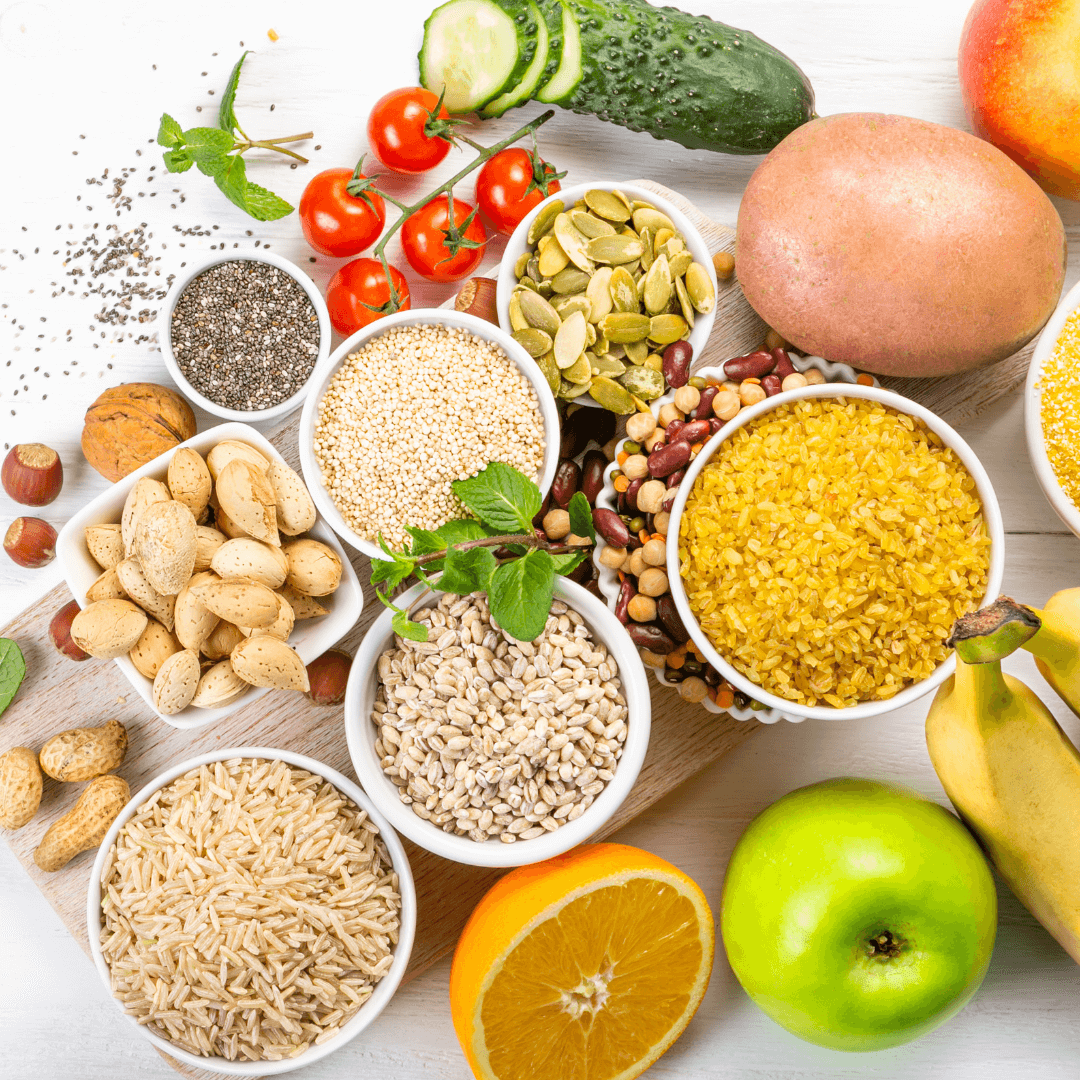
VegNews.VeganGlutenFreeDiet.Canva3

Canva

Alliums: Onions, garlic, shallots, chives, green onion, leeks
Chili peppers: Bird’s eye, Korean hot peppers, serranoes, jalapeños, Kashmiri, Anaheim, poblano, Scotch bonnet, habanero, gochutgaru, red pepper flakes, chili powders
Drinks: Coffee, tea, juice, kombucha, wine, most cider, coconut water, water
Fresh herbs: Basil, cilantro, parsley, oregano, curry leaves, perilla, rosemary, thyme
Fruits: Apples, bananas, berries, melons, oranges, grapes, peaches, pears, lemon, lime
Legumes: Beans, lentils, peas, peanuts, edamame
Mushrooms: Button, portobello, shiitake, enoki, maitake, oyster, king oyster
Nuts and seeds: Almonds, walnuts, macadamia nuts, sunflower seeds, hemp seeds, chia seeds, flax seeds
Oils: Canola oil, extra virgin olive oil, walnut oil, sesame oil, avocado oil
Plant-based proteins: Tofu, tempeh, gluten-free vegan meats
Tubers: Potatoes, yams, jicama
Vegan cheeseAnything certified gluten-free—most should be
Vegetables: Broccoli, cauliflower, carrots, celery, cabbage, leafy greens, sea vegetables
Whole and ground spices: Black pepper, cumin, coriander, allspice, turmeric, paprika, cloves, cinnamon, ginger, nutmeg
Whole grains: Oats, rice, quinoa, buckwheat, amaranth, teff, corn, sorghum

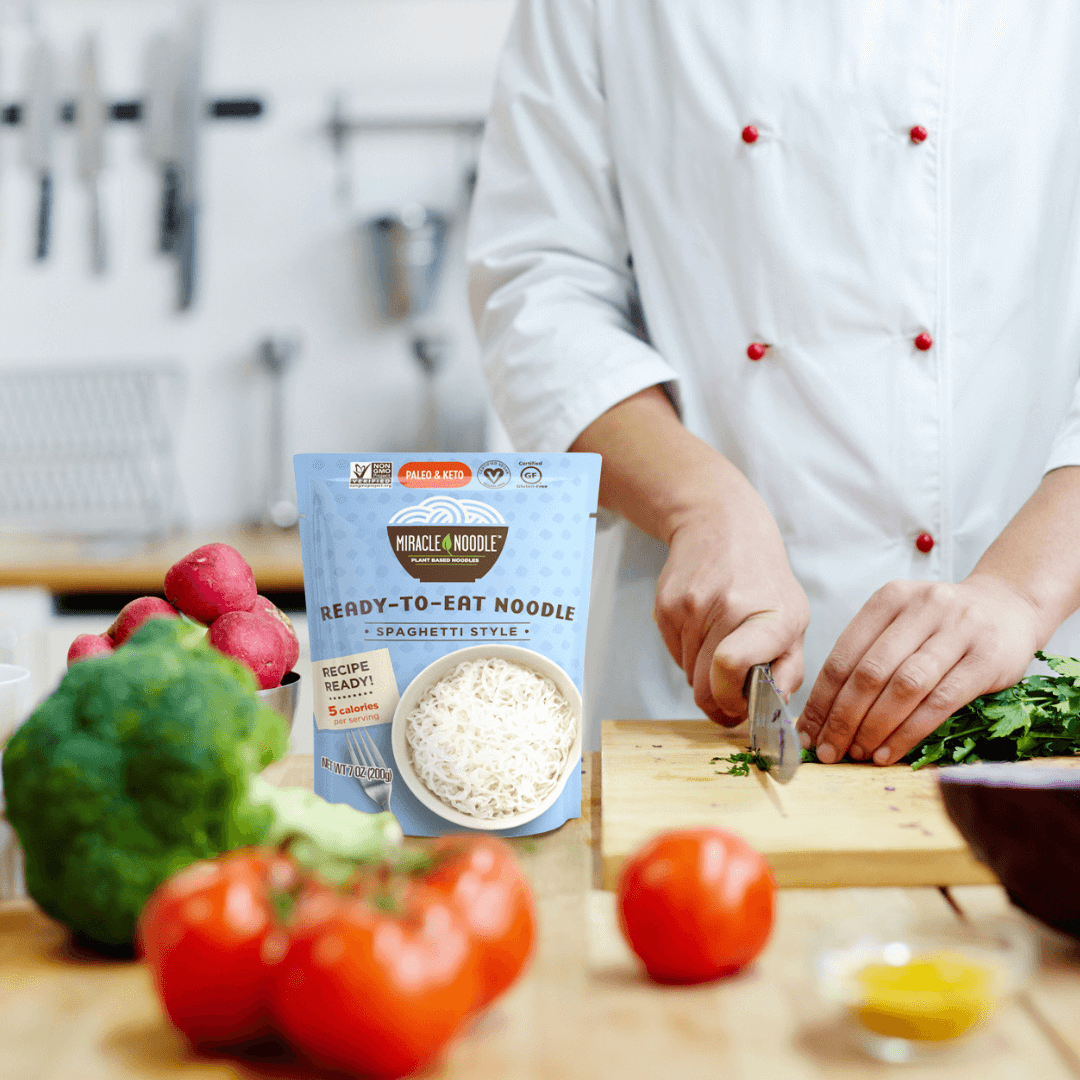
VegNews.GlutenFreePasta.MiracleNoodle

Miracle Noodle

Packaged gluten-free foods are also fair game. These include gluten-free bread, wraps, pizza, pasta, 100-percent buckwheat soba, cereal, snacks, candy, and chocolate. Most kinds of vinegar, miso paste, tamari, and many sauces are gluten-free. 

Look for anything that’s certified gluten-free, meaning that the product was made in a dedicated facility to avoid the risk of cross-contamination. This is safe for people who have celiac disease or non-celiac gluten intolerance. Sometimes, even naturally gluten-free foods may spark a reaction in people if they’re produced on shared equipment with gluten-containing ingredients. For example, some oats are not considered gluten-free because of this. 

What can’t you eat on a gluten-free vegan diet?

Gluten is fairly prevalent in foods, especially in restaurants, but other than that, there are no other major restrictions. Here’s a general list of what to avoid on a gluten-free vegan diet:

Animal products: Meat, dairy, eggs, fish, shellfish, honey
Drinks: Beer, ale, lager, stout, plus whiskey, bourbon, and gin made from wheat, barley, or rye
Grains and flours: Wheat berries, barley, farro, rye, spelt, flour, semolina, durum
Packaged foods: Bread, bagels, pasta, wraps, cereals, frozen waffles, flour tortillas, pizza, pasta, ramen, udon, croutons, certain vegan meats
Snacks: Pretzels, pita chips, crackers, cookies
Sauces: Soy sauce, barbecue sauce, salad dressing, roux-based sauces

Remember: if you have celiac disease, NCGS, or a wheat allergy, you should always read the ingredient list to ensure that a product is completely free from traces of gluten.

https://vegnews.com/vegan-health-wellness/nutrition/what-is-gluten-free-vegan-diet


Thursday, November 24, 2022

Three reasons why this month is a great time to go vegan

From ecotricity.co.uk

This month we’re busy celebrating World Vegan Month alongside our partners, Viva! and the Vegan Society. We’ve always known about the benefits of going vegan, but we think this month is the perfect time to give it a try. Take a look at the reasons why you should go vegan this month below...

It’s good for you

Did you know that a vegan diet can make a big difference to your health? Research has linked vegan diets to lower blood pressure and cholesterol.

A team from Warwick Medical School found that “any effort to increase plant-based foods in your diet and limit animal products is likely to benefit your blood pressure and reduce your risk of heart attacks, strokes and cardiovascular disease.”

Often many people think that vegan diets are lacking what our body needs to perform successfully. But many athletes have actually moved to a plant-based diet like Formula 1 Champion, Lewis Hamilton.

Speaking to Men’s Health Magazine, Lewis commented that “I’m physically in better shape than I’ve ever been, and I’m more successful than ever right now, and my plant-based programme has played such a big role in that.”

Want to get started? Take a look at some of our tasty vegan recipes here:

We even have a very tasty vegan dessert for you: Black bean brownies – Ecotricity | Ecotricity.

Everyone deserves a treat!

time to go vegan cost
Combat the cost-of-living crisis

Eating a vegan diet is not only beneficial to your body but also for your wallet. Currently, we are all feeling the strain of living through the cost-of-living Crisis. We’ve all noticed that food has increased in price, and it’s not going down anytime soon.

There’s often a common misconception that eating a vegan diet is really expensive – but it doesn’t have to be!

A study by Oxford University actually found that in the UK, adopting a vegan, vegetarian or flexitarian diet could cut your food bill by up to one-third.

According to The Independent, lamb and beef sales have already fallen by 23.7% and 13.7%, respectively. This shows that Britons are turning to a vegan diet in our current economic climate.

So, you can enjoy the health benefits of a vegan diet whilst saving the pennies. A cost-of-living crisis is certainly not the reason we want people to change their lifestyle to a vegan one. However, it is brilliant to see more people take advantage of the benefits of a vegan diet and subsequently help protect the planet.

time to go vegan planet
It’s your chance to become an eco-warrior

Did you know that by going vegan it’s your chance to play a role in combatting climate change?

It’s one of the biggest ways to reduce your impact on the environment. You could cut your carbon footprint in half by giving up meat and dairy.

According to a recent study from Stanford University and the University of California, “the worldwide phase out of animal agriculture, combined with a global switch to a plant-based diet, would effectively halt the increase of atmospheric greenhouse gases for 30 years.”

Many scientists argue about the scale of the effect of adopting a vegan diet on combatting climate change, but it’s clear that if we adopt a plant-based diet, we’re making a contribution in helping our planet.

UK: Greggs Partners With THIS to Launch New Vegan Range

From grocerygazette.co.uk

This, the UK’s fastest-growing plant-based meat brand, has partnered with Greggs to expand its exclusive range of new vegan products across all 2,200 of its shops in the UK.

The collaboration aims to answer the growing demand for plant-based food, with 49% of British consumers cutting down on meat.

As part of the high-street retailer's festive menu, Greggs has launched the Vegan Turkey-Free and Stuffing Baguette, which will sit alongside the Vegan Southern Fried Chicken-Free Baguette (RRP from £3.50) that kicked off the partnership. 

The chicken-free goujons in the sandwich are made with This’ award-winning chicken recipe using pea and soya protein, and then coated in batter and southern fried crumbs.

Greggs has long championed plant-based food, beginning with the release of its iconic vegan sausage roll in early 2019.

The partnership is a huge milestone for This, which is driving brand awareness by serving its products to Greggs’ customers.

The vegan meat brand was founded in June 2019 by ex-meat fanatics Andy Shovel and Pete Sharman as a plant-based food brand for meat-lovers.

The business continues to grow at pace, recently launching several new products and making a number of senior hires.

“Having such a huge operator and admired brand as Greggs want to work with us is massive. It’s a statement on the quality of the products we’re producing,” co-founder of This, Andy Shovel said.

He added: “It’s also reflective of the continued investment into and demand for plant-based food. Both Pete and I are personally buzzing about this partnership.

“We’re just trying to keep our cool every time we see anything Greggs or generally anything orange and blue,” Shovel said.

The news comes as This, one of the UK’s biggest plant-based meat brands, has moved into a fourth food category by adding a new range of ready meals to its portfolio.


https://www.grocerygazette.co.uk/2022/11/24/this-greggs-vegan-products/

Wednesday, November 23, 2022

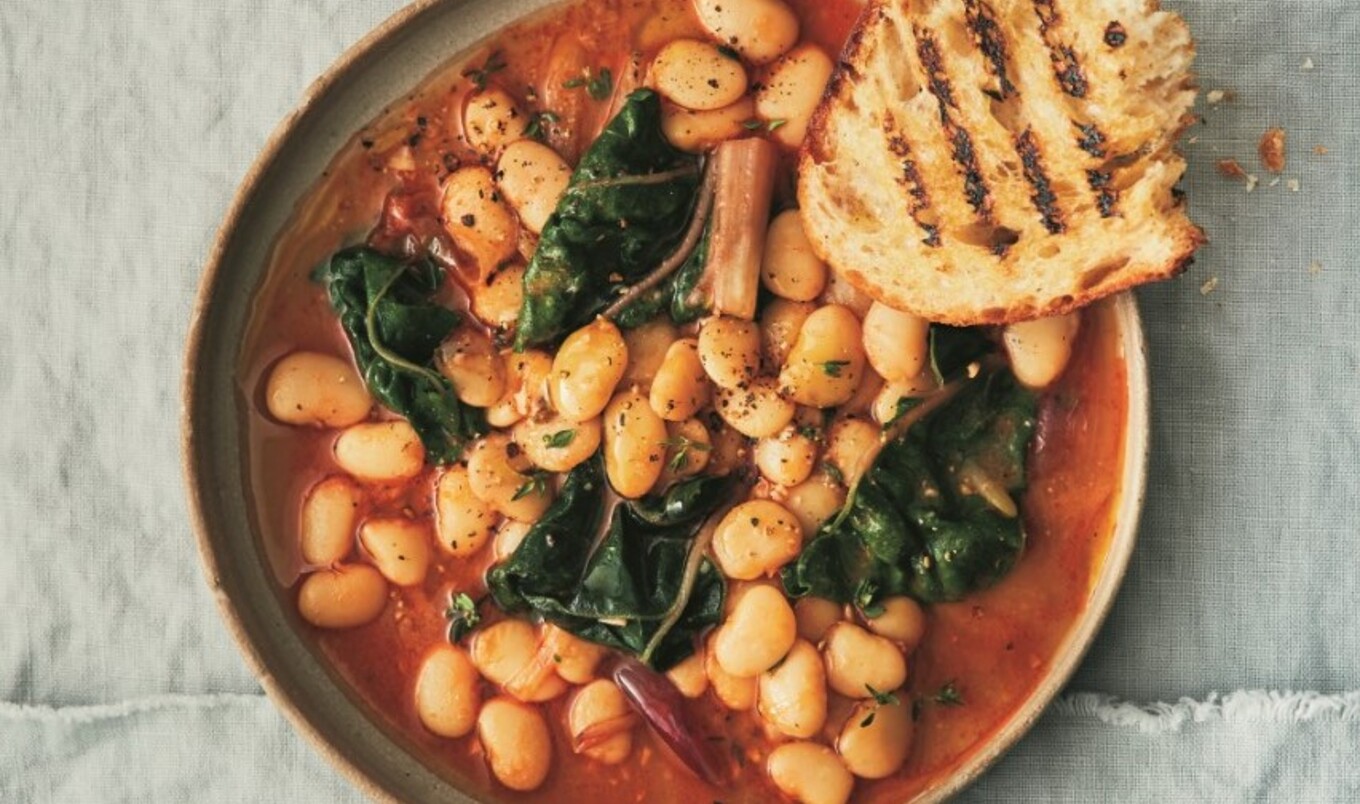
Recipe: Vegan Shortcut Brothy Beans

From vegnews.com

It’s hard to beat home-cooked beans, but sometimes you don’t have hours to spend cooking. This recipe’s got your back

SERVES: 3

This dish from the Evergreen Cookbook infuses canned beans with heaps of flavour, in a fraction of the time. In addition to the usual suspects—shallots, garlic, and herbs—tomato paste and miso add extra depth of flavour. It’s an impressive level-up for canned beans!

What you need:

¼ cup olive oil, more for garnish
1 tablespoon tomato paste
2 large shallots, thinly sliced (about 1 cup)
5 garlic cloves, minced
1 tablespoon fresh thyme
2 cups vegetable broth
¼ teaspoon fine salt
½ teaspoon black pepper
2 (14-ounce) cans butter or cannellini beans, drained and rinsed 
1 tablespoon white miso
3 cups packed chopped Swiss chard, spinach, or lacinato kale
Lemon wedges, for serving
Grilled crusty bread or focaccia, for serving

Vegan Shortcut Brothy Beans

Bri Beaudoin

What you do:

  1. 1.  In a large Dutch oven or pot over medium heat, warm oil. Add tomato paste and shallots and cook, stirring frequently, until shallots are soft and tomato paste has darkened, about 5 minutes. Add garlic and thyme and cook, stirring continuously, until fragrant, about 1 minute.
  2. 2.  Add broth, salt, and pepper. Cover with a lid and bring to a boil. Once boiling, reduce heat to medium-low and simmer for 5 minutes to let the flavours meld.
  3. 3.  Add beans and gently stir to mix. Cover with a lid and cook over medium-low heat until beans are warmed through, about 10 minutes. Stir in miso until fully dissolved. Stir in Swiss chard. 
  4. 4.  Serve beans hot with lemon on side and bread for dipping.


Lessons Learned From Going Vegan for a Week

From codcourier.org

By Khadijah Rashid

I temporarily gave up all animal products, resulting in lots of disappointment but discovery as well

After attending a COD Students for Animal Welfare film screening, I decided to accept my adviser’s challenge of going vegan for a few days. I soon extended the period to one week to try to better mimic the experience of someone who was convinced by a documentary to switch to veganism. Beginning with the worst cupcakes I’d ever tried and ending with the best pancakes I’d ever made, the week was full of discoveries about my body and food. 

The first meal I had consisted of strawberries and a bowl of Progresso minestrone soup. I’d gone home from campus planning to have a peanut butter sandwich until I realized I was out of bread at home. It brought to mind what Ashley Fiedler of the animal welfare club shared after the film screening. As a high schooler, she ate what her family ate. So trying to make such a major dietary switch resulted in a lot of skipped meals. It also reinforced the importance of club adviser David Ouelette’s advice—when cutting out animal products, find good substitutes.

Many of my go-to foods would not make the cut into my vegan diet. A cup of Greek yogurt is what I’m used to grabbing before a morning shift at work. A day on campus for me often involves a mac and cheese, pizza or burrito lunch. A dinner cooked by my mom often, though not always, includes beef, chicken or fish, and a late-night fix of instant ramen is always shrimp flavoured.

With this in mind, I forced myself to make sure I was eating at least two meals and one snack a day, as I normally would. I didn’t want to give up nutrition and energy, even though over a weekend packed with school and work responsibilities it meant a lot of eating out, and a lot of money spent. 

One of the questions I got asked multiple times was whether I felt more tired than usual. I didn’t. In an eight-hour work shift herding holiday shoppers through a checkout line, my fruit smoothie breakfast and Beyond chicken lunch were getting me through more than fine. 


Among the new plant-based foods I tried were avocado tostadas with seitan chorizo (very good), gluten-free cupcakes (very bad), the Burger King Impossible Whopper (bad), Panda Express’s Beyond orange chicken (good), Panera Bread’s Mediterranean bowl without the dairy products (very good), and Taco Bell’s fiesta veggie burrito with several substitutions to make it vegan (very good). My late-night snacks mostly included assorted fruits as I denied myself the frozen waffles, lava cakes, and ready-to-bake cookie dough sitting in my freezer and fridge. 

All these choices caused interactions I wouldn’t have had otherwise. I had to call restaurants to ask about their vegan options. An employee at Panda Express pointed out all the vegetarian options to me when I struggled to locate the Beyond chicken I’d read about online, and I was asked in the Burger King drive through if I wanted to remove the mayonnaise from my Impossible Whopper, which reminded me that mayonnaise has eggs and informed me that it was normally on the burger. 

I also ended up talking to my family about our religion’s position on animal rights and my own motivation behind trying veganism. We discussed the Islamic idea that humans have some rights over animals that come with a responsibility to treat them a certain way. We then got into the grey area of whether choosing to go vegan as a Muslim for ethical reasons is permissible. If someone believes God allows them to use and consume animals, is forgoing all animal products challenging God’s word? Our opinions varied. Did I intend to adopt this diet long term? No, but I believed some good could come out of it.

One of the most interesting outcomes of my week of veganism was the mental effect of denying my cravings, and I don’t mean the several strange dreams about food featuring my family and friends. By regularly stopping myself from eating the things I wanted to eat and refusing the foods my family offered me, I had unknowingly switched my brain into Ramadan mode, in which I, as a Muslim, fast from sunrise to sunset. I realized this as I sat down with my lunch and thought for a second that I can’t be eating. It was the same feeling I get before my first midday meals after Ramadan’s end. I also don’t listen to music while fasting, and during this week I found myself involuntarily hesitating before playing a song as I got in my car, then reminding myself no, I wasn’t fasting.

I found solace in my usuals that I was still able to eat, like pomegranate smoothies and my mom’s lentils and rice. On my second-to-last day of veganism, I brought one of these smoothies to school for my colleague, Noah McBrien, who was going temporarily vegan with me. McBrien saved me a squash and quinoa dish served at a school event. I love squash, eggplant and most common vegetables when they’re prepared in the South Asian style I’m used to, but I could not find any enjoyment in the flavourless, stringy meal before me. I knew I needed to eat something, and I didn’t want any of it to go to waste, so I powered through. 

The meal was disappointing, and I was desperate to eat the more enjoyable things I’d been craving, but having a vegan buddy softened the blow. McBrien and I had shared our first vegan dinner of the week together, and as the days went by we continued to update each other on whether we’d eaten, what we’d eaten, and if it was any good. For me, anything that takes accountability and willpower is much easier when I’m not doing it alone.

I also find that when voluntarily removing something from my life, guilt isn’t a sustainable motivator on its own. This is something I discussed with the animal welfare club after the screening. Knowledge of the conditions animals experience in industrial farms is already one of my personal reasons for eating meat that’s in accordance with halal standards. A bigger switch to plant-based products for me would have to be coupled with the knowledge that I’m “voting with my dollar,” as mentioned in the documentary “At the Fork.” I would be keeping in mind that my decisions as a consumer can contribute to changes in agriculture practices.

Something else I took from my discussion with the club was that one mistake doesn’t indicate failure. I realized the batter in the tempura vegetables I shared with my sister one night may have been made with eggs, but I let it slide and kept making an effort.

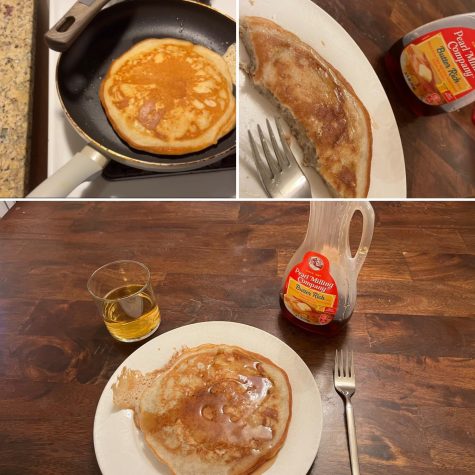
Photos by Khadijah Rashid

It wasn’t that it was hard for me to give up meat. In fact, I didn’t eat meat again until three days after the week had ended. It’s dairy and eggs that are embedded into my daily diet. These were the two things I had to substitute when I decided to use a pancake mix to make myself vegan pancakes, expecting them to be tough and grainy. With almond milk and banana, I ended up making myself one of the best pancakes I’d ever had. I’m definitely changing my go-to pancake recipe.

I paired that breakfast with a glass of juice instead of milk, which was already something I’d cut down on in the past four years when I realized it was the source of my lifelong digestive issues. Most of my family members are some degree of lactose intolerant, so my fridge was already stocked with almond milk. I used this almond milk on a few of my vegan mornings to have a bowl of cereal, something I’d also mostly given up. I never delved into milk substitutes because I still reacted to Lactaid and didn’t like the taste of almond milk when I tried it on its own, but I realized that in a bowl of cereal I didn’t mind it at all. 

I didn’t experience abdominal discomfort even once over the course of the week. I hadn’t realized that was still a normal part of my life until it was gone. I did however develop two small white spots on my nails which generally indicate calcium and zinc deficiency. I’ve never developed those before, so in reducing my dairy intake further I’d want to make sure I’m still incorporating those minerals into my diet.

Although I won’t be going permanently vegan, this week was full of discoveries. First of all, some vegan food is good. Also, my body thanks me when I feed it a more mindful diet. While my moral standpoint on consuming meat and animal products hasn’t changed, my willingness to make a change has increased. Find me in the grocery store line with pasture-raised eggs sometime soon.

https://codcourier.org/lessons-learned-from-going-vegan-for-a-week/