Tuesday, December 14, 2021

Slutty Vegan's Pinky Cole Offers Advice For Becoming Vegan

From mashed.com

Some people who may otherwise embrace a vegan diet might resist making the change because, simply put, they love food too much. While many would likely agree they care about animal welfare, loathe the impact large-scale livestock operations can have on the environment, and would embrace the potential health benefits of a plant-based diet, the mere thought of missing out on burgers, nuggets, steaks, and more can be a roadblock on the path to the lifestyle change. But it shouldn't be, says Pinky Cole, founder of Atlanta's celebrated Slutty Vegan restaurant and a diehard vegan.

During an exclusive interview with Mashed, Cole sought to dispel the misconception that being vegan means missing out. "I love all the things that the average meat eater likes," Cole said. "I just eat it vegan. I'm a foodie, and I'll be the first to tell you I'm probably one of thickest vegans you're going to meet, but I love to eat food. So I can recreate the food that everybody in the world loves and make it vegan and make it taste exactly the same. And you don't feel like you're missing anything."

Cole started simple, saying, "I love kale and mushrooms — I eat that every day now. I love green juice. I love Impossible Burgers, Beyond Burgers. I love vegan macaroni and cheese. I love all the stuff that you love. ... All you got to do is just switch out some options. If you eat fried chicken for lunch, maybe have some vegan chicken."

How to get into a vegan mindset, according to Pinky Cole

If you're thinking about trying a vegan lifestyle, don't overthink it, says Pinky Cole. "It literally is all about mindset," she said during an interview with Mashed. "So many people are like, 'I got to plan, and I got to do this or that to be vegan.' No you don't. And nobody is telling you to go cold turkey."

Cole doesn't judge someone for making different dietary and lifestyle choices than those that work for her, but she just wants to make sure people are making those choices with all the facts at their disposal. "There are so many misconceptions when you think about veganism," Cole said. "Like that you'll lose a ton of weight if you're vegan, that you can't hang with a certain kind of people ... Whether you go vegan for the animals, whether you go vegan because you just want to live healthier, or you just simply want to make a lifestyle switch, the choice is yours. But if you make that choice, I promise you, it's not hard. It literally is all about your mindset and how do you choose to live that life."

Once that choice is made, Cole says a bit of planning can go a long way to helping you stick with it. "If you truly want to go vegan and you need a tangible game plan, the first piece of it is to get rid of pork. Then ... eliminate beef. Then, after beef ... go to chicken and turkey ... [and then] go to fish. And after you eliminate fish, then stop eating cheese." Not eating cheese, Cole admitted, is one of the hardest things about going vegan. "But once you realize [that when] you take those things out of your diet, your palate begins to change. You'll start craving a lot of different foods, healthier foods, foods that your palate is not really accustomed to. That is one of the first steps."

https://www.mashed.com/73447/vegetables-you-should-shouldnt-eat/

How to live a healthy vegan life

From greenprophet.com

There are a wide variety of good reasons to consider being a vegan, including health and moral obligations. In many ways, there has never been a better time to consider being a vegan, since there is a booming market to support veganism nowadays.

However, living a healthy vegan life does come with some challenges. Here are some tips to help you transition to veganism.

Don’t Settle for Junk Food

Some vegans struggle to find plenty of variety, especially on a budget. You may be tempted to settle for vegan junk food to fill your belly and satisfy your cravings without compromising on your morals.

However, every calorie counts, for vegans more so than for other people. Eating lots of empty calories can have a negative effect on your health. A diet of vegan cookies, cakes, and candy is not going to result in a healthy life for you even if it technically counts as following a vegan diet.

It’s okay to splurge on these kinds of vegan treats every now and then, especially when you’re suffering from a craving, but make sure that the majority of your diet is made up of healthy whole foods like vegetables and grains.

vegawarian, flexitarian vegan sandwich, black bread with vegetables held by a woman wearing a vegan t shirt

We love vegan burgers but are you getting Vitamin B12?


Consider B12 Injections

B12 is a very important supplement that can improve mood and energy levels. It is considered a necessary vitamin for good health. Unfortunately, getting enough B12 as a vegan can be challenging.

B12 is found mostly in animal-based foods including dairy products, beef, and fish. If you are avoiding these kinds of foods, you may be at risk of developing a B12 deficiency. Symptoms of not having enough B12 include weakness or numbness in your extremities. It can also result in fatigue, breathlessness, and memory problems. Insufficient B12 can have negative effects on your mood as well.

B12 injections from a quality provider like RCMC Medical Center can be a great solution to enable you to maintain your vegan lifestyle while simultaneously ensuring that you get all of the vitamins you need to be healthy.

Know Where Your Greens are Coming From

Because vegans eat such a high quantity of greens, it may be even more important for a vegan to know where their greens are coming from than it is for other people. You can end up ingesting a lot of pesticides, fertilizers, and other contaminants from greens that haven’t been grown and cleaned properly. Organic greens do come at an extra expense, but it may be well worth the extra money to be sure that your greens aren’t carrying any unwanted contaminants.

Life Well & Live Happily

Veganism can be a very healthy choice, as well as a valuable moral decision for many people. However, it’s important to examine your decision-making and make sure that you are making the best possible decisions for your health as you begin your vegan journey.

https://www.greenprophet.com/2021/12/b12-vegan/ 

Monday, December 13, 2021

How to Get Back on Track When Trying to Be Vegan Seems Daunting

From onegreenplanet.org

It can be overwhelming when you’re a new vegan and trying to get everything perfectly right. Whether you’re just focusing on eating plant-based or going all the way with eliminating non-vegan cosmetics, clothing, and practices from your life, going completely vegan can be a little daunting. While there are people who will preach vegan perfectionism, the reality is that taking your time and doing what’s best for you (while still respecting the planet and its animals) is far more important. 

So before you quit and reach for that beef burger, here are a few things to think about if you’re feeling vegan burnout and don’t know how to carry on. 

                                                                       Lead Image Source : Natalia Lebedinskaia/Shutterstock
                

Figure Out Why You’re Feeling This Way 

Ask yourself what the source of this burnout is. Do you feel like you don’t have many vegan options? Has the pressure of being all-in or all-out gotten to your head? Maybe you’ve just been feeling tired of all the choices you’ve had to make. 

All of this is understandable. Finding the source of your burnout will help you avoid it in the future. If you’re running out of vegan options or craving something non-vegan, get creative with an alternative and indulge in something new to help you go back to being excited about plant-based eating. 

Social media pressure can be daunting but no one is perfect and we’ve all struggled one time or another with vegan burnout. 

Remember Why You’re Doing This

Our actions have consequences. Sometimes we can forget why we are vegan and the water, lives, and

emissions we are saving from living this way. Reminding yourself of the good you’re doing and the

disturbing and unethical practices attached to the meat, dairy, and egg industries are a great way to re

motivate yourself. 

Think about something like a steak and what it is, or where milk comes from. The realities behind the 

perfectly packaged and marketed non-vegan food products are brutal. We know most people don’t want 

to support them, it’s just more convenient to ignore the truth – but that doesn’t make buying them any 

better. 

The small steps we take as vegans have big impacts. A vegan diet has the lowest carbon footprint of all 

diets at 1.5 tons of greenhouse gas emissions a day, while the average omnivore is responsible for 2.5 

tons of greenhouse gas emissions. 

If you appreciate the positive impact you’re having on the world by eating beans, fruits, veggies, 

grains, and some vegan ice cream here or there, staying vegan long-term and not getting overwhelmed 

by the changes might feel easier. 

Don’t Rush Into It 

The best advice a new vegan can get is to take it slow. If you quit non-vegan food cold-turkey (or cold-

tofurky if you will) you might feel like all these changes are happening too quickly, and you can’t stick 

to any of them. 

You need time to make sure the habits you’re trying to instil in yourself stick, so don’t worry about 

pacing yourself. Cutting out meat is the most important step, then move on to dairy and eggs once that 

feels comfortable. 

Remember, the key is to become vegan (whether perfect or imperfect) for life, so do what you need to 

do to make that happen. You’ve got time. 

Get Some Good Recipe Inspo

There are a million awesome and creative vegan recipes out there, but it’s easy to forget that when you’re in a routine. Spend some time on a weekend browsing the web for fun recipes to try out. 

Think about what your favourite non-vegan dishes are and challenge yourself to recreate them with plant-based alternatives. You might be surprised by how delicious it turns out!


At the End of the Day… 

Vegan burnout is real and passing it off as being lazy or undisciplined isn’t very kind or helpful to yourself. Think about what’s making staying vegan difficult and achievable goals you can set to feel better about this new diet. 

If you’ve been vegan for a while and still feel this way, that’s okay too. Veganism is about compassion, and that patience and understanding doesn’t just extend to animals in slaughterhouses. 

https://www.onegreenplanet.org/human-interest/how-to-get-back-on-track-when-trying-to-be-vegan-seems-daunting/


Sunday, December 12, 2021

Korean Vegan, one of the best cookbooks of the year, is big on flavour and comfort

From inquirer.com

Joanne Lee Molinaro’s cook book is an extension of her poetic and personal social media presence 

When I first encountered Joanne Lee Molinaro’s cooking videos, I didn’t realize she was making food. Tucked between one TikTok dance and an arresting drag queen make-up tutorial, her audio stopped me in my tracks before I even noticed her cooking.

Gorgeous food video is almost a dime a dozen, and Molinaro’s sumptuous and romantic TikTok posts are no exception. Think moody lighting catching every wisp of steam, or close-ups of spoons and chopsticks stirring rice or ommelettes or bowls of noodles, each perfectly imperfect crack or texture exposed. In many cases, Molinaro doesn’t even offer a recipe, nary a measurement. Instead, Molinaro’s gentle and confident voiceover guides viewers through a 60-second story from her life as a daughter of immigrants, a lawyer, cook and now cookbook author. The food? Stunning, but not the point.

In many ways, Molinaro’s Korean Vegan Cookbook is an extension of her poetic and personal social media presence. An exploration of popular and less-traveled dishes from the Korean gastronomical lexicon, it’s a debut cookbook that I have not been able to put down.

Molinaro’s lyrical stories about her family’s immigrant experience — full of family photos and with gorgeous, aesthetic photography — gained her millions of TikTok followers over the last year, as people found her on that platform. Her vulnerability and empathy translates to the page, like when she describes her suburban upbringing: “...at the far end of the yard was my grandmother’s pride and joy: dozens of tall, graceful stalk of perilla leaves that turns their heart-shaped faces to the sun like a troupe of ballerinas.” Throughout the book, she uses her adapted vegan recipes as a bridge to her heritage.

Molinaro started a food blog in 2016 “with an eye toward sharing vegan versions of Korean recipes while preserving the details that sometimes get stripped in the rush to bring Korean recipes to the masses.” She writes early in her book, that “veganism remains extremely rare in Korean culture... I was terrified that going vegan meant losing my ‘Korean-ness.’”

Molinaro cleverly side-steps non-vegan Korean ingredients by offering easy-to-make versions at home in any international pantry, like an umami-packed “fishy sauce” that employs mushrooms among other flavourful ingredients, or a rich Korean barbecue sauce that does double-duty as marinade or stir-fry sauce. A whole chapter on banchans, the bevy of Korean side dishes that are the delightful workhorses of any meal, is stacked with varied, flavourful dishes like dooboo jeon (tofu cakes), braised Lion’s Mane mushrooms, and simply roasted-and-glazed onions.

Some stand-outs include clever modern takes on non-Korean dishes, like a truly spicy “angry penne pasta,” a clever take on Italian pasta arrabiata that employs gochujang and gochugaru, Korean red pepper paste and flakes, respectively.

The deceptively simple dooboo kimchi, a modestly prepared dish of boiled tofu with a kimchi mix, has proved to be a regular mainstay in my home — it’s the kind of comforting and quick weeknight meal that I love to assemble in under 20 minutes. It is deeply satisfying sustenance in a humble package.

As the nights get longer and colder, there are recipes I’ve earmarked for precisely that purpose, like midnight-black jjanjangmun, a dish of noodles lacquered in a glossy black bean sauce made famous by the film Parasite, and gamja tang, a fortifying potato stew.

I am not vegan, not by a long shot, but you don’t have to be to enjoy the earthy, robust meals in this book.

Even as Molinaro recounts her stories, the flavours I’ve encountered in Korean Vegan transports me to another time in my own life: From middle school through high school, my brothers and I would join our childhood friends, who were Korean, for weekly Bible study at their church. Invariably, the most exciting part of those evenings would be fellowship with the other kids and elders, feasting on plates of bulgogi or ommelettes, rice, mandoo, kimchi of all varieties.

Cooking through this book and tasting the round heat of gochujang or the fermented tang of kimchi remind me of a simpler time, of eating not my grandparents’ cooking, but that of another’s, and the spirit in which we broke bread and shared food. There’s connection in these recipes. Writes Molinaro: “What I’ve learned by collecting and sharing these recipes is that what really matters isn’t whether the food tastes exactly the way your grandmother made it but how it makes you feel... They remind me of my mother’s perseverance, my father’s laughter. They remind me of home.”

Dooboo Kimchi

In The Korean Vegan Cookbook, Joanne Lee Molinaro offers readers a vegan version of the ubiquitous Korean staple, baechu kimchi, made with Napa cabbage and fermented at home. The process may be intimidating for some readers, and when you don’t want to wait a week for quality kimchi but want a fast meal, subbing in store-bought vegan products like Mother In Law’s Kimchi or Mama O’s are available in a pinch, online and in grocery stores. Gochujang and gochugaru (Korean red pepper paste and flakes, respectively) are also commonly available in most grocery stores now.

Ingredients

1 16-ounce block medium-firm tofu

1 ½ tablespoon extra-virgin olive oil

2 large trumpet mushrooms, sliced into ⅛-inch-thick pieces

Salt

½ tablespoon plus 1 teaspoon sesame oil

½ large onion, julienned

3 cloves garlic, minced

1 teaspoon salt

1 teaspoon freshly ground black pepper

2 cups kimchi, roughly chopped

¼ cup plus 1 tablespoon spicy gochujang dressing (below)

1 scallion, chopped

1 Korean green chilli, thinly sliced

1 tablespoon toasted sesame seeds

Gochujang dressing

¼ cup gochujang

1 teaspoon yellow mustard

1 tablespoon mirin

1 tablespoon rice vinegar

1 tablespoon maple syrup

1 tablespoon soy sauce

Directions

Make the gochujang dressing: In a small bowl, whisk together all of the ingredients. Add 1 tablespoon of water and continue to stir. The sauce should be the consistency of salad dressing. If it is too thick, add another tablespoon of water to thin it out. Gochujang dressing can be stored in a cover container in the refrigerator for up to 1 month.

In a small pot, bring 4 cups water to a boil over high heat. Add the whole block of tofu gently to the pot. Cook the tofu for 8 to 9 minutes.

In a large skillet, heat 1 tablespoon olive oil over medium-high heat. Add the sliced mushrooms in a single layer and cook until both sides are evenly browned, 7 to 8 minutes. Add a pinch of salt and remove the mushrooms from the pan and set aside. Do not cover the mushrooms. Reserve the pan.

Remove the tofu from the boiling water and gently slice the block in half. If the centre is still cool to the touch, place both halves back into the boiling water for 2 more minutes. When the tofu is completely cooked, remove from water and pat dry with a clean kitchen or paper towel. Slice the tofu into ⅓-inch-thick pieces. Set aside.

Set the reserved pan used to cook the mushrooms over medium heat. Add ½ tablespoon of sesame oil and the remaining ½ tablespoon olive oil to the pan. When the oil is hot, add the onion and garlic and cook until the onions turn translucent and the garlic starts to brown, about 2 minutes.

Add the kimchi and mushrooms to the pan and saute all the contents until the kimchi start to brown, 2 to 3 minutes. Add ¼ cup of the gochujang dressing to the pan and stir all the ingredients until evenly coated with the sauce. Cook for an additional 2 minutes.

Add the scallion and chilli, sprinkled with the toasted sesame seed and drizzle with the remaining 1 teaspoon sesame oil.

To serve, place the sauteed kimchi mixture in the centre of a round platter and arrange the tofu slices in a circle along the edge. Drizzle the tofu with the remaining 1 tablespoon gochujang dressing.

Angry penne pasta from The Korean Vegan Cookbook
Angry penne pasta from The Korean Vegan CookbookJoseph Hernandez

Angry Penne Pasta

Ingredients

1 12-ounce box penne pasta

1 tablespoon extra-virgin olive oil

¼ cup chopped red onion

4 cloves garlic, minced

1 red bell pepper, chopped

1 Korean red chili or serrano chili, chopped

1 teaspoon salt

½ teaspoon freshly ground pepper

2 cups roughly chopped tomatoes

1 tablespoon gochugaru

1 tablespoon gochujang

Parsley, minced, to garnish (optional)

Directions

Bring a large pot of water to a boil. Add the pasta and begin cooking according to the package directions.

Meanwhile, in a medium pot, heat the olive oil over medium-high heat. Add the red onion, garlic, bell pepper, Korean chilli, salt, and black pepper and cook until the onions become translucent, about 3 minutes.

Add the tomatoes and more salt to the pot and continue stirring occasionally. Add the gochugaru and gochujang and stir until the vegetables are evenly coated. Add ¼ cup of the starchy pasta cooking water to the pot and stir.

Remove the vegetable mixture from the heat and blend the contents with an immersion blender (you can also transfer to a regular blender; be careful with the hot contents of the pot).

When the pasta has 1 more minute to go, drain the pasta and return it to the pot. Set the pot over medium heat and add the blended sauce. Cook until the pasta is al dente. Garnish with parsley, if using, and serve.


https://www.inquirer.com/food/best-cookbooks-2021-korean-vegan--20211210.html

Vegan diet and diabetes: All you need to know

From indianexpress.com

For strong bones, it is important to ensure that the vegan diet contains appropriate amounts of calcium

Of late, India has been witnessing a huge growth in plant-based eating practices. A lot of people are turning towards a vegetarian diet, or a vegan diet due to health issues and also concern for the environment.

“A survey conducted in 2019 found out that around 69 per cent of Indians are ready to give up meat for plant-based options. For those with type 1 or type 2 diabetes, a plant-based (vegan) diet, or a vegetarian diet is preferred as it helps manage and prevent or even reverse type 2 diabetes, as per studies. A vegan diet is a part of vegetarianism that excludes meat, fish, eggs, poultry, dairy products and honey. A healthy vegan diet also avoids processed and refined foods like artificial foods with additives and olive oil,” said G Prakash, Deputy Chief Medical Officer, Jindal Naturecure Institute.

Veganism can help diabetes in different ways

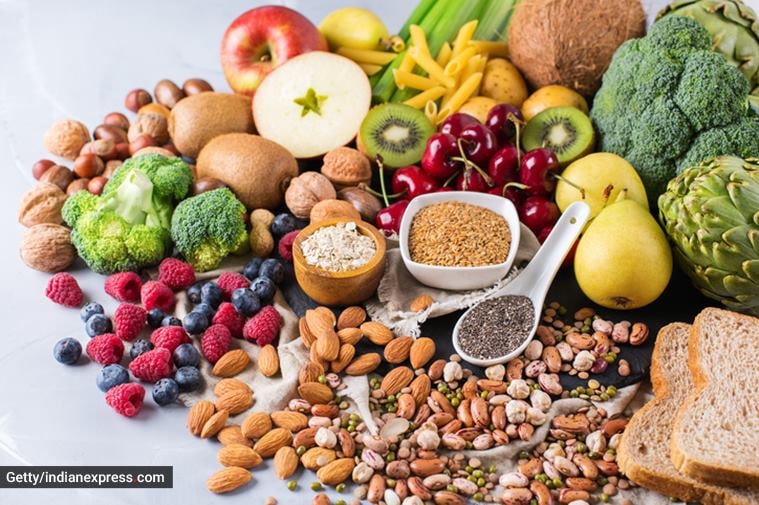
The expert said that plant-based foods like vegetables, fruits, seeds, nuts, and pulses can help in the treatment of various chronic diseases, including type 2 diabetes. Since foods like non-starchy vegetables, several types of fruits, seeds, nuts, and beans tend to have a low glycaemic index, there are fewer chances of a spike in blood sugar levels when consumed.

“The other positive aspect of a vegan diet is that the low glycaemic load also enhances healthy gut biofilms. The gut biofilms are thin protective barriers that build up around bacteria in the gut and make it difficult for glucose to penetrate. This, in turn, slows down the glycaemic effect in the diet,” he shared.

pregnancy, trying to conceive, pregnancy diet for men and women, health and fertility, pregnancy food for men and women, healthy eating, parenting, indian express news

Vegan diet has low glycaemic load and also enhances healthy gut biofilms (Photo: Getty/Thinkstock)

He added that most people with type 2 diabetes are “either obese or overweight, consuming foods with a low glycaemic index also helps combat fat storage and prevent insulin resistance“.

The other plus of a vegan diet is that it helps lower cholesterol, reduces saturated fat and lowers chances of heart disease; all these can benefit a person with diabetes mellitus.

Studies have also shown that a vegan diet may

*Lower blood pressure
*Improve nerve damage
*Ease metabolic syndrome
*Help keep A1c level under check

Maintaining key nutrients in a vegan diet

“While it is true that a vegan diet is beneficial for diabetic people, certain plant-based foods have lower nutrient content than non-vegetarian foods. However, with proper planning and eating various foods, it is possible to provide the body with everything it requires,” he said.

Here are some specific considerations to be made while planning a healthy, nutritious vegan diet:

Protein

Many vegans in the beginning may panic as to whether they are consuming the right amount of protein This isn’t just a big issue as the majority of us consume enough protein throughout the day. There are plenty of vegan foods as well that are recognised to be as rich sources of protein like

Pulses and beans
Seeds and nuts such as tahini, cashew, peanut, etc.
Soya products
Quinoa
Vegetable milk

Calcium

For strong bones, it is important to ensure that the vegan diet contains appropriate amounts of calcium. Calcium is essential throughout life, but it’s especially important when children are growing up. Vegan foods that have adequate amounts of calcium include:

Oranges

Almonds

Chickpeas
Red kidney beans
Tahini

Vitamin B12

Vitamin B12 is crucial for the nervous system’s proper working and keeping the blood cells healthy. In animal products, this vitamin is found naturally, but vegans need to compensate for the same by adding foods in their diet like

Nutritional yeast

Seaweed/algae

Fortified plant milk

Mushrooms

“There are plenty of other nutrients such as omega-3 fatty acids, iron, iodine, zinc, and selenium, which can be supplemented by consuming lots of vegetables, nuts, seeds, pulses, walnuts, dried fruits, and breakfast cereals,” he shared.

The above article is for information purposes only and is not intended to be a substitute for professional medical advice. Always seek the guidance of your doctor or other qualified health professional for any questions you may have regarding your health or a medical condition.

https://indianexpress.com/article/lifestyle/health/vegan-diet-diabetes-fitness-7662879/