Saturday, October 17, 2020

Vegan lifestyle beyond food

From mancunion.com

Veganism has been around for a very long time, in fact, the origins of this diet are somewhat uncertain. However, one thing is certain, over the past decade veganism has seen an incredible rise, and the UK is not excluded.

From Gregg’s – now legendary – Vegan sausage roll to Quorn and Linda McCartney, there is no shortage of vegan household names in Britain. Many of you may actually be tired of hearing about veganism. You might have that one friend who preaches about their ‘holier than thou’ diet, the one who prevents you from going to your favourite chicken shop. Or maybe an awesome mate who has shown you cool ways of implementing plant-based meals into your weekly routines. Whichever way you have interacted with veganism, it has probably been related to food.

However, veganism goes far beyond what people eat, and in some cases becomes a compass for sustainable and compassionate living. Animals are used for a variety of industries, not just food, and can often creep up in unexpected situations. 

Let’s delve into vegan lifestyle choices that you might not know about.

Clothing
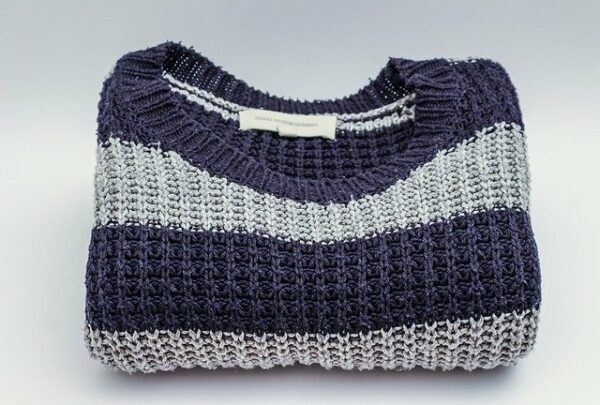
Photo: Pexels@Pixabay

Many vegans have particular rules when it comes to shopping and dressing. For instance, leather, fur, and wool are some of the most common materials that come directly from animals. People for the Ethical Treatment of Animals (PETA) provides a guide to shopping vegan , which identifies all the materials to look out for and brands to go to for alternatives. 

The good news: As with all elements of vegan lifestyle, there is always an alternative! Faux leather is becoming more and more popular and has been a staple with designers such as Stella McCartney for decades. Wool is also going out of fashion, as more and more shops use synthetic alternatives. Just make sure to check the labels next time you go shopping.

Another option to consider is buying second-hand. There is a debate around this in the vegan community as some firmly believe that purchasing these materials is wrong and that it generates their popularity. However, if you are buying second-hand you are also giving these items that have already been made some use, rather than discarding them, and encouraging recycling rather than new production.

Drinking
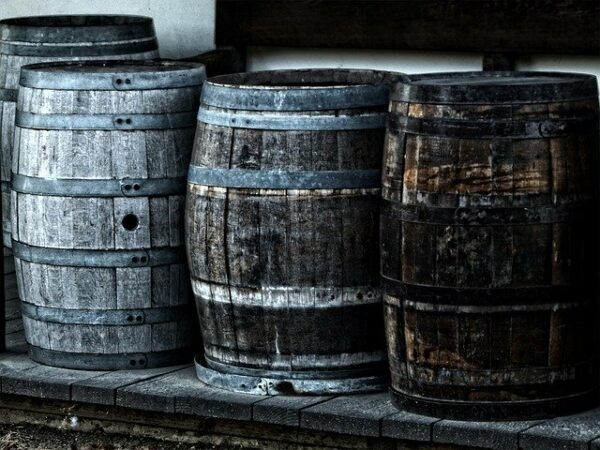
Photo: ArtTower@Pixabay

You may have noticed that certain drink menus have started to have a dedicated section for ‘vegan wine’, or that certain alcoholic drinks have the vegan trademark symbol. And you might, like many before you, have thought why on earth aren’t these drinks vegan? PETA provides guides for vegan wine, beer, and cider, as well as identifies the non-vegan components to look out for.

The good news: There are more and more vegan drinks on the rise. You can find them in almost every supermarket in the UK, as well as most high-street restaurants and pubs.

Cosmetics 
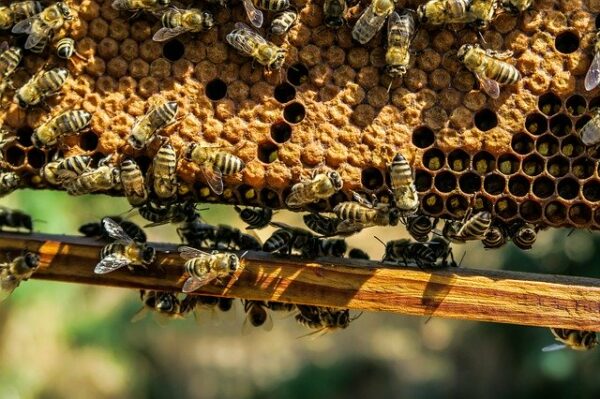
                                                               Photo: Pexels@Pixabay

Unfortunately, although vegan cosmetics are becoming more popular everyday, most contain something extracted from an animal, or are tested on animals. Beeswax, lard, gelatin, and glycerin are some of the biggest to look out for.  The Vegan Society has a detailed explanation on why honey isn’t vegan – and the same goes for bee’s wax. Bees are currently in great danger of extinction, and as they are an essential part of our planet’s ecosystem, many find it preferable to use alternatives to their wax. PETA also offers advice on shopping for cosmetics compassionately.

The good news: There are so many alternatives when it comes to cosmetics, be it shampoo, shower gel, skincare, or makeup. As always, labels are your friends, and when in doubt, ask the retailer if their product contains animal-derived components.

Housekeeping
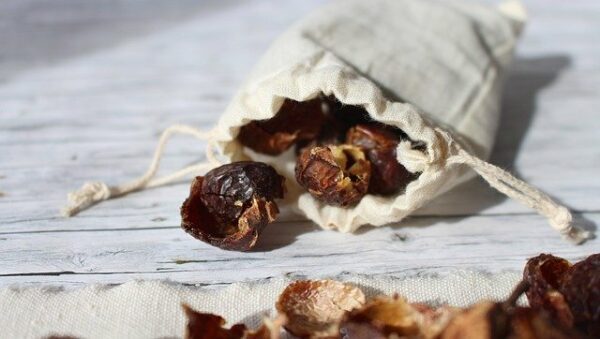
                                                                       Photo: Monfocus@Pixabay

Just as with cosmetics, many of the daily essential items we need to keep our homes and clothes clean, come with a hidden and forgotten dose of animal testing and exploitation. Moreover, many cleaning products are incredibly harmful for the environment, so if you want to clean sustainably consult PETA’s suggestions for cruelty-free cleaning products.

The good news: Most large supermarkets offer a wide range or housekeeping products, including all the vegan favourites. When this fails you can also rely on local organic shops such as The Eighth Day in Manchester. For clothes you can always try soap nuts – an organic alternative to laundry capsules.

The bottom line: When people tell me that my diet and lifestyle are restrictive I disagree. I see veganism as a series of personal choices that I make in accordance with my beliefs. It is nothing more than that. It is also important to remember that as people, we are constantly learning and becoming aware of new things. Just because you follow a certain diet or lifestyle does not mean that you have to adhere to every rule or that you should be criticised for not doing so. You don’t have to be vegan to want to make a positive impact on the planet, on your health, and on animal welfare.

https://mancunion.com/2020/10/16/vegan-lifestyle-beyond-lifestyle/

Friday, October 16, 2020

Cheeky vegan: I tried the new Nando's plant-based alternative

From telegraph.co.uk

Nando's has become the latest food chain to produce a plant-based facsimile of one of its meaty menu favourites. But how does it taste?

Veganism has now marched into KFC, Domino’s, Pizza Express and even Burger King, with each of these high-street chains making plant-based facsimiles of their top-selling meaty dishes. Yet the “cheeky Nando’s” – assuming you disqualify from this category, as most of us do, the bean burgers – has remained a cultural shibboleth impassable to vegans.

Teenagers wooing each other over wings; competitive young men self-immolating on the flames of peri-peri sauce; politicians forming parties with the lifespan of a warm chip; such are the sights of a trip to Nando’s, and such are the activities hitherto denied to vegans.

But this week’s unveiling of the “Great Imitator” should change that. Nando’s has crafted a grilled chicken substitute that, in theory, looks like chicken and tastes like chicken without having squawked or suffered like a chicken. It’s made of pea protein (powdered peas, basically), rather than soy or wheat gluten, and you can have it in a wrap, burger, or pitta.

The wrap The wrap, along with the burger and the pitta, comprises the new, meat-free offering. Credit: Handout

I tried all of them. In each case, the chicken element came in the form of four strips, browned and crispy on the outside and tender within. Extracting a single strip from the wrap, which was the first dish I tried, seemed an unfair test – would anyone do that to sauce-free chicken? – but the ersatz chicken passed it, by and large. In line with the chicken substitutes available in both restaurants and supermarket, it had the right ratio of crunchiness to soft chewiness, seemed to have some minimal seasoning, and had that final, fundamental, elusive quality of traditional chicken: dullness.

Like any real chicken, it begged for sauce, and, this being Nando’s, that’s what it got. I tore open a packet of peri-peri sauce, squirted a small lagoon of it onto my plate, and dipped the head of my wrap on its surface. For the first time in many years, I had the feeling of having consumed too much peri-peri.

With each of the three dishes, the “chicken” was buried in salad and white bread of varying voluminousness. The burger, encased in a ciabatta-style bap, was dripping with an chilli jam and mildly spicy mayonnaise. The wrap, a squat cylinder enclosing your regulation four strips and a long wad of lettuce, oozed with the same, as did the wrap.

The challenge of chicken with skin, the kind tasty enough to eat without being swaddled in carbs, is evidently still to be surmounted. But if you treat it as an ingredient, as Nando’s have, and give your customers control over their level of spice, as they do, then this chicken substitute is a good filling, and one that does pretty much the same sauce-sopping, substance-bestowing job of the original. My meat-eating housemates, with whom I’d shared a takeaway, agreed.

The strips are cooked on the same grill as actual chicken, which means that some won’t class them as vegan. They have the endorsement of Peta, though, and it’s gladdening to think of the amount of animal suffering that might be averted by this menu alteration. Nando’s, like many chains, buys its chicken from Red Tractor certified farms, whose rules allow 38kg of live chickens per square metre – i.e. 20 chickens on a floor space a little bigger than that of an armchair. Is this what’s meant by “cheeky”?

You don’t need to be a vegan to approve of Nando’s finding an alternative.

https://www.telegraph.co.uk/food-and-drink/features/cheeky-vegan-tried-new-nandos-plant-based-alternative/

Thursday, October 15, 2020

Vegan vs. Dairy-Free: What's the Difference?

From healthline.com/nutrition

Vegan and dairy-free diets place limitations on which animal-derived products — if any — you can consume.

Although these diets share several similarities and are often confused with one another, they aren’t the same thing. As such, you may want to know about their differences.

This article compares vegan and dairy-free diets, explaining how to tell which foods fall into these categories.

woman making a smoothie with frozen and fresh fruit and veggies
                                                        Photography by Aya Brackett

Although vegan and dairy-free diets share some basic concepts and restrict your intake of some of the same foods, they aren’t the same.

What is a vegan diet?

Veganism encompasses both dietary and lifestyle choices. Someone who decides to become vegan avoids products that use or exploit animals to the best of their ability.

A vegan diet is based on plant foods, such as fruits, vegetables, nuts, seeds, legumes, and grains. It excludes meat, fish, seafood, dairy, eggs, and often other animal-derived ingredients like honey.

A person might choose veganism for environmental, animal welfare, personal health, and/or ethical concerns.

Vegan lifestyles also tend to exclude consumer products that contain animal-derived ingredients or have been tested on animals. These include certain cosmetics, clothing, and personal care items.

What is a dairy-free diet?

A dairy-free diet excludes all dairy products. This category includes milk from any animal, as well as any product made from this milk, such as cheese, yogurt, butter, and cream.

Yet, people who follow this eating pattern may still eat other animal foods like meat, fish, shellfish and eggs.

Dairy-free diets are commonly chosen for health reasons, such as a cow’s milk allergy or lactose intolerance  — a condition in which your body can’t digest the milk sugar lactose, leading to diarrhoea and gas after dairy is consumed. 

Some people may also follow a dairy-free diet for ethical reasons.

SUMMARY

Vegan diets ban all animal-derived products, such as dairy, eggs, meat, and fish. Dairy-free diets exclude dairy but may allow other animal foods. While all vegan food is dairy-free, not all dairy-free food is vegan.

When grocery shopping, you may want to know whether a food is vegan and/or dairy-free.

Look for a label

Products suitable for either diet are often labelled vegan or dairy-free. Plus, some may have a “certified vegan” seal, ensuring that they haven’t undergone animal testing and don’t contain any animal-derived ingredients or by-products.

Furthermore, the kosher label pareve (or parve) can help you identify dairy-free items. This Yiddish term indicates that a food contains neither meat nor dairy.

However, a food with this label may still contain eggs and other animal-derived ingredients, so not all pareve foods are vegan.

Read the ingredient list

If a label isn’t apparent, you can check the ingredient list.

Milk is one of the top eight allergens, along with peanuts, tree nuts, soy, wheat, fish, shellfish, and eggs. Manufacturers are required to identify these clearly on their products’ ingredient lists to alert consumers of their presence. They’re often printed in bold.

If a product is free of milk or milk derivatives, it’s dairy-free.

Although vegan products shouldn’t contain any animal foods, it’s still best to read the ingredient list to make sure a product meets your criteria.

Some vegan foods may be manufactured in facilities that handle non-vegan products. Thus, you may see a disclaimer that the food may contain trace amounts of animal products, such as milk, seafood, or eggs, due to the risk of cross-contamination.

SUMMARY

The best way to determine whether a food is vegan and/or dairy-free is to read the label carefully and check the ingredient list.

Today, vegan dairy alternatives are widely available. These include milk made from soy, oats, and peas, as well as cheeses made from cashews or coconut.

These foods are appropriate for both vegan and dairy-free diets, and their flavour and texture are comparable to those of their dairy-containing counterparts.

Some of the most popular vegan dairy alternatives include:

  • Cheese: shreds and slices made using coconut, almonds, cashews, soy, or pea protein
  • Milk: made from oats, hemp, rice, soy, peas, macadamia nuts, sunflower seeds, almonds, or cashews
  • Cream cheese and sour cream: made from beans or cashews
  • Butter: made using vegetable oil, cashews, or pea protein
  • Ice cream: made from soy, oats, cashews, or coconut milk

You can find many of these products on the same shelves as regular dairy products.

SUMMARY

A growing number of vegan dairy alternatives are available, including non-dairy options for milk, cheese, cream cheese, sour cream, butter, and ice cream. These are suitable for people on a dairy-free or vegan diet.

While vegan and dairy-free diets have some similarities, they aren’t synonymous.

A vegan diet excludes all animal products, including dairy, eggs, meat, and fish, whereas a dairy-free diet bans all milk products but not necessarily any other animal products.

While all vegan foods are inherently dairy-free, not all dairy-free foods are vegan.

The best way to determine whether a food is vegan and/or dairy-free is to read the label and ingredient list carefully.

Moreover, many vegan dairy alternatives are suitable for both diets.

https://www.healthline.com/nutrition/is-vegan-dairy-free#bottom-line

Wednesday, October 14, 2020

Try this vegan curry to warm up wintry nights

From blackpoolgazette.co.uk

Hot on the heels of National Curry Week, held earlier this month, we continue the celebration of this versatile dish, with a recommended vegan option.

The special week to celebrate all things curry was founded by the late Peter Grove, a prominent journalist who had fallen in love with curry.

His vision was to drive awareness and appreciation of the burgeoning Indian restaurant industry, while also raising funds for charity.

It has often been said that curry is the ‘national dish’ of Britain, with curry houses proving themselves a staple of the high street since the 1970s.

As millions of curries are consumed every single week, National Curry Week gives an opportunity for the British to foster their ongoing fascination with the food.

With the extensive use of herbs and spices, vegan curries have become a popular healthier, but equally as tasty, alternative to meat dishes, and chilly autumn is the perfect time to try something new.

Marlene Watson-Tara, author of the definitive vegan book Go Vegan, said: “Many people are turning to a vegan diet in the desire to live a healthier life, with a focus on wholegrain, beans, vegetables from land and sea, fruits, nuts and seeds, and these ingredients work particularly well in spicy curries.”

Marlene suggests trying her red lentil coconut curry, a warming curry in the South Indian style, flavoured with aromatic fresh ginger, cumin and coriander.

It’s made extra creamy and luscious thanks to the addition of organic coconut milk. Recipe as follows:

Red Lentil Coconut Curry (makes four to six servings)

3 shallots, finely chopped

1 tbsp fresh ginger, peeled and minced

2 cloves garlic, minced

1 tsp cumin seeds

1 tsp mild curry powder

½ tsp ground coriander

½ tsp turmeric

Pinch sea salt

2 cups filtered water

1½ cups red lentils

1 cup organic coconut milk

2 medium-sized courgettes, diced into half inch (one cm) pieces

1 or 2 tbsp tamari

1 cup loosely packed fresh coriander leaves, chopped

Lime slices

In a heavy-based pan, cook the shallots, ginger and garlic in a splash of filtered water for 5 minutes, stirring occasionally.Add the spices and salt and stir well. Stir in the water, lentils and coconut milk. Allow the mixture to simmer over a low flame, covered, whilst stirring occasionally for 10 minutes.

Stir in the courgette and tamari, cover and cook until courgette and lentils are tender. Add more water to reach the desired consistency. Taste-test then stir in the coriander. Serve the curry with white or brown basmati rice to round out this comforting meal.

There is an endless choice of ways to enjoy healthy eating with curries.

It is the ‘sides’ or additions to main dishes that can add on the calories, with chapatis, naan breads and deep-fried foods all contributing to less healthy options.

To be sure your curry is the quality you aspire to, choose to cook it yourself. That way, you know exactly what its ingredients are, and if you eat the curry with wholemeal rice, so much the better.

It is really easy to pack a whole variety of vegetables into different styles of curries, and along with adding taste, colour and texture, they will add to your daily dose of vitamins and help boost your immune system.

https://www.blackpoolgazette.co.uk/read-this/try-vegan-curry-warm-wintry-nights-3002177

Tuesday, October 13, 2020

What Vegan Foods Have Iron?

From greenmatters.com

Iron, the essential nutrient that it turns out is not just for forging weapons. It is also needed to help transport oxygenated blood throughout the body. Iron deficiency can lead to weakness, hair loss, anxiety, irritability, depression, and, ultimately, anaemia. In short, it’s not a good thing to miss out on iron. Most people get their iron from eating iron-rich foods like meat or fish, though a good amount can be found in plant-based sources as well. 

It is in those plant-based products that many vegans find their iron. Considering that most doctors necessitate about 20mg of iron per day for adults, the search for these essential minerals is an important part of vegan dietary preparation. It isn’t just the amount of iron in food that vegans have to worry about, however. Iron absorption can also be a problem as well, and polyphenols in plant foods can block that absorption. That said, there are some tasty, ferrous foods out there for the iron-conscious vegan.  

What foods contain the most iron?

Though it is of little concern to the vegans in the audience, it must be said that shellfish, particularly bivalves like clams, mussels, and oysters, contain a fairly large amount of iron. This amount can be variable depending on the size of the clam, the water quality, their diet, and so on, so it's not exactly precise enough for our standards. Red meat also has a lot of iron, but it is about as far from vegan-friendly as one can get. 

With that out of the way, vegans are in luck. Beans, lentils, tofu, dark chocolate, some whole grains, nuts, seeds, and a number of leafy greens are all packed with iron. Eating a wide variety of these items will not only keep you full, it’s also very likely they’ll get you to that 18-20 mg of iron you need each day. 

What fruits are high in iron?

Dried fruits like raisins, peaches, prunes, figs, and especially apricots are all fairly high in iron. For example, one cup of dried apricots, while high in sugars, actually contains 42 percent of your daily value or iron, as much as 8 mg. These fruits are frequently on the top of the list when it comes to seeking iron-rich vegan foods, mainly because they contain one of the highest concentrations of the stuff. Raspberries and coconut are both delicious and fruity sources of iron as well, and they contain far less sugar.  

What vegetables are high in iron?

It’s no coincidence that Popeye reached for spinach every time he needed a boost. This green, leafy vegetable contains 32 percent of your daily value of iron in a single cooked cup. Peas, asparagus, leeks, green beans, and acorn squash also contain high amounts of the stuff. As before though, be aware that many of the vegetables contain polyphenols, which make it hard for the body to absorb that iron. This makes them bad for attempting to normalize your iron but perfectly fine as a daily source of the needed nutrient. 

What other vegan foods contain iron?

Large white beans, quinoa, button mushrooms, and the seeds from squash or pumpkins all contain more than enough iron to supplement your daily needs.  Many nuts, such as cashews,  pine nuts, peanuts, hazelnuts, almonds, pistachios, and Macadamia nuts are all nutritious sources of iron as well. Nuts are also a good source of calcium, protein, good fats, and other essential nutrients, especially for those who are living a vegan lifestyle. 

https://www.greenmatters.com/p/what-vegan-foods-have-iron

Monday, October 12, 2020

Vegan Shoppers Drive Frozen Food Market Growth

From plantbasednews.org

Vegan Shoppers Drive Frozen Food Market Growth

The days of supermarket freezers packed with bland, beige foods are gone. Modern consumers are increasingly returning to the frozen aisles for vegetables, gourmet ready meals and plant based meat alternatives.

In fact, a new report by Tachnavio, which analysed frozen food trends, has predicted $64.69 billion industry growth between now and 2024. 

Veganism ‘key factor’ in frozen food trend

The report cites consumer inclination toward vegan frozen food as one of the key factors driving market growth. As more and more shoppers turn to a plant-based diet, producers are rising to meet demand with innovative frozen products like vegan burgers, sausages and fillets. 

Conscientious consumers

Gourmet, nutritious prepared meals have seen a boom in popularity, as consumers seek out tastier, healthier convenience foods. And as environmental factors become key to shoppers’ buying habits, suppliers are reducing plastic waste through resealable, multi-use recyclable packages. 

What’s more, the adoption of individual quick freezing technology reduces freezing time helps the product retain its shape, colour, smell and taste after defrosting. 

Vegan boom

The surge in demand for frozen vegan produce isn’t confined to whole foods – last year Goodfellas launched a stone-baked frozen pizza topped with Vbites vegan cheese. 

And beyond the freezer section, vegan foods continue to claim greater swathes of real estate in UK supermarkets. Just this month, ASDA announced it would be dedicating a whole ambient aisle to vegan food in selected stores.

https://plantbasednews.org/lifestyle/food/vegan-frozen-food-boo/

Halloween pumpkins boom as vegans push demand for edible varieties to record levels

From birminghammail.co.uk

Britain is becoming more like America in that pumpkins are not only bought to carve but also to eat in soups and pies

The vegan boom has helped push demand for edible Halloween pumpkins to record levels, a top supermarket supplier has said.

Tesco's dedicated pumpkin grower this year planted 100,000 of the eating variety, which have a sweeter flavour than the ones used just for carving into a creepy-looking jack o'lantern.

This is the largest number yet, and an increase of 150 per cent in the last two years.

Oakley Farms, near Wisbech in Cambridgeshire, is one of the UK's largest suppliers of pumpkins and grows around five million of them every year.

Steve Whitworth, of Oakley Farms, said: "Britain is becoming more like America in that pumpkins are not only bought to carve but also to eat, and their sweet flesh is delicious in soups and pies.

"As a result of this growing popularity, we've planted 100,000 sweet cooking pumpkins this year."

Tesco pumpkin buyer David Tavernor said: "Pumpkins are no longer a novelty fruit only bought by parents for their kids as an essential Halloween decoration. Thanks to the plant-based food revolution, they've become really popular with vegans, even taking pride of place as a Christmas centrepiece for the festive feast. The edible ones are far sweeter than the carving variety and, because of the growing demand, we've rebranded them this year as Sweet Cooking Pumpkins."

The supermarket is selling four varieties of pumpkin this year - novelty including devil red and ghost white types, carving in different sizes, sweet cooking, and munchkin.

The biggest market for pumpkins remains the Halloween carving variety.

https://www.birminghammail.co.uk/whats-on/shopping/halloween-pumpkins-boom-vegan-demand-19085681