From vegconomist.com
A lack of practical information about plant-based eating is a bigger obstacle to veganism among young Indians than cultural attachment to dairy, according to new research from animal advocacy research non-profit Faunalytics.
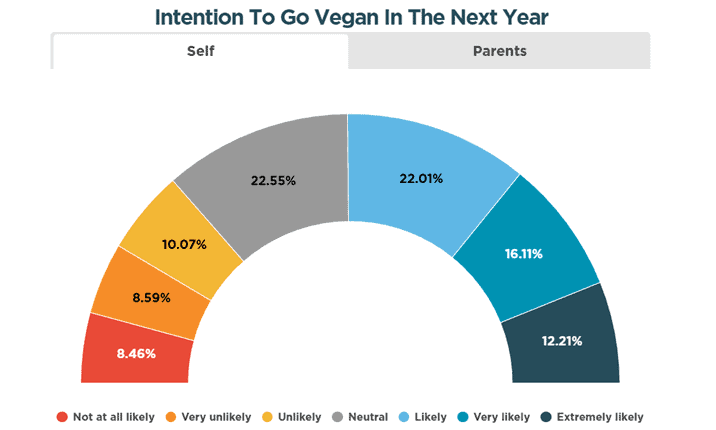
The study, titled “The Multi-Generational Kitchen: How To Market Plant-Based Eating To Indian Gen Z Households,” surveyed 801 adults aged 18 to 28 who live with their parents. It found that 58% of respondents already identify as some form of meat-reducer, including vegans, vegetarians, pescetarians, and reducetarians, against 42% who identify as omnivores. Among non-vegan respondents, half said they were likely to adopt a vegan diet within the next year, and 53% believed their parents were likely to do the same.

Image: Thirdman on Pexels
Five barriers, one dominant theme
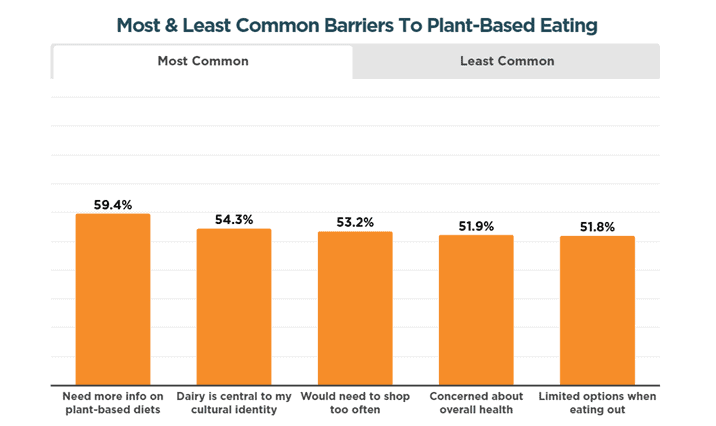
Needing more information about plant-based diets was the most commonly cited barrier, named by 59% of respondents. It outranked viewing dairy as part of cultural identity (54%), the inconvenience of more frequent grocery shopping (53%), personal health concerns (52%), and a shortage of dining-out options (52%). Only 37% said they worried that going vegan would be seen as abandoning Indian culture for a Western lifestyle, a result the researchers say runs against the assumption that cultural resistance is the primary obstacle to plant-based adoption in the country.
Three consumer segments
Respondents were grouped into three categories. Indifferent consumers, the largest segment at 46%, showed the least motivation and the lowest household influence over food decisions. Constrained consumers (33%) were motivated to change but faced the most practical barriers. Game-changers (22%) were the most receptive to veganism overall, skewing female, older, more educated, and higher-income.
Mothers still run the kitchen
While 40% of respondents said they were primarily responsible for grocery shopping, mothers remained the main decision-makers for cooking (57%) and meal planning (39%). Household friction over food choices appeared limited: 59% said it was easy to discuss diet with family, and only 26% reported frequent disagreements.
Market implications
Faunalytics found that around half of respondents already consume plant-based dairy alternatives like ghee, yogurt, milk, and cheese on a regular or occasional basis, despite dairy ranking as the second most common barrier to plant-based eating overall. Based on that gap, the organization recommends that companies market dairy alternatives as a form of “traditional” protein rather than as “dairy-free,” paired with imagery of multi-generational families using plant-based alternatives in familiar dishes. It also points to health and fitness influencers as carrying more sway over this group’s dietary habits than other categories of public figures.
The findings add to a growing body of data on Indian attitudes toward plant-based eating, a market Faunalytics flagged as critically underrepresented in global veganism datasets in an April report.
Dr. Andrea Polanco, the study’s lead author and a research scientist at Faunalytics, stated, “These numbers signal a meaningful shift in how young Indians are thinking about food. Gen Z in India is a huge demographic, and our data suggests they’re far more open to plant-based eating than conventional wisdom might assume, but they need better information and practical tools to get there.”

No comments:
Post a Comment