Friday, March 28, 2025

‘The 6-Step Plan That Helps Me Maintain A Balanced Diet’

From plantbasednews.org

Struggling to keep up your healthy eating plan? This 6-step framework is here to help 

If you’ve ever committed to a week of green smoothies and kale salads, only to find yourself ordering takeout three nights in a row, you’re not alone — and Nisha Vora has been there too. A former Harvard-educated lawyer turned plant-based chef, author, and content creator, Vora now runs the popular brand Rainbow Plant Life, where she shares colourful, globally inspired vegan recipes with over 1 million YouTube subscribers.

In her recent video, Vora introduces a simple but powerful framework for sustainable balanced eating called the SPICE-Y system — a six-step method she says allows her to eat nourishing food consistently. “It empowers me to eat a nourishing and balanced diet without feeling restricted,” she explains.

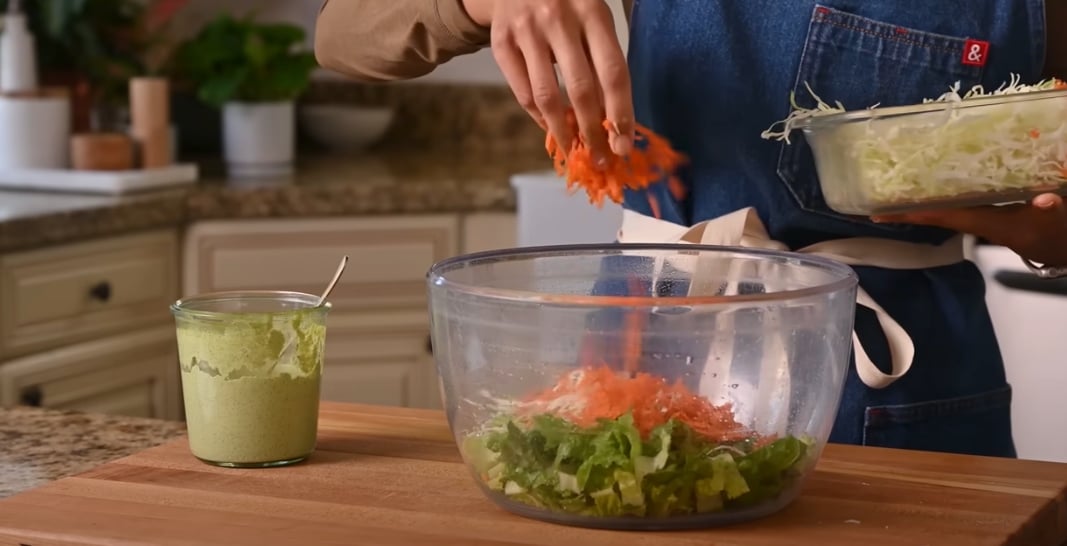
Nisha Vora has shared her 6-step framework to maintaining a healthy eating plan - Media Credit: Rainbow Plant Life/YouTube

As a cookbook author and creator of a weekly vegan meal plan service, Vora is deeply committed to helping people eat more plants — but in a realistic and delicious way. Her SPICE-Y system isn’t about perfection, it’s about structure, creativity, and flexibility. “You get to eat exciting, interesting meals, you don’t get bored of anything, but you also aren’t spending hours in the kitchen,” she says.

So what exactly does SPICE-Y stand for? Let’s break it down:

1. Strategize

Vora starts every week by mapping out a loose meal plan. “Before I even set foot in the grocery store, my very first step is to make a plan,” she says. By assigning meals to specific days and writing a grocery list, she sets what psychologists call an “implementation intention” — a tactic proven to increase follow-through on goals.

2. Prep

Instead of traditional meal prep (which she finds repetitive), Vora preps components like sauces, grains, and chopped veggies that can be reused creatively across multiple meals. “Even the simplest meals feel just a little more special” when you have flavourful condiments ready to go, she notes.

3. Implement

This step is all about cooking and enjoying the meals you’ve planned. Thanks to her prep work, Vora’s dinners — like black bean and squash tacos or sesame tofu bowls — come together in 30 minutes or less but still feel gourmet.

4. Customize

A still from Nisha Vora (of Rainbow Plant Life) preparing her healthy eating plan
Rainbow Plant Life/YouTubeBy preparing sauces and veggies ahead of time, you can customize your meals throughout the week

Vora emphasizes that prepped components don’t have to equal boring leftovers. Instead, she mixes and matches elements in fresh ways — turning black beans into tacos one night and refried beans the next. “Finding ways to reuse ingredients and components is one of the most useful skills you can develop as a resourceful home cook,” she says.

5. Embrace Flexibility

Planning is important, but so is spontaneity. That’s why she keeps freezer meals and pantry staples on hand as “emergency options” for nights when cooking just isn’t happening. “I don’t want to automatically default to ordering takeout,” she explains.

6. Your Plan, Not Theirs

The final principle is about making your system work for you. For Vora, that means allowing room for indulgences like homemade fudge. “My version of a balanced diet always leaves room for indulgences,” she says. “Sometimes the occasion calls for really good fudge.”

To explore Vora’s full week of meals and get the recipes featured in the video, check out Rainbow Plant Life’s YouTube channel.

https://plantbasednews.org/lifestyle/food/plan-healthy-diet/

Thursday, March 27, 2025

9 Vegan Meat Alternatives You Should Always Avoid Buying

From chowhound.com

Vegan meat alternatives are on the rise — 44% of people around the globe have tried a substitute, according to a 2021 survey by Rakuten Insight. However, one in three participants in the U.S. and Japan reported not finding these options as good as the original. Vegan food sometimes gets stereotyped as being bland or overly healthy, but it's not all chickpeas and bean sprouts; there are now a multitude of alternatives that replicate the taste and texture of meat.

While it's true that some people avoid animal protein to live a whole food plant-based lifestyle, many people want to tuck into burgers, sausages, and bacon, but for health or ethical reasons don't want to eat meat. There has been some scepticism about how healthy processed meat alternatives can be, but according to researchers, vegan substitutes are often lower in cholesterol, saturated and trans-fat, while also having more fibre, vitamins, and minerals.

Plant-based proteins can be just as tasty as the real thing, but some miss the mark. Sometimes, when vegetables alone are used as vegan meat alternatives, they can lack the protein and calories needed for a full meal. Other times, meat substitutions may be nutritionally sound, but simply don't taste much like meat. They might be great in a dish, but not what you're looking for if you fancy a replica of your favourite meat dish. If you're looking for a suitable plant-based protein, here are nine vegan alternatives you should always avoid buying.

1. Eggplant

                                                                                       photalina/Shutterstock

Eggplant is very versatile and can be found in dishes across the globe, from eggplant parmesan to eggplant stir-fries and eggplant parm fries. However, the vegetable can be a little bitter if cooked incorrectly, and choosing the perfect eggplant can make or break a tasty dish. Some recipes cite eggplant as a good meat alternative, mocking pulled pork or bacon. Though delicious, the vegetable alone does not stand up as a good substitute for meat.

Eggplants are naturally low in calories and protein, with 100 grams containing just 35 calories and less than a gram of protein. Compared to 100 grams of pulled pork which boasts 167 calories and 16 grams of protein, it is not substantial as an alternative. It works if you're trying to cut down on caloric intake or saturated fats, but it's not ideal if you're trying to get protein. An easy fix is to bulk up eggplant recipes with plant-based proteins, such as tofu, beans, or lentils, so you're not going hungry.


2. Beets

                                                                                     Westend61/Getty Images

Beetroot is another example of a vegetable that often gets suggested in place of meat. Beetroot is delicious grilled and as part of a full meal, but it has gained popularity in the mock-meat world for its glaring colour, which can help veggie burgers "bleed."

While beetroot juice can be an effective ingredient in a plant-based burger to achieve this gimmick, some recipes suggest simply swapping in beetroot for meat. Many a fancy restaurant has served up a beetroot wrapped in pastry, called it a beet Wellington and slapped a premium price on it, much to the dismay of plant-based folk.

If you're in the mood for a veggie burger, a beetroot-based patty can do the trick, but make sure you're following a good recipe to get other forms of protein in there, as beets on their own are low in the macronutrient. While 100 grams of a beef burger has 15 grams of protein, beets have less than 2 grams in comparison. Though they can be tasty, don't expect beetroot burgers to replicate a meaty flavour or texture.


3. Nut cutlets

                                                                                    olepeshkina/Shutterstock

Meat alternatives have moved to the next level over the past few years, and now you can practically veganize any dish. However, one plant-based recipe that feels reminiscent of an earlier time is the humble nut cutlet. These are patties formed out of a variety of nuts, often mixed with fried onion and garlic, seasonings, and breadcrumbs. Sometimes shaped into loaves, nut cutlets or nut roasts are predominantly used at holidays as a replacement for a turkey roast or meatloaf.

Though nuts are great for heart health and provide protein and omega-3 fats, the nut cutlet feels like it hasn't had a recipe update since the '60s. Frequently, shop-bought nut cutlets or nut roast mixes can be dry and disappointing. If you're keen on getting the health benefits of nut cutlets, it's best to whip up a batch yourself rather than buying a dry-mix packet or frozen option. Now that there are more plant-based holiday recipes available, perhaps it's time to leave store-bought nut roast in the past.


4. Textured Vegetable Protein (TVP)

                                                                                            sohan3512/Shutterstock

With so many great vegan options out there, another ingredient that seems like a relic of an earlier time is textured vegetable protein, known as TVP. Frequently found in health food stores, TVP is a protein made from soy flour. Unlike other meat alternatives, it cannot simply be thrown into a dish as a replacement for meat. On its own, TVP is very bland, and the texture can be mushy if not cooked right.

If you're using it in place of ground beef in dishes like chili or bolognese, then TVP can be a great substitution, but make sure to season it extra liberally so it tastes delicious. For other uses, such as mimicking chicken in pasta, or as beef chunks in a stir-fry, you're best off opting for a ready-made meat alternative to get a meatier taste. If you want to cook a vegetable protein from scratch, tofu is a more versatile and accessible option for budding plant-based chefs.


5. Silken tofu

                                                                              Natasha Breen/Getty Images

If a meat-free recipe calls for tofu, it is easy to head to the store and pick up a package. However, if you aren't careful you may open it up only to find that it's the texture of pudding. With despair in your heart, you'll realize you've made every tofu newbie's error and bought silken tofu, and there's no way you can transform this soft gelatinous soy into tofu wings or tofu steak.

Tofu comes in many forms, and the silken variety is not the one to use in place of meat. Silken tofu works great on its own when topped with a Japanese dressing of soy sauce, ginger, and sesame oil, as a substitute for eggs when baking, or as a way to add protein to a pasta sauce — but it is not the choice to go for as a meat alternative. Instead go for firm or super-firm tofu to ensure you can cook your dish without it falling apart.


6. Falafel

                                                                         Photostock-Israel/Getty Images

Falafel is a Middle Eastern dish made from mashed chickpeas and a mix of herbs shaped into small patties. While it is a delicious snack on its own or served in a pita slathered with tahini and hummus along with fresh salad and pickles, it doesn't act as a great meat substitute.

However, vegans and vegetarians often find that a dry falafel burger is the only thing on the menu that they can eat. Before veganism exploded in popularity in the States, perhaps a single option would have been forgivable, but now there's a plethora of other substitutes that can replicate the taste and texture of meat far better.

More than anything, plant-based food can be far more imaginative and inventive than plain falafel. By all means, enjoy it from a fresh falafel shop, but if you're looking for a meat alternative, opt for something more interesting to ease the falafel fatigue.


7. Carrot hot dog

                                                                                     Vaaseenaa/Getty Images

Some people suggest using a carrot in place of a hot dog for a vegan alternative, but no matter the amount of liquid smoke or grill marks you add, there's no taking away from the fact you're eating a whole carrot in a bun. If you're looking for a healthy alternative to processed meats, then maybe a carrot hot dog can fulfil some of your cravings, but all in all, it is not recommended if you're hoping to mimic an authentic hot dog experience.

Hot dog sales are expected to take off like never before, and that includes veggie hot dogs. Luckily, many well-known and beloved hot dog brands have plant-based options, often made with soy or seitan. Unlike some other vegan meat substitutes, plant-based hot dogs are, on the whole, similar to their meaty counterparts. Douse your veggie dog in ketchup, mustard, and fried onions, and you won't even be able to tell the difference between meat and plant-based.


8. Pre-marinated tofu

                                                                                       Joao Manita/Shutterstock

Tofu is a soy-based protein that has been around for millennia. Though veganism sometimes gets labelled as a modern trend, tofu was first recorded in the Chinese Han dynasty over 2,000 years ago. Tofu is endlessly versatile and can substitute almost any meat you can imagine. Some delicious recipes include sticky baked sesame tofu or crispy ginger-glazed tofu, but part of the beauty of this protein is that it is essentially a blank slate to season exactly to your taste or requirement. Season it with barbecue sauce for a pulled pork alternative, or marinate it with soy sauce and sesame for an Asian-inspired meal.

Pre-marinated tofu is sold at a premium price, but it can often be quite bland and allows you much less creativity in the kitchen. It can work in a pinch if you don't have time to marinate tofu, but whipping up a quick sauce yourself will always beat a store-bought flavour profile. Making the best baked tofu depends heavily on the marinade you use, so pick your favourite ingredients to cook it exactly to your taste.


9. Banana blossom

                                                                             Adhi Syailendra/Shutterstock

Banana blossoms are the flowers that grow on banana trees. They are often cut from the tree by farmers to allow the banana fruit to receive the nutrients needed to grow. However, believe it or not, the core of these flowers is sometimes used as a fish substitute.

Banana blossoms have a flaky texture that is reminiscent of fish but can end up flavourless and mushy if cooked incorrectly. They are also low in calories and protein, meaning that they should be served with other plant-based proteins to ensure you're getting the recommended amount of nutrition for the day. One banana blossom, equivalent to about 100 grams, only has 55 calories and 3 grams of protein. In comparison, white fish, which banana blossom usually replaces, has 170 calories and 24 grams of protein in a 100-gram serving. 

A fish substitute that is more protein-dense is tofu. When wrapped in nori seaweed and seasoned with lemon juice, tofu makes a perfect "tofish" that can be fried or baked. Another plant-based alternative to white fish are enoki mushrooms, which evoke the taste of the sea without the sea creature when battered and fried.

https://www.chowhound.com/1817957/vegan-meat-alternatives-avoid-buying/

Wednesday, March 26, 2025

Vegetarian and vegan labelling would 'eliminate ambiguity'

From rnz.co.nz 

Clear vegan and vegetarian food labelling should be put into legislation so consumers can be confident that what they are buying really meets their dietary requirements, say NZ's vegetarian and vegan societies.

The NZ Vegetarian Society and the Vegan Society of Aotearoa NZ today handed over their 'Ensure Accurate Labelling of Vegetarian and Vegan Products' petition to Green MP Steve Abel, whose portfolio includes food safety.

There was no definition of vegan or vegetarian in the Food Standards Australia New Zealand Code, and food producers were not required to identify if products were vegetarian or vegan.

The Vegetarian Society said misleading and unclear labelling practices were widespread, and led to consumer confusion.

"By advocating for clear, standardised, and enforceable labelling regulations, we aim to eliminate ambiguity and ensure transparency in the labelling of vegetarian, and vegan products," said Vegetarian Society spokesperson Ina Babic.

Babic said the term 'vegetarian' should be reserved for products that contain no meat, poultry, fish, or seafood, and that any use of animal by-products (such as gelatine, rennet, or certain colourants) should also be clearly indicated.

(From left) Ina Babic from the New Zealand Vegetarian Society, Green MP Lan Pham, Green MP Steve Abel and Claire Insley from the Vegan Society of Aotearoa New Zealand. Photo: RNZ / Krystal Gibbens

The Vegan Society said consumers deserved to know what they were buying without having to resort to reading every item on the ingredients label.

Vegan Society spokesperson Claire Insley said they wanted to help consumers make ethical choices simply and easily.

"If a product is labelled as 'vegan' or 'plant-based', then there should be no animal products or by products in the food," Insley said.

"All too often foods that have these labels are then found to contain milk solids or honey."

That presented challenges for both those making ethical choices as well as those with allergies such as dairy.

Insley said no other country had a legal definition for vegan and vegetarian, so if New Zealand did define the terms in legislation, it would be a world first.

Green MP Steve Abel said the Greens would do what they could to advance the petition.

"Increasingly as people make dietary choices around wanting to not consume animal products, it's very important that they have access to accurate information about what food products contain," said Abel.

"So we very much support the call for there to be effective and meaningful labelling for those who want to be certain that they are consuming vegan or vegetarian products."

https://www.rnz.co.nz/news/national/547582/vegetarian-and-vegan-labelling-would-eliminate-ambiguity-advocates

Scientists Just Identified the Best Vegan Butter for Shortbread, and It’s So Obvious

From vegnews.com

A new University of Strathclyde study finds that vegan butter with higher fat content bakes shortbread most like the original, offering insights for more inclusive, dairy-free baking

Butter’s role is pivotal when it comes to baking, and that is especially true in traditional recipes like Scottish shortbread. However, for individuals who are lactose intolerant or prefer vegan options, finding suitable butter alternatives can be challenging. Researchers from the University of Strathclyde delved into this issue by examining various vegan butter substitutes in the context of Scottish shortbread.

“We have a PhD student in the group who is a vegan, and he turns all of our baking habits upside down,” said study author Juliane Simmchen. “One day I bought some vegan butter alternatives, and I thought, ‘This doesn’t look anything like it should.’”

Testing different types of vegan butter

Perplexed by the difference in consistency, Simmchen and her colleagues decided to test these alternatives using the equipment in their lab. They selected three types of vegan butter substitutes with different levels of fat and compared their consistencies and responses to heat. Following those experiments, they moved on to taste testing with actual biscuits.

VegNews.FlourBaking.MalidateVanPexelsMalidate Van | Pexels

The researchers gathered a few dozen volunteers to sample shortbread cookies baked with dairy butter and the vegan alternatives. Their goal was to find the vegan butter that produced a biscuit closest to the traditional shortbread, and there was one clear winner. Simmchen recommends choosing a vegan butter with a fat content similar to butter’s typical 80 percent. 

“When comparing the vegan alternatives, the one with the highest fat content gave the most positive results from the testers,” said Simmchen. “It behaved very similar to butter, which also has a high fat content. The one with the lowest fat content made a very different dough. It didn’t bake that well, and was more doughy and less crumbly. Many people strongly disliked it.”​

‘I go for the vegan option’

While Simmchen says she also really likes the traditional Scottish shortbread, she’s begun adapting her recipes with vegan options because they’re more inclusive. “If I can make something of a similar quality and have more people participate, then I go for the vegan option,” Simmchen said.

Recognizing the growing demand for vegan products, traditional brands are also adapting. Walker’s Shortbread, established in 1898 and renowned for its pure butter shortbread, announced plans in 2023 to develop a vegan version of its iconic biscuit. Managing Director Nicky Walker expressed the company’s intent to “move with the times” and make their products “globally accepted,” including catering to vegan consumers.

cooking with oilCanva

Recent studies highlight the health benefits of plant-based oils over traditional dairy butter. Research presented at the American Heart Association’s Epidemiology and Prevention | Lifestyle and Cardiometabolic Health Scientific Sessions 2025 analysed over three decades of data from more than 200,000 US adults. The findings suggest that substituting a tablespoon of butter daily with plant-based oils can reduce the risk of premature death from all causes and cancer by 17 percent. Lead author Yu Zhang noted, “Our study found that higher butter intake was associated with increased deaths from all causes and cancer, while higher intake of plant-based oils was associated with lower deaths from all causes, cancer, and cardiovascular disease.

Tuesday, March 25, 2025

We Just Tried the 12 Best Vegan Products Coming in 2025

From vegnews.com

From bold Afro-Caribbean flavours to nostalgic sweet treats, these vegan launches are shaping the future of food

If it feels like plant-based options are popping up everywhere, it’s because they are. In the past year, the number of people reaching for vegan products—whether for health, the planet, or just pure curiosity—has continued to climb. 

According to the Plant Based Food Association, an overwhelming 70 percent of the US population consumes plant-based foods. Analysts from Future Market Insights estimate that the plant-based protein market in America is poised to grow from $18.6 billion in 2024 to $42.6 billion in 2034. And companies aren’t afraid to milk the nation’s obsession with alt milk for all its worth—non-dairy milk alternatives dominate the plant-based market as the largest segment by far, with annual sales totalling $2.9 billion. This is more than double the next largest segment, meat alternatives, which bring in 1.2 billion.

With so much happening so fast, it can be hard to keep up. That’s why each year, VegNews editors head to the Natural Products Expo West in Anaheim, CA—the world’s biggest showcase of natural and organic products—to taste-test the newest, most exciting vegan launches hitting shelves. And after sampling our way through thousands of products, we’ve rounded up the very best.

Meati-Canadian-Bacon

Meati

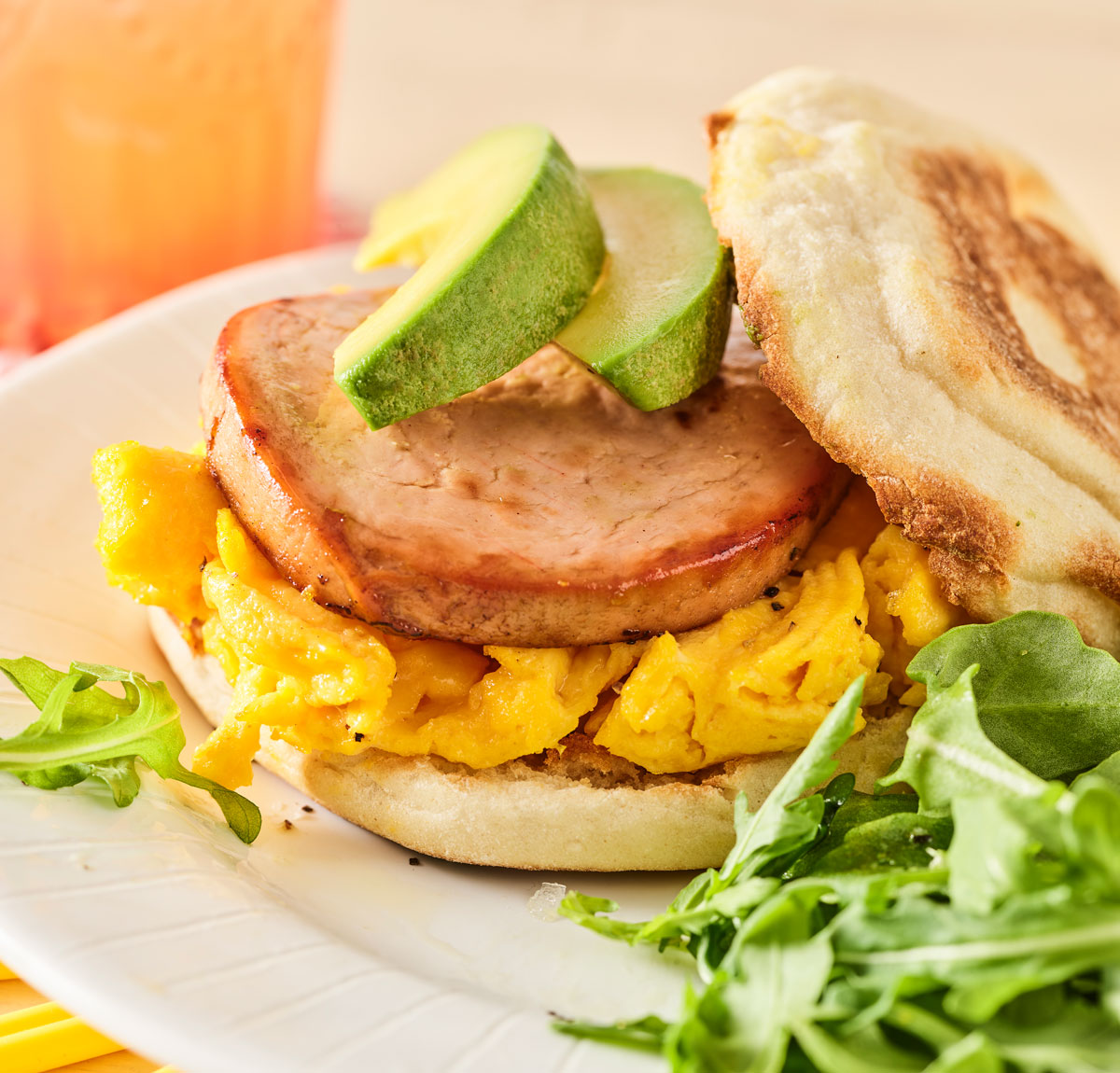
Meati’s mycelium Canadian bacon

It’s official: there’s a Meati mycelium cutlet for every meal of the day. The Colorado-based brand previously revolutionized our meals with chicken- and steak-style cutlets perfect for tossing into lunchtime salads or enjoying with mashed potatoes and asparagus for supper. But now, you can kick off your morning with the brand’s new breakfast patties in original and maple flavours. Reminiscent of Canadian bacon, enjoy these porky, high-protein, fibre-rich bites alongside tofu scrambles, waffles, and hash browns. They’re sure to become your new breakfast staples.

Plant-Ahead-Fresh-Mozzarella-PeralsPlant Ahead

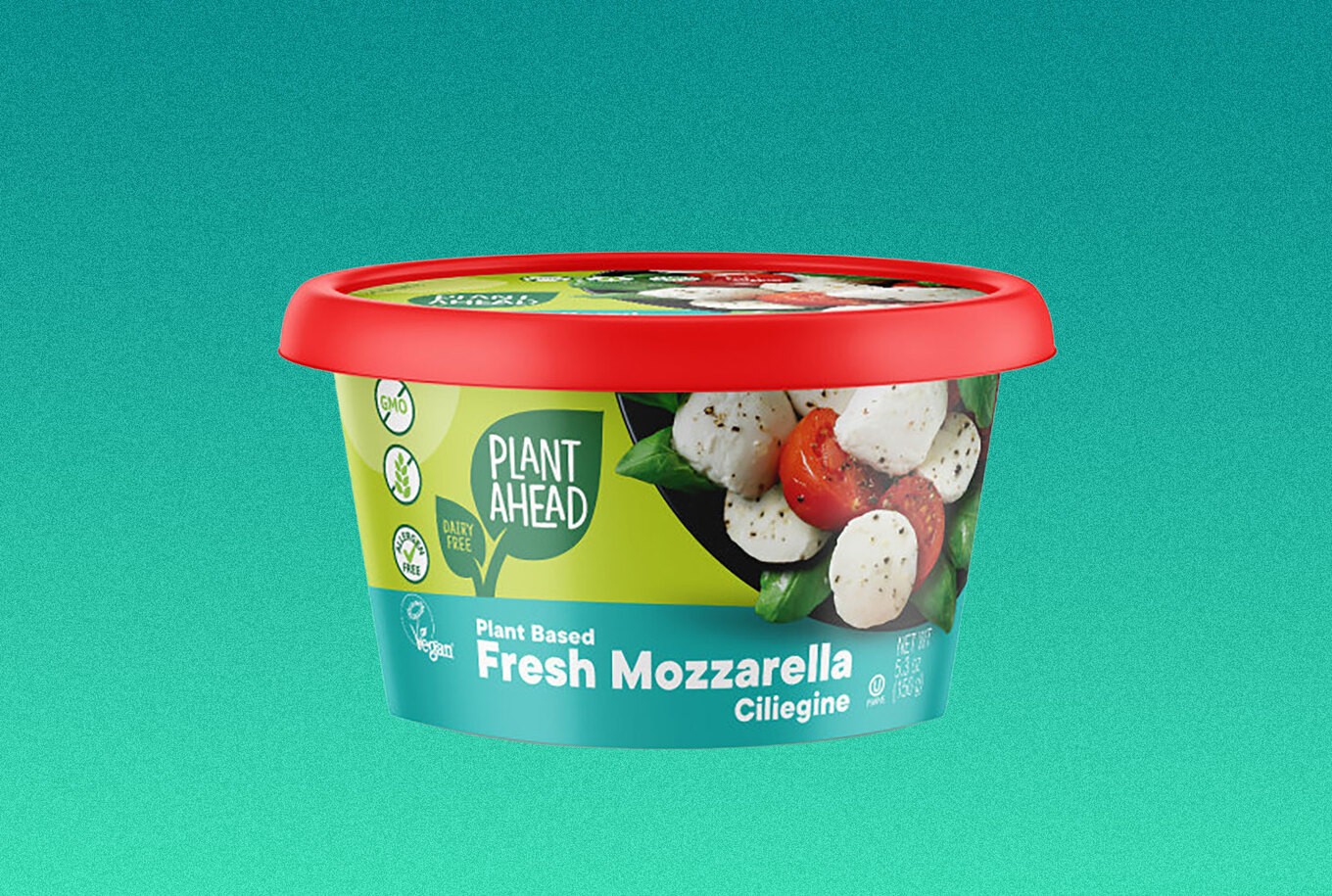
Plant Ahead’s fresh mozzarella pearls

Virtually all vegan cheese companies have a mozzarella cheese—none of them are like these. Quebec-based Plant Ahead’s new Fresh Mozzarella Ciliegine represents a new way for vegans to cheese: the cherry-sized balls of creamy coconut-based mozz kept fresh in a sea salt brine are extra-creamy, slightly bouncy, and making all our Italian deli dreams come true. Skewer them with cherry tomatoes and basil for a handheld caprese; toss with bow tie pasta, pesto, lemon zest, and vegan parm for a mouth-watering meal; or add them to an antipasto charcuterie board with plant-based deli slices, olives, marinated peppers, figs, and grapes—the mozzabilities are truly endless.

Sweet-Lorens-Monster-CookiesSweet Loren’s

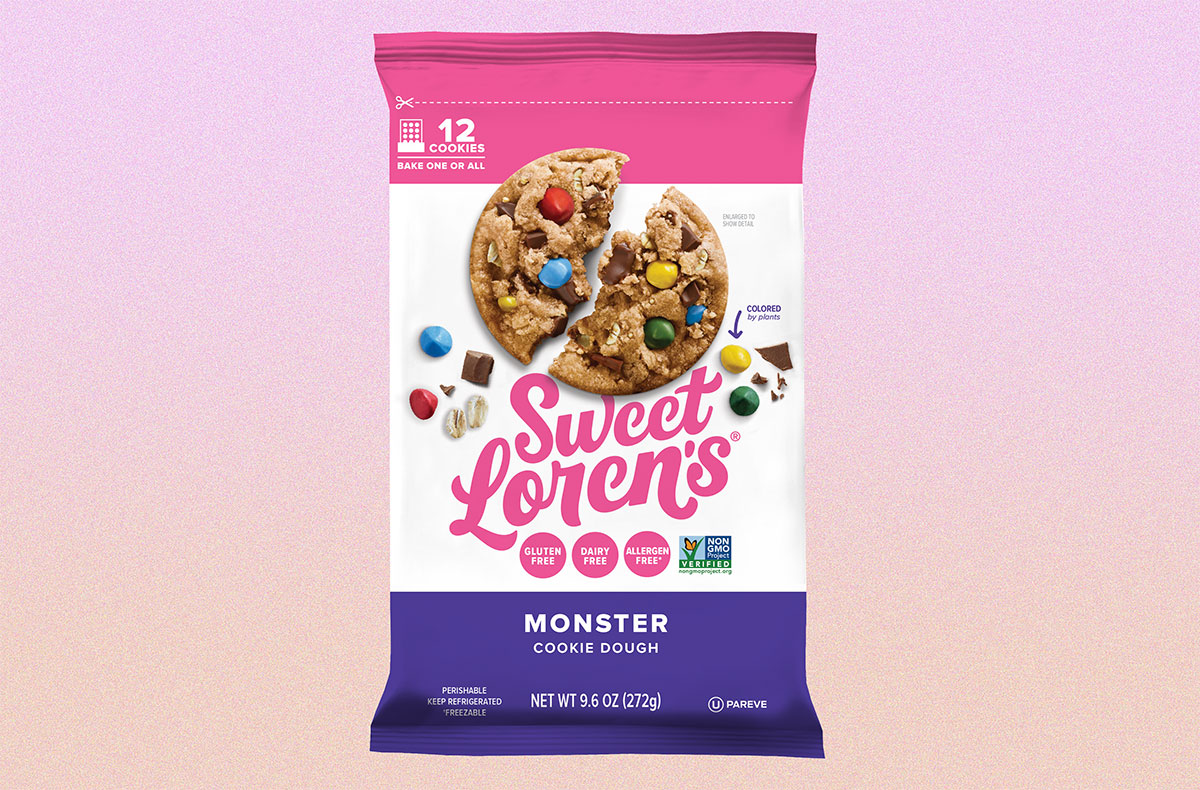
Sweet Loren’s’ vegan M&M-studded break-and-bake cookies

There’s no joy like taking that first bite of a hot, freshly-baked monster cookie studded with chocolatey M&Ms. And while these crunchy, chocolate morsels remain off-limits for vegans, nostalgic monster cookies are not—and it’s all thanks to Sweet Loren’s. Boasting an ingredient line up free from dairy, gluten, and allergens, this Veggie Award-winning vegan cookie brand makes indulging easier than ever. Simply pop in the oven, and you’re minutes away from crisp-on-the-outside, soft-on-the-inside cookies perfect for dunking into oat milk or for ice cream sandwiches.

Azuma-Ikura-and-CaviarAzuma Foods

Azuma Food’s plant-based caviar

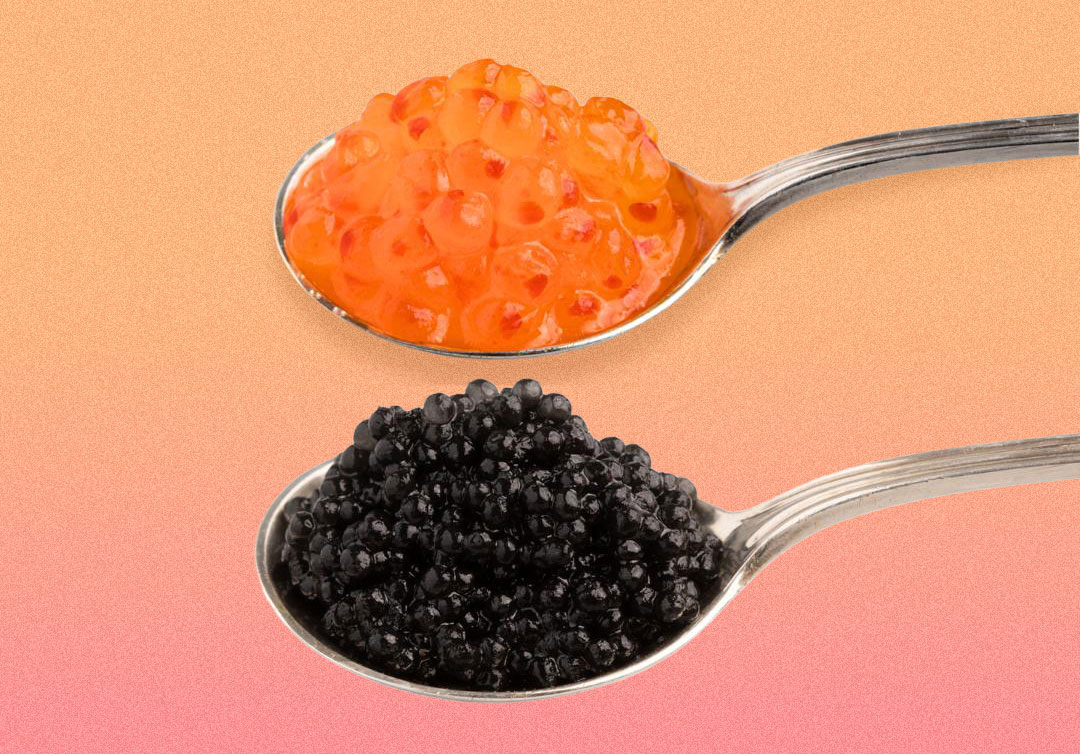
Japanese seafood company Azuma Foods is taking the plunge and investing in the future of plant-based seafood, and sushi platters will never be the same. The company first debuted slabs of marbly vegan tuna and salmon sashimi made from konjac last year. But in 2025, it’s bringing fish-free renditions of caviar and ikura—large, plump, popping orange salmon roe considered a delicacy in Japanese cuisine—to the US, along with other specialties like calamari salad and marinated onigiri fillings. Our sushi rolls, rice bowls, and tofu dishes are sure to get a major upgrade thanks to this plant-based roe, but why stop there? Vegan devilled eggs, blintzes, even avocado toast are all getting the ikura treatment from here on out.

Blackbird-Pizza-MinisBlackbird Foods

Blackbird Foods’ personal-sized pizzas

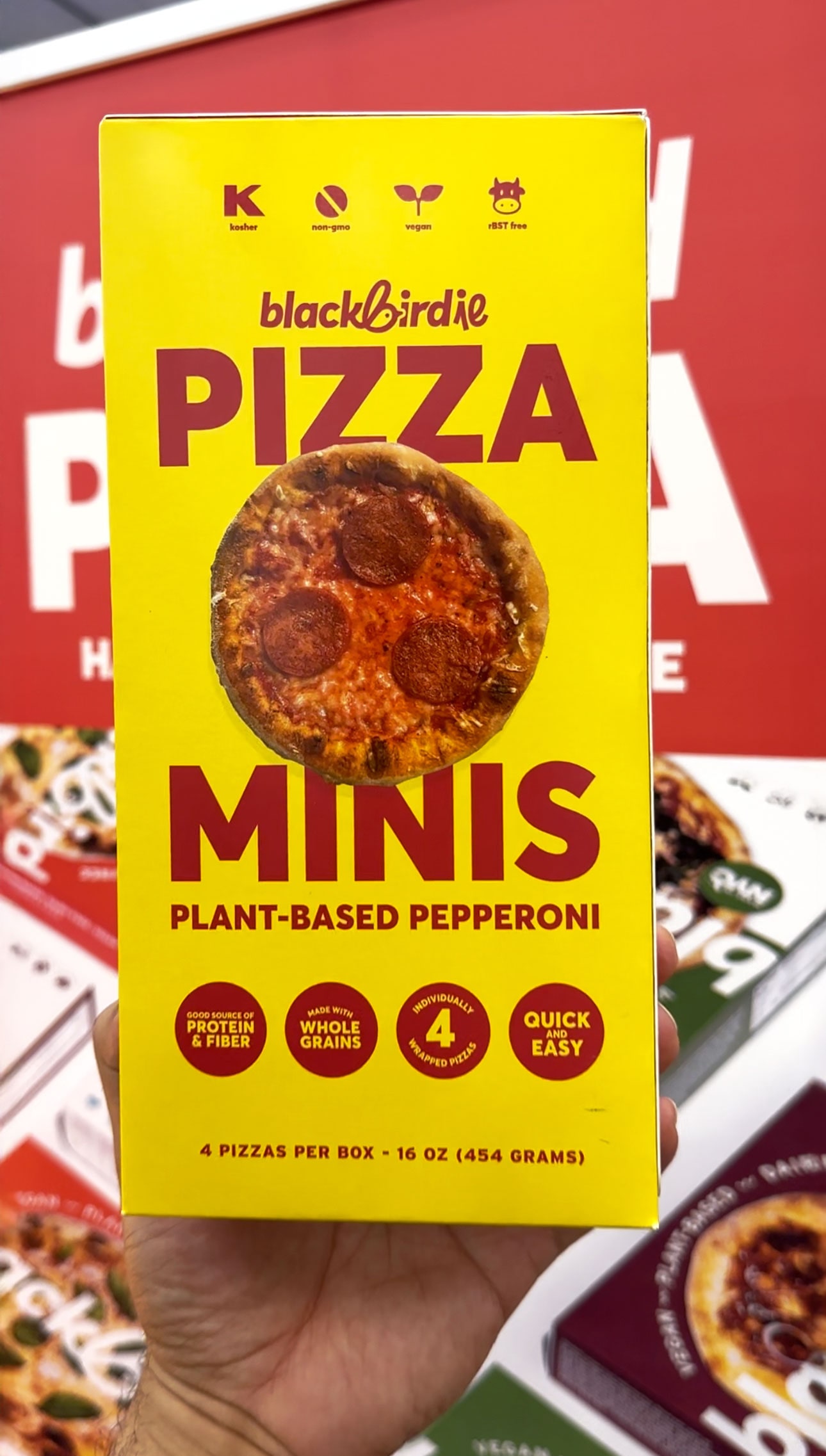
It’s the plant eater’s eternal struggle: you want vegan pizza, but you don’t want to buy or make an entire vegan pizza. While we wait for our local shops to catch on to the money-making potential of plant-based slices, Blackbird Foods is doing something about it—and it’s so cute. The New York-based brand’s Blackbirdie Pizza Minis are five-inch, personal pie versions of their signature cheese and Beyond Meat pepperoni pizzas, made with its own Blackbird mozzarella on whole grain crusts. Pop one or two in the toaster oven, and you’re minutes away from satisfying those pizza cravings without having to break out the cutter.

Chunk Foods’ pulled plant-based meats

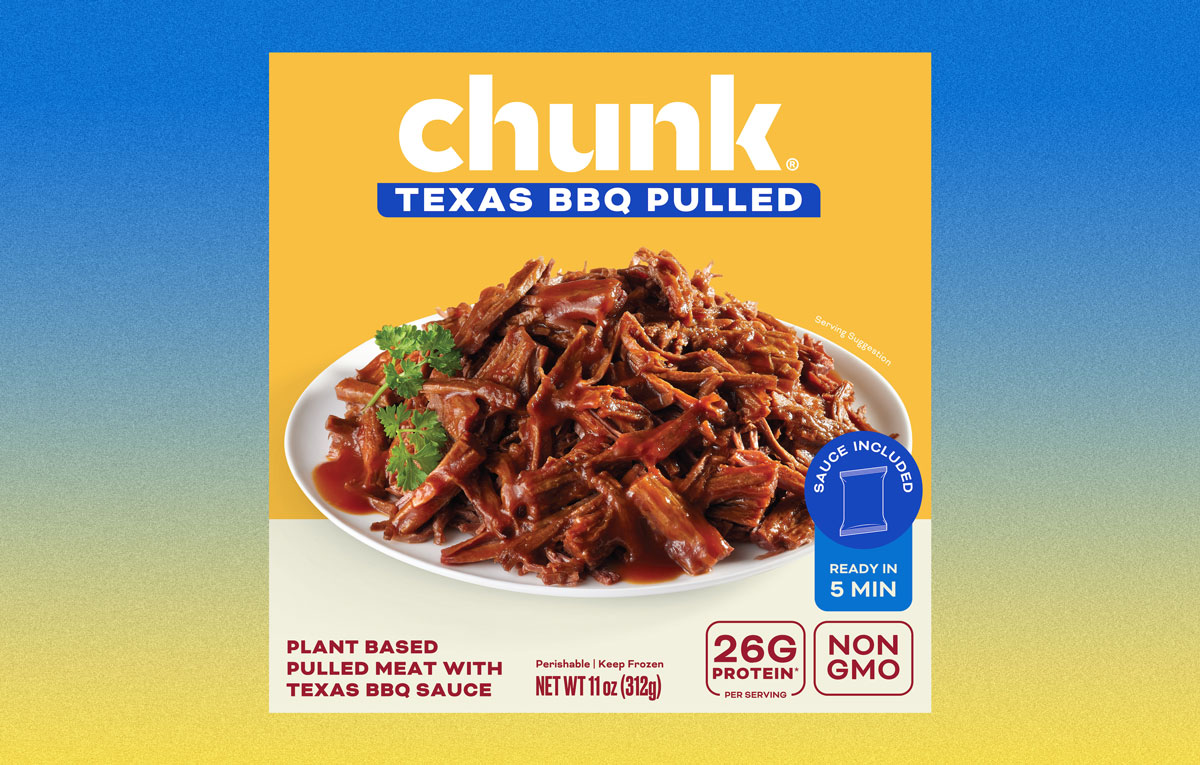
Meatless grounds, done. Bleeding vegan burgers, check. In the era of plant-based innovation, whole cuts of vegan meat are the next frontier—and Chunk Foods has quickly solidified itself as one of the main players to watch. After making its highly anticipated retail debut across Los Angeles, San Diego, and New York last year, Chunk Foods’ first release of 2025 adds a new format to the company’s product portfolio: juicy, tender pulled meat paired with chef-crafted simmer sauces including teriyaki, Texas barbecue, barbacoa, and Korean barbecue. This latest release builds on Chunk Foods’ commitment to non-GMO plant-based meat alternatives made without additives, artificial thickeners, or preservatives—and our tacos and protein bowls are all the better for it.

Kula-Goat-CurryKula Foods

Kula Food’s plant-based goat curry

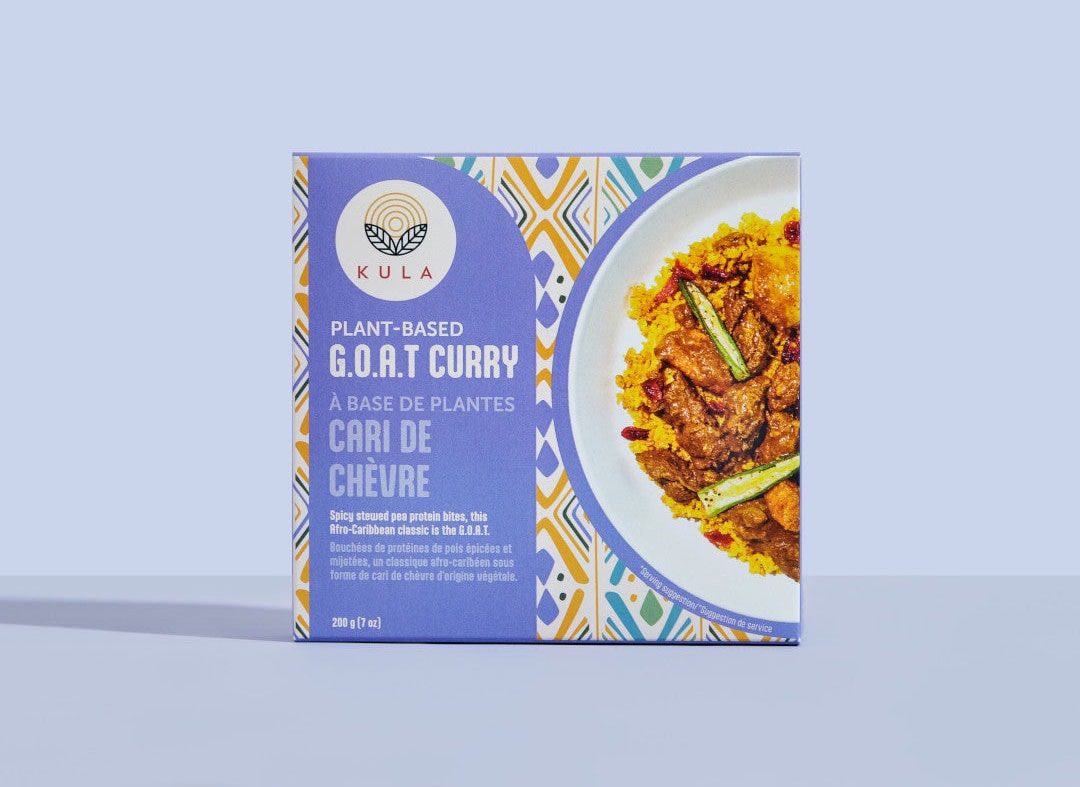
Making its way to the States by way of Vancouver, BC comes a bold, flavourful new vegan entry that has the potential to become—dare we say—the greatest of all time. Inspired by her family’s East African recipes, owner Asha Wheeldon launched Kula Foods to bring plant-based nourishment rooted in culture to the masses. Her G.O.A.T Curry Protein starts with tender, meaty chunks of pea protein “goat” that’s stewed in an aromatic curry teeming with Afro-Caribbean flavours like garlic, ginger, cardamom, nutmeg, thyme, cloves, and Scotch bonnet peppers. Heat it up and serve with coconutty Jamaican rice and peas, sweet plantains, or fried dumplings, and enjoy all the warmth Afro-Caribbean cuisine has to offer.

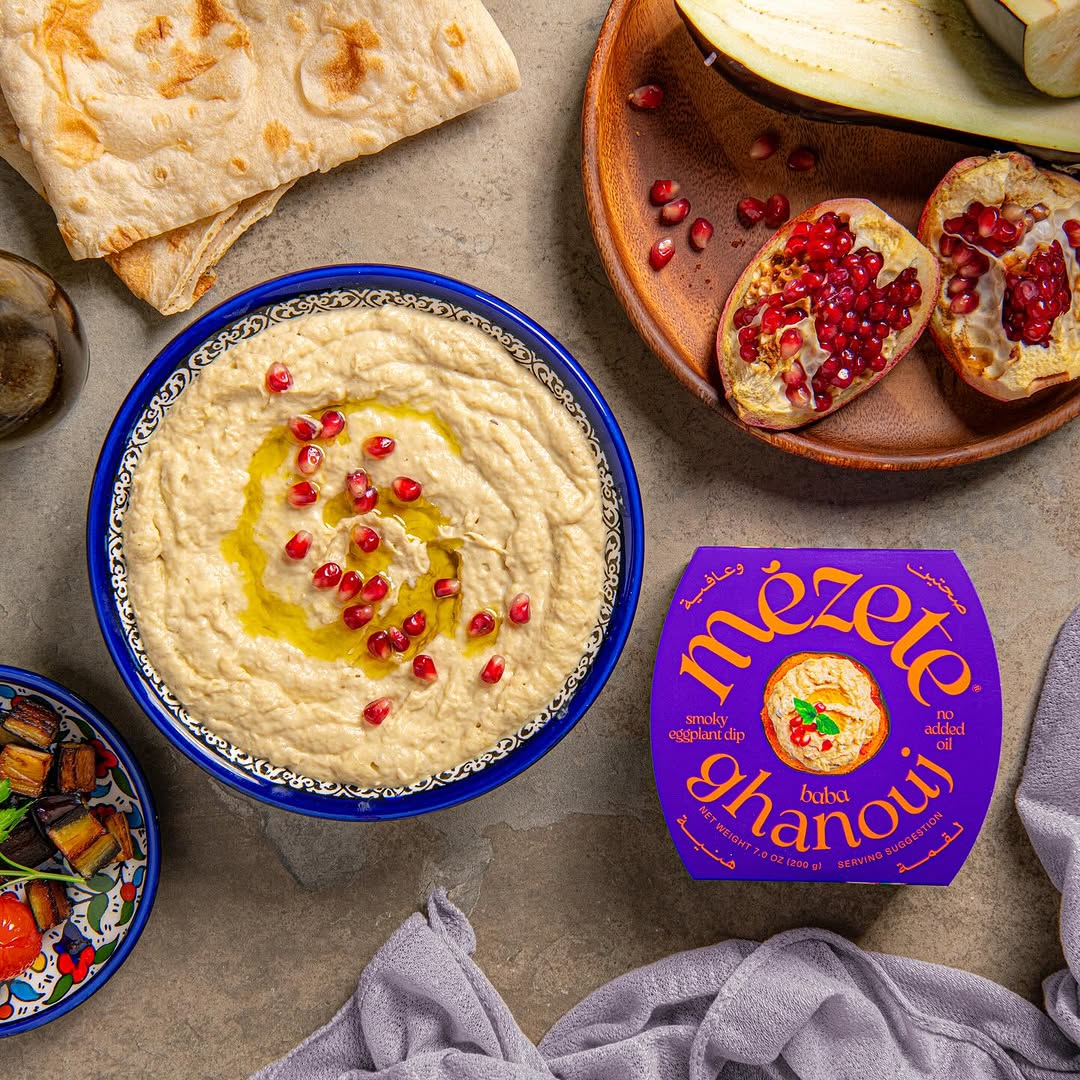
Mezete’s Middle Eastern favourites

Dinner guests arrive in 10 minutes. The main you’re making still needs 45 minutes in the oven, but you need nosh now. What to do? Thanks to Jordanian company Mezete—and its line of shelf-stable Middle Eastern staples—all you need to do is simply reach into the pantry. Breakthrough packaging, no added oil, and an extra hefty dose of tahini keeps Mezete’s super-smooth hummuses (in flavours like za’atar, hot chili, and sundried tomato) and baba ghanouj shelf stable for 18 months without preservatives (emergency tubs of hummus? Now totally a thing). Make it an authentic culinary tour of the Middle East with red pepper-and-pomegranate-infused muhammara dip, cinnamon-spiked shatta hot chili sauce, smoky freekeh soup, and more.

Fambam-Foods-CaulitosFamBam Foods

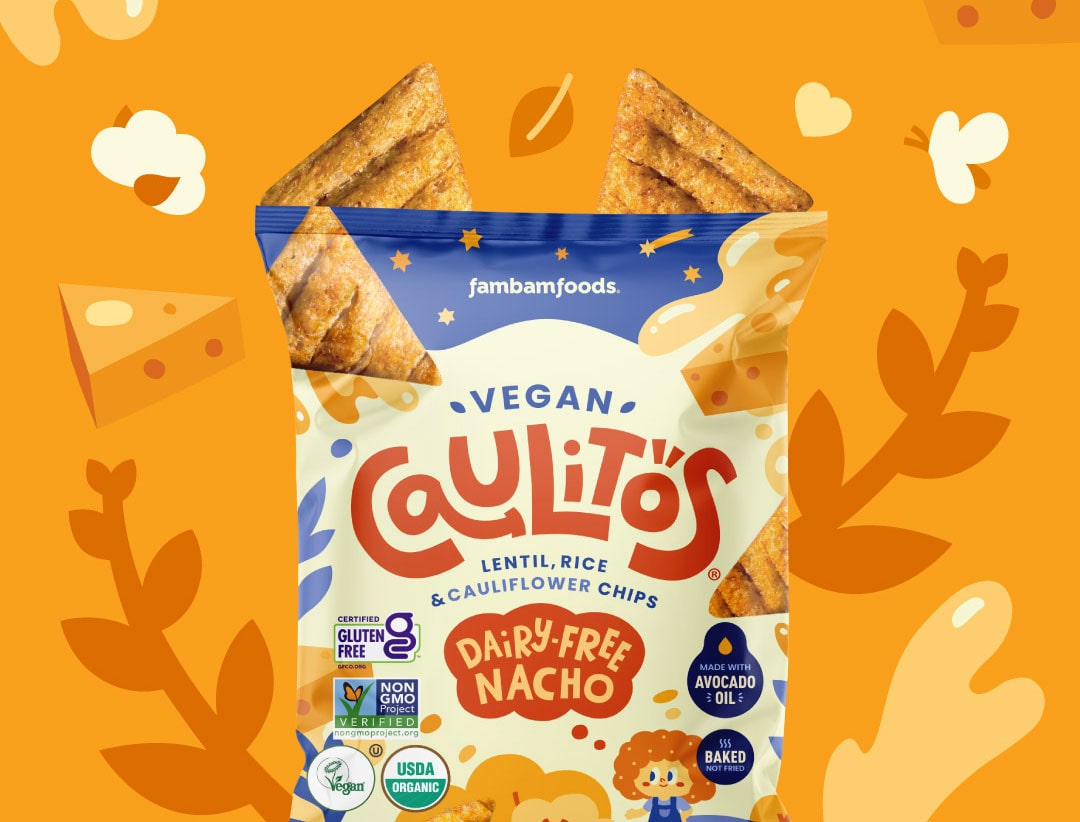
FamBam Foods’ vegan Doritos dupes

Ahhh, 1998. This seminal year gave us Brittany Spears’ “… Baby One More Time,” HBO’s cult classic Sex and the City, and the very first iMac. And in the snack realm, another icon made its debut that same year: the cult-favourite Doritos 3D. The puffed snack was ultimately discontinued in 2004, but FamBam Foods’ new Caulitos may just bring this nostalgic favourite back to life with a modern, plant-forward twist. Made with a blend of organic lentils, rice, and cauliflower, Caulitos are coated in a cheesy, vegan seasoning made with real food ingredients—think bell peppers, onions, garlic, and a touch of jalapeño. The family-owned brand set out to create delicious, better-for-you snacks their children would enjoy—mission accomplished if we say so ourselves.

Pop-and-Bottle-Strawberry-MatchaPop & Bottle

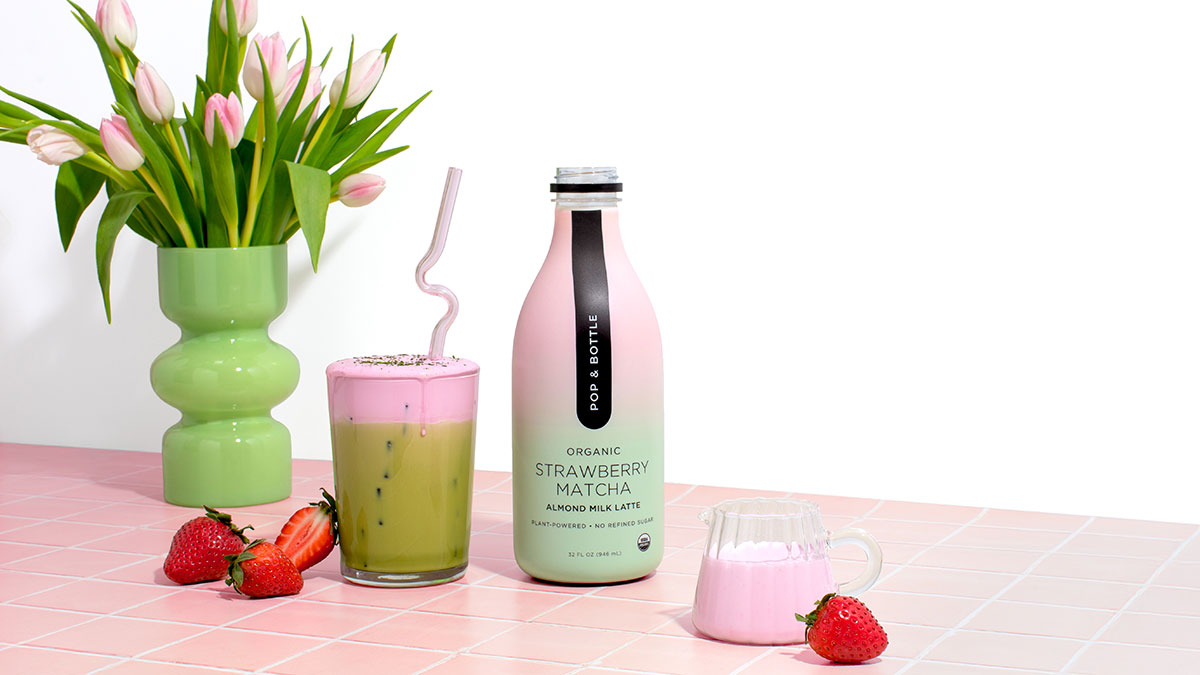
Pop & Bottle’s strawberry matcha latte

Sipping on an earthy, emerald green matcha latte is a key part of our morning routines—sifting away clumps, whisking with hot water, and adding a splash of plant milk borders on therapeutic. But on busy mornings when we’re rushing out the door and can’t pop into the nearest cafĂ© for our matcha fix, we’re reaching for Pop & Bottle’s latest creation: strawberry matcha almond milk lattes. Strawberry juice, almond milk, coconut nectar, and Himalayan pink salt are combined with premium, organic Japanese matcha for a morning brew that rivals barista-crafted creations. Trust us: you’ll want to stock your fridge with the pink-and-green bottles of this Glinda-and-Elphaba-approved concoction.

Cocojune-Yogurt-DipsPop Up Grocer

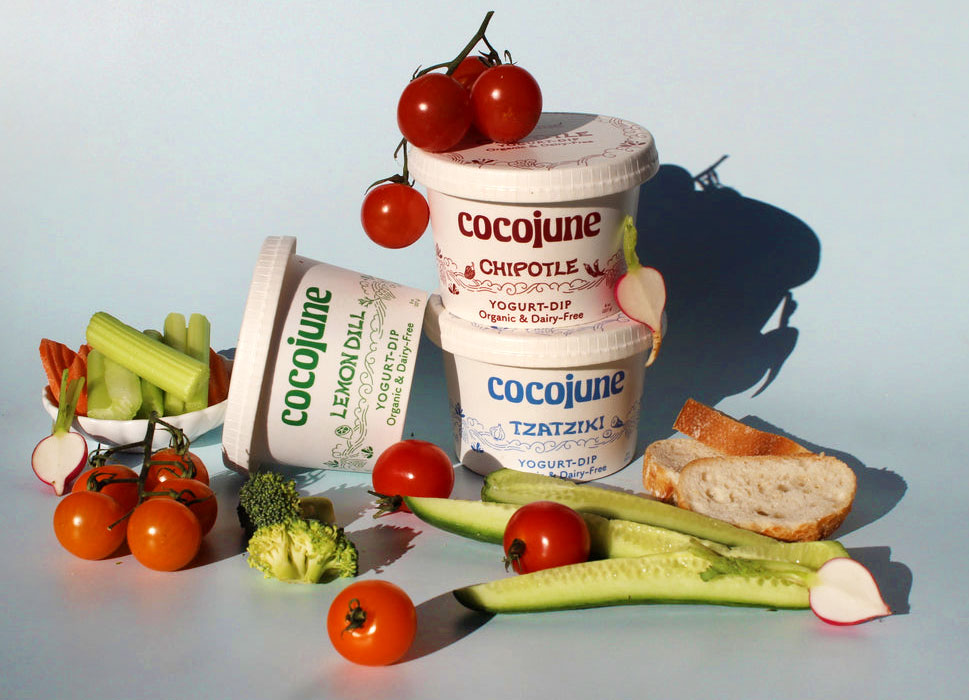
Cocojune’s coconut yogurt dips

With spring picnics and summer potlucks on the horizon, it’s nearly showtime for one of our favourite food groups: dip. Cocojune’s spin makes use of its clean, minimal-ingredient, coconut yogurt, made slightly cheesy thanks to its cultures, as the base, in which smoky peppers, fresh herbs, and crunchy cucumbers are added. The result? Chipotle, Lemon Dill, and Tzatziki dips that are clean, tangy, and all but destined for your next shindig.

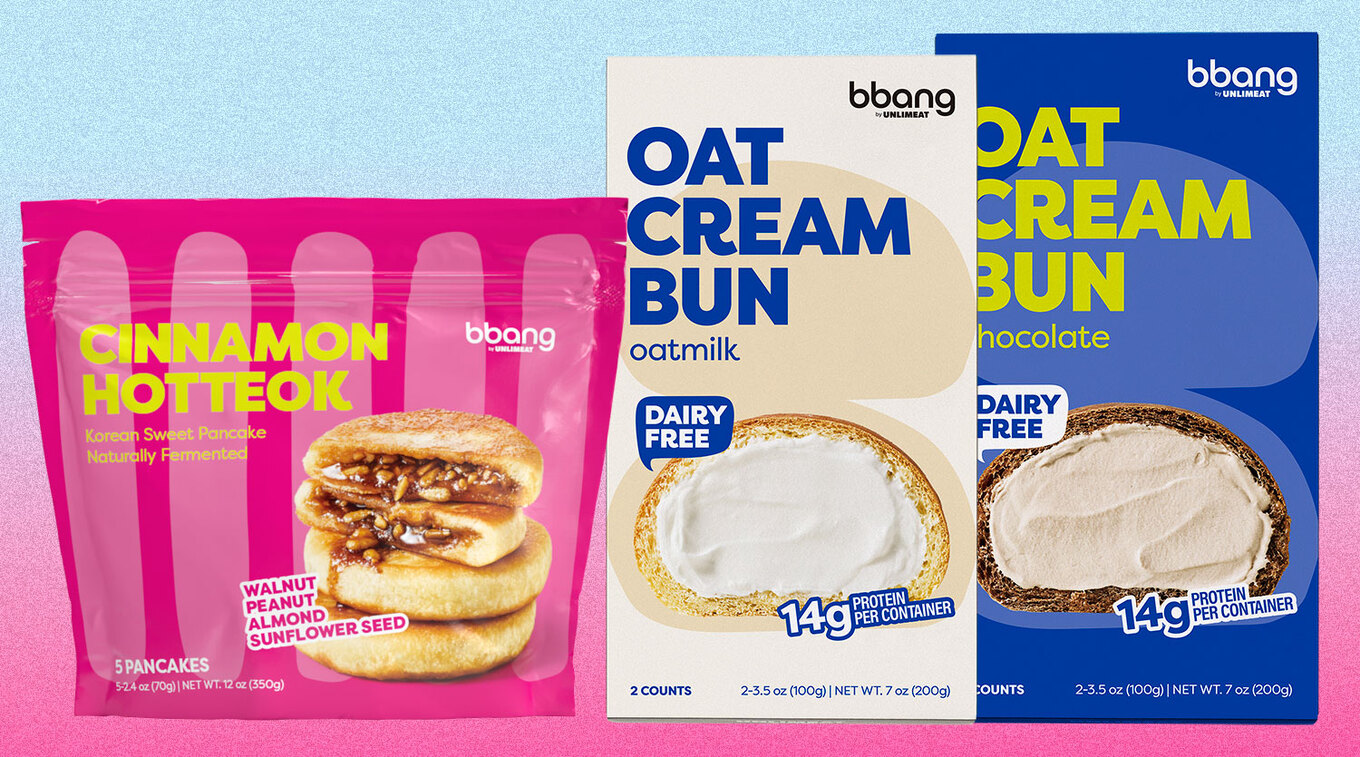
bbang-Unlimeat-dessertsBbang by Unlimeat 

Bbang by Unlimeat’s Korean desserts

Korea’s leading plant-based meat company has made quite the splash stateside. From barbecue bulgogi to juicy pulled pork and Korean-style fried chicken made from mushrooms, Unlimeat delivers rich, cultural flavours featuring upcycled vegan ingredients. And while plant-based meats ushered this global brand to the forefront, its line of Korean desserts are not to be overlooked. Unlimeat’s new dessert-focused brand Bbang allow you to immerse yourself in Korean desserts with pancake-style hotteok filled with crunchy almonds, walnuts, sunflower seeds, and peanuts—all sweetened with a dash of cinnamon sugar. Or, for a taste of the ever trendy milk cream donut, go for the oat cream bun: a pillowy soft bun featuring whipped oat cream. Whatever you choose, you can’t go wrong.

 https://vegnews.com/12-best-new-vegan-products-2025

The Generations Fuelling the Plant-Based Market

From vegconomist.com 

Consumer habits are changing fast, with Millennials and Gen Z making a significant impact. These generations are increasingly conscious of their food choices and are shaping the future of the food industry through their purchasing power, digital influence, and values-driven consumption.

Among these generations, plant-based eating has become more popular, fuelled by concerns about health, sustainability, and animal welfare. According to the latest Smart Protein Project survey, Gen Z has the highest rates of vegetarians (7%), vegans (4%), and pescatarians (5%) in Europe. In contrast, omnivores are more prevalent in the Boomer and Gen X groups. 

However, flexitarianism – the practice of reducing meat consumption without eliminating it entirely – is not confined to younger generations. Adoption rates are similar across Boomers (29%), Gen X (27%), Millennials (28%), and Gen Z (26%). This implies that while younger consumers are leading the transition toward fully plant-based diets, older generations are also contributing to market growth by integrating more plant-based options into their meals.

For businesses, these results suggest that there may be an opportunity for marketing and product development tailored to specific needs across age groups.

So, what drives Millennials and Gen Z, and how can businesses attract these consumers?


Health, sustainability, and social influence

Younger consumers are embracing plant-based diets for a variety of reasons, from functional health benefits to environmental concerns. Health-conscious Millennials prioritise functional foods that offer additional benefits beyond basic nutrition, while Gen Z is particularly focused on gut health, mental well-being, and immunity-boosting foods.

Meanwhile, sustainability remains a major factor in plant-based purchasing decisions. Climate-conscious Millennials and Gen Z consumers are more likely to support brands that emphasise ethical sourcing, carbon footprint reduction, and eco-friendly packaging. A recent study found that 37% of US Gen Z consumers consider climate change their top personal concern, compared to 27% of Gen X and 29% of Boomers. Meanwhile, 54% of Gen Z and 50% of Millennials say they are willing to pay 10% more for sustainable products, compared to just 23% of Baby Boomers. 

For brands, this means an opportunity to develop and market products that align with these values. Companies that prioritise health, transparency, and purpose-driven messaging will gain a competitive advantage.

young people on their phones
Image supplied.

Social media: the powerhouse of influence

Unlike previous generations, Gen Z and Millennials grew up in a digital-first world. Social media isn’t just entertainment – it’s shaping their shopping habits. Viral plant-based recipes, influencer endorsements, and sustainability challenges all play a role in their purchasing decisions. 

Companies that engage with younger audiences through digital platforms will build trust and brand loyalty.

Generational shifts

As the plant-based market evolves, the ability to adapt to generational preferences will be crucial for brands looking to thrive in this competitive space.

Curious about the latest insights and strategies to tap into this market? Read the full article on ProVeg’s New Food Hub, and get in touch with their experts for more support, at corporate@proveg.org


https://vegconomist.com/market-and-trends/generations-fuelling-plant-based-market/