Friday, December 8, 2023

AI predicts most of world will be vegan by 2075

From dorseteye.com

ChatGPT’s projections envision a substantial global shift toward veganism by 2075, a prediction stemming from a study by The NPD Group that delves into the evolving landscape of the food industry. This transformation is anticipated to be heavily influenced by Gen Z and Millennials, driven by their heightened awareness of environmental and animal welfare concerns.

The Daily Mail initiated a conversation with ChatGPT, using the NPD study as a prompt to forecast a gradual timeline toward widespread veganism. Predictions included the mainstream adoption of the flexitarian diet by 2027, advancements in food technology making vegan alternatives more appealing and cost-effective, a transition toward plant-based agriculture, and notable figures like Natalie Portman and Leonardo DiCaprio advocating for climate action through Veganism Day.

To prepare for the shift, the NPD Group emphasised the importance for food manufacturers to cater to Millennials and Gen Zs, acknowledging their preferences for sustainability and animal welfare in messaging and product development.

Young people are not only changing their habits because of imagery like the following but they are attempting to educate older generations in the hope that many of them will transform their eating habits.

ChatGPT’s timeline unfolds with the flexitarian diet gaining traction by 2027, followed by increased awareness about animal rights and climate change among younger generations by 2024. Subsequently, food technology companies innovate plant-based meat alternatives, with significant social media promotion by 2028. By 2032, a breakthrough in food technology will lead to more convincing and affordable vegan faux meats.

Predictions extend into legislative actions, with ChatGPT foreseeing North American and European governments implementing subsidies for plant-based agriculture by 2037, contributing to a decline in traditional farming and animal agriculture.

Major milestones include 2057, marking widespread acceptance of veganism, followed by the inaugural Global Vegan Week in 2064. The forecast includes industry giants like McDonald’s transitioning to a fully plant-based menu by 2068. Ultimately, by 2075, the world is anticipated to be almost entirely vegan, with animal agriculture on the brink of obsolescence.


ChatGPT emphasised the speculative nature of these predictions, acknowledging the potential variations across regions and cultures. Nevertheless, it highlighted the influence of Gen Z and Millennials in raising awareness and driving significant dietary shifts.

The rise of veganism among younger generations owes much to social media, which has facilitated the sharing of vegan content, recipes, and information. Streaming platforms have played a role by enabling documentaries like Cowspiracy and What The Health to disseminate information about the consequences of meat consumption on health and the environment. Additionally, celebrities like Billie Eilish, Joaquin Phoenix, and Jessica Chastain embracing veganism have further popularised the lifestyle.

https://dorseteye.com/ai-predicts-most-of-world-will-be-vegan-by-2075/ 

Thursday, December 7, 2023

Veganism: Study says plant-based diet rapidly improves heart health — Here's the science

Veganism: While not everyone may opt for a vegan diet, experts say minor adjustments can boost heart health

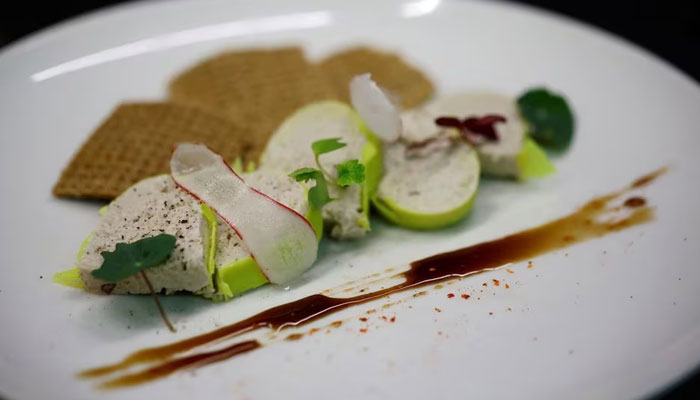
A dish of Faux-gras, a vegan alternative to foie gras cooked by Fabien Borgel, is seen in the restaurant 42 Degres in Paris, France, December 15, 2022. —Reuters
A dish of 'Faux-gras', a vegan alternative to foie gras cooked by Fabien Borgel, is seen in the restaurant "42 Degres" in Paris, France, December 15, 2022. —Reuters 

Veganism was put to the test in the latest study by Stanford University, where scientists compared its benefits for cardiovascular health to those of an omnivore diet. Their findings are as follows.

The study, published in JAMA Network Open, utilised pairs of identical twins to minimise variables, revealing that adopting a vegan diet for eight weeks led to notable improvements in cardiovascular health.

Dr Christopher D Gardner, the study's senior author, explained the approach's uniqueness: "The idea of working with identical twins was fascinating to us. 

When randomising identical twins to two study arms, the genetics are perfectly matched, and likely many other factors are matched because these pairs were raised in the same families, lived in the same neighbourhoods, and many other similarities."

The study involved 22 pairs of twins, with one twin following a vegan diet and the other an omnivore diet for two months. Both diets incorporated vegetables, legumes, fruits, and whole grains while limiting added sugars and refined grains. 

Surprisingly, the vegan group exhibited a 20% decrease in fasting insulin levels and lost an average of 4.2 lbs more than their omnivore counterparts.

Dr Gardner expressed surprise at the significant differences observed, especially considering the generally healthy participants in both groups. The study emphasised the swift positive changes a more plant-based diet can bring to cardiometabolic risk factors.

While not everyone may opt for a vegan diet, medical experts agree that even minor adjustments can positively impact cardiovascular health. Dr Cheng-Han Chen, an interventional cardiologist, highlighted the heart-healthy components of a vegan diet, including fruits, vegetables, nuts, legumes, and whole grains. 

Monique Richard, a registered dietitian nutritionist, suggested practical steps like increasing fruit and vegetable intake or trying new vegan recipes to promote cardiovascular well-being.

https://www.geo.tv/latest/521923-veganism-study-says-plant-based-diet-rapidly-improves-heart-health-heres-the-science 

Tuesday, December 5, 2023

Embracing veganism: Experts tout weight loss and cholesterol reduction benefits of plant-based diets

From nutritioninsight.com

04 Dec 2023 --- The latest analysis by the Physicians Committee for Responsible Medicine (PCRM) demonstrates that replacing animal products with plant-based foods leads to weight loss, reduced cholesterol, reduced fat intake and increased fibre intake in overweight adults.

The new analysis assessed the association of a plant-based diet index (PDI), healthful plant-based diet index (hPDI) and unhealthful plant-based diet index (uPDI) with weight loss from a secondary analysis of a PCRM study of 244 overweight adults. 

“It is advisable to recommend a plant-based diet instead of weight loss drugs, which can be costly and come with unwanted side effects or weight management programs, which can also be costly,” Dr. Hana Kahleova, director of clinical research at the PCRM and lead author of the study, tells Nutrition Insight.

“Our research also shows that a vegan diet can help maintain weight loss over the long term. As opposed to drugs or weight management programs, eating a vegan diet has good side effects, and our research shows that it can help save money.”

No calorie counting needed

The committee recommends that healthcare professionals encourage their patients to replace animal products with plant-based foods to not only lose weight but also to improve the quality of their diet by reducing fat and cholesterol intake and increasing disease-fighting fibre intake.

The participants were randomly assigned to a vegan group that followed a low-fat vegan diet or a control group that made no diet changes for 16 weeks. Calorie intake was not limited for either group and neither group was given diet quality instructions.

“A plant-based diet for weight loss is viable for the broader population. For example, many Seventh-day Adventists eat a plant-based diet their whole life, and are leaner, healthier and live longer than the general US population as a result,” says Kahleova.

“The good news is that our latest research shows that a wide variety of plant-based foods lead to weight loss, and the more plant-based foods you eat instead of animal products, the better. Many people probably already regularly eat plant-based meals or ones that can easily be made plant-based by leaving out the meat and dairy.” 

Veggie wrapsEating more legumes and reducing meat consumption helps with weight loss

The PDI measures adherence to a plant-based diet in general. The hPDI includes more fruits, vegetables, grains and beans and the uPDI includes more foods such as refined grains and fruit juices. The scores of all three indexes are higher with increased consumption of plant-based foods and reduced consumption of animal products. The findings were published in the European Journal of Clinical Nutrition.

“While a low-fat vegan diet rich in fruits, vegetables, grains and beans is the gold standard for weight loss and improved health, the good news is that a plant-based diet that eliminates animal products and minimizes the consumption of oil can help with weight loss in people who are overweight,” says Kahleova.

Good scores all roundAvocado and guacamoleA plant-based diet reduces cholesterol and boosts fibre intake, according to PCRM.
Replacing animal products with plant-based foods, whether considered “healthful” or “unhealthful” by the plant-based diet index promotes weight loss because it reduces fat intake while increasing fibre intake, which creates satiety faster.

In the analysis, all three scores increased for participants following a vegan diet, significantly associated with an average weight loss of about six kg because of reduced fat mass and visceral fat. 

Increased consumption of whole grains and legumes and reduced consumption of meat, vegetable oil and sweets in the vegan group were associated with weight loss. The scores in the control group did not change.

“Time and again, the PCRM’s research has shown that overweight people can lose a significant amount of weight on a vegan diet, and the weight loss often comes with other health improvements including improved insulin sensitivity and lowered cholesterol,” notes Kahleova. 

Last year, a PCRM study demonstrated that veganism enhances the quality of one’s diet, resulting in weight loss and improved insulin sensitivity. In particular, increased legume intake and decreased meat, fish and poultry eating were most strongly linked to weight loss.

https://www.nutritioninsight.com/news/embracing-veganism-experts-tout-weight-loss-and-cholesterol-reduction-benefits-of-plant-based-diets.html 

Monday, December 4, 2023

The Proven Health Benefits of a Plant-Based Diet: What Recent Research Reveals

From breakinglatest.news

Alternative diets are gaining popularity, and one of the strictest alternative diets is veganism. This diet eliminates all food products produced by animals, including eggs, cheese, milk, and meat. While only a small percentage of Americans have adopted the vegan diet, the environmental and health benefits it offers have caught the attention of many.

One of the challenges in studying the health effects of veganism has been the difficulty in eliminating variables. Dietary research is complex, as many factors influence health, including genetics, lifestyle, and upbringing. However, a new study by Stanford Medicine sought to address this challenge by using pairs of twins in their study. 22 couples were selected based on their pre-existing health levels meeting a threshold. They then randomly chose one twin to be omnivorous and another to be vegan for 8 weeks.

The study found that LDL-C levels, which is a main component of cholesterol, decreased in the vegan twin. LDL is considered the “bad” cholesterol, so this decrease is excellent for cardiovascular health. Additionally, vegan participants reduced their fasting insulin levels by 20%, reducing their risk of developing diabetes. These findings confirm that the health benefits of a completely vegan diet are proven.

However, maintaining a completely vegan diet can be difficult. The restrictive nature of the diet requires a significant commitment. Nevertheless, researchers suggest that cardiovascular benefits can be achieved with modest reductions in animal foods and increases in healthy plant foods. So, even opting for a veggie burger instead of a beef burger could provide visible benefits.

Ultimately, a more plant-based diet rather than a complete dietary overhaul may be ideal for providing cardiovascular benefits while maintaining satisfaction in one’s diet. The research suggests that one does not have to completely eliminate animal products to see health benefits. The benefits of a plant-based diet can be reaped with a more balanced approach.

https://www.breakinglatest.news/health/the-proven-health-benefits-of-a-plant-based-diet-what-recent-research-reveals/ 

Sunday, December 3, 2023

A scene-stealing Christmas alternative: Meera Sodha’s vegan recipe for spinach, walnut and tomato lasagne

From theguardian.com 

With layer upon layer of garlicky tomato and cream, and with a satisfying, crumbly topping, this hearty vegan centrepiece will steal the show

In the Greek language, there are eight words for love, but for food there are a great many more. Lasagne, however, is (in my opinion) one of the clearest and most effective ways to communicate such an emotion. Making it doesn’t always have to be a labour of love, especially when you move away from the traditional layers of ragu and bechamel to other ingredients. In this week’s recipe, silken tofu, quickly blended, forms a magical, creamy bechamel that is then stirred through spinach, layered over a rich and garlicky tomato sauce, and covered with nuts, breadcrumbs and “cheese” to finish.

Spinach, walnut and tomato lasagne


Christmas cracker: Meera Sodha’s spinach, walnut and tomato lasagne. Photograph: Issy Croker/The Guardian. Food styling: Tamara Vos. Prop styling: Rachel Vere. Food styling assistant: Emma Cantlay. Photo assistant: Sophie Jurkiewicz. Cracker and paper garland: Toast.


This can be assembled in advance, then baked ahead of eating. You’ll need a suitable oven dish – mine is 35cm x 25cm – a blender (or stick blender) for the tofu bechamel and a large pot with a lid for the spinach. Not all vegan cheeses work well in lasagne – I recommend using MozzaRisella because it melts best; it’s easily available online.

Prep 10 min
Cook 90 min
Serves 6

Extra-virgin olive oil
6 garlic cloves
, peeled and crushed
2 x 400g tins finely chopped tomatoes
Fine sea salt and black pepper
900g silken tofu
, drained
¼ tsp ground nutmeg
1 tsp chilli flakes
1kg baby spinach leaves
12 dried lasagne sheets
, suitable for vegans
40g panko breadcrumbs
200g vegan mozzarella
 – see recipe introduction
15g parsley, finely chopped
50g finely chopped walnuts

First make the tomato sauce. Put three tablespoons of oil in a medium saucepan on a medium heat and, when hot, add half the crushed garlic and cook, stirring, for a minute or two, until golden. Add the tomatoes and three-quarters of a teaspoon of salt, cock a lid on top, turn down the heat to medium-low and leave to bubble away for 20 minutes, stirring occasionally, until saucy and thick (and no longer watery). Take off the heat.

Meanwhile, make the bechamel. Drain the tofu, pop it in a blender with two tablespoons of oil, three-quarters of a teaspoon of salt and the nutmeg, then blend really smooth.

Put three tablespoons of oil in a large pot on a medium heat, add the remaining garlic and the chilli flakes, and cook, stirring, for a minute. Add the spinach leaves a handful at a time, stirring as you go to ensure the garlic doesn’t burn, and watch as it magically wilts in front of your eyes within a minute or so. As soon as all of the spinach is in the pot, stir in three-quarters of a teaspoon of salt, clap on the lid and cook, stirring every five minutes, for 15 minutes. After this time, tip out as much excess liquid as possible (hold back the spinach with a large spoon), then stir in two-thirds of the bechamel. Cook, stirring, for a couple of minutes, until well combined, then take off the heat.

To build the lasagne, grease a 35cm x 25cm baking dish, and heat the oven to 200C (180C fan)/390F/gas 6. Layer four lasagne sheets in the base of the dish and spoon over a third of the tomato sauce. Top this with a third of the spinach mix, then cover with another layer of four lasagne sheets. Top with half the remaining tomato sauce, then with half the remaining spinach, then cover with the last four lasagne sheets. Top with the remaining sauce, followed by the spinach, then spread the last of the bechamel on top. Scatter over the breadcrumbs, mozzarella, parsley and walnuts, drizzle with oil, then bake for 45 minutes.

Remove from the oven, leave to rest for 10 minutes and serve, perhaps with a crisp green salad.

Fiona Beckett’s drink pairing
A lighter lasagne in style than the traditional version. I’d still go red, but maybe not such a robust one: The Wine Society’s supple Ciro Rosso Gaglioppo’, Santa Venere 2021 (£10.95, 13.5%), which is suitable for vegetarians and vegans, would be perfect.

https://www.theguardian.com/food/2023/dec/02/vegan-lasagne-recipe-spinach-walnut-tomato-lasagne-meera-sodha

Saturday, December 2, 2023

Which Vegan Food Trends Are Coming in 2024?

From peta.org

Peer Into PETA’s Crystal Ball as We Predict 2024’s Top Vegan Food Trends

The past year brought vegan Reese’s Plant Based Peanut Butter Cups, Vegan Crunchwraps and Nacho Sauce at Taco Bell, and a game-changing chicken-friendly egg (complete with a runny yolk). These innovations and others are shaping the future of the vegan food industry, and we’re excited to see what 2024 has in store.

Without further ado, here are PETA’s predictions for 2024’s top vegan food trends:

Veggie Focused and Futuristic Vegan Meats

We think the vegan meat market will expand in two directions: products made with whole-foods ingredients (such as beans, mushrooms, and nuts) and cultivated meat, which is real animal flesh produced without breeding and killing billions of animals. Actual Veggies’ vegetable-forward burgers and Wild Earth’s animal-free food for dogs are just two examples. Either way, we’re excited to see what’s to come.

Vegan Seafood Making Waves

We predicted this one back in 2022, and we think the fish-friendly seafood boom will still be going strong in 2024. While we’ll always love tried-and-true products like Gardein’s crabless Mini Cr’b Cakes, we’re also looking forward to trying new products like Seed to Surf’s tinned “snow crab” made with enoki mushrooms and “whitefish” made with smoked celeriac root.

Using AI to Revolutionize Food

Artificial intelligence (AI) was all the rage in 2023, and more vegan food brands are sure to put this technology to work next year. Vegan brand NotCo already uses an AI chef, Giuseppe, to develop products with the taste and texture of animal-based foods without using animals at all, while Climax Foods is using machine learning to develop a plant casein to make vegan cheese that stretches, melts, and browns just like cheese made with cow’s milk.

Fun, Good-for-You Drinks

Kombucha and sparkling water are great, but we think people will be looking for even more exciting, healthy alternatives to soda and alcohol in the new year. So many options are on the market with surely more to come, but some of our favourites are culture POP soda’s probiotic sodaCurious Elixirs’ non-alcoholic cocktails, and Rishi Tea & Botanical’s Sparkling Botanical Teas.

‘Quiet Luxury’ Foods

The “quiet luxury” trend is mainly associated with fashion, but we’ll be seeing it spill over into the food world, too. What will this look like? It means that people will splurge on the things that really matter: high-quality olive oils, locally made vegan cheeses, and unique items to help elevate the everyday—like this indulgent vegan Pistachio Cream made with Turkish pistachios (which apparently evoke quiet luxury on their own).

Celebrity-Backed Restaurants

From Crossroads Kitchen to Hart House, we’re seeing more celebrities supporting and opening vegan restaurants. Singer Billie Eilish and her brother, producer Finneas O’Connell, announced that they’re opening Argento, a vegan Italian spot, in Los Angeles at the end of 2023. The restaurant is sure to be a hit, and we think more celebs will follow in their footsteps in the new year.

Make the new year one to remember by going vegan. When you do, you’ll spare the lives of countless animalsimprove your health, and help fight the climate catastrophe. Start strong by ordering our vegan starter kit:

SEND ME A FREE VEGAN STARTER KIT!

https://www.peta.org/living/food/vegan-food-trends-2024/

Vegan diets can improve health in just a few weeks — if you can stand it, study of twins finds

From nypost.com

The vegan diet is twice as nice as experts previously thought.

They share not only a genetic background, but identical twins also share the same upbringing and environment, making them ideal study subjects to test the viability of a particular diet.

So researchers chose twins when they devised an innovative study to compare the benefits of an omnivore diet including meat with an entirely vegan diet.

The results? Shuddup and eat your spinach.

The study revealed that although a strict vegan diet is healthy — duh — participants who were assigned to eat only vegan meals were much less satisfied with their diet than omnivores.

Published today in JAMA Network Open, the team from Stanford University in California gathered 22 pairs of identical twins, all of whom were healthy and had no cardiovascular disease.

One twin from each pair had a strictly vegan diet provided by a meal delivery service for four weeks, while the other was given a healthy omnivore diet that included dairy, meat and other animal products along with fruits, vegetables and whole grains.

After the four-week period, each twin was asked to continue with their assigned diet for another four weeks, but by making their own food instead of relying on the foods provided by the meal delivery service.

Finally, after eight weeks, the twins were tested for low-density cholesterol levels (LDL, the “bad” cholesterol), insulin levels, body weight and other factors.

The vegan-diet twins experienced an average drop in LDL levels that was 13.9 mg/dL greater than the omnivores. The vegans also had about a 20% drop in fasting insulin — thereby reducing the risk of diabetes — and lost an average of 4.2 pounds more than the omnivores.

                                             People who eat a vegan diet may have lower cholesterol levels than omnivores.                                                                                                          Adobe Stock

Yet to the surprise of virtually no one, the twins who followed the omnivore diet were much more satisfied with their diet after eight weeks than those who followed the strict vegan diet.

Especially when eating out or planning and preparing meals, the twins assigned to eat vegan were significantly less satisfied with their diet, while the omnivores were largely pleased — especially when eating out.

One of the 22 vegans dropped out of the study early (presumably to grab a cheeseburger and some nachos).

“Not only did this study provide a ground-breaking way to assert that a vegan diet is healthier than the conventional omnivore diet, but the twins were also a riot to work with,” lead study author Dr. Christopher Gardner of Stanford University told South West News Service.

                                               “The twins were also a riot to work with,” said one researcher.                                                                                                   Adobe Stock

“They dressed the same, they talked the same and they had a banter between them that you could have only if you spent an inordinate amount of time together,” Gardner added.

Though Gardner — who’s been a vegan for 40 years — acknowledges that most people probably won’t go completely vegan, he feels that any move in the right direction could improve their health.

“What’s more important than going strictly vegan is including more plant-based foods into your diet,” he said. “Luckily, having fun with vegan multicultural foods like Indian masala, Asian stir-fry and African lentil-based dishes can be a great first step.”

https://nypost.com/2023/11/30/lifestyle/vegan-diets-can-improve-health-in-just-a-few-weeks-if-you-can-stand-it-study-of-twins-finds/