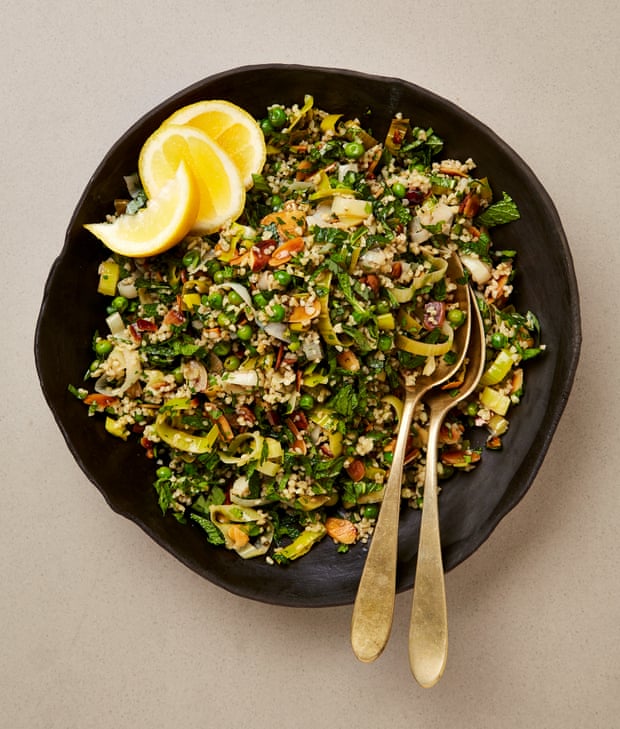
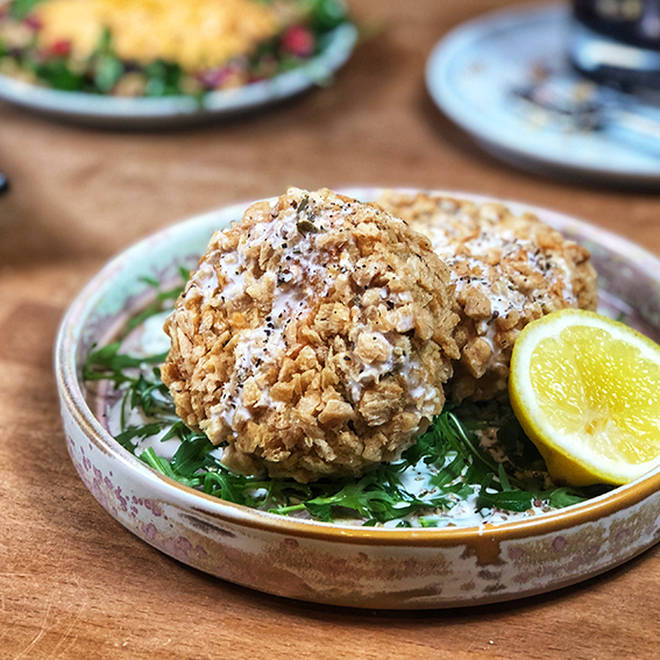
A Middle Eastern-style cooked salad of bulgur wheat and leeks laced with toasted almonds and fragrant herbs
In my kitchen, I have both assets and liabilities. The assets are (usually) dependable store-cupboard ingredients that I can really throw around and they’ll still behave by transforming into a wonderful meal. The liabilities are those of the fragile, expensive kind that must be treated one way only, or else it’s game over (I’m looking at you, rose water). Bulgur wheat, thankfully, is in the former category. Just throw over some hot water, cover with a tea towel, then mix in whatever vegetables you have for flavour, nuts for texture and herbs for freshness, and, voilà, dinner is served. Here’s to bulgur wheat.
Meera Sodha’s leek, almond and herb tabbouleh Photograph: Louise Hagger/The Guardian. Food styling: Emily Kydd. Prop styling: Jennifer Kay. Food styling assistant: Susanna Unsworth.
Leek, almond and herb tabbouleh
Prep 15 min Cook 25 min Serves 4
200g bulgur wheat Extra-virgin olive oil 75g flaked almonds 3 garlic cloves, peeled and sliced paper-thin 2 large leeks (550g), trimmed and cut into ½cm coins 2 tbsp fresh lemon juice (ie, from 1 lemon) ¾ tsp ground allspice 1¼ tsp fine sea salt 200g frozen petit pois, defrosted 20g Thai basil leaves, shredded 20g mint, leaves picked and shredded 20g fresh coriander, finely chopped
Half-fill and boil the kettle. Put the bulgur wheat in a heatproof bowl, add enough boiling water to cover by 4mm, then lay a clean tea towel on top and set aside.
Heat half a tablespoon of oil in a wide frying pan over a low to medium heat and, when hot, add the almonds. Stir-fry for about four minutes, until light caramel-brown, then tip into a bowl.
Add a couple of tablespoons of oil to the same frying pan and set it over a medium heat. When hot, add the garlic, fry for a couple of minutes, until golden brown, then add the leeks and a tablespoon of lemon juice, and cook for about eight minutes, until unravelled and soft. Add the allspice and a teaspoon of salt, stir through the peas and take off the heat.
Tip the leek and pea mixture into the bulgur wheat bowl, add the almonds, all the herbs, two more tablespoons of olive oil, a quarter-teaspoon of salt and a tablespoon of lemon juice, and mix well. Taste, adjust the salt and lemon as you wish, and serve.
From vegan shrimp to sushi-grade tuna, these fishy foods are good enough to get everyone hooked
Seaspiracy—the new Netflix documentary everyone is talking about—has pescatarians and omnivores squirming in their seats. After sitting in stunned silence as the final credits rolled and overactive laptops burned thighs across the country, countless were left thinking, “I didn’t know.” The piercing film doesn’t hold back the truth of the seafood industry, and the revelations have sparked new pledges to forgo seafood for good. And we’re here to help. Whether you’re already fish-free or seriously contemplating it, here are ten vegan seafood products to pile in your virtual cart.
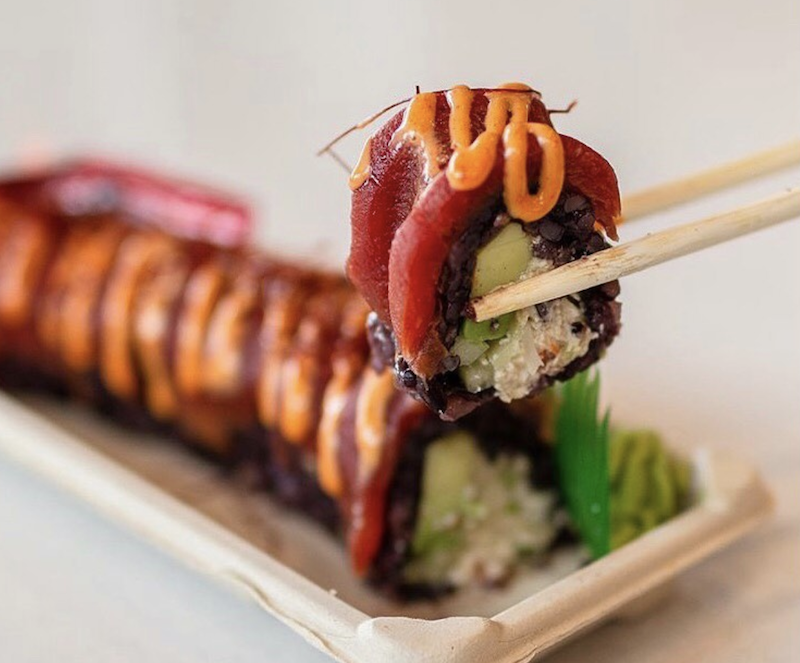
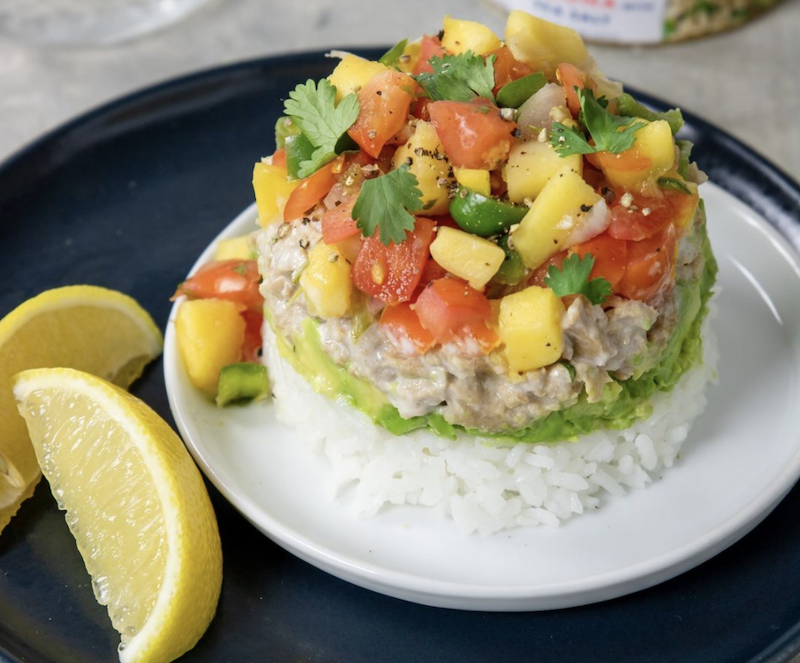
This sushi-grade plant-based seafood company was hit hard by the pandemic. While its raw tomato-based tuna was met with constant praise, the founders decided to temporarily pause production in June 2020 due to the uncertain times. In March of this year, the company announced that it is planning a triumphant return after partnering with a Thailand-based global manufacturer of sustainable foods. You’ll have to wait until a bit later in the year, but Ocean Hugger products will return to retailers and foodservice businesses in late 2021. Follow them on Instagram (@oceanhuggerfoods) for the latest updates.
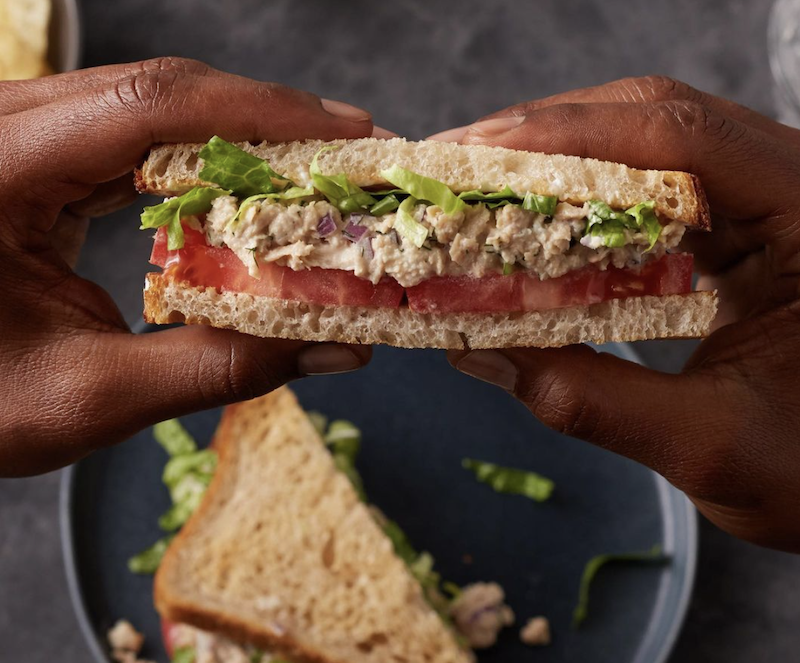
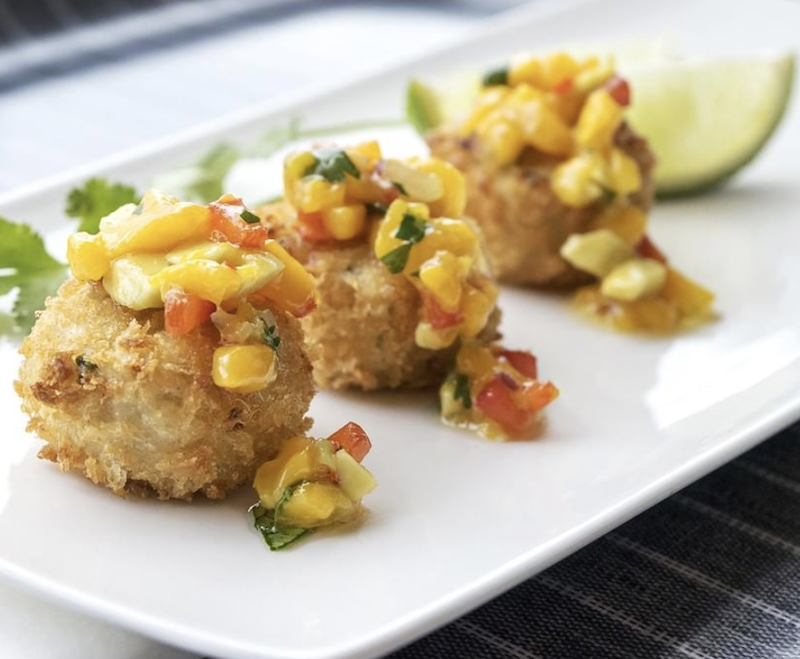
From the founders of the popular Wicked Healthy blog and ready-made meal brand, Good Catch has wowed the world with its cooked tuna products. The line of packaged vegan tuna and crabless cakes are available at hundreds of locations across the US and Canada including Whole Foods, Wegmans, Gelsons, and Veggie Grill.
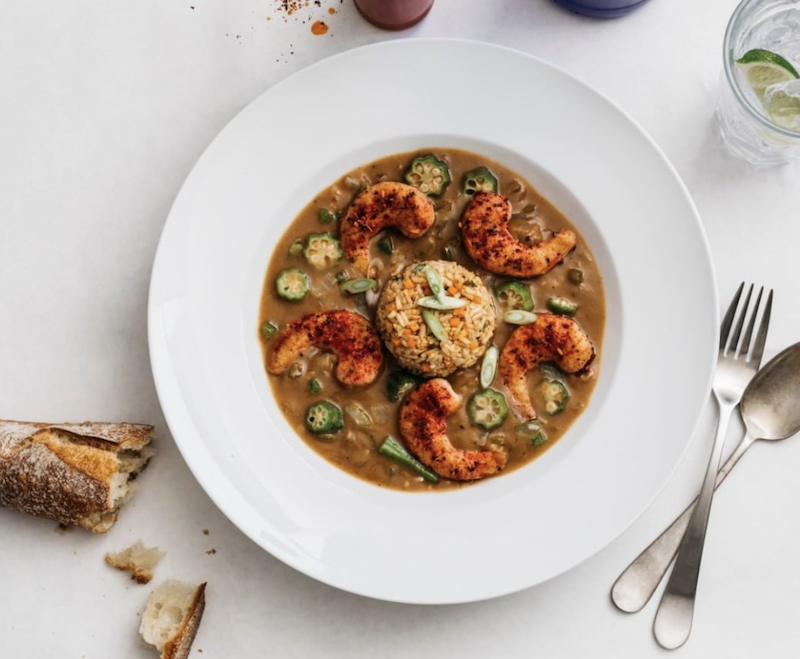
When replicating animal products, it’s often the texture that stumps many chefs and innovators. Shrimp was particularly difficult to replicate, until New Wave Foods cracked the code with its algae-based vegan shrimp—the first of its kind. This plant-based shrimp mimics that distinct chew of cooked shrimp perfectly, and the taste is equally on point. The distribution is limited for now, but after closing an $18 million finance round, CEO Mary McGovern promised that 2021 is “the year of the shrimp.” New Wave is looking to make a splash on restaurant menus later this year.
Craving something fried? Gardein is a pioneer in the vegan fish sector after gaining a loyal consumer base by sampling its Crabless Cakes at festivals before the pandemic hit. The Fishless Filets and Mini Crabless Cakes are widely available across the US in most major supermarkets and health food stores. Bring on the chips and vegan tartar sauce!
Not only are these fishy products all vegetarian, they’re all vegan, too. This company started out as a wholesale business, selling only to restaurants, but it has since expanded to the retail sector. Look for its perfectly chewy vegan shrimp and shrimp balls at your local vegan grocer or online.
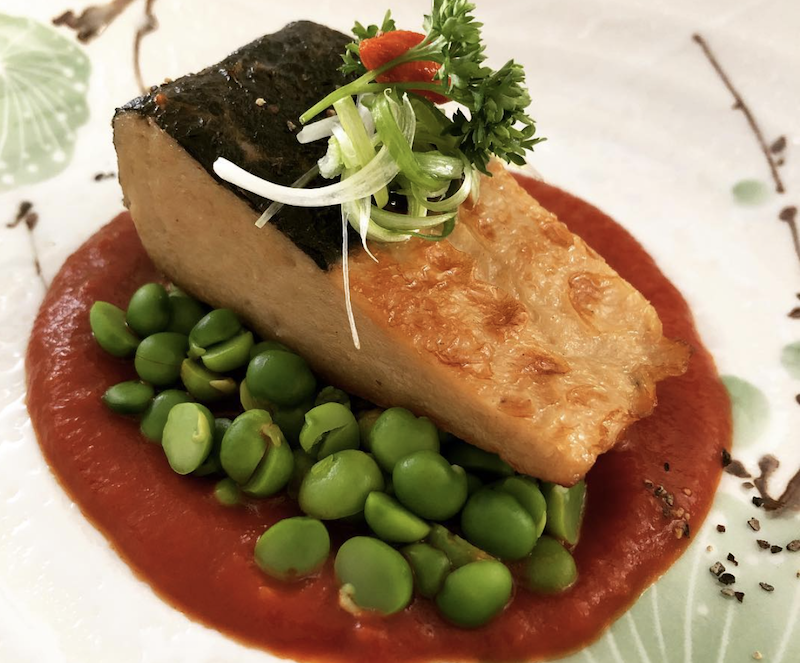
There are a handful of companies making vegan shrimp, but BeLeaf may be the only one mass-producing plant-based ribbon fish (aka salmon steaks). The tender piece of vegan seafood is made with a mix of soybeans, wheat gluten, seaweed, and spices to nail the flaky fish texture and the clean salmon taste. Unlike animal-based salmon, this filet is easy to cook up. Bonus: you don’t have to worry about any bones.
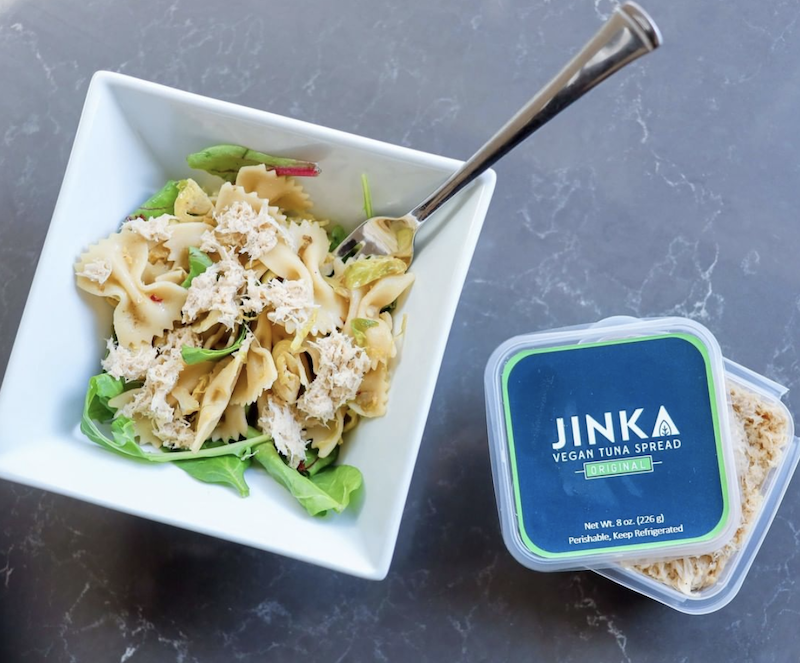
Looking for some major umami to schmear on your bagel? Try JINKA’s vegan tuna fish spread. Not quite cream cheese and not quite tuna salad, this smearable, slightly textured tuna works as a dip, spread, filling, and topper. Flavours come in Original, Lemon and Dill, and Spicy. Find it online or at select Bay Area health food stores.
Yes, the vegan seafood is excellent, but we’re really in love with the tagline: Plant-based seafood that’s tasty AF (as fish). This long standing vegan company makes an assortment of fishy products including breaded shrimp and fish filets, sliced smoked salmon, crab cakes, and canned Toona. If you’re looking for plant-based seafood, Sophie’s is a stellar one-stop shop.
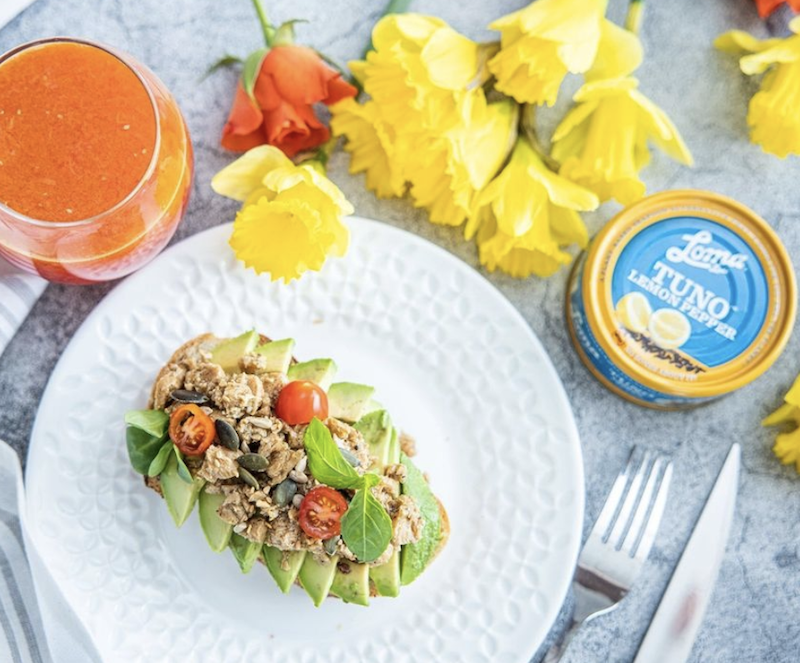
Whether you’re looking for canned or pouched vegan tuna, the Loma Linda brand has you covered. While we’ve already mentioned a few plant-based tunas on this list, the flavours of this brand are absolute standouts. Tasty varieties include Thai Sweet Chili, Sesame Ginger, Sriracha, Lemon Pepper, and pure Spring Water. Hello, vegan sriracha tuna melt!
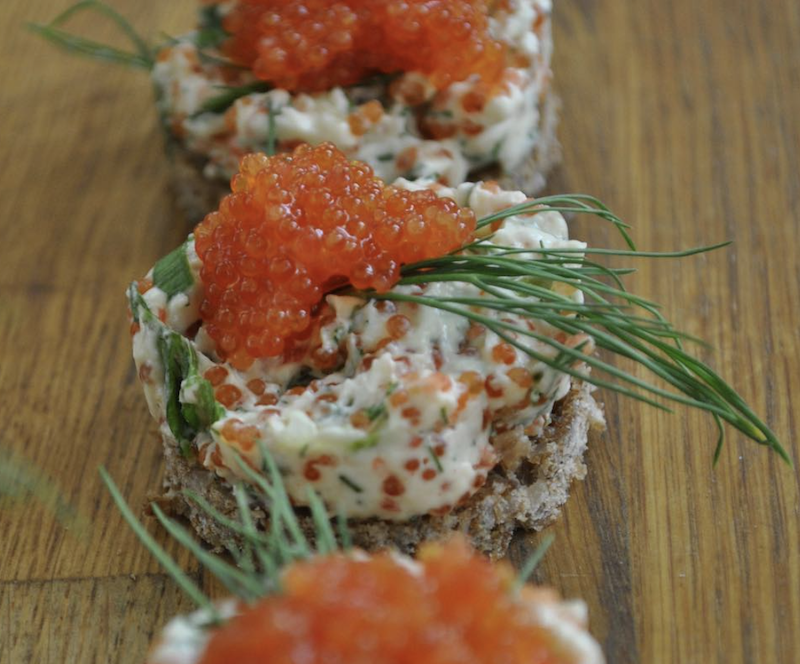
Oh, you fancy! Plant Based Foods has created a vegan caviar for the refined and sophisticated palates. These salty umami pearls are made from seaweed, water, salt, spice extracts, and a stabilizer to give them that unique fish egg texture—without the fish. Like fish eggs, vegan caviar is a rare find in stores, but anyone can purchase a case online at GTFO. You have to try it at least once!
Tanya Flinkis a writer and journalist living in Orange County, CA.
Dr Debbie Parker discusses why sensory aspects are important and cracks the shell on what qualities make for a tasty vegan Easter egg
Q: Describe your role as a sensory expert
A: As sensory scientists, we understand that people respond to products both rationally and emotionally and that this response is based on the entire sensory experience, from sight to smell, taste and touch.
At Walnut [a research agency], we unearth the psychology behind people’s emotional attachment to products using behavioural and neuroscience. As a sensory scientist, however, it is my job to examine all aspects of the product’s sensory make-up, the unique characteristics that appeal to our senses.
The results we get from this approach is a purely objective sensory assessment and is a true reflection of what the products are really like. Deeper insight comes when we combine this data with consumer research, because then we can really understand what it is about the products that are driving liking, or even what consumers dislike.
For me, I love when I can trace specific sensory aspects of flavour or texture back to elements of the food composition. With my flavour science background, I understand the chemistry of how these attributes came to be there and can proffer recommendations for change, based on whether their presence is liked or not.
Q: Meat-free alternatives are on the rise, but can the same be said for the vegan chocolate category?
A: We found that almost half (48 percent) of consumers are aware of vegan chocolate but only four percent regularly buy it. This compares to 65 percent who are aware of meat-free alternatives and a proportionally higher 12 percent who regularly buy them. However, there are clear signs that vegan chocolate sales will only continue to rise, as Gen-Z adults (18-24s) are three times more likely than the total population to be eating vegan chocolate.
Although only two percent of the population are currently vegans, this number is rising as the trend for ethical consumerism grows. There is a strong correlation with veganism and openness to vegan products increasing with youth – Gen-Z adults are three times more likely to be vegans than the total population. With the anniversary of the COVID-19 pandemic, demand for sustainable, ethical food and drink is only going up and we expect to see this play out within all categories, including vegan chocolate.
Q: What is a ‘taste test’ and what do you specifically look/taste for?
A: Taste tests vary depending on what we need to know about the product. For example, if you wanted to know if a small change in a recipe affected the overall sensory experience of a product, then a simple taste test would provide an answer together with level of associated risk as to whether that change could be perceived by consumers.
If, however, you wanted to know how that change in recipe specifically affected the taste and mouthfeel of the product, then more sophisticated taste tests are used; these tests use the expert tasting panels that are trained to measure intensities of each individual sensory attribute which combine to give perceived taste, texture and mouthfeel. From these more detailed sensory results, we can compare the new product with the current one directly, and see exactly how any recipe changes have impacted on the sensory profile of the product.
Q: What’s the secret behind creating the same chewiness/texture etc., with vegan vs. non-vegan?
A: Chocolate is made from cocoa powder and cocoa butter. Cocoa powder gives the rich colour and flavour we associate with chocolate, whereas the cocoa butter provides structure. Cocoa butter has an additional property; it is solid at room temperature and melts at body temperature, therefore, it is also responsible for that important ‘melt in the mouth’ experience that we love and expect from chocolate.
Chocolate can be made with just cocoa powder and cocoa butter, but the resulting texture is hard and brittle and the flavour astringent and bitter from tannins present in the chocolate powder (think of eating a very high cocoa percentage dark chocolate). Adding milk softens both the texture and flavour of this challenging chocolate. This is due to milk solids containing proteins, which combine with the tannins and reduce astringency and milk fats, which complement the flavour of cocoa butter and contributes to a creamier taste. The challenge for recipe developers is replicating these key sensory characteristics for texture and flavour of chocolate when substituting dairy milk with alternative vegetable oils.
In comparison to other vegetable oils, coconut and palm oil are also solid at room temperature and melt similar to, but not as well as, milk fat. Coconut butters and oils seem to be the preferred ingredient for dairy substitution in chocolate; and have the advantage of contributing to a sweeter flavour. Other oils can also be used, such a shea oil. Today, rice and maize flour and powder are also used as milk powder substitutes.
Q: How do non-vegan and vegan Easter eggs measure up in the taste test?
A: It is perhaps telling that many vegan Easter eggs currently available are dark or flavoured chocolate, eg, orange, strawberry, raspberry, caramel and sea salt etc., and this may be a means to enhance the lack of creaminess in flavour and texture that milk and cream would otherwise contribute.
Some vegan ‘alternative to milk chocolate’ eggs that were tested were noticeably harder and crumbled more on breaking than their milk counterparts. The chocolate was also less smooth and gritty to eat, and didn’t melt in the mouth as easily. In general, vegan eggs had a less recognisable ‘chocolatey’ aroma and flavour, and some eggs were also very sweet and had particular oily notes, which could be originating from some of the alternative ingredients to milk powder. However, overall, the manufacturers are happily rising to the challenge of vegan chocolate and most vegan eggs that were tried were an acceptable alternative to chocolate eggs containing dairy milk.
Q: Are there any specific vegan chocolate brands doing particularly well in mimicking traditional chocolate?
A: All brands gave an acceptable performance for flavour but, yes, the Divine dark vegan chocolate was the most notable for richness of flavour, smoothness and that all-important and indulgent melt in the mouth!
Q: Are there innovative techniques/tools/ingredients which are coming to fore in the vegan chocolate arena?
A: Vegan chocolate is expanding hugely in the variety of flavours and ingredients used. Alternative milks, such as oat milk and soy, are being used, as well as alternative plant and nut-based oils.
Flavoured chocolate, such as sea salt, caramel and orange are already frequent additions, but so are other ingredients seen as ‘natural’ and with added functional or health benefits, such as rose water, rosemary, beetroot and chocolate using other sugar sources (ie, not white sugar). There is even protein-packed chocolate aimed at the health-conscious and consumption for post-workout.
Q: Will vegan chocolate ever surpass traditional chocolate in popularity?
A: As long as flavour, texture and melt is acceptable, then customers may forego a slight lack of these special chocolate-related sensory aspects in favour of a higher cause and feel-good factor of doing the right thing, such as helping to preserve the environment. Even without milk, chocolate still contains those feel-good chemicals which affect the brain and body and make eating chocolate a pleasurable experience.
Q: Which kind of chocolate do you prefer?
A: Sensory scientists don’t confer preference – this word is not in their sensory lexicon! Saying that, the Divine dark chocolate egg was seriously indulgent!
About the author
Dr Debbie Parker is Head of Sensory at Walnut UNLIMITED, the human understanding agency. She is a sensory scientist with an honours’ degree in biochemistry, a post graduate certificate in sensory science and a doctorate in brewing science. She leads sensory panels in the assessment of all food, beverage and non-food projects to use sensory science to provide a complete understanding of brands. Debbie is also a certified trainer, a regular lecturer and presenter, and one of the UK’s few female beer sommeliers.
Using these skills, Debbie judges regularly at The Quality Awards and The Great British Beer Festival, and has led tutored tastings at the British Embassy in Stockholm and the European Parliament. Debbie has provided expert opinion for Channel 4’s Food Unwrapped programme, BBC Radio’s 4 Food programme and the World Service. It is safe to say that Debbie knows her flavours.
A new ghost kitchen has emerged in Chesterfield, offering the vegan version of a classic comfort food. Green Ghost Pizza launched two weeks ago with a menu of vegan first pizzas, hoping to turn any pizza lover into a Green Ghost fan.
Located inside of Sugar Shack on Huguenot Road, the vegan first kitchen also includes vegan wings, garlic knots and non- vegan pizza on its menu.
“We have people that eat meat but come here just for how good the vegan pizza is,” said Austin Perez, Manager at Sugar Shack.
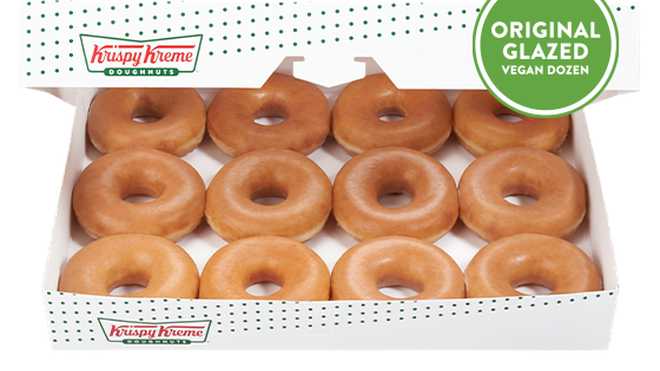
Green Ghost is Sugar Shacks newest vegan concept offered, vegan burgers, chicken sandwiches and donuts are also sold inside of the restaurant.
“We are always trying new things here, trying to test the waters and see what works out,” said Perez.
A popular pizza like the ‘Veggie Lovers’ includes made from scratch dough and pizza sauce and is topped with fresh tomatoes, onions, mushrooms and arugula.
Joi Fultz
“My favourite is the Hawaiin Volcano, I know it’s controversial because it has pineapple on it, but I love it on my pizza. It has a hot honey drizzle on it,” added Perez.
Green Ghost is offering a special everyday of the week, including buy one get one free pizza on Wednesdays.
More information on their daily deals can be found on their website, facebook or Instagram.
Wellness brand Naturopathica, owned by PharmaCare Europe, launch a new vegan and sustainable vitamin brand, Vegan Life. The new range of plant-based supplements is the first in the UK to have packaging made from compostable and plastic-free materials. In order to expand the current market offering of supplements, Naturopathica has created Vegan Life, with an RRP of £14.99 to appeal to the growing market for consumers seeking vegan products, as well as those that are environmentally aware.
The trend for veganism is still on the rise and not looking to slow down any time soon. This year Veganuary officially saw its largest uptake in the challenge, with nearly 600,000 participants worldwide and with the UK leading the way in numbers. In order to ensure those looking to reduce their meat intake are getting the key nutrients required into their diet, Vegan Life has launched.
The Vegan Life range offers targeted supplements to support several common concerns amongst those following a vegan diet, after data showed that 57% were worried about missing out on key nutrients. Formulated to support the dietary needs of those that are vegans, vegetarians and flexitarians, Vegan Life is a supplement, designed to be taken once a day to easily meet the nutritional needs of those that are both transitioning and maintaining a vegan or meat-free diet. The range includes the popular and all-round immune multi-vit, fatigue fighter, gut care, beauty glow and brain power capsules and all products in the range have been made with the highest quality ingredients.
In order to blend both the demand for increased vegan product choice and the shift towards a conscious consumerism, Vegan Life has been created. Research has shown that 80% of retailers found that their customers’ demand has grown for sustainable packaging across its products, Vegan Life has been created to not only give the body a much-needed boost but to be kind to the planet too.
The first of its kind to be made compostable and plastic-free, consumers can simply place the packaging after use in their normal rubbish disposal which can then be left to decompose, at no cost to the planet with each layer of the pouch serving a specific purpose. The inner sealing layer is a transparent film alternative to conventional plastic films, which is designed to biodegrade just like organic waste in a home compost. The middle layer is made with NatureFlex™ metallised compostable film, made mainly from wood pulp from sustainably managed forests. This metallised aluminium surface provides a perfect barrier to keep the product protected. The outer layer is made from Paperwise; reclaimed agricultural waste, which also gives second life to waste usually burned, ensuring that Vegan Life gives back what it’s taken from the earth.
The team at Naturopathica, have only sourced the finest quality ingredients to make Vegan Life to ensure total health and wellness can be maintained. A consumer study found that 49% cited the desire to improve personal health as the main reason for transitioning away from a traditional carnivorous diet, and so supporting consumers to meet these goals is paramount for the healthcare brand.
Alicia Sharif, brand manager at Vegan Life, said: “With the number of people transitioning to a more plant-based diet rising year on year, consumers are now looking for an expanded offering of Vegan supplements that are easy to take, effective and support their lifestyle decisions. What’s more, Covid-19 has expedited the shift towards conscious consumerism, with more people aware of how their actions and buying habits effect their environment. Naturopathica’s Vegan Life is a range which meets both of these needs – affordably and accessibly.”
Are you ready to go animal-free? From make-up, to food, to clothes, here's the best new vegan products on the market
Over lockdown, the demand for vegan products seems to have soared, with supermarket chains reporting an increase in the sale of plant-based products.
So, if you’re looking at reducing your meat intake and buying more sustainable fashion and beauty products, we have a list of all the exciting new vegan products this year.
Vegan food and drink launches 2021
Bio&Me Granola
Bio&Me Granola. Picture: Bio&Me
Bio&Me's new granola features 15 plant based ingredients that help maintain a healthy, happy gut.
What’s more, it tastes delicious, with a soft, biscuity crunch, making it the perfect breakfast bowl or afternoon snack.
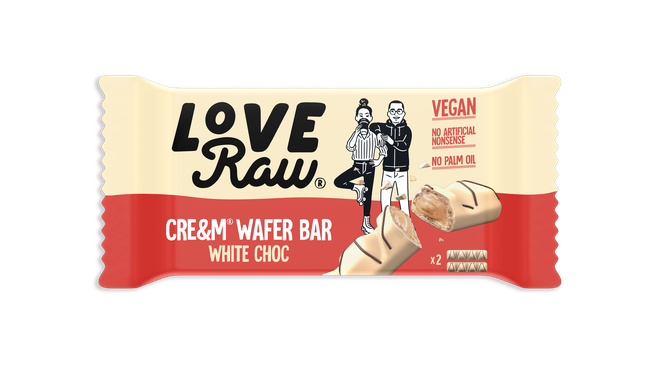
Why not try the world's first vegan WHITE hazelnut cream filled wafer bar from LoveRaw?
The bar is made from LoveRaw’s very own branded white chocolate and contains no palm oil and no dairy.
Buy from April 1: £1.69 from Holland & Barrett, Amazon and LoveRaw
Aldi’s Vegan Hot Dogs
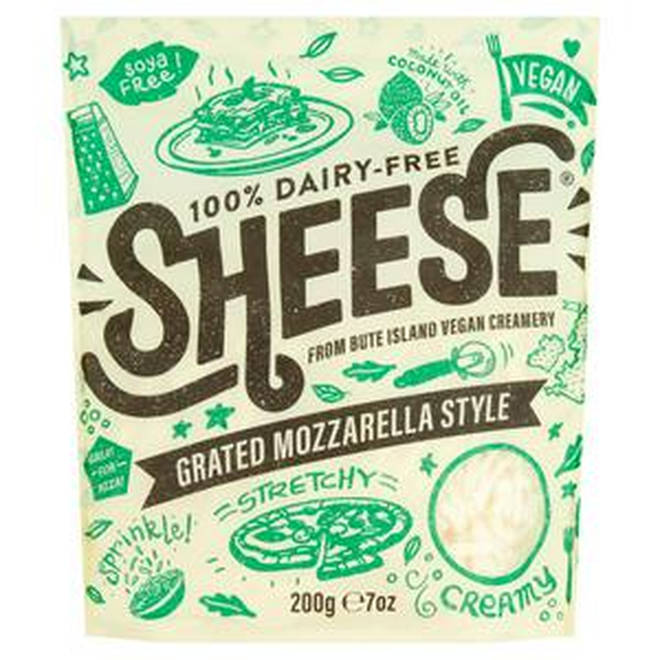
Aldi has a whole range of new vegan BBQ products launching this summer, including Veggie-babs, No-Chicken Roatings Joints, Meatless Burgers and our favourite, the Vegan Hot Dogs.
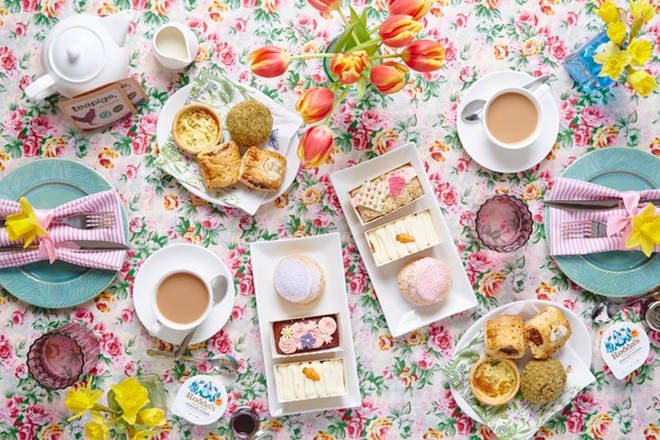
Hello Spring Vegan Afternoon Tea for Two with Piglet's Pantry
Hello Spring Vegan Afternoon Tea for Two with Piglet's Pantry. Picture: Buyagift
If you’re in need of a sweet treat but can’t make it to your favourite restaurant right now, you can bring these delicious vegan nibbles to your door.
Created by Piglet’s Pantry, their Afternoon Tea includes fluffy scones with whipped vegan butter and strawberry jam, a selection of sweet treats and spring vegetable savouries.
Cauldron Greek-Style Cubes in Mediterranean Herbs. Picture: Cauldron
These cubes will give the added flavour to your summer dishes and are infused with the delicious flavours of basil and oregano.
Made from organic and sustainable soya beans, as well as coming in 100% recyclable packaging, the new Greek-Style cubes are also environmentally friendly.
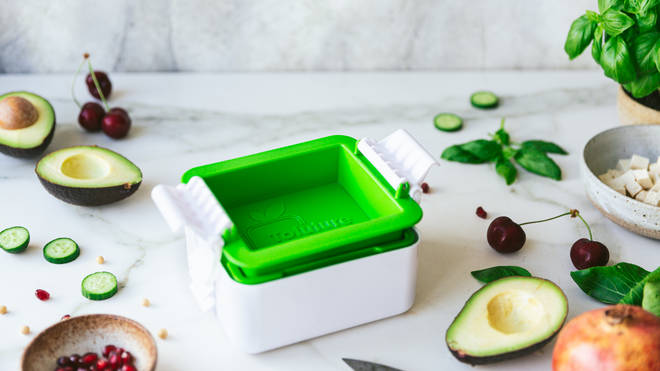
This tofu press transforms the taste and texture of tofu by removing the excess water.
Instead of spending hours pressing tofu with heavy tins and books, this clever contraption squeezed the water out of tofu prior to cooking, making it perfect healthy roasting, grilling and baking.
Buy now: £23.99 from Lakeland, Amazon and Tofuture
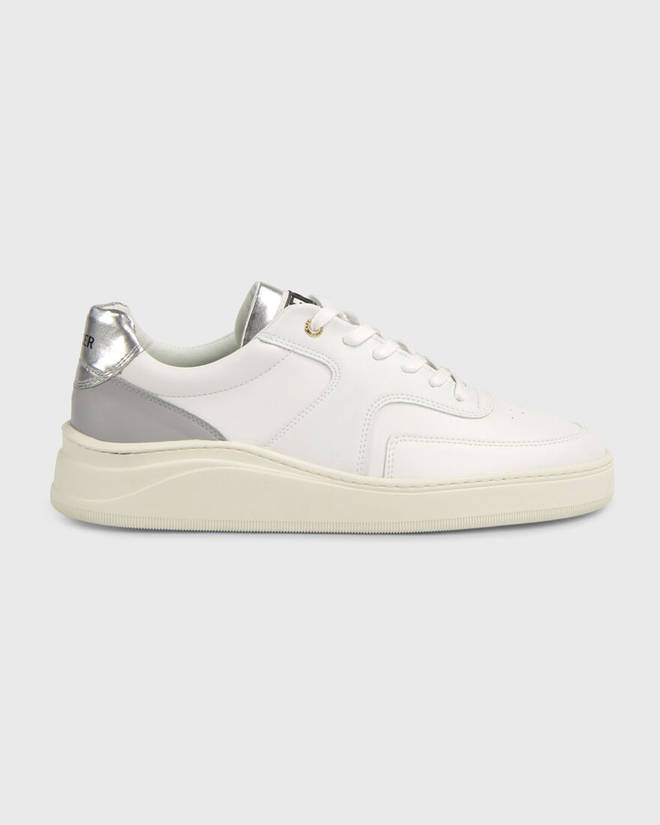
Trainers by Mercer Amsterdam. Picture: Mercer Amsterdam
Mercer Amsterdam has a new low top trainer style which are ‘inspired by on-court tennis sneakers from the early 70’s.’
They are made with On-Micro® which is a waterproof and breathable vegan material that reproduces the characteristics of natural cowhide in a microfiber.
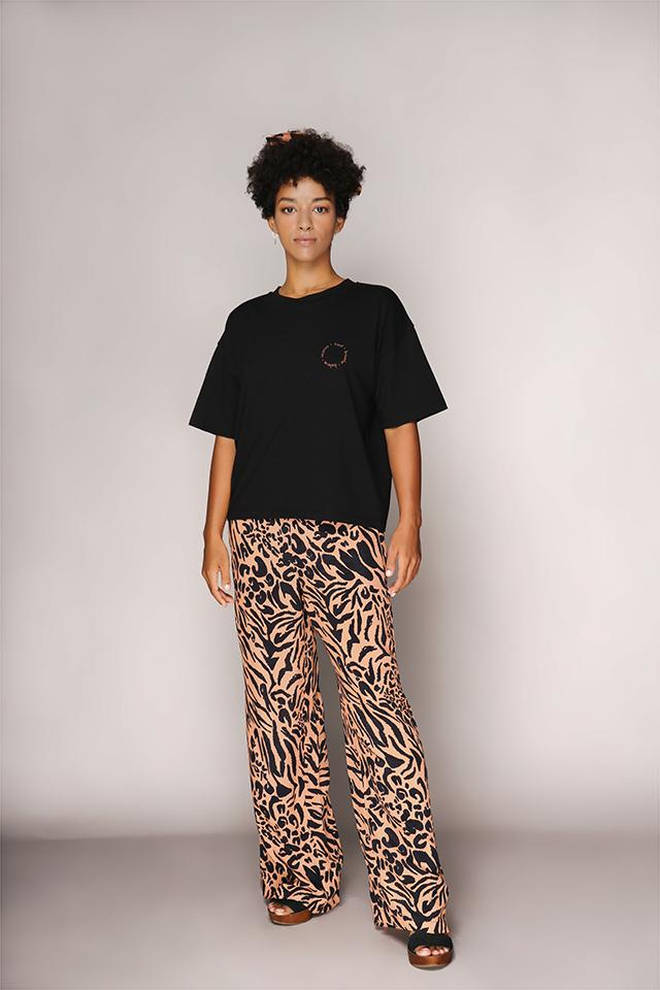
Serenity Pyjama Set by Fox and Taylor. Picture: Fox & Taylor
Fox and Taylor has a new vegan silk serenity range which includes a high waisted wide leg pyjama pant and matching morning mantra sleep-T in organic cotton.
The eco pyjama set is packaged in a reusable eco cotton bag, making it the perfect gift to yourself or your loved ones.
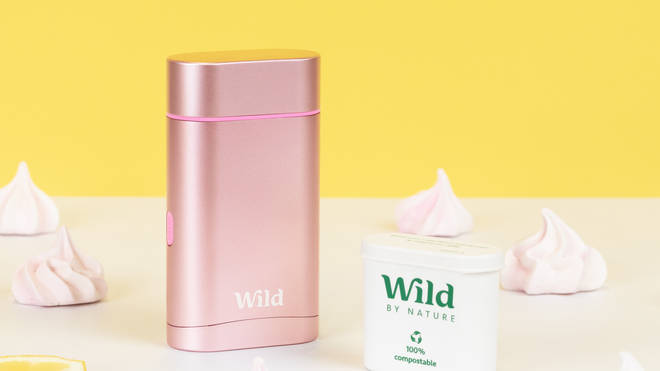
Natural deodorant brand Wild comprises a refillable deodorant system with a fresh range of improved scents.
These are all vegan-friendly, eco-friendly and free from nasties such as aluminium salts, parabens and phthalates.
Their limited edition Lemon Meringue scent features top notes of sweet, creamy and biscuity meringue and is cut through by the clean and fresh tang of lemon with a drop of orange blossom.
In 2019, Galaxy became one of the first large-scale confectioners to use hazelnut milk to create a creamy mouthful and a smooth texture without relying on cows
Size used to be the thing that mattered when it came to Easter eggs, as well as quantity. I think it’s safe to say that minimum cacao percentage, sugar content and milk solids didn’t trouble those of us who spent Easter Sunday in a chocolate-induced frenzy.
But tastes in chocolate are evolving. While eight in 10 Britons still favour milk chocolate, they now look for bars with a higher amount of cacao. “There’s a halo around darker chocolate,” says food brand and consumer expert Tessa Stuart. “There’s a continued shopper willingness to buy more premium products and people are trading up.
“It isn’t exclusively dark chocolate, but milk chocolate with a higher percentage of cacao. Green & Blacks had a lot to do with people getting into hybrid-style bars.” White chocolate, meanwhile, has been having a terrible time – earlier this month the Office for National Statistics updated its inflation shopping basket by removing the Milky Bar.
It’s not just quality that the exacting chocolate shopper is looking for – there is increased interest in non-dairy options, with the market for vegan chocolate has been growing steadily in the past decade. It has moved, the market research firm Mintel reported recently, from “the margins to the mainstream”. And traditional vegan chocolate – made from dark chocolate, a blend of cocoa mass and sugar is being left in the dust of the health-food store as brands realise that as well as being ethical, their plant-based chocolate needs to be aspirational and delicious.
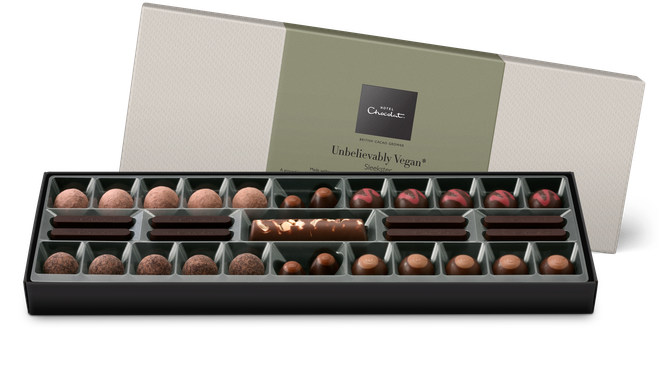
In 2019, Galaxy became one of the first large-scale confectioners to use hazelnut milk to create a creamy mouthful and a smooth texture without relying on cows. High-street chocolatier Hotel Chocolat also blends its chocolate with hazelnut milk to give vegans a plant-based option. “Sales keep rising,” a spokeswoman tells i. “Every time we release a vegan box, we sell out within weeks.”
James Cadbury, the great-great-great-grandson of the man himself, John Cadbury, who started manufacturing chocolate in 1831, is well aware of the trend, and launched his new H!P chocolate last month, at £3 per bar.
But instead of hazelnuts or rice – the latter is used by Nomo, which describes itself as purveyors of “creamy free-from” chocolate and sells “hazelnot crunch” bars and “fruit and crunch”, a riff on more famous treats long found in sweet shops – Cadbury uses oat milk, by far the most popular dairy alternative today. It’s tricky to find other makers that do.
Cadbury tells i: “There’s a huge demand for plant-based milk chocolate. Milk chocolate is still the most popular, but more people are cutting out dairy and looking for more premium bars.
“There was nothing really on the market that was good enough. I find the flavour of rice in chocolate overpowering. And there’s a reason oat milk brands such as Oatly are doing so well – it’s the creamiest type. We only launched last month and we’ve sold 60,000 bars so far. ”
Will Cadbury replace his forebears as the number one?
“When I think of Cadbury, I think of its origins, when it was recommended by medical experts. It was a high-quality product. Now it’s more of a commodity. I want to give consumers another option. We’re positioned a little above that. We’re never going to compete with those guys”.
The luxury chocolate maker Paul A Young, who has shops in London and has been crafting truffles and other delights since 2006, is ambivalent when it comes to vegan substitutes, but concedes that nut-milk chocolate might make its way into his shops one day: “We already have 55 products that are vegan –they’re dark chocolate.
“I’ve tried a lot of nut-milk chocolate. They don’t taste the same and the texture is off. But people are starting to ask. It isn’t enough yet to develop a whole line, but we might move into that eventually.
“There’s space for everything, though. We’ve struggled to sell white chocolate for years, but I think that will make a comeback.”
Vegan chocolate egg taste test
H!P Oatmilk egg £12
H!P chocolate is made with oat milk (Photo: H!P)
This is made from Colombian chocolate blended with oat milk. As far as the chocolate goes, I thought it was pretty good – delicate and rich. But is it as good as traditional varieties? For me, the classic milk chocolate egg is too good to be bettered. This is not nearly as perfect as a bar of Cadbury Dairy Milk. Oat milk chocolate has an odd, grainy aftertaste. I’m not a vegan, but if I ever decide to go fully plant-based, I’d be happy to turn to H!P for chocolate goodies at Easter and beyond.
M&S Eggplant egg, £6
The M&S EggPlant Egg (Photo: M&S)
An Easter egg in the shape of a rather more modern symbol of fertility. It wasn’t unpleasant, but I look for creaminess and a luscious texture in an egg, and find the obsession with dark, one-dimensional chocolate a bit baffling. What was welcome was a short ingredients list – only cacao and sugar and a little vanilla. Fans of basic dark chocolate – whether vegan or not – will like this egg, I reckon. But I was left unfulfilled and unsatisfied, which is presumably not the intention of an Easter egg, not least one shaped in such a way.
Moo Free Vegan egg £3-£4
I bought this Moo Free egg for less than £4 in Waitrose and I’m glad I didn’t spend any more on it because it’s revolting. Here was a grainy, sugary, claggy egg that left an odd taste in my mouth. It tastes like chocolate that doesn’t want to be eaten – imagine that, one that you can have a nibble of and not want to return to. Something very wrong there. I can’t put my finger on the flavour profile exactly because there isn’t one. It’s just sugar, basically. Unglamorous and cloying.