From vegnews.com
From broccolini to purple sprouting, broccoli has several relations and subtypes. Here are some of our favourites and the best ways to cook them
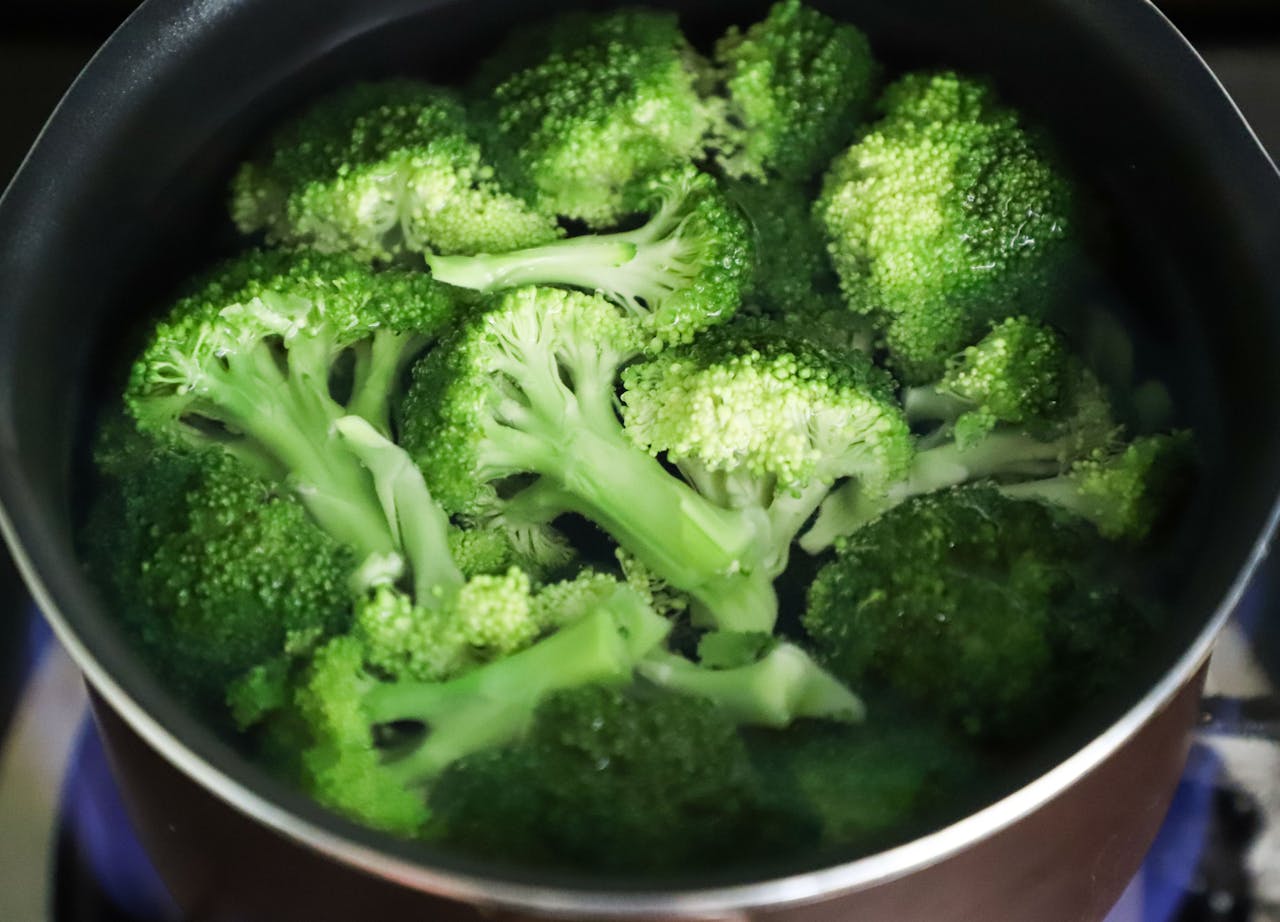
The Etruscans, who were also horticulture and agriculture experts, were big fans of wild cabbage, and it was likely their widespread cultivation of the crop that led to the existence of broccoli, as well as other cruciferous vegetables like cauliflower and kale.
According to the Royal Horticulture Society, the Romans held broccoli in high regard. In fact, the heir to the Roman emperor Tiberius loved broccoli so much he ate nothing but the vegetable for an entire month.
 Pexels
5 types of broccoli, and how to cook with them
Each variety of broccoli has its own unique benefits and flavours, but they’re all just as versatile and easy to cook with as the original broccoli. Find out more below—plus we’ve got five delicious vegan recipes, too.
 Isa Chandra Moskowitz
1Calabrese broccoli
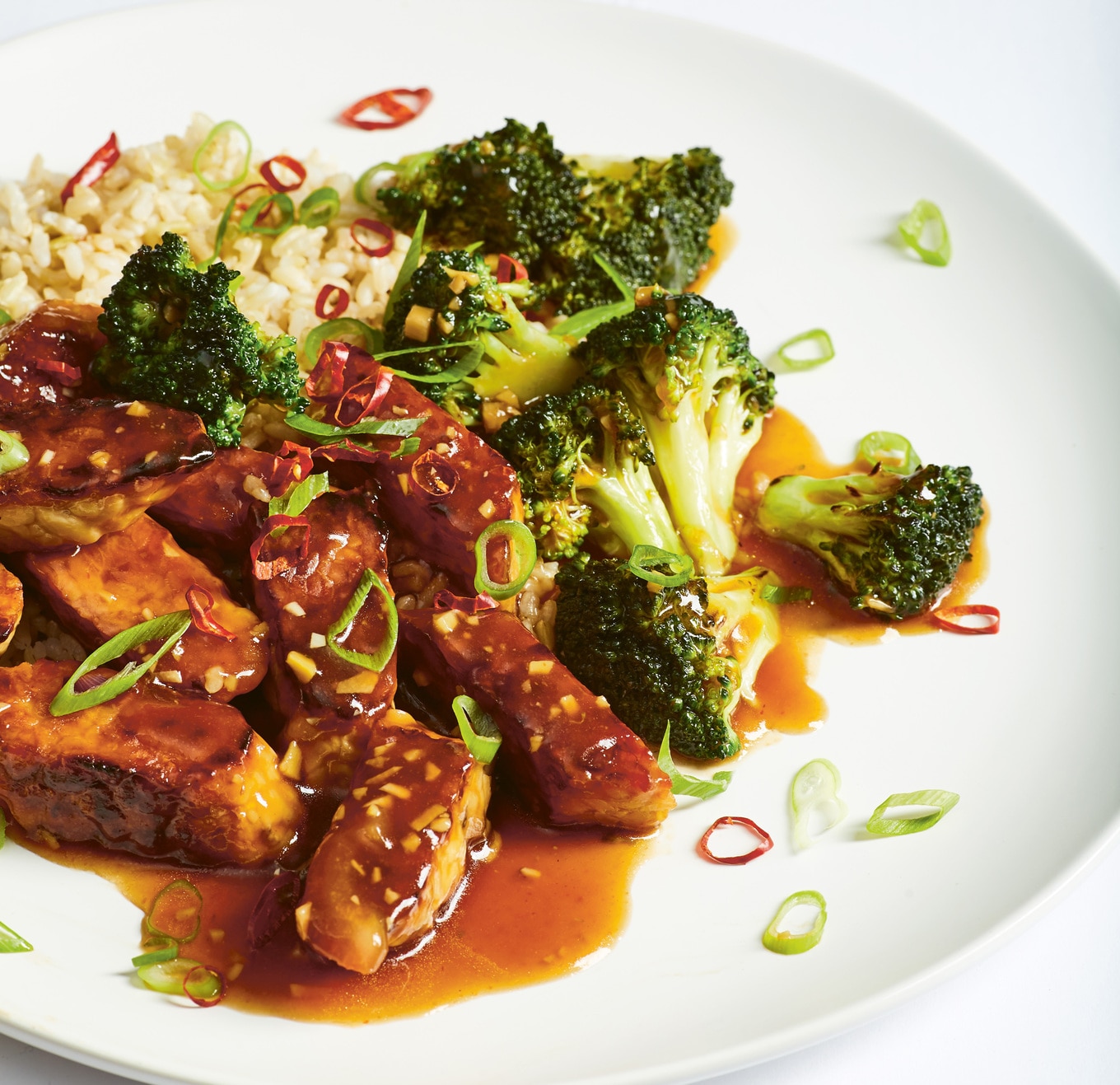
This is the type of vegetable you think of when someone mentions broccoli. It has that signature bright green head, which is made up of small densely packed florets (technically, this is the flower of the plant). Calabrese broccoli is easy to come across in stores, and it’s incredibly versatile—you can steam it, fry it, bake it, or roast it, depending on your preference. Plus it’s nutritious, too. One cup of raw broccoli contains just over two grams of fibre, as well as vitamins and minerals like vitamin C, vitamin K, and vitamin A.
Try it in a recipe: Beefy Vegan Tempeh and Broccoli
 Bri Beaudoin
2Broccolini
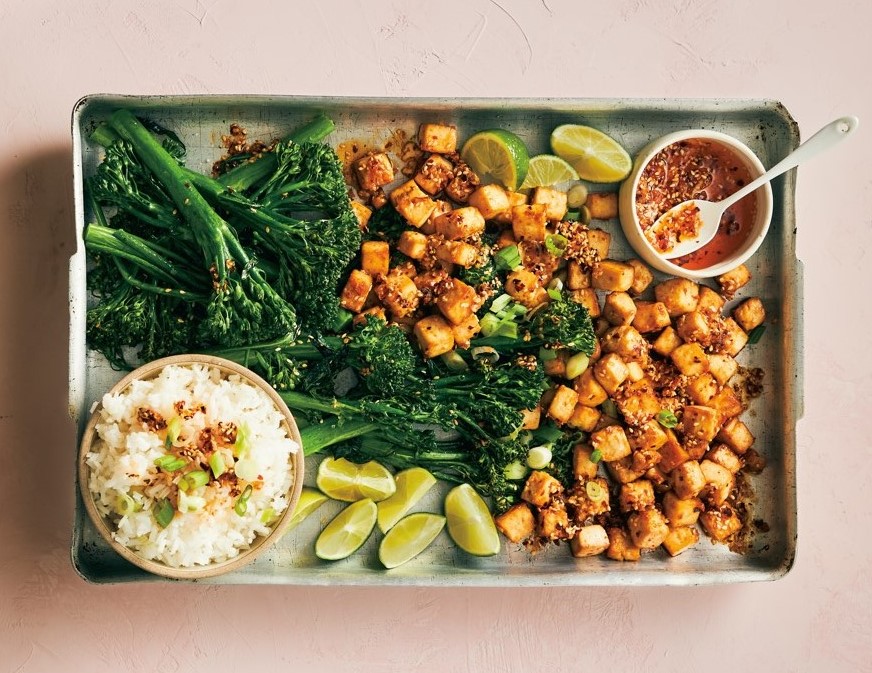
Broccolini has become increasingly popular in recent years, largely for its slightly sweet taste and slimmer, tender stem. This vegetable is actually a hybrid—it was created in the 1990s in Japan when two plants (broccoli and Chinese broccoli) were bred together. Broccolini can be cooked in many different ways, but one of the most popular is to bake it or fry it in a stir fry. One hundred grams of broccolini contains around five grams of fibre, as well as iron, calcium, and potassium.
Try it in a recipe: Vegan Firecracker Tofu With Broccolini and Chili Garlic Oil
 Lowly Food
3Purple sprouting broccoli
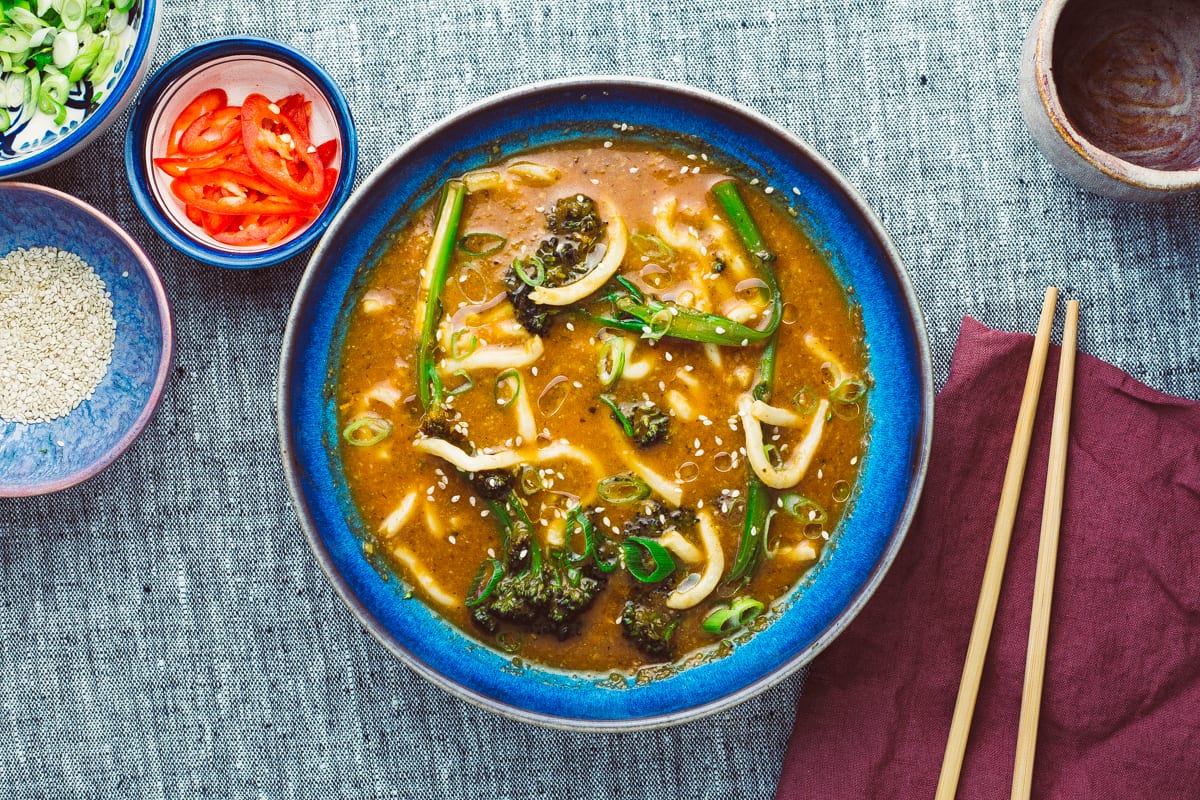
BBC Good Food once described purple sprouting broccoli, which, you guessed it, has purple florets, as the “untidy-looking, colourful cousin of broccoli.” But the differences don’t stop at its appearance. This variety of broccoli also has a slightly more intense, nuttier flavour than regular broccoli, plus, due to its purple colour, it contains a potent antioxidant called anthocyanins. Purple sprouting broccoli is a little more tender than regular broccoli, so it’s usually eaten raw, steamed, or quickly sautéed.
Try it in a recipe: Quick Veggie Ramen With Purple Sprouting Broccoli
 Woon Heng
4Chinese broccoli
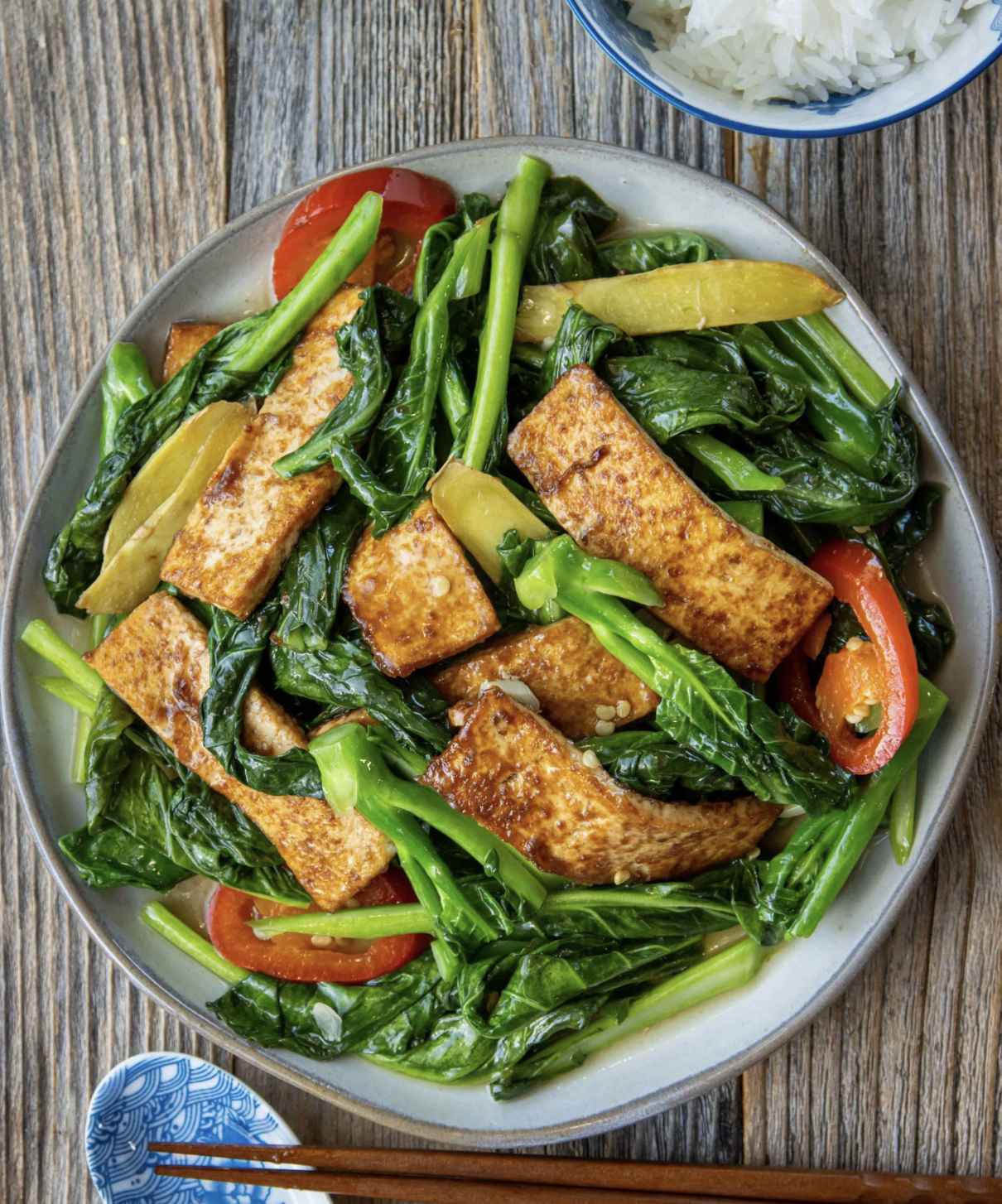
Chinese broccoli technically isn’t broccoli, but it is closely related to the vegetable, which is why it has made its way on to this list. Like the original, it is green in colour and has thick stems, although its florets are smaller than the Calabrese variety. It’s also incredibly versatile, and is often used in traditional Chinese stir-fries and noodle dishes. Chinese broccoli also contains many beneficial nutrients, including vitamin C, vitamin A, and folate.
Try it in a recipe: Easy Gai Lan (Chinese broccoli) With Tofu Stir-fry
 Veggies Save the Day
5Romanesco
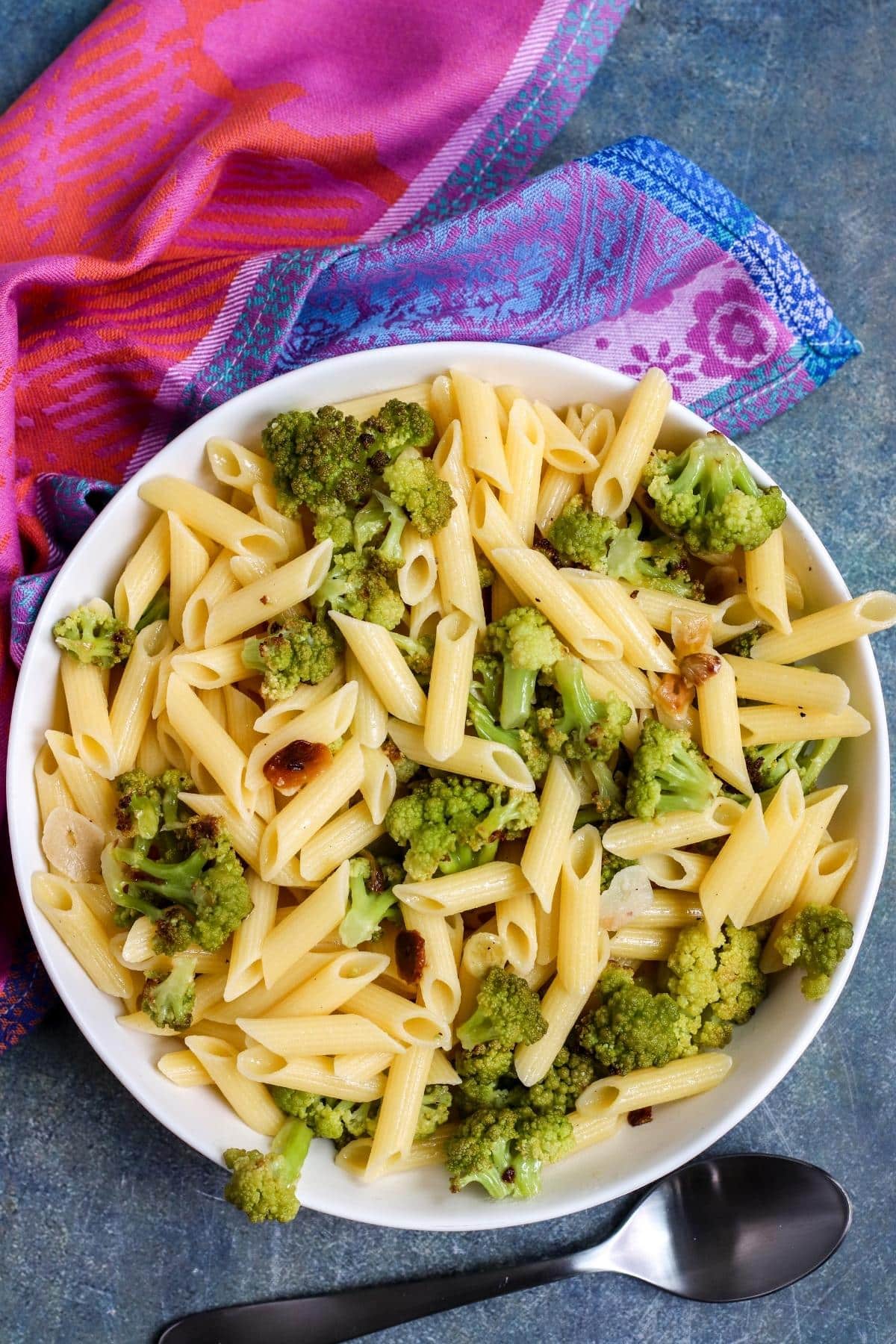
Romanesco is another engineered Italian vegetable, which was likely first bred selectively in Lazio back in the 15th century. It’s closely related to broccoli and has a similar growth pattern, but it’s a little different in taste and texture. Romanesco is mild and nutty, with a firmer, crunchier texture than the original broccoli. It can be steamed or roasted, and it’s a good source of fibre, vitamin C, vitamin K, iron, and folate.
Try it in a recipe: Vegan Roasted Romanesco Pasta

No comments:
Post a Comment