From vegnews.com
By Charlotte Pointing
For years, the plant-based market has been accelerating at a rapid pace. In 2017, What the Health hit Netflix, inspiring a new generation of vegans who felt their eyes had been opened to the link between disease and animal products. Among them were big names like Lewis Hamilton, Ne-Yo, and Kyrie Irving.
Then came 2018 and 2019, when the industry rose to meet consumers where they were. Beyond Meat and Impossible Foods landed new retail and fast-food partnerships with brands like Subway, White Castle, Burger King, Del Taco, and KFC. Beyoncé shared her plant-based diet plan with her 112 million followers. Taco Bell launched its own separate vegan-friendly menu.
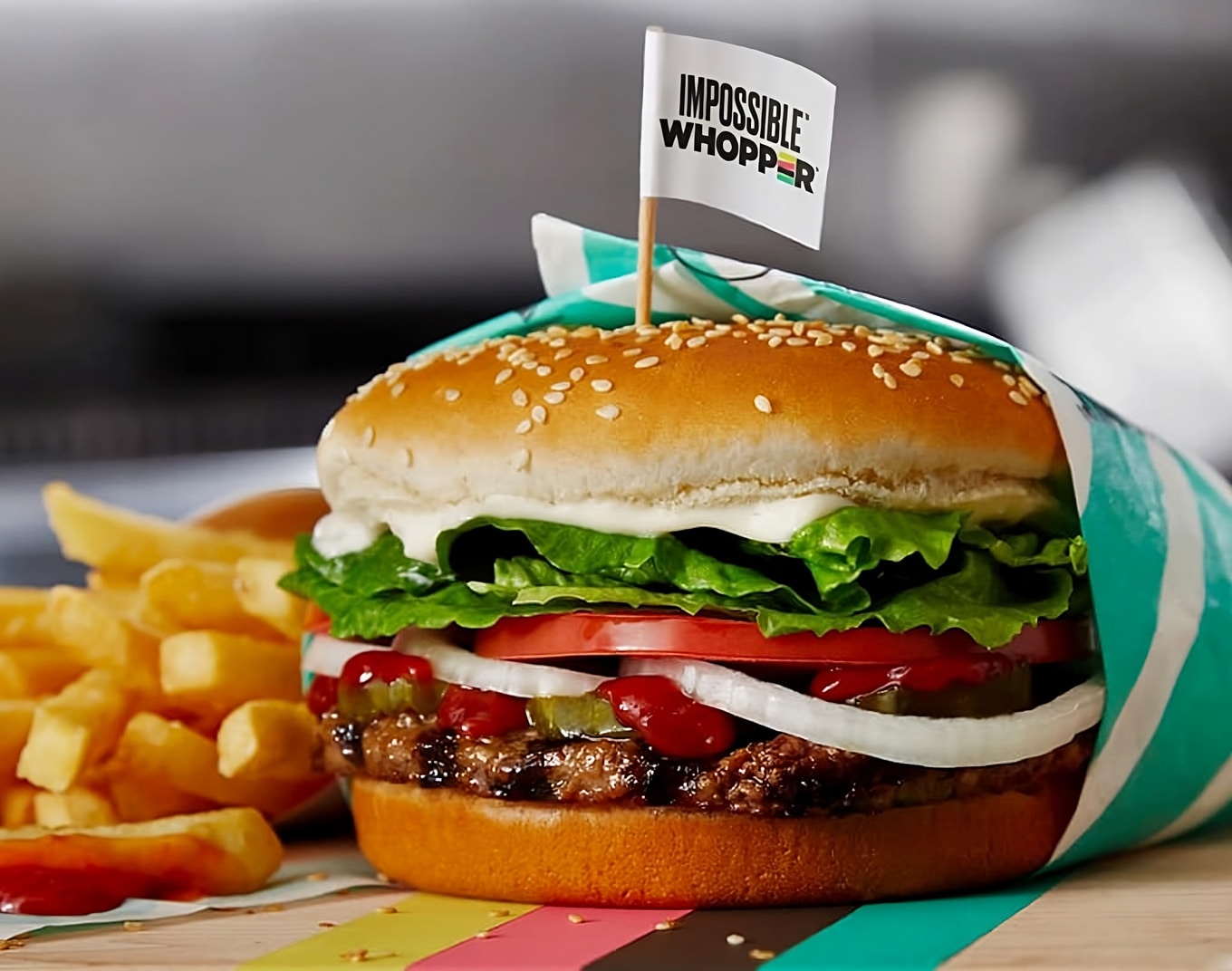 Burger King
According to a recent report from SPINS, 2020 marked peak growth for the plant-based market. But what goes up must come down. Or does it?
Why the plant-based market is going through a reset
According to data specialists, while it may seem like the plant-based market is struggling, a very normal “rebalancing” is what’s actually occurring. The industry is still young compared to conventional meat and dairy categories, and it’s still finding its footing.
“The biggest misconception about the plant-based category is that it’s in a massive decline,” Angela Flatland, the senior sales director of plant-based at SPINS, told VegNews. “The plant-based segment within grocery retail is relatively new when compared to many of its counterpart segments, like milk and dairy. The early momentum and breakout years of high growth, followed by market maturation, mean that a reset and rebalancing is a normal trajectory for any new segment.”
The report, released toward the end of 2025, observed that plant-based performance is actually improving across many categories. Natural retailers, for example, are seeing 2.6 percent growth, with sales rising for everything from plant-based snack bars to creamers, tofu, and plant-based yogurt.

The biggest shift is in the types of plant-based products consumers are choosing. While plant-based meat and milk once dominated the category, growth is now coming more from functional drinks and gut-healthy probiotic-rich snacks. Organic, fair trade, and sustainably positioned products are also helping boost the category, the report notes.
“I was surprised to see how powerful the macro trends were within plant-based,” said Flatland. “Consumers want high protein, probiotics, and additional functionality within their food. If a plant-based item follows this trend, then it’s still appealing to a wider audience who may not be vegan, vegetarian, or dairy-free.”
Brace yourself, more innovation is coming
So what’s next? Plant-based brands need to step up innovation to keep consumers engaged. Flatland explained that fast category growth often invites a surge of innovation, which can result in a crowded market. Some offerings will inevitably fall away, but that, she said, will “make room for more thoughtful innovation from brands that are diligently paying attention to the changing needs of consumers.”
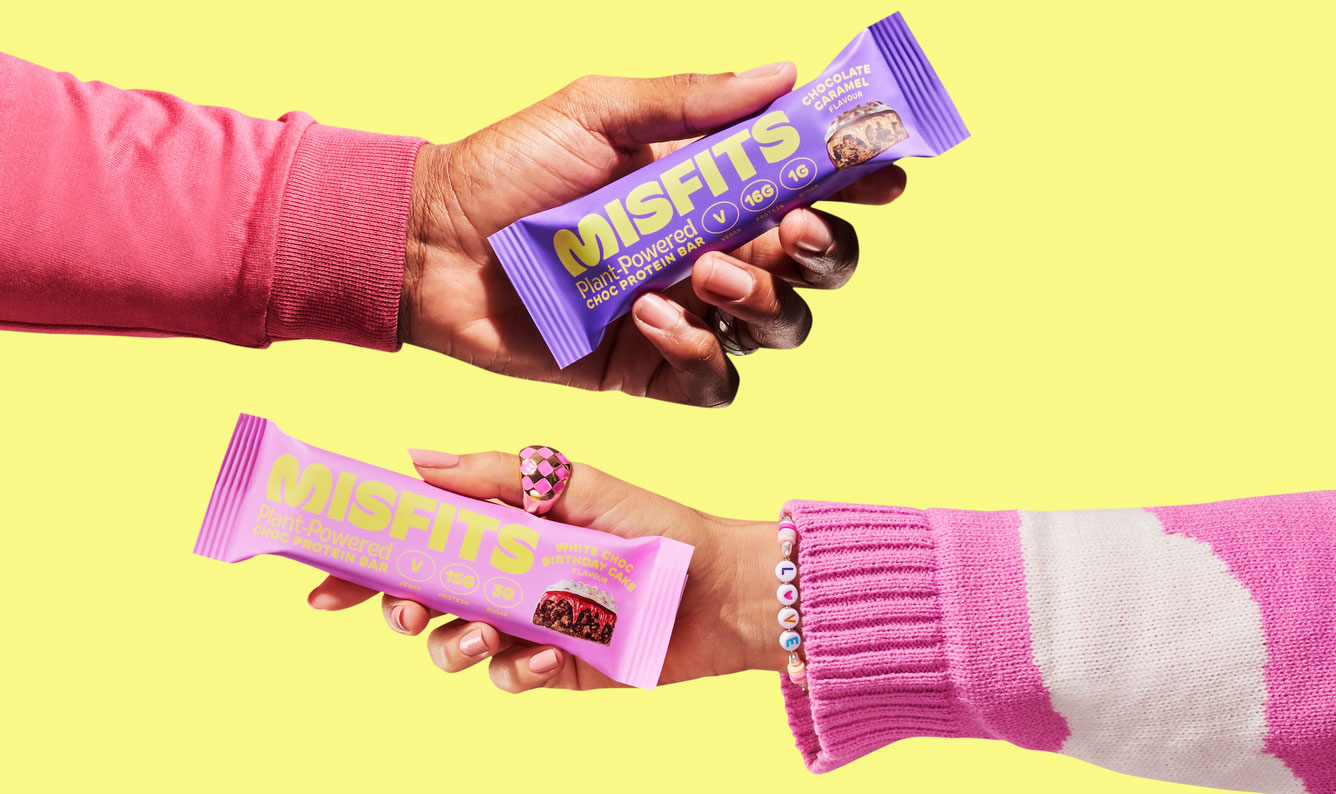 Misfits
“Plant-based will be in such a different place in five years,” says Flatland. “I think we will look back on this time and remember it as the era of plant-based PR problems. The truth is that eating whole foods derived from plants is as natural, clean, and functional as we can get, and continues to follow the evolving needs and values of all consumers.”
https://vegnews.com/spins-report-plant-based-market-resetting

No comments:
Post a Comment