From vegconomist.com
© bit24 - stock.adobe.com
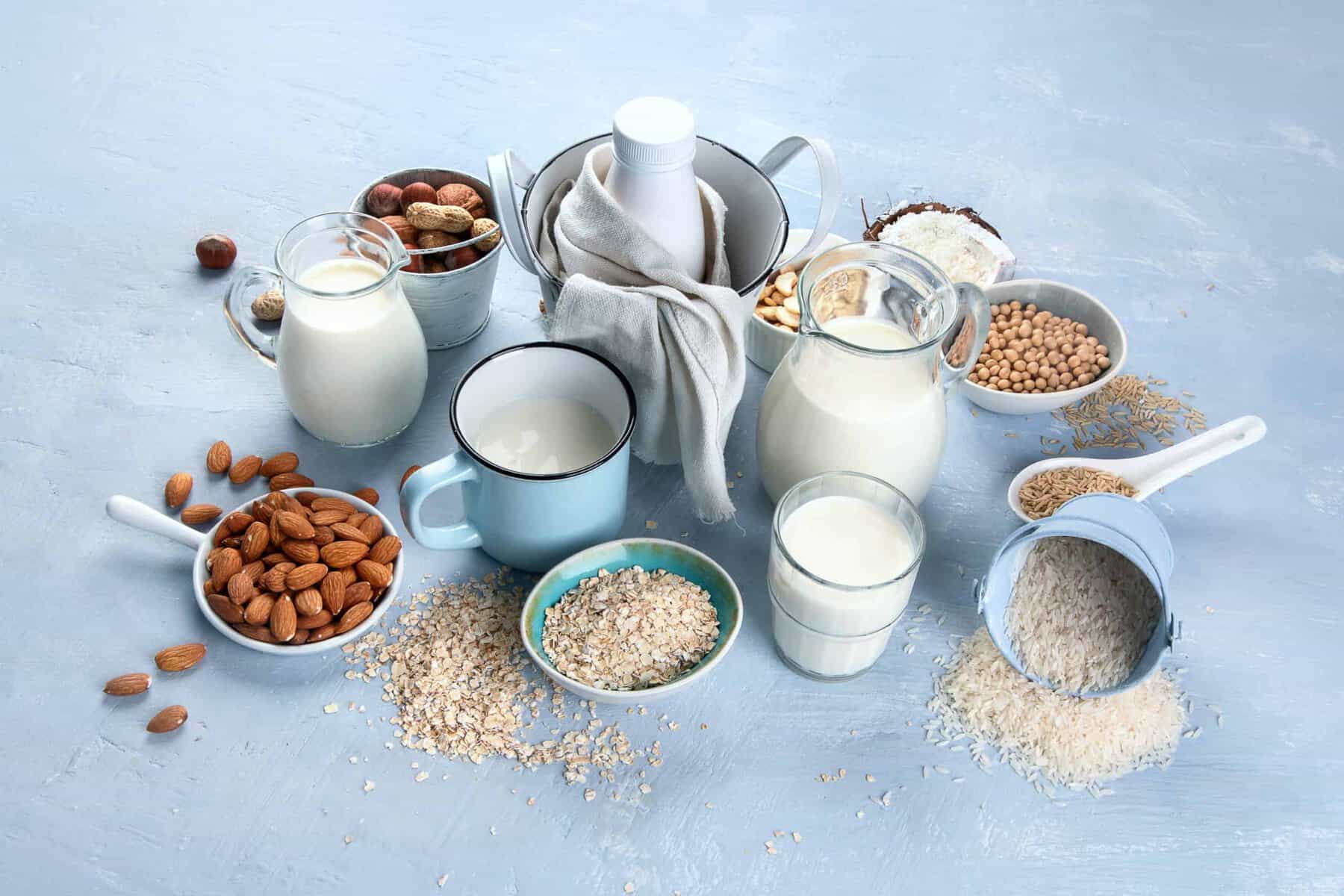
A recent survey conducted by Danone Germany in collaboration with the research firm INNOFACT reports that plant-based milk alternatives are now regularly consumed by nearly half of German respondents. The data, collected from a representative sample of 1,532 individuals in October 2025, suggests that these products are no longer confined to niche consumer segments.
Regular use highest among younger adults and families
According to the findings, 47% of respondents consume plant-based milk alternatives, with 18% reporting regular use. Consumption is particularly high among individuals aged 18 to 29 and households with children, where usage reaches 56%. The most frequently consumed variety is oat milk, used by 48% of consumers, followed by almond milk at 34%. Soy milk holds higher relevance among vegetarians, with 30% indicating regular consumption.
Health-related factors were the most commonly cited motivations for choosing plant-based alternatives, followed by concerns about animal welfare. When asked about purchasing decisions, respondents ranked taste, texture, and value for money as the most influential criteria. Among those who do not use plant-based alternatives, 54% said they dislike the taste, while 44% pointed to the price.

Three-quarters would pay more for fortified options
Nutrient fortification appears to play a growing role in product selection. Forty-four percent of respondents expressed a preference for plant-based milks fortified with vitamins and minerals. Of that group, 75% said they would be willing to pay more for fortified products. Calcium, vitamin D, and vitamin B12 were identified as the most relevant nutrients. Flexitarian respondents also placed emphasis on fibre, plant protein, and iron.
Iodine remains largely overlooked, despite its importance in metabolic functions. Only 22% of those surveyed said they actively monitor their iodine intake, though 71% reported using iodized table salt. Twenty-one percent said they purchase iodine-enriched foods, and supplement use was also reported. Younger respondents and those following vegetarian, vegan, or flexitarian diets were more likely to have their iodine levels tested.
Most unaware of tax disparity with dairy
There is also low awareness of the current tax policy concerning plant-based beverages in Germany. Only 34% of participants were aware that cow’s milk is taxed at the reduced 7% VAT rate, while plant-based milk alternatives are taxed at 19%. When asked about the disparity, 61% supported reducing the VAT on plant-based drinks to 7%. Seventeen percent of current non-users said such a tax adjustment would make them more likely to purchase these products.

“No longer niche products”
In a statement provided by Danone, the company said: “The results clearly show that plant-based milk alternatives are no longer niche products and have established themselves as an integral part of a balanced diet. Consumers want products that are not only plant-based but also nutrient-rich.
“This encourages us to communicate the benefits of added vitamins and minerals even more clearly – and to place greater emphasis on trace elements like iodine. At the same time, we are committed to fair conditions, such as reducing the VAT rate for plant-based drinks to 7 percent.”

No comments:
Post a Comment